
Yellow-Bellied Tit
Yellow-Bellied Tit
Pardaliparus venustulus
Quick Identification guide
Quick Identification guide
- •
Features a bright yellow belly contrasted with a dark bluish-black head and throat
- •
Displays olive-green upperparts with pale wing bars adding subtle color contrast
- •
A short yet pointed bill complements its compact, agile body structure
Description
These small, non-migratory birds like to keep it in the family, foraging for food either in pairs or small family parties. Not much is known about these secretive little guys, except that both parents split the duties of feeding their young, but the eggs, however, are incubated by the female alone.
The yellow-bellied tit can weigh between 9to12.5grams and be from10to11centimeters tall.
The Yellow-bellied tit typically lives for two to three years. In comparison, its close relative, the Great tit, has a similar lifespan, with most individuals not surviving beyond their second year. However, some specimens of both species have been known to live significantly longer, up to a maximum of about ten years in rare cases. Longevity in these species is influenced by factors such as predation, disease, and availability of food.
Did you know?
Most popular questions about yellow-bellied tit
How to recognise a yellow-bellied tit?
General appearance
The Yellow-bellied Tit is a small bird species characterized by its striking coloration and distinctive features. It measures around 13 centimeters in length with a modestly-sized tail. It has a glossy black head, back, and tail while its underparts, cheeks, and a patch on its neck are a vibrant yellow. Its eye is also fringed by a thin, white line.
Male vs female
Notably, there are no drastic differences between the male and female Yellow-bellied Tit. They both share the same coloration and physical appearance, making it challenging to distinguish between them based on aesthetics alone. Apart from slight size variation, which is hardly noticeable, the males and females are visually almost identical.
Juvenile
Juvenile Yellow-bellied Tits are distinguishable from adults by their duller coloration. They display less vibrant yellow underparts and their black feathers lack the glossy sheen present in the adults. Moreover, juveniles possess a less distinct, greyish-white ring around their eyes. Over time, their colors develop, becoming more pronounced and glossy as they mature into adulthood.
Often mistaken for
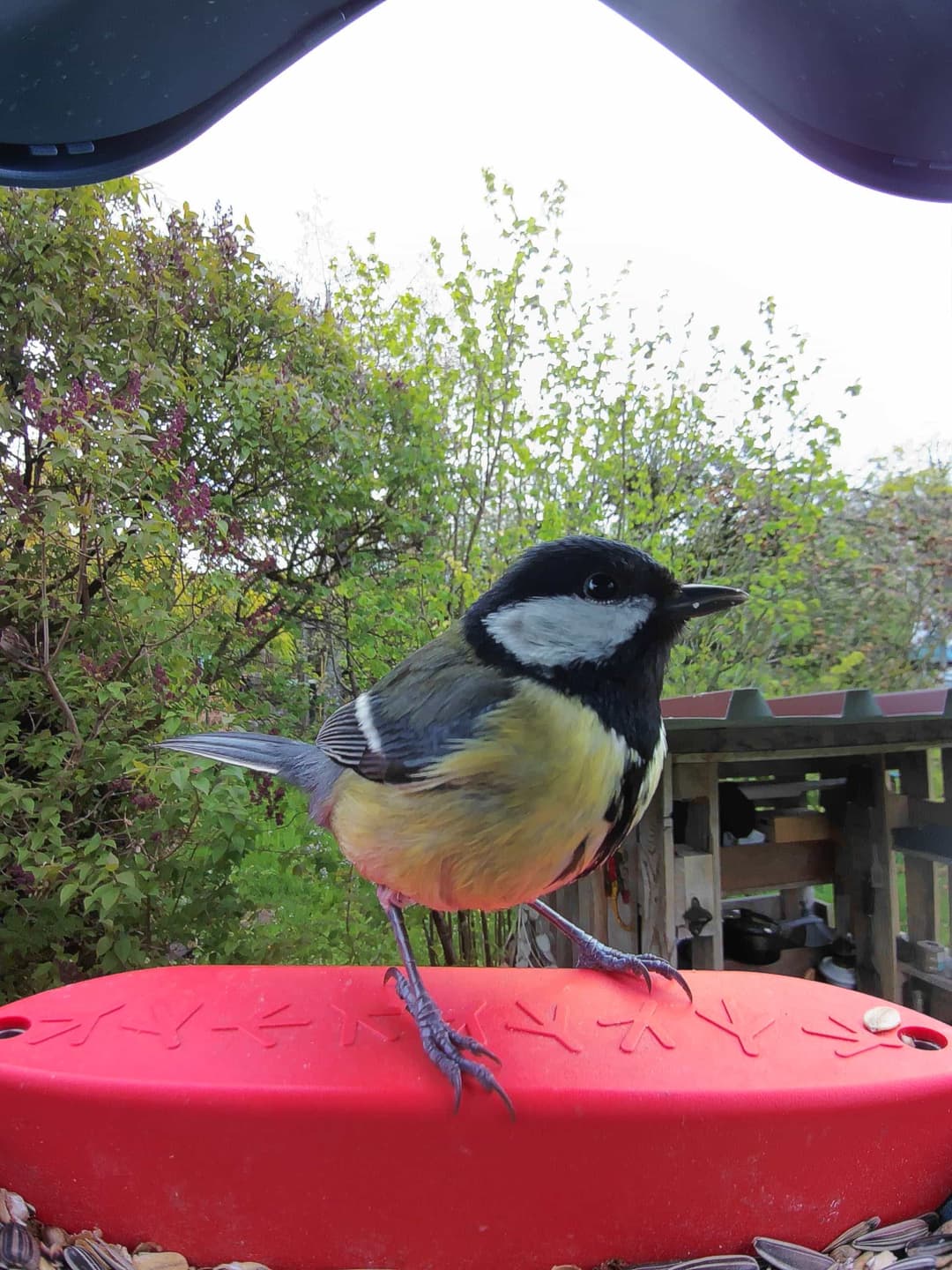
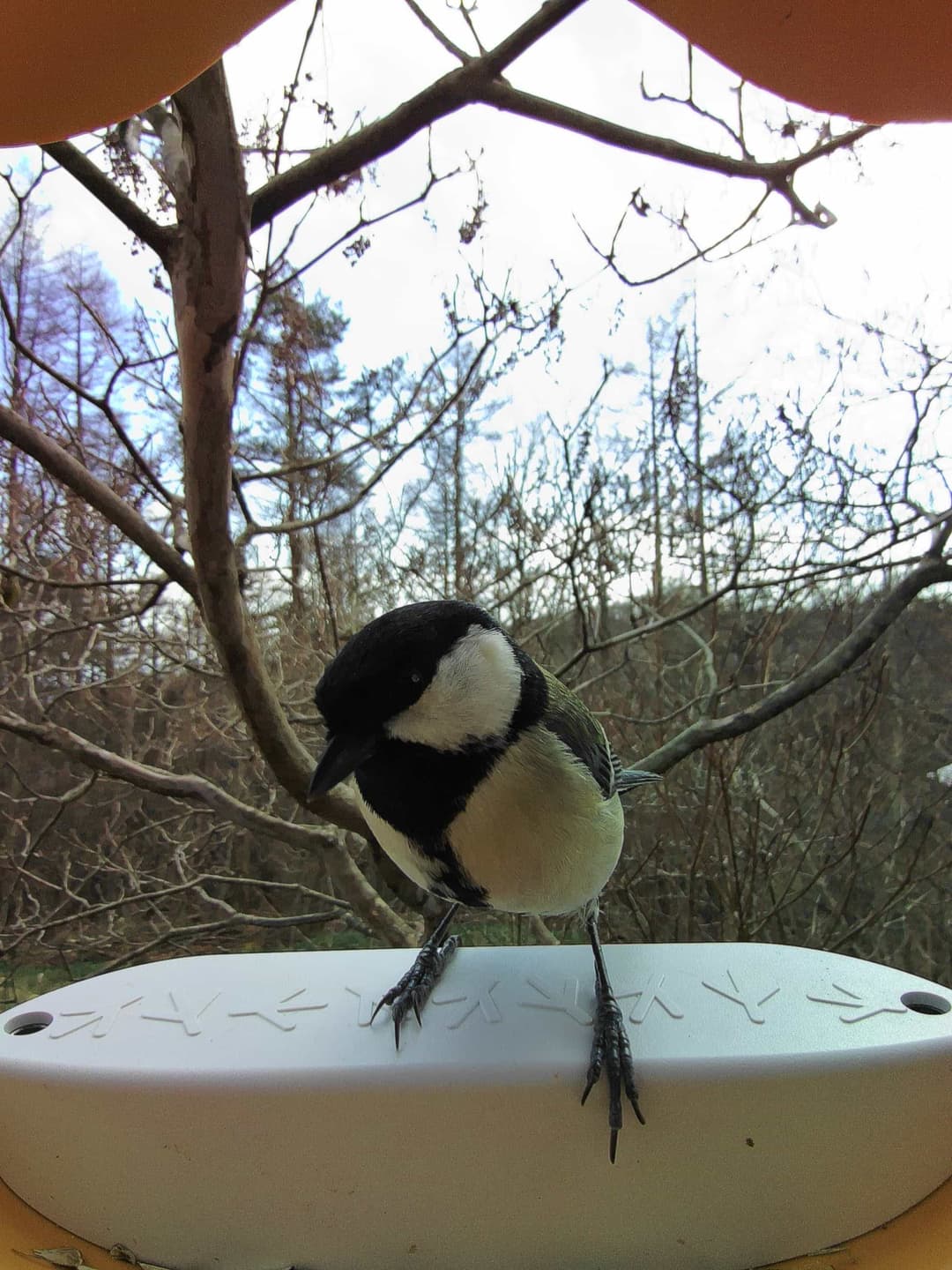
Great Tit vs Yellow-Bellied Tit
The Great Tit is similar in appearance to the Yellow-Bellied Tit but has a darker head and a distinct black stripe running down its chest.
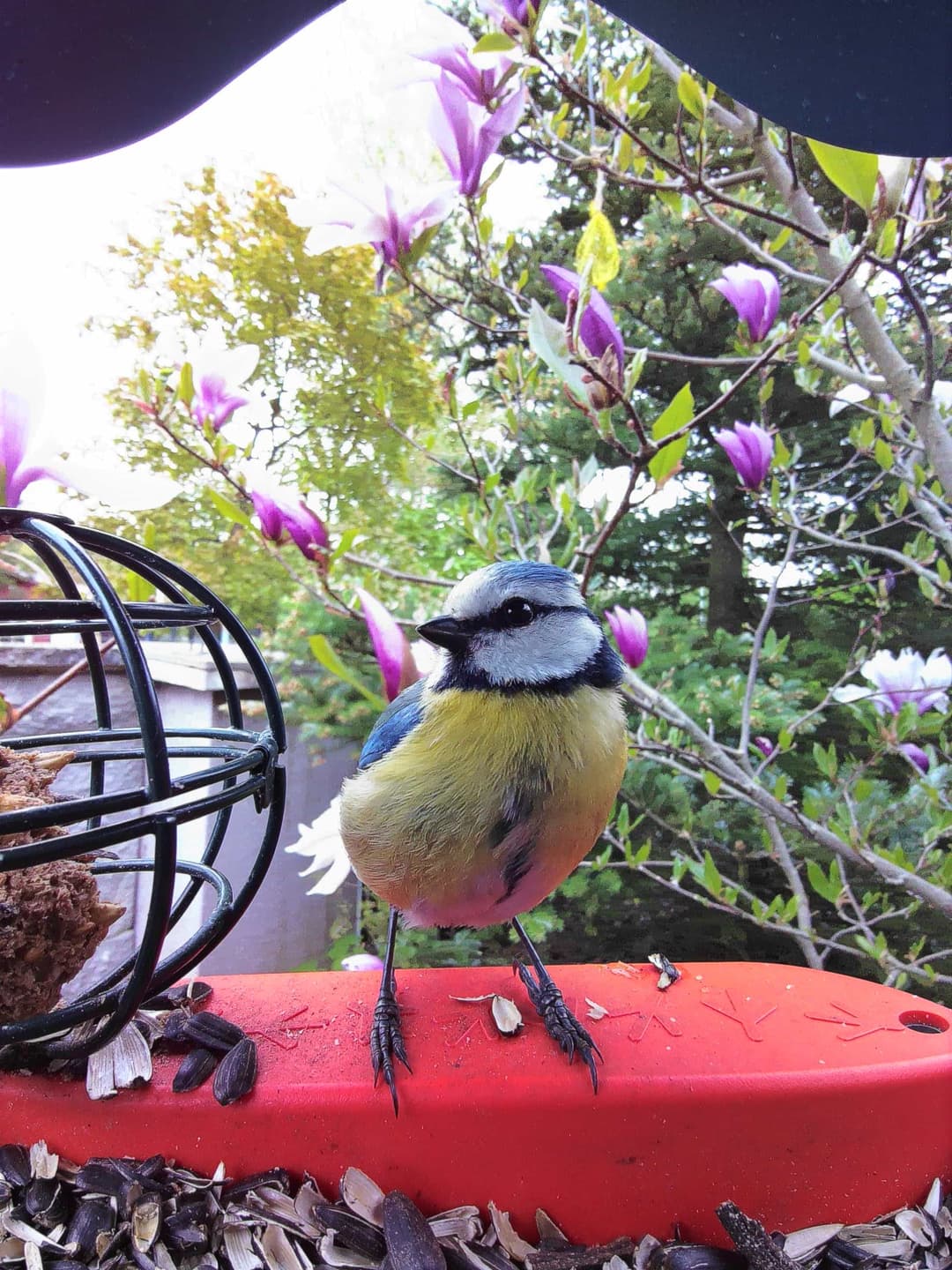
Eurasian Blue Tit vs Yellow-Bellied Tit
While the Eurasian Blue Tit shares the yellow and blue coloring with the Yellow-Bellied Tit, it can be distinguished by its blue cap and white face.
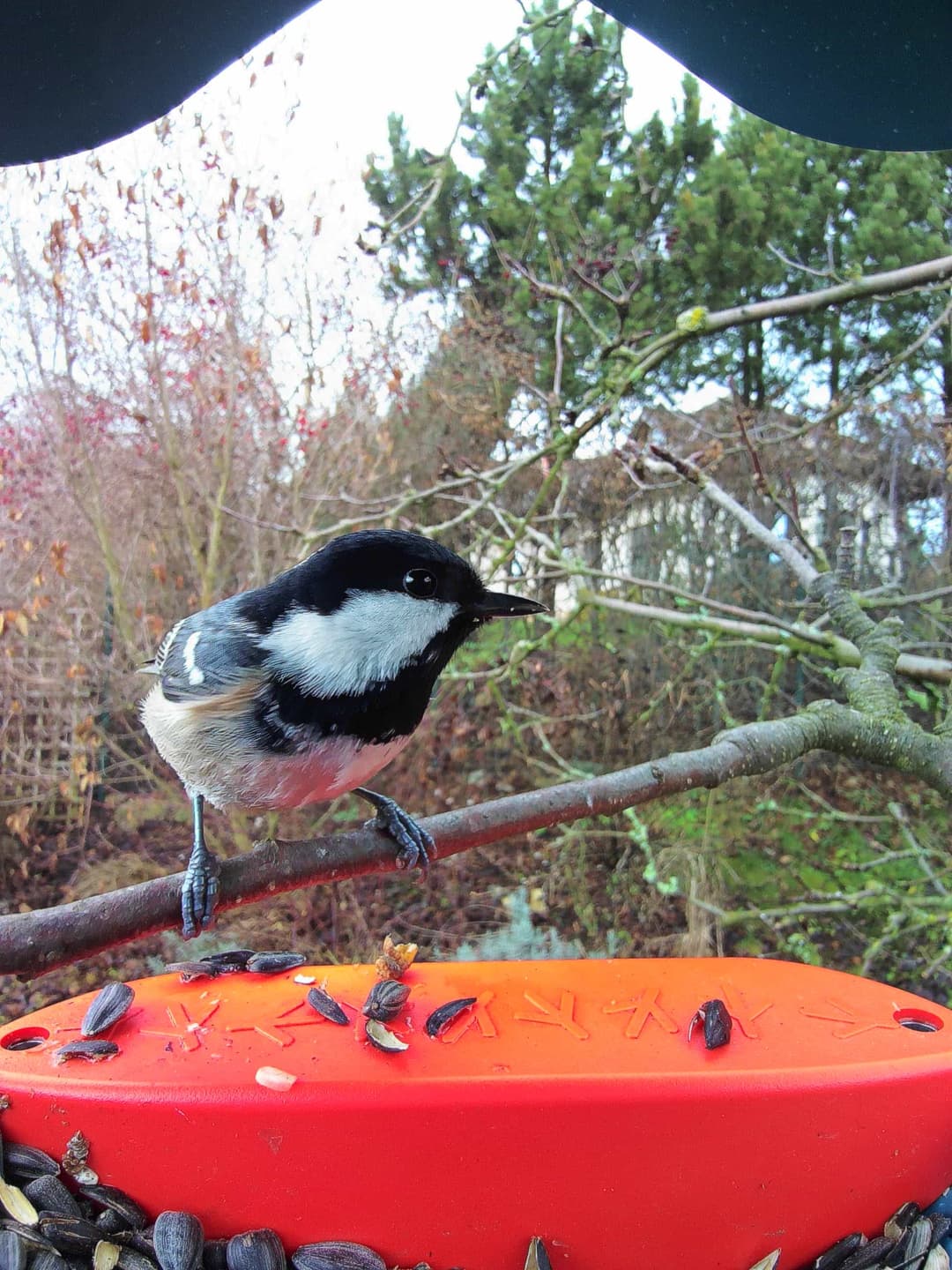
Coal Tit vs Yellow-Bellied Tit
The Coal Tit may resemble the Yellow-Bellied Tit, but it has a distinctive white patch on the nape and does not have the yellow belly.
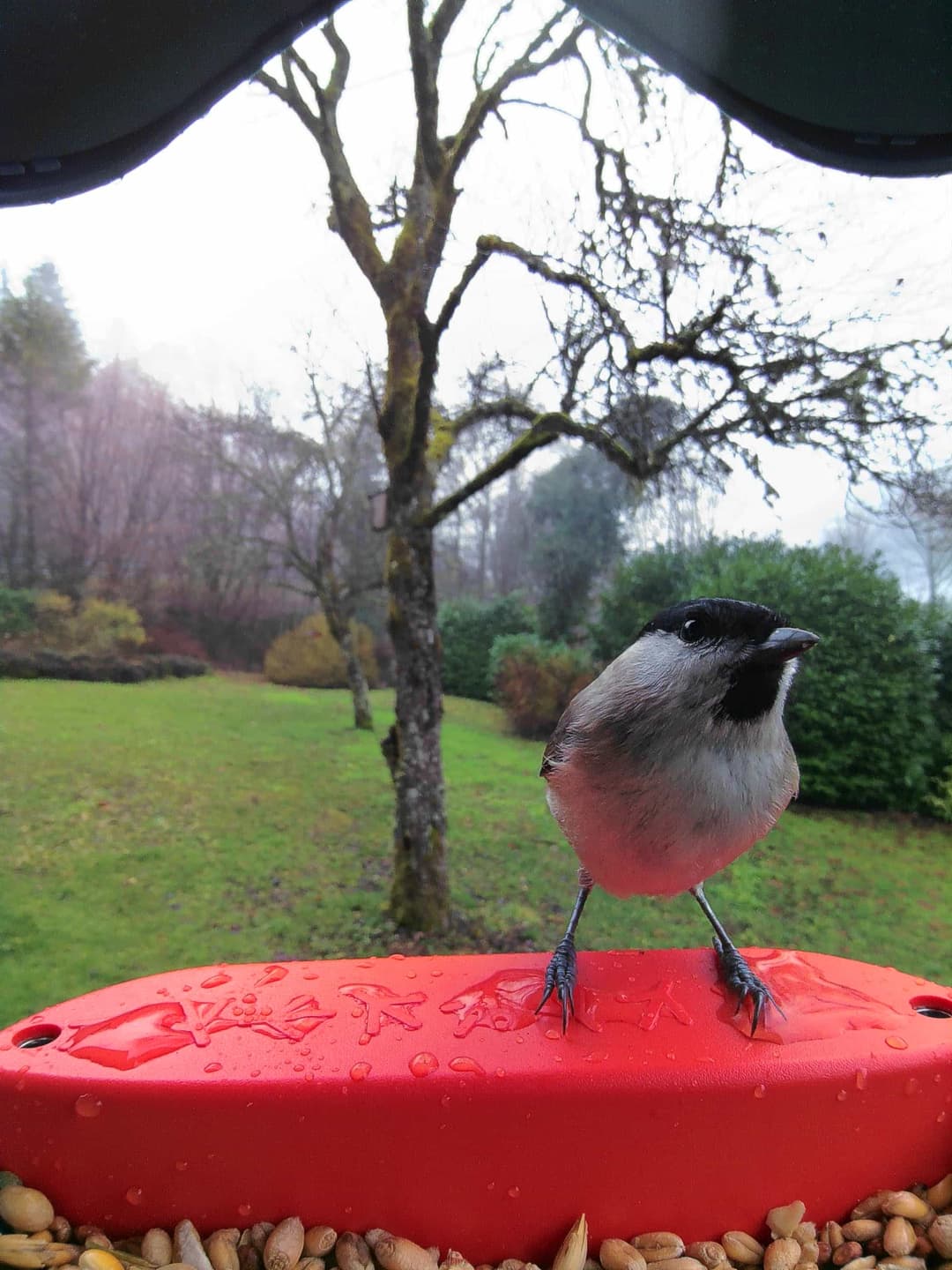
Marsh Tit vs Yellow-Bellied Tit
The Marsh Tit can be confused with the Yellow-Bellied Tit, but it lacks the vibrant yellow coloring and instead has a more subdued color palette.
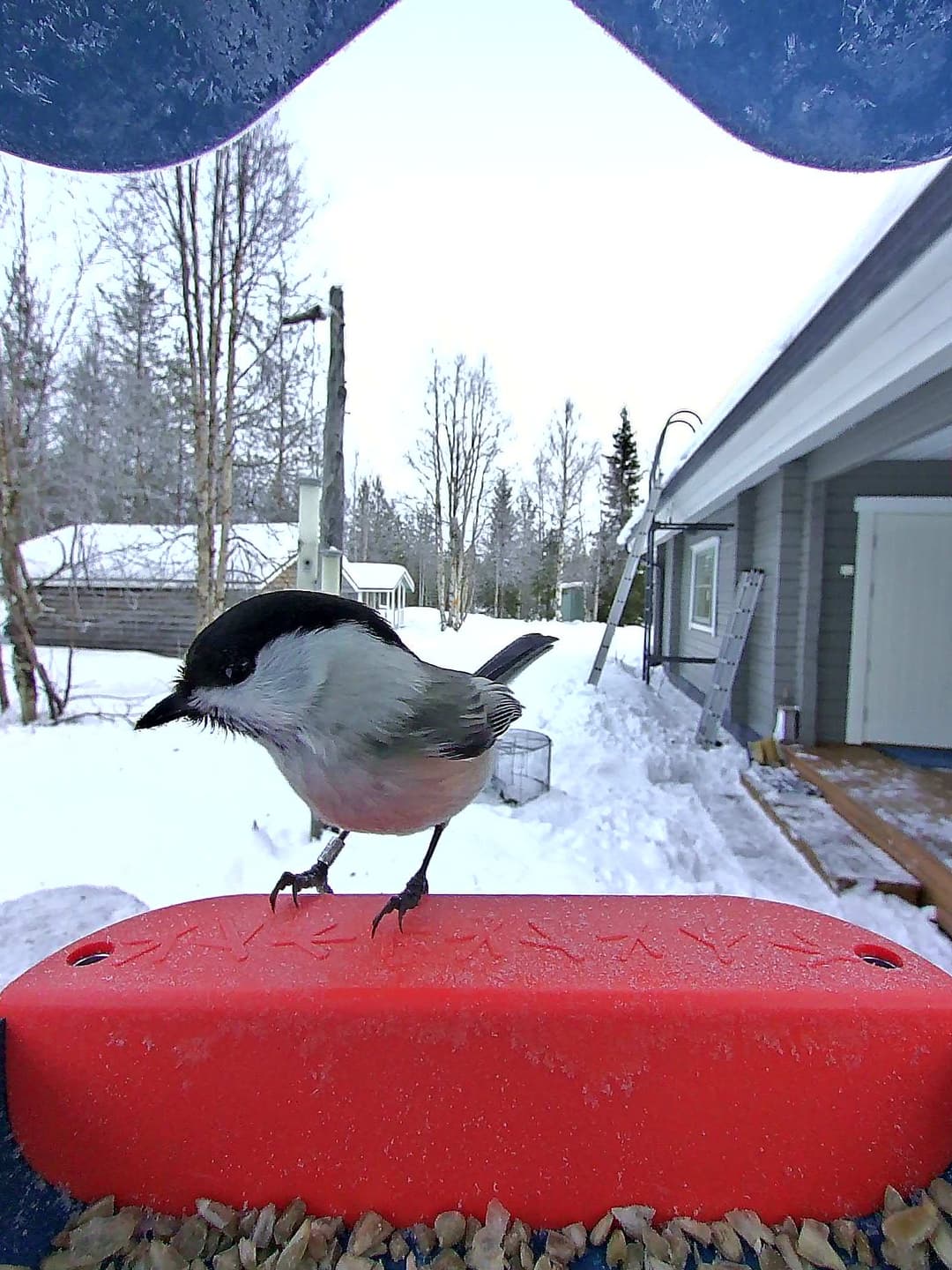
Willow Tit vs Yellow-Bellied Tit
Similar to the Marsh Tit, the Willow Tit does not have the yellow coloring and has a slightly larger head, making it distinguishable from the Yellow-Bellied Tit.
Japanese Tit vs Yellow-Bellied Tit
The Japanese Tit looks like the Yellow-Bellied Tit but has a smoky grey back and lacks the bright yellow underparts.
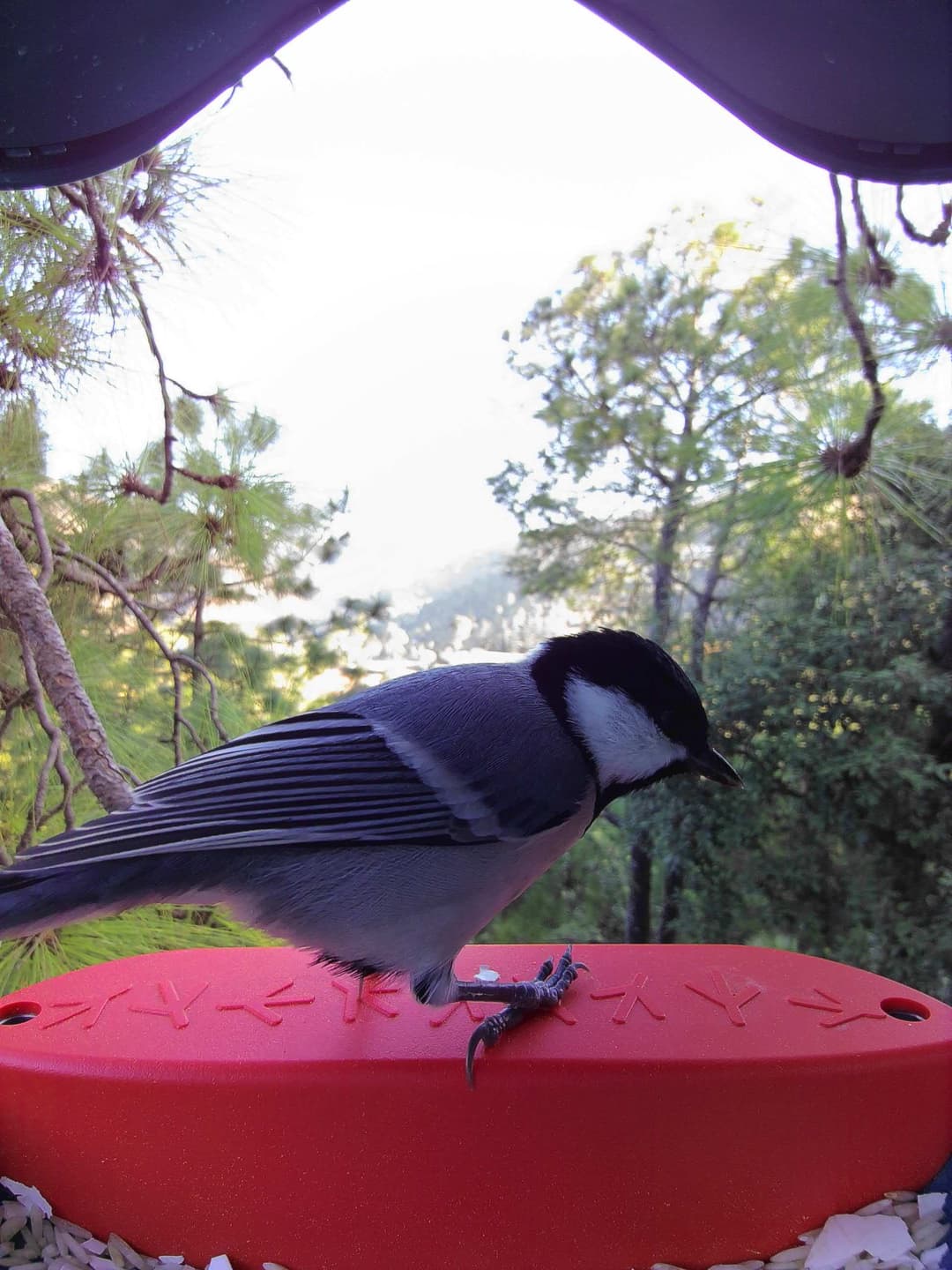
Cinereous Tit vs Yellow-Bellied Tit
Often mistaken for the Yellow-Bellied Tit, the Cinereous Tit is similar in size but does not have the yellow coloring, featuring more grey and white tones.
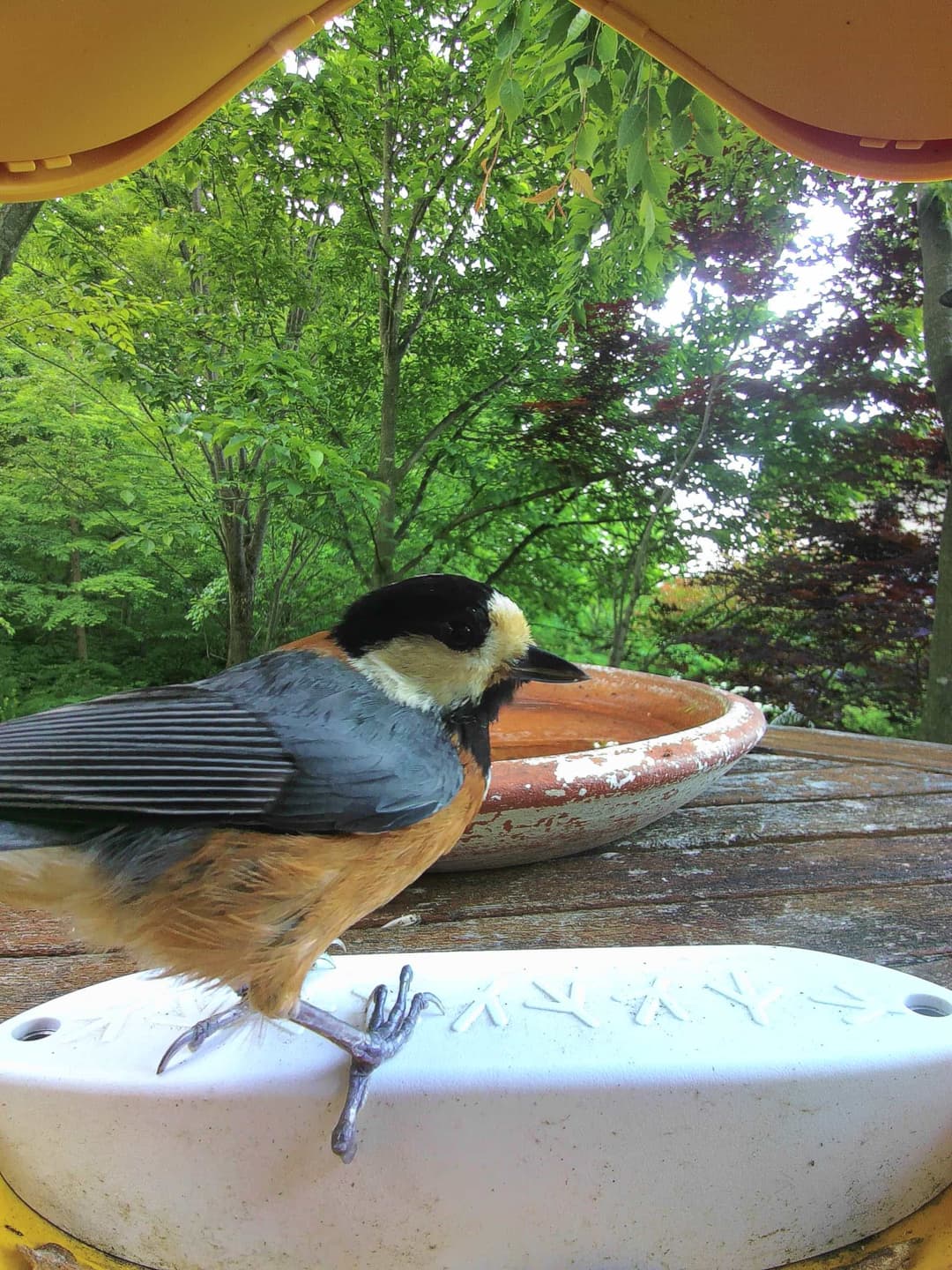
Varied Tit vs Yellow-Bellied Tit
The Varied Tit may be confused with the Yellow-Bellied Tit due to its similar head markings, but it is more colorful with red-brown flanks.
Breeding and nesting habits of the yellow-bellied tit
Mating behaviors
The yellow-bellied tit engages in elaborate courtship displays involving song and aerial maneuvers. Males attract females through vocal performances and vibrant plumage displays during the breeding season.
Nesting details
Yellow-bellied tits build cup-shaped nests in tree branches or shrubs, using materials such as moss, leaves, and spider webs. They can also nest in gardens where dense vegetation provides suitable shelter.
Eggs and chick-rearing
Females lay 4-7 eggs and both parents participate in incubation and feeding. Chicks are fed insects and larvae, ensuring rapid growth. Garden habitats can be enhanced with native plants and birdhouses to support their nesting.
What does a yellow-bellied tit like to eat?
Insects
Seeds
Spiders
Natural diet
The yellow-bellied tit primarily feeds on insects such as beetles, caterpillars, and spiders found in trees and shrubs. It also consumes various seeds, berries, and other plant material, depending on the season and availability.
Bird feeders
At bird feeders, the yellow-bellied tit often eats sunflower seeds, suet, and small pieces of nuts. It is also known to enjoy peanut butter and various other seed mixes commonly provided in backyard feeders.
Attracting the yellow-bellied tit
Attracting the yellow-bellied tit to your yard or feeder can be a lot of fun. These birds adore places with ample coverage, preferably a garden with plenty of trees and bushes. Establishing bird houses around your yard can serve as excellent shelters for them.
Ideal feeder and food
Tube feeders are excellent for yellow-bellied tits as they allow easy access for these small birds. Fill these feeders with their preferred foods such as fruits, suet and seed mix. Bird Buddy seeds are particularly popular among these birds, chosen by experts for their nutritional value relevant to each season.
Fun tricks
For some fun, consider setting up a water birdbath. Yellow-bellied tits find these irresistibly attractive. You can also try mildly swinging feeders; these birds are agile and enjoy the small challenge. If you play soft music, you're in for a treat, as these birds are likely to chime in for a delightful sing-along!
Where can you find yellow-bellied tits?

Primary habitat
The Yellow-bellied Tit is native to East Asia, preferring to reside in mixed forests and coniferous woodlands.
Additional range
While it primarily nests in trees, it is adaptable and may also frequent plantation gardens and other green spaces near human settlements.
Do they migrate?
The yellow-bellied tit (*Periparus venustulus*) is primarily a resident bird, meaning it generally does not migrate and tends to stay in its habitat year-round. This species is native to parts of East Asia, particularly China and Taiwan. It inhabits lowland and montane forests, including subtropical or tropical moist lowland forest and temperate forest. While most populations of the yellow-bellied tit remain in the same region throughout the year, some local movements may occur in response to food availability or environmental conditions. However, these movements are generally not long distance or seasonal in the same way as typical bird migrations. Overall, the yellow-bellied tit's lifestyle is characterized by its residence in relatively consistent habitats, taking advantage of the resources available in various types of forests across its range. Such stability in its geographic location allows this bird to maintain its niche without extensive migratory patterns.
What is the role of yellow-bellied tits in nature and how to protect them?
Conservation status
The yellow-bellied tit is currently classified as a species of "Least Concern." It is relatively common across its range, primarily found in East Asia. While the species is not currently facing significant threats, habitat loss due to deforestation and urbanization could pose future risks. No major conservation efforts are specifically targeted at the yellow-bellied tit, but general habitat protection measures in its range help maintain its populations. Continued monitoring is essential to ensure it remains common and unaffected by environmental changes.
Ecological role of yellow-bellied tits
Its role in the ecosystem
The yellow-bellied tit is a small bird species native to East Asia, playing vital roles in maintaining its local ecosystems. Its most significant ecological contribution is as an agent of pest control. These birds feed principally on insects, many of which are harmful to forest vegetation or agricultural crops, helping to balance the insect population and prevent pest outbreaks. Additionally, the yellow-bellied tit plays a role in seed dispersal, which can aid plant reproduction and expansion. Eating fruits and berries, the seeds are often excreted away from the parent plant, promoting the growth of new plants and thus contributing to forest regeneration and biodiversity. As a food source for larger predators, this species also serves in the food chain and supports diverse wildlife populations. The nesting habits of yellow-bellied tits can also enhance habitat structure, creating spaces that other species can utilise. Therefore, the yellow-bellied tit's ecological significance is multifaceted, positively impacting pest control, seed dispersal, food chain dynamics, and habitat development.
How to help protect yellow-bellied tits
Preservation tips
Habitat preservation strategies
To conserve the yellow-bellied tit, focus on maintaining and protecting their natural habitats, which include the coniferous forests primarily in Eastern Asia. Implement strict regulations against deforestation and promote reforestation activities where the habitat has been damaged. Monitor potential threats like invasive species and mitigate their impact.
Community science initiatives
Engage local communities in the conservation efforts through education and outreach on the ecological importance of yellow-bellied tit. Establish community science initiatives where citizens contribute to data collection on bird numbers, nesting patterns, and migration. This could be in the form of bird counts or birdwatching initiatives that help track the species' population and trends.