Common Rosefinch or House Finch?
Here's how to tell the difference
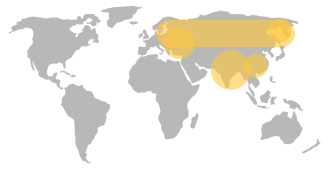

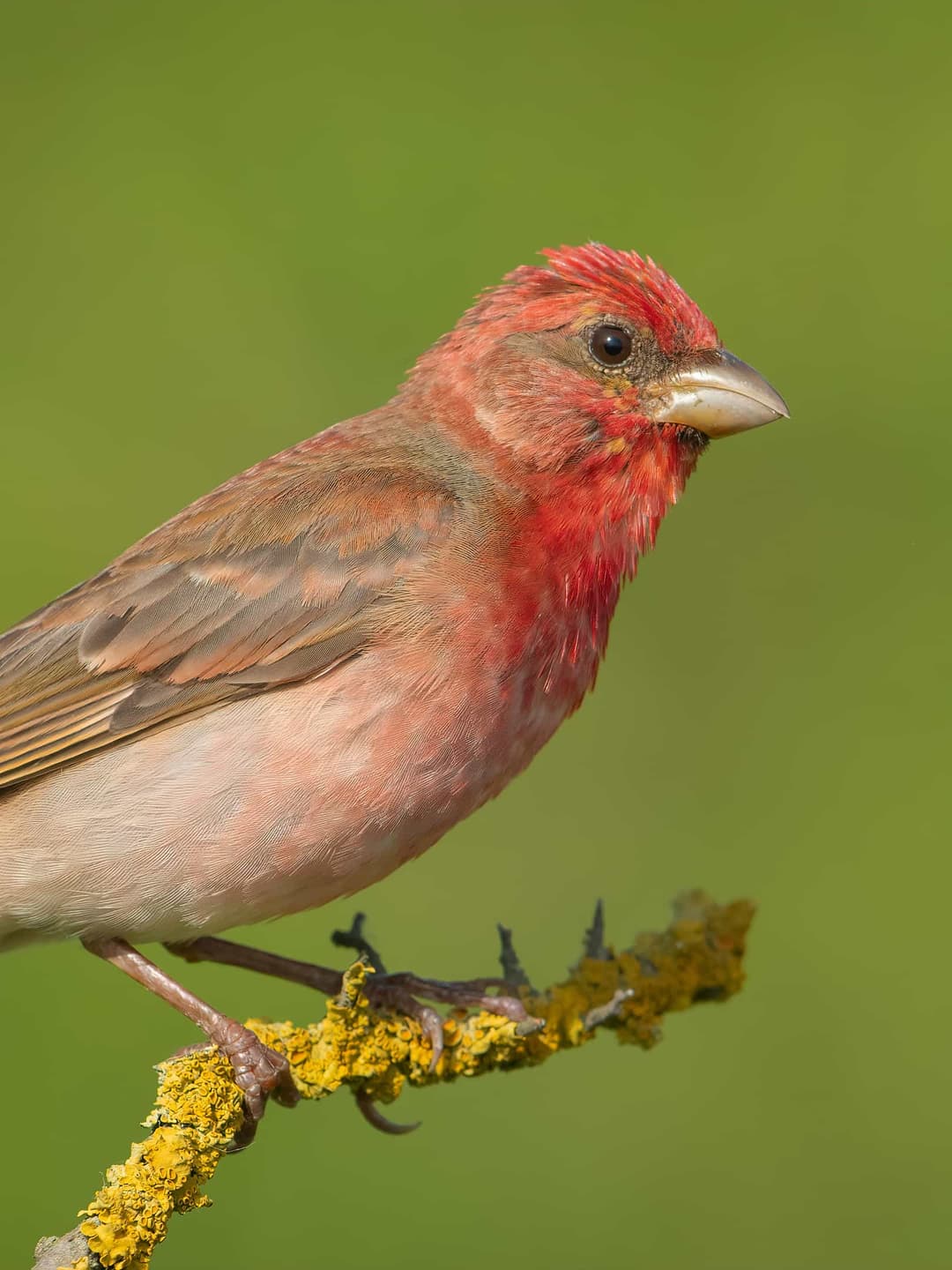
Common Rosefinch
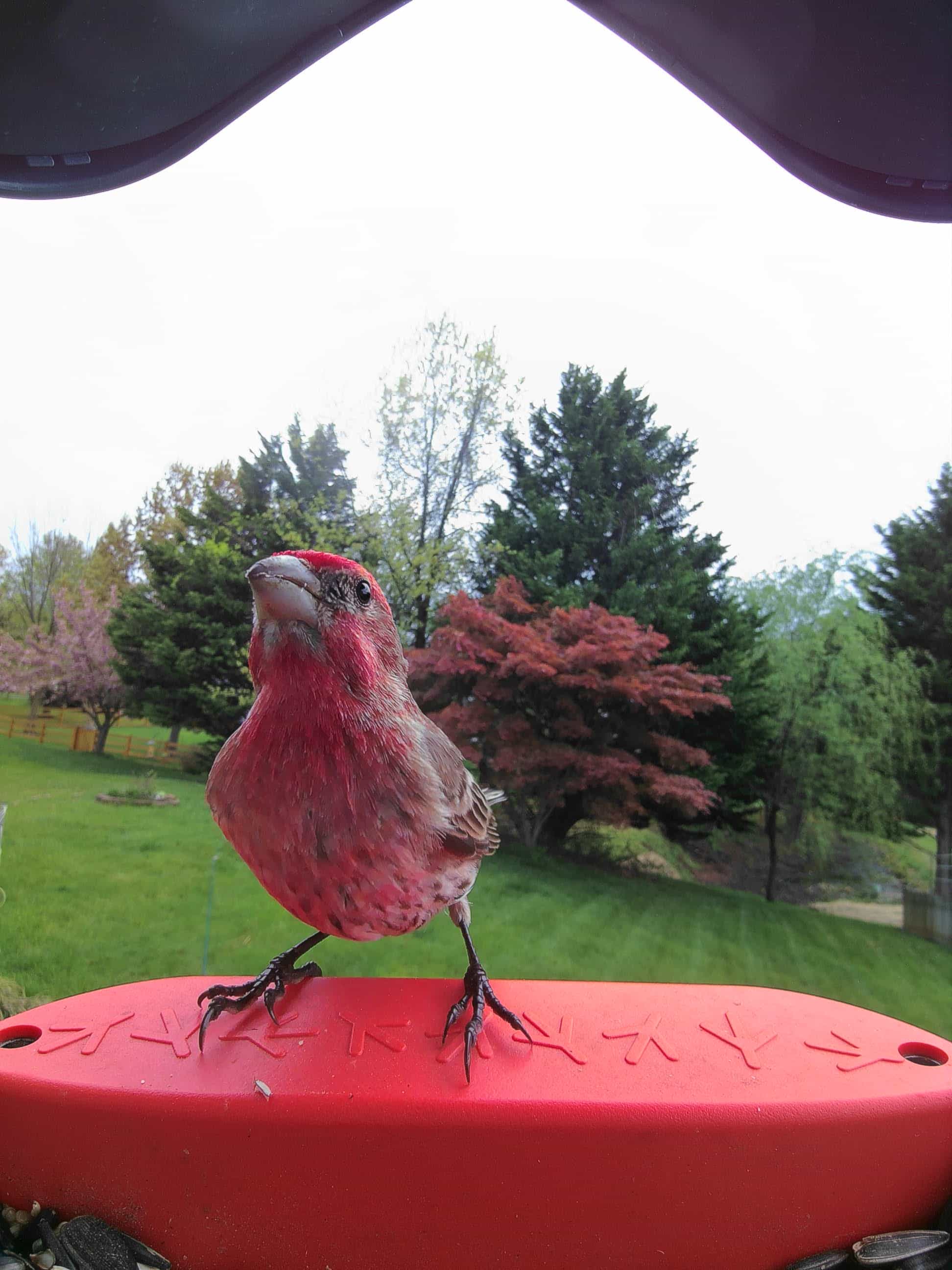


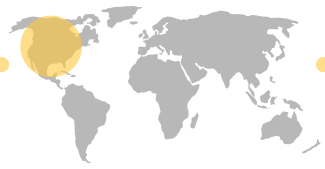
House Finch
Common Rosefinch
Carpodacus erythrinus
Also known as: Scarlet Rosefinch
General appearance
The common rosefinch is a medium-sized bird with a robust build and a heavy, conical bill. The species typically measures between 15-17 centimeters in length. The bird has a short tail and rounded-wing tip. Its physical appearance varies seasonally; in summer, the plumage becomes faded while winter moulting renews some of its vibrancy.
Male vs female
Adult male rosefinches showcase a distinctive rosy-red coloration on the head, breast, and rump, which gives the species its name, with a brownish back. Their feathers may fade to brownish-pink after summer moulting. Females and older males are less vibrant, with a more subdued, brownish or grayish coloration throughout. Both genders have dark brown upperparts and paler underparts.
Juvenile
Juvenile common rosefinches possess a similar coloration to the females, but are distinguishable by their more mottled, streaked appearance. Their plumage is typically gray-brown with buff edges, giving them a scalloped appearance. As juveniles mature, males begin to develop the bright, rosy plumage characteristic of the species.
Size
5.1 - 5.9 in/0.7 - 1.2 oz
There's more to learn about Common Rosefinch
View full detailsHouse Finch
Haemorhous mexicanus
General appearance
House finches are about the size of a sparrow at 5-6 inches long (13-15 cm). They possess a rounded wing shape and a notched, square-tipped tail. The prominent colorations include brown, orange, red, and white. Their underparts are pale with blurry stripes all over, and sides feature dark stripes.
Male vs female
Female and young house finches flaunt a rather plain brown face, creating a stark contrast with the males who showcase a red eyebrow and forehead that contrasts with a brown cap. The males also have a red throat and chest, with their lower underparts being whitish. The red coloration in some males can be replaced by orange or yellow which adds to their distinctive appearance.
Juvenile
Young house finches, similar to females, display a plain brown face. However, they display sharper stripes all over their pale underparts. This provides a distinctive mark to identify juveniles from adults. These birds also lack the stripes of house sparrows and different patterns of native sparrows.
Size
4.9 - 5.9 in/0.7 - 0.8 oz
There's more to learn about House Finch
View full detailsHow to tell the Common Rosefinch from the House Finch
Visual differences
Common Rosefinches and House Finches are similar in size, both about 5-6 inches long. Common Rosefinch males have rosy-red heads, breasts, and rumps, with brownish backs. In contrast, male House Finches display red, orange, or yellow throats and chests, with brown caps. Female and juvenile rosefinches are more uniformly brown with streaked underparts, while female and juvenile house finches have plain brown faces and sharper stripes on their pale underparts. Common Rosefinches have a heavier, conical bill compared to the more slender bill of House Finches.
Key differences and behavior
The Common Rosefinch and House Finch exhibit distinct behavioral differences. The Common Rosefinch, found mainly in dense Eurasian forests, adapts to various habitats like gardens and alpine meadows, while the House Finch thrives in urban and suburban environments across North America, avoiding dense forests. During breeding, male Common Rosefinches attract mates through singing and vibrant plumage displays, nesting in low trees and bushes. In contrast, House Finches, forming pairs year-round, engage in flight-song displays, nesting in versatile locations including buildings and using a wider array of materials. Dietary habits show Common Rosefinches primarily consume seeds, grains, and occasional insects, whereas House Finches have a largely plant-based diet, often feeding on various seeds and fruits. Both species frequent bird feeders, favoring sunflower seeds and millet, yet their habitat preferences and courtship behaviors clearly distinguish them.
Still not sure? Here are more lookalikes!
Common Rosefinch vs Purple Finch
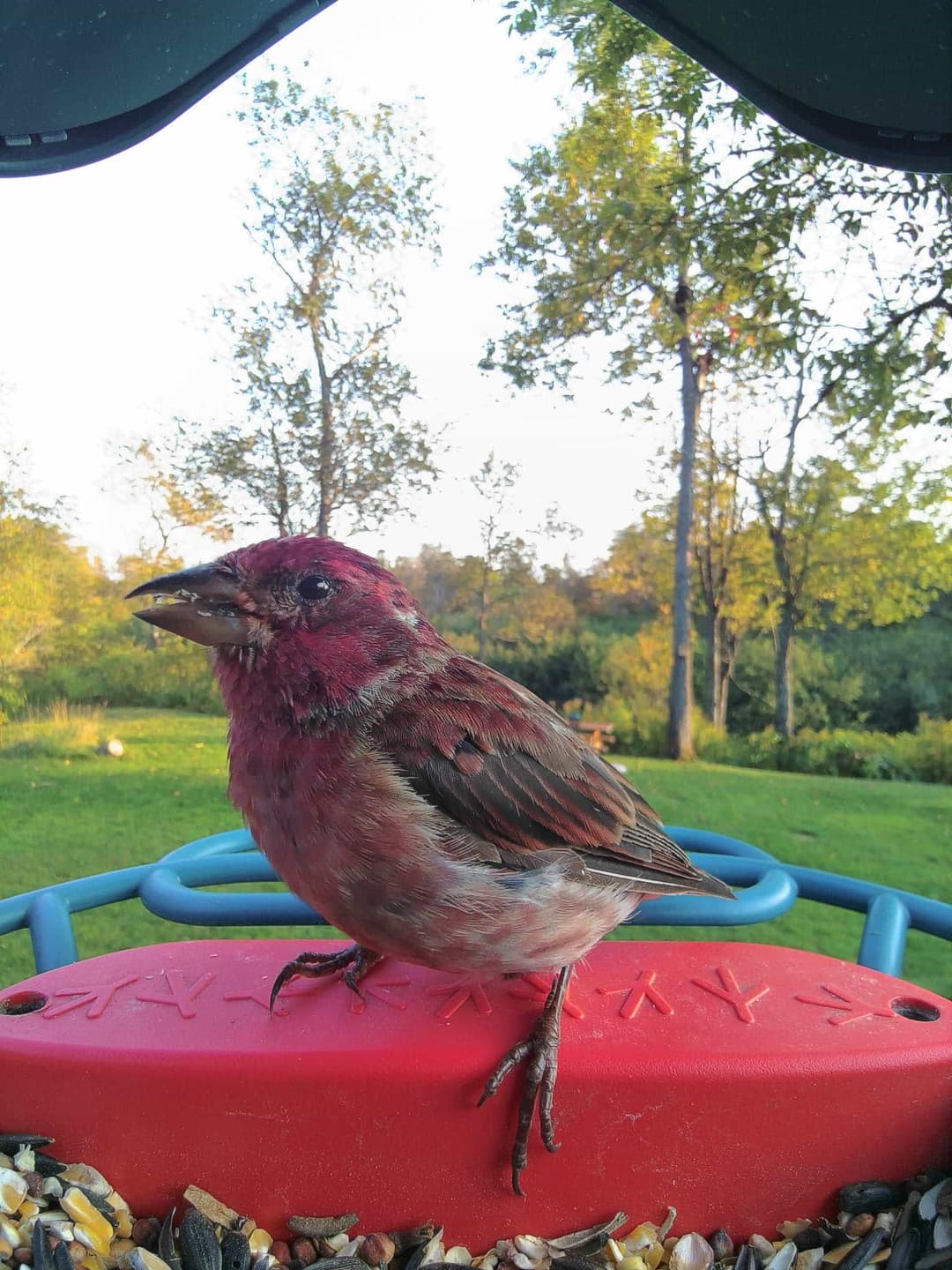
House Finch vs Purple Finch
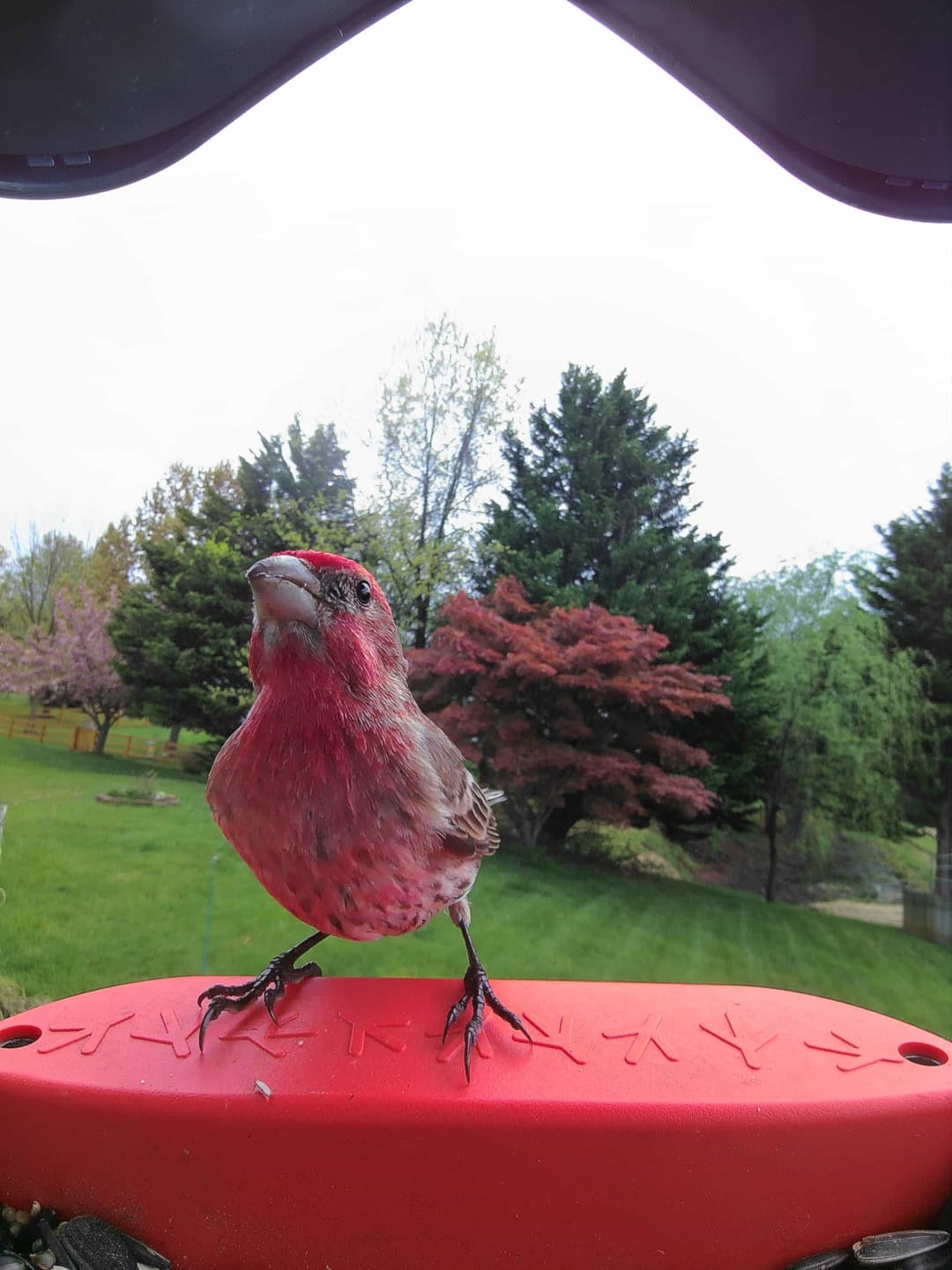
House Finch vs Cassin’s Finch
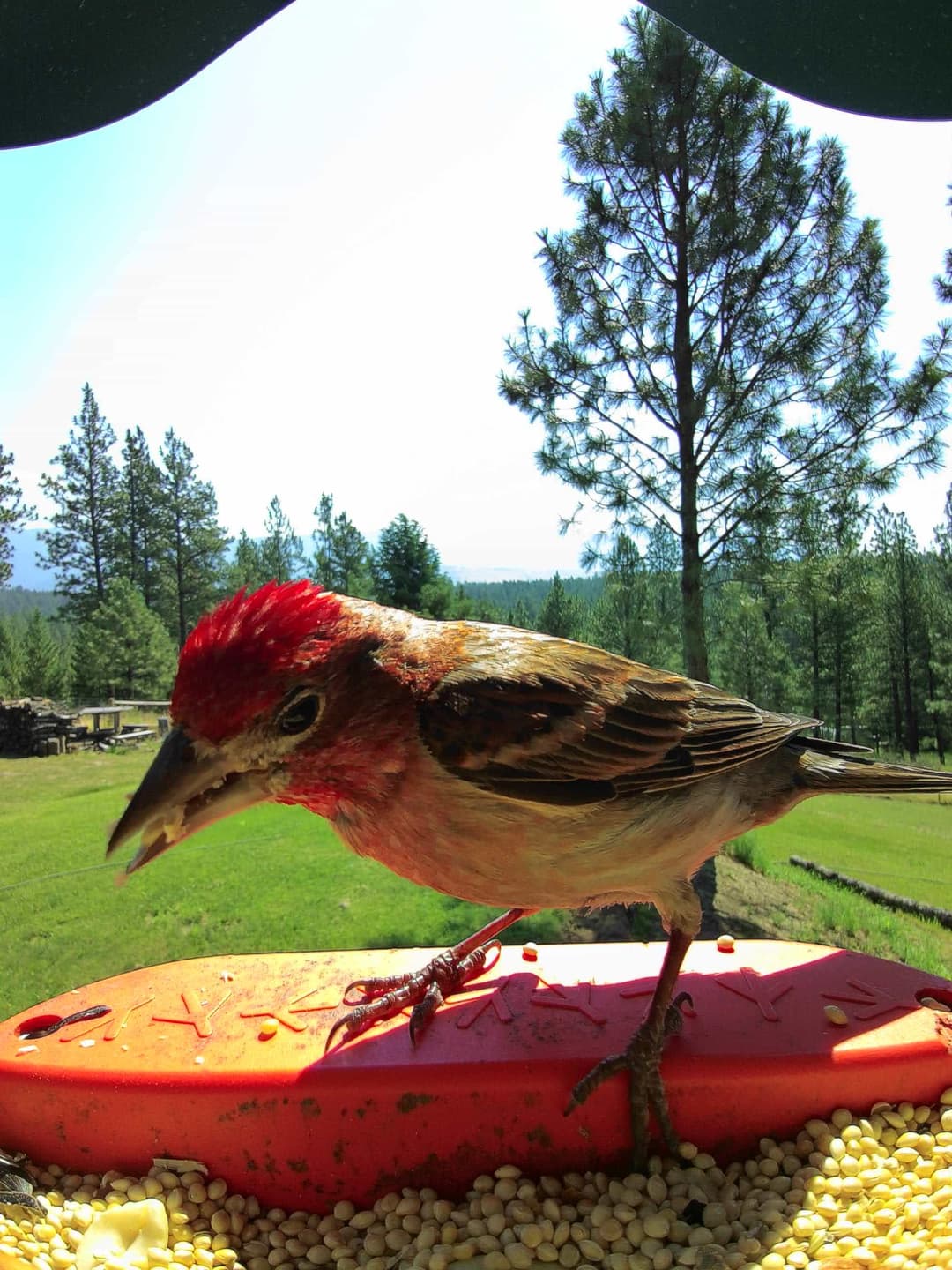
House Finch vs Pine Siskin
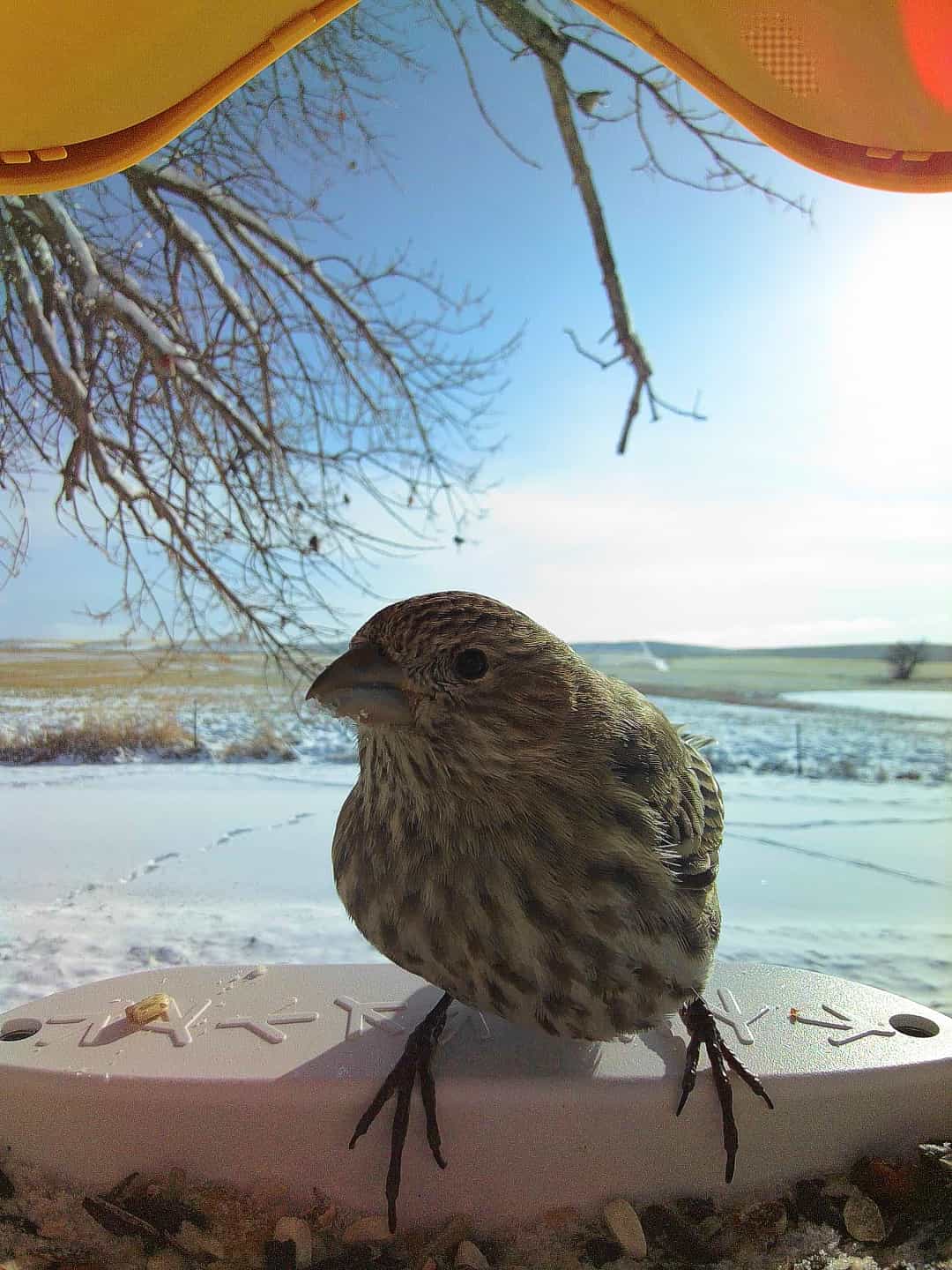
Common Rosefinch vs [Select a bird]

[Select a bird]
Pick a bird to compare
House Finch vs [Select a bird]
[Select a bird]
Pick a bird to compare