Common Linnet or Chipping Sparrow?
Here's how to tell the difference
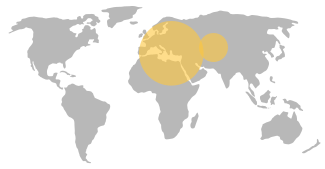


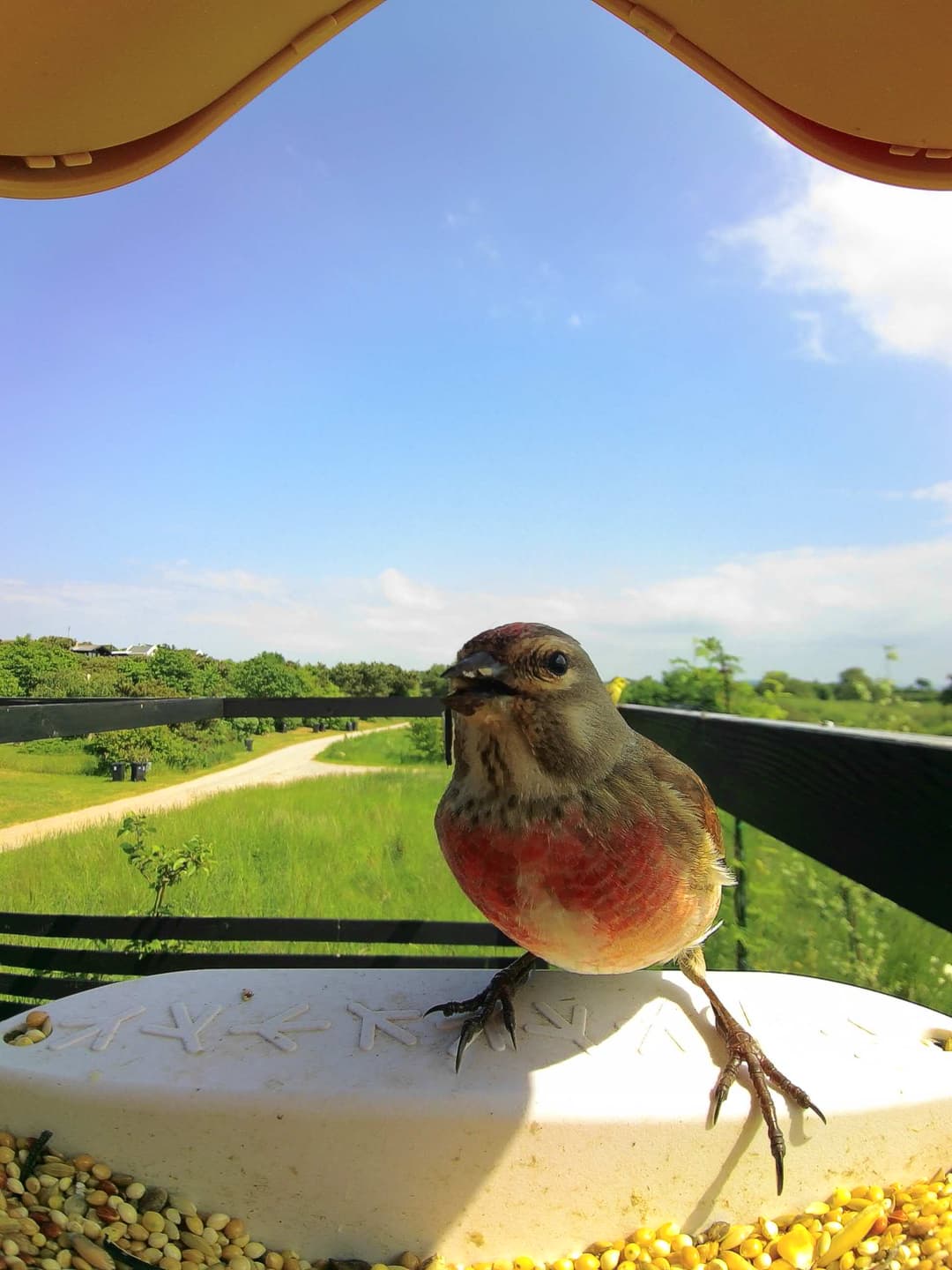
Common Linnet
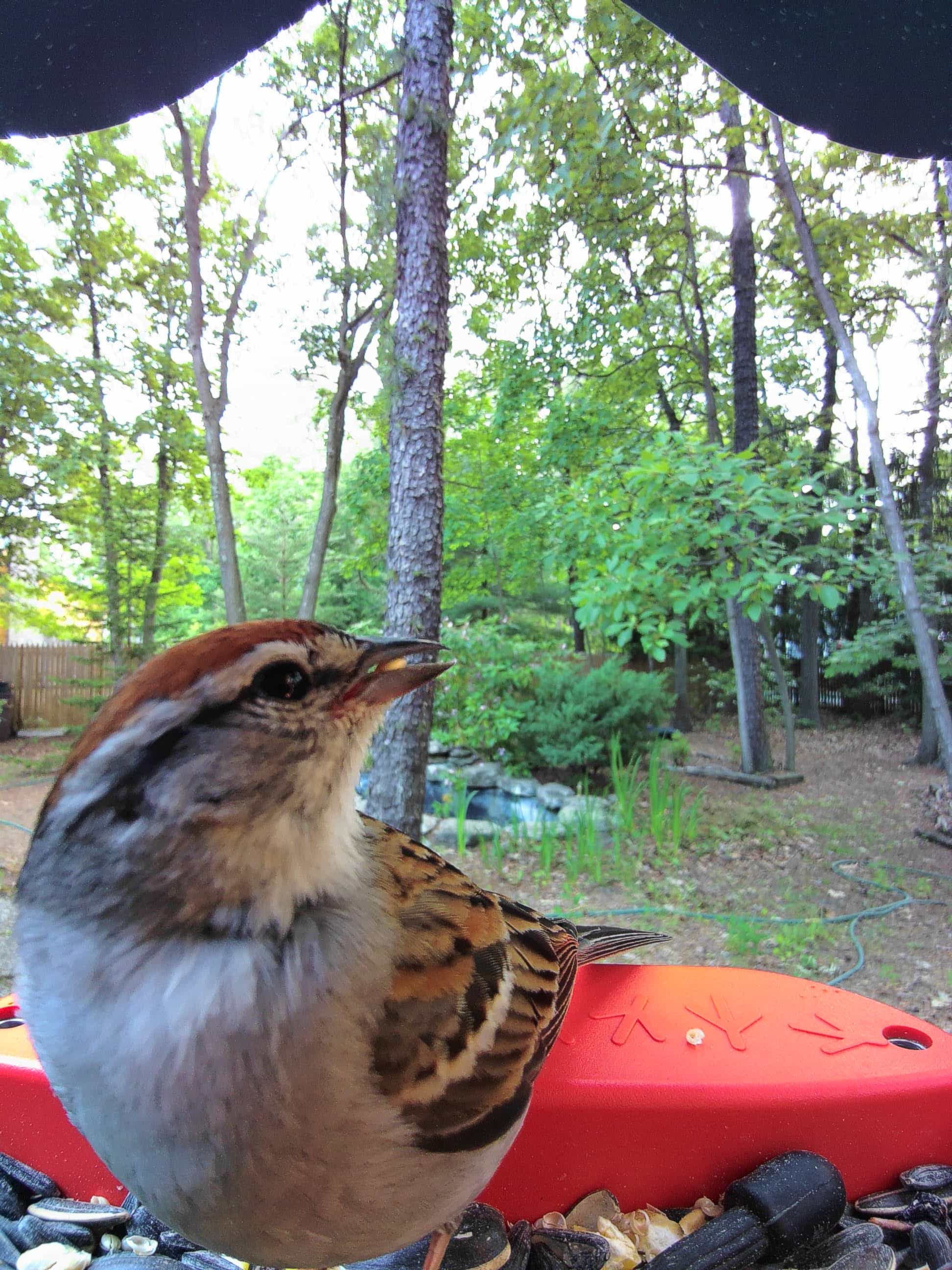


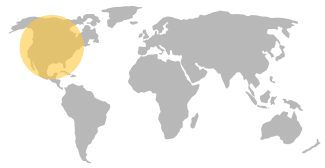
Chipping Sparrow
Common Linnet
Linaria cannabina
General appearance
The common linnet, a small passerine bird, has a delicate bill and slender body. Its plumage is mainly brown, its belly white, and it has a distinctive red forehead and chest. It sports black streaks on its upper parts and wings, and a black tail with white edges. The linnet’s size ranges between 11-14cm, and weight around 15-20g.
Male vs female
Male commons linnets are more colorful, featuring a brighter red patch on their chest and forehead, especially during mating season. The female’s contrast is less striking, almost brown with paler underparts. Males also have a slightly more pronounced song, featuring faster notes and chirruping sounds.
Juvenile
Juvenile linnets are similar to females but lack the red chest and forehead. They display a buff tone on their upper parts, streaked with black, and have a plain underbody. Once they reach adulthood, males exhibit the red patches that distinguish the species.
Size
5.1 - 5.5 in/0.5 - 0.8 oz
There's more to learn about Common Linnet
View full detailsChipping Sparrow
Spizella passerina
General appearance
The Chipping Sparrow is a small 5-5 1/2 inch bird, equivalent to 13-14 cm. Sporting a blend of black, brown, gray, red, and white colors, it has a distinctive chestnut cap, white eyebrow, and black eyeline. Its wings are broad and the tail shape varies from notched, rounded to square-tipped. The bird's rump is gray, distinguishing it from Clay-Colored and Brewer's Sparrows that have brown rumps.
Male vs female
The Chipping Sparrow doesn't exhibit significant sexual dimorphism, meaning males and females have similar appearance. They both have less contrast in winter with their chestnut color partly obscured.
Juvenile
Young Chipping Sparrows are initially streaky and retain some of these streaks into fall. Dull fall juveniles can suggest Clay-Colored Sparrow and Brewer's Sparrow, but the gray rump identifies them as Chipping Sparrows. As they age, they acquire the characteristic colors and patterns of adult Chipping Sparrows.
Size
4.7 - 5.9 in/0.4 - 0.6 oz
There's more to learn about Chipping Sparrow
View full detailsHow to tell the Common Linnet from the Chipping Sparrow
Visual differences
The Common Linnet, with its slender body, sports a red forehead and chest, brown plumage with black streaks, and a black tail edged in white. It measures approximately 5-5.5 inches. In contrast, the Chipping Sparrow, similar in length, features a distinct chestnut cap, white eyebrow, and black eyeline, with a gray rump and less colorful chest. Both species have streaked upper parts, but the Linnet's red accents and the Sparrow's chestnut cap and gray rump are key distinguishing features. The Linnet has a slightly heavier build (0.5-0.7 oz) compared to the Sparrow (0.4-0.6 oz).
Key differences and behavior
The Common Linnet and Chipping Sparrow display distinct behaviors and habitat preferences. Common Linnets favor open areas like heathlands and farmlands in Europe, often forming pair bonds and engaging in elaborate courtship displays. They predominantly eat seeds and occasionally visit feeders. Chipping Sparrows, adaptable to urban settings, breed in diverse habitats across North America, exhibiting some polygamous behavior. They shift from insectivorous diets in summer to seeds in winter, frequenting feeders for sunflower seeds and millet. While Linnets nest in hedges, Chipping Sparrows nest low in conifers or deciduous trees. Both involve both parents in chick-rearing, but Linnets often have more elaborate aerial courtship displays, contrasting with the Chipping Sparrows' focus on nest-building by females.
Still not sure? Here are more lookalikes!
Common Linnet vs House Finch
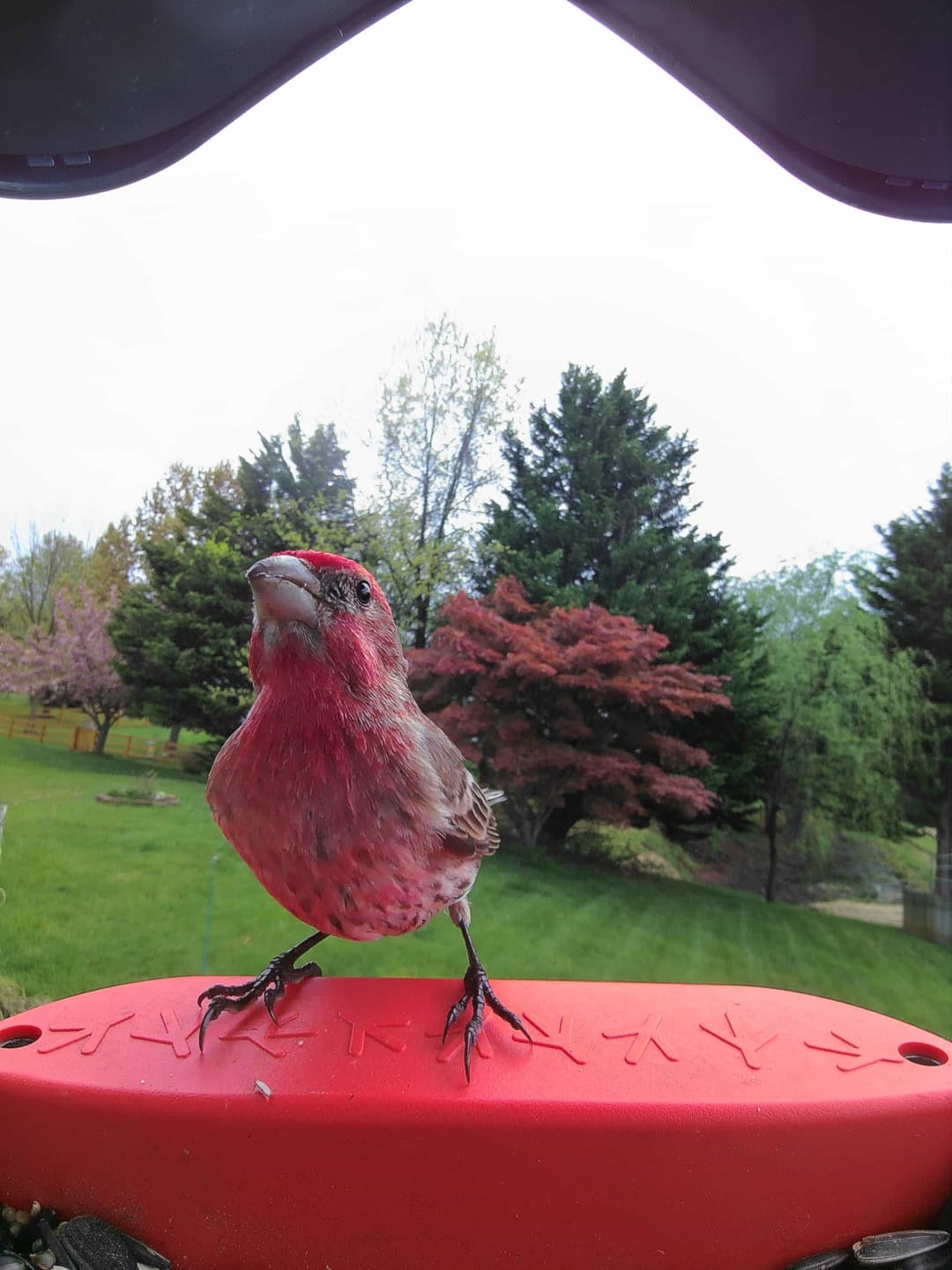
Common Linnet vs European Greenfinch
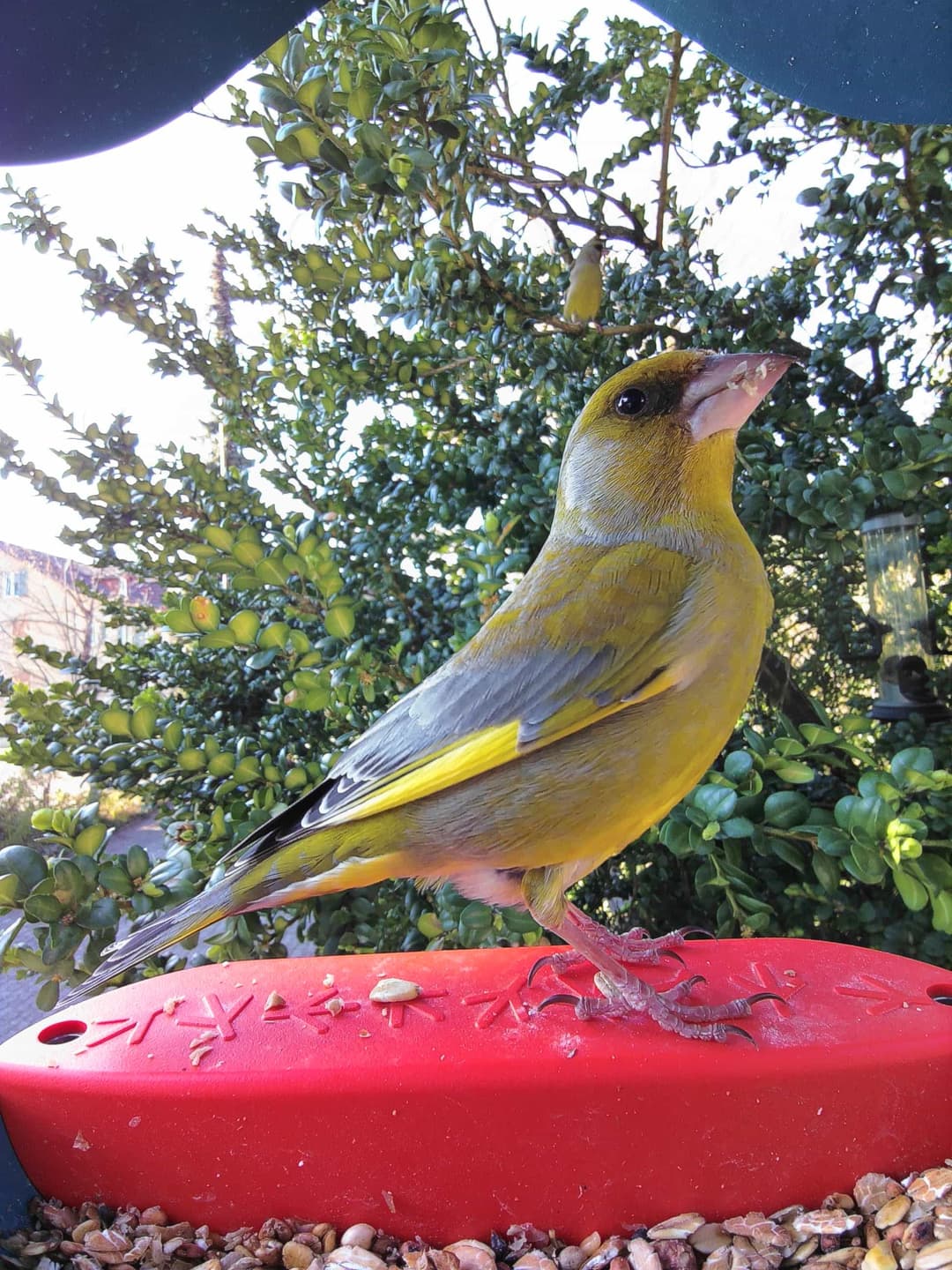
Common Linnet vs European Goldfinch
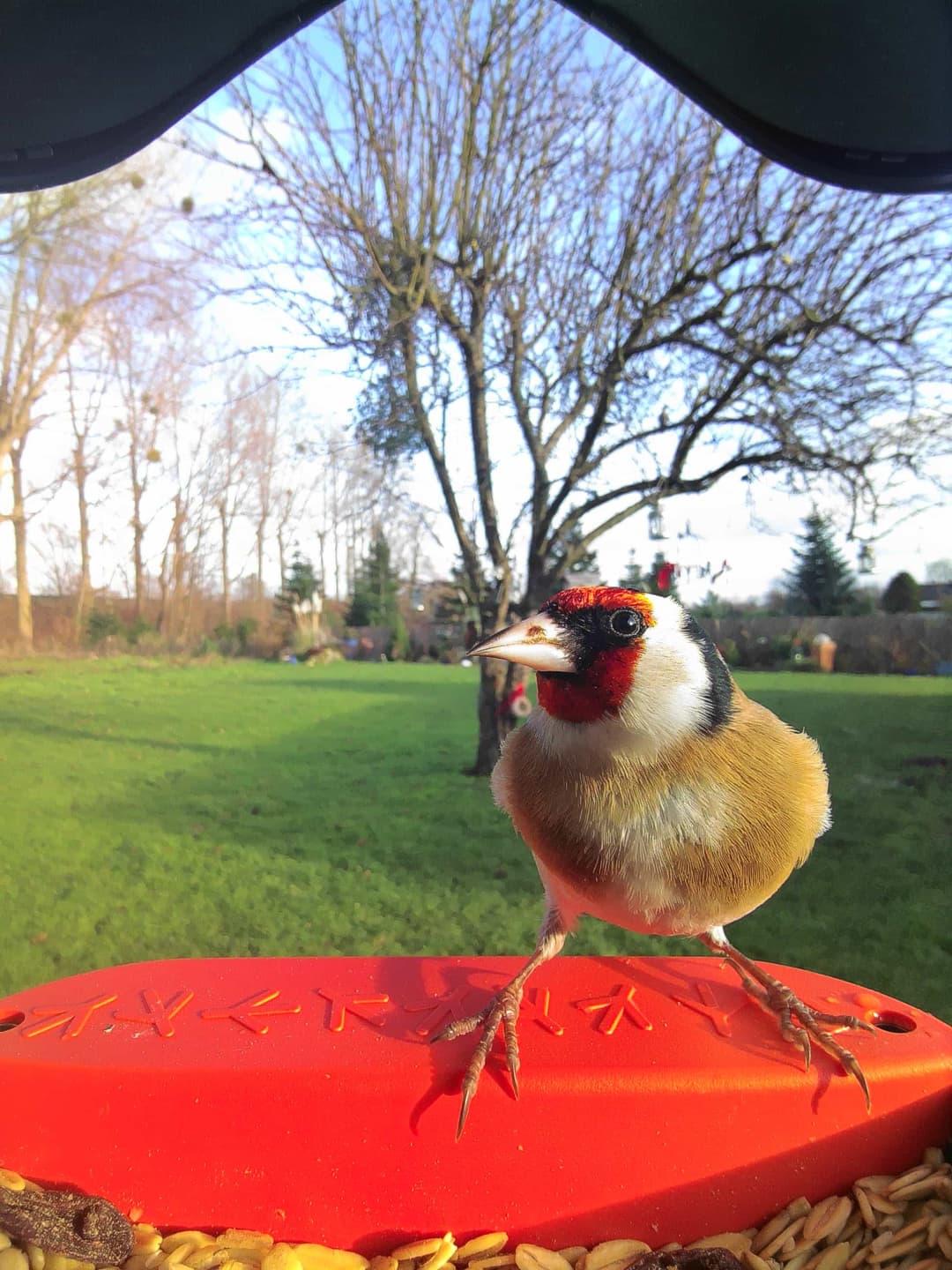
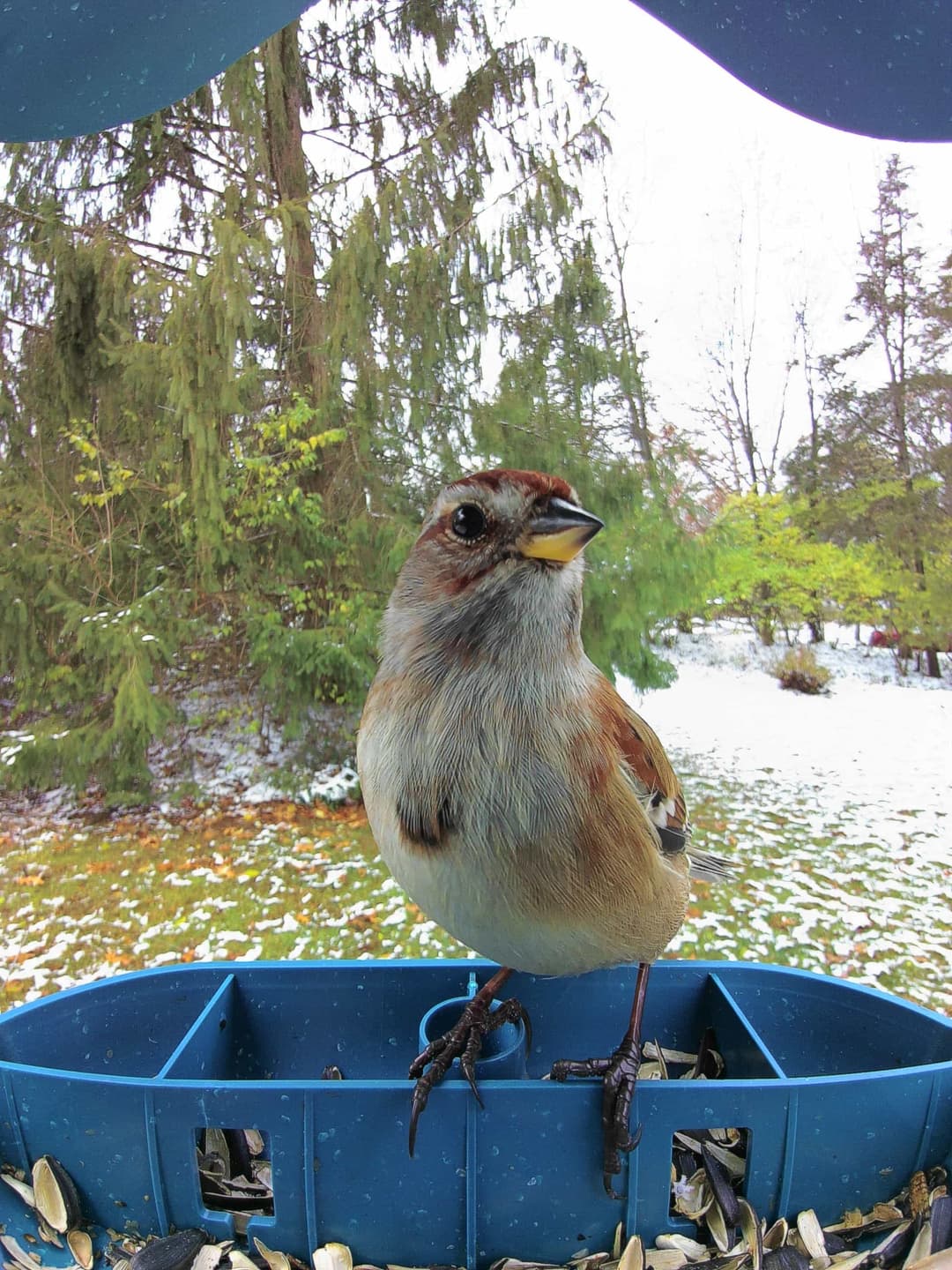
Chipping Sparrow vs American Tree Sparrow
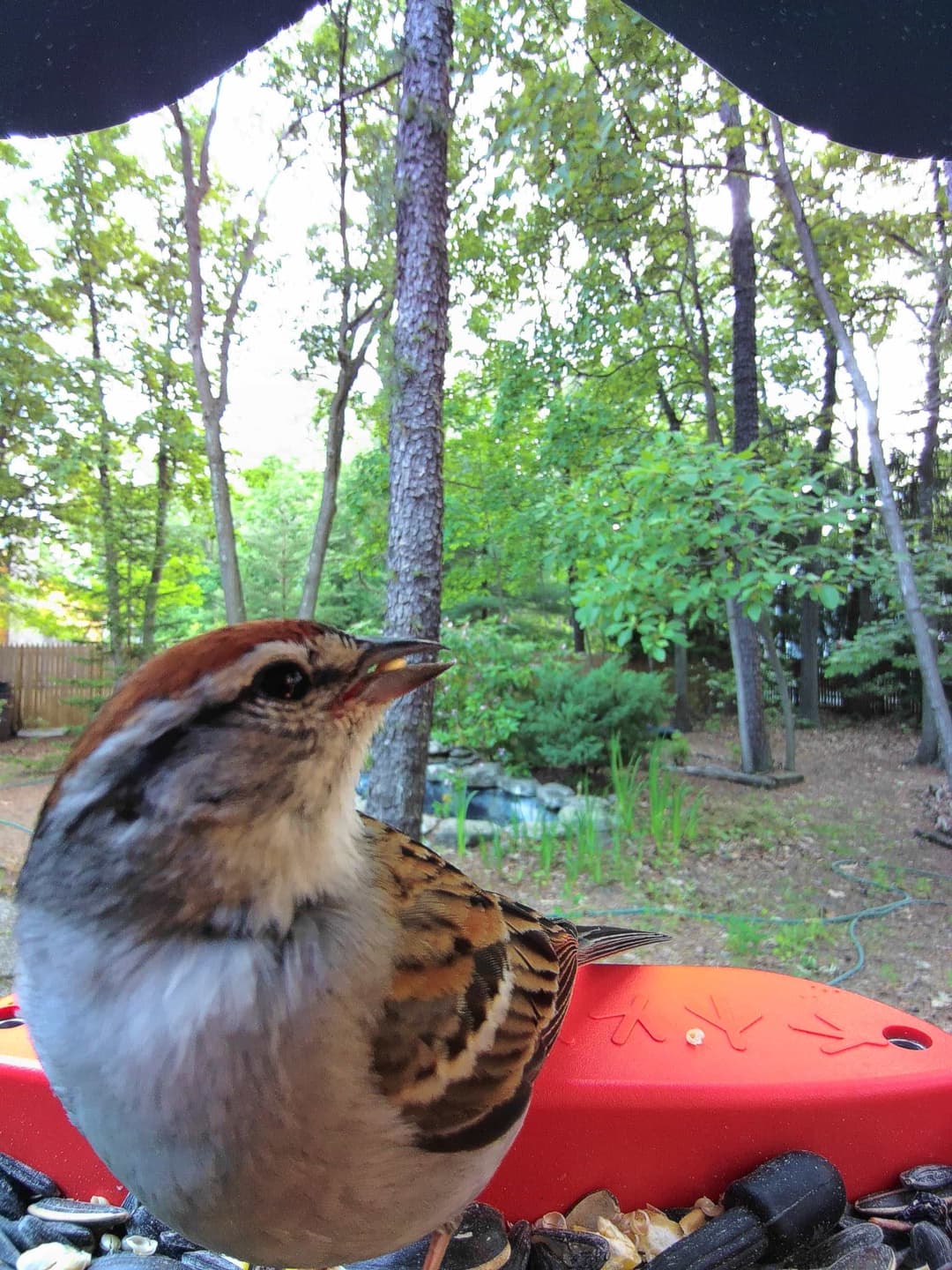
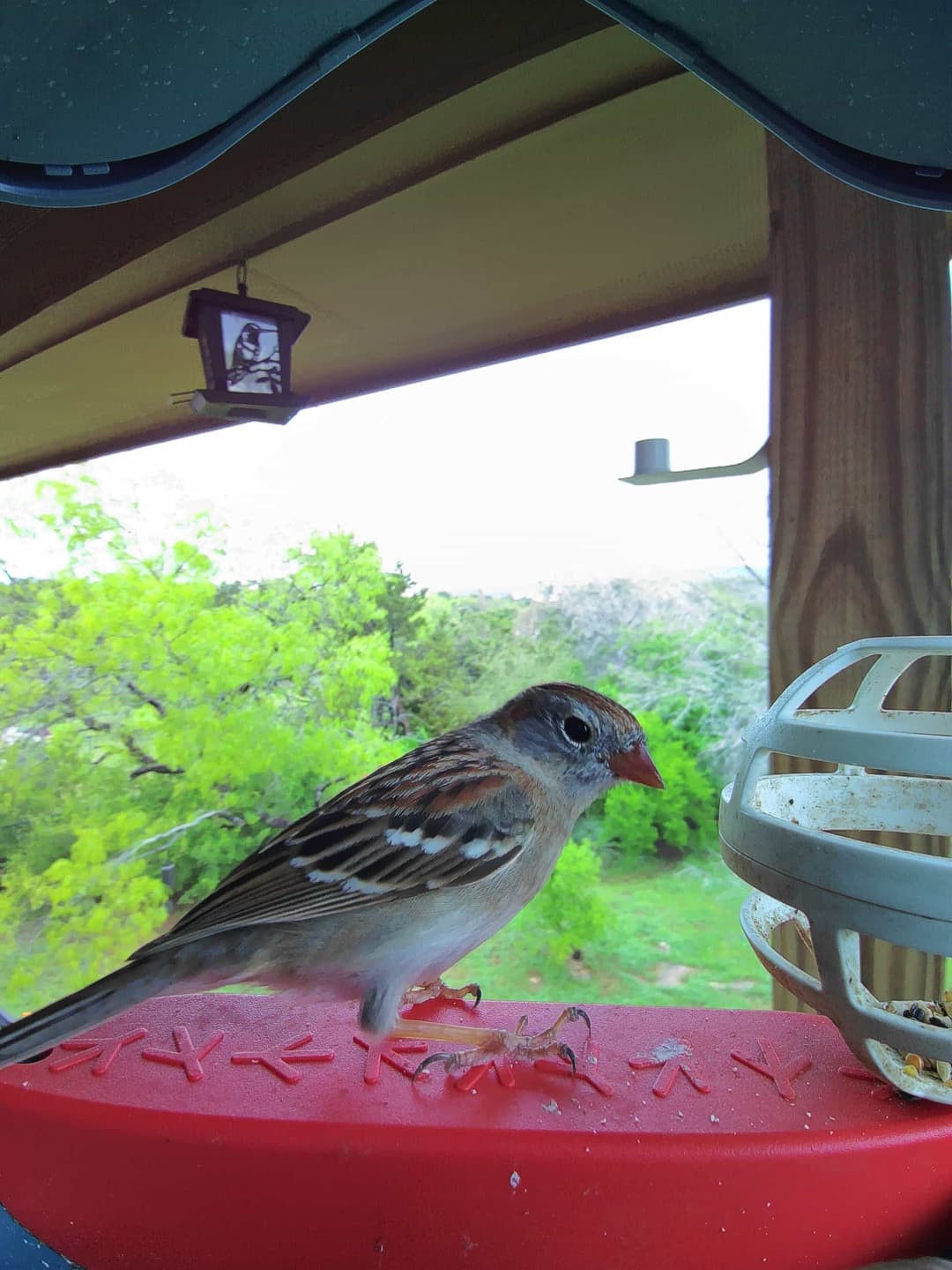
Chipping Sparrow vs Field Sparrow
Common Linnet vs [Select a bird]

[Select a bird]
Pick a bird to compare
Chipping Sparrow vs [Select a bird]
[Select a bird]
Pick a bird to compare