Mockingbird or Chilean Mockingbird?
Here's how to tell the difference
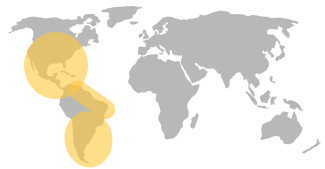

Mockingbird

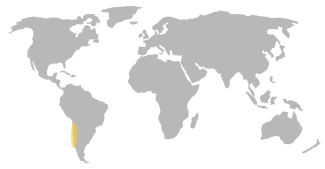
Chilean Mockingbird
Mockingbird
Mimus
General appearance
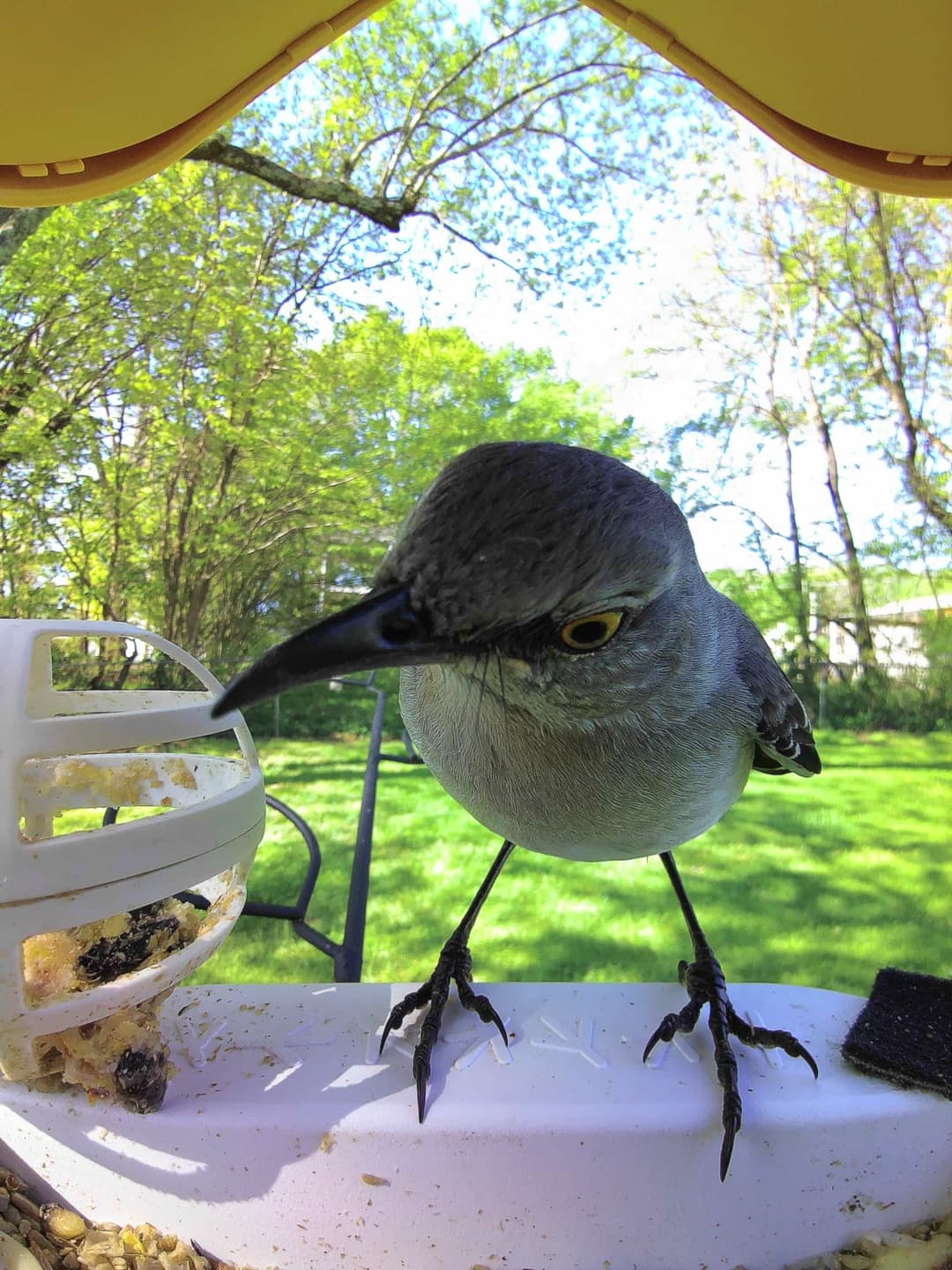
Mockingbirds are medium-sized birds, typically about 10 inches in length. Most notable are their gray coloration and prominent white patches on the wings and tail, visible during flight. Their bills are thin and slightly curved, while their eyes are yellow or orange. They are agile and active, often seen hopping and flitting among branches.
Male vs female
Mockingbirds exhibit limited sexual dimorphism, making males and females difficult to identify based on physical characteristics. Both genders are similar in size and share the similar gray and white coloration. However, males tend to be slightly larger and may have slightly brighter eye color. Male Mockingbirds are also more vocal than females, often heard mimicking a variety of sounds.
Juvenile
Juvenile Mockingbirds have similar coloration to adults, but they may appear duller, with a mottled or streaky appearance due to their immature feathers. Their eyes are typically darker than adults, often brown rather than the yellows or oranges seen in mature birds. Juveniles may also have a lighter or pinkish bill compared to the darker bills of adults.
Size
7.9 - 11.4 in/1.4 - 2.6 oz
There's more to learn about Mockingbird
View full detailsChilean Mockingbird
Mimus thenca
Also known as: Tenca
General appearance
The Chilean mockingbird, also known as Mimus thenca, typically has a brownish-gray coloration, speckled with small black spots. It is known for its long tail feathers, which are usually darker at the ends, and a pointed beak for eating insects and fruits. The eyes are bright yellow, providing stark contrast to the rest of the bird's muted colors.
Male vs female
The Chilean mockingbird shows little to no sexual dimorphism, meaning males and females look largely the same. Both genders share the same size and coloration. While it is difficult to differentiate between a male and female based on physical appearances alone, males usually perform elaborate songs and displays for courtship.
Juvenile
Juvenile Chilean mockingbirds have similar coloration to the adults but their plumage is softer and duller. Their eyes are brown before they turn yellow with age. They also tend to be slightly smaller than the adults until they reach full maturity.
Size
11.0 - 11.4 in/2.3 - 2.4 oz
There's more to learn about Chilean Mockingbird
View full detailsHow to tell the Mockingbird from the Chilean Mockingbird
Visual differences
The Mockingbird (Mimus) is primarily gray with prominent white patches on wings and tail, a thin, slightly curved bill, and yellow or orange eyes. In contrast, the Chilean Mockingbird (Mimus thenca) is brownish-gray with small black spots, has a pointed beak, darker tail ends, and bright yellow eyes. Both species show little to no sexual dimorphism. Size-wise, Chilean Mockingbirds are slightly heavier and longer, measuring close to 11-12 inches compared to the Mockingbird's 8-11 inches. Juveniles of both species have duller plumage and darker eyes.
Key differences and behavior
Both Mockingbirds and Chilean Mockingbirds excel as mimics, but the Mockingbird's varied repertoire includes man-made sounds, while Chilean Mockingbirds maintain vibrant song displays all year. In terms of habitat, Mockingbirds thrive in North America's urban and rural areas, while Chilean Mockingbirds inhabit Chilean forests and even deserts. Mockingbirds are versatile omnivores, feeding on insects and fruits, whereas Chilean Mockingbirds supplement their similar diet with seeds. During mating season, both species exhibit elaborate courtship; however, Mockingbirds mainly focus on vocal displays and nest-building, while Chilean Mockingbirds engage in aerial acrobatics. Nesting habits are similar, with both constructing nests in shrubbery, yet Chilean Mockingbirds might incorporate human-made materials. Overall, Mockingbirds are more adapted to human-modified landscapes, making them more common in urban environments compared to their Chilean counterparts.
Still not sure? Here are more lookalikes!
Mockingbird vs Gray Catbird
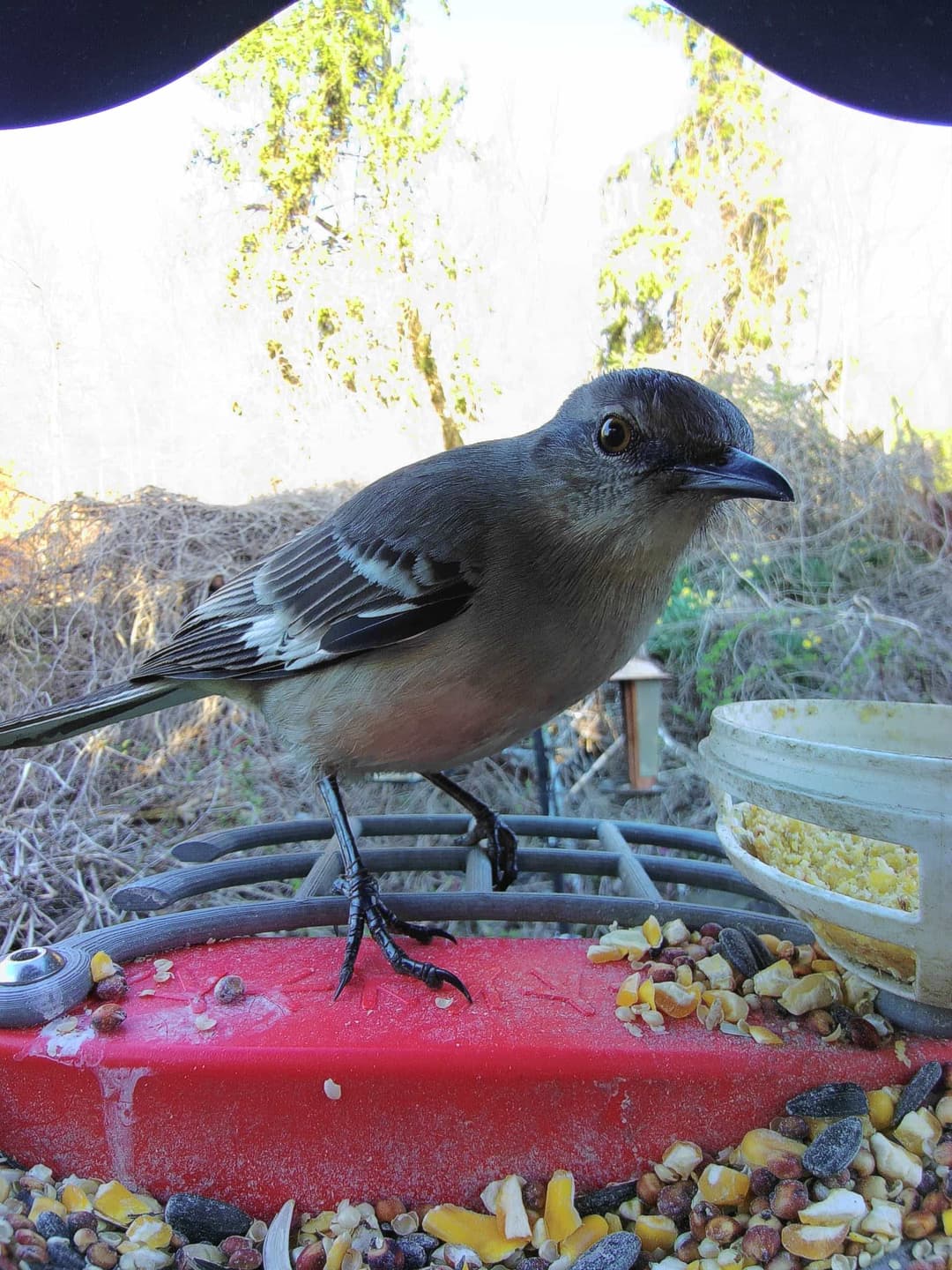
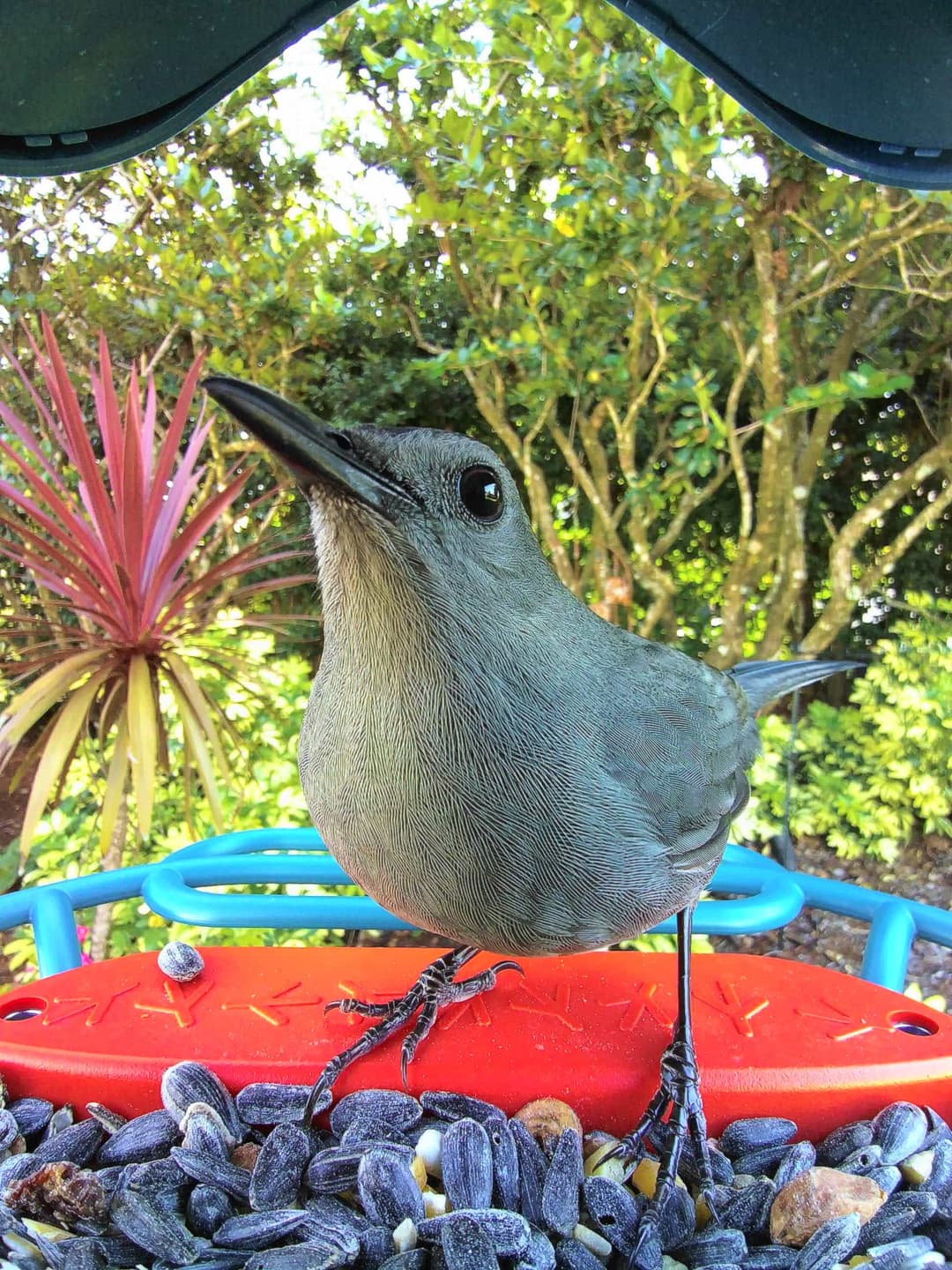
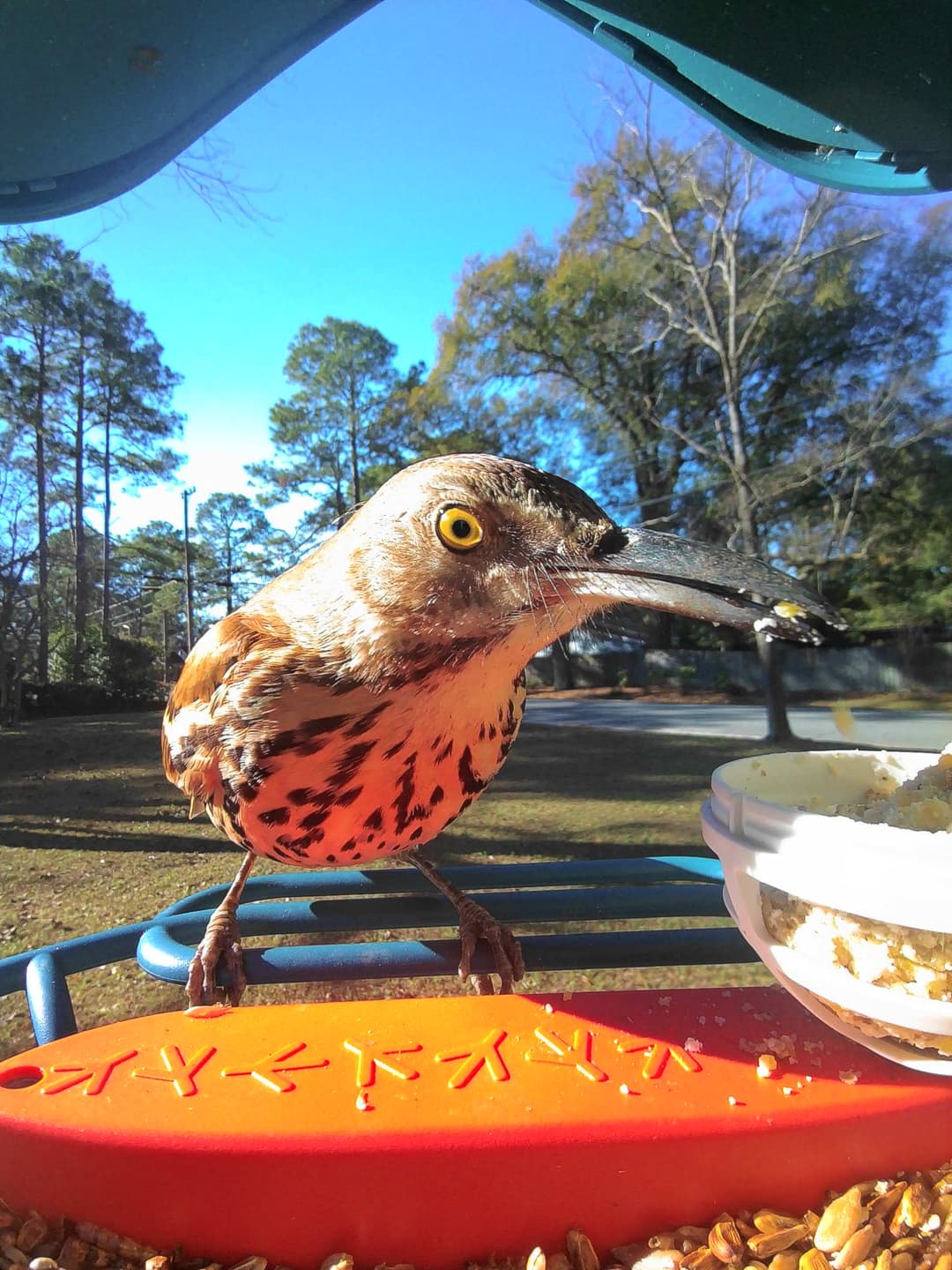
Mockingbird vs Brown Thrasher
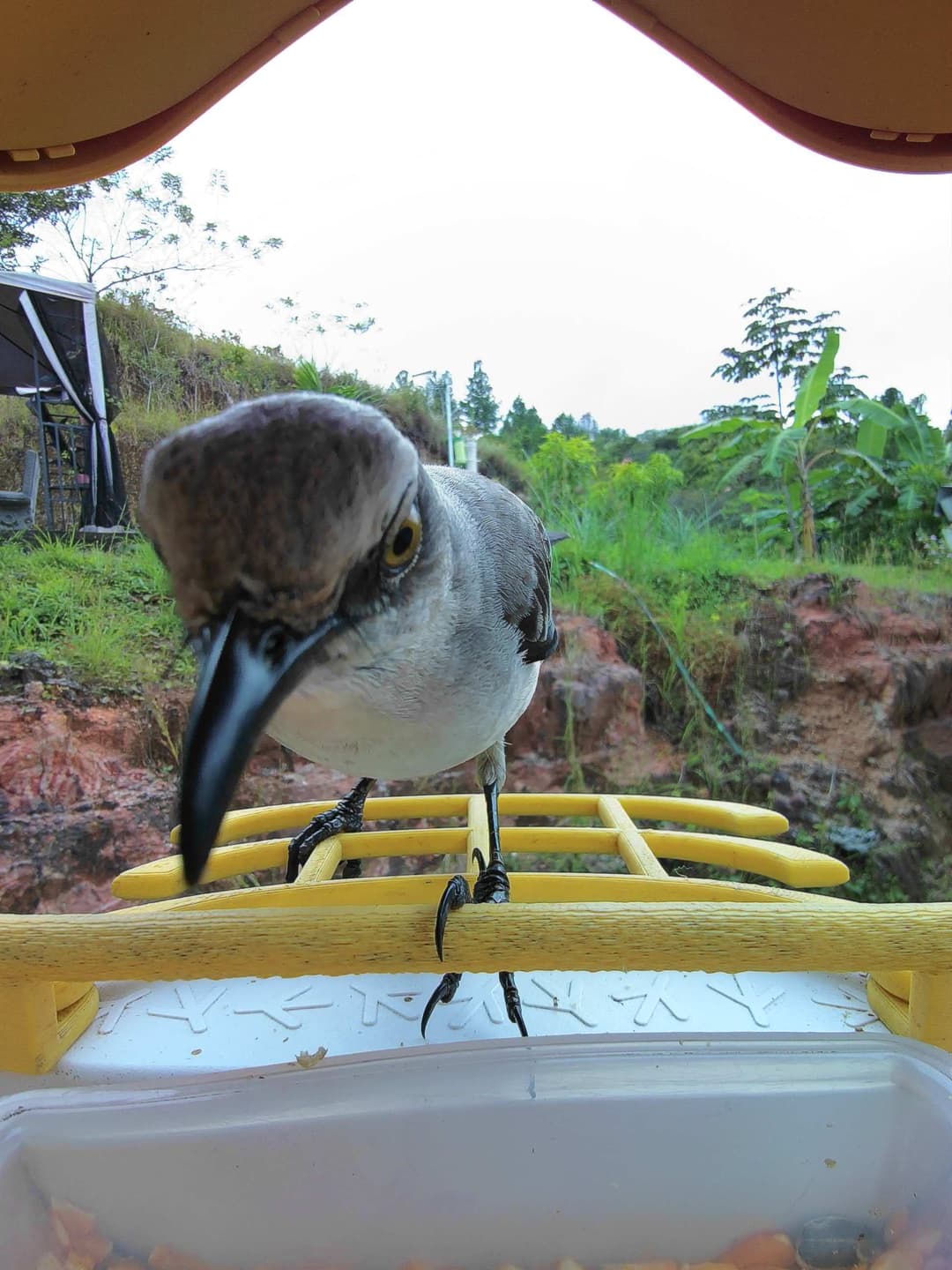
Chilean Mockingbird vs Northern Mockingbird
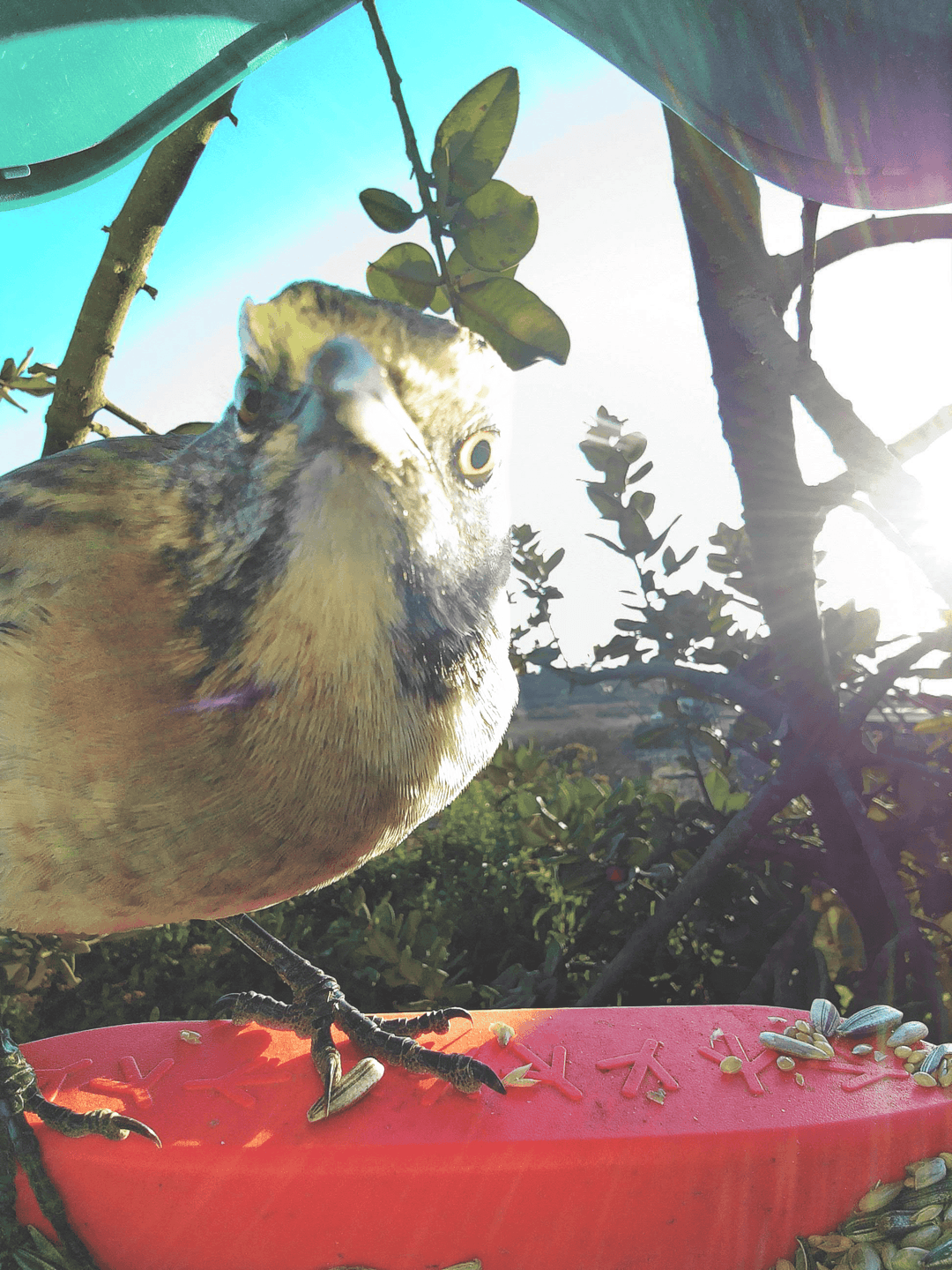
Chilean Mockingbird vs Tropical Mockingbird
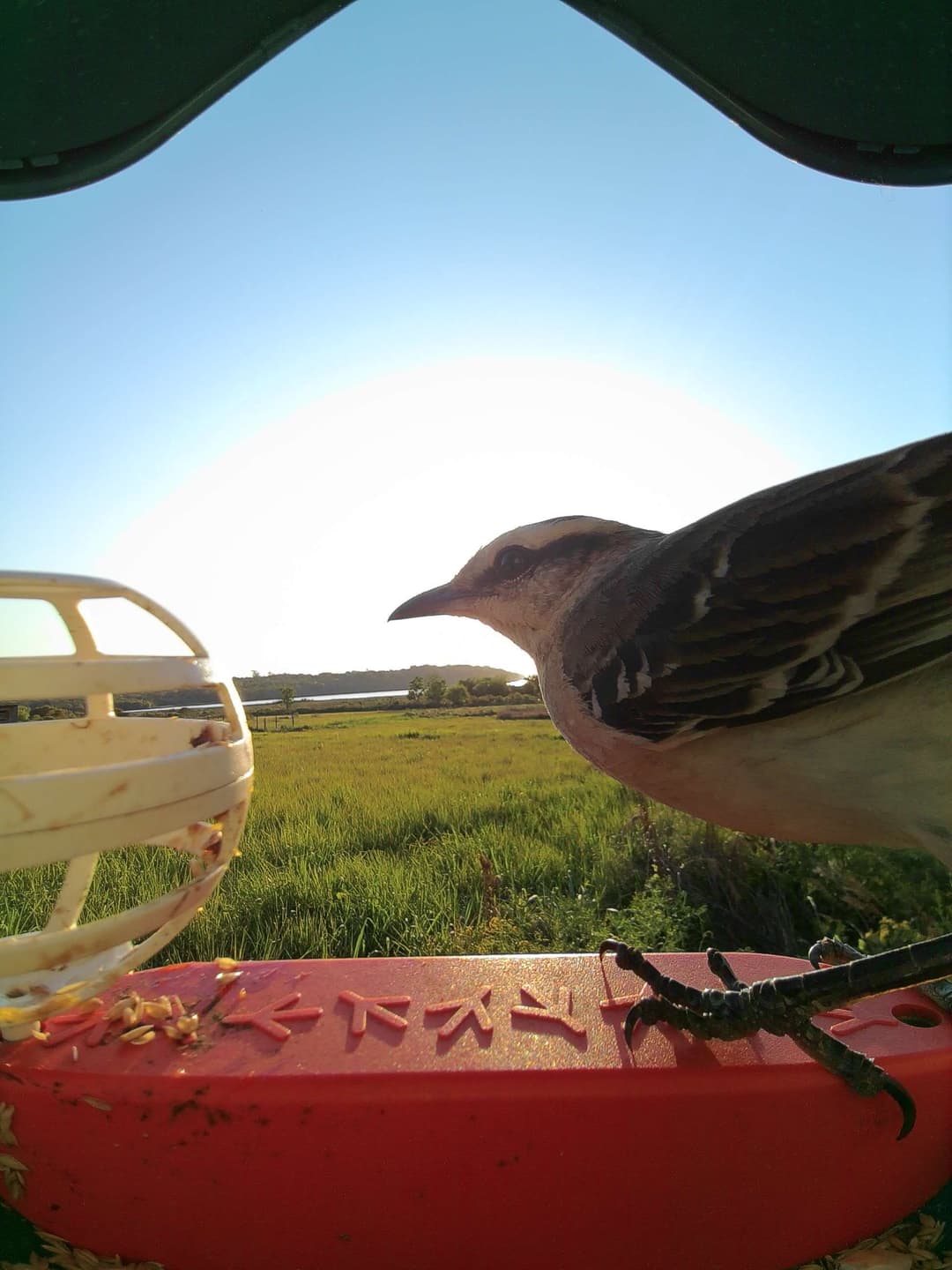
Chilean Mockingbird vs Chalk-Browed Mockingbird
Mockingbird vs [Select a bird]

[Select a bird]
Pick a bird to compare
Chilean Mockingbird vs [Select a bird]
[Select a bird]
Pick a bird to compare