Mockingbird or Chalk-Browed Mockingbird?
Here's how to tell the difference
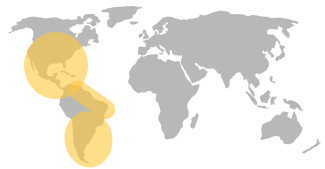

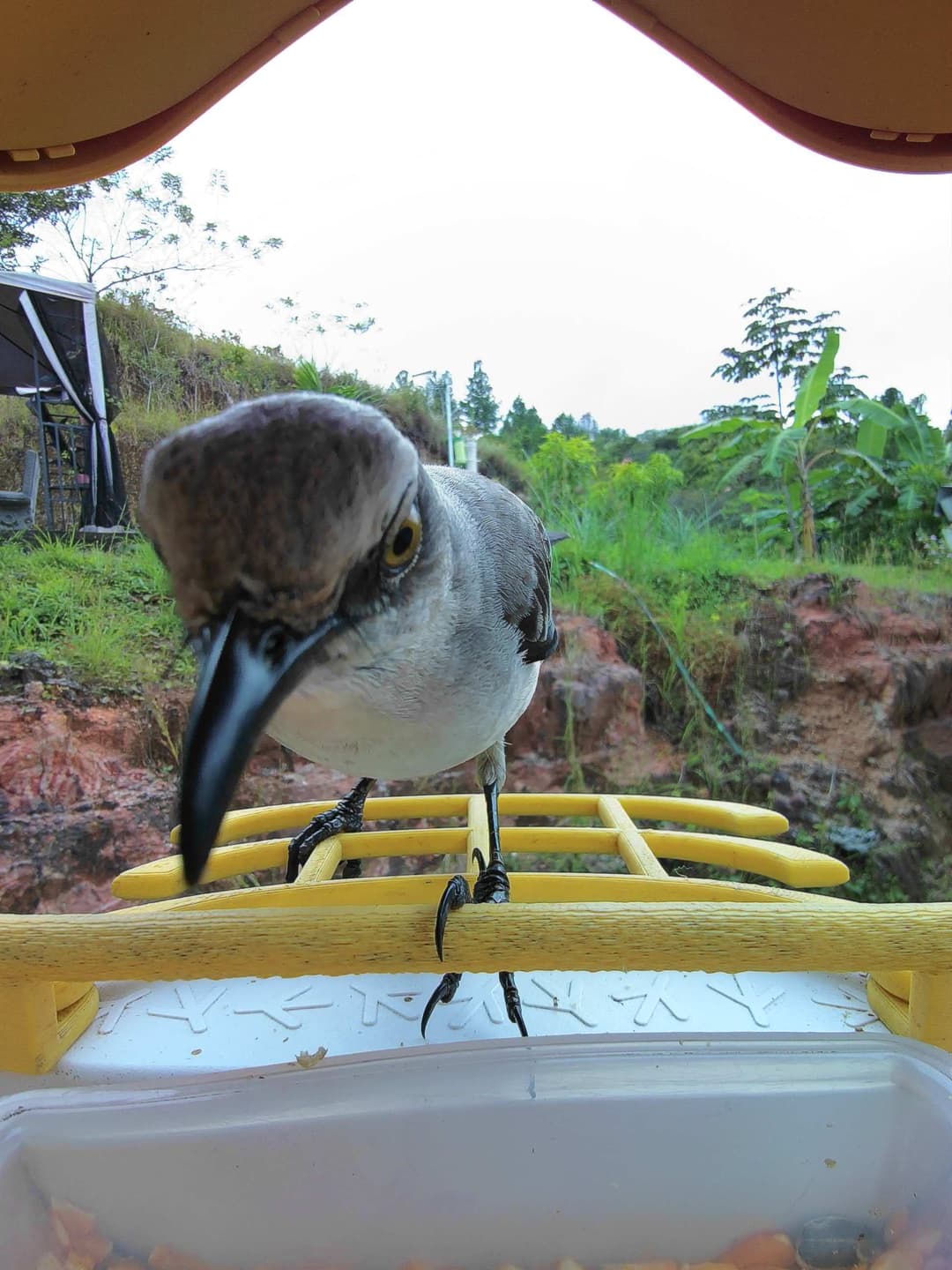
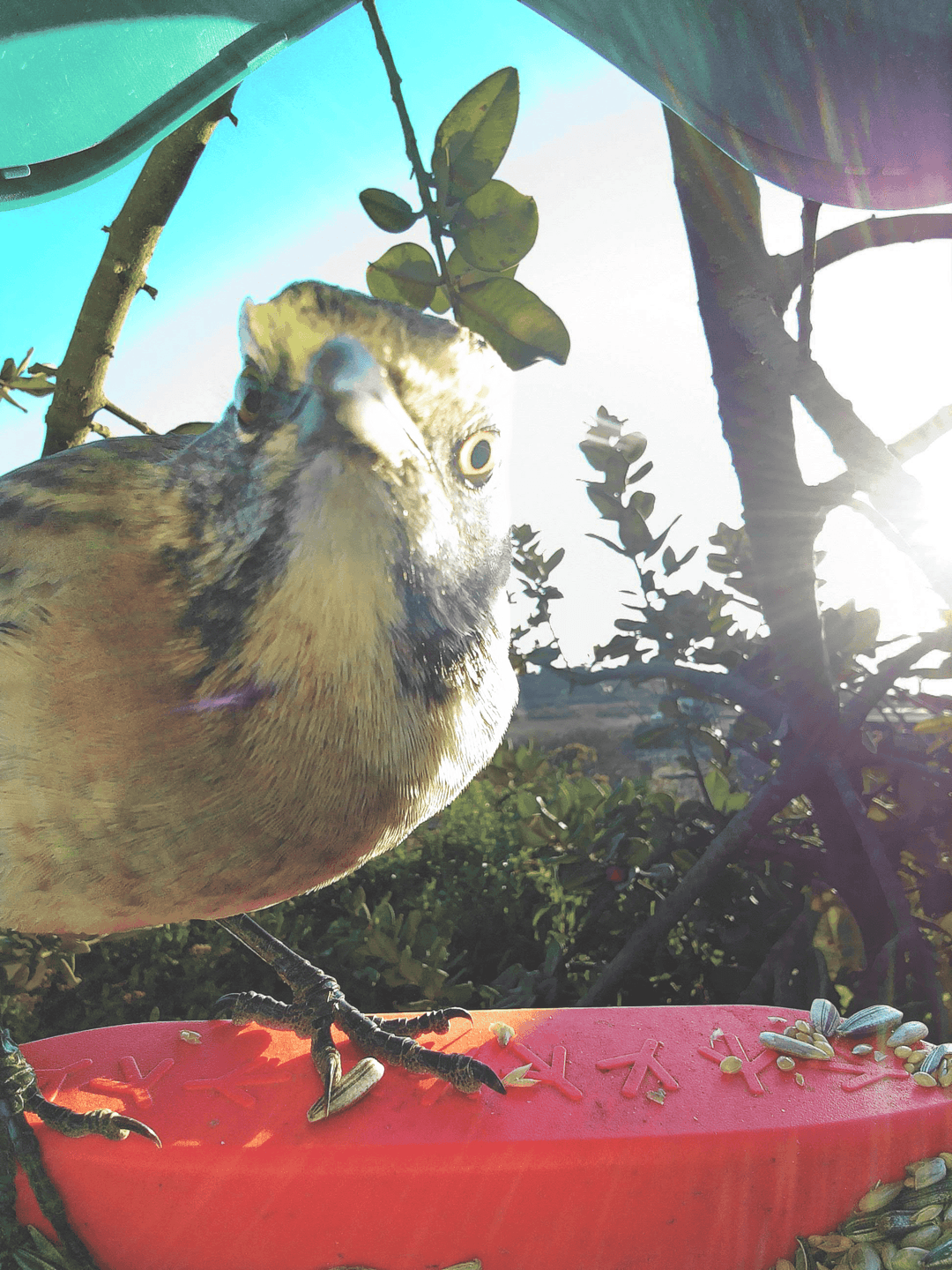
Mockingbird


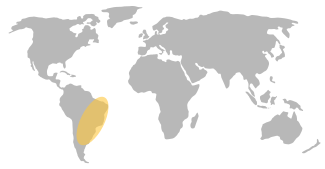
Chalk-Browed Mockingbird
Mockingbird
Mimus
General appearance
Mockingbirds are medium-sized birds, typically about 10 inches in length. Most notable are their gray coloration and prominent white patches on the wings and tail, visible during flight. Their bills are thin and slightly curved, while their eyes are yellow or orange. They are agile and active, often seen hopping and flitting among branches.
Male vs female
Mockingbirds exhibit limited sexual dimorphism, making males and females difficult to identify based on physical characteristics. Both genders are similar in size and share the similar gray and white coloration. However, males tend to be slightly larger and may have slightly brighter eye color. Male Mockingbirds are also more vocal than females, often heard mimicking a variety of sounds.
Juvenile
Juvenile Mockingbirds have similar coloration to adults, but they may appear duller, with a mottled or streaky appearance due to their immature feathers. Their eyes are typically darker than adults, often brown rather than the yellows or oranges seen in mature birds. Juveniles may also have a lighter or pinkish bill compared to the darker bills of adults.
Size
7.9 - 11.4 in/1.4 - 2.6 oz
There's more to learn about Mockingbird
View full detailsChalk-Browed Mockingbird
Mimus saturninus
General appearance
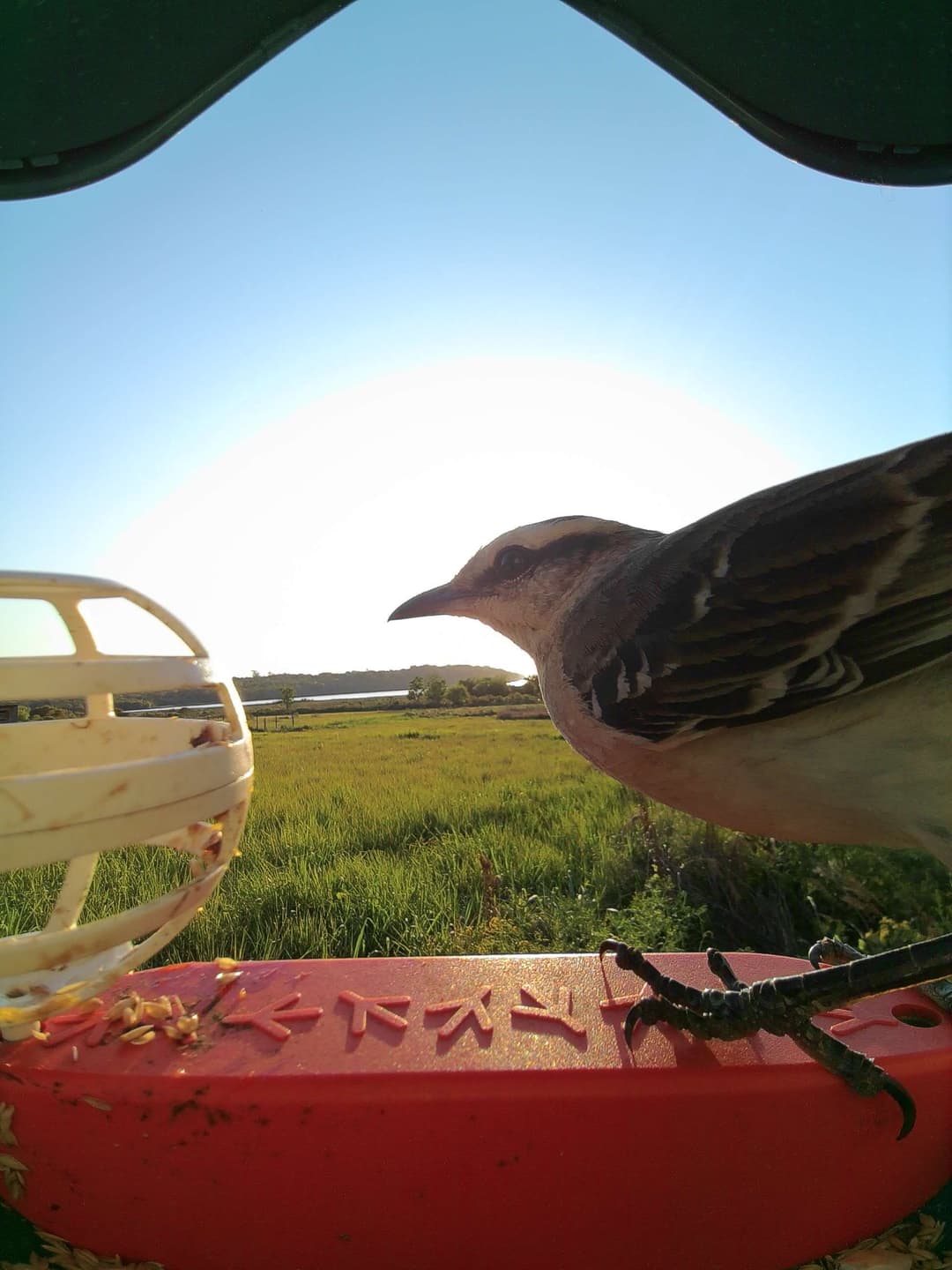
Meet the lively and stunning chalk-browed mockingbird! Sporting a cream-colored belly and an ash-grey back, these birds demonstrate a fashion-sense worth raving about. Their stunning white eyebrow, reminiscent of a streak of chalk, crowns their dark eyes elegantly, hence their name.
Male vs female
Male and female chalk-browed mockingbirds turn heads in equal measure! In an amazing display of equality, both sexes share similar sizes and colours, making it quite the task to tell them apart. The uniform beauty of their charcoal grey upper-parts and pale underparts really is a sight to behold.
Juvenile
Thinking the adults are cute? Wait till you see the juveniles! Young chalk-browed mockingbirds are notably duller than adults, donning a slightly downy brown coat. However, they already possess that distinctive chalked brow as a birthright, promising brighter adult plumage as they mature. Spotting a juvenile in the wild is a promise of enchantment to come!
Size
9.3 - 10.2 in/1.9 - 2.6 oz
There's more to learn about Chalk-Browed Mockingbird
View full detailsHow to tell the Mockingbird from the Chalk-Browed Mockingbird
Visual differences
The Mockingbird is about 10-11.4 inches long with gray plumage, and has white wing and tail patches visible during flight. It features yellow or orange eyes and a thin, slightly curved bill. The Chalk-Browed Mockingbird is slightly smaller, 9.3-10.2 inches, with an ash-gray back and a cream-colored belly. Its unique visual feature is a white "chalk" eyebrow above dark eyes. Both species have similar looking juveniles but the chalk-browed juveniles have a distinguishing dull brown coat.
Key differences and behavior
In the field, Mockingbirds and Chalk-Browed Mockingbirds (Mimus saturninus) can be distinguished by their behaviors, habitats, and diets. Both exhibit impressive mimicry, but Mockingbirds, native to North America, are more urban-adapted, often found in parks and gardens, whereas Chalk-Browed Mockingbirds prefer South American shrublands and forests. Behaviorally, while both species engage in elaborate courtships, Chalk-Browed Mockingbirds engage in vocal duets, promoting equal participation between genders. In contrast, male Mockingbirds sing solo more frequently to attract mates. Their omnivorous diets are similar, but Chalk-Browed Mockingbirds include more seeds. Nesting is cooperative in both, but Chalk-Browed nest-sharing extends to neighbors. Aid in distinguishing them includes Mockingbirds' adaptability to urban environments compared to the chalk-browed’s strong family and communal ties.
Still not sure? Here are more lookalikes!
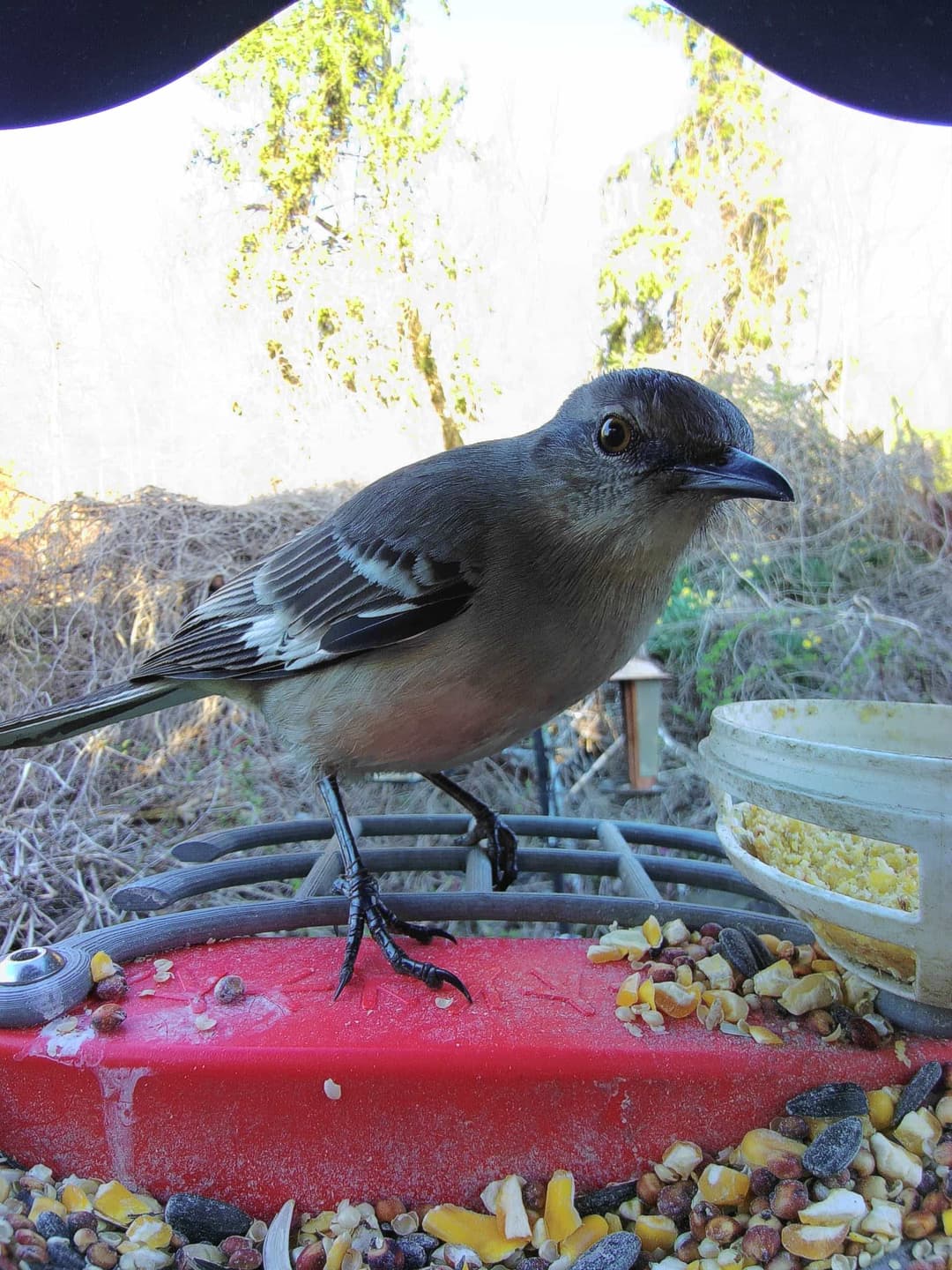
Mockingbird vs Gray Catbird
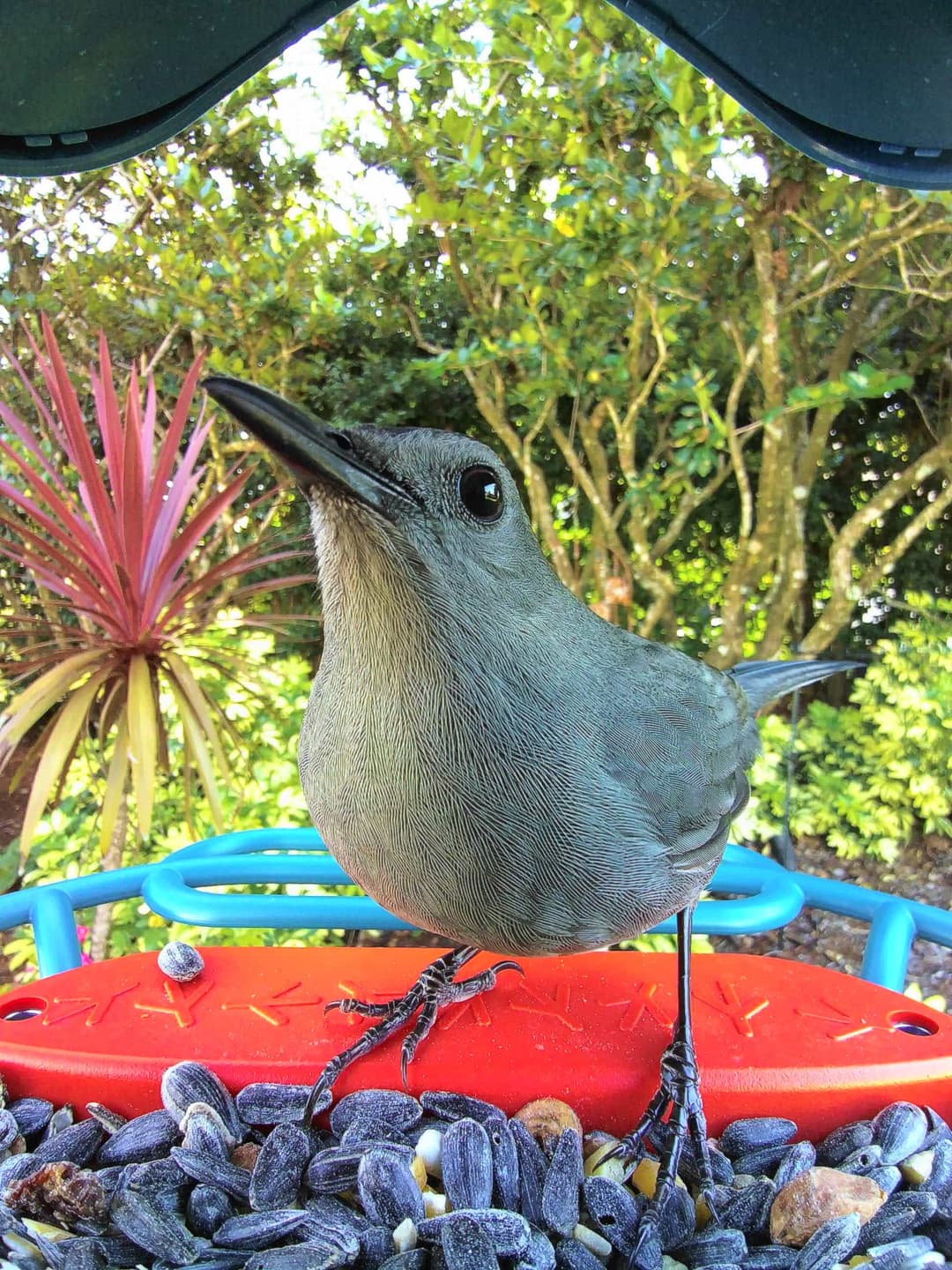
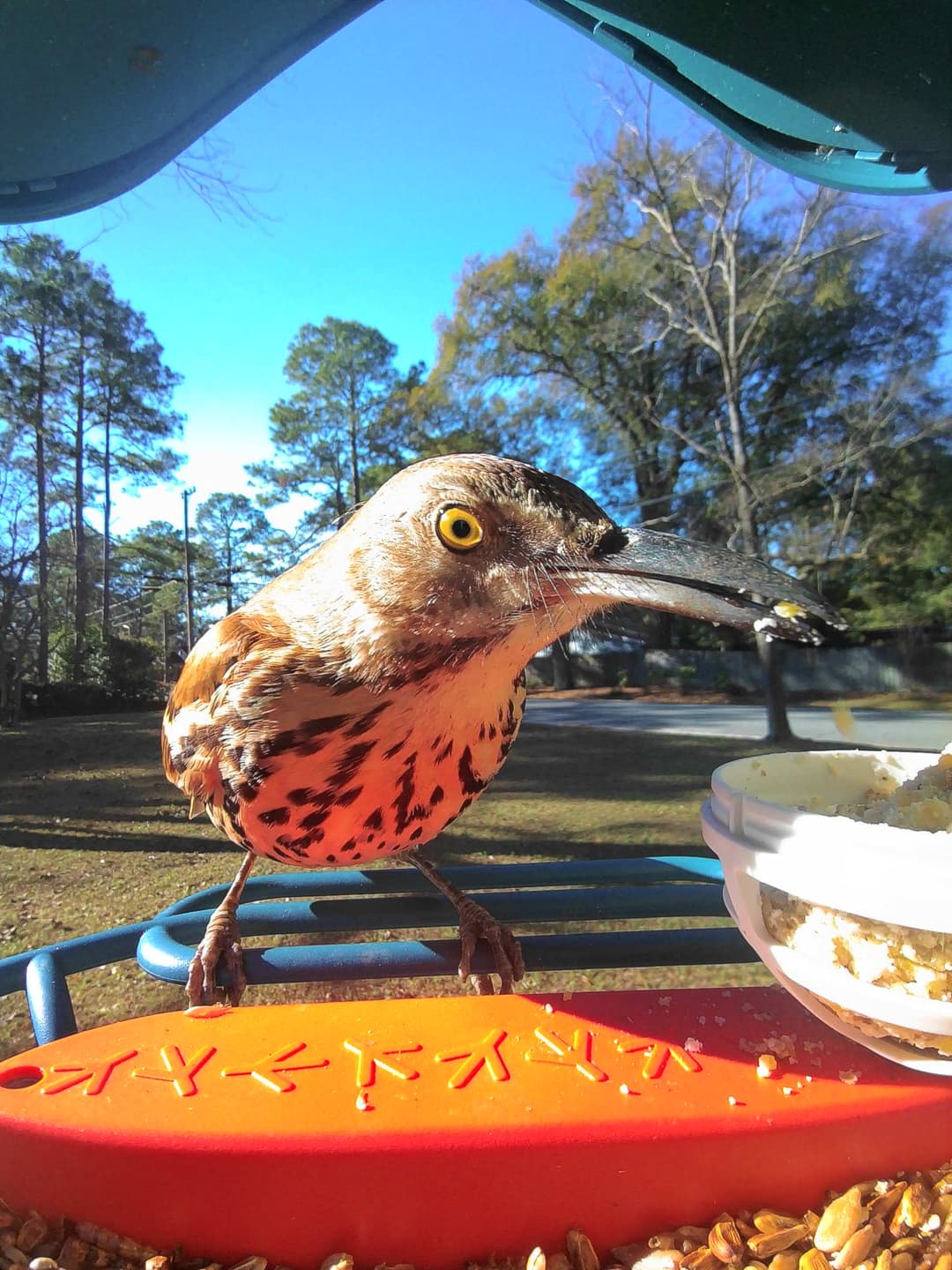
Mockingbird vs Brown Thrasher
Mockingbird vs [Select a bird]

[Select a bird]
Pick a bird to compare
Chalk-Browed Mockingbird vs [Select a bird]
[Select a bird]
Pick a bird to compare