Chilean Mockingbird or Chalk-Browed Mockingbird?
Here's how to tell the difference
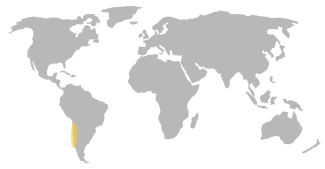

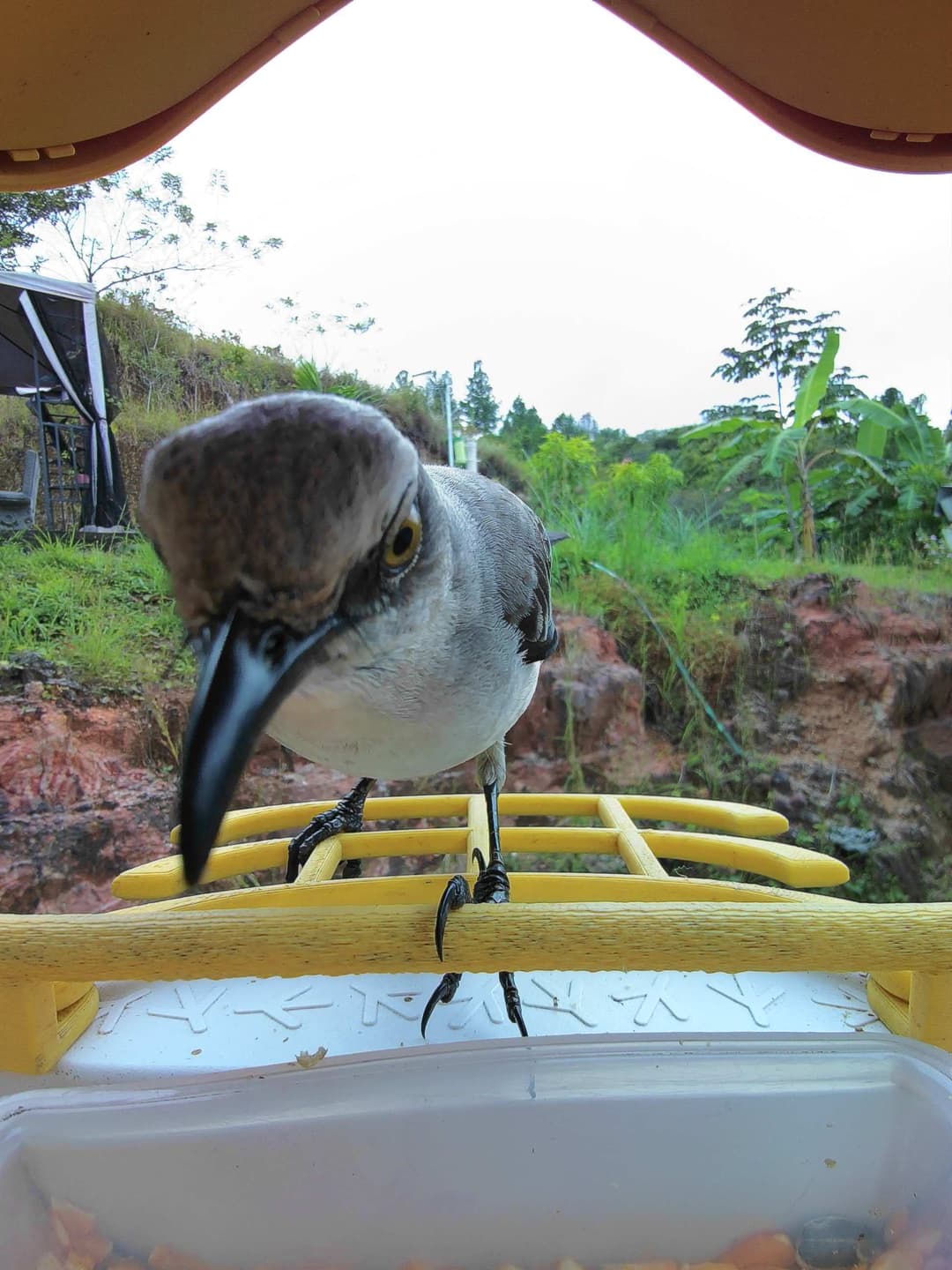
Chilean Mockingbird


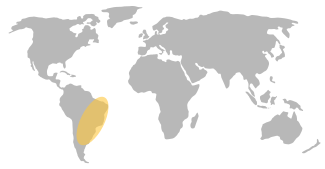
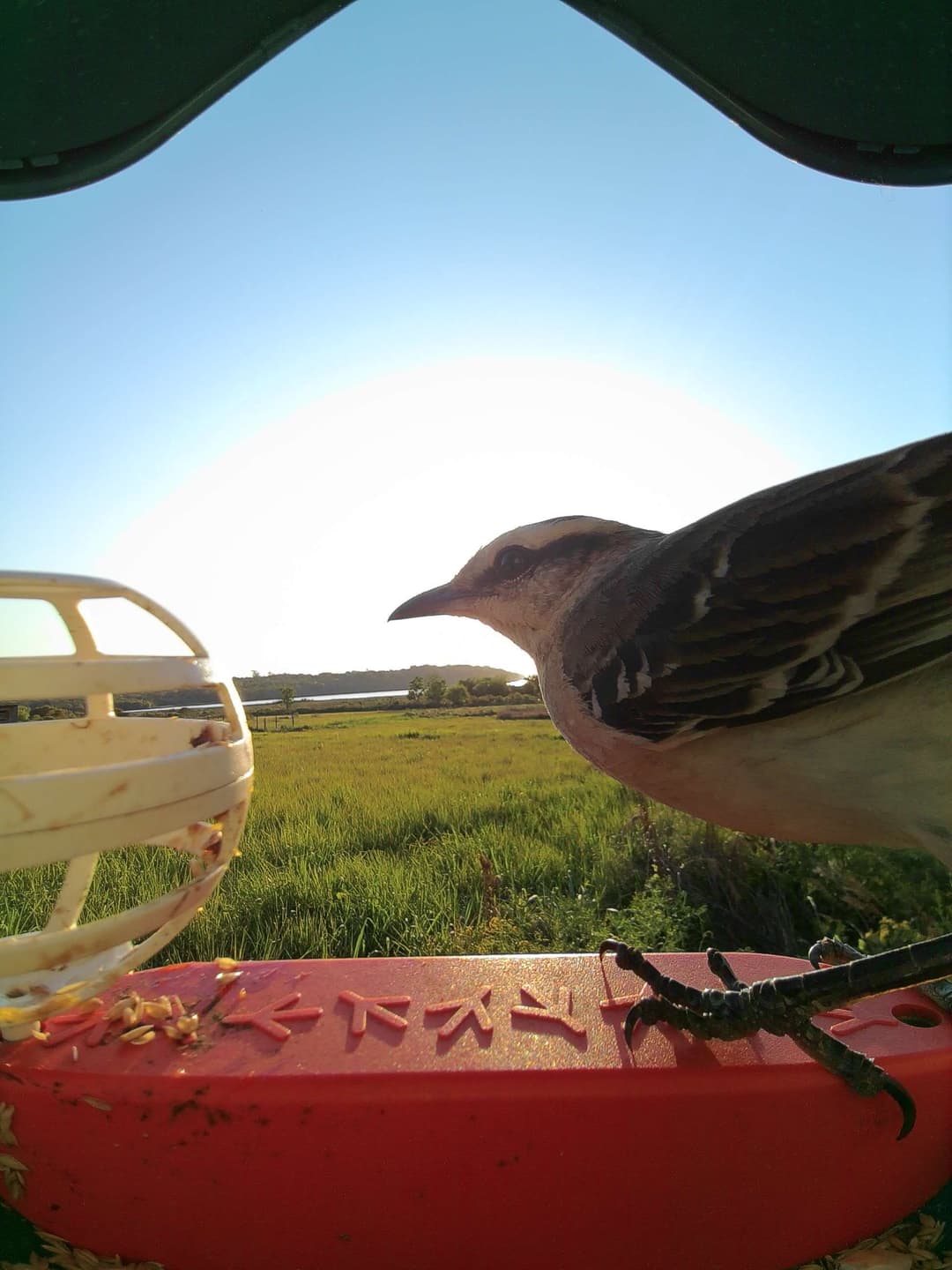
Chalk-Browed Mockingbird
Chilean Mockingbird
Mimus thenca
Also known as: Tenca
General appearance
The Chilean mockingbird, also known as Mimus thenca, typically has a brownish-gray coloration, speckled with small black spots. It is known for its long tail feathers, which are usually darker at the ends, and a pointed beak for eating insects and fruits. The eyes are bright yellow, providing stark contrast to the rest of the bird's muted colors.
Male vs female
The Chilean mockingbird shows little to no sexual dimorphism, meaning males and females look largely the same. Both genders share the same size and coloration. While it is difficult to differentiate between a male and female based on physical appearances alone, males usually perform elaborate songs and displays for courtship.
Juvenile
Juvenile Chilean mockingbirds have similar coloration to the adults but their plumage is softer and duller. Their eyes are brown before they turn yellow with age. They also tend to be slightly smaller than the adults until they reach full maturity.
Size
11.0 - 11.4 in/2.3 - 2.4 oz
There's more to learn about Chilean Mockingbird
View full detailsChalk-Browed Mockingbird
Mimus saturninus
General appearance
Meet the lively and stunning chalk-browed mockingbird! Sporting a cream-colored belly and an ash-grey back, these birds demonstrate a fashion-sense worth raving about. Their stunning white eyebrow, reminiscent of a streak of chalk, crowns their dark eyes elegantly, hence their name.
Male vs female
Male and female chalk-browed mockingbirds turn heads in equal measure! In an amazing display of equality, both sexes share similar sizes and colours, making it quite the task to tell them apart. The uniform beauty of their charcoal grey upper-parts and pale underparts really is a sight to behold.
Juvenile
Thinking the adults are cute? Wait till you see the juveniles! Young chalk-browed mockingbirds are notably duller than adults, donning a slightly downy brown coat. However, they already possess that distinctive chalked brow as a birthright, promising brighter adult plumage as they mature. Spotting a juvenile in the wild is a promise of enchantment to come!
Size
9.3 - 10.2 in/1.9 - 2.6 oz
There's more to learn about Chalk-Browed Mockingbird
View full detailsHow to tell the Chilean Mockingbird from the Chalk-Browed Mockingbird
Visual differences
The Chilean Mockingbird measures 11-11.4 inches and features a brownish-gray body with black speckles, vibrant yellow eyes, and long, dark-tailed feathers. Its beak is pointed. In contrast, the Chalk-Browed Mockingbird is smaller, at 9.2-10.2 inches, with an ash-grey back, cream-colored belly, and distinctive white "chalk" eyebrow above dark eyes. Both species show similar sexual dimorphism. Juveniles are duller but retain their characteristic markings. These visual cues, particularly the eyebrow and eye color, are key differences for identification.
Key differences and behavior
Chilean Mockingbirds (Mimus thenca) and Chalk-Browed Mockingbirds (Mimus saturninus) both exhibit intriguing behaviors, aiding field distinction. Chilean Mockingbirds are incessant vocal mimics, inhabiting diverse Chilean environments, from urban parks to dry deserts. Their mating involves elaborate songs and acrobatics, constructing nests often in shrubs, with both parents investing heavily in chick care. Their diet comprises insects, fruits, and seeds, and they're drawn to feeders mimicking this diet. Conversely, Chalk-Browed Mockingbirds, found chiefly in Brazil's semi-open and forested regions, display cooperative breeding with neighbors or family, accommodating cowbirds' eggs. Courtship involves vocal duets and synchronized flights, with nests usually in trees or gardens. They share parental responsibilities, feeding altricial chicks a varied omnivorous diet. Chalk-Browed Mockingbirds are also adaptable to urban areas, frequenting feeders for fruits and insects, demonstrating their social cooperation and environmental flexibility.
Still not sure? Here are more lookalikes!
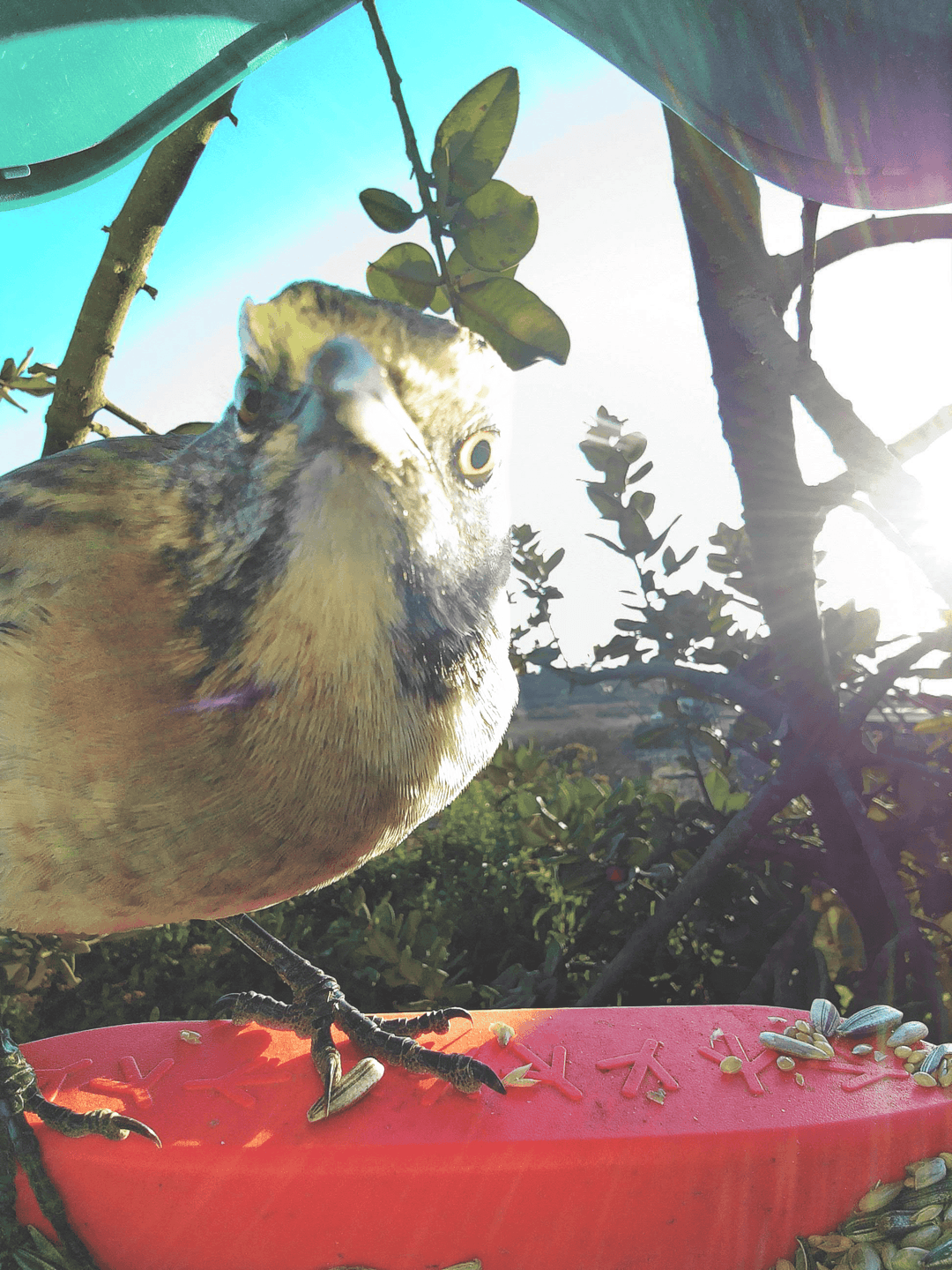
Chilean Mockingbird vs Northern Mockingbird
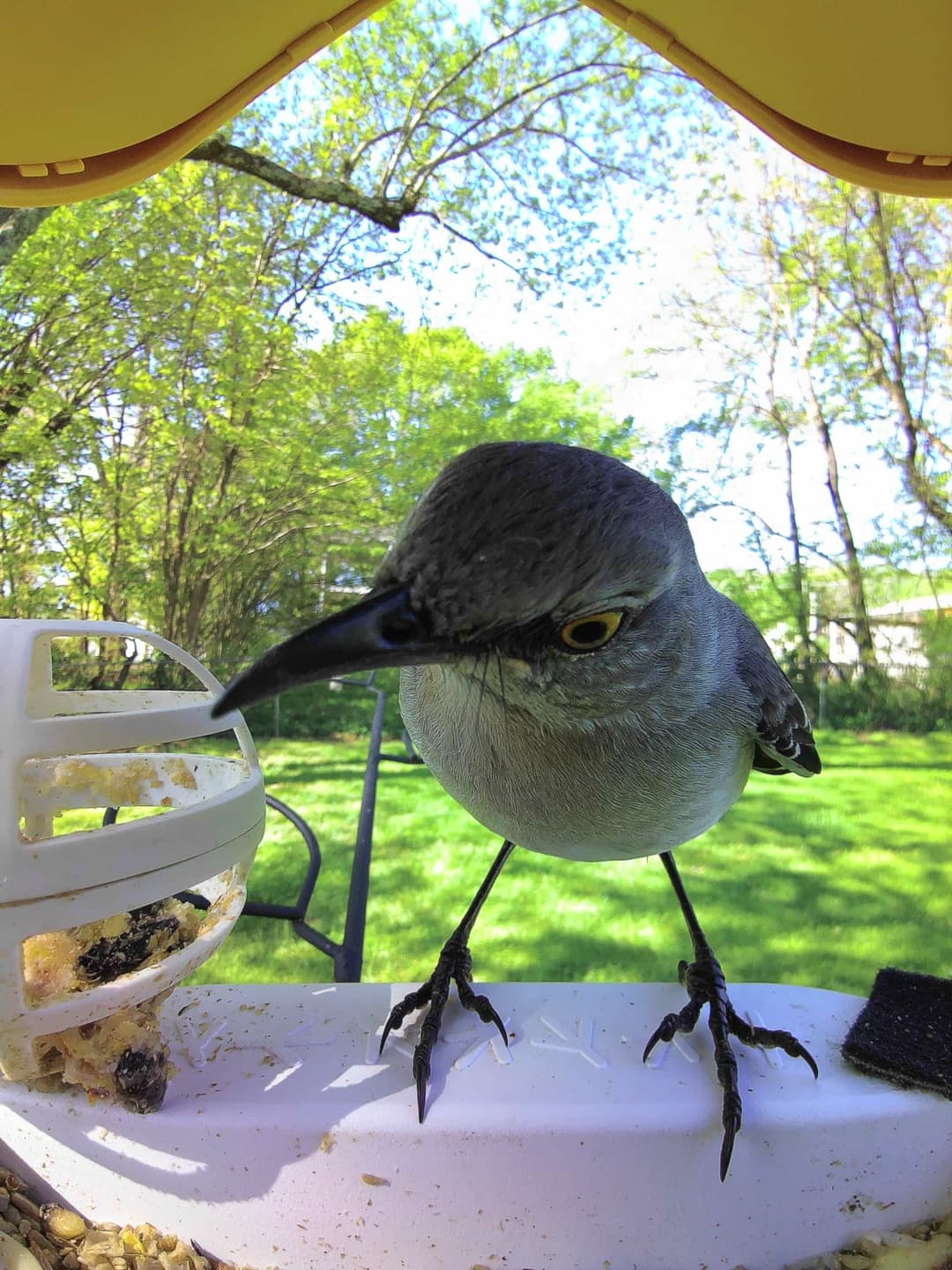
Chilean Mockingbird vs Tropical Mockingbird
Chilean Mockingbird vs [Select a bird]

[Select a bird]
Pick a bird to compare
Chalk-Browed Mockingbird vs [Select a bird]
[Select a bird]
Pick a bird to compare