
Mockingbird
Mockingbird
Mimus
Quick Identification guide
Quick Identification guide
- •
Features a slender, medium-sized build with a length of 20-28 cm
- •
Exhibits a distinctive pale grey to brownish upper body with lighter underparts
- •
Has a long tail with white outer feathers visible in flight, complemented by a thin, slightly curved beak
Description
Did you know that Mimus is Latin for mimic? That is what the 14 species of this genus do best. They are capable of reproducing all manner of sounds, from other birds to manmade objects... They even copy each other's looks as telling males from females apart based on appearance alone can be pretty tough!
The mockingbird can weigh between 40to73grams and be from20to29centimeters tall.
The typical lifespan of a mockingbird is up to 20 years, although few survive more than 7 years in the wild. This lifespan is longer than many related species of songbirds, which average about 2-3 years in the wild. Factors influencing lifespan include predation, disease, and human interference. The longest lifespan recorded for a mockingbird in captivity was 27 years.
Did you know?
Most popular questions about mockingbird
How to recognise a mockingbird?
General appearance
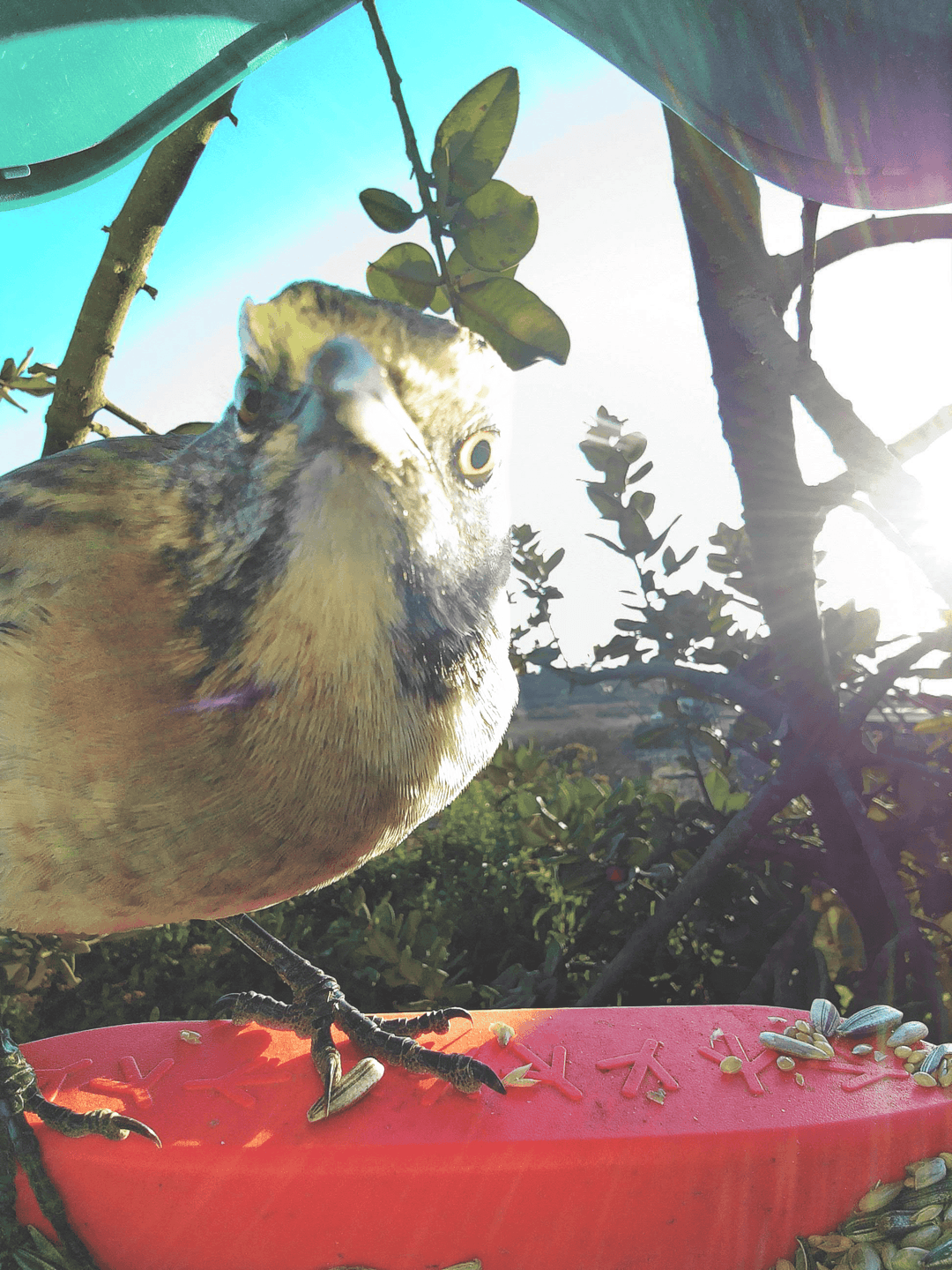
Mockingbirds are medium-sized birds, typically about 10 inches in length. Most notable are their gray coloration and prominent white patches on the wings and tail, visible during flight. Their bills are thin and slightly curved, while their eyes are yellow or orange. They are agile and active, often seen hopping and flitting among branches.
Male vs female
Mockingbirds exhibit limited sexual dimorphism, making males and females difficult to identify based on physical characteristics. Both genders are similar in size and share the similar gray and white coloration. However, males tend to be slightly larger and may have slightly brighter eye color. Male Mockingbirds are also more vocal than females, often heard mimicking a variety of sounds.
Juvenile
Juvenile Mockingbirds have similar coloration to adults, but they may appear duller, with a mottled or streaky appearance due to their immature feathers. Their eyes are typically darker than adults, often brown rather than the yellows or oranges seen in mature birds. Juveniles may also have a lighter or pinkish bill compared to the darker bills of adults.
Often mistaken for
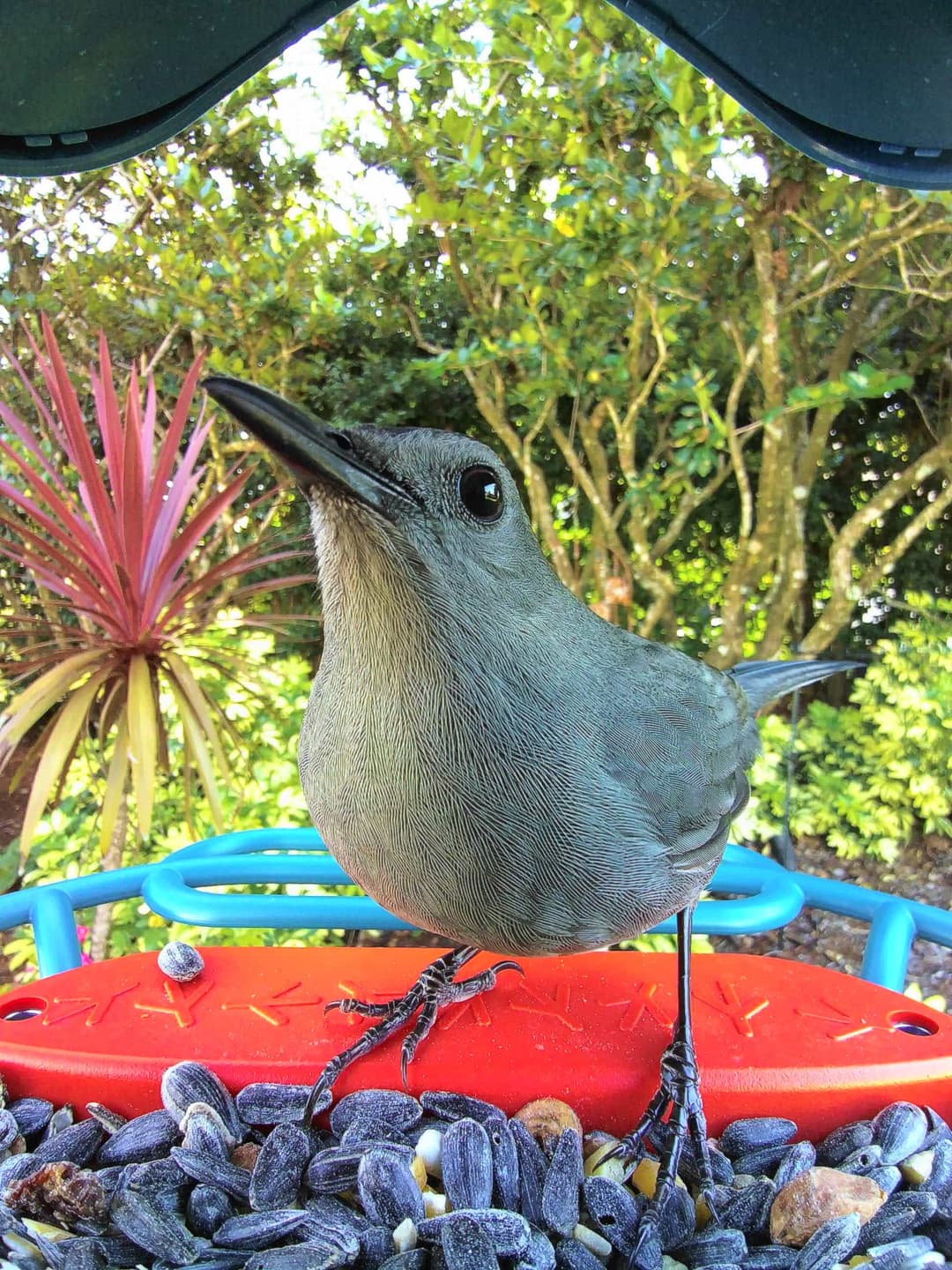
Gray Catbird vs Mockingbird
The Gray Catbird is similar in size and shape to the Northern Mockingbird but is generally darker gray in color and lacks the distinct white wing patches of the Mockingbird.
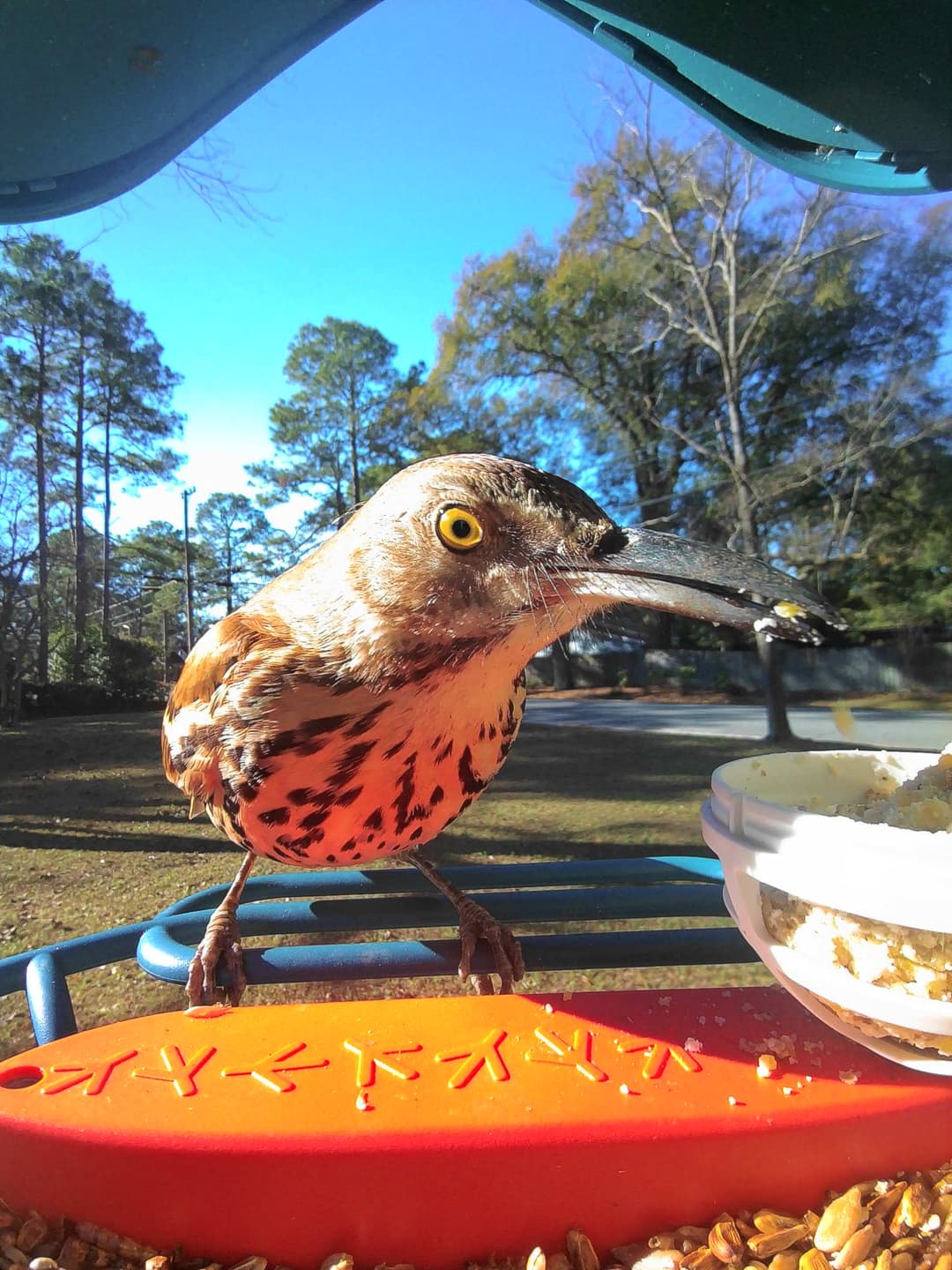
Brown Thrasher vs Mockingbird
The Brown Thrasher is similar to the Northern Mockingbird in size and body shape but can be distinguished by its reddish-brown color and heavily streaked underparts.
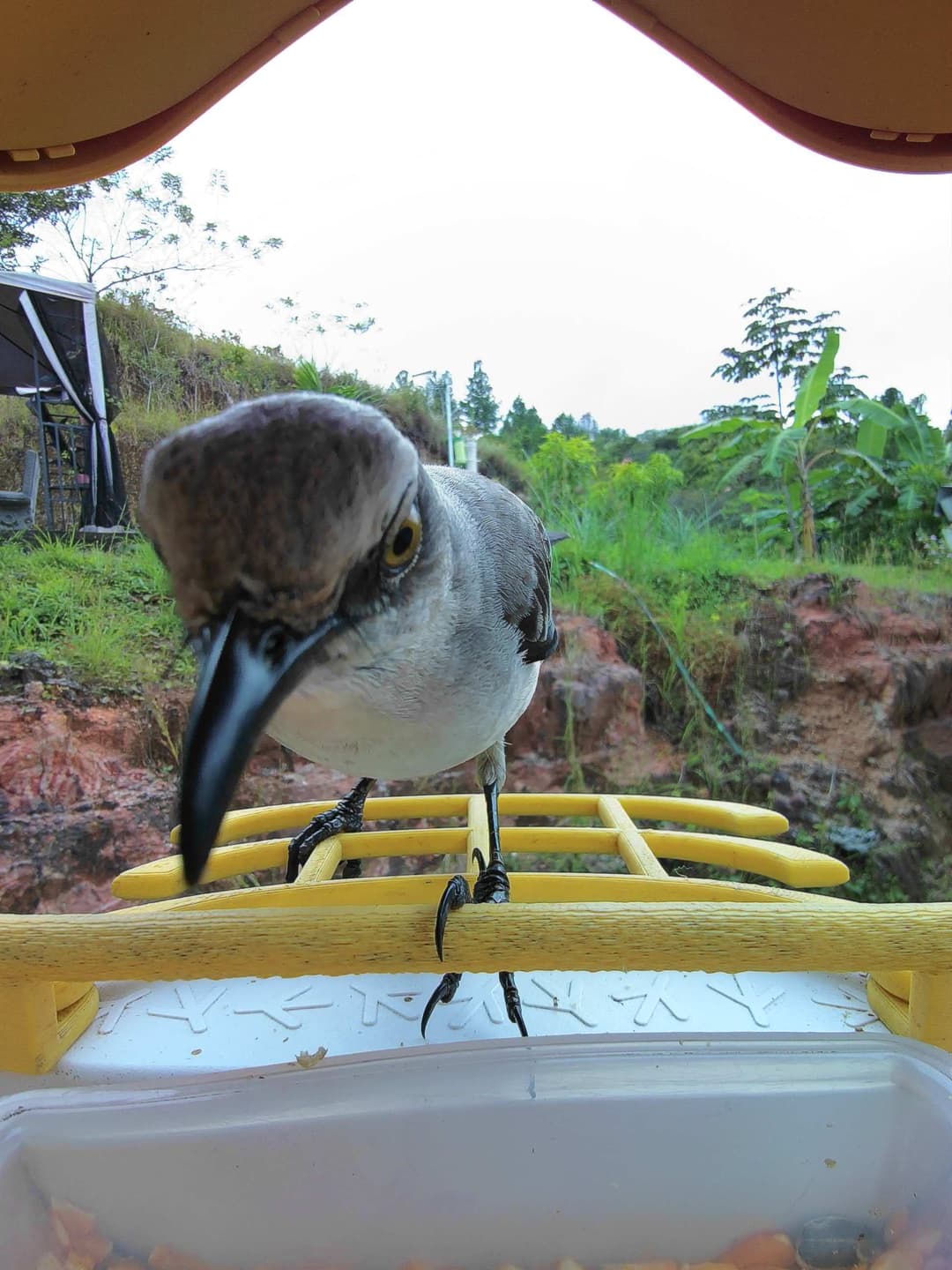
Tropical Mockingbird vs Mockingbird
The Tropical Mockingbird is very similar to the Northern Mockingbird but can be differentiated by its habitat preferences, as it is typically found in more tropical areas.
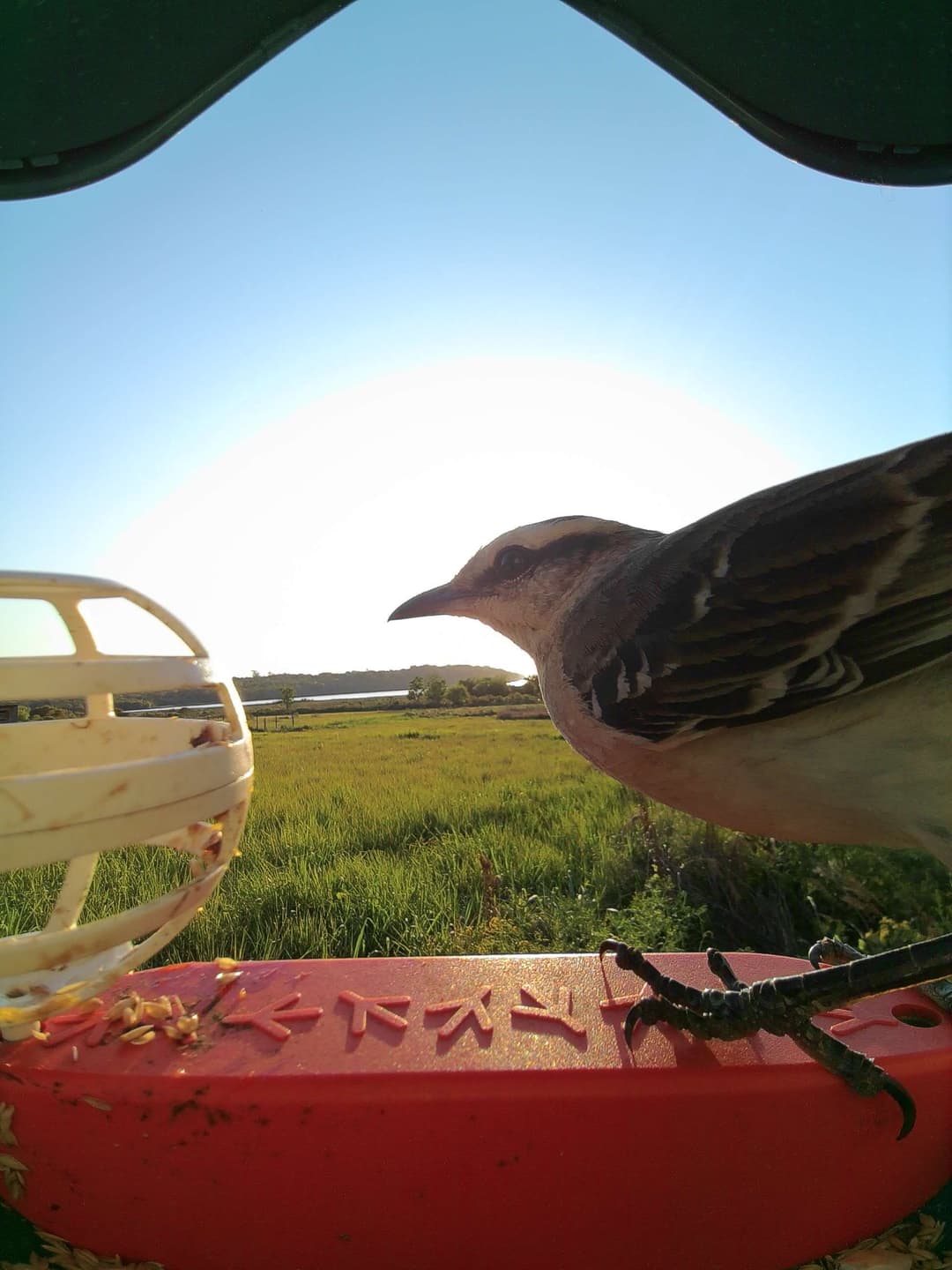
Chalk-Browed Mockingbird vs Mockingbird
The Chalk-Browed Mockingbird resembles the Northern Mockingbird but has a distinct white eyebrow and is usually found in South America.
Chilean Mockingbird vs Mockingbird
The Chilean Mockingbird looks similar to the Northern Mockingbird, but it has a more restricted range in Chile and neighboring countries, along with subtle plumage differences.
Breeding and nesting habits of the mockingbird
Mating behaviors
Mockingbirds engage in elaborate courtship behaviors, including singing and displaying flight patterns. Males are known to sing to attract females during the breeding season, often building initial nests to show their suitability as mates.
Nesting details
Nesting typically occurs in shrubs or trees 3-10 feet above the ground. Mockingbirds use twigs, grasses, and leaves as materials, creating solid structures with a soft inner lining. They often nest in gardens, thriving in habitats with dense shrubs and minimal disturbance.
Eggs and chick-rearing
A typical clutch consists of 2-6 eggs, which are incubated for about 12-14 days. Both parents are involved in feeding and protecting the chicks, which fledge roughly 12 days after hatching. For optimal habitat, ensure a variety of plants and access to insects in a garden setting.
What does a mockingbird like to eat?
Berries
Bird eggs
Fruits
Insects
Nectar
Seeds
Small animals
Spiders
Worms
Natural diet
Mockingbirds have a diverse diet that includes insects, berries, and fruit. They are omnivorous and often feed on ants, beetles, grasshoppers, and other small invertebrates. In addition to insects, they consume a variety of fruits and berries from different plants such as mulberries, blackberries, and holly.
Bird feeders
At bird feeders, mockingbirds typically consume suet, peanut butter, and a range of fruits like apples, oranges, and grapes. They may also eat sunflower seeds and mealworms if available. Although mockingbirds are not primarily seed-eaters, they will visit feeders offering food that mimics their natural diet.
Attract mockingbirds with their favorite snacks
Mockingbirds are omnivorous and love a variety of foods. They enjoy insects, berries, fruits and seeds. Offering them Bird Buddy seeds can be particularly successful. These seeds are chosen by experts to match what birds are naturally looking for in each season. Apart from Bird Buddy seeds, you can also plant native berry-producing shrubs and trees, which provide a natural food source.
The right bird feeder
Mockingbirds are not typically feeder birds, but they will visit platform or tray feeders, especially if they are accessible and in safe, sheltered locations. These feeders should be placed at a height of about 10 feet off the ground and near shrubs or trees, where mockingbirds usually perch. Remember to always keep your feeder clean and full of fresh food to keep your feathered friends coming back.
Adding water sources
Like all birds, Mockingbirds need fresh water. Adding a birdbath or a dripping water source to your yard can make it more attractive to these songbirds. The sound of water can help attract the birds, and ensuring the water is clean will encourage them to return.
Provide safe nesting sites
If you'd like to keep mockingbirds frequenting your yard, consider providing them with safe nesting sites. They prefer dense, thorny shrubs or thickets, especially those that are at the edge of clearings. However, make sure to watch from a distance to prevent any potential disturbances.
Make some noise
Since mockingbirds are known for their singing abilities, playing some bird calls or songs in your yard may lure them into a sing-along, and could help create a haven they'll want to return to.
Where can you find mockingbirds?
Primary habitat
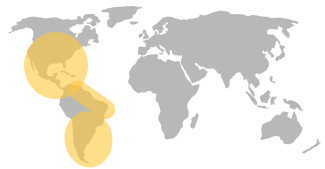
Mockingbirds are native to North America, primarily in warmer climate zones. They prefer areas with open grasslands, desert edges, and thickets.
Additional range
Unexpectedly, they can also adapt to urban and suburban environments, often seen in parks, gardens, and residential areas.
Do they migrate?
The Northern Mockingbird typically does not migrate, and most populations remain in the same location year-round. It is native to North America, primarily found in the United States, southern Canada, Mexico, and the Caribbean. Although the species is generally considered non-migratory, some northern populations, especially those in the colder parts of their range, may show limited migratory behavior. In these instances, they move slightly southward during winter months to find more favorable conditions. However, this movement is not as extensive or well-defined as the migratory patterns of many other bird species. Conversely, migratory behavior is more typical of the Bahama Mockingbird and Tropical Mockingbird, which are closely related species. The Bahama Mockingbird is generally non-migratory, residing in the Bahamas and nearby islands. Meanwhile, the Tropical Mockingbird, found in Central and South America, may exhibit some local movement in response to seasonal changes. Overall, the Northern Mockingbird's adaptability in various habitats like suburban areas, parks, and farmlands contributes to its largely non-migratory status.
What is the role of mockingbirds in nature and how to protect them?
Conservation status
The mockingbird, particularly the Northern mockingbird, is classified as common and is not considered vulnerable or endangered. It has a wide range across North America, adapting well to urban and suburban environments. Key threats include habitat destruction and predation by domestic animals like cats. Conservation efforts focus on habitat preservation and promoting native landscaping to support their needs. Populations are stable overall, thanks in part to these adaptable traits and widespread public awareness of their importance in local ecosystems.
Ecological role of mockingbirds
Its role in the ecosystem
Mockingbirds are vital contributors to our ecosystems through their roles in pest control, seed dispersion and aiding in plant pollination. As omnivorous birds, they consume a diverse diet that includes many insects, providing a natural form of pest control. This is significant because it reduces the presence of potentially harmful insects that can damage vegetation and spread disease. Additionally, mockingbirds play a significant part in seed dispersal due to their diet of various fruits and berries. The seeds of these fruits and berries are not digested by the bird, and are therefore scattered in their droppings as they move from place to place. This assists in the propagation of many plant species. Finally, some mockingbirds aid in plant pollination as they feed on nectar, transferring pollen from flower to flower. Collectively these actions contribute to biodiversity, a healthy and balanced ecosystem.
How to help protect mockingbirds
Preservation tips
Habitat preservation strategies
Preserve and restore the native vegetation in backyards, parks, and green spaces to support the natural habitats for the mockingbird. Avoid excessive pruning or removing shrubs and trees where mockingbirds nest. Use pesticides sparingly and wisely to protect the food chain of these birds. Promote community-based conservation plans to preserve larger habitats.
Community science initiatives
Engage in citizen science projects such as the National Audubon Society's Christmas Bird Count and the Great Backyard Bird Count. Use smartphone apps, such as eBird and iNaturalist, to record your observations of mockingbirds and contribute valuable data to scientists who study these birds. Promote educational initiatives to increase awareness and understanding of the importance of mockingbirds in the ecosystem.