Chilean Mockingbird or Northern Mockingbird?
Here's how to tell the difference
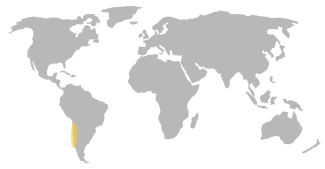

Chilean Mockingbird


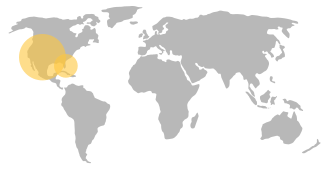
Northern Mockingbird
Chilean Mockingbird
Mimus thenca
Also known as: Tenca
General appearance
The Chilean mockingbird, also known as Mimus thenca, typically has a brownish-gray coloration, speckled with small black spots. It is known for its long tail feathers, which are usually darker at the ends, and a pointed beak for eating insects and fruits. The eyes are bright yellow, providing stark contrast to the rest of the bird's muted colors.
Male vs female
The Chilean mockingbird shows little to no sexual dimorphism, meaning males and females look largely the same. Both genders share the same size and coloration. While it is difficult to differentiate between a male and female based on physical appearances alone, males usually perform elaborate songs and displays for courtship.
Juvenile
Juvenile Chilean mockingbirds have similar coloration to the adults but their plumage is softer and duller. Their eyes are brown before they turn yellow with age. They also tend to be slightly smaller than the adults until they reach full maturity.
Size
11.0 - 11.4 in/2.3 - 2.4 oz
There's more to learn about Chilean Mockingbird
View full detailsNorthern Mockingbird
Mimus polyglottos
General appearance
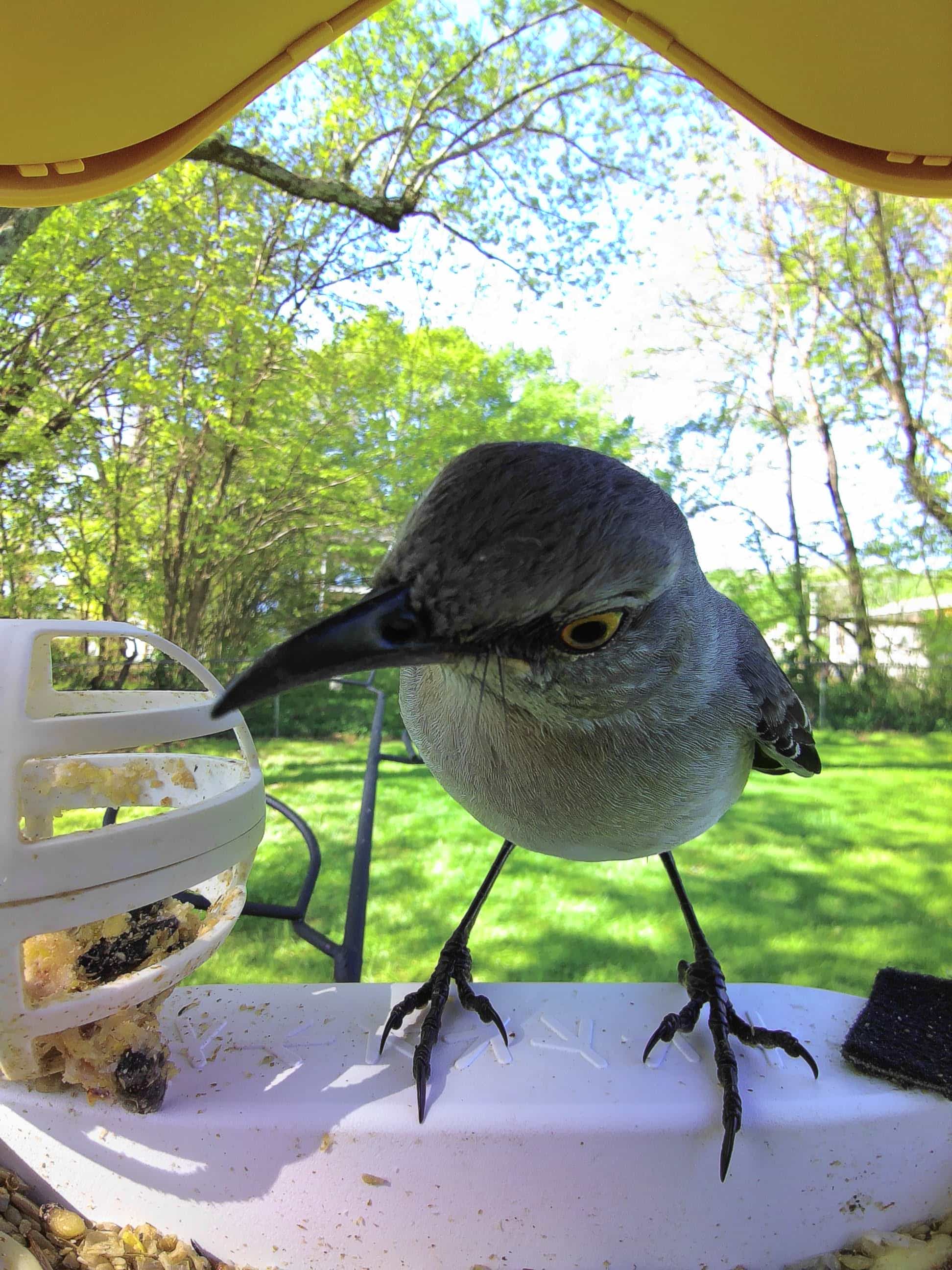
The northern mockingbird is a slim, long-tailed bird standing at a size of about 9-11 inches (23-28 cm), comparable to a robin. It showcases a pale grey coloration, with prominent white wing patches that are especially discernable when in flight. Furthermore, the bird has white outer tail feathers that contribute to its distinctive sleek appearance. The tail shape can be variously described as long, rounded, or wedge-shaped.
Male vs female
Both male and female northern mockingbirds bear similar characteristics in terms of size, color, and other physical traits. They both have slim bodies, white wing patches, and long tail feathers. Therefore, distinguishing between males and females solely based on physical traits may be challenging.
Juvenile
Young northern mockingbirds, or juveniles, share the same basic coloration and size as adults. However, they can be distinguished due to unique traits found prominently during their early stages. A juvenile mockingbird has darker streaks on their chest and somewhat darker eyes compared to adult birds. Moreover, their wing patches may not be as pronounced.
Size
8.1 - 10.2 in/1.4 - 2.0 oz
There's more to learn about Northern Mockingbird
View full detailsHow to tell the Chilean Mockingbird from the Northern Mockingbird
Visual differences
Chilean Mockingbirds (11-11.4 inches, 2.3-2.4 ounces) have a brownish-gray color with black speckles and bright yellow eyes, featuring a pointed beak and darker, long tail tips. In contrast, Northern Mockingbirds (9-11 inches, 1.4-2 ounces) are pale gray with distinct white wing patches visible in flight and white outer tail feathers. Their beak is slimmer, and they have dark eyes. Overall, the Northern Mockingbird has a sleeker appearance compared to the more speckled and larger Chilean Mockingbird.
Key differences and behavior
The Chilean Mockingbird and Northern Mockingbird share a talent for mimicry, but exhibit distinct behaviors and preferences. The Chilean Mockingbird's song fills the air year-round, while the Northern Mockingbird is noted for singing especially during the day and sometimes under the full moon. Habitat-wise, Chilean Mockingbirds adapt to various environments from dry deserts to urban parks in Chile, whereas Northern Mockingbirds favor open farmlands and urban settings across Southern U.S. and Mexico. Both species share similar dietary habits, consuming insects and fruits, yet Northern Mockingbirds diversify more with occasional crayfish and lizards. Mating rituals for both involve vocal displays, but Chilean Mockingbirds are also noted for aerial acrobatics, whereas Northern Mockingbirds engage in chasing during courtship. Nesting for both occurs in dense shrubs, yet Chilean Mockingbirds incorporate more human-made materials in their nests. Both parents in each species participate in chick rearing, but Northern Mockingbirds begin nesting earlier in late winter.
Still not sure? Here are more lookalikes!
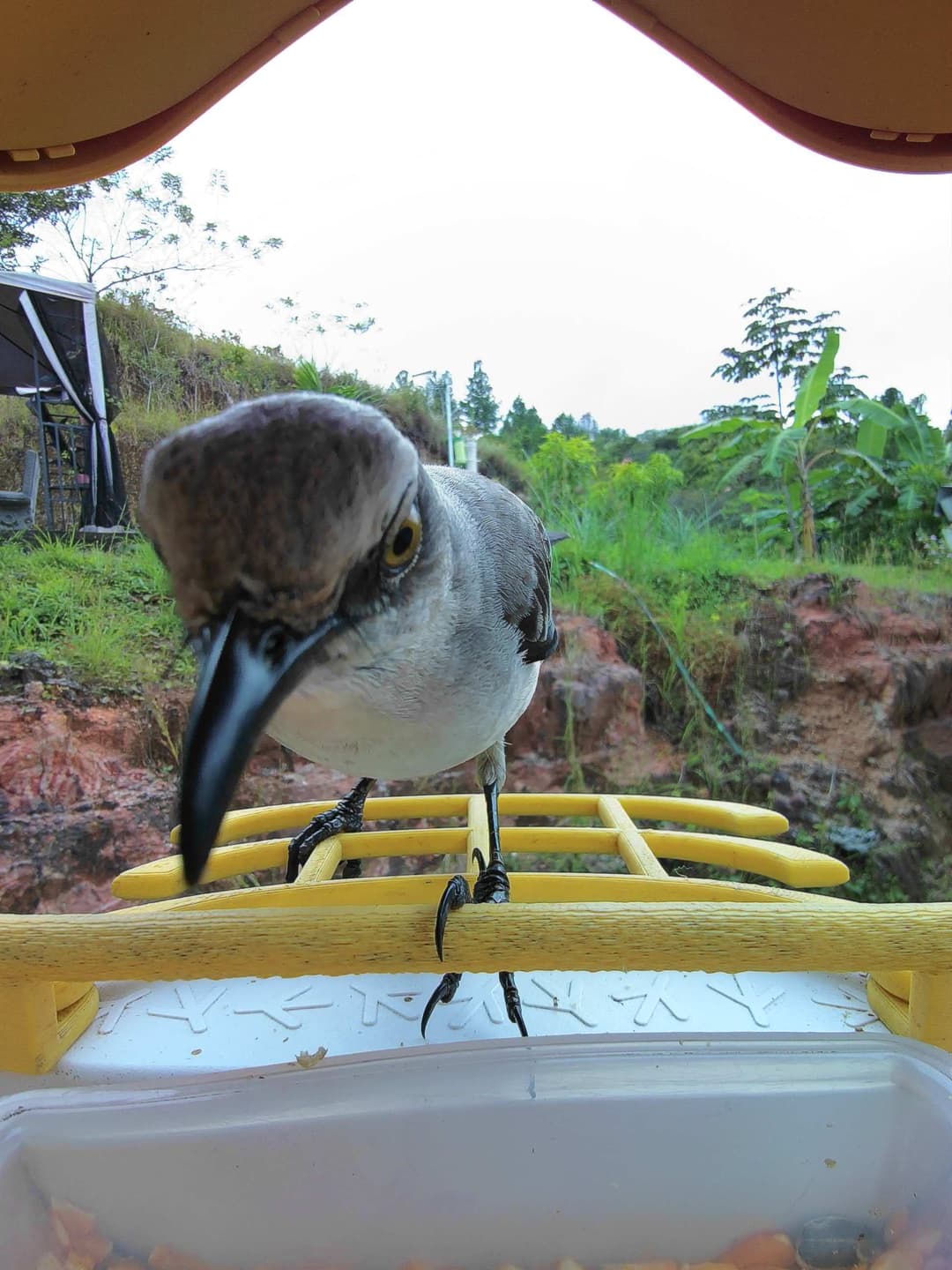
Chilean Mockingbird vs Tropical Mockingbird
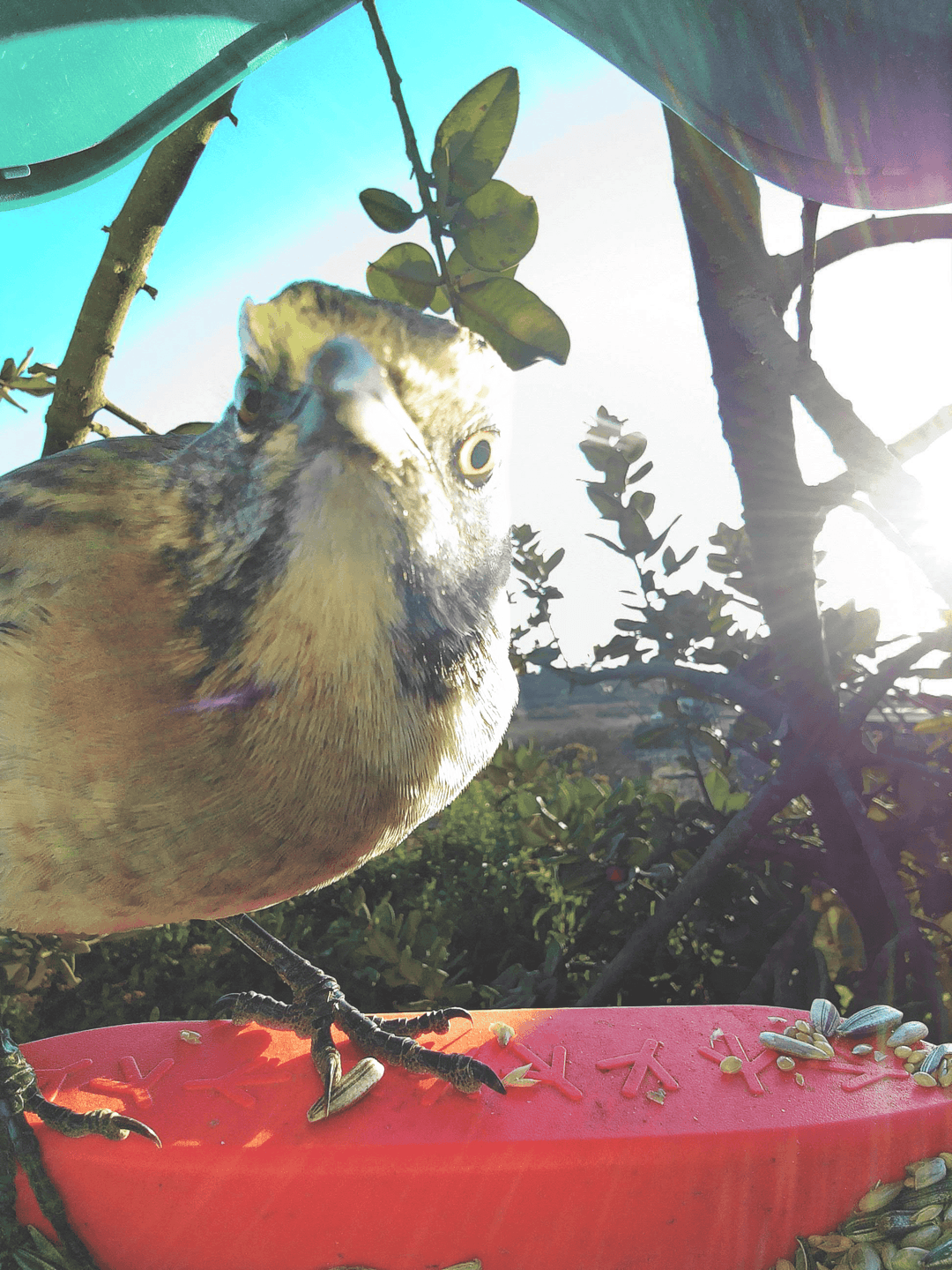
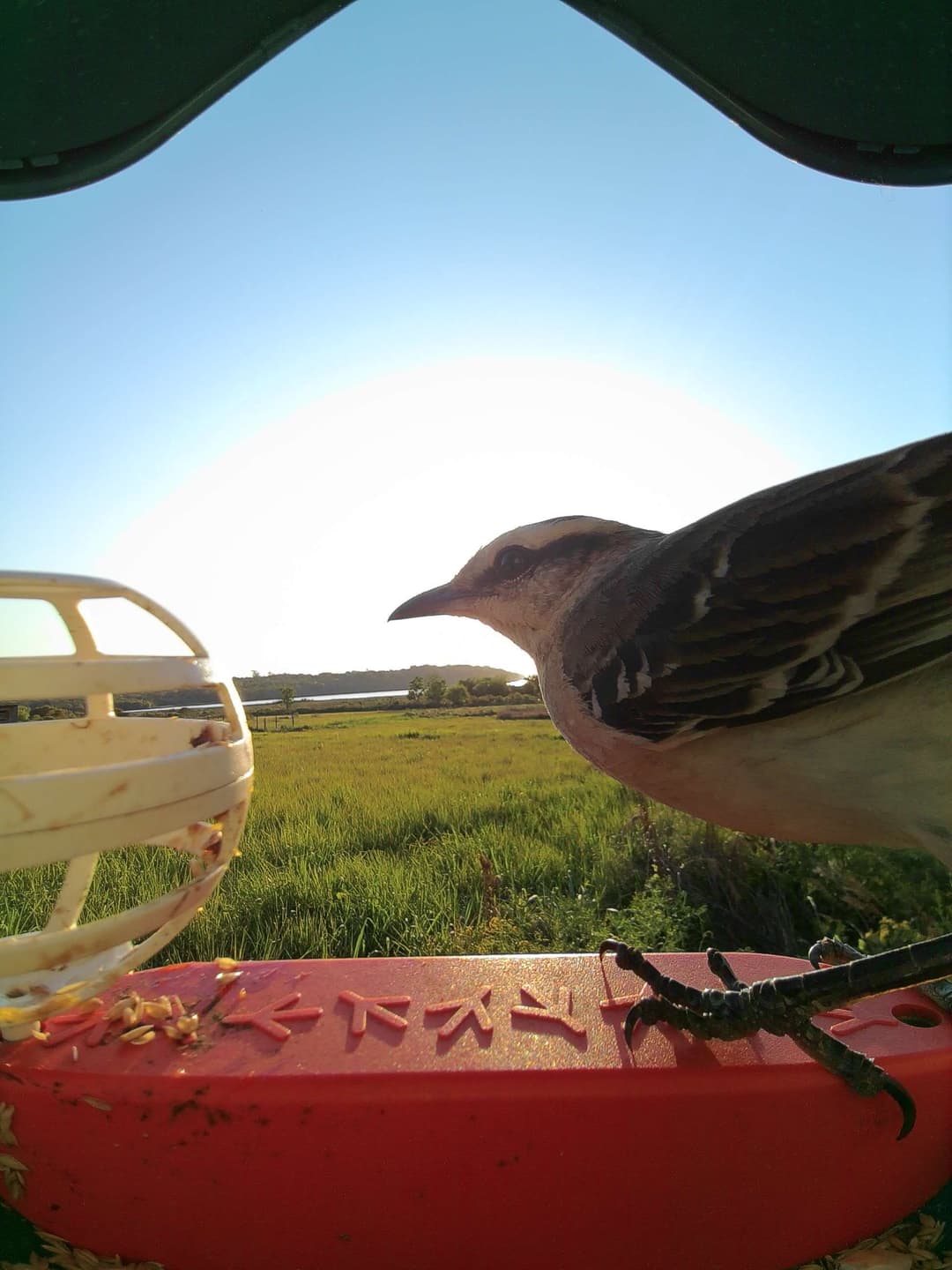
Chilean Mockingbird vs Chalk-Browed Mockingbird
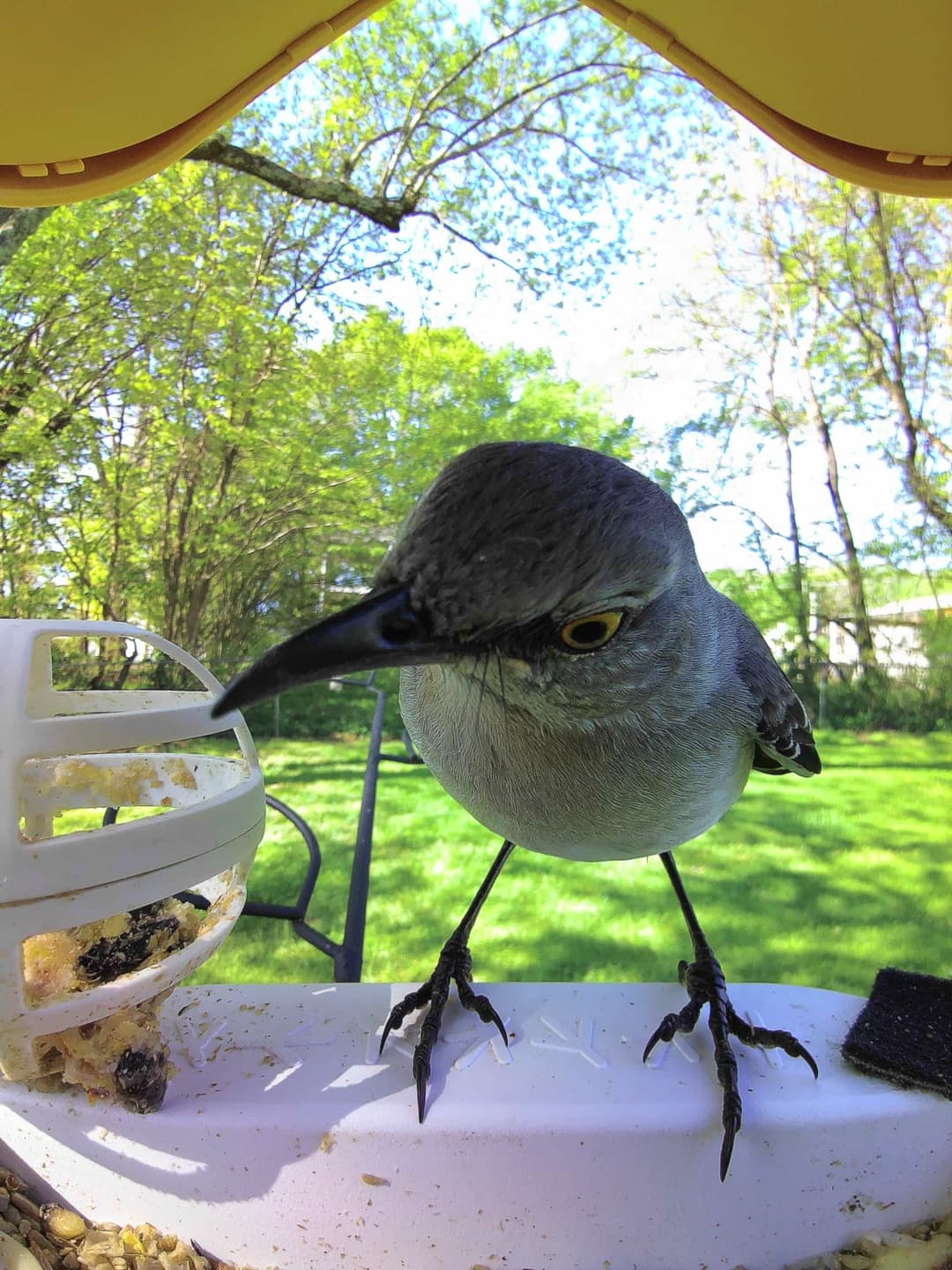
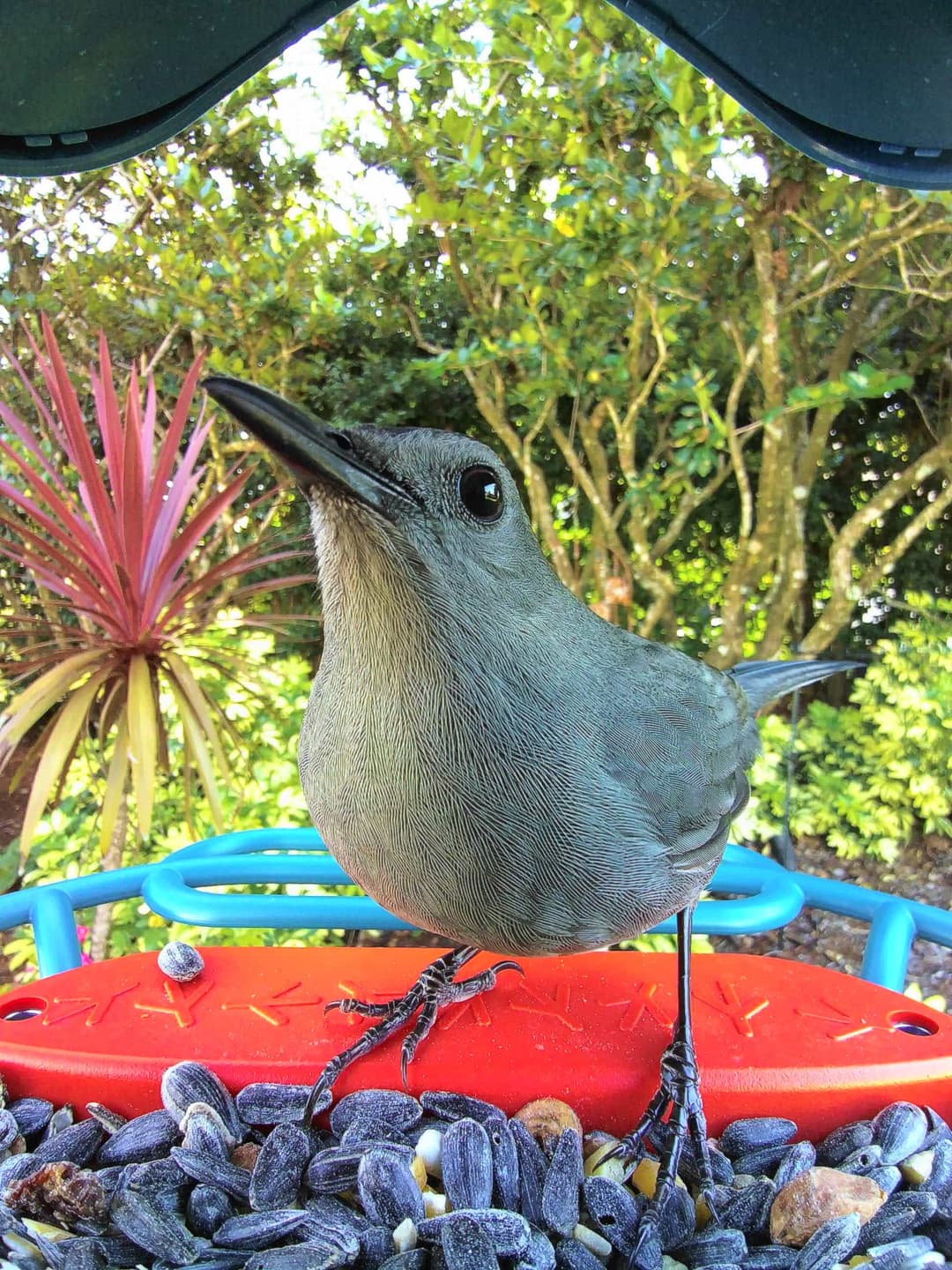
Northern Mockingbird vs Gray Catbird
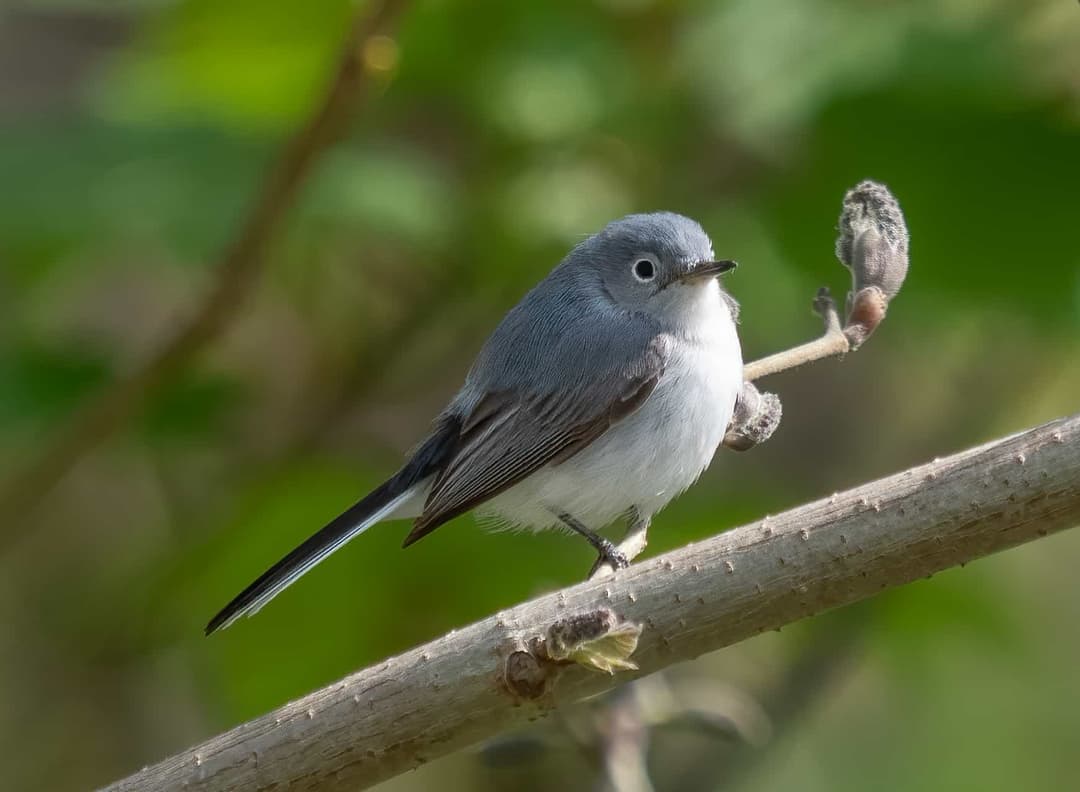
Northern Mockingbird vs Blue-Gray Gnatcatcher
Chilean Mockingbird vs [Select a bird]

[Select a bird]
Pick a bird to compare
Northern Mockingbird vs [Select a bird]
[Select a bird]
Pick a bird to compare