Steller’s Jay or Blue Jay?
Here's how to tell the difference


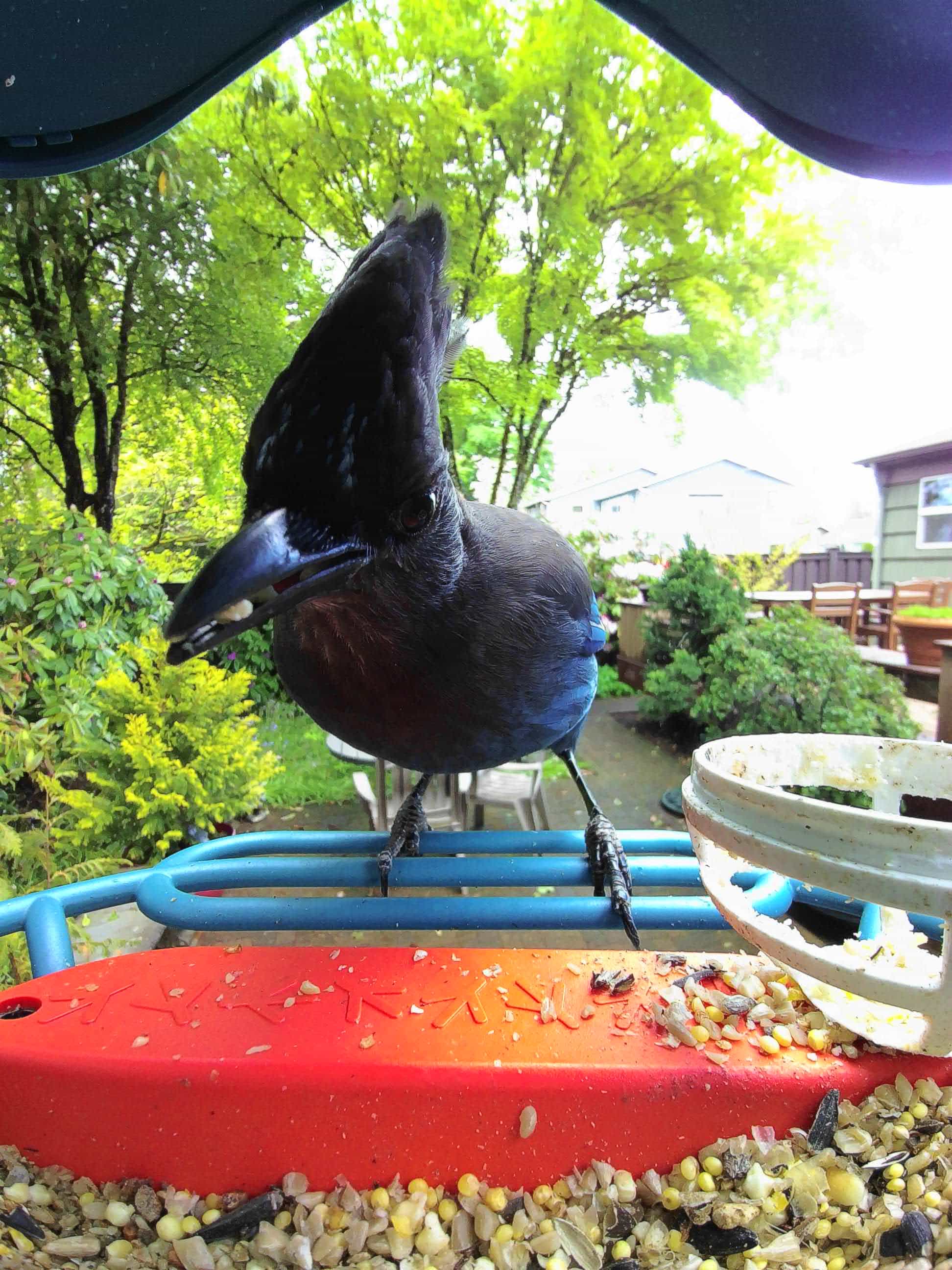


Steller’s Jay
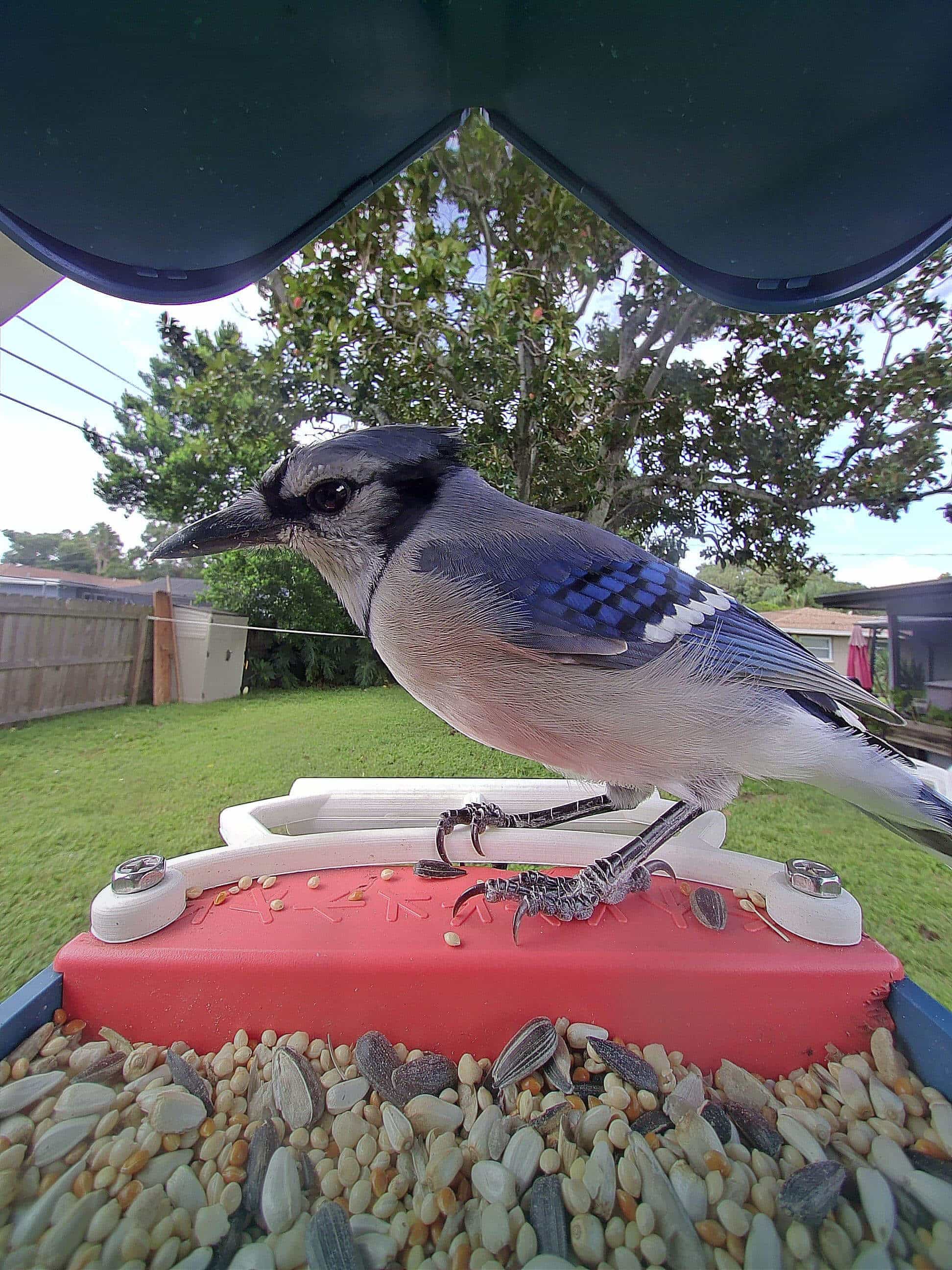


Blue Jay
Steller’s Jay
Cyanocitta stelleri
Also known as: Long-Crested Jay, Mountain Jay, Pine Jay
General appearance
Steller's jay has a striking appearance with a mix of blue and black plumage. The head, crest, and upper body are a glossy black, while the lower body and wings feature vibrant blue tones. Its distinct, pointed crest and sharp, straight bill further accentuate its appearance. In flight, their broad wings and long tail are clearly visible, adding to their distinctive look. They have white or light blue streaks on their cheek patches.
Male vs female
Steller's jay males and females are similar in coloration and size, making it challenging to distinguish them visually. Both sexes have the same bold black and blue coloration, slightly accentuated by environmental factors and lighting. Any noted differences are subtle, as the plumage color intensity is generally consistent between genders.
Juvenile
Juvenile Steller's jays resemble adults but have duller plumage. Their black crests and head are less distinct, and their overall body coloration is paler, with less vibrant blue. Juveniles often lack the defined facial streaks until they mature. As they grow, their plumage becomes richer and more aligned with adult characteristics.
Size
11.8 - 13.4 in/3.5 - 4.9 oz
There's more to learn about Steller’s Jay
View full detailsBlue Jay
Cyanocitta cristata
General appearance
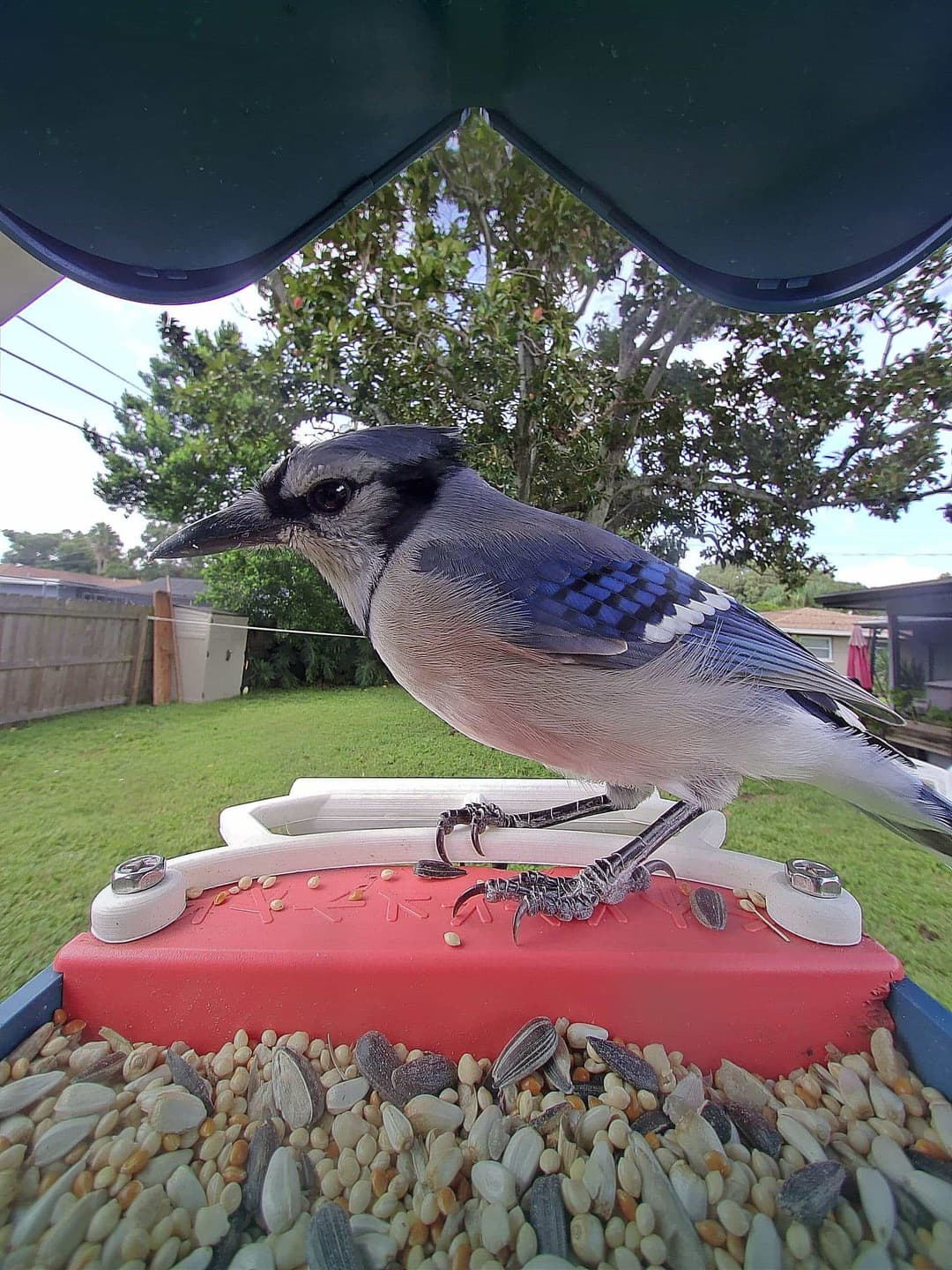
Blue Jays have a distinctive appearance with a size similar to a crow. Their dull blue-gray back contrasts with their bright blue wings and tail. They have a prominent crest, a black necklace and white patterns on their wing-bars and tail corners. The bird's wings are broad, fingered and rounded, possessing a long, rounded and wedge-shaped tail.
Male vs female
Interestingly, there is little to no difference in the physical appearance between male and female Blue Jays. Both sexes exhibit the same coloration and patterns. Any differences are minimal and often indistinguishable to the untrained eye.
Juvenile
Juvenile Blue Jays are similar in appearance to adults but may be slightly duller in color. They also lack the full crest of adult birds until they mature. Still, their inherent blue hue combined with gray, black and white patterns provides a good marker for identification.
Size
9.8 - 11.8 in/2.5 - 3.5 oz
There's more to learn about Blue Jay
View full detailsHow to tell the Steller’s Jay from the Blue Jay
Visual differences
Steller's Jay (11.8-13.4 inches, 3.5-4.9 ounces) has a striking blue and black plumage, with a glossy black head and crest, and distinctive blue body. It features a pointed crest and straight bill. In contrast, the Blue Jay (9.8-11.8 inches, 2.5-3.5 ounces) displays blue-gray backs, bright blue wings and tail, and a black necklace. It has a more rounded crest and a wedge-shaped tail. Steller's Jays are larger and darker overall, while Blue Jays have vivid white wing-bars and tail corners.
Key differences and behavior
Steller's Jays (Cyanocitta stelleri) and Blue Jays (Cyanocitta cristata) exhibit distinct behaviors and habitat preferences. While Steller's Jays are highly social, traveling in groups within mountainous and northern coastal forests, Blue Jays frequent deciduous or mixed woods, avoiding dense coniferous areas, and adapt well to suburban settings. Steller's Jays display aggressive tendencies, stealing eggs and food, compared to Blue Jays' more innovative behaviors, such as anting. Both species engage in mate-feeding during courtship, but Steller's Jays prefer higher nesting sites in coniferous trees, whereas Blue Jays are versatile with tree type. Dietarily, Steller's Jays lean toward seeds and pine nuts, whereas Blue Jays favor acorns and an omnivorous diet with a seasonal shift. At feeders, Steller's Jays exploit similar foods but tend to be less dominant than Blue Jays.
Still not sure? Here are more lookalikes!
Steller’s Jay vs California Scrub-Jay
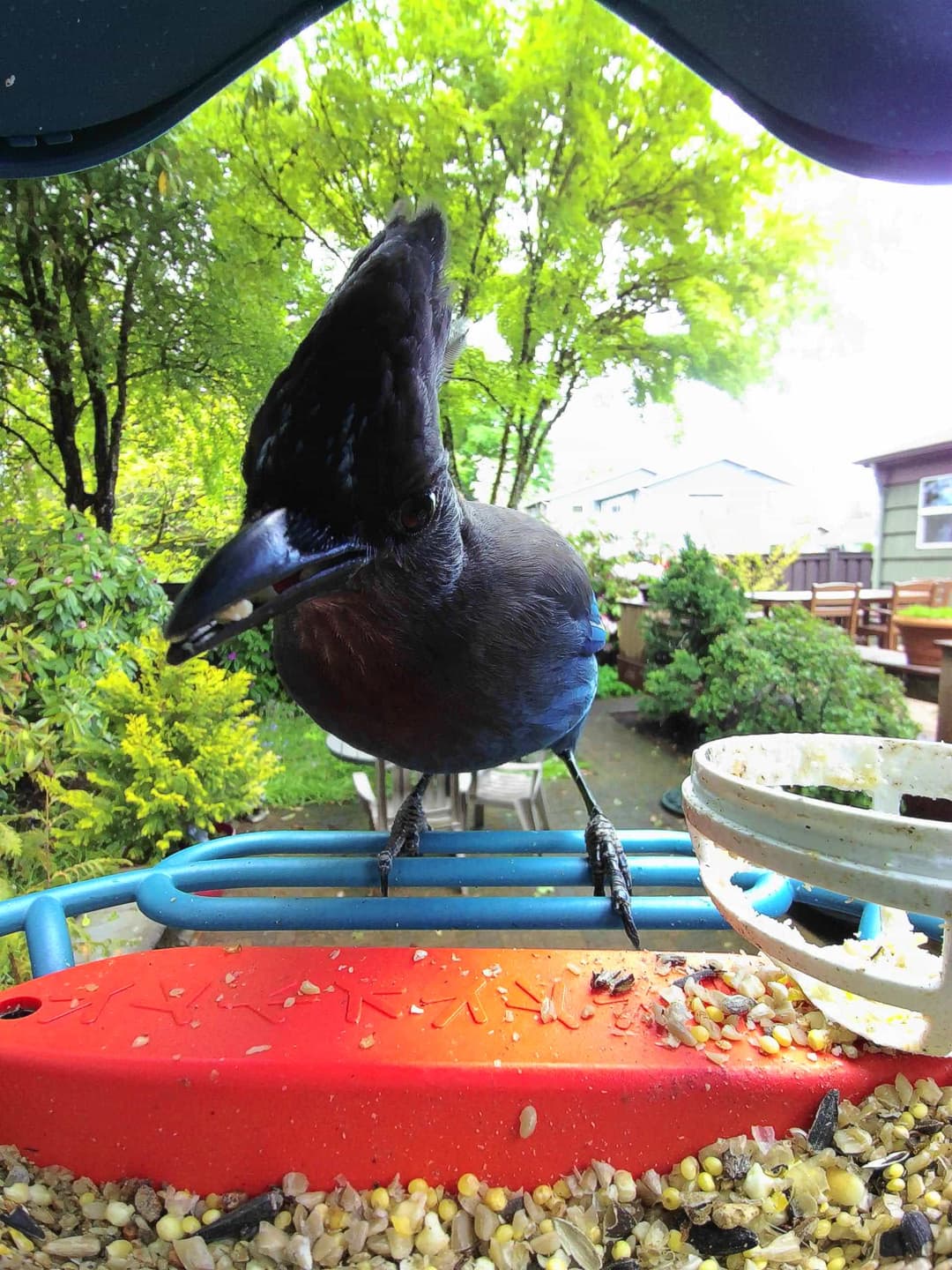

Steller’s Jay vs Woodhouse’s Scrub-Jay
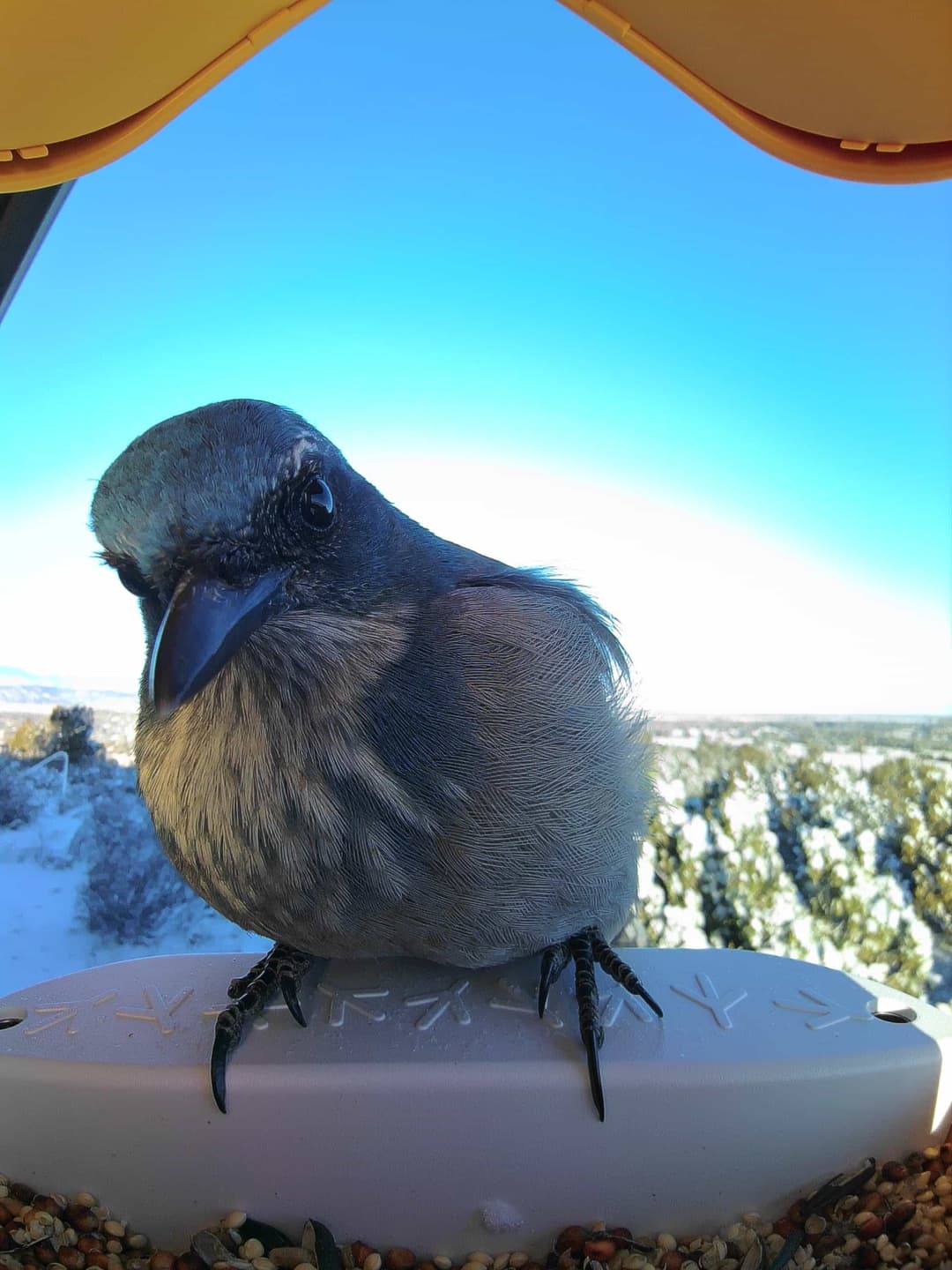
Steller’s Jay vs Pinyon Jay
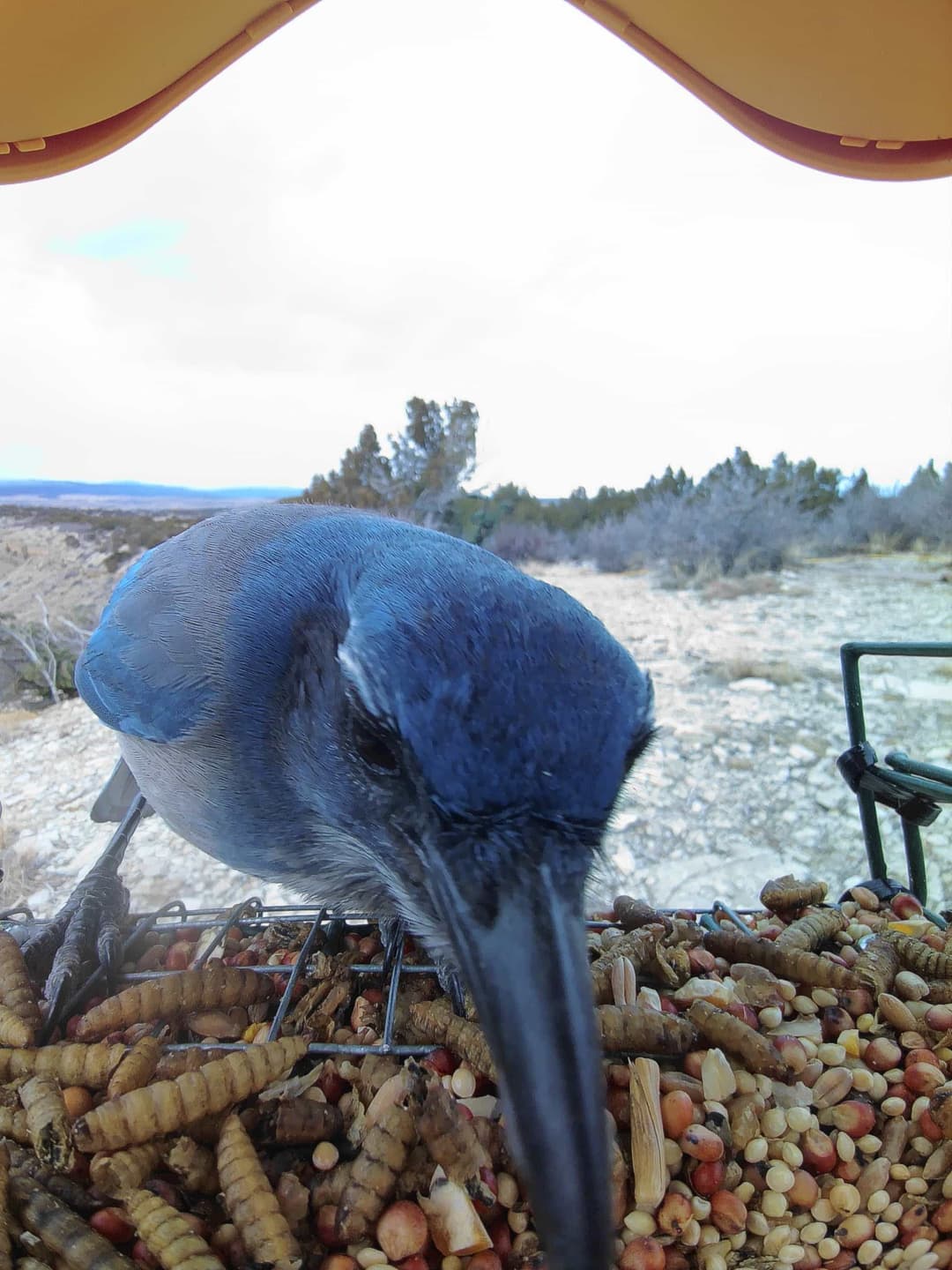
Blue Jay vs Florida Scrub-Jay
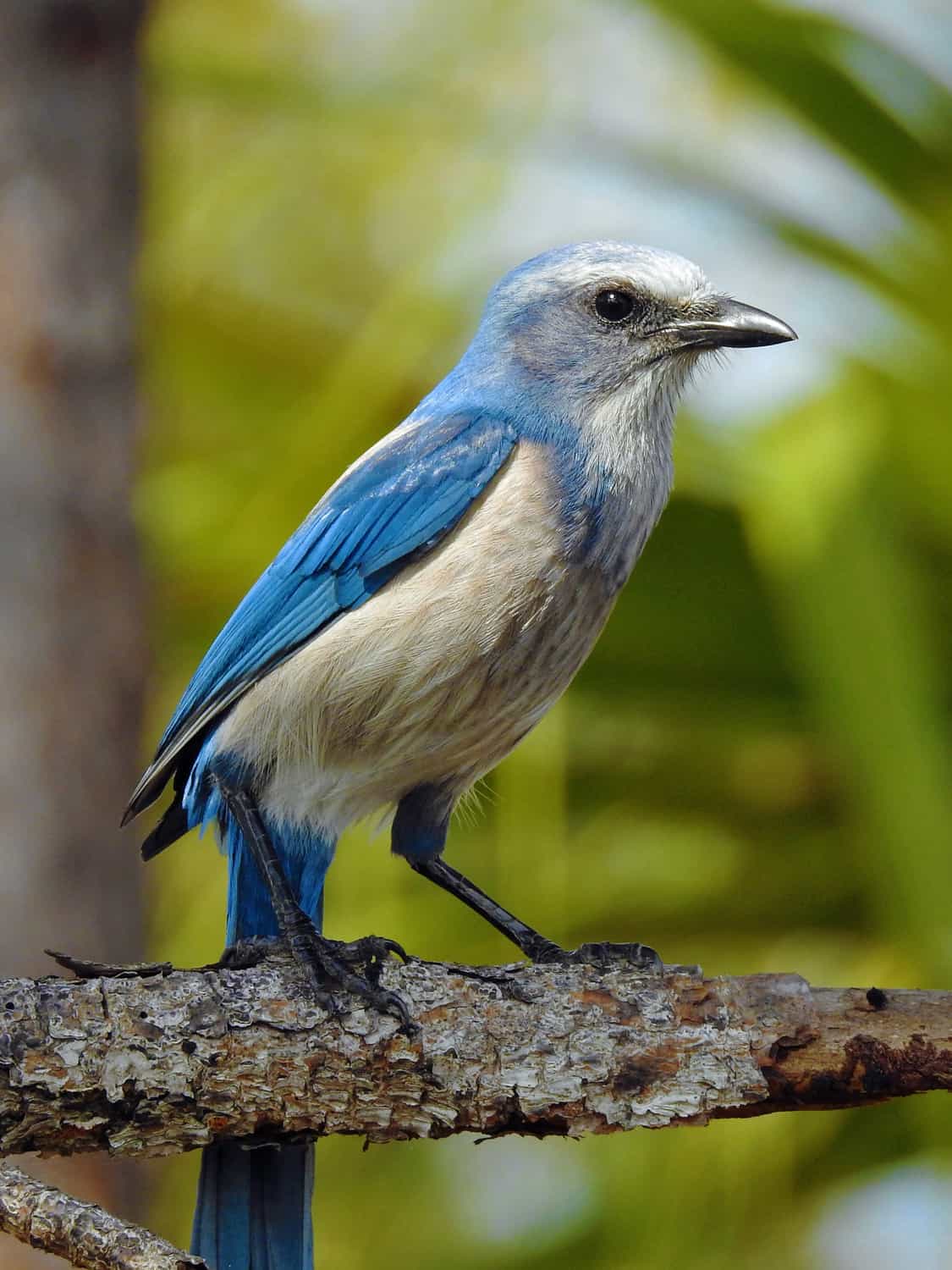
Blue Jay vs Woodhouse’s Scrub-Jay
Blue Jay vs California Scrub-Jay
Steller’s Jay vs [Select a bird]

[Select a bird]
Pick a bird to compare
Blue Jay vs [Select a bird]
[Select a bird]
Pick a bird to compare