
Varied Tit
Varied Tit
Sittiparus varius


Quick Identification guide
Quick Identification guide
- •
Features richly colored plumage with a mix of black, white, and rust-orange tones across the body
- •
Displays a distinctive black hood covering the head with white cheeks adding contrast
- •
Possesses a short stout bill suited for foraging, and a compact body build with a relatively short tail
What does a varied tit sound like?
The varied tit (Sittiparus varius) typically makes sharp chattering and pipping sounds that consist of several syllables and exhibit subtle structural changes influenced by factors like season and region. Its calls are described as "zii-zii-zii" or "chick-a-dee". The song of the varied tit comprises series of repeated short whistles or trills that descend and ascend in pitch. It is often repeated consistently in sequence, changing with geographical variations. It uses these vocalizations for signaling, alarums, mating, and territorial commands.


Description
Varied tits are boisterous and colourful birds with their bright orange underparts, blue-grey wings and white cheeks. They like to hang out in parks and will also visit garden feeders. Here's a tip to make your guests feel really welcome: they are inordinately fond of caterpillars!
The varied tit can weigh between 14.4to20.8grams and be from12to15centimeters tall.
The varied tit usually lives for around two to five years. This is a relatively standard lifespan for small birds, although other species of tits, like the great tit, have recorded lifespans of up to 13 years in the wild. Lifespan can be influenced by factors such as disease, predation, and availability of food resources.
Did you know?
Most popular questions about varied tit
How to recognise a varied tit?
General appearance
The Varied Tit is a medium-sized bird with a striking black, white, and yellow coloration. Notable features include a bold black head, a vibrant yellow chest and belly, and a slightly bluish-white back and wings. Its strong, stout bill is black and ideal for foraging seeds and insects.
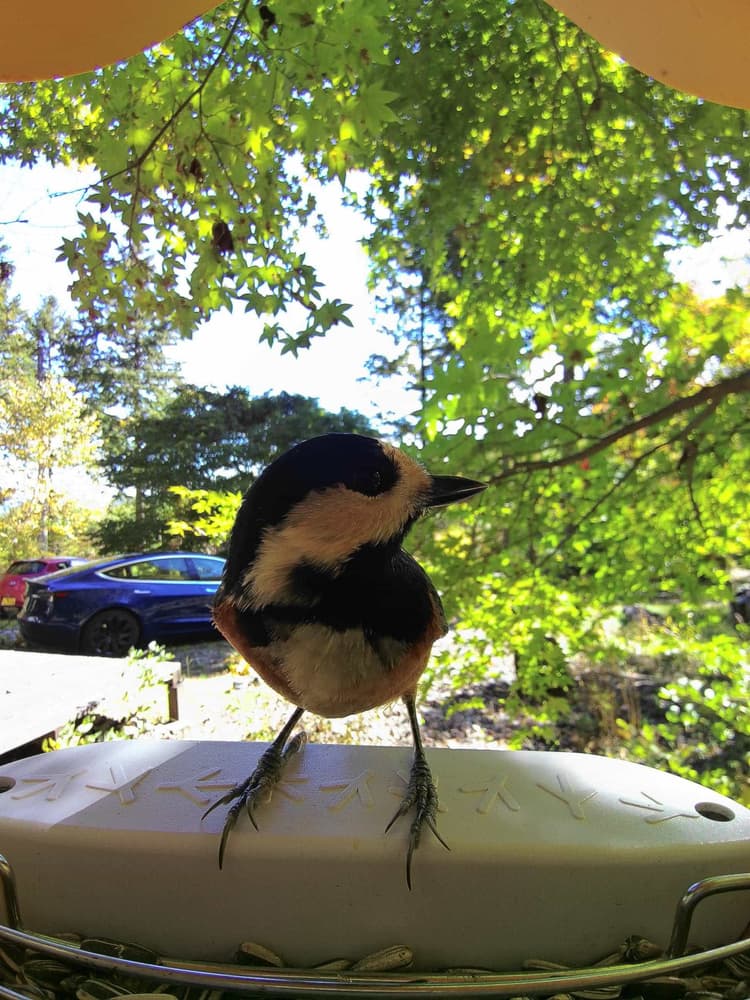
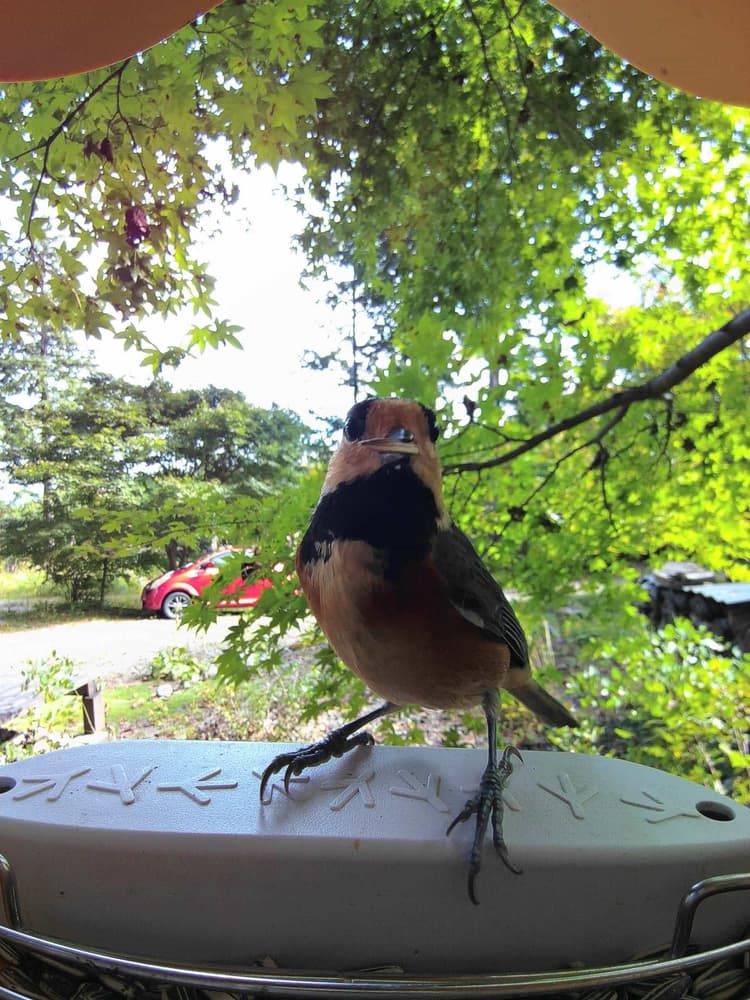
Male vs female
The Varied Tit doesn't show any substantial sexual dimorphism, which means that males and females look fairly similar in size and coloration. However, males may exhibit slightly more vivid colors and larger body mass during the breeding season.
Juvenile
Juvenile Varied Tits display a more muted coloration than adults, making them harder to identify. As they mature, their colors start to enhance, approaching the vibrant hues of adults after their first moult. The size of Juveniles is smaller than adults but the proportions are similar.
Often mistaken for
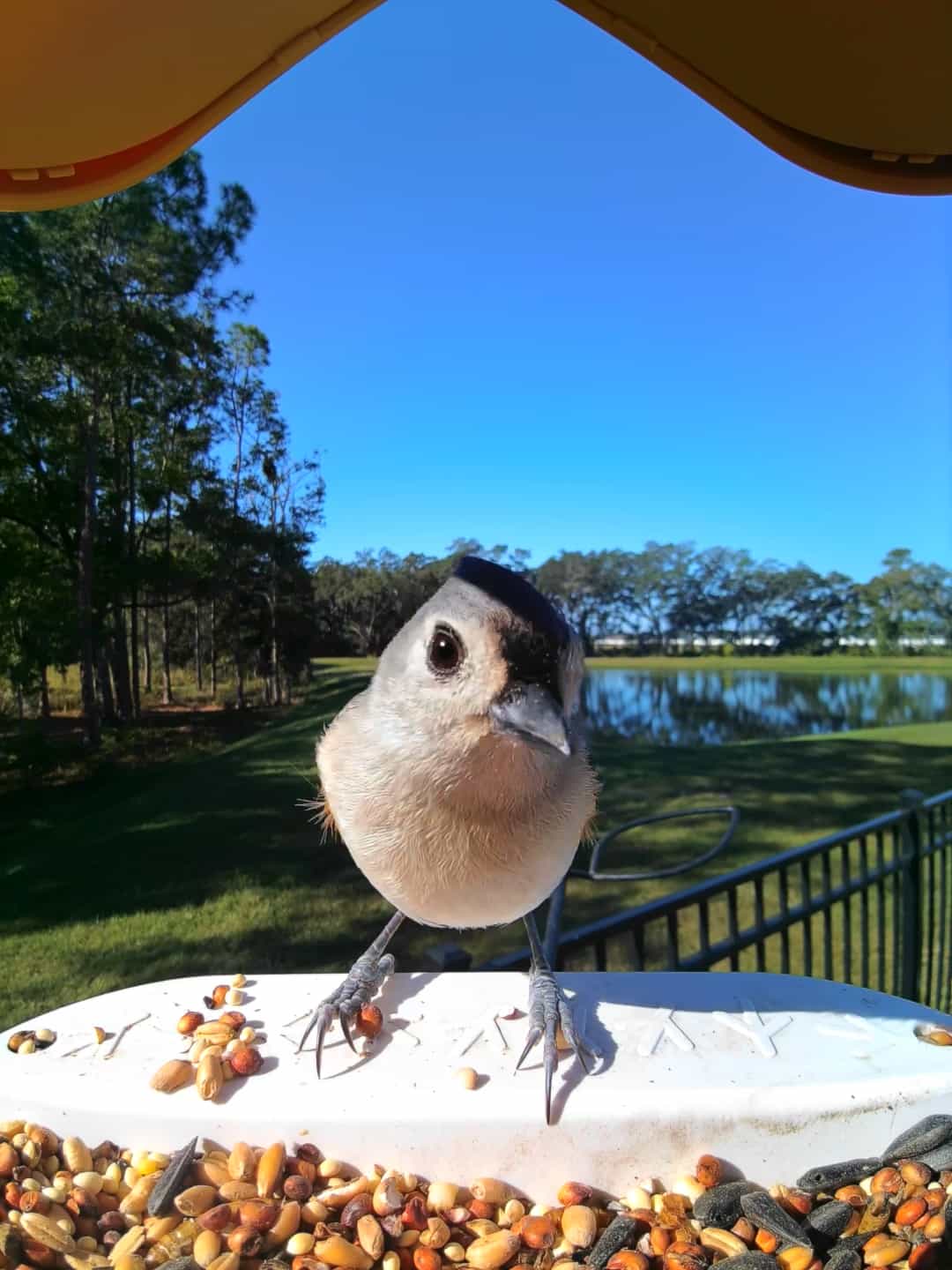
Tufted Titmouse vs Varied Tit
The Tufted Titmouse shares a similar shape and small size with the Varied Tit but can be distinguished by its distinctive tufted crest and generally grey coloration, whereas the Varied Tit has a more varied color palette including a black head and rusty underparts.
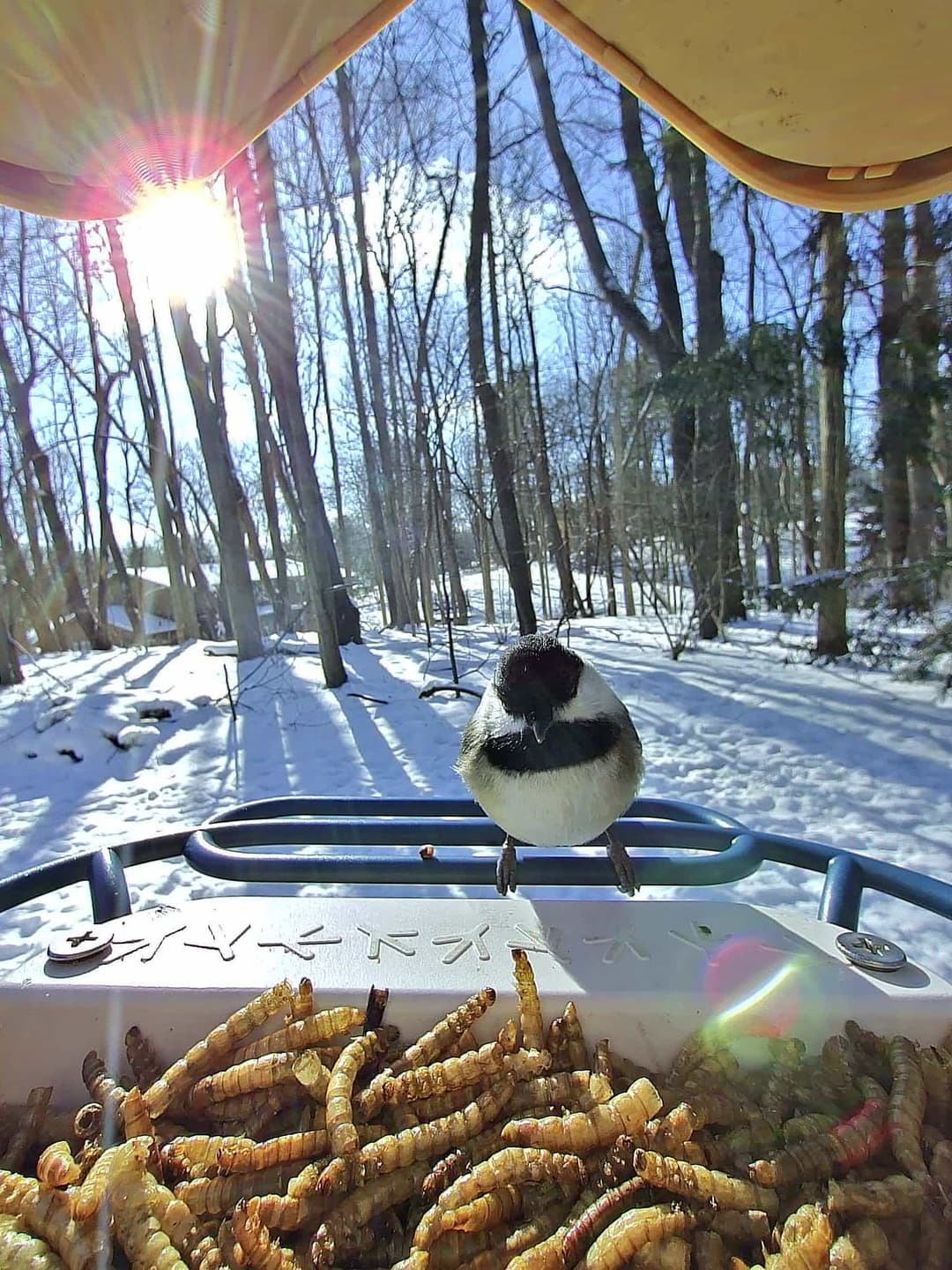
Black-Capped Chickadee vs Varied Tit
The Black-Capped Chickadee, like the Varied Tit, has a black cap and white cheeks but differs with its overall plainer coloration, lacking the rusty orange seen on the Varied Tit's sides.
Great Tit vs Varied Tit
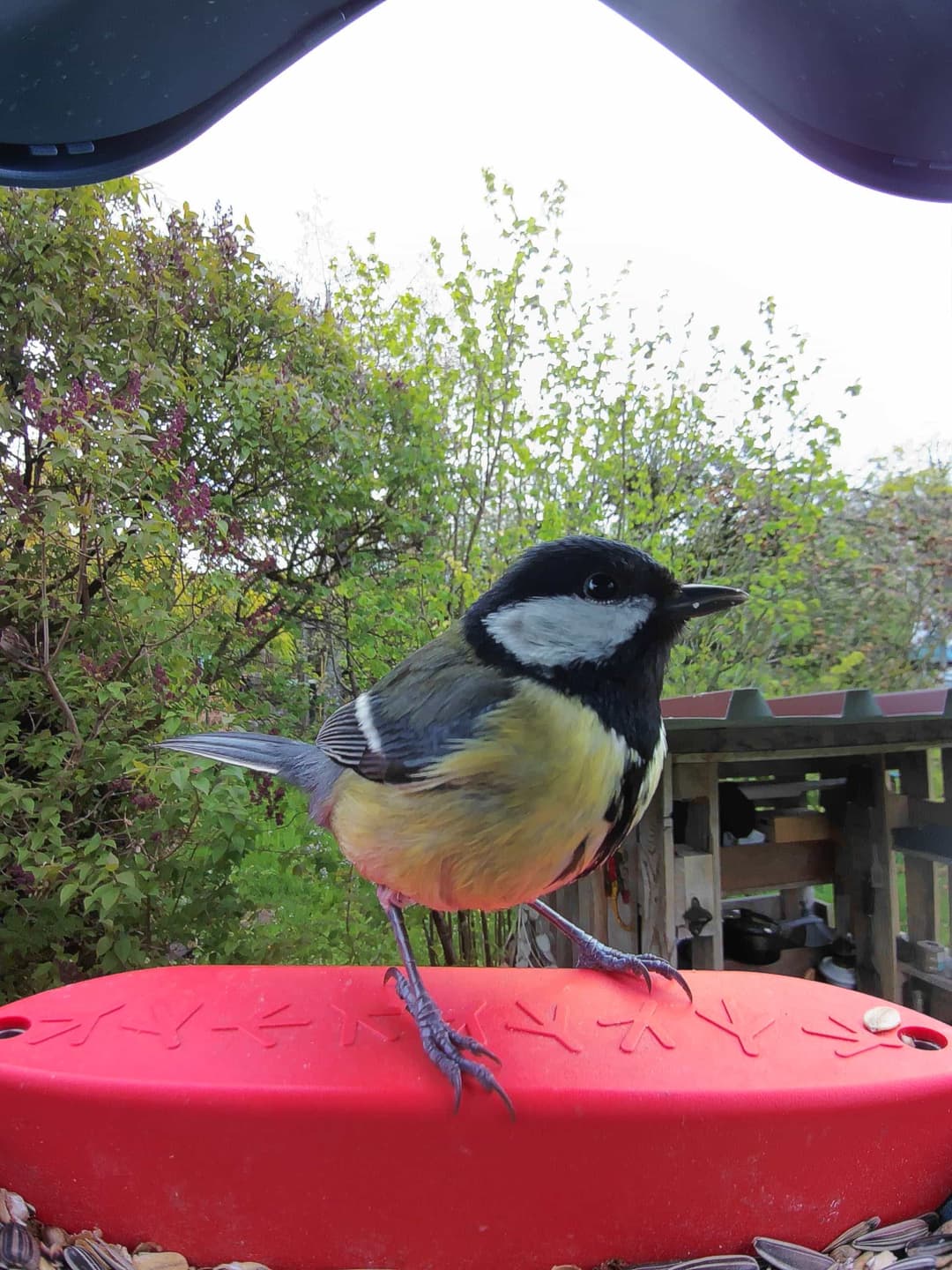
The Great Tit is larger than the Varied Tit and can be distinguished by its greenish back and brighter yellow breast, compared to the Varied Tit's unique color mix of black, white, and rust.
Coal Tit vs Varied Tit
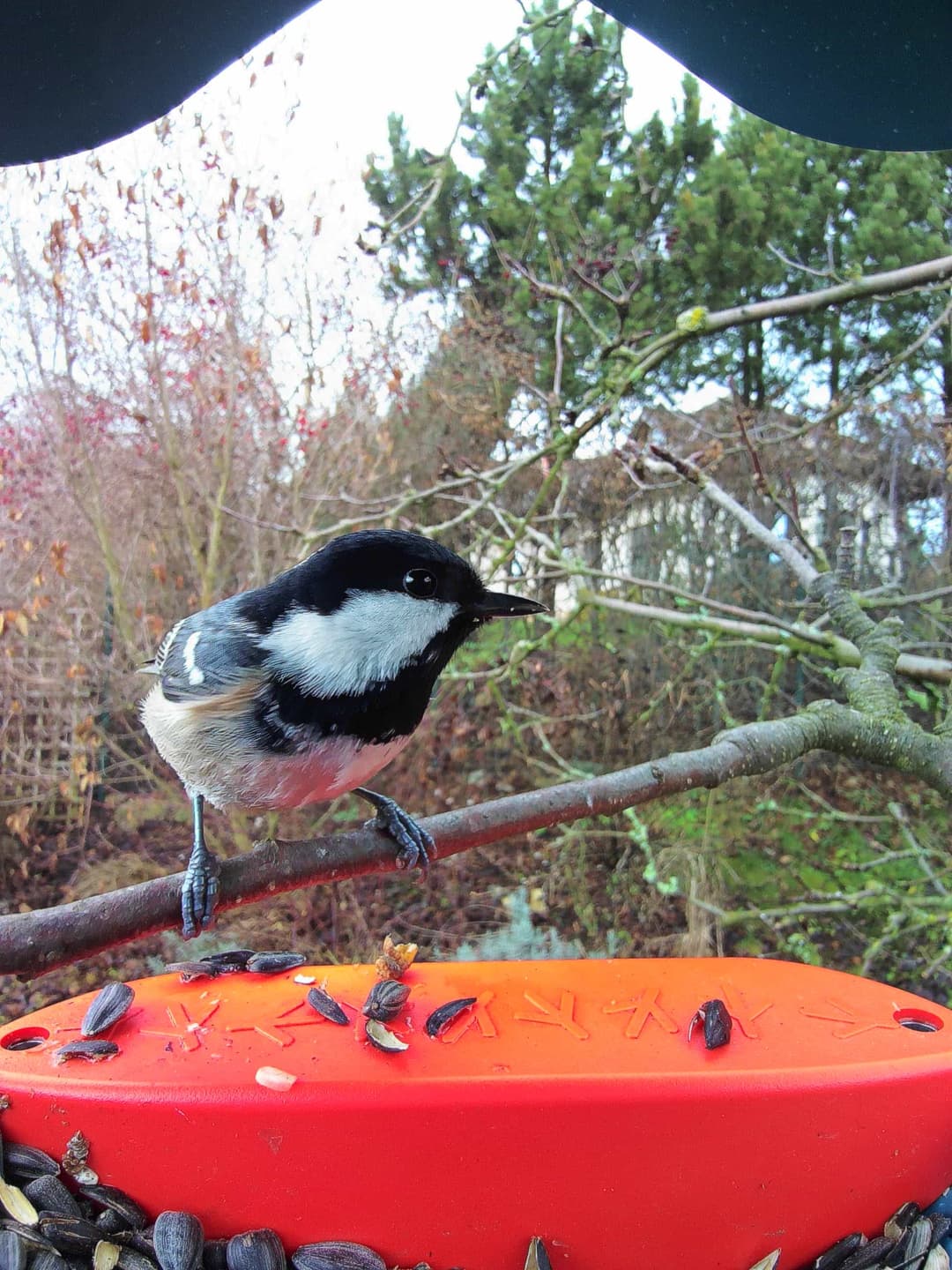
The Coal Tit resembles the Varied Tit with its black cap and white cheeks but lacks the extensive rust coloring found on the Varied Tit's sides and features a simpler, monochromatic color scheme.
Marsh Tit vs Varied Tit
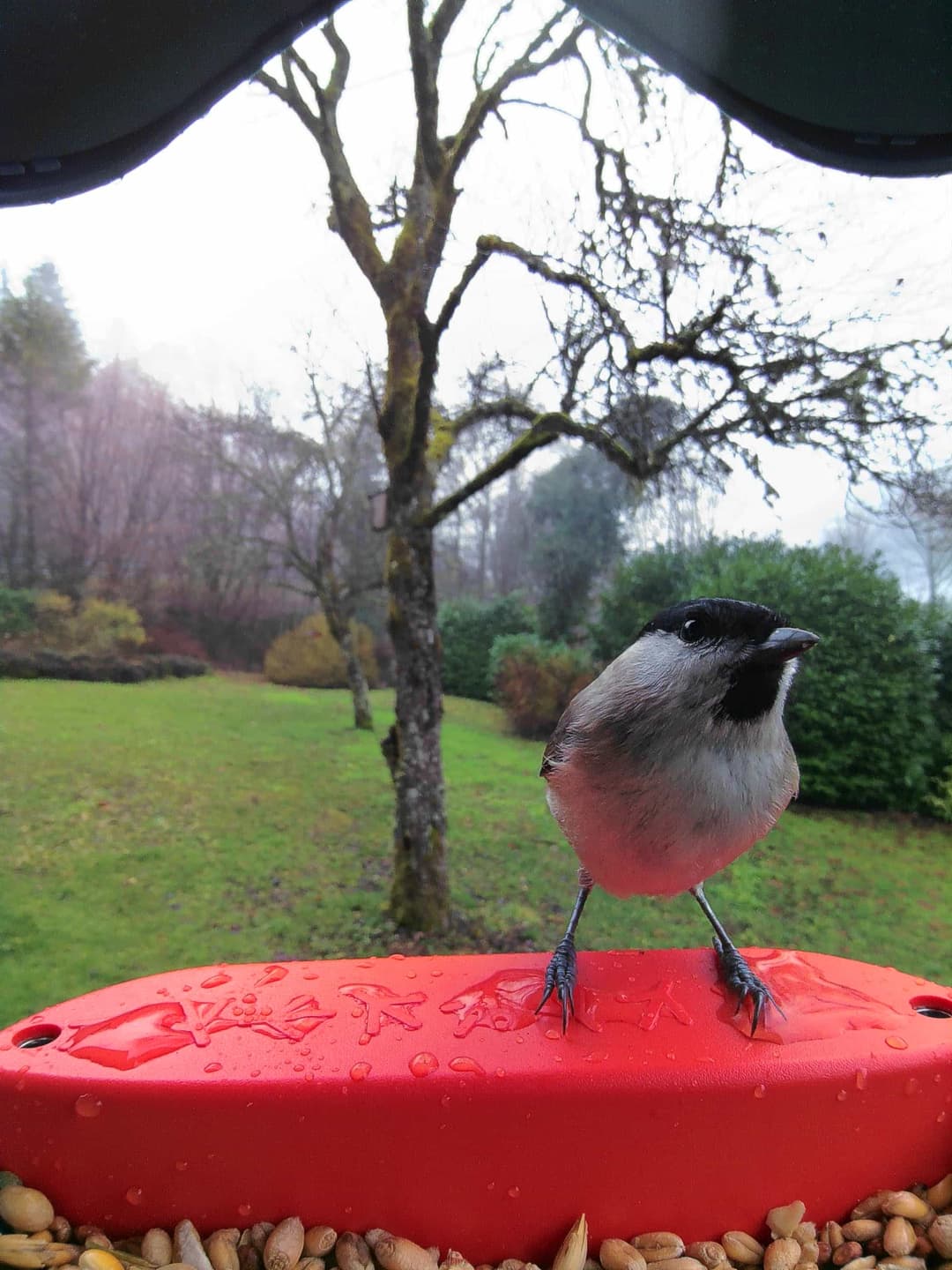
The Marsh Tit shares some basic pattern similarities with the Varied Tit but is distinguishable by its more subdued grey-brown plumage and lacks the Varied Tit’s striking orange and black color contrast.
Willow Tit vs Varied Tit
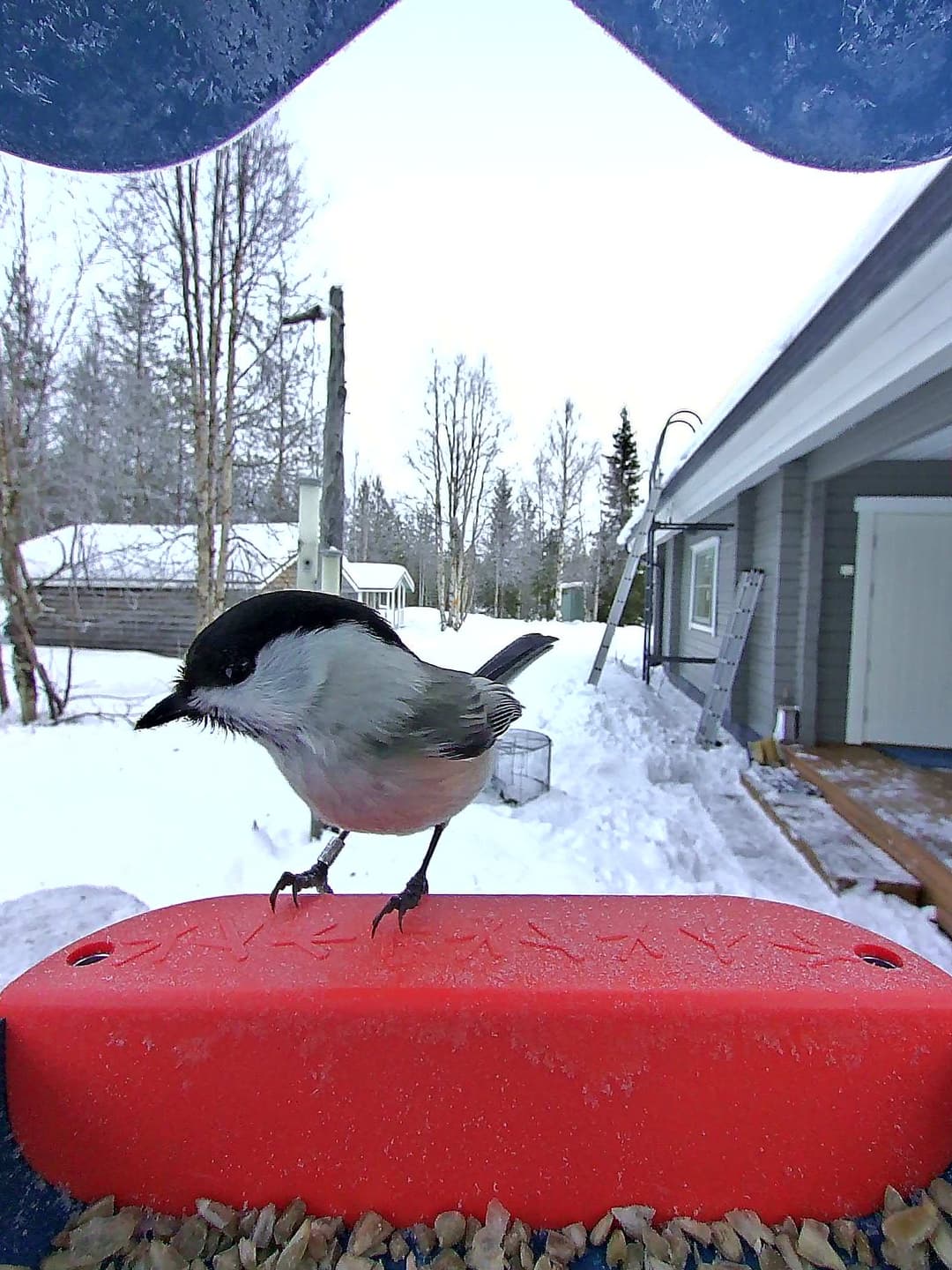
The Willow Tit is similar in shape to the Varied Tit but can be identified by its plain brownish coloration and lack of the vibrant rust and contrasting colors of the Varied Tit.
Breeding and nesting habits of the varied tit
Mating behaviors
Tits engage in elaborate courtship displays, involving singing and posturing. Males sing to attract females, and both engage in mutual feeding to strengthen pair bonds.
Nesting details
Tits prefer to nest in cavities, often utilizing tree holes or nest boxes in gardens. They build nests using moss, feathers, and grass. To encourage nesting in gardens, provide a nest box with a small entrance hole and place it in a sheltered location, away from direct sunlight and predators.
Eggs and chick-rearing
Females lay 6-12 eggs, incubating them for about two weeks. Both parents feed the chicks a diet of insects and caterpillars. After fledging, parents continue feeding the young for a few weeks until they are independent.
What does a varied tit like to eat?
Berries
Insects
Nuts
Seeds
Spiders
Natural diet
The varied tit primarily feeds on insects, seeds, and nuts. In the wild, its diet consists of caterpillars, beetles, and other small insects. Additionally, it consumes seeds and nuts from trees like oak and pine, which provide it with essential nutrients.
Bird feeders
At bird feeders, the varied tit is attracted to a variety of foods. Common offerings it consumes include sunflower seeds, peanuts, and suet. These items provide high-energy nutrition, essential for their active lifestyle. Occasionally, they may also enjoy fruit pieces and mealworms.
Attracting the varied tit to your yard
Creating an inviting space in your yard with their favorite feed can be an effective way to attract the Varied Tit. They are especially fond of seeds, nuts, and berries. You can also create an engaging environment by adding bird-friendly landscaping elements like shrubs and trees that provide shelter.
Choosing the right feeder
Tube feeders are best for the Varied Tit since they have perches and small holes for the birds to extract seeds. Ensure the feeder is sturdy, clean, and placed in a quiet and safe location, preferably close to a tree or a shrub. Hanging the feeder high enough off the ground will protect them from predators.
Treats for the varied tit
Giving the Varied Tit their favorite snacks can encourage them to frequent your yard more often. These birds love suet, peanuts, and sunflower seeds. Bird Buddy seeds are highly recommended as they have been selected by experts and tailored for each season, ensuring best results for attracting the Varied Tit.
Fun tricks to entice the varied tit
Try adding a water feature or bird bath to your yard as these birds also enjoy bathing and drinking fresh water. If you place a mirror near your feeder, the bird might notice its own reflection and stick around longer, giving you bonus viewing time and even a chance for a melodious sing-along.
Where can you find varied tits?

Primary habitat
The varied tit is native to East Asia, dominantly found in Japan, Korea, China and Eastern Russia. It prefers temperate, subtropical or tropical moist lowland forests.
Additional range
Unexpectedly, the varied tit can also be found in urban areas, showcasing adaptability to environments altered by humans.
Do they migrate?
The varied tit (Sittiparus varius) is generally a non-migratory bird, primarily found in East Asia, including Japan, Korea, Taiwan, and parts of coastal China and Russia. These birds are known to be residents of their habitats throughout the year, preferring to stay within their established territories. While they do not undertake long-distance migrations, varied tits may exhibit some local or altitudinal movements, especially in response to food availability and weather conditions. During the harsher winter months, they may shift slightly down elevations in mountainous regions or move to areas with more abundant food supplies, such as seeds and small insects. Key locations for the varied tit include temperate and subtropical forests, woodlands, and gardens in their range. They are particularly prevalent in mixed and deciduous forests, where they have access to diverse food sources and suitable nesting sites. The species is adaptable and can thrive in both natural and human-modified landscapes as long as there is sufficient tree cover. Overall, their movement is minimal compared to migratory bird species, focusing more on securing resources within a relatively defined area.
What is the role of varied tits in nature and how to protect them?
Conservation status
The varied tit is currently classified as "Least Concern" by the IUCN, indicating it is relatively common and not at immediate risk of endangerment. This bird species inhabits a wide range in East Asia, including Japan and Korea. Key threats include habitat loss due to deforestation and urbanization. Conservation efforts focus on habitat protection and management to mitigate these threats. There are no major conservation programs targeting the varied tit specifically, largely due to its stable population levels. Monitoring of its habitat is essential to ensure its continued stability.
Ecological role of varied tits
Its role in the ecosystem
Marvel at the varied tit, a bird with an indispensably valuable role in its ecosystem! Its dietary habits consist primarily of insects, many of which are known pests. This feast makes the varied tit a pest control champion, regulating insect populations and preventing them from becoming overwhelming threats.But its superpowers extend beyond pest management! The varied tit, like other members of its family, is an effective agent of seed dispersal. As it forages and moves around, it inadvertently contributes to plant propagation, assisting in generating biodiversity and maintaining a balanced ecosystem. This small bird silently stages nature's grand play of growth and renewal.
How to help protect varied tits
Preservation tips
Habitat preservation strategies
Supporting the conservation of the varied tit requires preserving its natural habitats. This includes maintaining the integrity of forested areas where they nest and forage. Limit urbanization and industrial activities that lead to deforestation. Encourage local and national governments to establish protected areas that can serve as safe havens for varied tits and other wildlife. Additionally, suitable nesting materials and food sources should be kept readily available.
Community science initiatives
Community science initiatives are essential in the conservation efforts. Local communities should engage in regular monitoring of the varied tit populations to identify any significant changes promptly. Locals should be educated on the importance of these species and methods to protect them. Participation in bird watching societies that promote bird conservation can also help. Additionally, citizens can use mobile apps to identify, track and report sightings, contributing to important data collection for researchers.