Western Rock Nuthatch or Pygmy Nuthatch?
Here's how to tell the difference
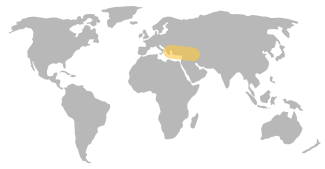


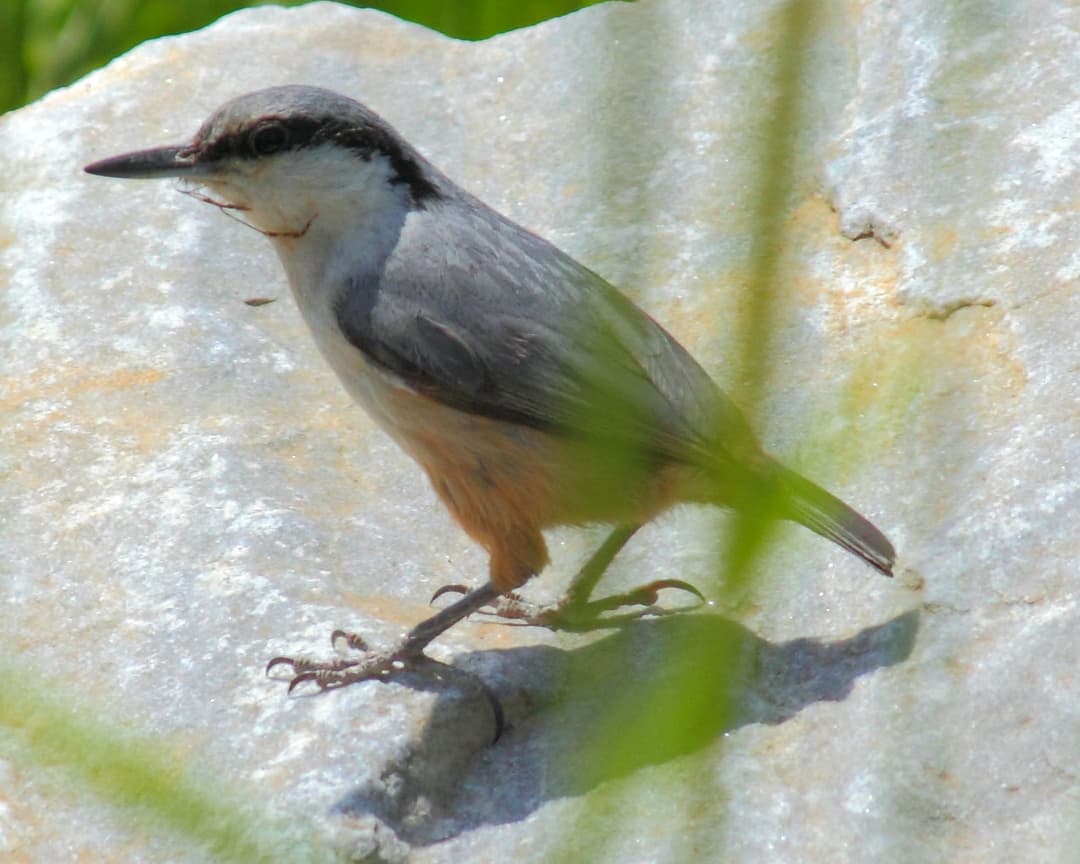
Western Rock Nuthatch
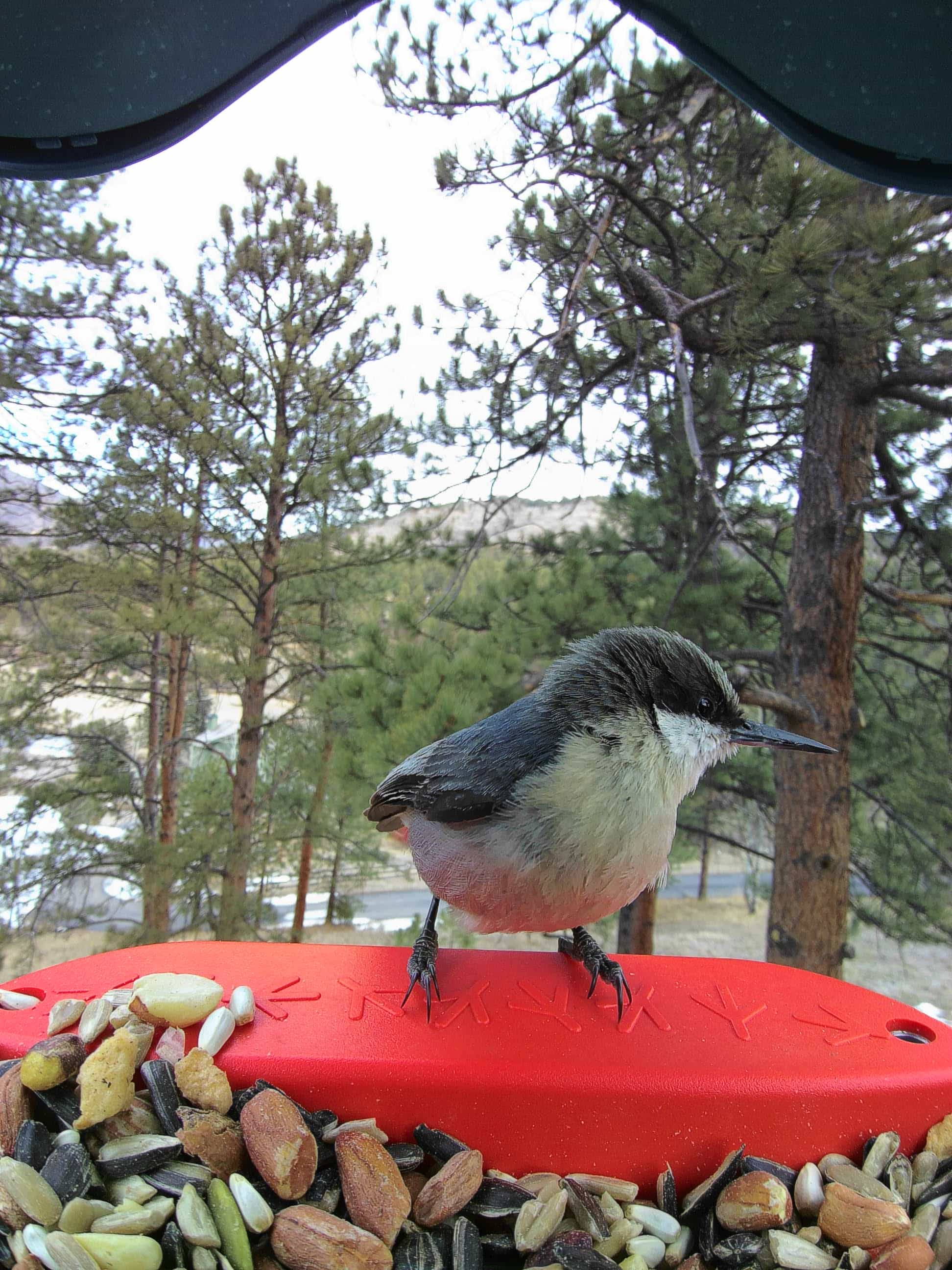


Pygmy Nuthatch
Western Rock Nuthatch
Sitta neumayer
Also known as: Rock Nuthatch
General appearance
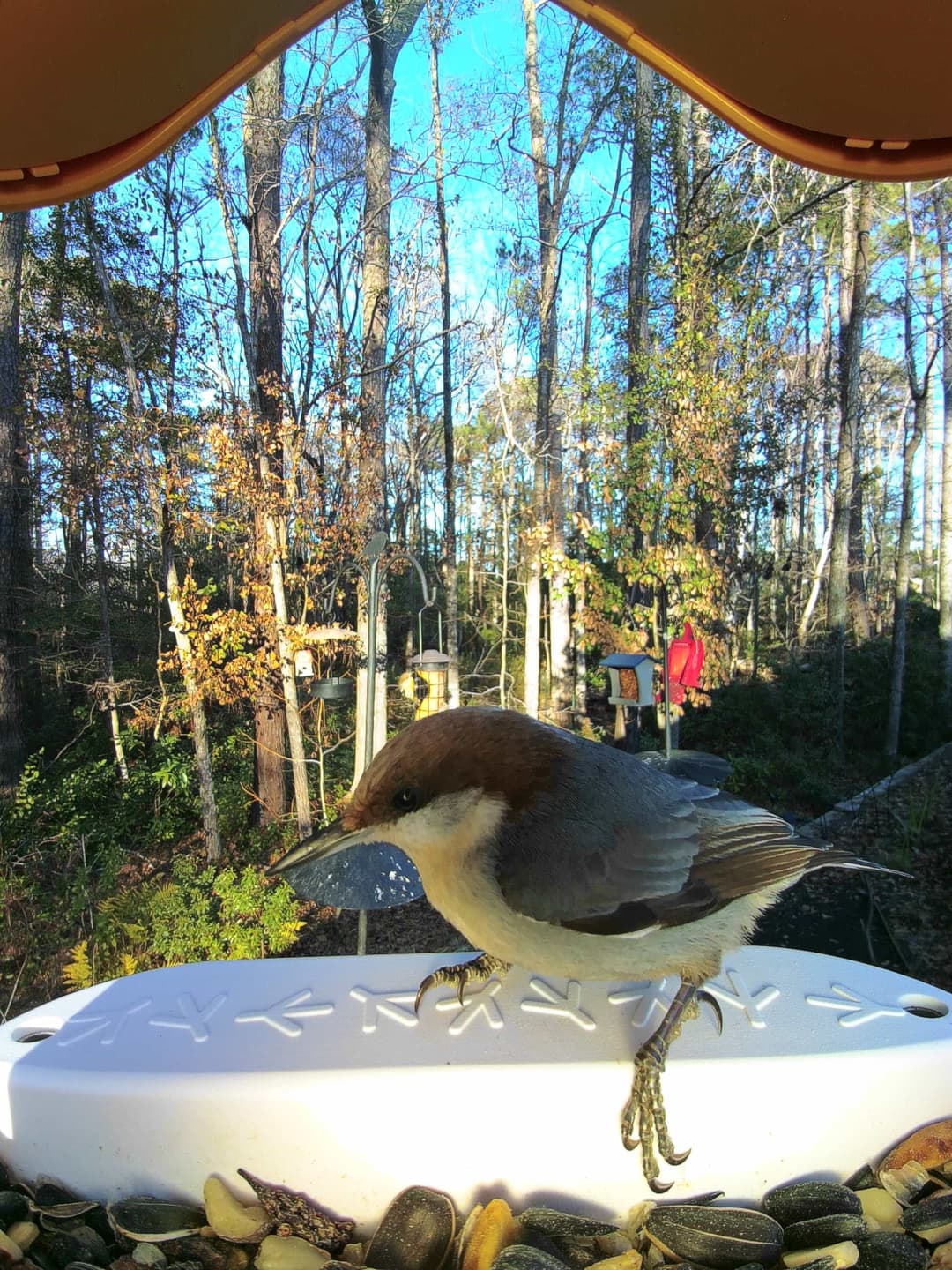
The Western Rock Nuthatch, scientifically known as Sitta neumayer, is a small bird typically measuring around 14 centimeters long. It is recognized for its gray-blue upper parts, white underparts, and a distinctive black eyestripe that extends to the back of the head. The bird also shows a prominent peaked head shape and a long, strong bill, key traits common in nuthatches.
Male vs female
Both sexes possess similar plumage and are not easily distinguishable. The males can be slightly larger and possess a longer bill than females, but these differences can be challenging to notice in the field.
Juvenile
Juveniles largely resemble the adults, but they may appear slightly duller in color, and their bills can be shorter. The characteristic black eyestripe of the adults is more faintly visible in juveniles. With age, their plumage gains more vibrance and the distinctive features become more prominent.
Size
5.1 - 5.3 in/0.8 - 1.3 oz
There's more to learn about Western Rock Nuthatch
View full detailsPygmy Nuthatch
Sitta pygmaea
General appearance
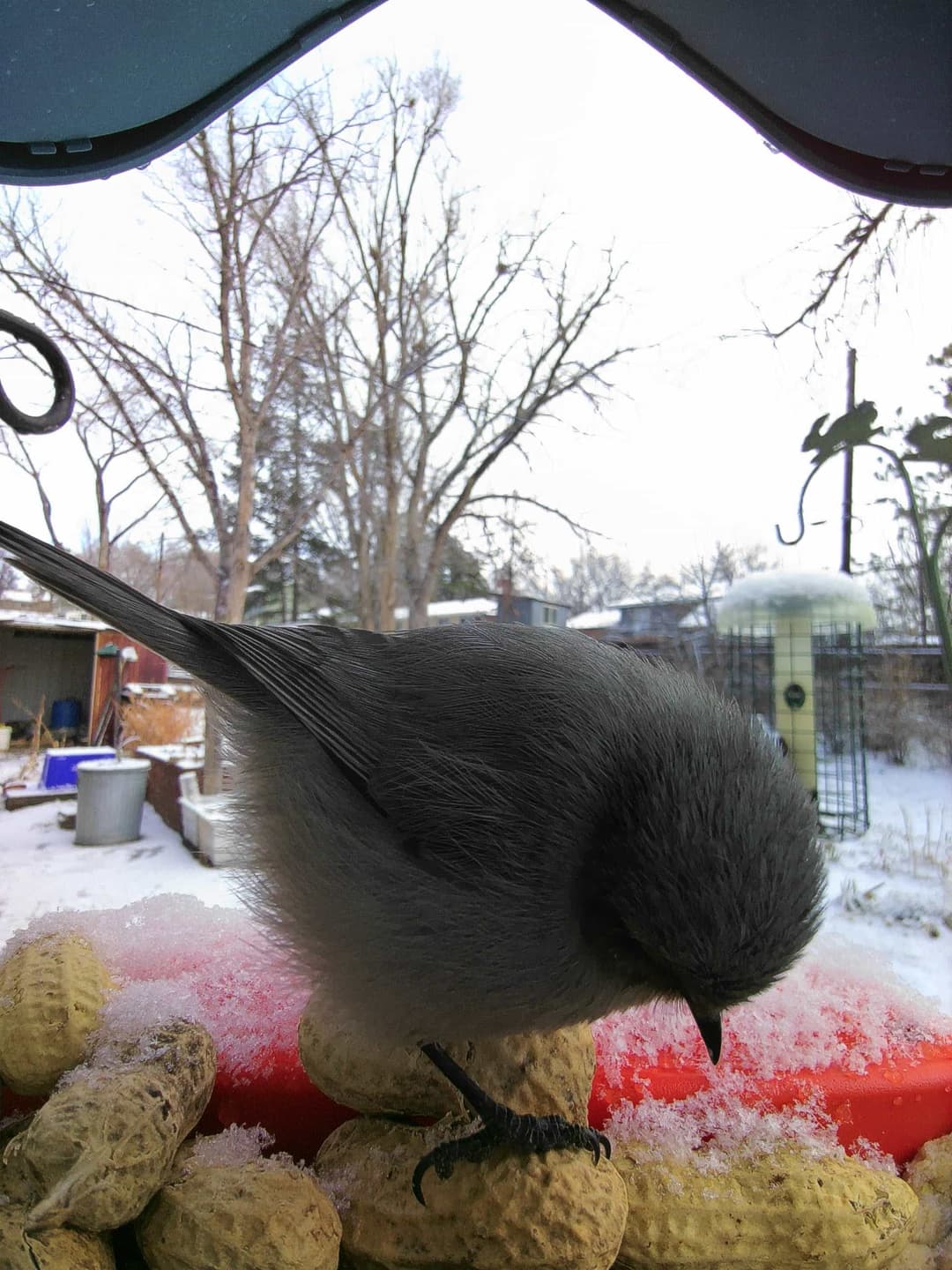
The pygmy nuthatch is a small, compact bird measuring around 4 inches in length. It features a grayish-blue upper body and a buffy-white underbelly. The most distinctive feature is its cap, which is a contrasting dark gray. Its sharp, pointed beak and short tail add to its characteristic structure. The bird often appears agile, clinging to tree trunks and branches.
Male vs female
There is little to no sexual dimorphism in pygmy nuthatches, making it difficult to distinguish between males and females based solely on appearance. Both sexes share the same plumage coloration and pattern across all seasons.
Juvenile
Juvenile pygmy nuthatches are similar in appearance to adults but may appear slightly duller in coloration. Their underparts can be more muted, with a softer contrast between the gray cap and the rest of the plumage. As they mature, their colors become more distinct, matching those of adult birds.
Size
3.5 - 4.3 in/0.3 - 0.4 oz
There's more to learn about Pygmy Nuthatch
View full detailsHow to tell the Western Rock Nuthatch from the Pygmy Nuthatch
Visual differences
The Western Rock Nuthatch, at about 5.5 inches long, is larger than the 4-inch Pygmy Nuthatch. It exhibits gray-blue upper parts and white underparts with a distinctive black eyestripe. In contrast, the Pygmy Nuthatch features a grayish-blue upper body and buffy-white underbelly with a dark gray cap. The Western Rock Nuthatch has a longer, robust bill, while the Pygmy Nuthatch has a sharp, pointed beak. The Pygmy Nuthatch appears more compact and agile, often seen on tree trunks, unlike the more prominently peaked head of the Western Rock Nuthatch.
Key differences and behavior
The Western Rock Nuthatch and Pygmy Nuthatch differ behaviorally and ecologically. The Western Rock Nuthatch, inhabiting rocky cliffs in Eurasia and North Africa, builds mud nests and is territorial, engaging in song displays. In contrast, the social Pygmy Nuthatch, found in western North America's pine forests, practices cooperative breeding, with helpers assisting in raising young. The Western Rock Nuthatch primarily eats insects and seeds, while the Pygmy Nuthatch's diet consists mostly of insects in summer and pine seeds in winter. The Western Rock Nuthatch prefers isolated rocky areas, while the Pygmy Nuthatch requires wooded areas with ideal roosting sites for their communal behavior.
Still not sure? Here are more lookalikes!
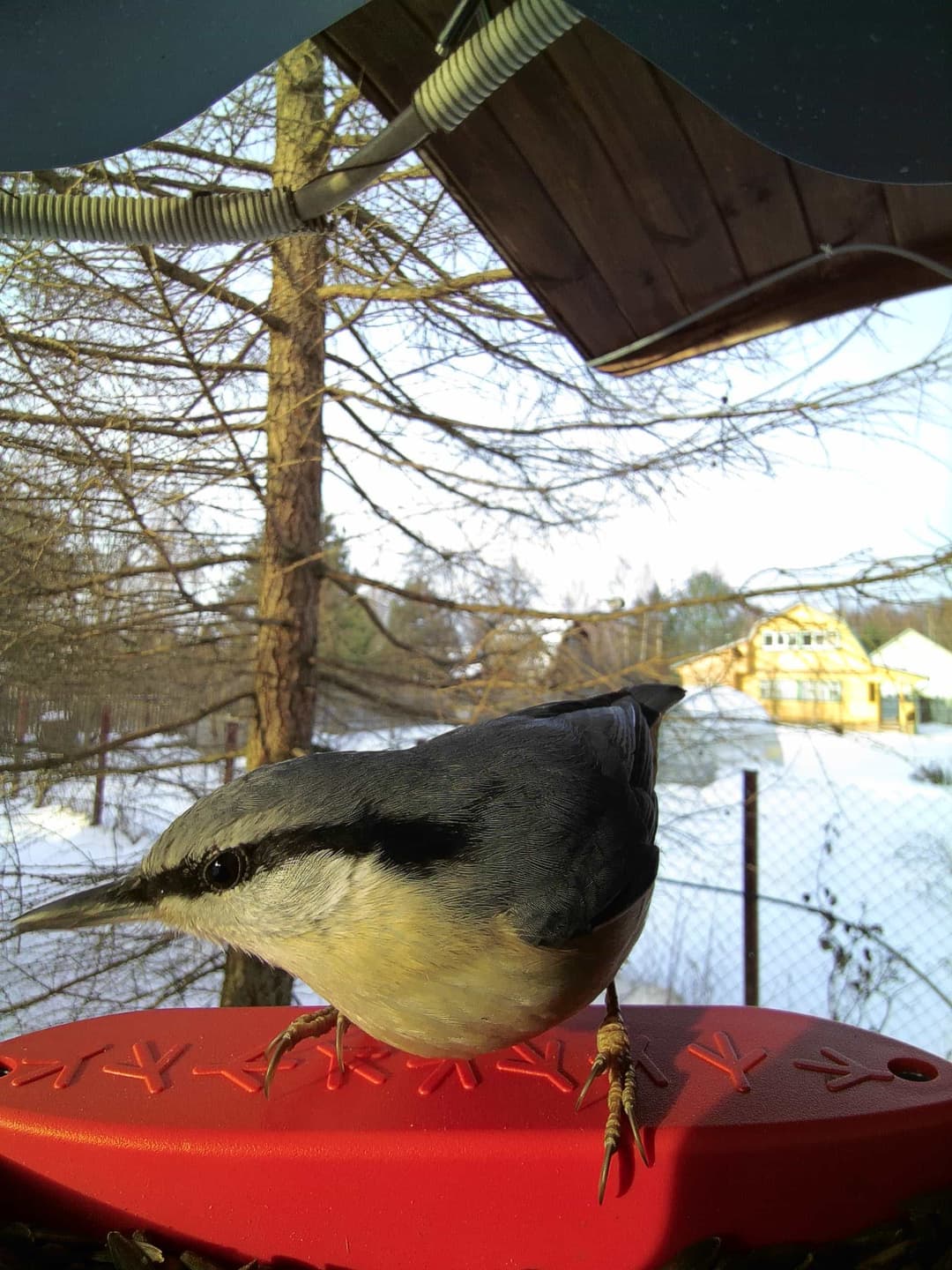
Western Rock Nuthatch vs Eurasian Nuthatch
Western Rock Nuthatch vs Red-Breasted Nuthatch
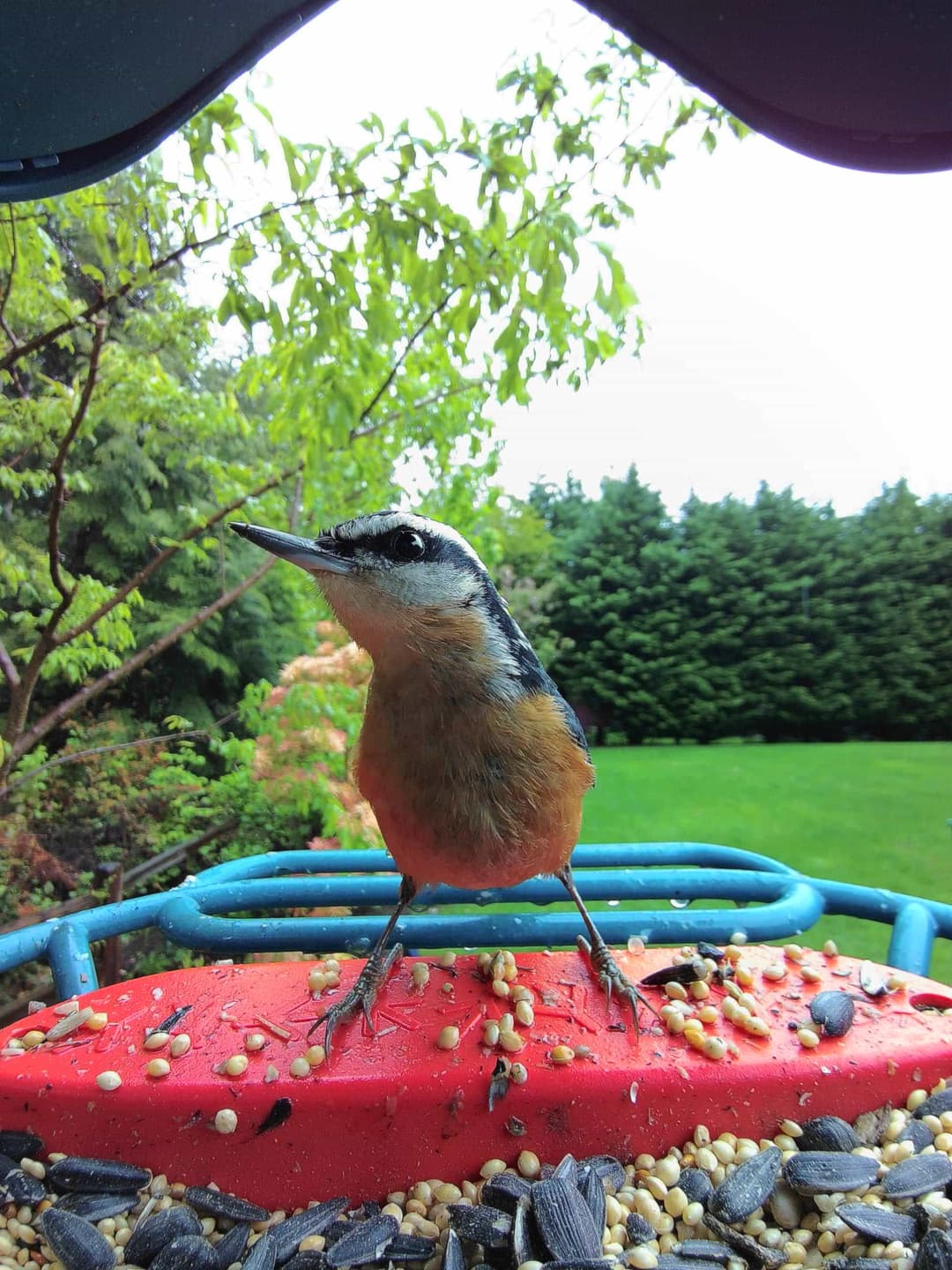
Western Rock Nuthatch vs Snowy-Browed Nuthatch
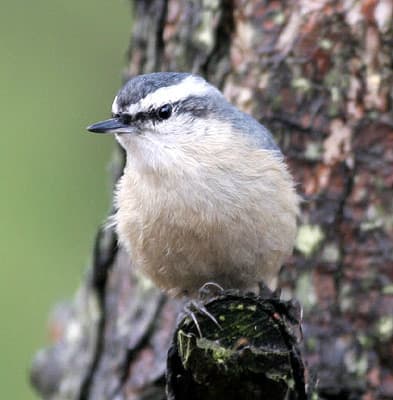
Pygmy Nuthatch vs White-Breasted Nuthatch
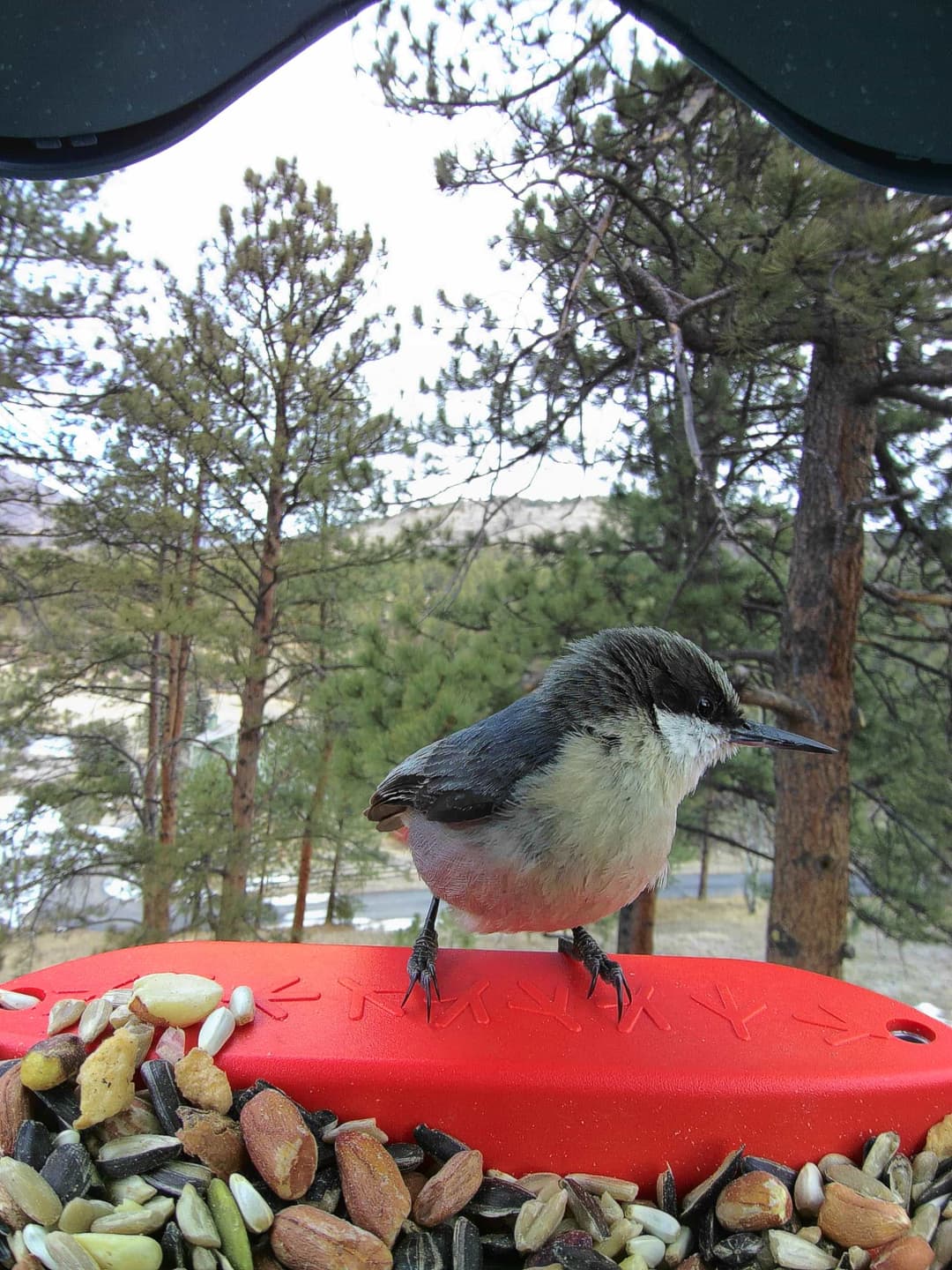
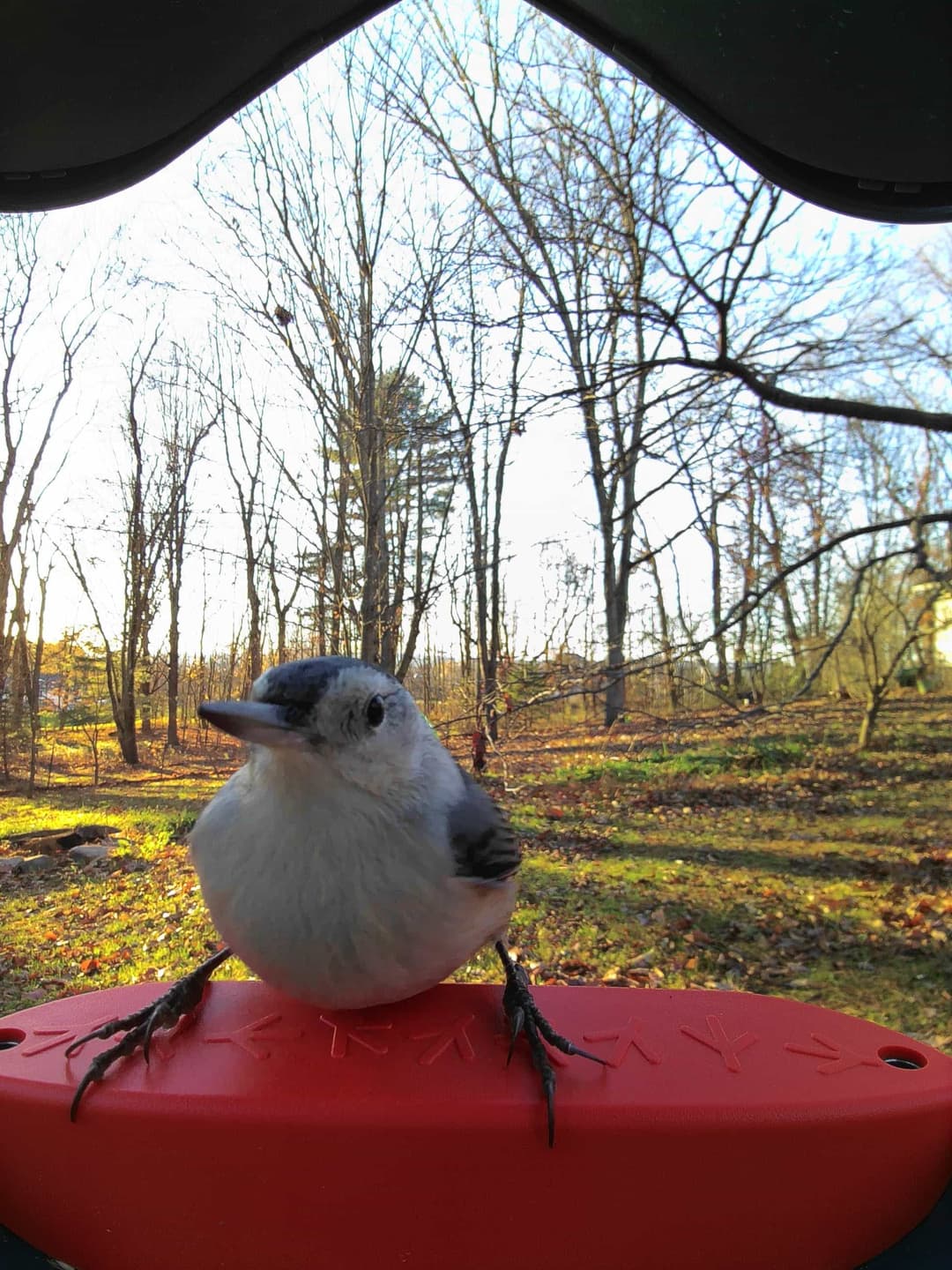
Pygmy Nuthatch vs Red-Breasted Nuthatch
Western Rock Nuthatch vs [Select a bird]

[Select a bird]
Pick a bird to compare
Pygmy Nuthatch vs [Select a bird]
[Select a bird]
Pick a bird to compare