Pygmy Nuthatch or Brown-Headed Nuthatch?
Here's how to tell the difference
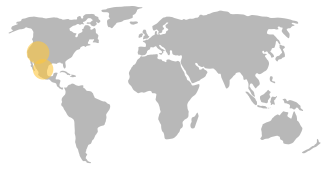
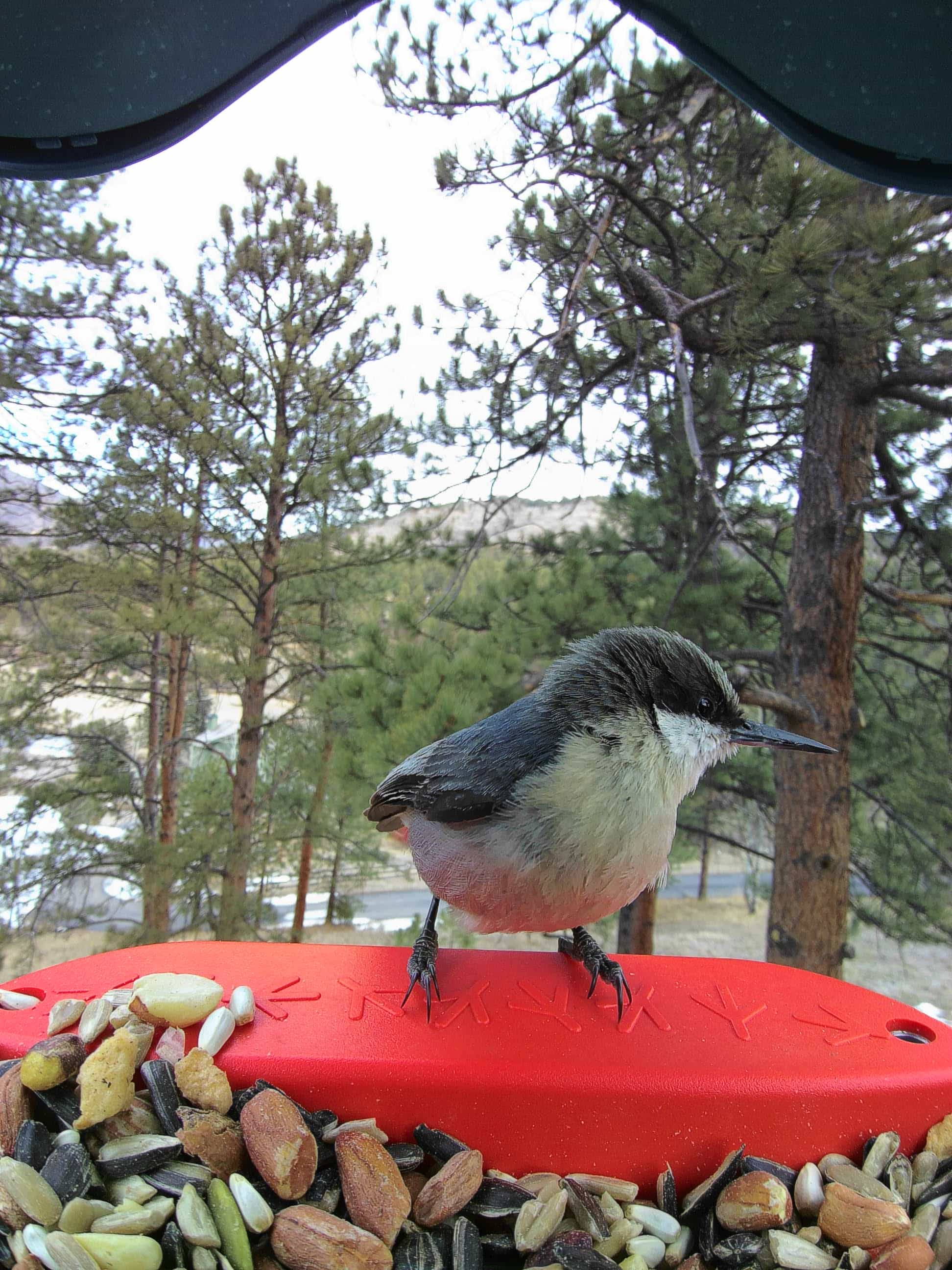


Pygmy Nuthatch
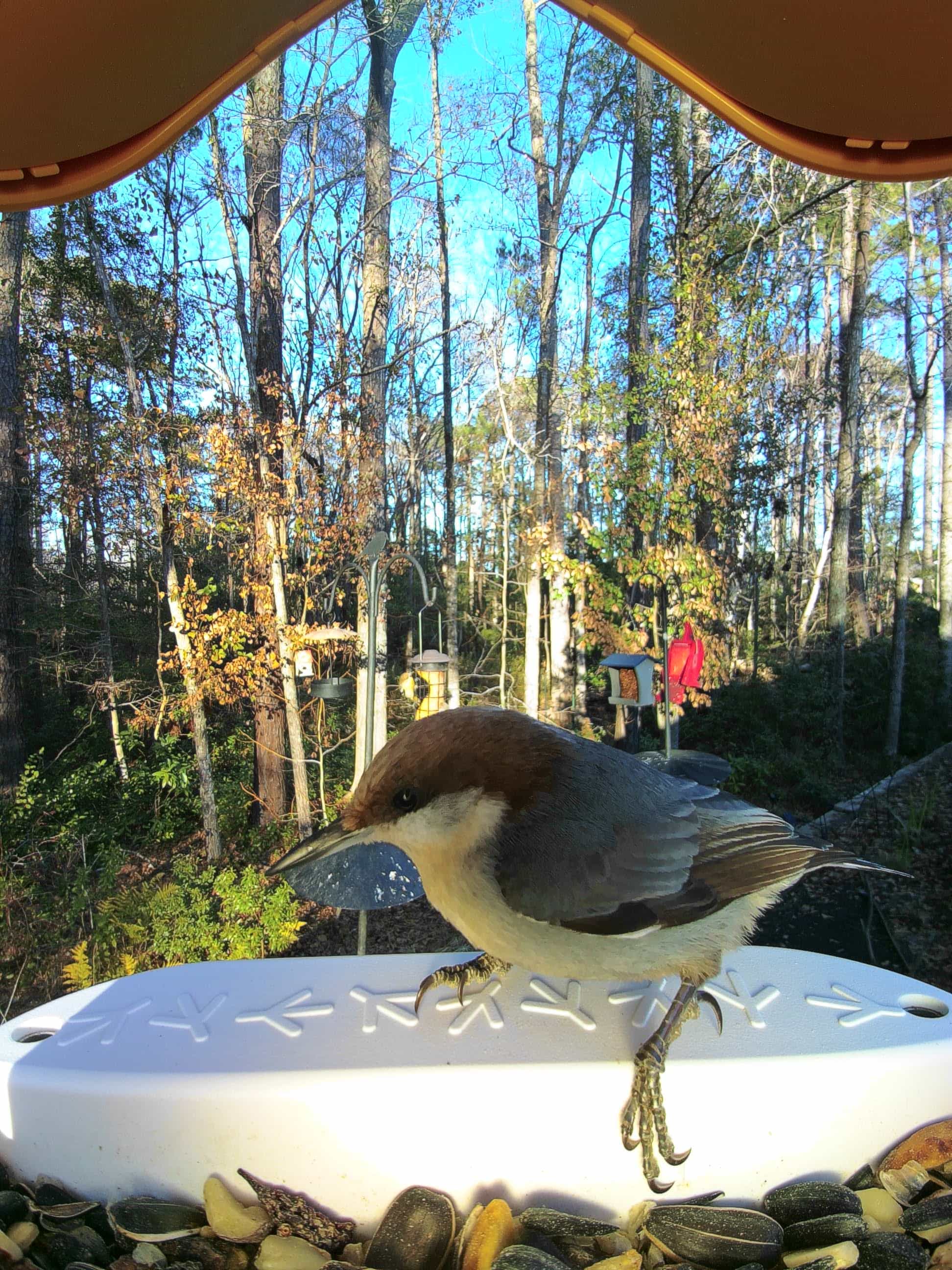


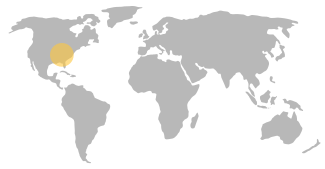
Brown-Headed Nuthatch
Pygmy Nuthatch
Sitta pygmaea
General appearance
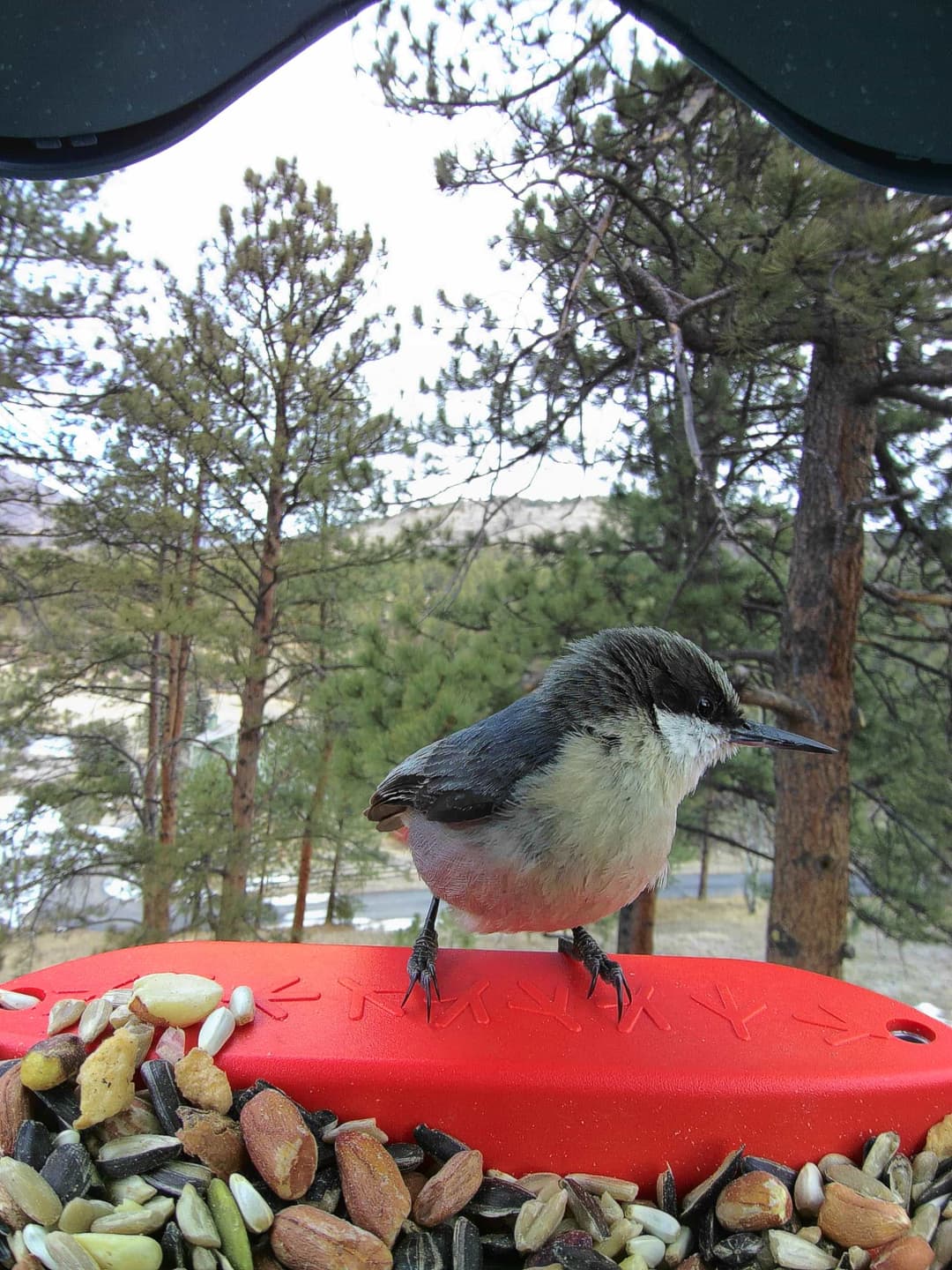
The pygmy nuthatch is a small, compact bird measuring around 4 inches in length. It features a grayish-blue upper body and a buffy-white underbelly. The most distinctive feature is its cap, which is a contrasting dark gray. Its sharp, pointed beak and short tail add to its characteristic structure. The bird often appears agile, clinging to tree trunks and branches.
Male vs female
There is little to no sexual dimorphism in pygmy nuthatches, making it difficult to distinguish between males and females based solely on appearance. Both sexes share the same plumage coloration and pattern across all seasons.
Juvenile
Juvenile pygmy nuthatches are similar in appearance to adults but may appear slightly duller in coloration. Their underparts can be more muted, with a softer contrast between the gray cap and the rest of the plumage. As they mature, their colors become more distinct, matching those of adult birds.
Size
3.5 - 4.3 in/0.3 - 0.4 oz
There's more to learn about Pygmy Nuthatch
View full detailsBrown-Headed Nuthatch
Sitta pusilla
General appearance
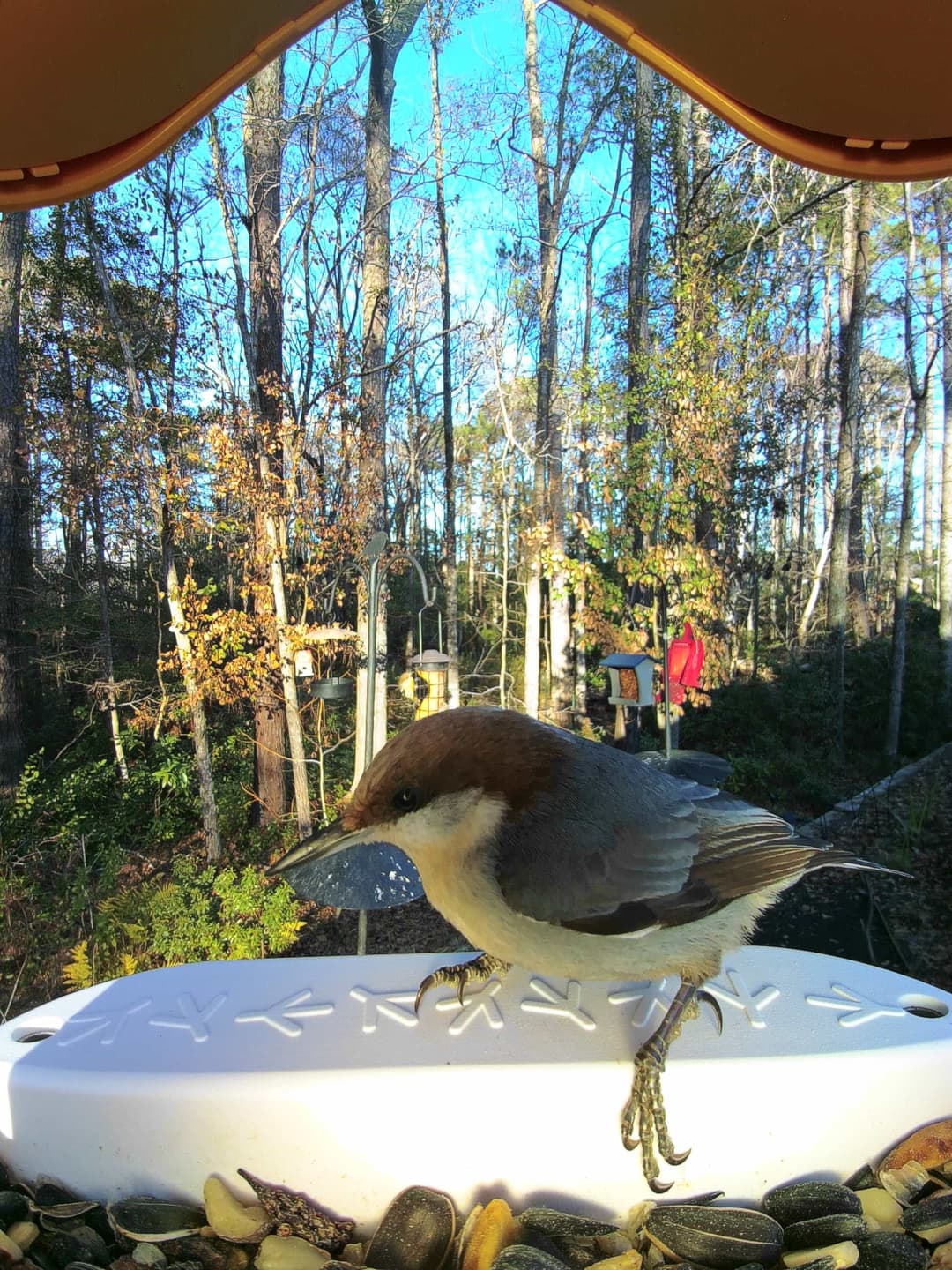
The Brown-headed Nuthatch is about the size of a sparrow, measuring 4 1/4 inches or around 11 cm. It has a brown cap down to the eye, transitioning to pale on the lower head. The bird possesses a gray back and white nape spot. Its wing and tail shapes are rounded, the latter being short and square-tipped. Coloration consists of shades of brown, gray, red, tan and white.
Male vs female
Unfortunately, the Brown-headed Nuthatch exhibits no significant sexual dimorphism. Identifiable traits such as the brown capped head, gray back and white nape spot are consistent across both genders. This makes it very difficult to distinguish between males and females based solely on physical traits.
Juvenile
The juvenile Brown-headed Nuthatch has similar coloration and physical traits as adults, making it difficult to distinguish without the aid of behavioral cues or vocalization. As they mature, they fully develop into their characteristic colors and physical traits discussed previously.
Size
3.9 - 4.3 in/0.3 - 0.4 oz
There's more to learn about Brown-Headed Nuthatch
View full detailsHow to tell the Pygmy Nuthatch from the Brown-Headed Nuthatch
Visual differences
The Pygmy Nuthatch is smaller, measuring about 4 inches, with a grayish-blue upper body and buffy-white underbelly, featuring a distinctive dark gray cap. The Brown-Headed Nuthatch, slightly larger at 4.25 inches, has a brown cap down to the eye, gray back, and a white nape spot. Both have short tails and similar beak shapes, but the Brown-Headed Nuthatch's color is more mixed with brown and tan. Both species show little sexual dimorphism, with juveniles matching adult patterns closely.
Key differences and behavior
The Pygmy Nuthatch and Brown-Headed Nuthatch, both energy-packed birds, exhibit distinct behaviors and habitats. While Pygmy Nuthatches roost communally, sometimes in groups of 100, Brown-Headed Nuthatches gather in smaller mixed-species flocks in winter. Pygmy Nuthatches prefer higher nesting sites (8-60 feet) in western pine forests, engaging in cooperative breeding with multiple helpers. In contrast, Brown-Headed Nuthatches nest lower, usually 5 feet above ground, in southeastern pine woods, assisted by a single 'helper' male. Both species shift from insect diets in summer to seed-centric diets in winter, frequenting feeders for sunflower seeds and suet. Unique to Brown-Headed Nuthatches is tool use, lifting tree bark to access insects.
Still not sure? Here are more lookalikes!
Pygmy Nuthatch vs White-Breasted Nuthatch
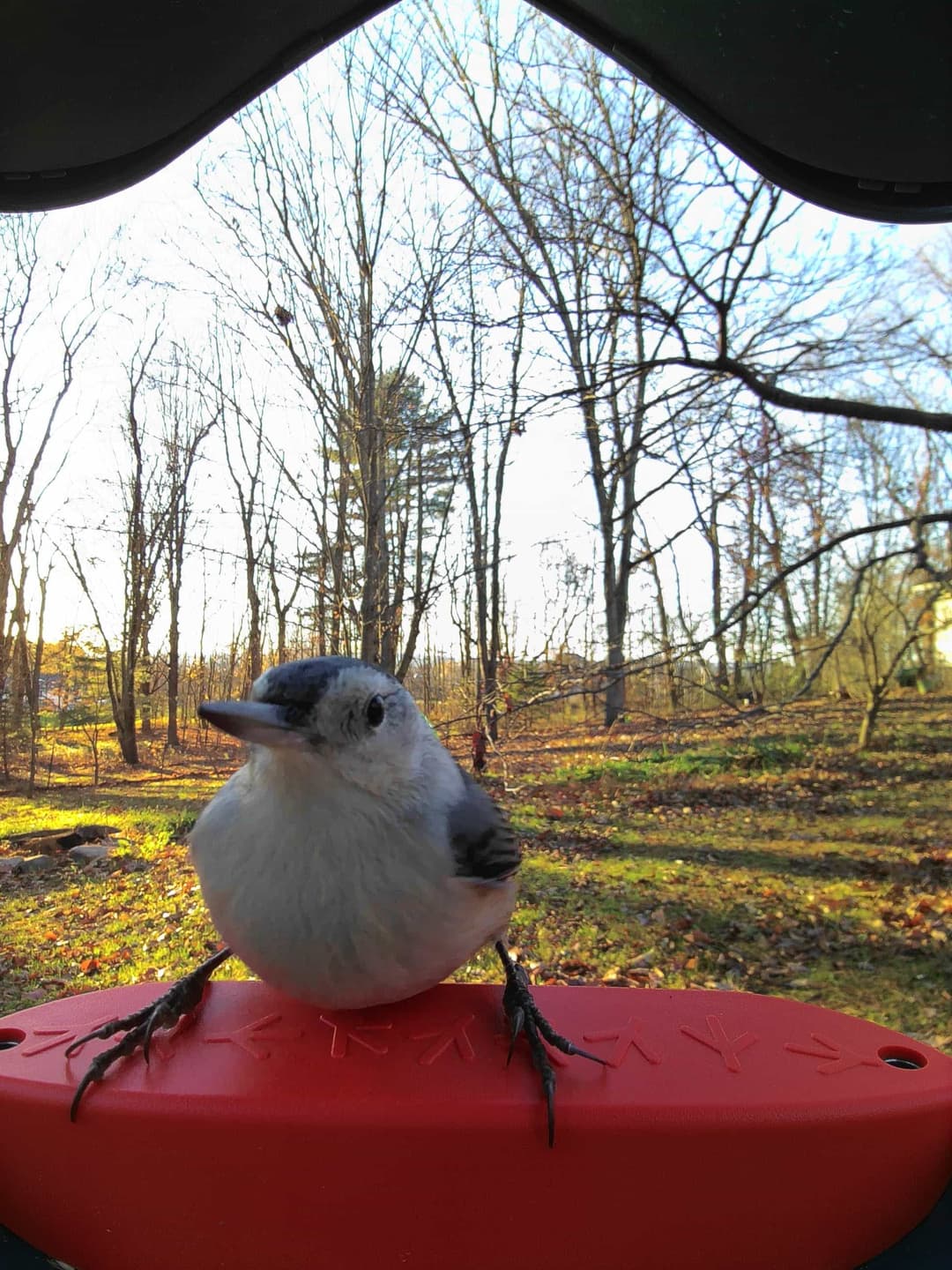
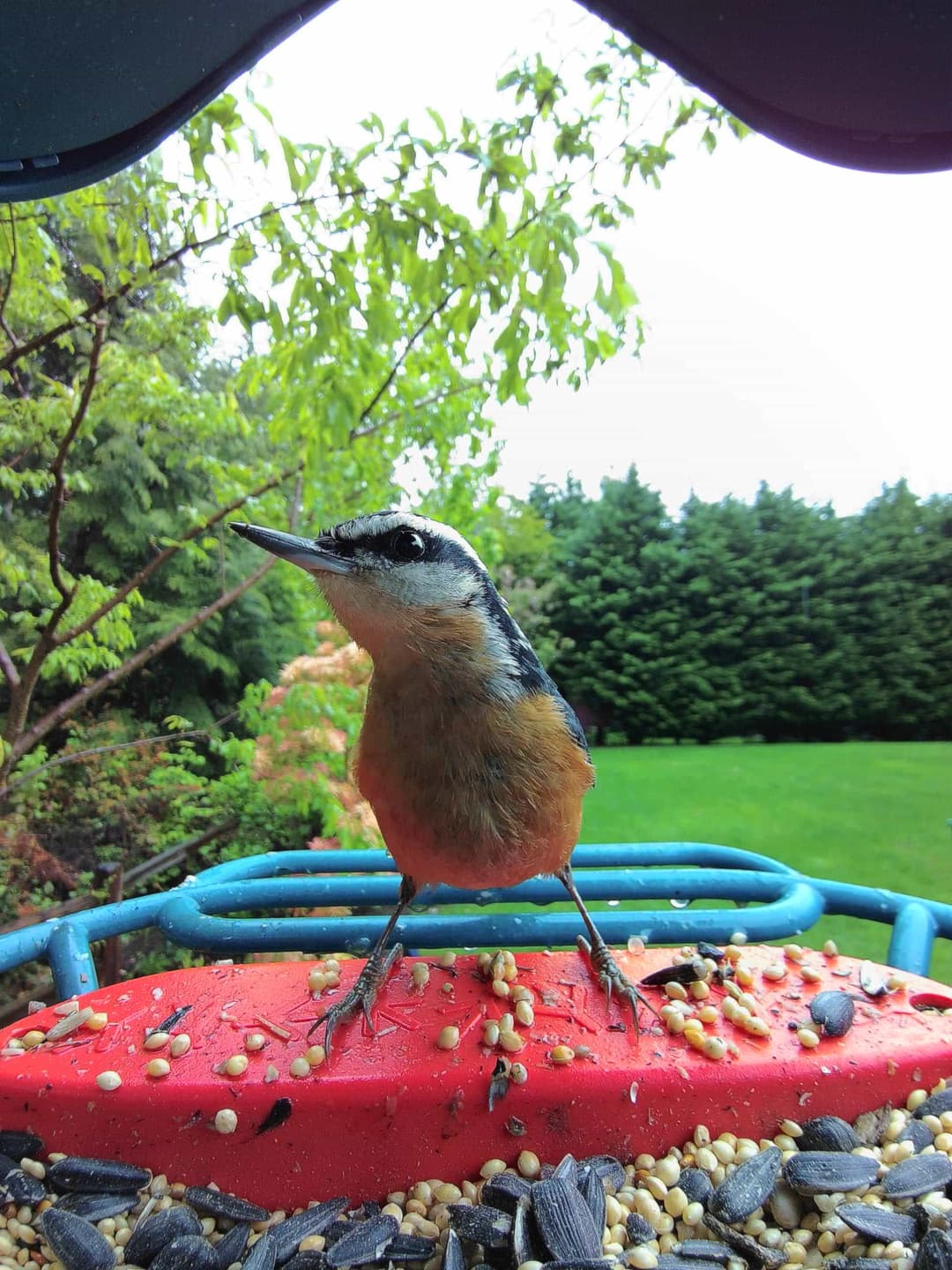
Pygmy Nuthatch vs Red-Breasted Nuthatch
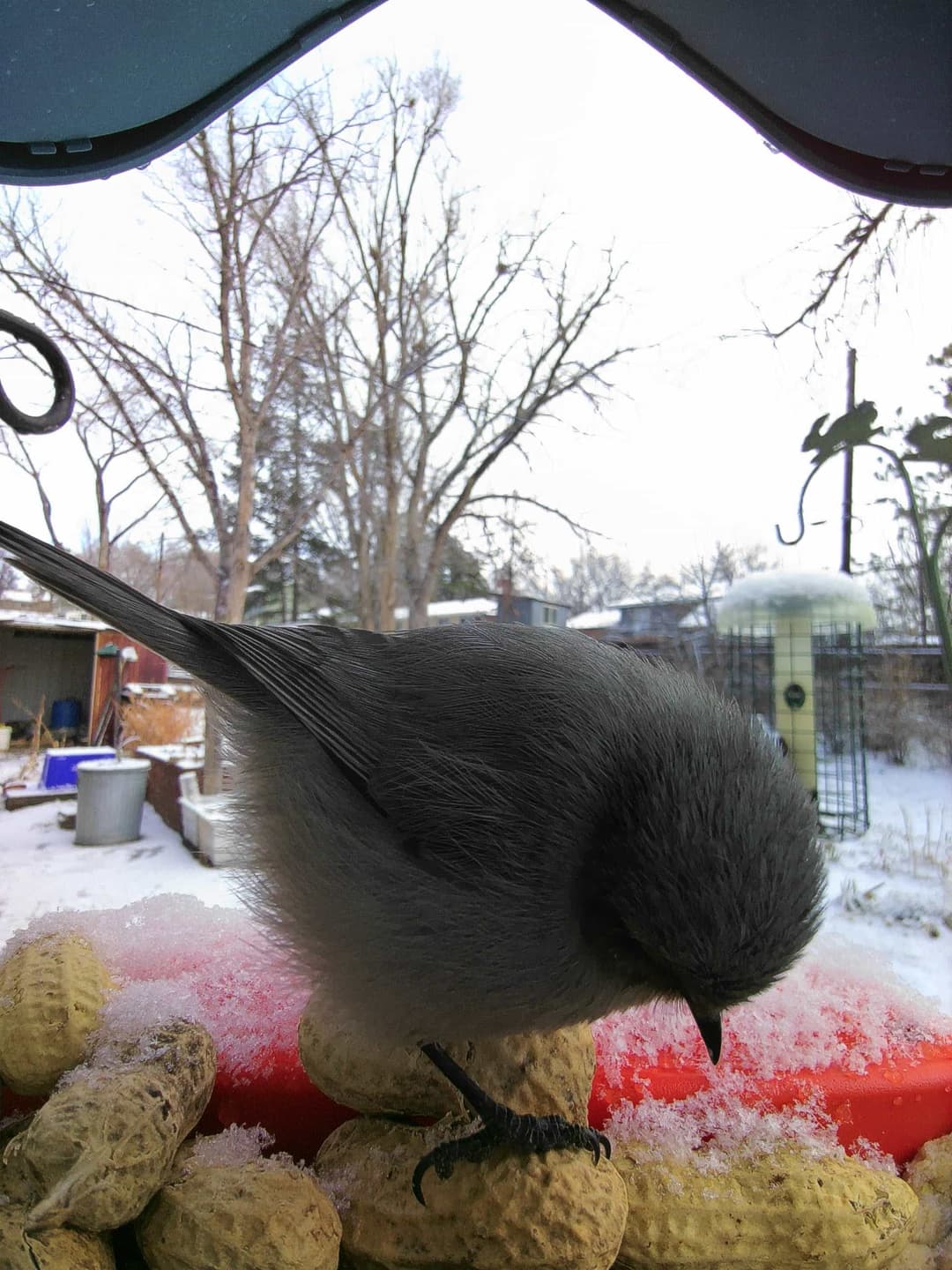
Brown-Headed Nuthatch vs Red-Breasted Nuthatch
Brown-Headed Nuthatch vs White-Breasted Nuthatch
Pygmy Nuthatch vs [Select a bird]

[Select a bird]
Pick a bird to compare
Brown-Headed Nuthatch vs [Select a bird]
[Select a bird]
Pick a bird to compare