Western Rock Nuthatch or Eurasian Nuthatch?
Here's how to tell the difference
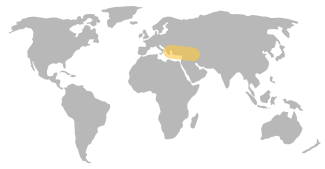
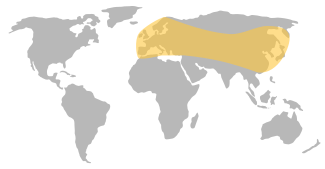

Western Rock Nuthatch


Eurasian Nuthatch
Western Rock Nuthatch
Sitta neumayer
Also known as: Rock Nuthatch
General appearance
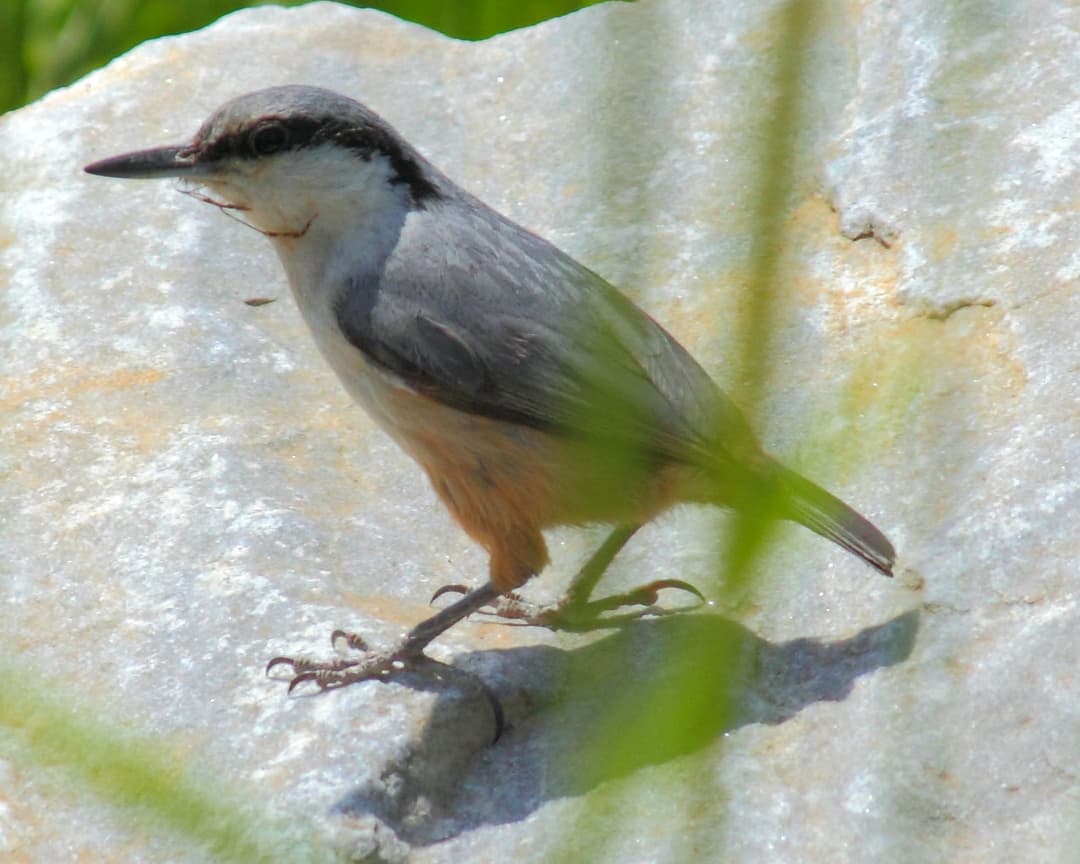
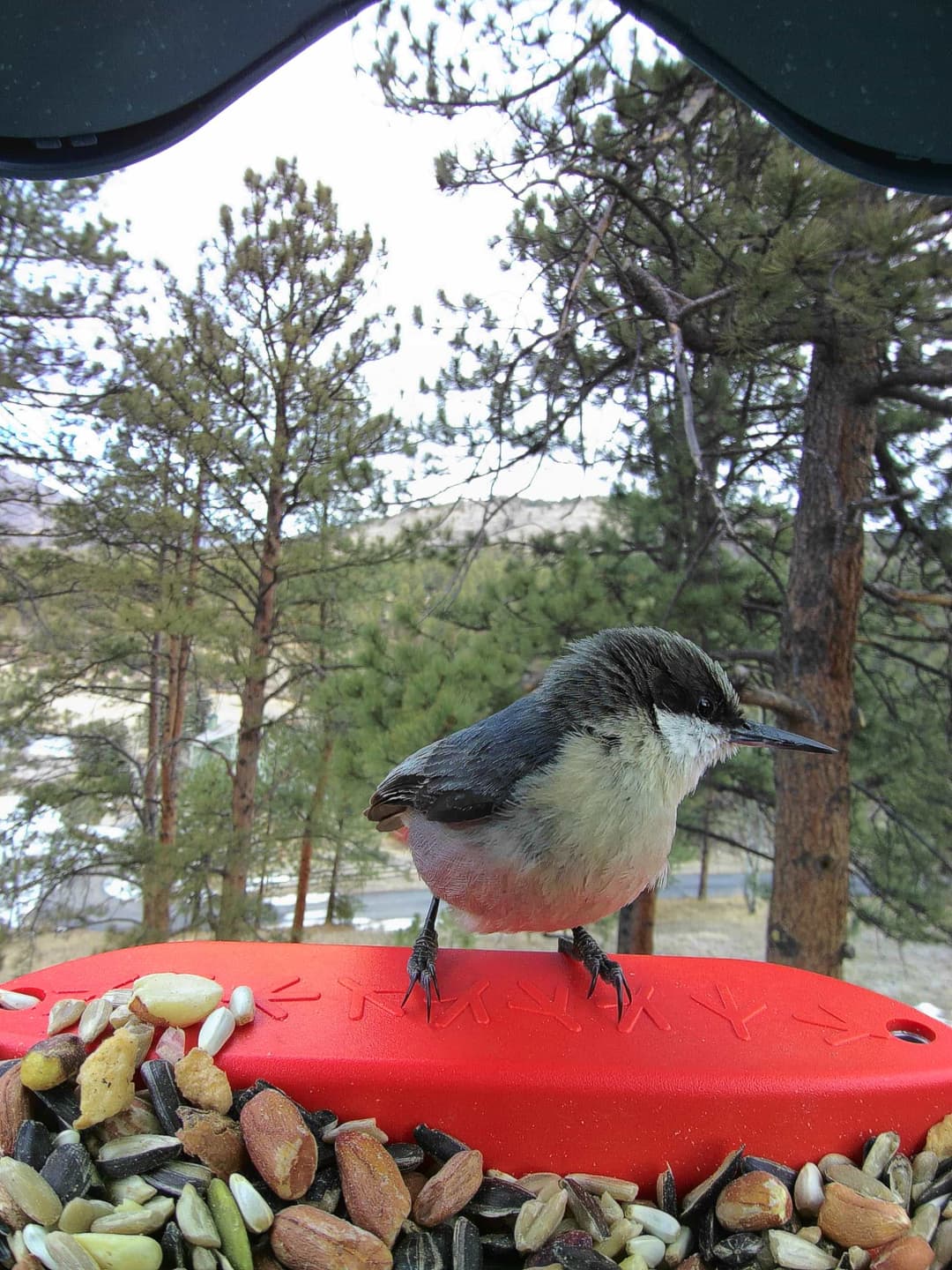
The Western Rock Nuthatch, scientifically known as Sitta neumayer, is a small bird typically measuring around 14 centimeters long. It is recognized for its gray-blue upper parts, white underparts, and a distinctive black eyestripe that extends to the back of the head. The bird also shows a prominent peaked head shape and a long, strong bill, key traits common in nuthatches.
Male vs female
Both sexes possess similar plumage and are not easily distinguishable. The males can be slightly larger and possess a longer bill than females, but these differences can be challenging to notice in the field.
Juvenile
Juveniles largely resemble the adults, but they may appear slightly duller in color, and their bills can be shorter. The characteristic black eyestripe of the adults is more faintly visible in juveniles. With age, their plumage gains more vibrance and the distinctive features become more prominent.
Size
5.1 - 5.3 in/0.8 - 1.3 oz
There's more to learn about Western Rock Nuthatch
View full detailsEurasian Nuthatch
Sitta europaea
Also known as: Wood Nuthatch, Nuthatch
General appearance
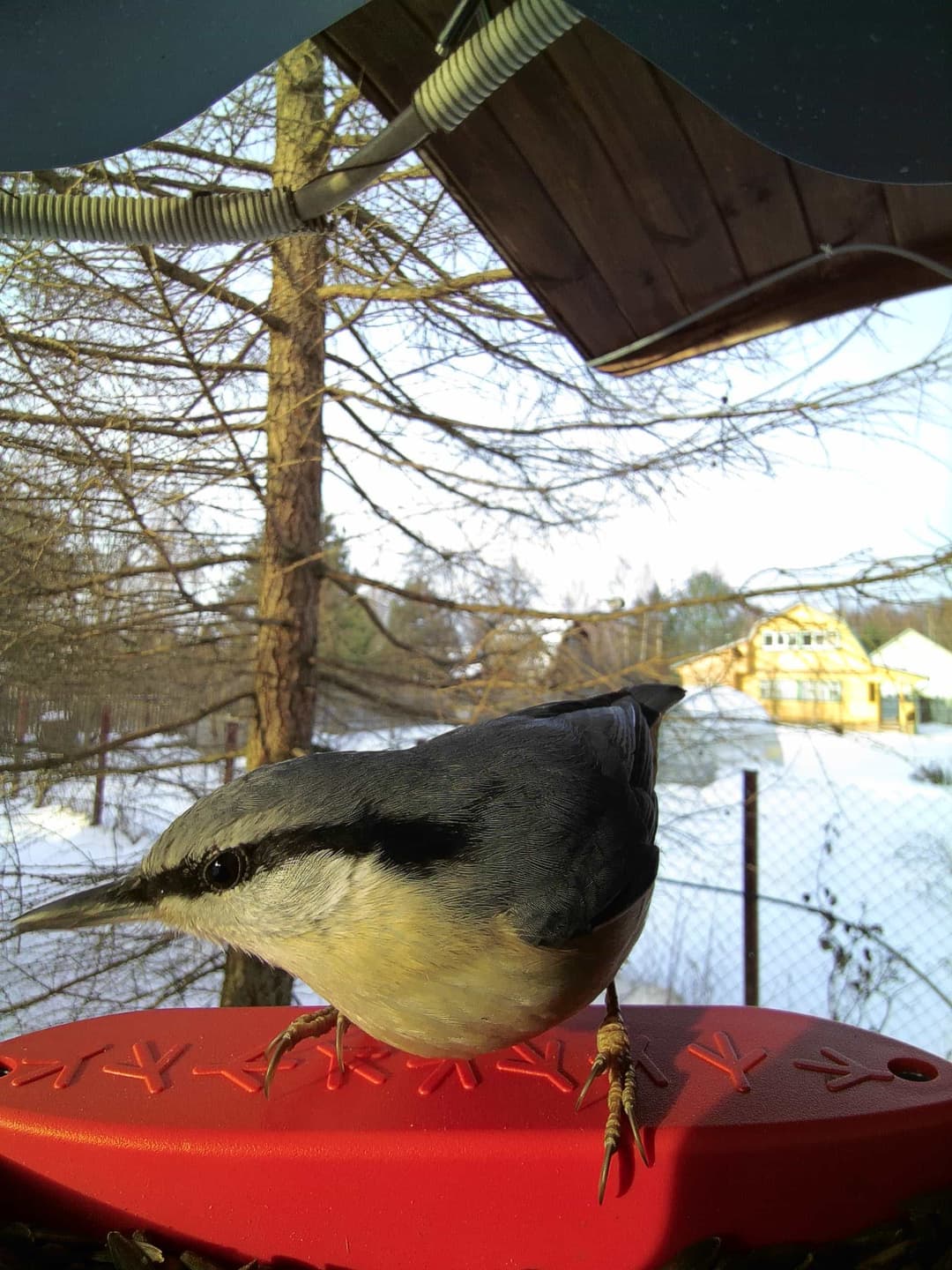
The Eurasian nuthatch is a small passerine bird known for its agility, compact body shape, and short tail. Their most distinguishing physical trait is their sharp, pointed beak which is unique for crawling upside down and sideways on tree trunks. They exhibit a strong body coloration of a cool blue-grey upper part contrasted with a warmer chestnut lower part, while their cheeks are white, and they have a characteristic black eye stripe.
Male vs female
Male and female Eurasian nuthatches are similar in size and shape, but males tend to have a slightly brighter plumage than females. Specifically, males have a more vivid chestnut color on their flanks and under parts, while females display a more subdued, paler chestnut shade. This subtle color differentiation provides a useful clue in identifying sex in the wild.
Juvenile
The juvenile Eurasian nuthatch differs subtly from adults, bearing paler and less contrasting colors. They possess a greyer tone on their back and a less pronounced black eye stripe. Their general coloration tends to darken and become more distinctive with maturity, providing a cue to their age.
Size
4.7 - 6.7 in/0.6 - 1.0 oz
There's more to learn about Eurasian Nuthatch
View full detailsHow to tell the Western Rock Nuthatch from the Eurasian Nuthatch
Visual differences
The Western Rock Nuthatch (5.1-5.3 inches) has gray-blue upper parts, white underparts, and a distinctive black eyestripe that extends to the back of the head, along with a long, strong bill. In contrast, the Eurasian Nuthatch (4.7-6.7 inches) displays cool blue-gray upper parts, warm chestnut lower parts, and a sharp, pointed beak. Their cheeks are white with a similar black eyestripe. The Rock Nuthatch has a peaked head shape, while the Eurasian Nuthatch exhibits a more compact body with a short tail.
Key differences and behavior
The Western Rock Nuthatch (Sitta neumayer) and Eurasian Nuthatch (Sitta europaea) exhibit distinct behavioral differences. The Western Rock Nuthatch is territorial, known for its unique mud-crafted nests on rocky mountains or cliffs, and engages in elaborate courtship through song and displays. In contrast, the Eurasian Nuthatch prefers forests, old trees, and urban parks, and its courtship involves food offerings from males to females. While both species shift to seeds and nuts in colder months, the Western Rock Nuthatch adds small reptiles to its diet, while the Eurasian variant is noted for caching seeds for winter. At feeders, both enjoy seeds and suet, but the Eurasian Nuthatch also takes food to secluded spots or caches it. Overall, their habitat preferences, courtship, and food caching behaviors offer key distinguishing features. The Western Rock Nuthatch ranges 5.1-5.3 inches, while the Eurasian Nuthatch spans 4.7-6.7 inches.
Still not sure? Here are more lookalikes!
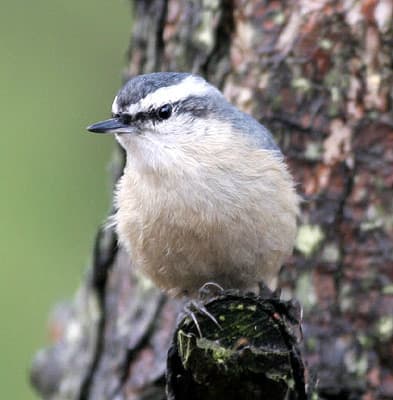
Western Rock Nuthatch vs Red-Breasted Nuthatch
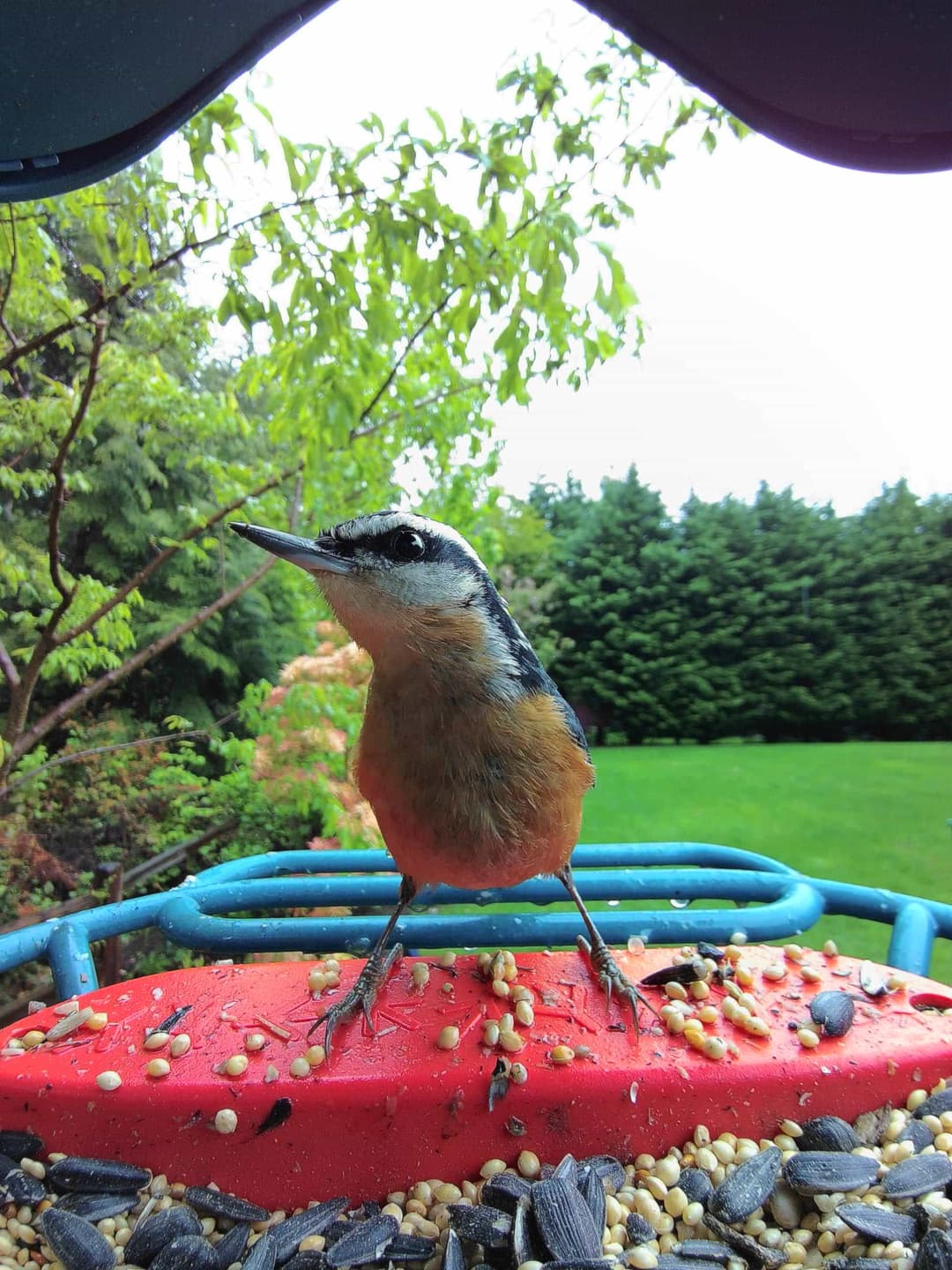
Western Rock Nuthatch vs Snowy-Browed Nuthatch
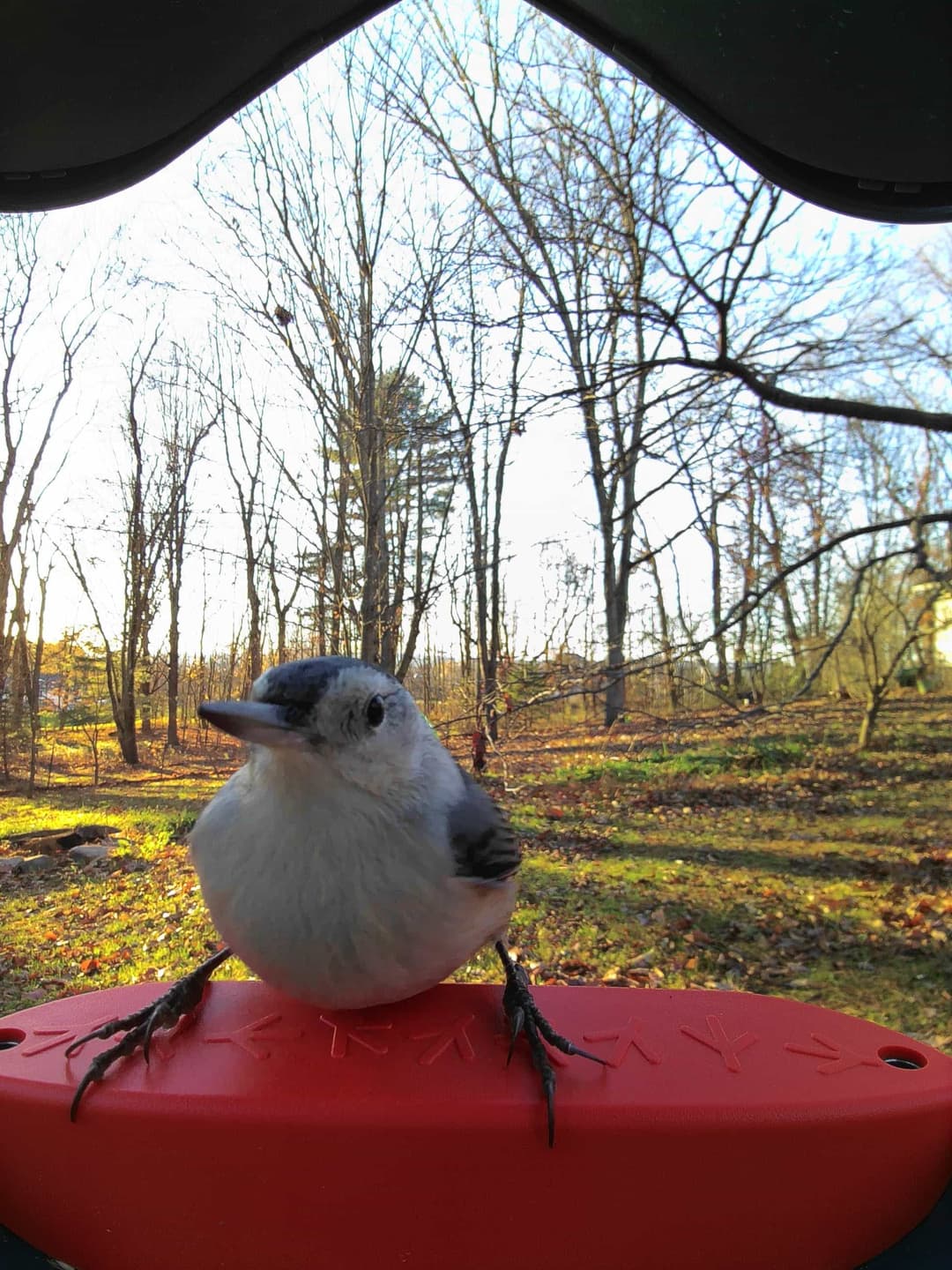
Eurasian Nuthatch vs White-Breasted Nuthatch
Eurasian Nuthatch vs Red-Breasted Nuthatch
Western Rock Nuthatch vs [Select a bird]

[Select a bird]
Pick a bird to compare
Eurasian Nuthatch vs [Select a bird]
[Select a bird]
Pick a bird to compare