Wren or House Wren?
Here's how to tell the difference



Wren
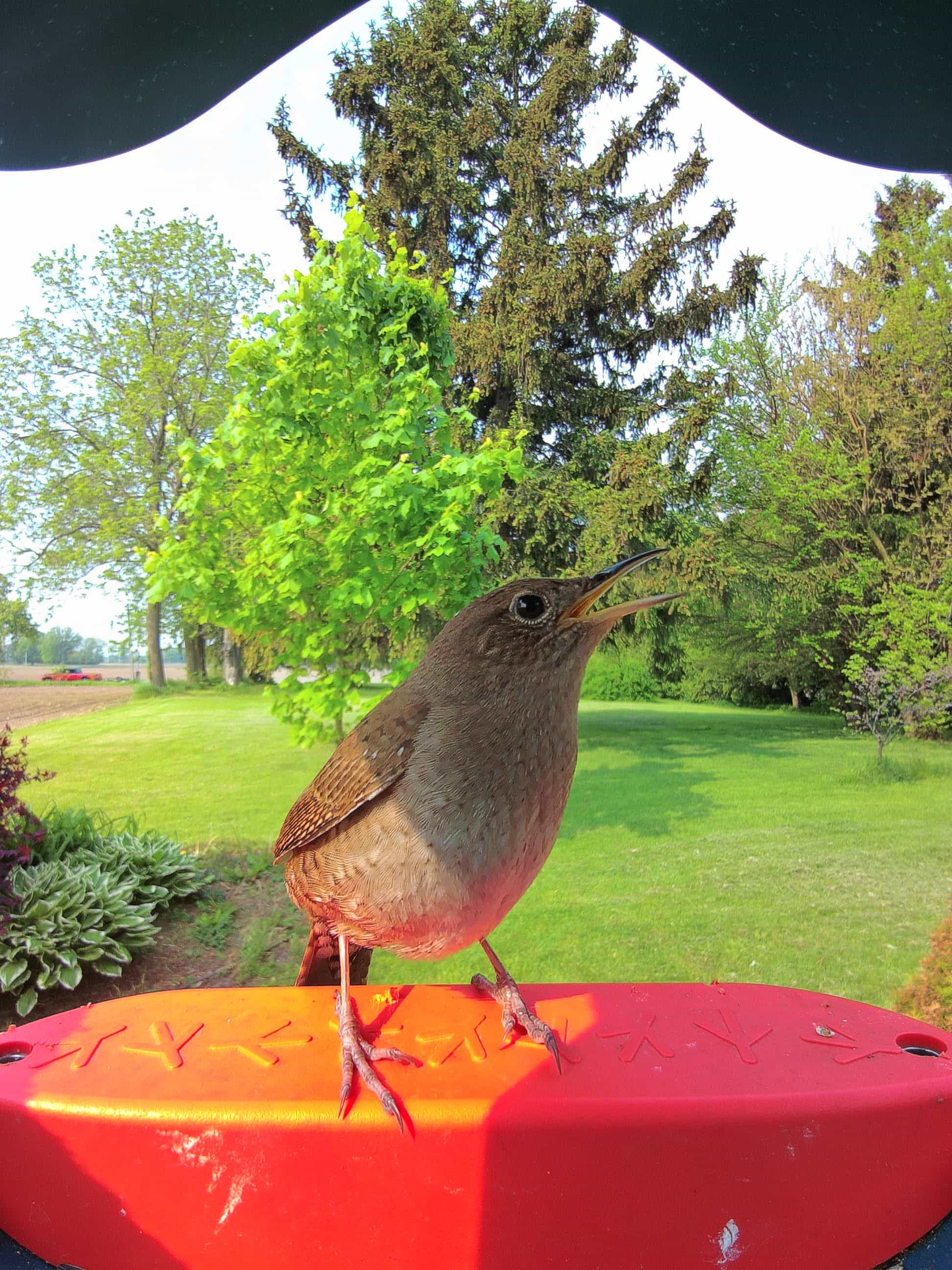


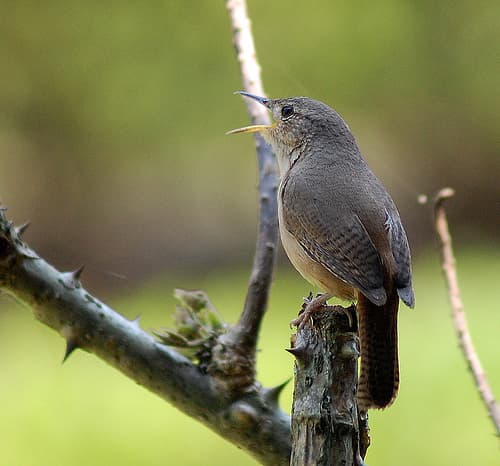
House Wren
Wren
Troglodytidae
General appearance
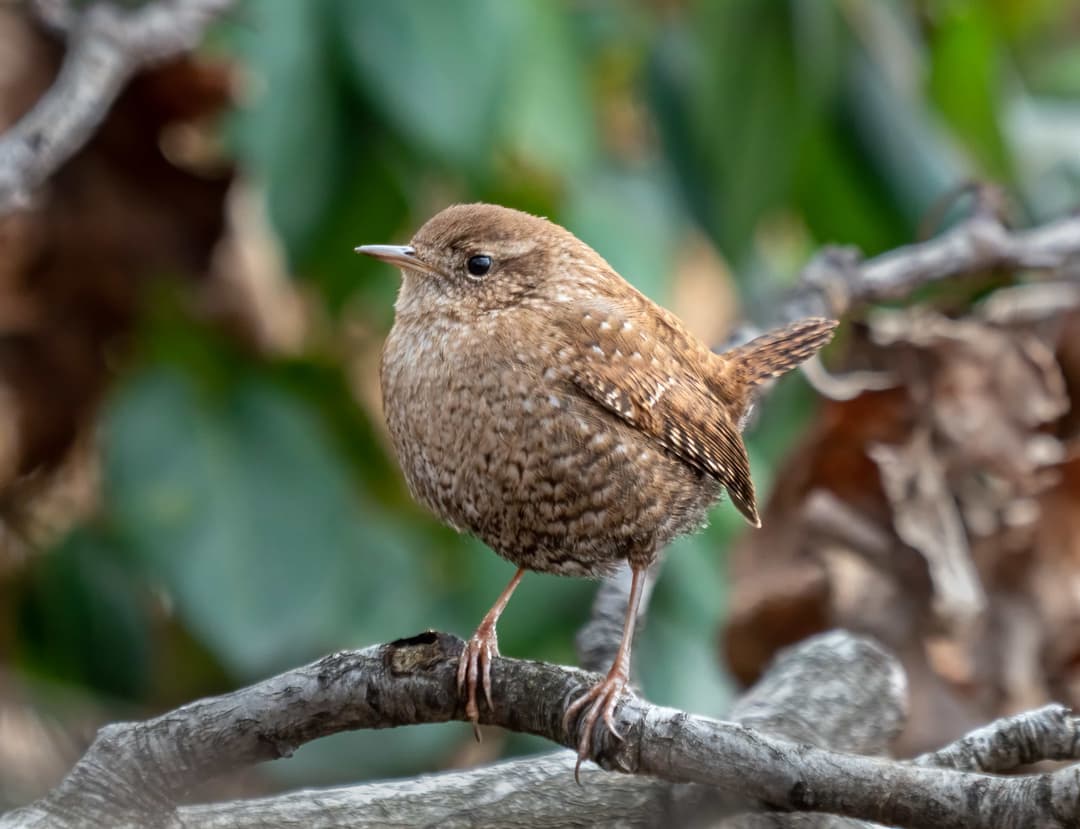
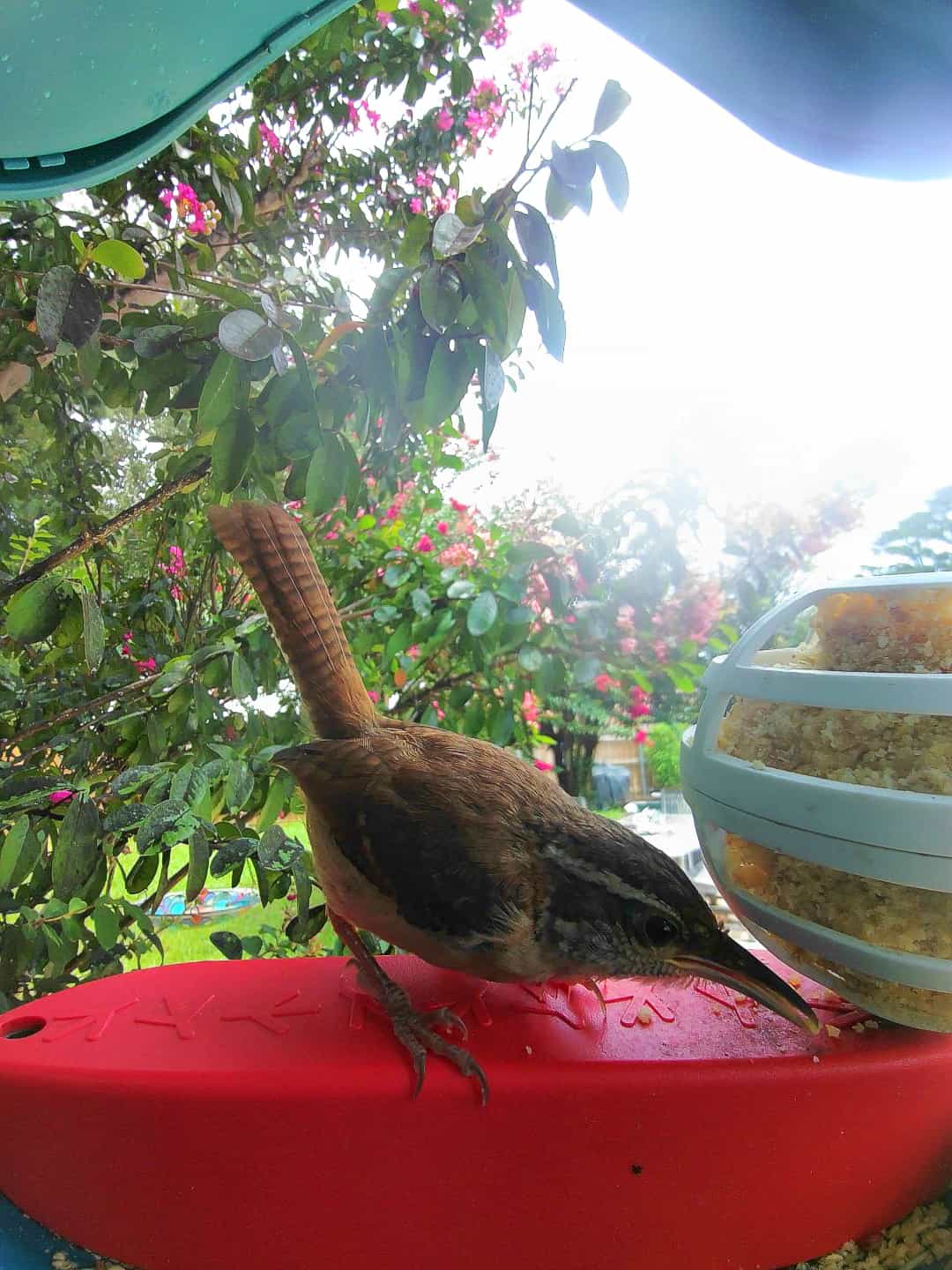
Wrens have a compact, robust body with a rounded shape and a long, thin, slightly curved beak. They tend to be predominantly brown, often with a darker hue on the upper body and lighter underneath. The wing and tail feathers are typically marked with thin, dark bars which serve as camouflage. The wren exhibits a unique, tail-up posture when alert.
Male vs female
Male and female wrens are very similar in appearance, with no significant sexual dimorphism. Both sexes possess similar plumage and size characteristics, thus using coloration or size for identification between male and female wrens would be ineffective. However, during the breeding season, males can be recognized by their complex, melodious song which helps to establish territories and attract females.
Juvenile
Juvenile wrens often have a lighter, more mottled coloration than adults, aiding in camouflage. Their beaks are shorter and their feathers less developed. However, they quickly grow to resemble the adults in size and color, making age determination difficult beyond the very early stages of development. Juveniles can also be identified by their behaviour, as they are less likely to hold territory and may form small, loose flocks.
Size
3.1 - 8.7 in/0.3 - 2.0 oz
There's more to learn about Wren
View full detailsHouse Wren
Troglodytes aedon
General appearance
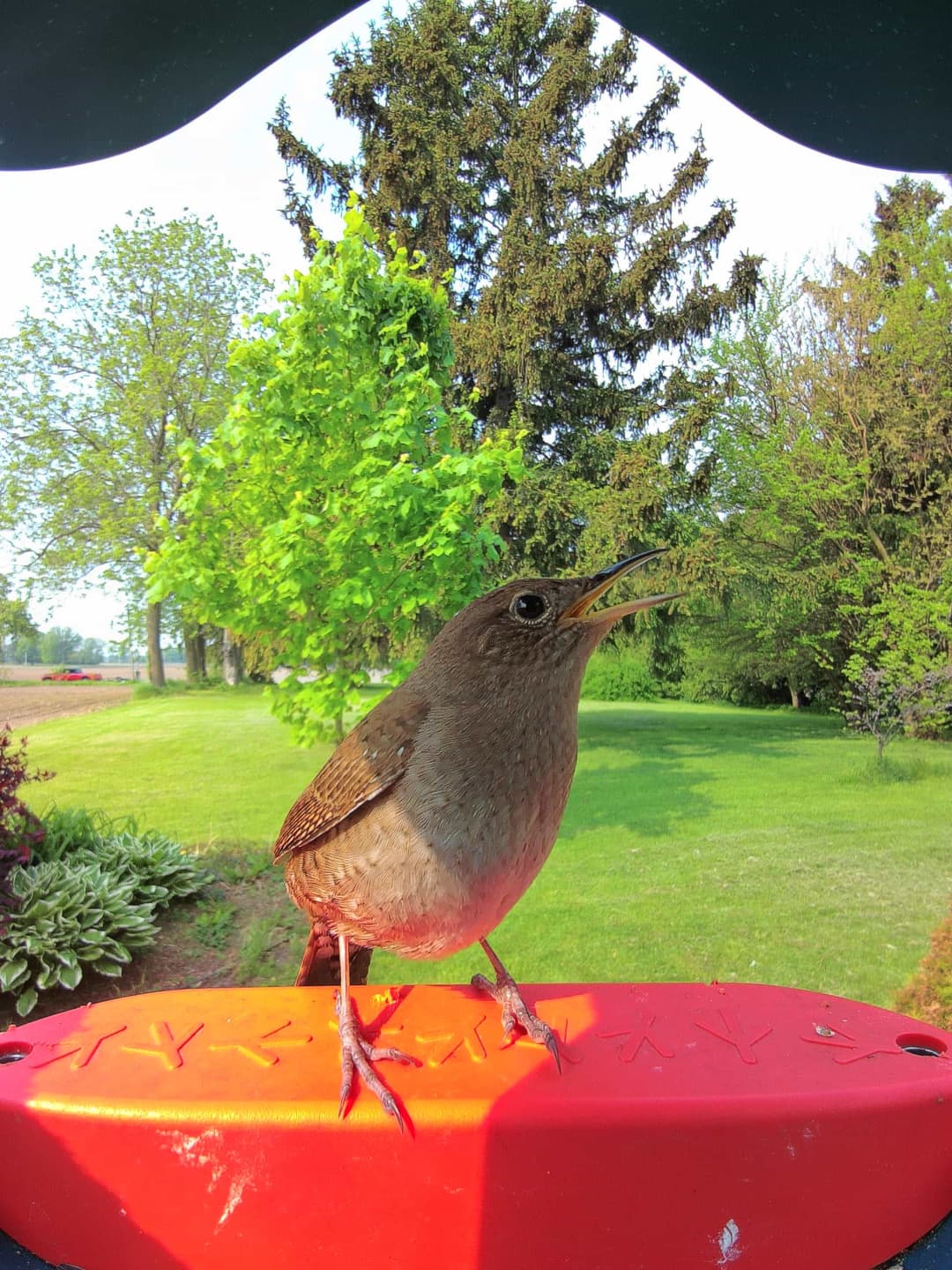
The house wren (Troglodytes aedon) is a small songbird, measuring around 4.3 to 5.1 inches in length. It has a compact body, a relatively long, curved beak, and a short tail often held upright. Its plumage is predominantly brown with subtle barring on the wings and tail. The underparts are a lighter gray-buff. Notable features include the absence of bold facial markings, with only a faint eyebrow stripe over the eye.
Male vs female
Males and females of the house wren species look remarkably similar, making it difficult to distinguish between them purely based on appearance. Both sexes exhibit the same brown and gray coloration, size, and distinctive lack of strong facial markings. Behavioral differences, such as singing by males, during breeding season, are often more reliable identifiers than physical traits.
Juvenile
Juvenile house wrens resemble adults but tend to have slightly duller plumage with less pronounced barring on the wings and tail. They may also exhibit a slightly fluffier appearance due to their fresh feathers. Young birds quickly acquire the adult plumage pattern as they mature, typically by the end of their first summer season.
Size
4.3 - 5.1 in/0.4 oz
There's more to learn about House Wren
View full detailsHow to tell the Wren from the House Wren
Visual differences
The Wren family includes various species, generally compact and robust, with a long, thin, slightly curved beak. Their plumage is predominantly brown with dark bars on their wings and tail. In contrast, the House Wren is smaller (4.3-5.1 inches long), with a similar compact body and long beak, but has subtler brown and gray coloring, less pronounced barring, and typically an upright short tail. Notably, the House Wren lacks bold facial markings, sporting only a faint eyebrow stripe. Both species exhibit minimal sexual dimorphism, complicating gender differentiation visually.
Key differences and behavior
Wrens (Troglodytidae) and House Wrens (Troglodytes aedon) exhibit notable behavioral differences. Wrens are widespread, inhabiting diverse habitats from forests to deserts, while House Wrens prefer semi-open environments like gardens and suburbs. Both perform elaborate courtship rituals with males building multiple nests, but House Wrens can be aggressively competitive, often taking over nests and ejecting eggs. While both primarily consume insects, Wrens may also eat seeds and suet at bird feeders, unlike House Wrens who seldom visit feeders. Wrens are famous for duets, and House Wrens for their territorial song defense. Breeding behaviors differ: Wrens co-parent, while House Wren females may leave males to care for the brood. These differences, along with habitat choice, are key to distinguishing them in the field.
Still not sure? Here are more lookalikes!
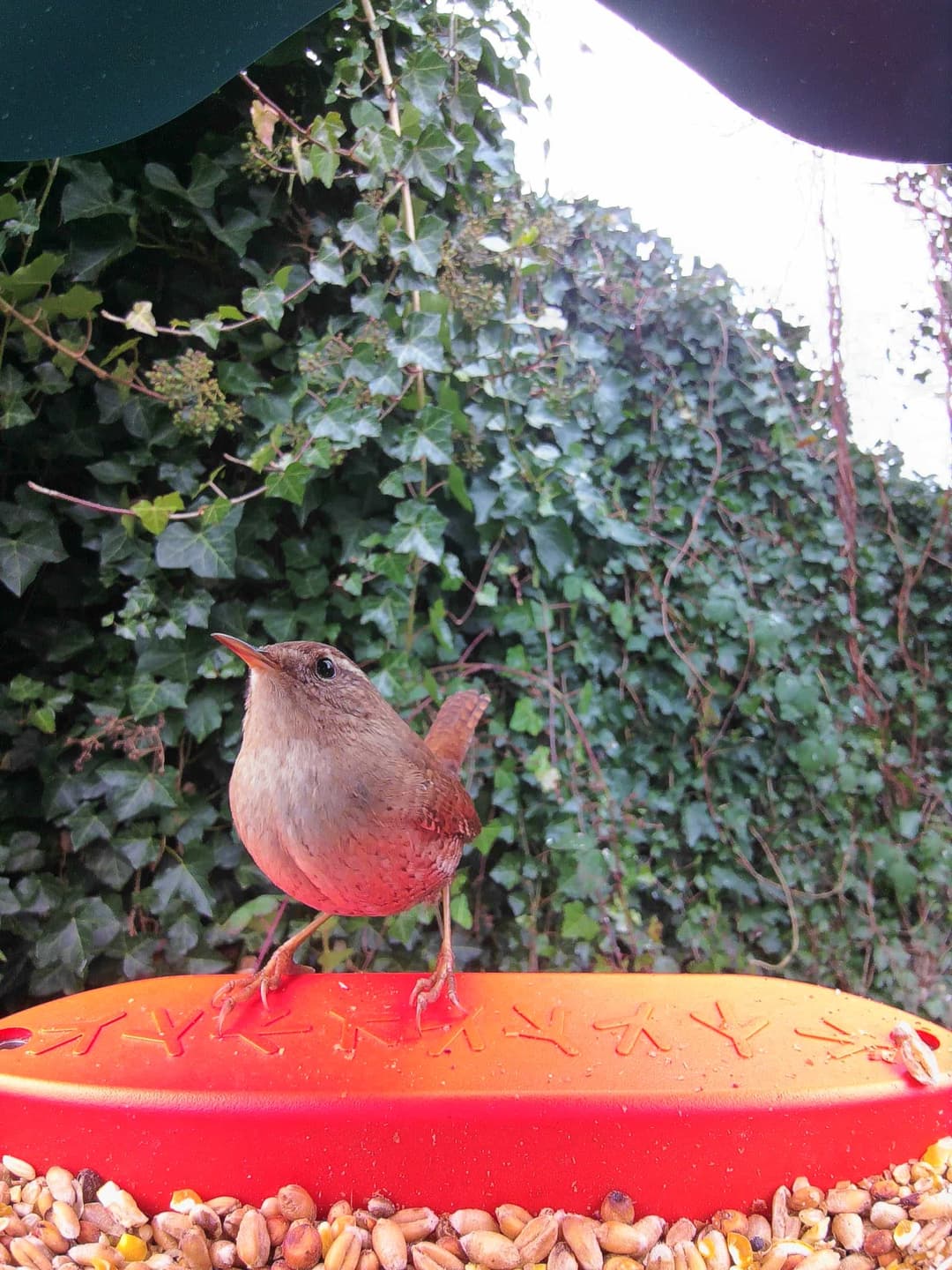
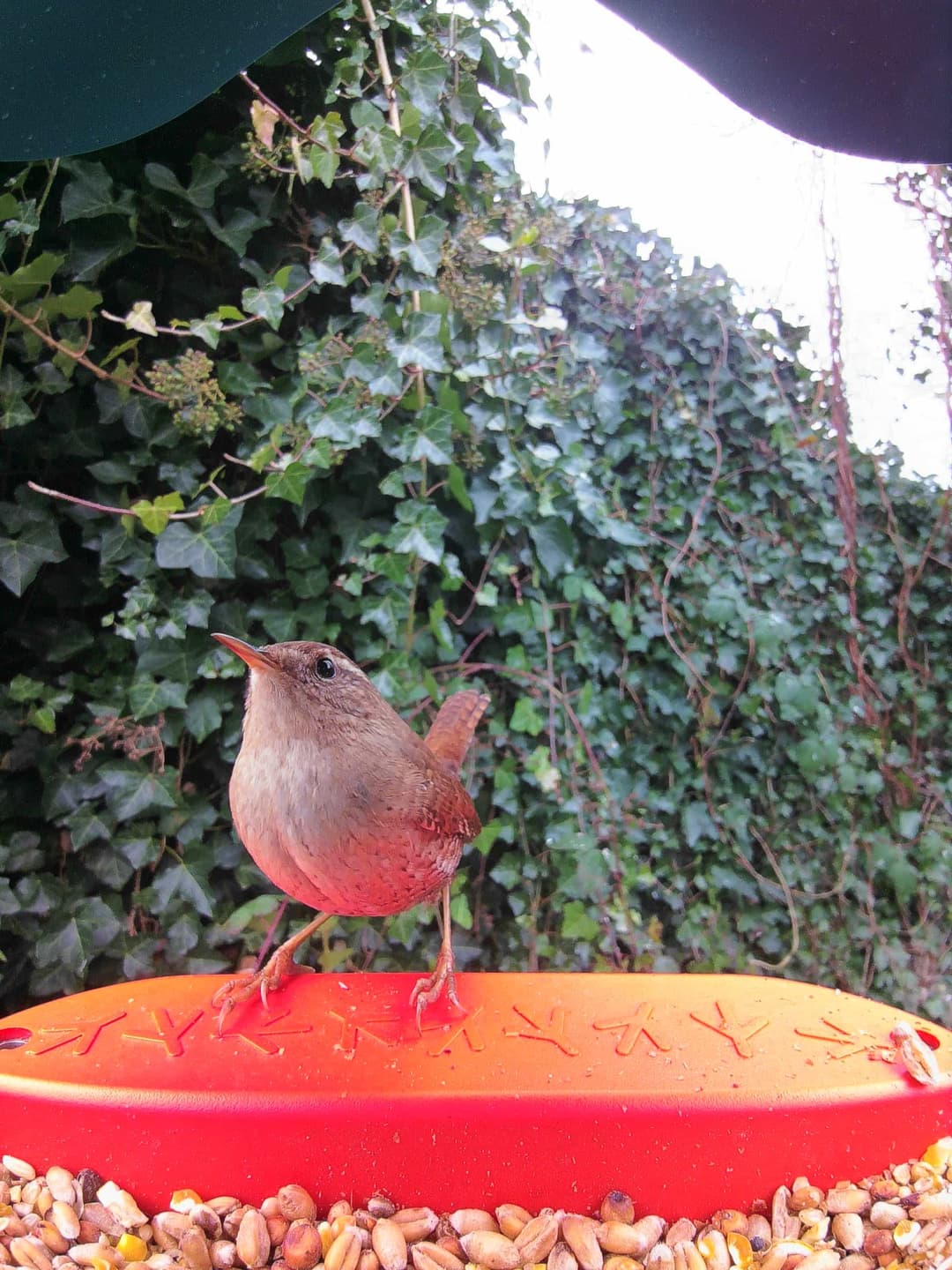
House Wren vs Carolina Wren
House Wren vs Chipping Sparrow
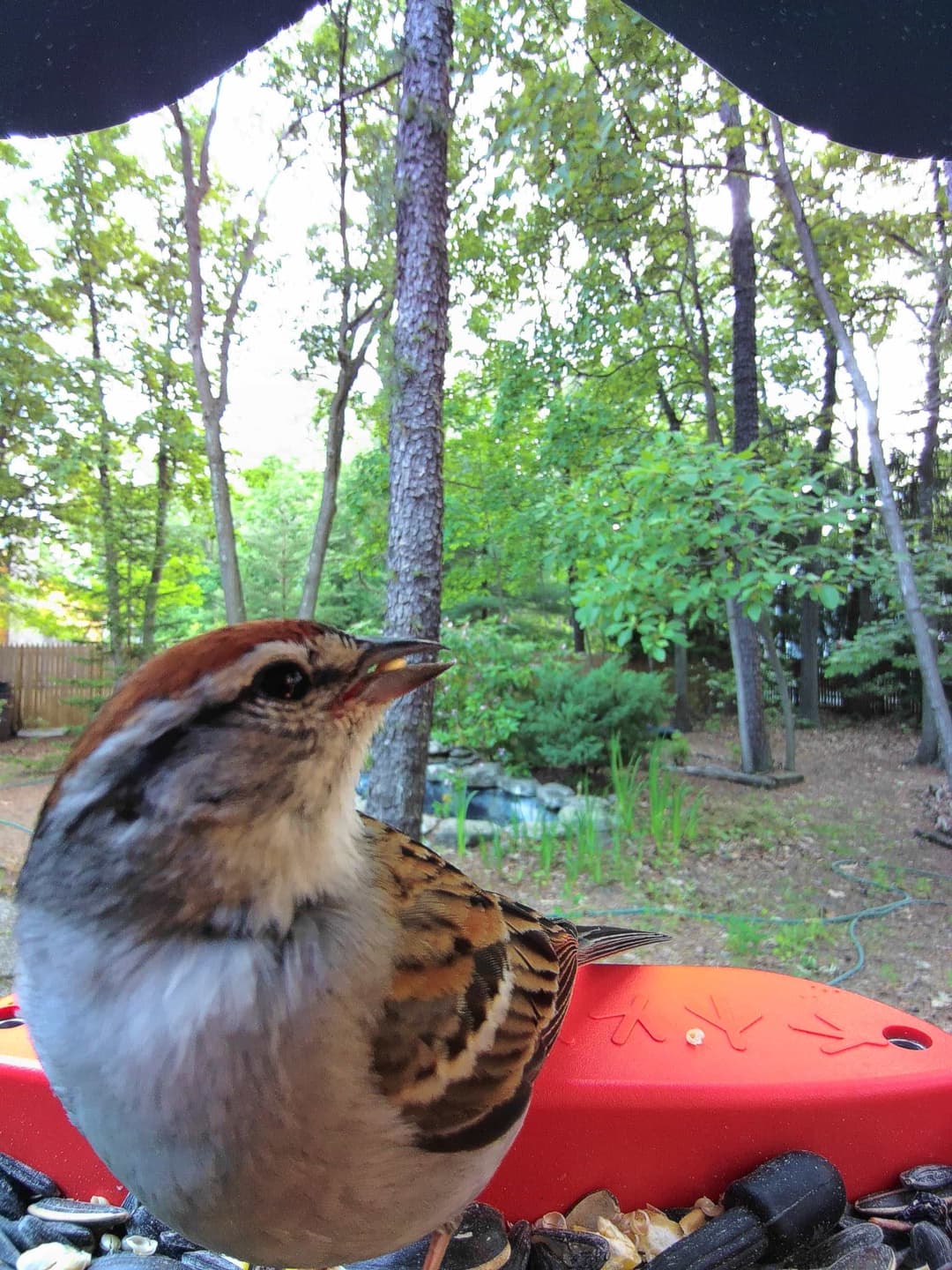
House Wren vs Song Sparrow
Wren vs [Select a bird]

[Select a bird]
Pick a bird to compare
House Wren vs [Select a bird]
[Select a bird]
Pick a bird to compare