Wren or Winter Wren?
Here's how to tell the difference



Wren
Winter Wren
Wren
Troglodytidae
General appearance
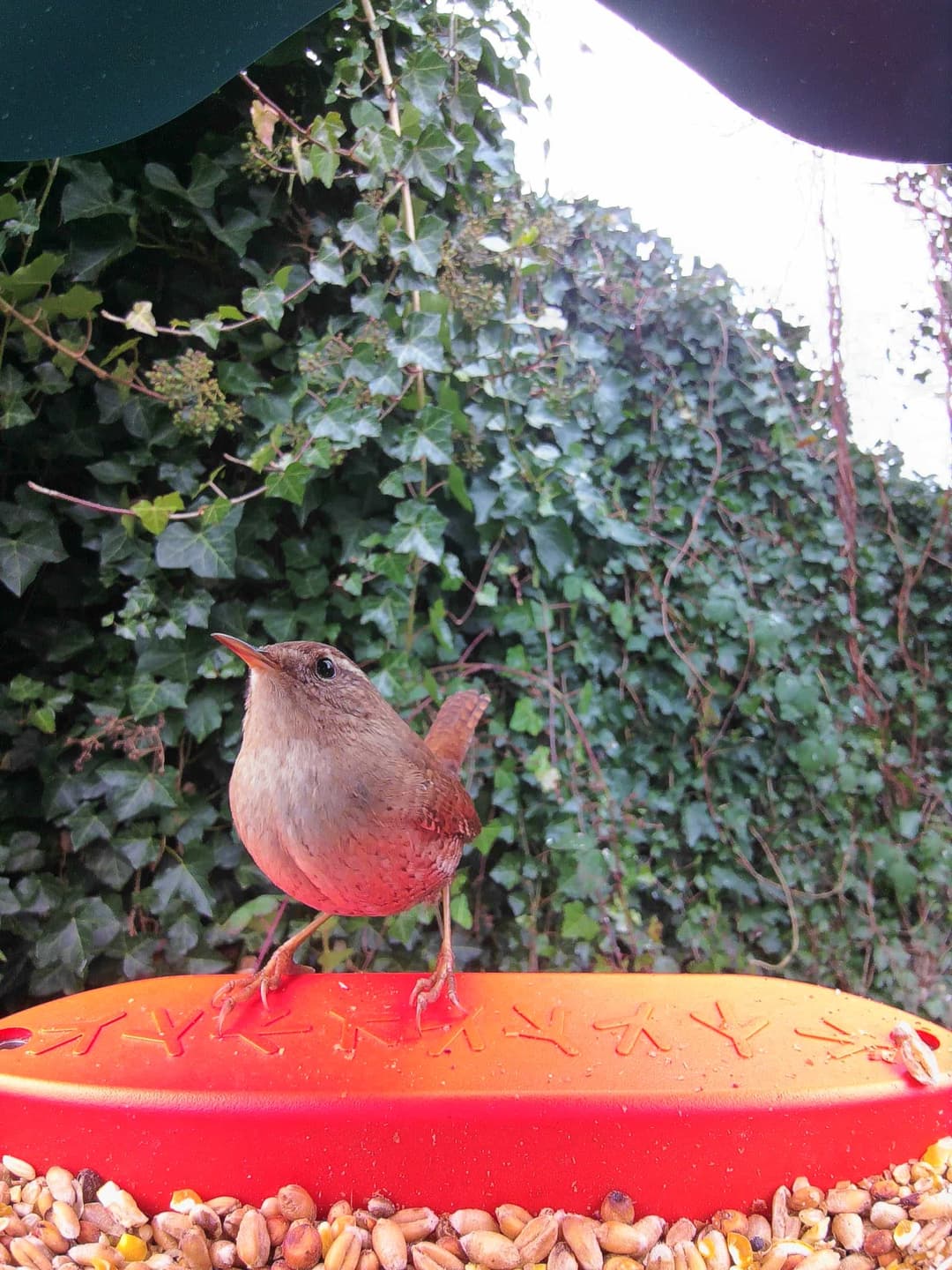
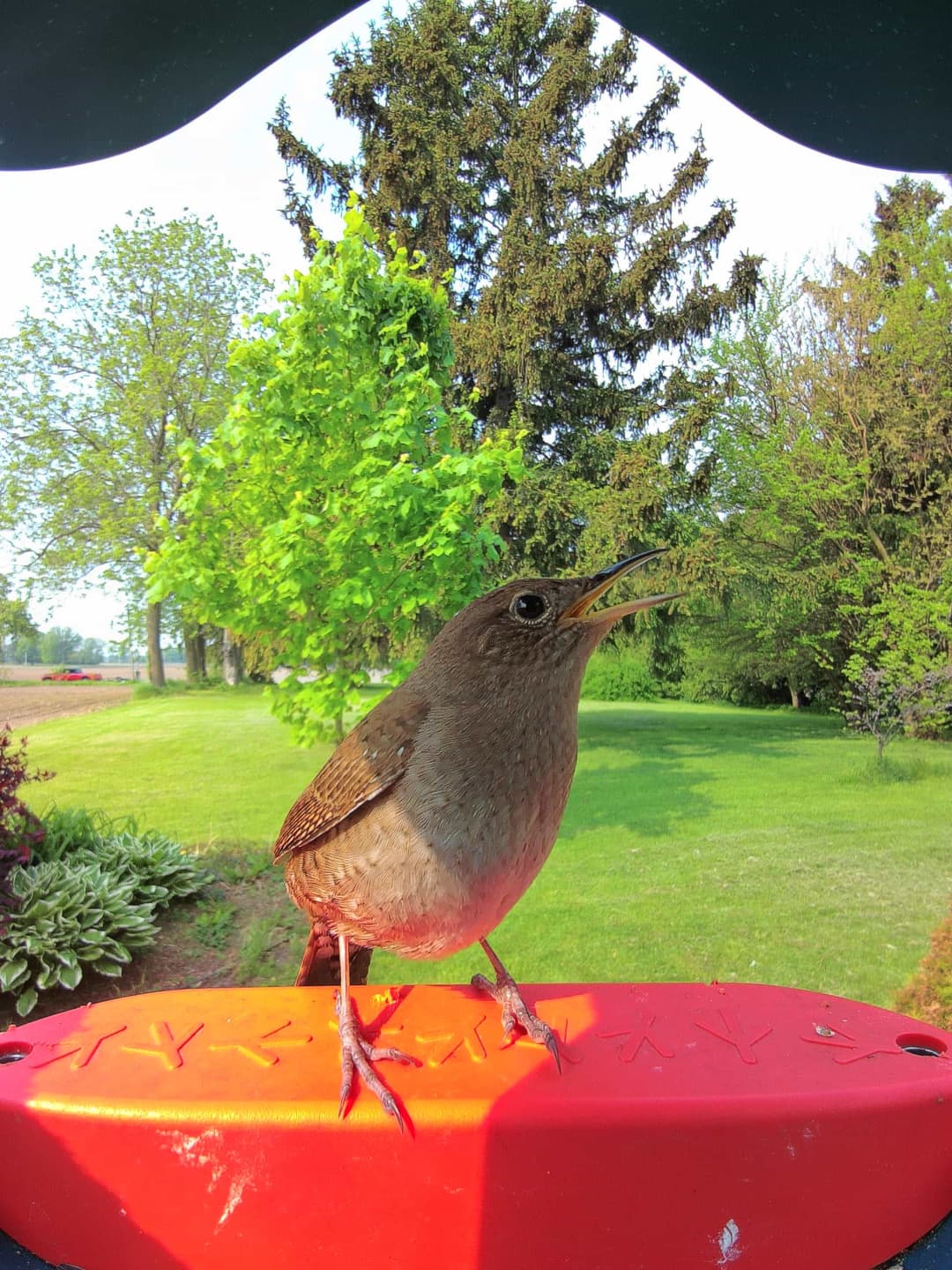
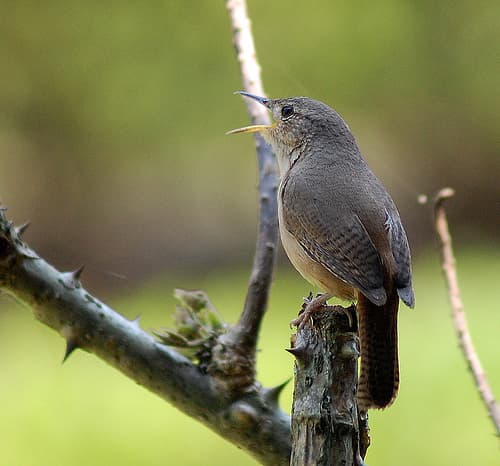
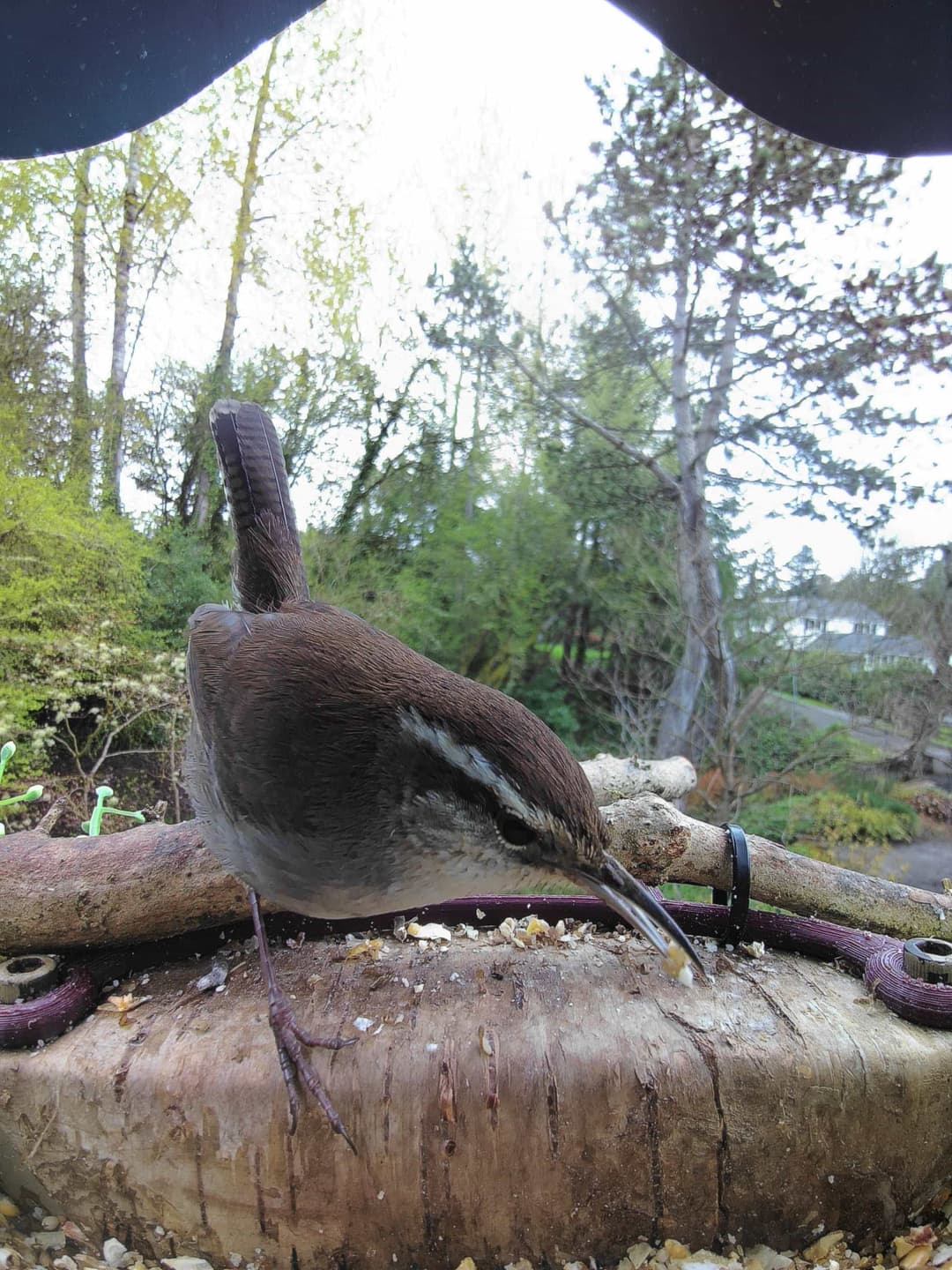
Wrens have a compact, robust body with a rounded shape and a long, thin, slightly curved beak. They tend to be predominantly brown, often with a darker hue on the upper body and lighter underneath. The wing and tail feathers are typically marked with thin, dark bars which serve as camouflage. The wren exhibits a unique, tail-up posture when alert.
Male vs female
Male and female wrens are very similar in appearance, with no significant sexual dimorphism. Both sexes possess similar plumage and size characteristics, thus using coloration or size for identification between male and female wrens would be ineffective. However, during the breeding season, males can be recognized by their complex, melodious song which helps to establish territories and attract females.
Juvenile
Juvenile wrens often have a lighter, more mottled coloration than adults, aiding in camouflage. Their beaks are shorter and their feathers less developed. However, they quickly grow to resemble the adults in size and color, making age determination difficult beyond the very early stages of development. Juveniles can also be identified by their behaviour, as they are less likely to hold territory and may form small, loose flocks.
Size
3.1 - 8.7 in/0.3 - 2.0 oz
There's more to learn about Wren
View full detailsWinter Wren
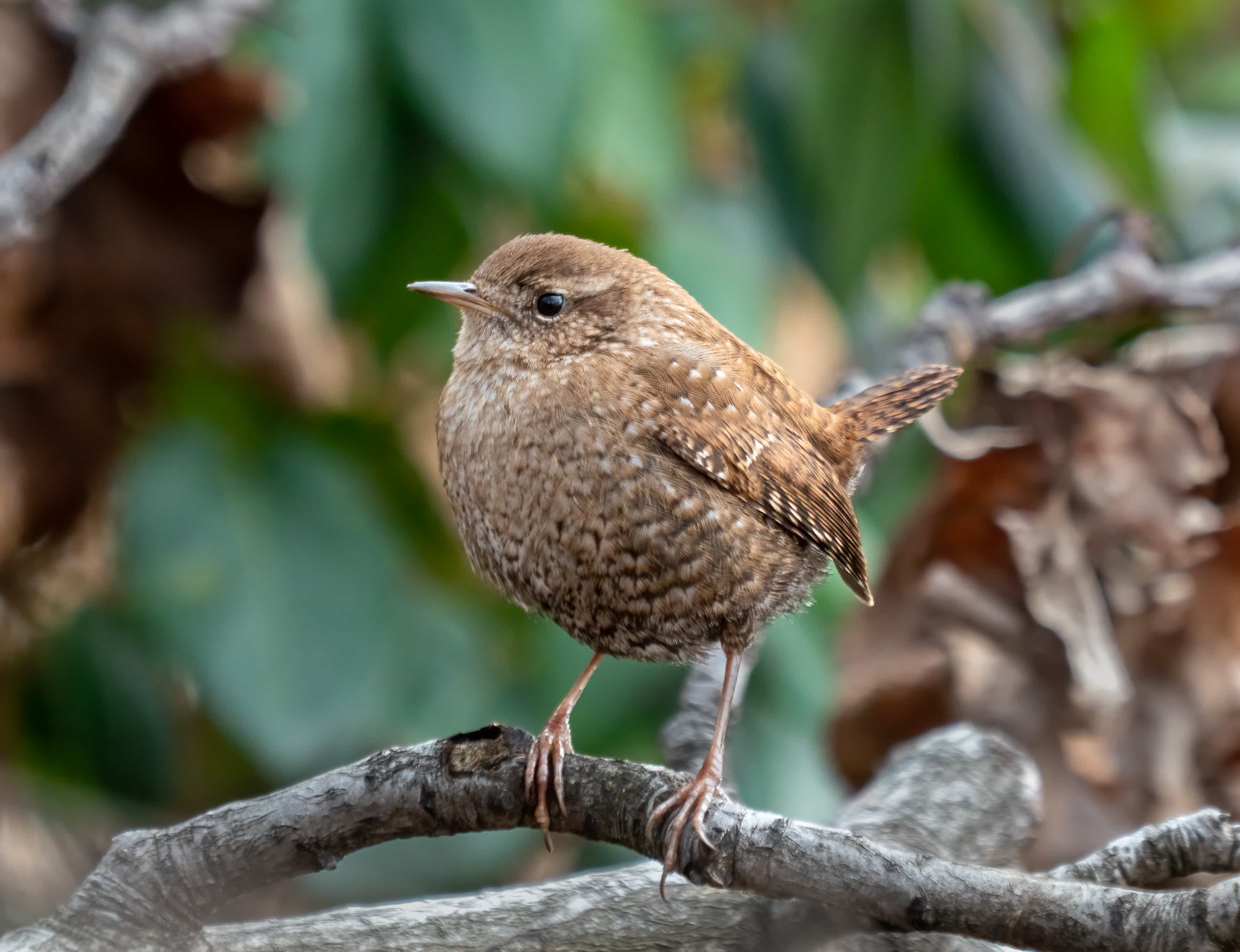
Troglodytes hiemalis
General appearance
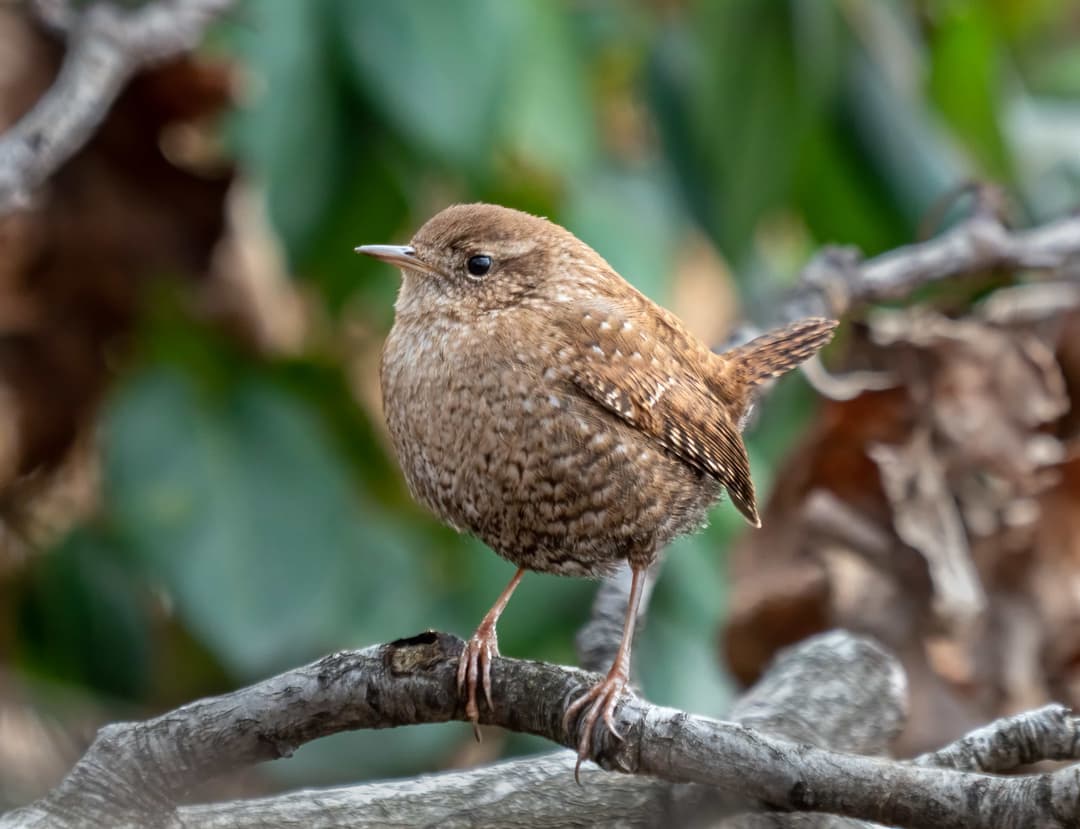
The Winter Wren is a small bird, about 10 cm in length and like a Sparrow in size. It possesses a brown and tan coloration, with stronger dark barring flanks. Its tail is short, and it has a robust, rounded-wing shape. It is generally darker than the Pacific Wren but possesses a contrasting pale throat.
Male vs female
There is little to no sexual dimorphism observed in Winter Wrens, meaning males and females appear similar. Both genders exhibit the same coloration and tail length. They're usually recognized by their distinctive callnotes.
Juvenile
Juvenile Winter Wrens also bear resemblance to adults, possessing similar coloration. Their dark barring on the flanks might appear less defined. As the little birds mature, they will develop the characteristic throat paleness and distinct call notes of the adults.
Size
3.1 - 4.7 in/0.3 - 0.4 oz
There's more to learn about Winter Wren
View full detailsHow to tell the Wren from the Winter Wren
Visual differences
Wrens generally have a longer body length of up to 8.7 inches, whereas Winter Wrens reach around 4.7 inches. Both exhibit brown plumage with dark barring; however, Winter Wrens often appear darker with a contrasting pale throat. Wrens have a long, thin beak, while Winter Wrens possess a shorter, robust one. The tail posture is notably upright in wrens, whereas Winter Wrens have a shorter tail. Despite similarities, these features help differentiate them visually in their overlapping habitats.
Key differences and behavior
Wrens (Troglodytidae) and Winter Wrens (Troglodytes hiemalis) exhibit distinct behavioral differences. While both species are known for impressive singing, Wrens often engage in duets, whereas Winter Wrens produce powerful solo songs for territorial defense and attracting mates. Wrens inhabit diverse habitats, including forests and deserts globally, while Winter Wrens prefer moist coniferous forests near water in summer and dense woods in winter. Breeding involves males building multiple nests for choice in both; however, Winter Wren males may have multiple mates. In diet, both consume insects and spiders, but Winter Wrens may also eat tiny fish and berries, while Wrens are more likely to visit bird feeders for suet and mealworms. Both rely on nest cavities for breeding, but Wrens may use elevated man-made boxes.
Still not sure? Here are more lookalikes!

Wren vs [Select a bird]

[Select a bird]
Pick a bird to compare
Winter Wren vs [Select a bird]
[Select a bird]
Pick a bird to compare