Wren or Eurasian Wren?
Here's how to tell the difference


Wren


Eurasian Wren
Wren
Troglodytidae
General appearance
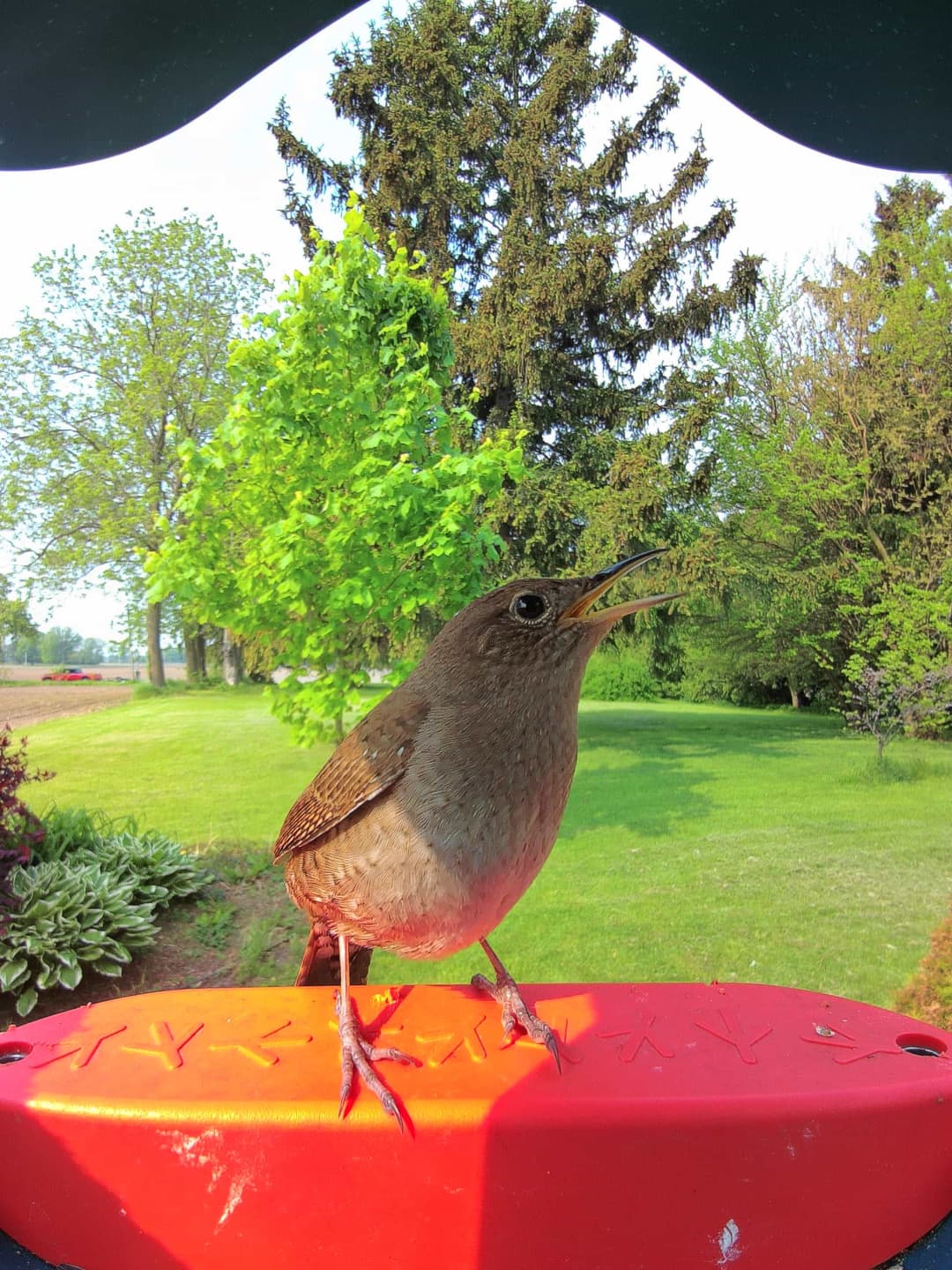
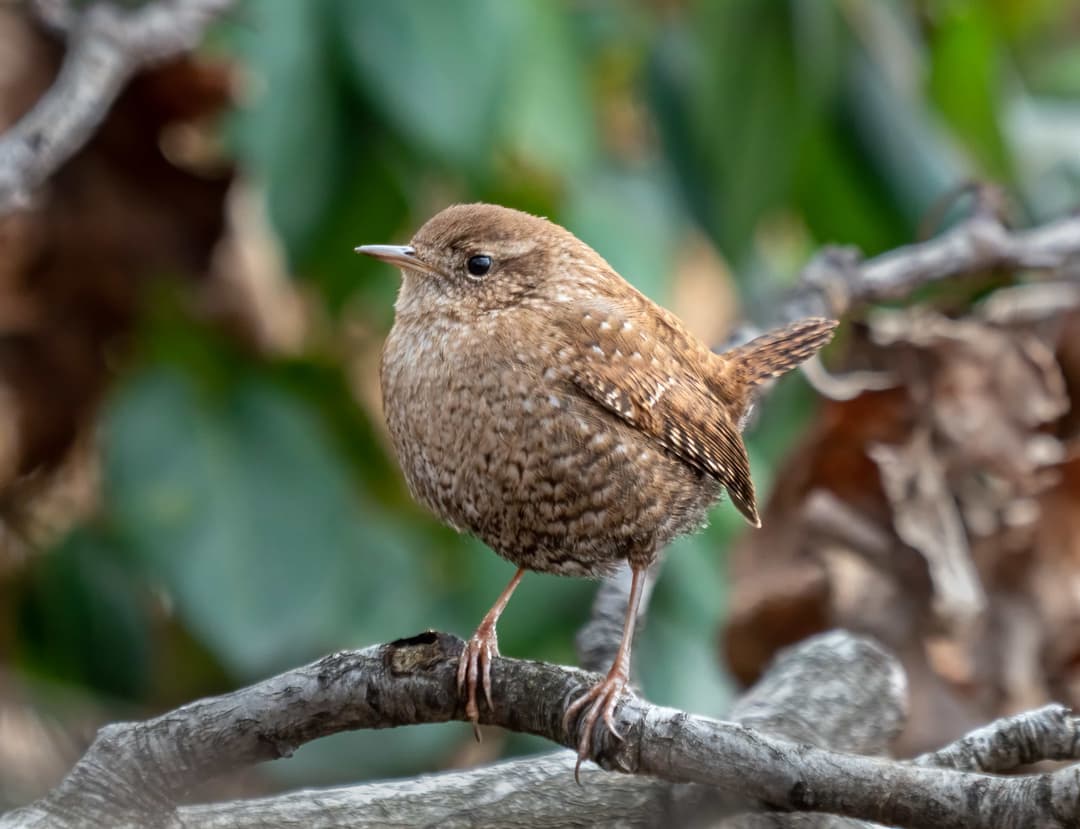
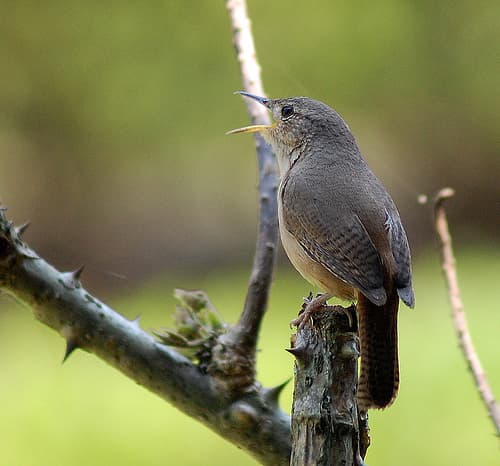
Wrens have a compact, robust body with a rounded shape and a long, thin, slightly curved beak. They tend to be predominantly brown, often with a darker hue on the upper body and lighter underneath. The wing and tail feathers are typically marked with thin, dark bars which serve as camouflage. The wren exhibits a unique, tail-up posture when alert.
Male vs female
Male and female wrens are very similar in appearance, with no significant sexual dimorphism. Both sexes possess similar plumage and size characteristics, thus using coloration or size for identification between male and female wrens would be ineffective. However, during the breeding season, males can be recognized by their complex, melodious song which helps to establish territories and attract females.
Juvenile
Juvenile wrens often have a lighter, more mottled coloration than adults, aiding in camouflage. Their beaks are shorter and their feathers less developed. However, they quickly grow to resemble the adults in size and color, making age determination difficult beyond the very early stages of development. Juveniles can also be identified by their behaviour, as they are less likely to hold territory and may form small, loose flocks.
Size
3.1 - 8.7 in/0.3 - 2.0 oz
There's more to learn about Wren
View full detailsEurasian Wren
Troglodytes troglodytes
General appearance
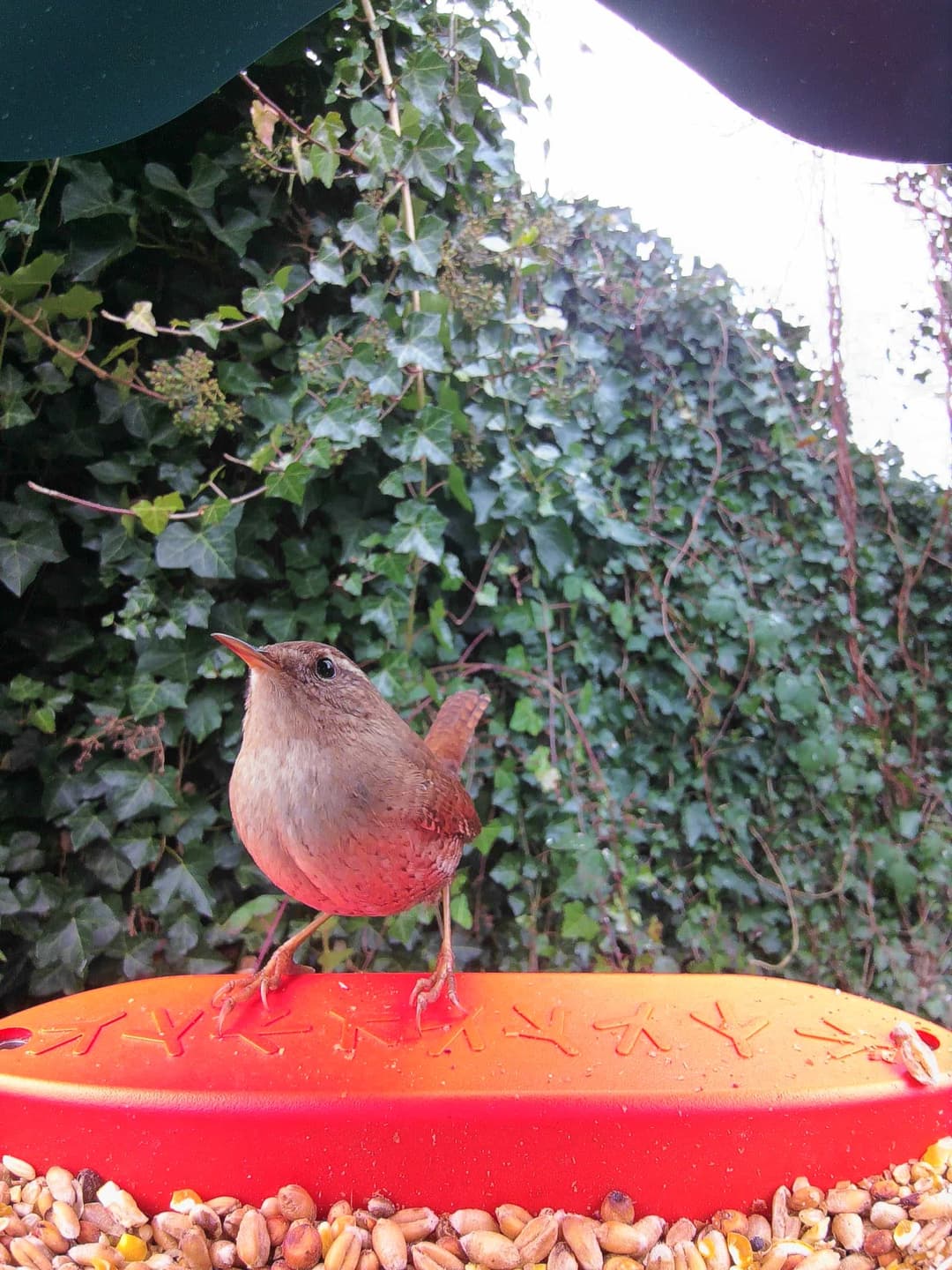
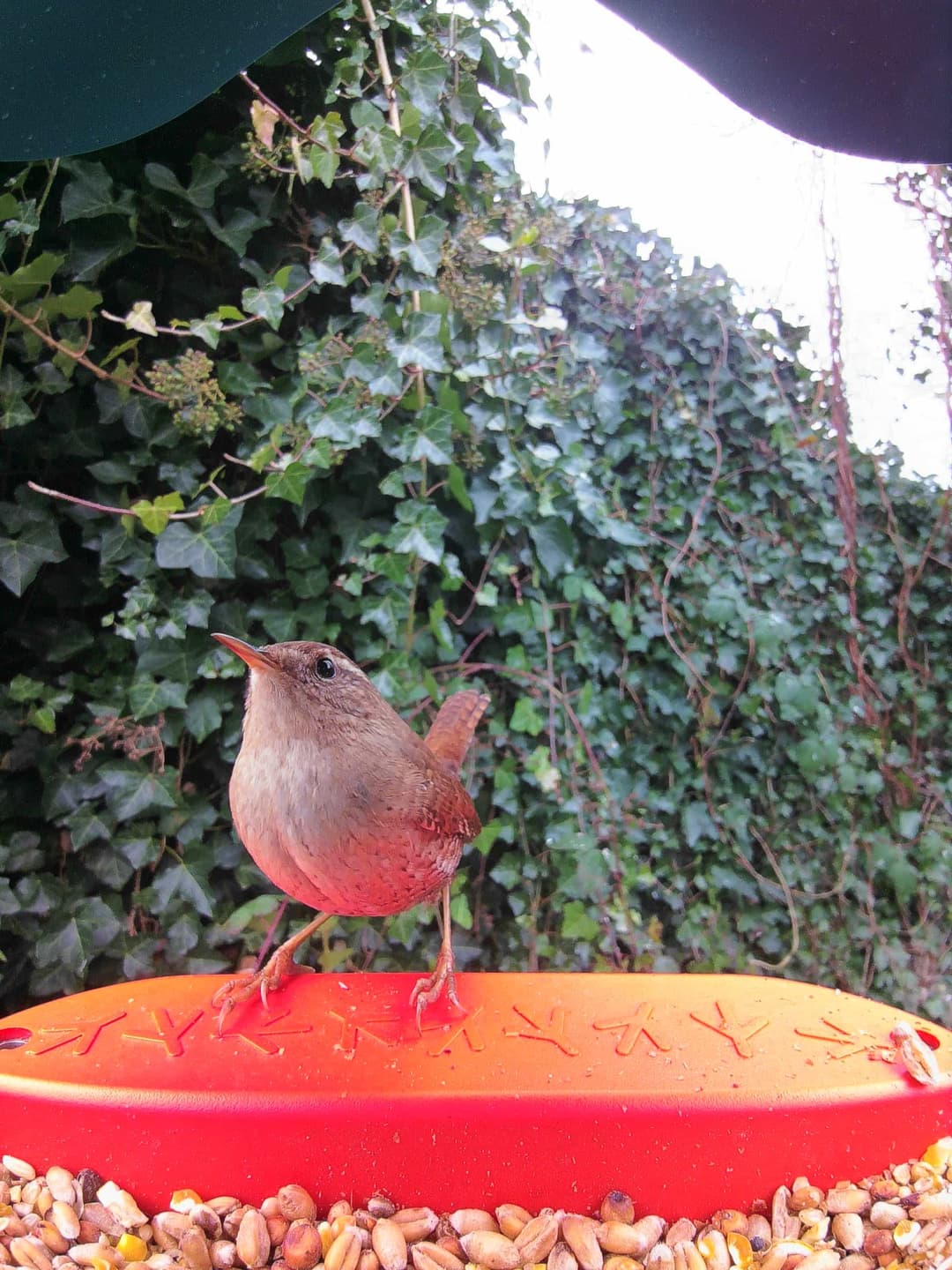
The Eurasian wren is a small, compact bird with a rounded body and short tail often held upright. Its plumage is predominantly brown with darker barring and a pale underbelly. The bird has a fine, pointed bill and a distinctive supercilium stripe above the eyes.
Male vs female
Males and females of the Eurasian wren are similar in appearance, with no significant differences in size or coloration. Both sexes share the same brown plumage and markings.
Juvenile
Juvenile Eurasian wrens resemble adults but are slightly duller with less distinct barring. They may also have a less pronounced supercilium stripe. Juveniles develop the adult plumage as they mature.
Size
3.5 - 3.9 in/0.3 - 0.5 oz
There's more to learn about Eurasian Wren
View full detailsHow to tell the Wren from the Eurasian Wren
Visual differences
The Wren family (Troglodytidae) features many small, robust birds with predominantly brown plumage. The Eurasian Wren (Troglodytes troglodytes) is particularly compact, with a length of 3.5-4 inches and a weight of 0.28-0.46 ounces. It sports darker barring on its brown plumage, a pale underbelly, and a notable supercilium stripe above the eyes. Both have long, thin, slightly curved beaks, though the Eurasian Wren’s is finer. Wrens exhibit a distinctive upright tail posture, with juveniles appearing duller. The key visual difference lies in the Eurasian Wren's more visible eye stripe and compact size.
Key differences and behavior
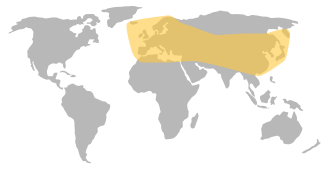
Wrens, with 88 species across diverse habitats, show behaviors such as duet singing; this is less evident in Eurasian Wrens (both also sing, but the latter are especially vigorous, often shaking while singing). While Wrens occupy forests and deserts in Americas, Eurasian Wrens prefer Europe and Asia, thriving in forests and mountains. Both males build multiple nests, yet Eurasian Wren nests are domed with side entrances. Diets are insect-focused, but Wrens may consume seeds and fruit more frequently in winter, while Eurasian Wrens focus on invertebrates, sometimes extending to small fish or frogs. Despite their similar broad diets, Eurasian Wrens forage mainly on the ground. Wrens are generally larger (3-8.6 oz, 3-8.7" long) compared to the Eurasian Wren (0.28-0.46 oz, 3.5-3.9" long). Both species exhibit similar gender appearances, making behavioral cues vital for field identification.
Still not sure? Here are more lookalikes!
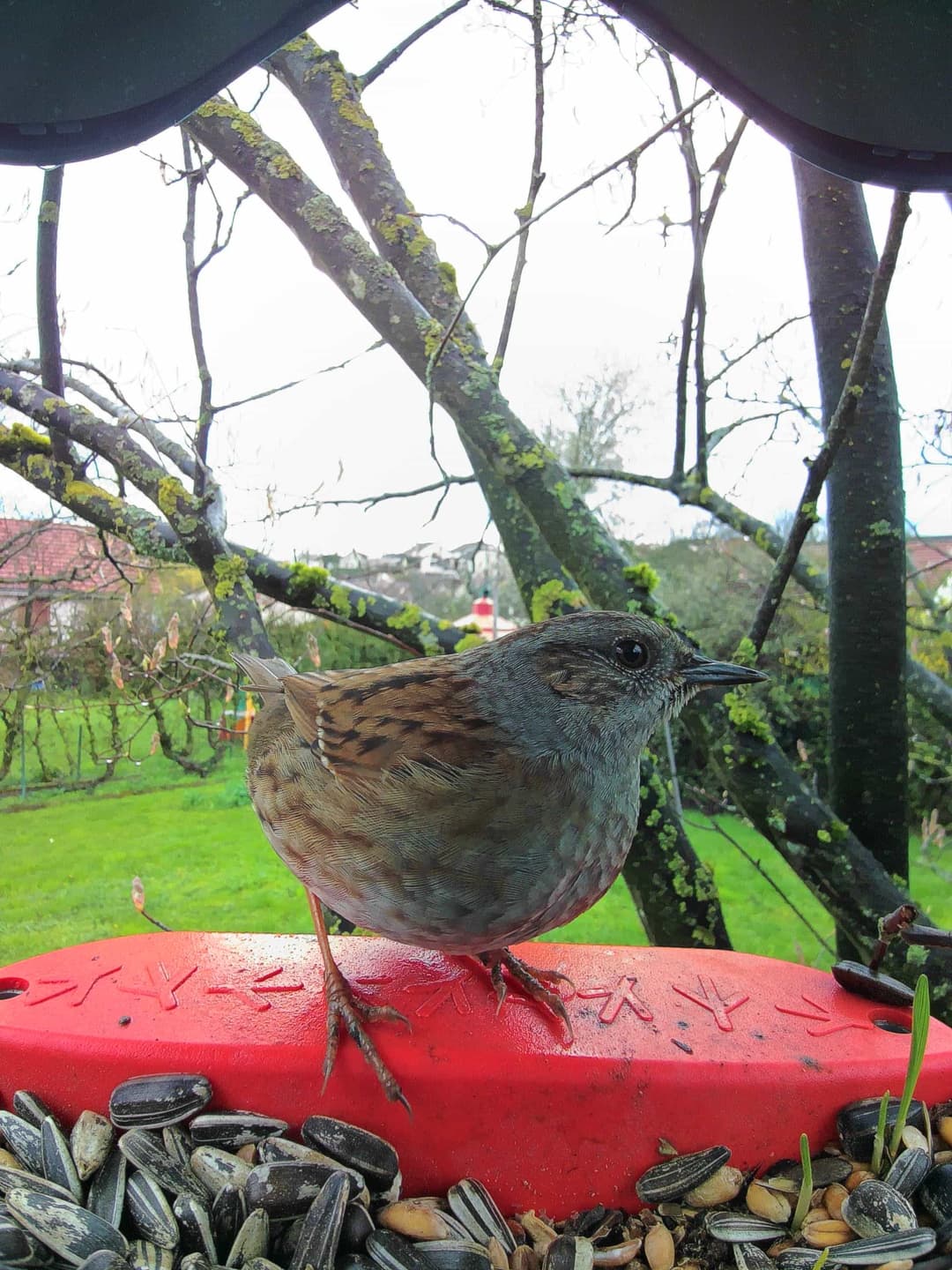
Eurasian Wren vs Dunnock
Wren vs [Select a bird]

[Select a bird]
Pick a bird to compare
Eurasian Wren vs [Select a bird]
[Select a bird]
Pick a bird to compare