Wren or Southern House Wren?
Here's how to tell the difference



Wren

Southern House Wren
Wren
Troglodytidae
General appearance
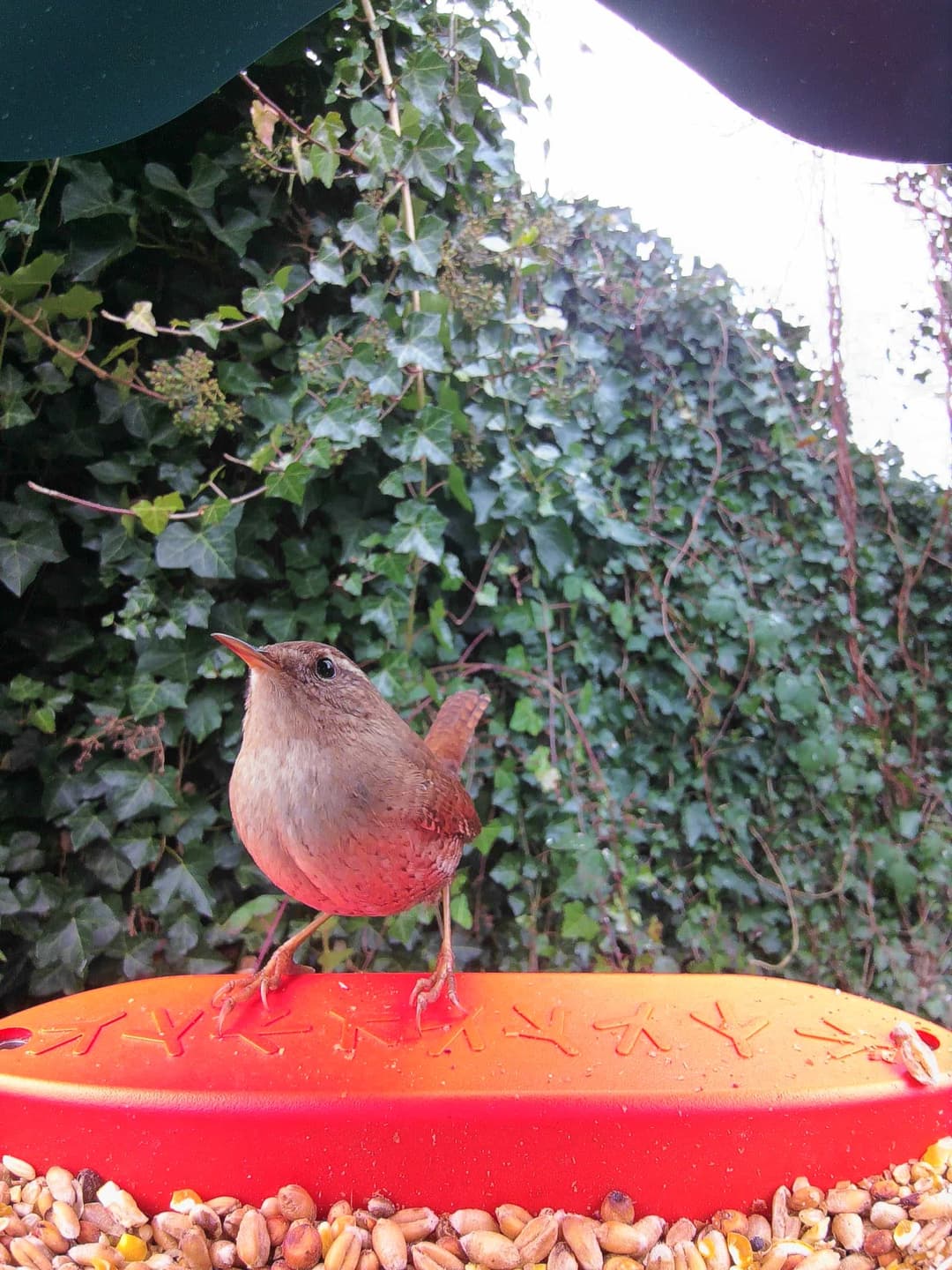
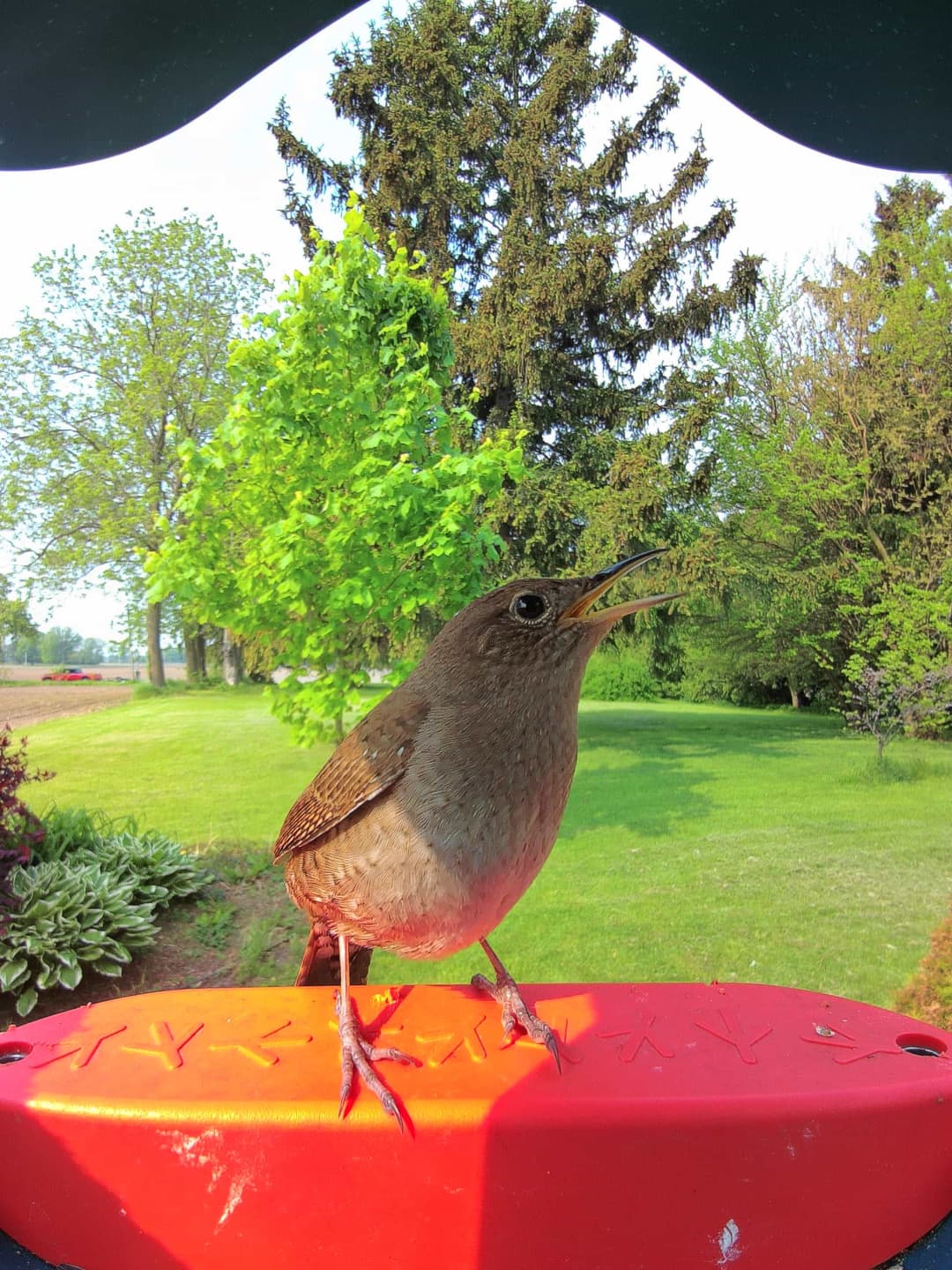
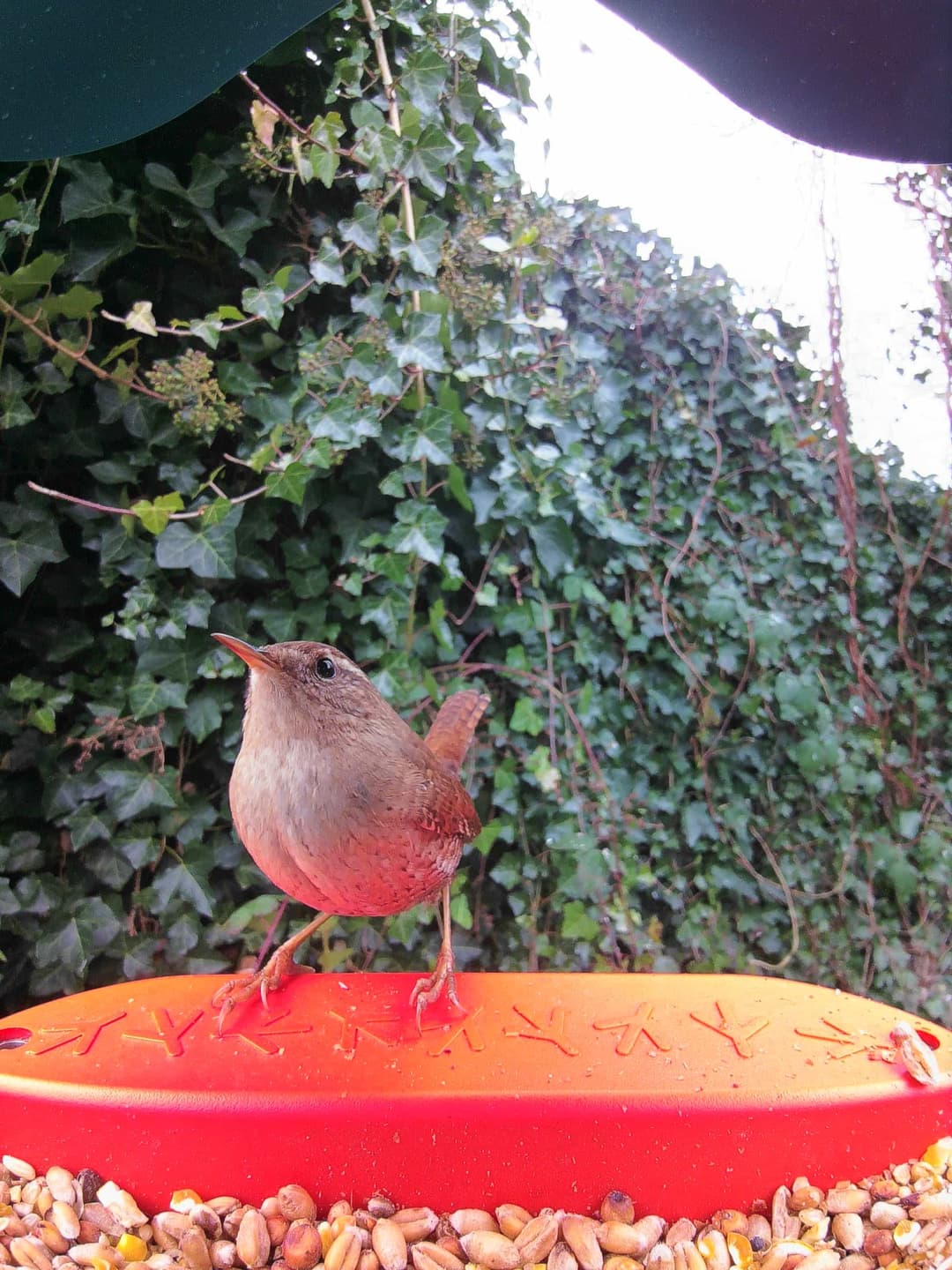
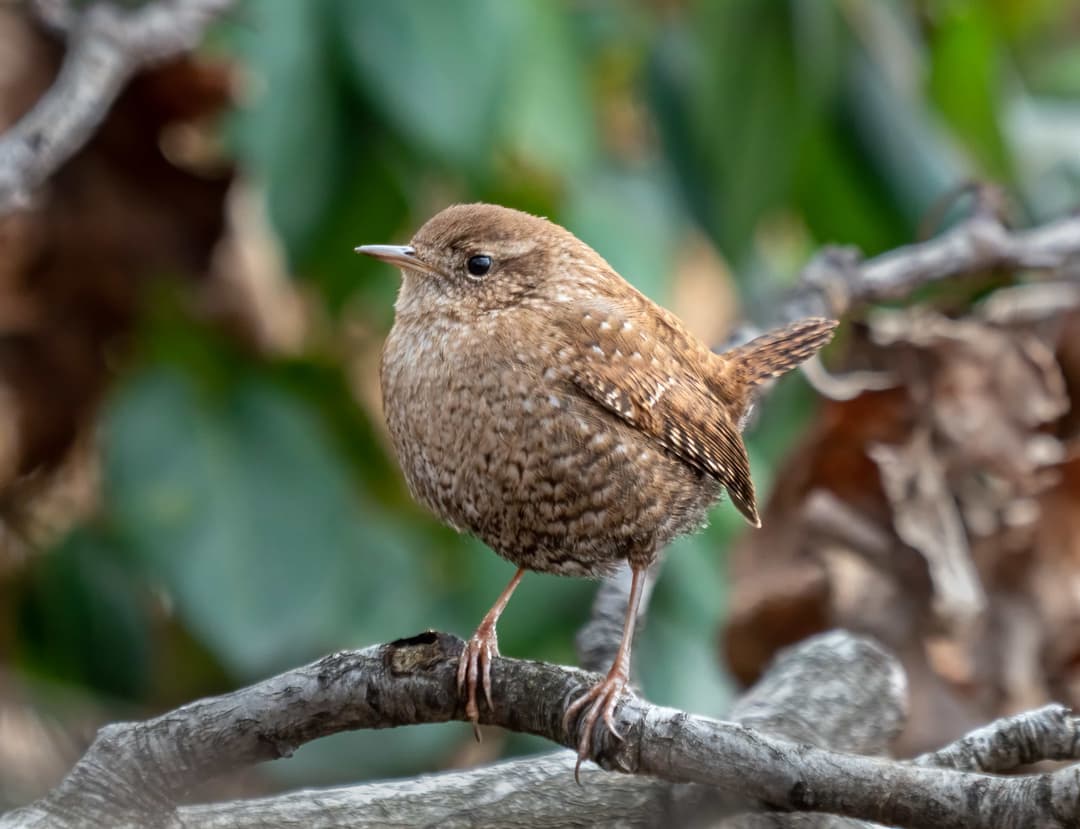
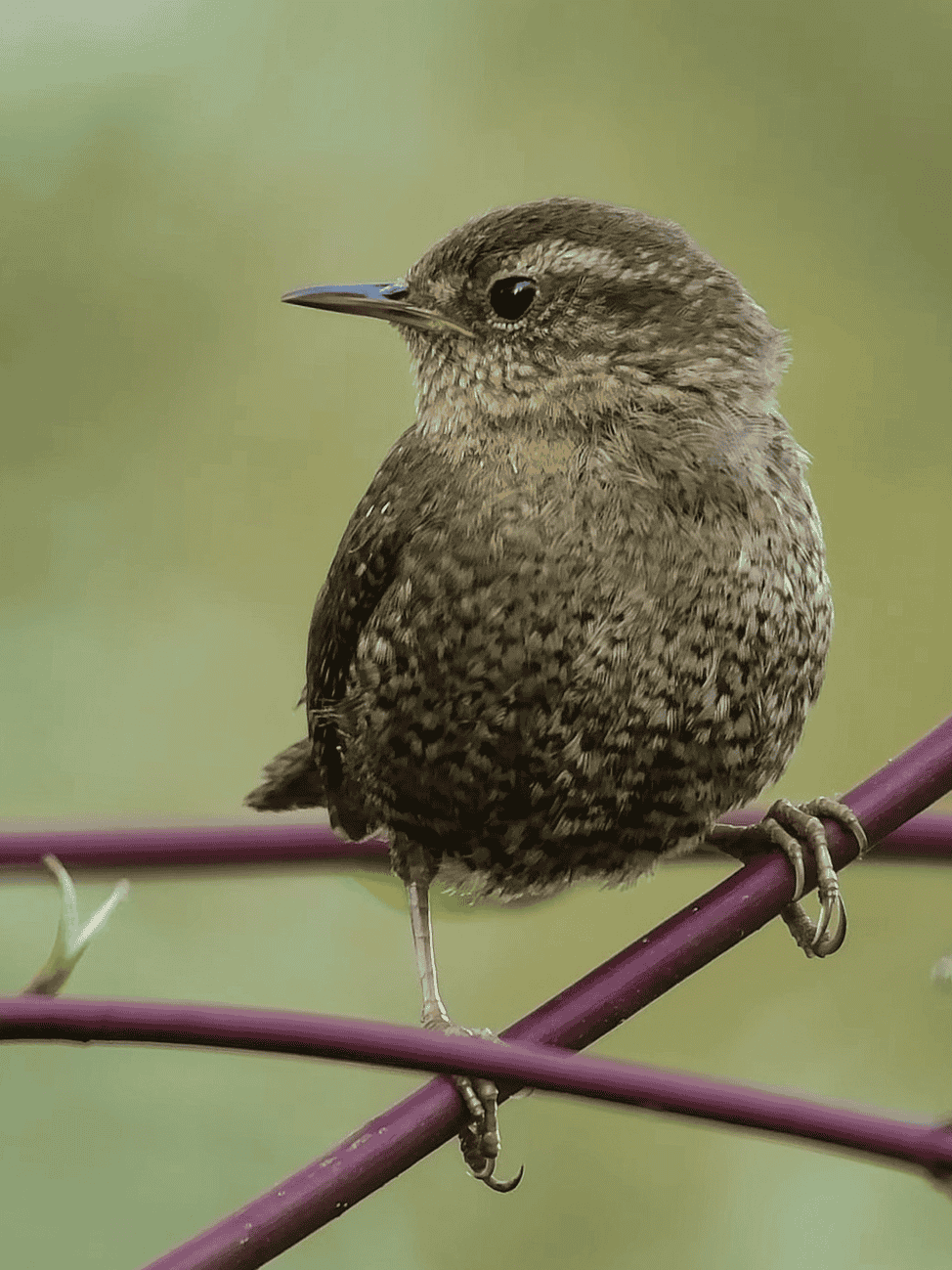
Wrens have a compact, robust body with a rounded shape and a long, thin, slightly curved beak. They tend to be predominantly brown, often with a darker hue on the upper body and lighter underneath. The wing and tail feathers are typically marked with thin, dark bars which serve as camouflage. The wren exhibits a unique, tail-up posture when alert.
Male vs female
Male and female wrens are very similar in appearance, with no significant sexual dimorphism. Both sexes possess similar plumage and size characteristics, thus using coloration or size for identification between male and female wrens would be ineffective. However, during the breeding season, males can be recognized by their complex, melodious song which helps to establish territories and attract females.
Juvenile
Juvenile wrens often have a lighter, more mottled coloration than adults, aiding in camouflage. Their beaks are shorter and their feathers less developed. However, they quickly grow to resemble the adults in size and color, making age determination difficult beyond the very early stages of development. Juveniles can also be identified by their behaviour, as they are less likely to hold territory and may form small, loose flocks.
Size
3.1 - 8.7 in/0.3 - 2.0 oz
There's more to learn about Wren
View full detailsSouthern House Wren
Troglodytes musculus
General appearance
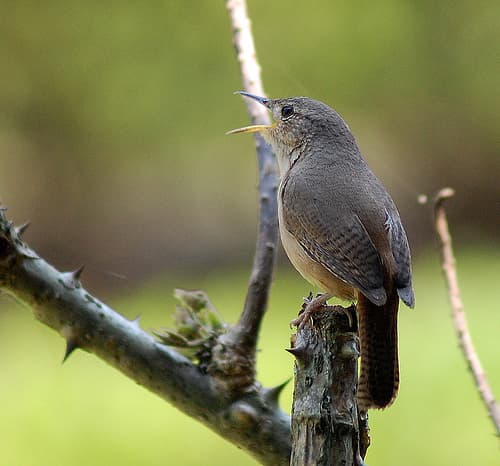
The Southern House Wren is a small, sturdy bird, measuring about 11 cm in length. It has brown plumage overall with a darker barring on the wings and tail. The abdomen is lighter with fine, dark barring. Its beak is long, thin, and slightly curved, with a pointed tip.
Male vs female
Sexes of the Southern House Wren are similar in plumage color and pattern. Both have brown bodies with dark barring, and a light belly. However, male wrens often appear slightly larger and may have a slightly brighter eye-ring.
Juvenile
Juvenile Southern House Wrens resemble adults but have softer, fluffier plumage, and their barring may be less distinct. They also have a faint eye-ring.
Size
3.9 - 4.7 in/0.4 oz
There's more to learn about Southern House Wren
View full detailsHow to tell the Wren from the Southern House Wren
Visual differences
The Wren and Southern House Wren differ visually in several ways. The Wren typically ranges from 3.1 to 8.7 inches in length and features a compact brown body with dark bars and a lighter underside. The Southern House Wren, consistently around 4.3 inches, also has brown plumage with darker barring on wings and tail, a lighter belly, and fine dark barring. Both have long, thin, slightly curved beaks. Juvenile Southern House Wrens display softer, fluffier plumage with a faint eye-ring. The Wren's range in size is greater, while Southern House Wrens are generally consistent in size.
Key differences and behavior
The Wren and Southern House Wren exhibit distinct behavioral differences. In terms of vocalization, both species are known for complex songs, but wrens are famous for duetting, while Southern House Wrens are particularly vocal during breeding, defending territories energetically. Habitat preferences differ; wrens are versatile, inhabiting varied climates and environments, including arid regions, while Southern House Wrens favor tropical, subtropical, and urban areas. In breeding, wrens engage in elaborate rituals with males building multiple nests for choice, whereas Southern House Wrens focus on energetic displays and nest in cavities or artificial sites like mailboxes. Diet-wise, both are insectivorous, but wrens are more likely to visit feeders, consuming suet and mealworms, while Southern House Wrens rarely do. In terms of size, wrens show a broad range (3-8.7 inches, 0.27-2 ounces), whereas Southern House Wrens are consistently smaller (3.9-4.7 inches, 0.35-0.42 ounces).
Still not sure? Here are more lookalikes!
Wren vs [Select a bird]

[Select a bird]
Pick a bird to compare
Southern House Wren vs [Select a bird]
[Select a bird]
Pick a bird to compare