Hoffmann's Woodpecker or Nuttall’s Woodpecker?
Here's how to tell the difference
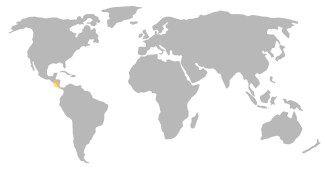

Hoffmann's Woodpecker
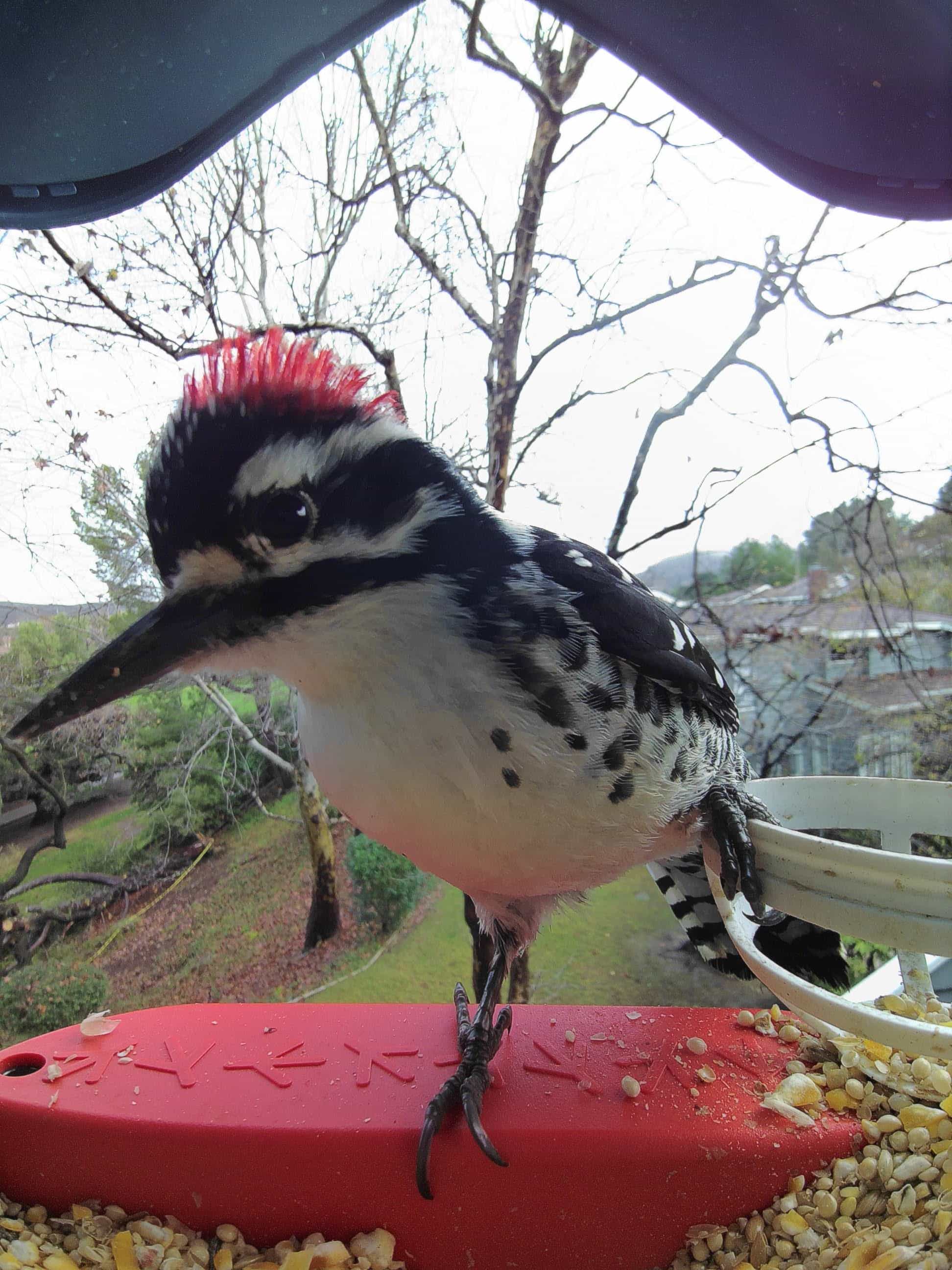


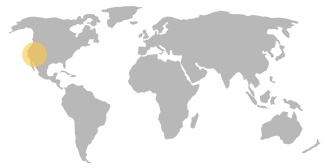
Nuttall’s Woodpecker
Hoffmann's Woodpecker
Melanerpes hoffmannii
General appearance
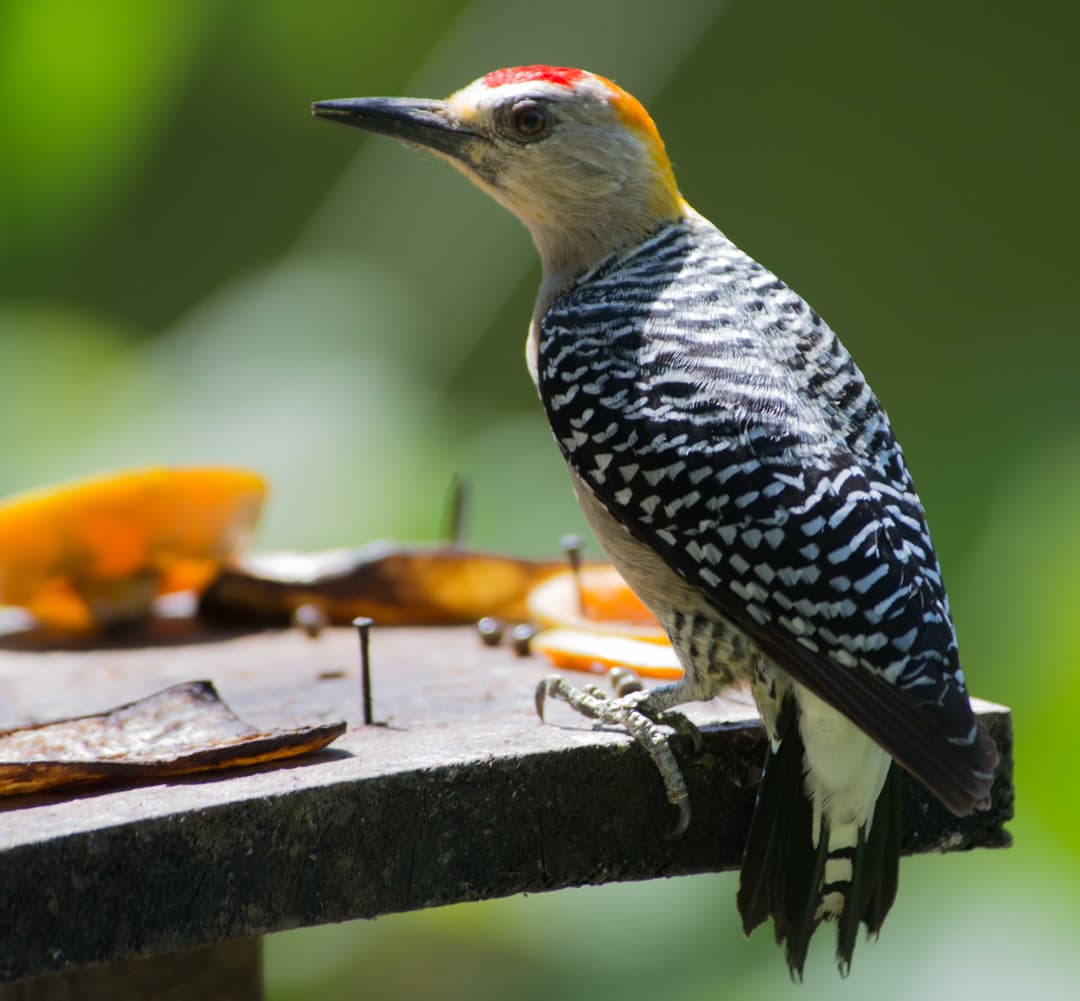
The Hoffmann's Woodpecker is a medium-sized bird with a distinctive black-and-white striped pattern on the head and wings. Its body is predominantly yellow, with a rich golden hue on the belly. Its main physical attributes are its stout body, pointed beak, short legs and an energetic bobbing movement.
Male vs female
Males and females of this species are very similar in appearance. The key difference lies in the head coloration. Males sport a vibrant red crown that is absent in females. The female's head is entirely black-and-white. Both sexes have white eyes, adding to their distinctive look.
Juvenile
Juveniles of this species look similar to adults but exhibit a slightly duller palette. Their belly region is more of a light yellowish shade as compared to the radiant gold of mature individuals. Juveniles also lack the red crown seen in adult males.
Size
7.5 - 8.3 in/2.2 - 3.0 oz
There's more to learn about Hoffmann's Woodpecker
View full detailsNuttall’s Woodpecker
Dryobates nuttallii
General appearance
The Nuttall's woodpecker is a small bird primarily black and white. It features a distinctive black and white barred pattern on its back and wings, while the underparts are white with subtle black streaks on the sides. The face has a black and white pattern, with a white stripe running below the eye. The small size and intricate patterning help distinguish it from other woodpecker species.
Male vs female
Males have a small red patch on the back of the head, which is absent in females. Females have a similar black and white barring and streaking pattern but lack the red coloring entirely. Both genders share the same habitat and range, making the red patch a key identifier for males.
Juvenile
Juveniles resemble adults but are generally duller in coloration. They may have some brownish tones in their plumage, and the streaking on the underparts is less defined. Juvenile males might show a smaller or more indistinct red patch compared to adult males. As they mature, their plumage becomes more vivid and defined.
Size
6.3 - 7.1 in/1.1 - 1.7 oz
There's more to learn about Nuttall’s Woodpecker
View full detailsHow to tell the Hoffmann's Woodpecker from the Nuttall’s Woodpecker
Visual differences
Hoffmann's Woodpecker, at 7.5-8.3 inches and 2.2-3 ounces, is larger than Nuttall's Woodpecker, which is 6.3-7.1 inches and 1.1-1.7 ounces. Hoffmann's features a golden-yellow belly and black-and-white striped pattern, while Nuttall's has a barred black-and-white back and subtle black streaks on white underparts. Males of both species have red crowns, but Hoffmann's is more vibrant. Hoffmann's has a stout body and pointed beak, whereas Nuttall's is smaller with intricate head patterning.
Key differences and behavior
Hoffmann's and Nuttall's Woodpeckers exhibit distinct behavioral traits. Hoffmann's Woodpecker, inhabiting Central America's dry forests and gardens, is adaptable, using both natural and man-made structures for nesting. They exhibit cooperative nesting and share family duties equally. Their diet consists of insects and fruits, often seen at feeders consuming suet and seeds. In contrast, Nuttall's Woodpecker is endemic to oak and varied Californian woodlands, showing strong site fidelity. They maintain pair bonds year-round, with males undertaking most nesting excavation in live or dead trees. Insectivorous, they occasionally consume plant materials but rarely acorns, despite living in oak habitats. At feeders, they prefer suet and sunflower seeds. While Hoffmann's displays notable adaptability and cooperative breeding, Nuttall's highlights site specificity and individual excavation efforts. Hoffmann's tends to utilize more varied environments, while Nuttall's is closely tied to its oak woodland roots.
Still not sure? Here are more lookalikes!
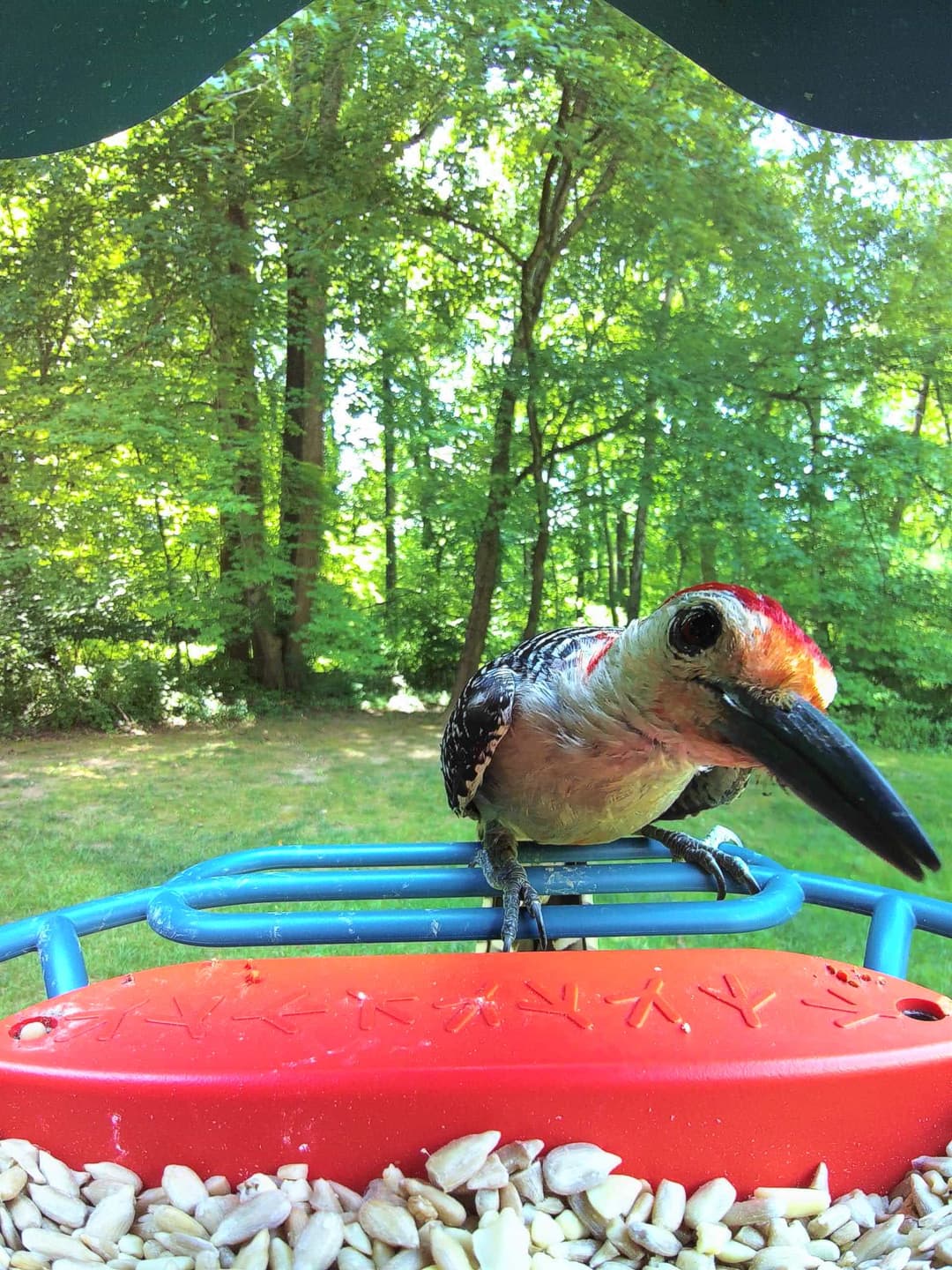
Hoffmann's Woodpecker vs Red-Bellied Woodpecker
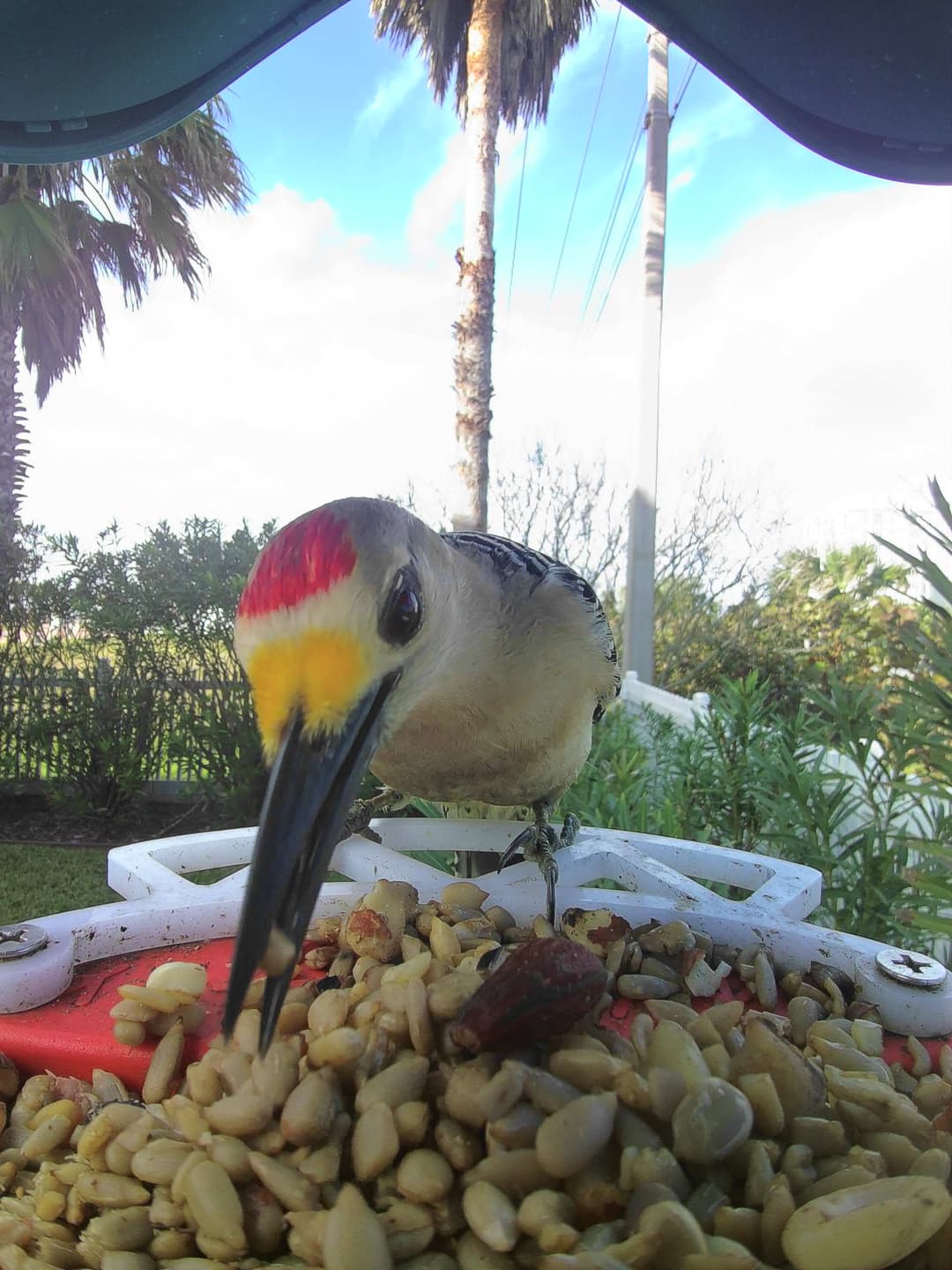
Hoffmann's Woodpecker vs Golden-Fronted Woodpecker
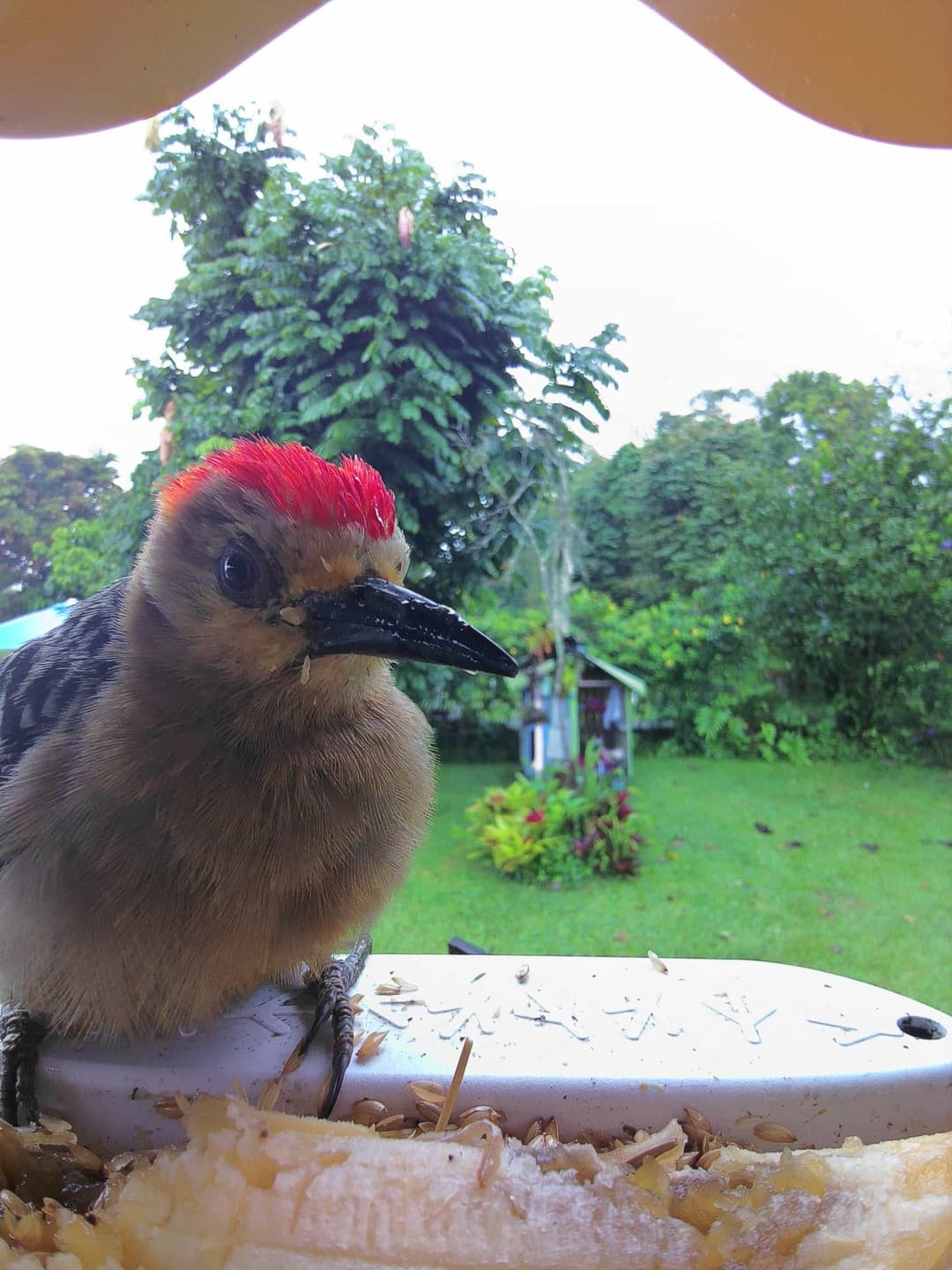
Hoffmann's Woodpecker vs Red-Crowned Woodpecker
Hoffmann's Woodpecker vs Ladder-Backed Woodpecker
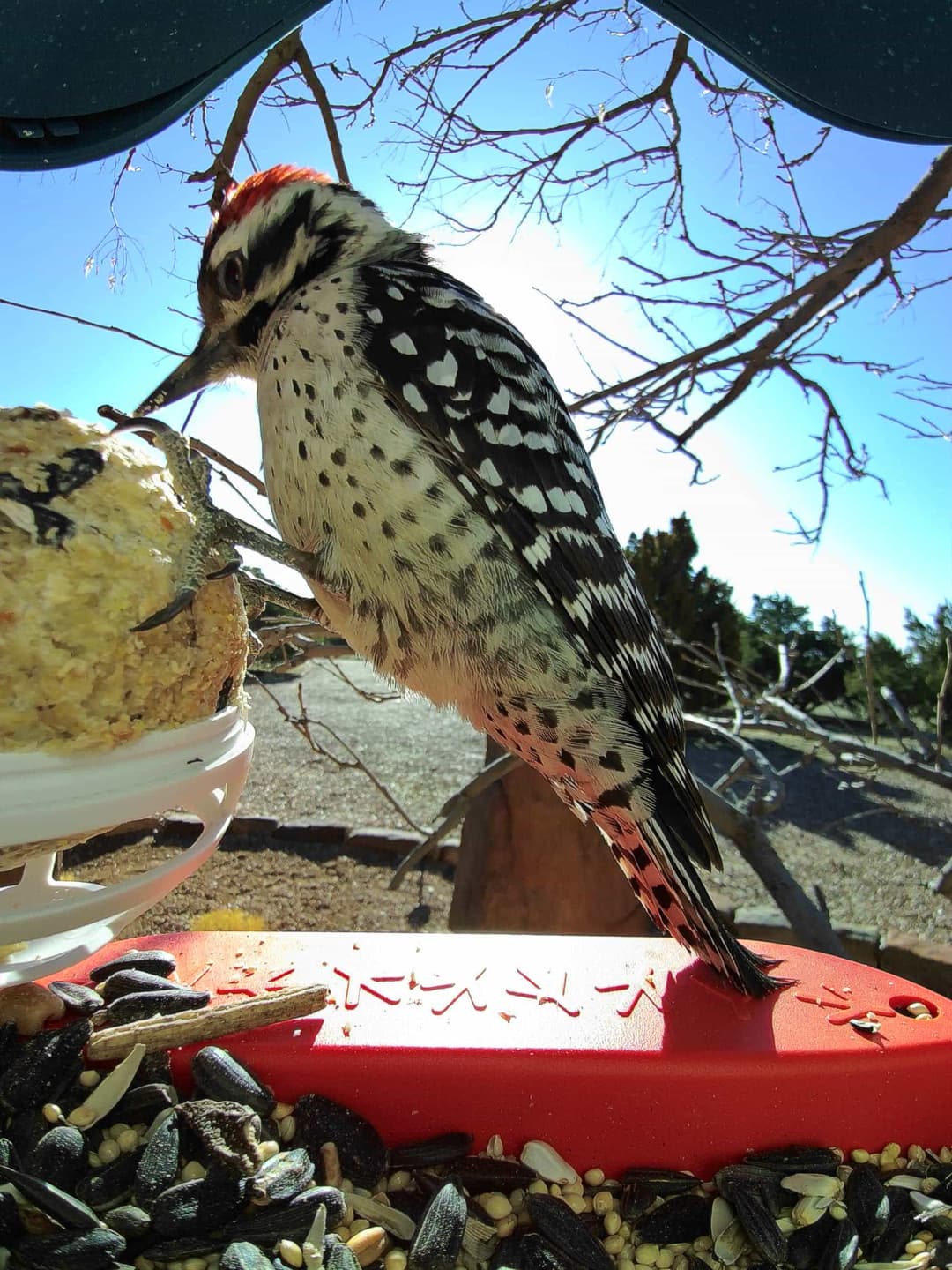
Nuttall’s Woodpecker vs Ladder-Backed Woodpecker
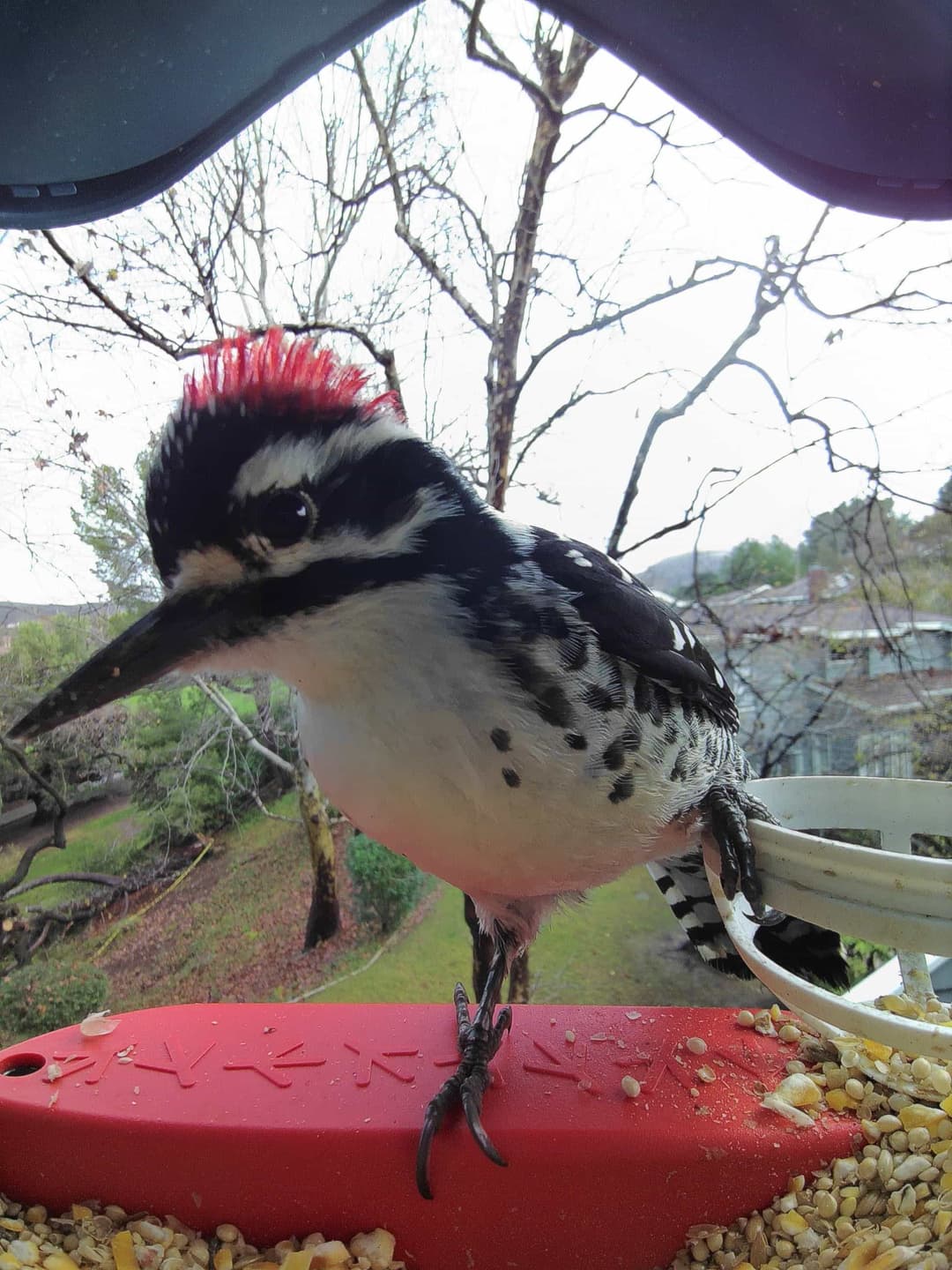
Nuttall’s Woodpecker vs Downy Woodpecker
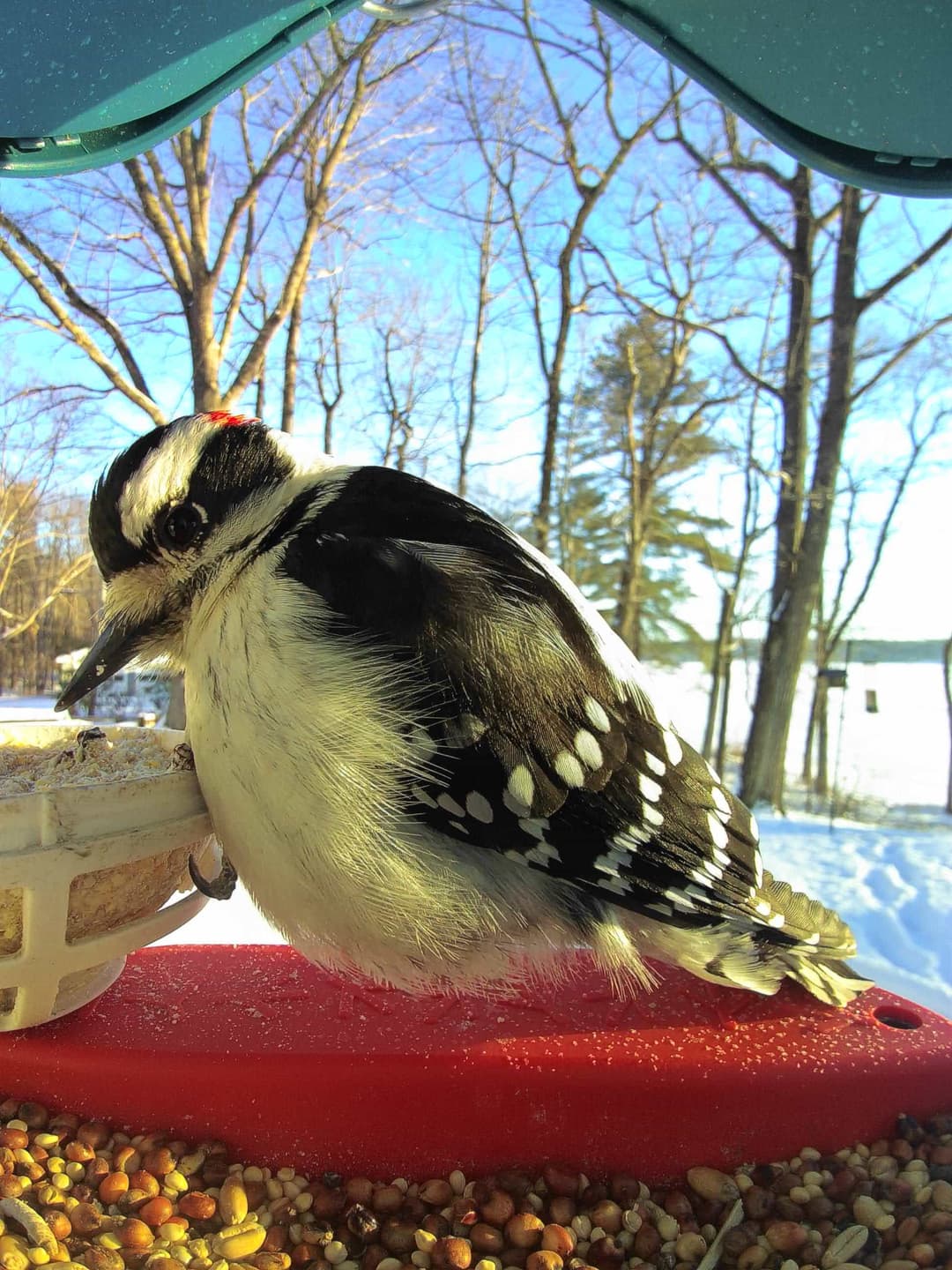
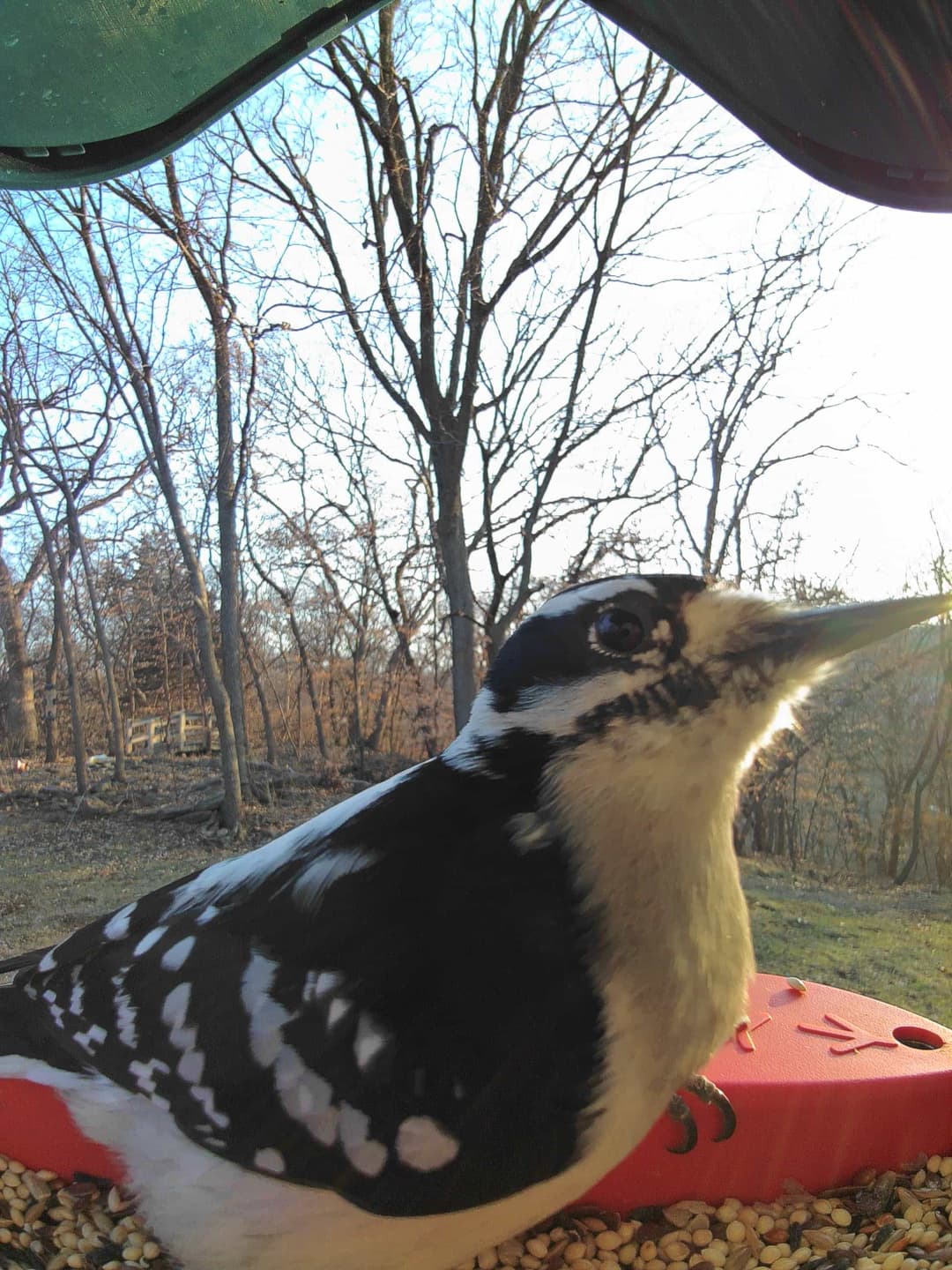
Hoffmann's Woodpecker vs [Select a bird]

[Select a bird]
Pick a bird to compare
Nuttall’s Woodpecker vs [Select a bird]
[Select a bird]
Pick a bird to compare