Black-Throated Finch or House Finch?
Here's how to tell the difference

Black-Throated Finch


House Finch
Black-Throated Finch
Poephila cincta
Also known as: Parson Finch
General appearance
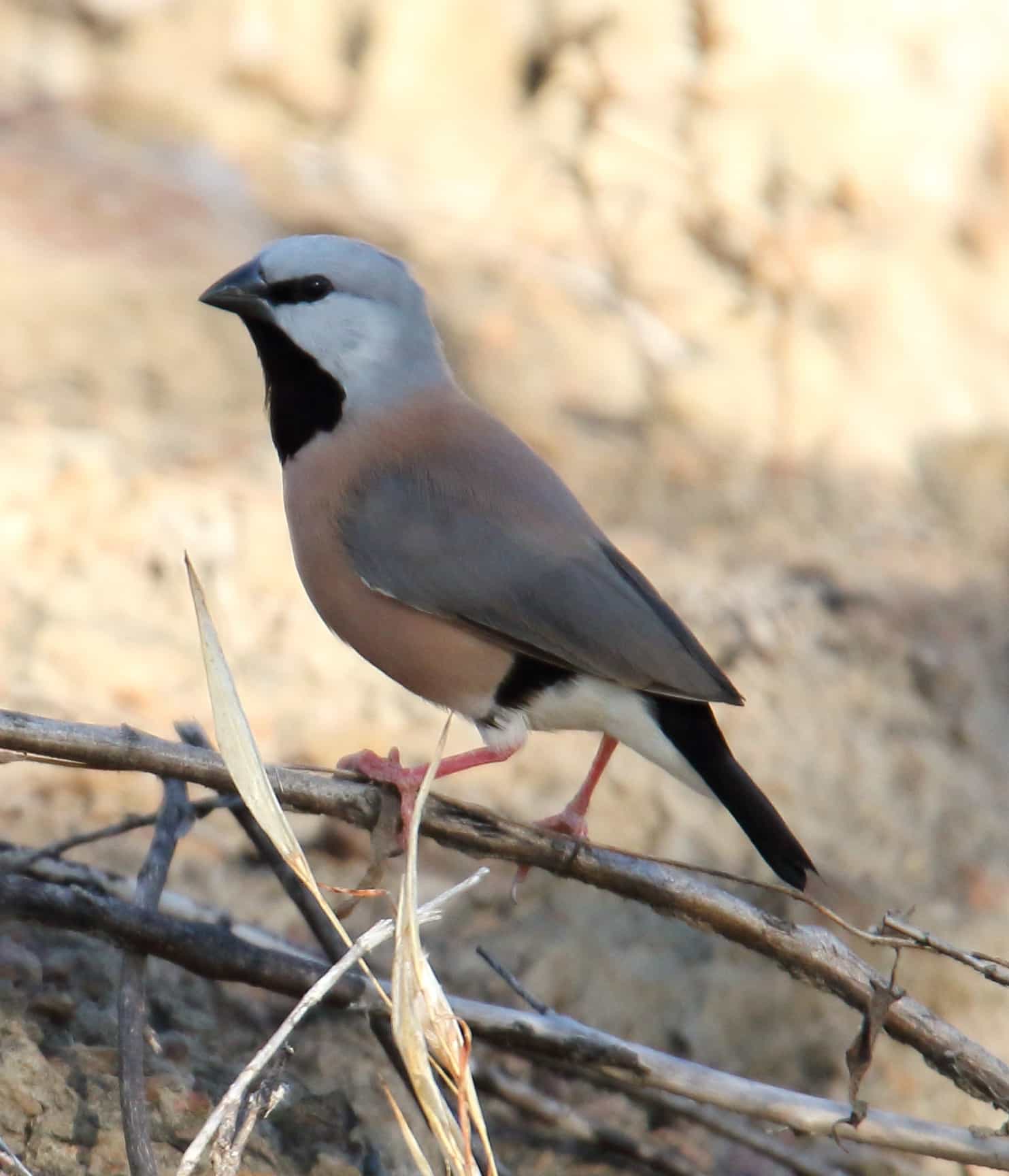
The black-throated finch is a small, robust bird, often ranging from 12–14 cm in length. It has a pointed beak and a distinctive black throat and facial mask. The bird’s upper body is greyish-brown, while its underbody is white. It also has white spots on its rump and undertail. The bird’s eyes are dark brown.
Male vs female
Males and females have minor differences in coloration. While both sexes share the species’ trademark black throat, the males often have a more pronounced and extensive black mask. Males also exhibit a darker greyish-brown coloration on the upper body and more pronounced white spots on the rump and undertail compared to females, which are lighter and less distinctive in their markings.
Juvenile
Juveniles differ from the adults and are duller in appearance. They do not develop the black throat and mask until they mature. Young black-throated finches are predominantly brown and lack the distinctive white spots on the rump and undertail. As the bird matures, it will gradually gain its adult coloration.
Size
3.9 - 4.5 in/0.5 - 0.6 oz
There's more to learn about Black-Throated Finch
View full detailsHouse Finch
Haemorhous mexicanus
General appearance
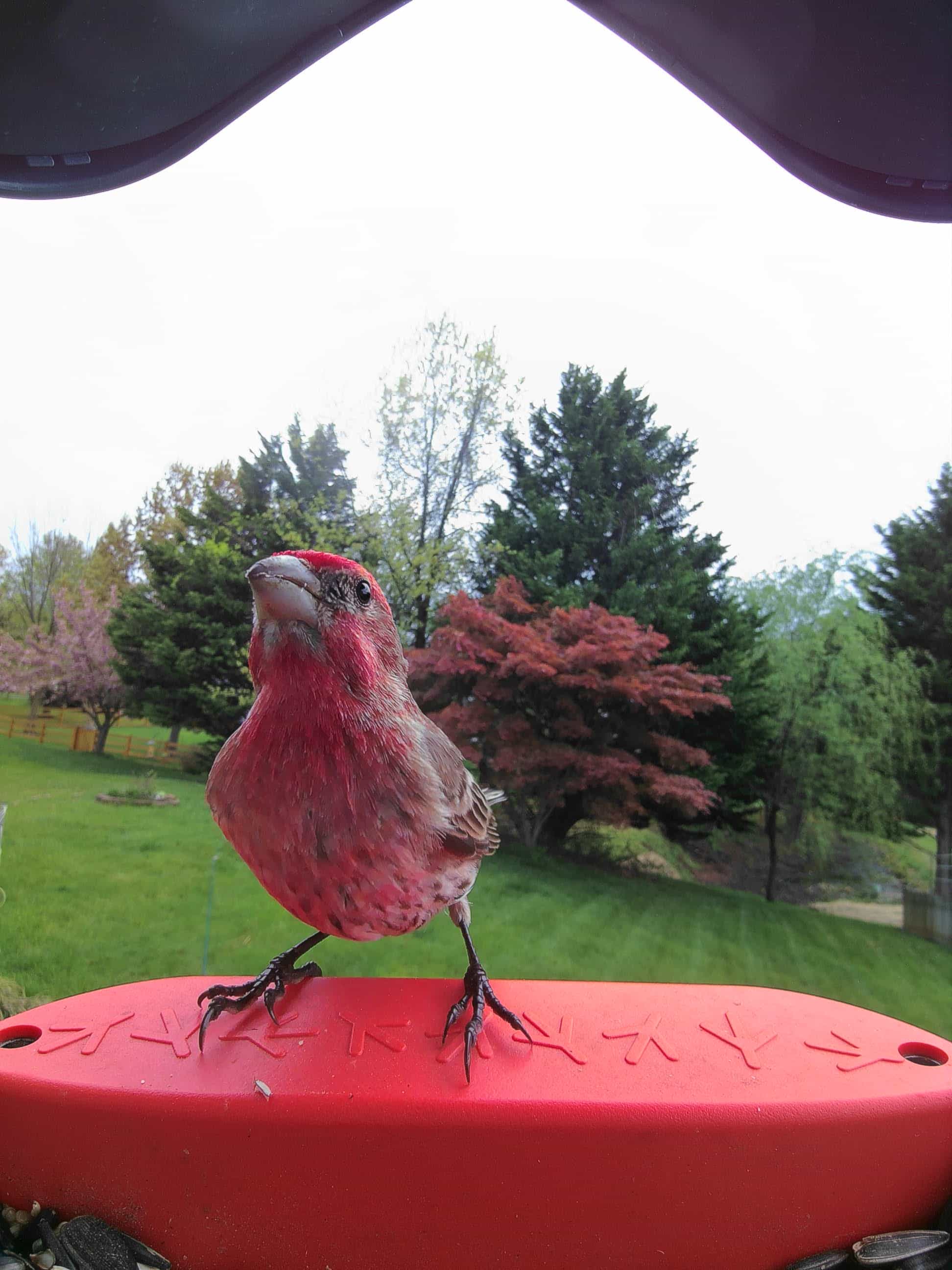
House finches are about the size of a sparrow at 5-6 inches long (13-15 cm). They possess a rounded wing shape and a notched, square-tipped tail. The prominent colorations include brown, orange, red, and white. Their underparts are pale with blurry stripes all over, and sides feature dark stripes.
Male vs female
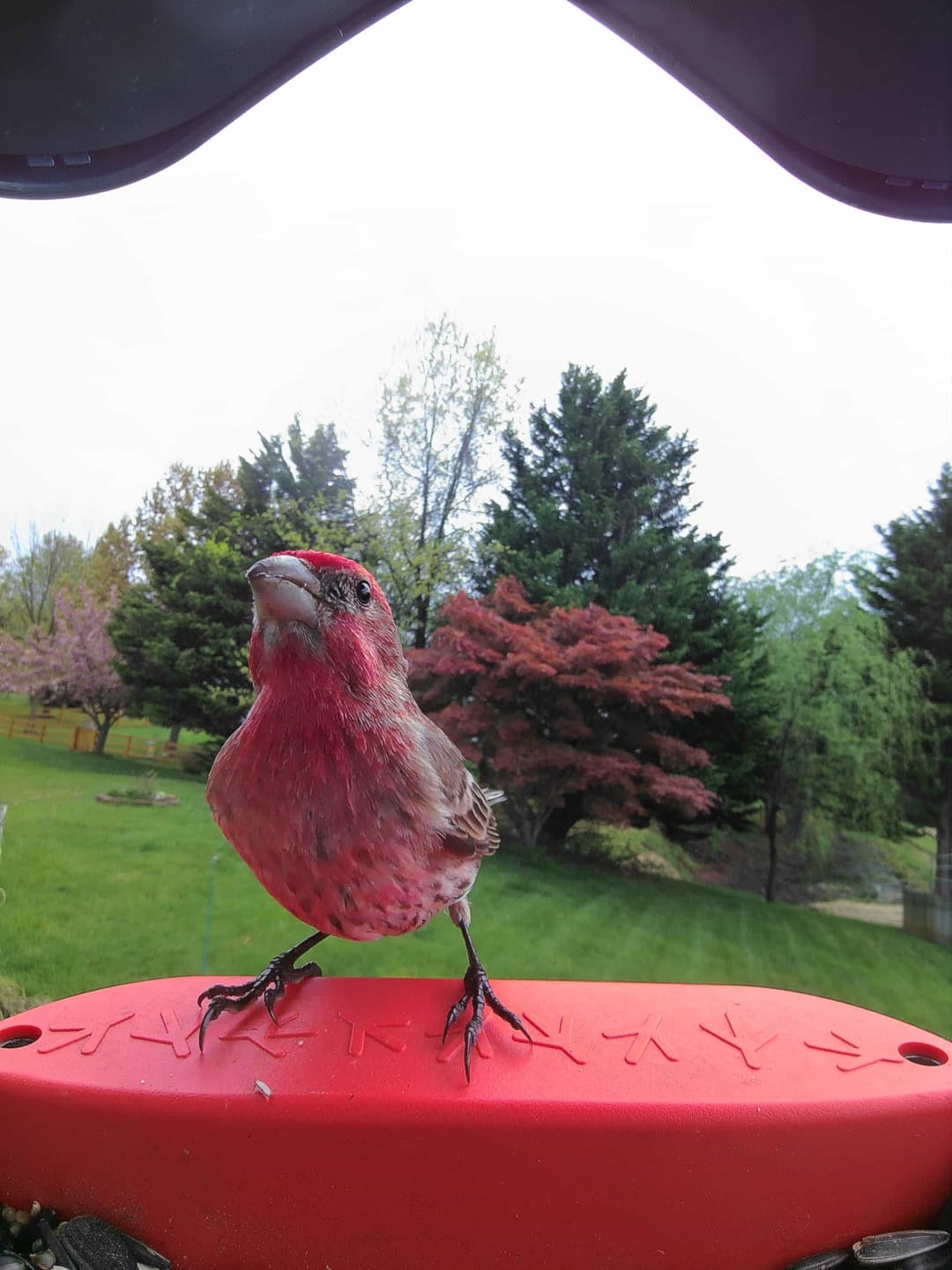
Female and young house finches flaunt a rather plain brown face, creating a stark contrast with the males who showcase a red eyebrow and forehead that contrasts with a brown cap. The males also have a red throat and chest, with their lower underparts being whitish. The red coloration in some males can be replaced by orange or yellow which adds to their distinctive appearance.
Juvenile
Young house finches, similar to females, display a plain brown face. However, they display sharper stripes all over their pale underparts. This provides a distinctive mark to identify juveniles from adults. These birds also lack the stripes of house sparrows and different patterns of native sparrows.
Size
4.9 - 5.9 in/0.7 - 0.8 oz
There's more to learn about House Finch
View full detailsHow to tell the Black-Throated Finch from the House Finch
Visual differences
The Black-Throated Finch is smaller (4.7-5.5 inches) than the House Finch (5-6 inches). It features a distinctive black throat and facial mask, greyish-brown upper body, and white underbody. The House Finch is more colorful, exhibiting red, orange, or yellow on the males' brow, forehead, throat, and chest. Both sexes have brown streaking on pale underparts. The House Finch has a rounded wing shape and notched square-tipped tail, while the Black-Throated Finch has a pointed beak and white spots on its rump and undertail.
Key differences and behavior
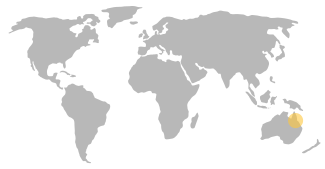
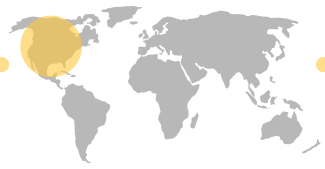
The Black-Throated Finch and House Finch exhibit distinct behaviors and ecological preferences. Black-Throated Finches, native to Eastern Northern Australia, prefer open woodlands and savannahs, often nesting near water. They form sociable groups and engage in mutual preening during courtship. Their diet primarily consists of grass seeds and insects, especially during breeding. In contrast, House Finches, originally from North America's semi-open areas, have adapted to urban and suburban settings, avoiding dense forests. They are fond of vegetable matter, like weed seeds and fruits, and exhibit notable site fidelity, remembering food sources. House Finches form pairs within flocks, continuing partnerships year-round, with males feeding females during courtship and incubation. Both species frequent bird feeders, enjoying similar seed blends, but Black-Throated Finches are more opportunistic, consuming a broader range of seeds and insects.
Still not sure? Here are more lookalikes!

House Finch vs Purple Finch
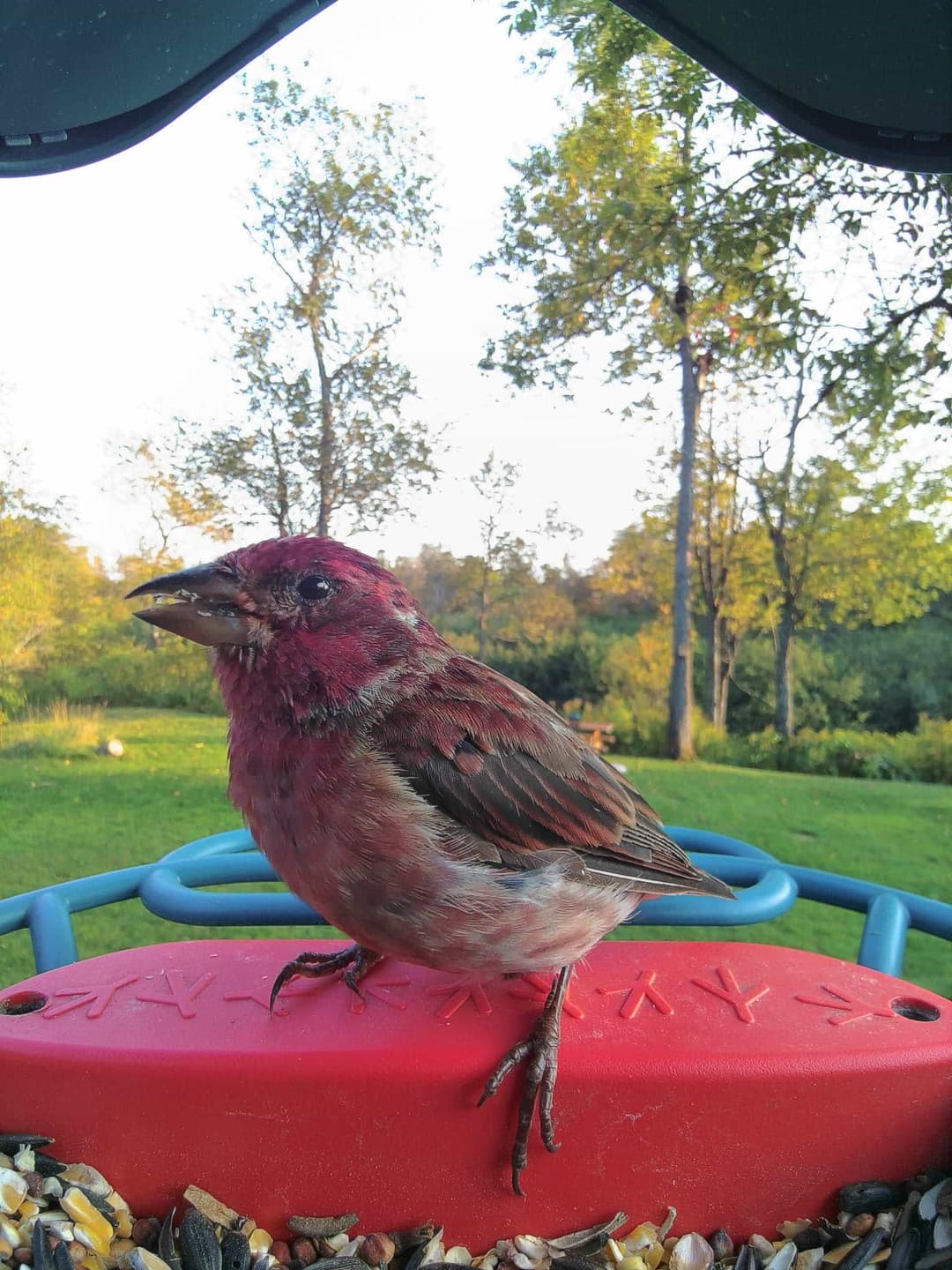
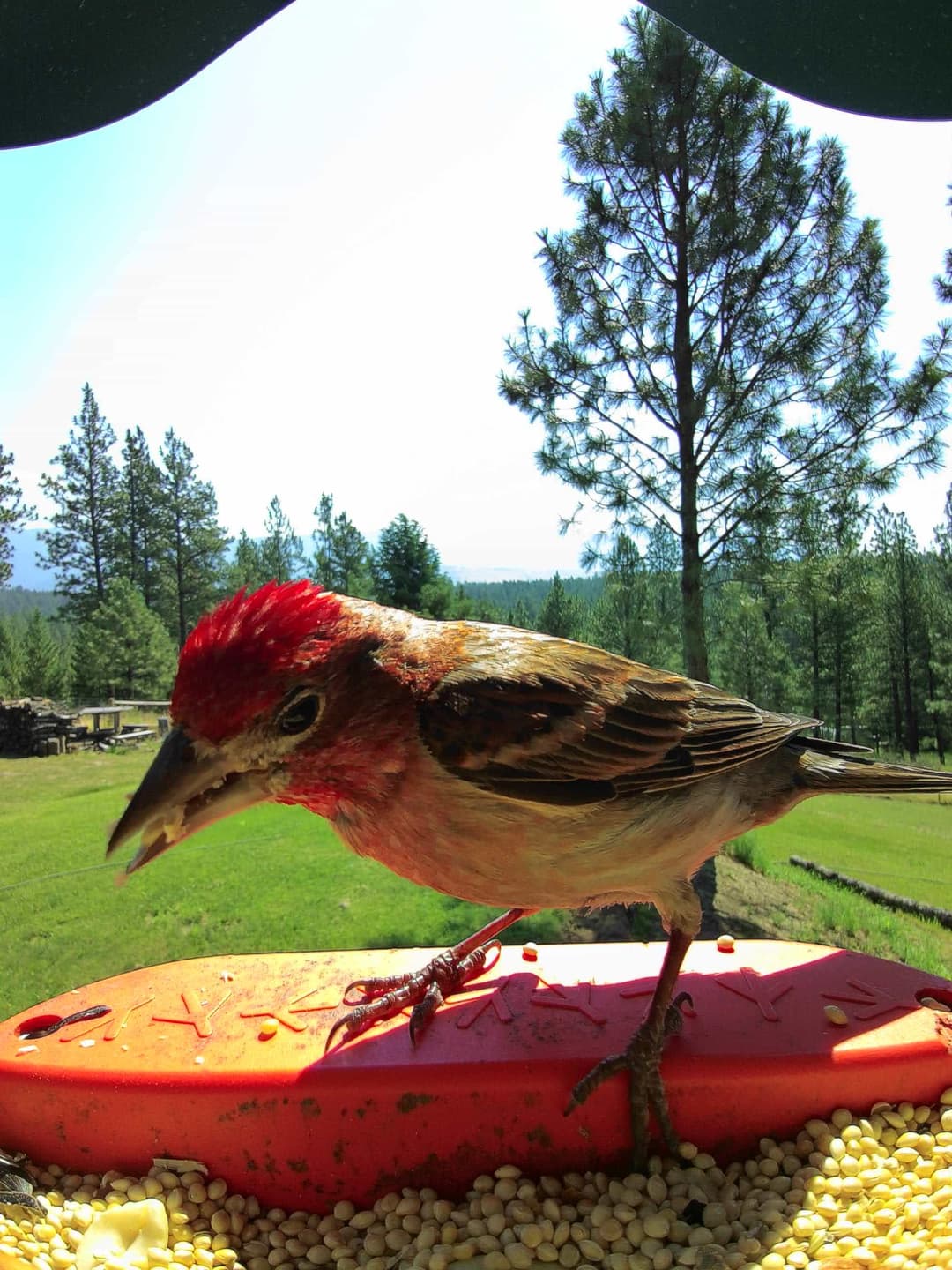
House Finch vs Cassin’s Finch
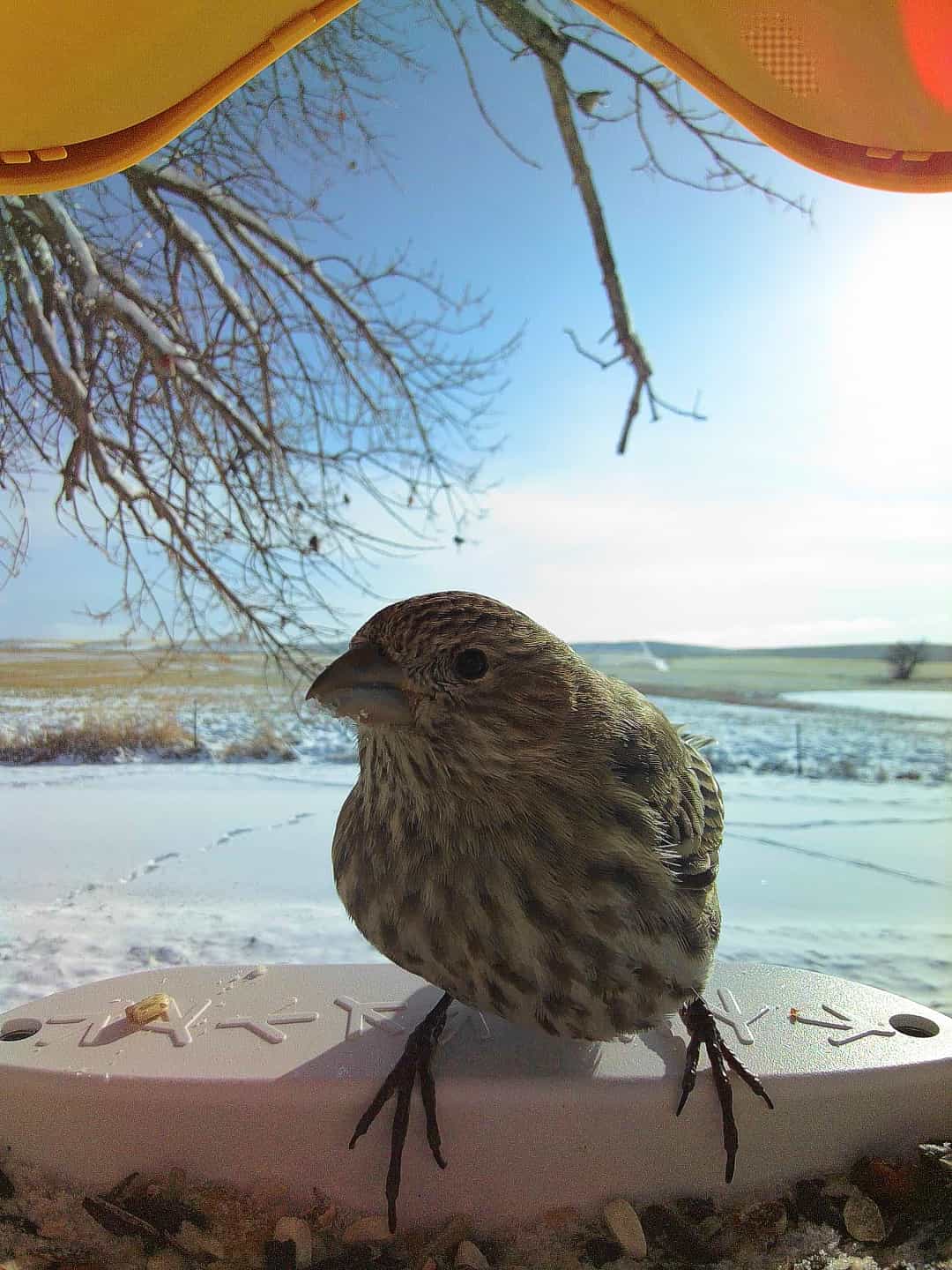
House Finch vs Pine Siskin
Black-Throated Finch vs [Select a bird]

[Select a bird]
Pick a bird to compare
House Finch vs [Select a bird]
[Select a bird]
Pick a bird to compare