Brown Creeper or Black-and-White Warbler?
Here's how to tell the difference


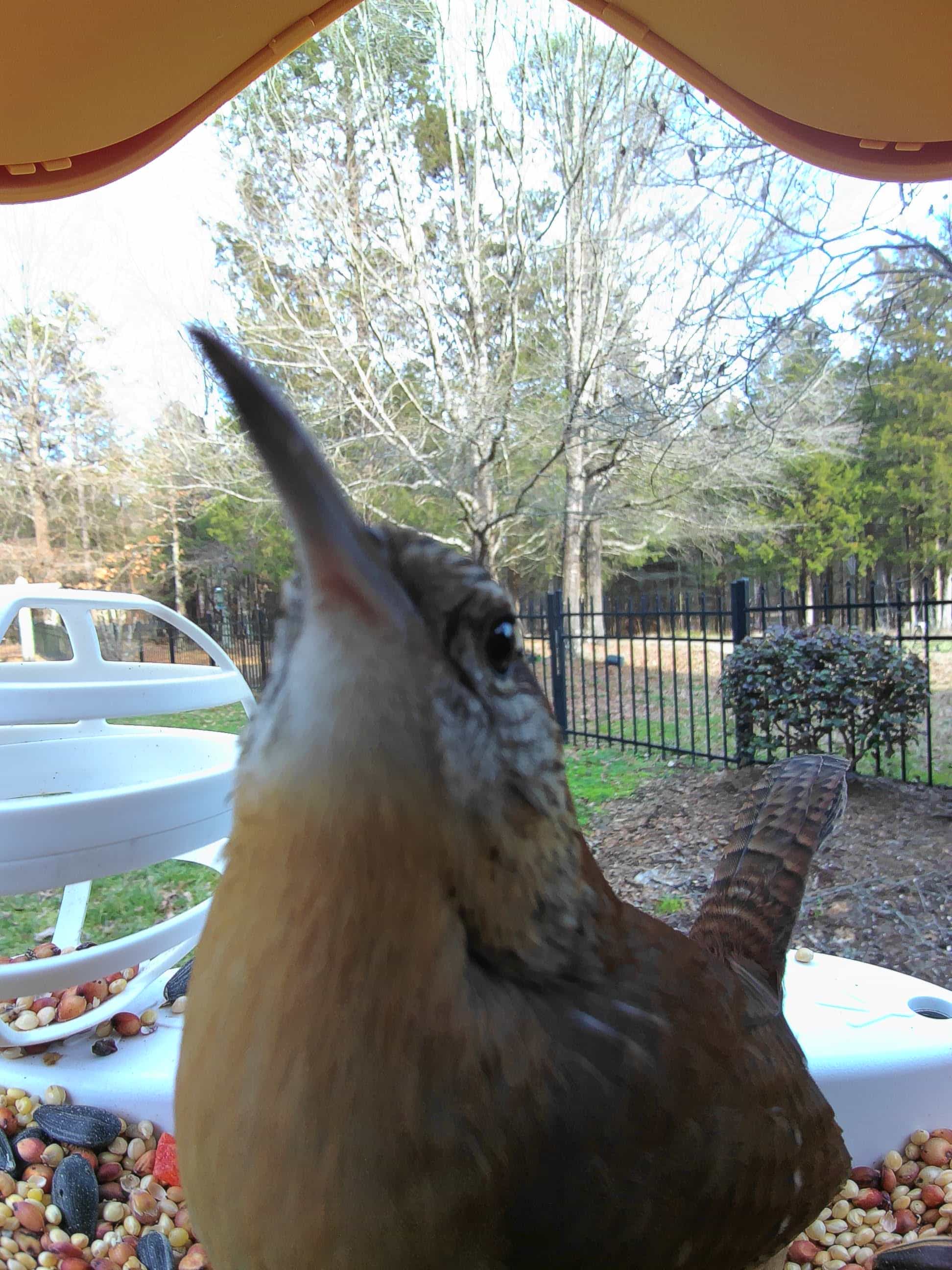


Brown Creeper


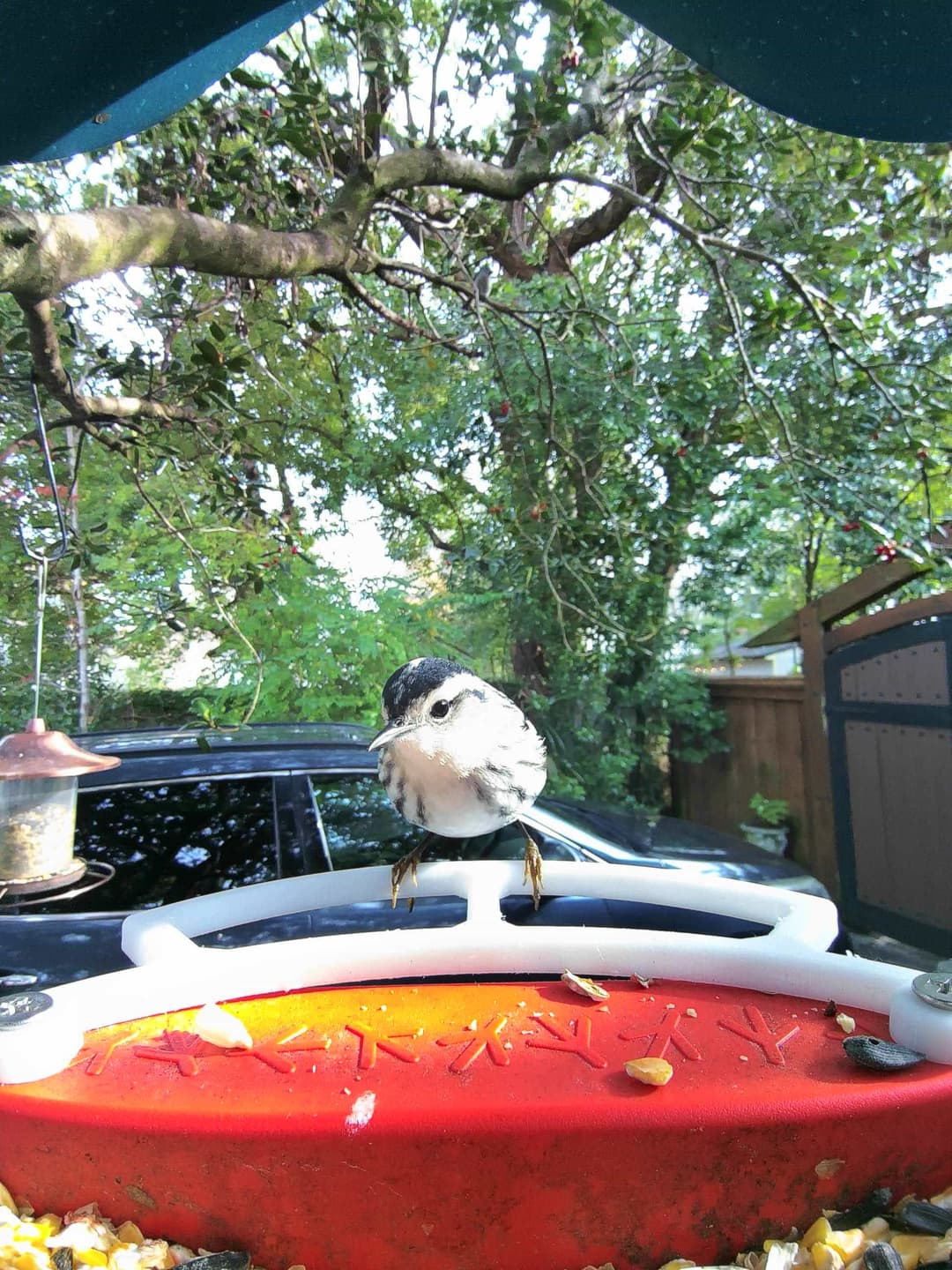
Black-and-White Warbler
Brown Creeper
Certhia americana
Also known as: American Treecreeper
General appearance
The brown creeper is a small, slender bird with a distinctive brown, streaked back that camouflages against tree bark. Its underparts are white, enhancing its visibility when viewed from below. The bird has a curved, slender bill that assists in extracting insects from bark crevices, and a long, stiff tail that helps it balance as it creeps along trunks.
Male vs female
There is no significant visual difference between male and female brown creepers. Both sexes share similar size, plumage, and coloration, making them difficult to distinguish in the field. Their behavior and vocalizations rather than appearance are often used to tell them apart, especially during mating season.
Juvenile
Juvenile brown creepers resemble adults but can be slightly fluffier with somewhat duller plumage. They lack the full differentiation and crispness of adult feather patterns, and may have slightly shorter bills compared to adults. As they mature, their plumage sharpens and gains the distinct streaking characteristic of adult birds.
Size
4.7 - 5.3 in/0.2 - 0.4 oz
There's more to learn about Brown Creeper
View full detailsBlack-and-White Warbler
Mniotilta varia
General appearance
The black-and-white warbler is about the size of a sparrow, around 13 cm. Its body is marked by bold stripes, prominent of which is a white central crown stripe. Black streaks further adorn its back and sides. Its wings are rounded while the tail exhibits a notched, rounded, or square-tipped shape. Its distinguishing behaviour is tree-creeping, much like that of a nuthatch.
Male vs female
There is a nonpareil characteristic between male and female black-and-white warblers. The adult male is distinguishable by its black throat and cheeks. On the other hand, the female is less bold, with a paler or whitish throat and cheeks.
Juvenile
Juveniles of this species closely resemble adult females, as they possess paler or whitish coloration on their throats and cheeks. They gain adult-like plumage as they mature, but it is paler and less distinctive than that of mature males.
Size
4.3 - 5.1 in/0.3 - 0.5 oz
There's more to learn about Black-and-White Warbler
View full detailsHow to tell the Brown Creeper from the Black-and-White Warbler
Visual differences
The Brown Creeper (4.7-5.3 inches, 0.25-0.35 ounces) has a slender body, brown streaked back, white underparts, curved bill, and stiff tail for tree trunk creeping. In contrast, the Black-and-White Warbler (4.3-5.1 inches, 0.28-0.53 ounces) is slightly stockier, featuring bold black-and-white stripes, a white crown stripe, and a notched tail. Males have a black throat and cheeks, while females are paler. The Creeper's subtle coloration aids camouflage, whereas the Warbler's stark stripes make it more conspicuous. Both species exhibit tree-creeping behaviors.
Key differences and behavior
The Brown Creeper and Black-and-White Warbler exhibit distinct behaviors and habitat preferences. Brown Creepers are adept at camouflaging on tree bark, feeding primarily on insects within mature forests, using their curved bill and stiff tail for climbing. Their nests are typically behind bark slabs, with the male marking territory through song and flight. In contrast, the Black-and-White Warbler, known for its aggression, inhabits dry, rocky forests, often seen creeping along tree trunks. It feeds on a similar insect diet but is less likely to visit feeders. The Warbler nests on or near the ground, with males arriving early to establish territories. Both species consume insects but differ in their nesting habits and habitat use, with creepers preferring higher nesting locations while warblers nest low.
Still not sure? Here are more lookalikes!
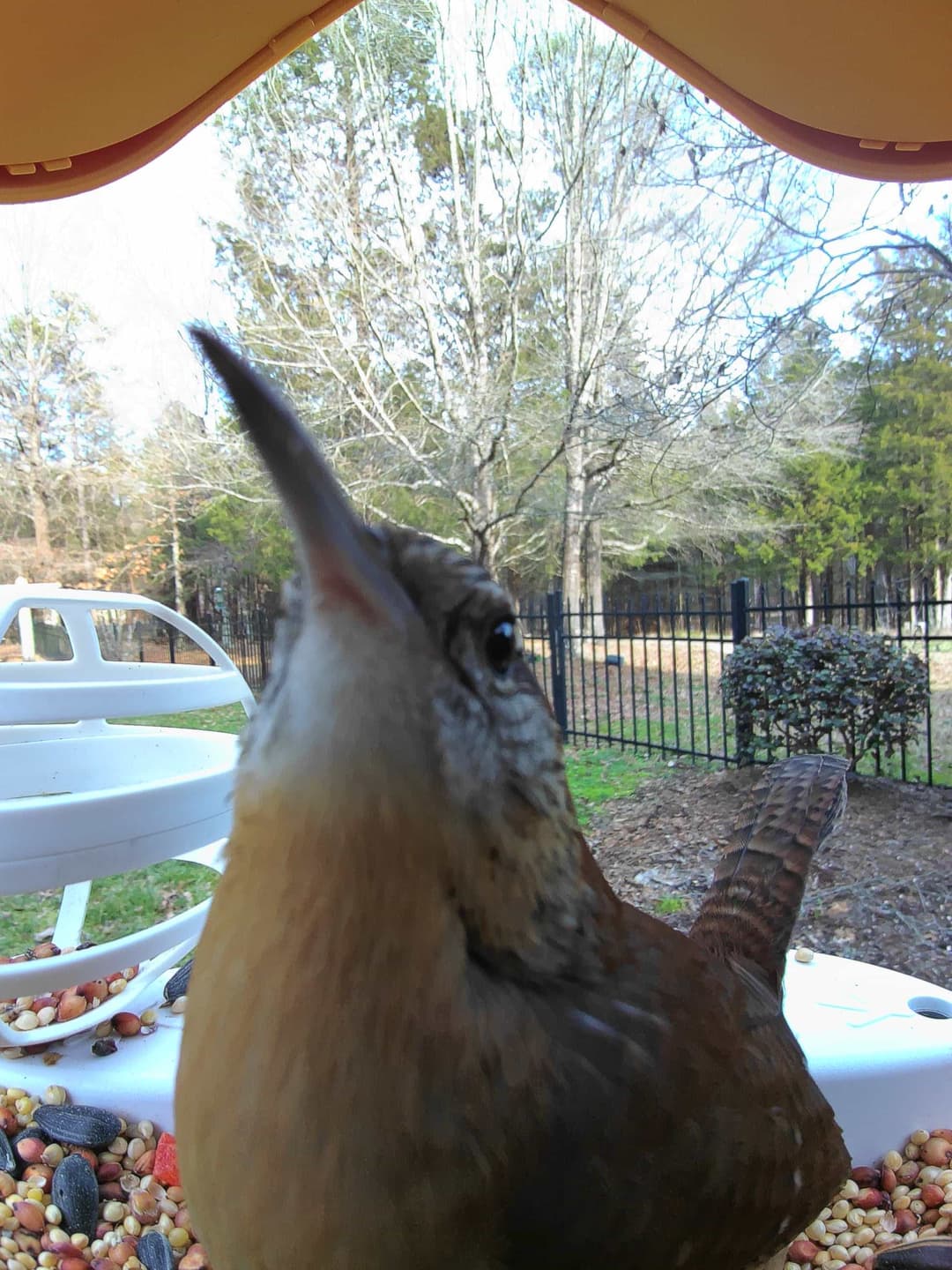
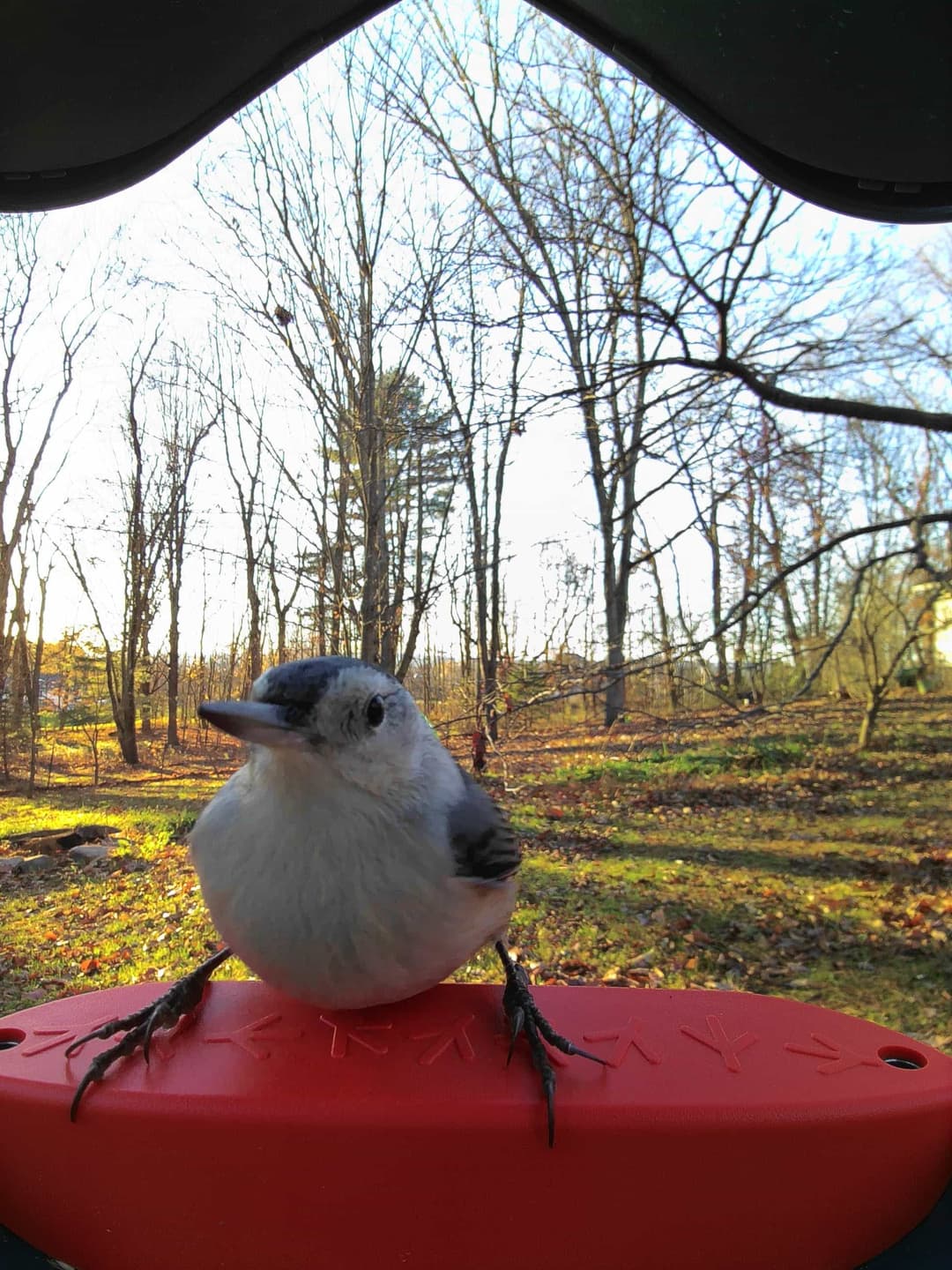
Brown Creeper vs White-Breasted Nuthatch
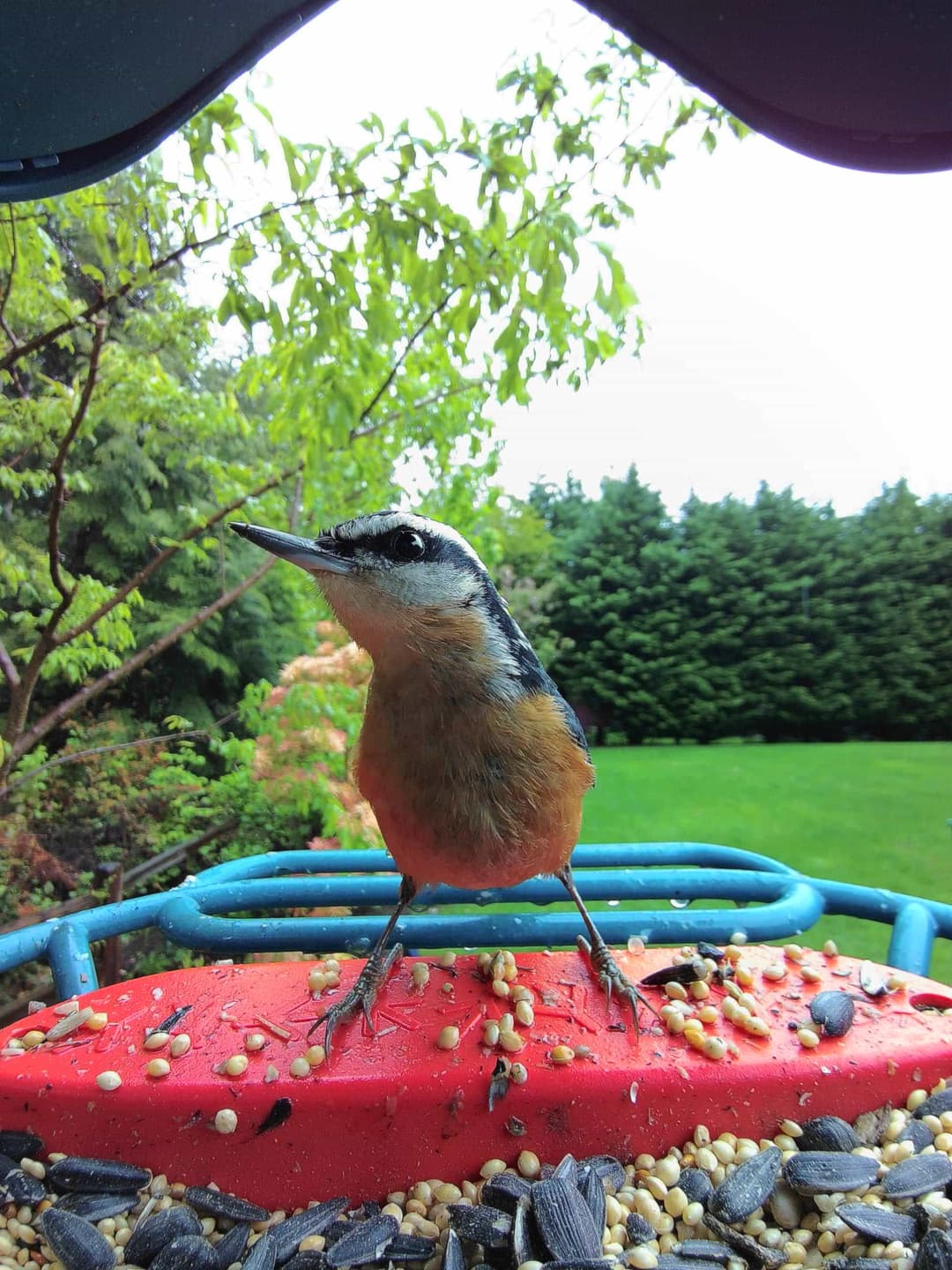
Brown Creeper vs Red-Breasted Nuthatch
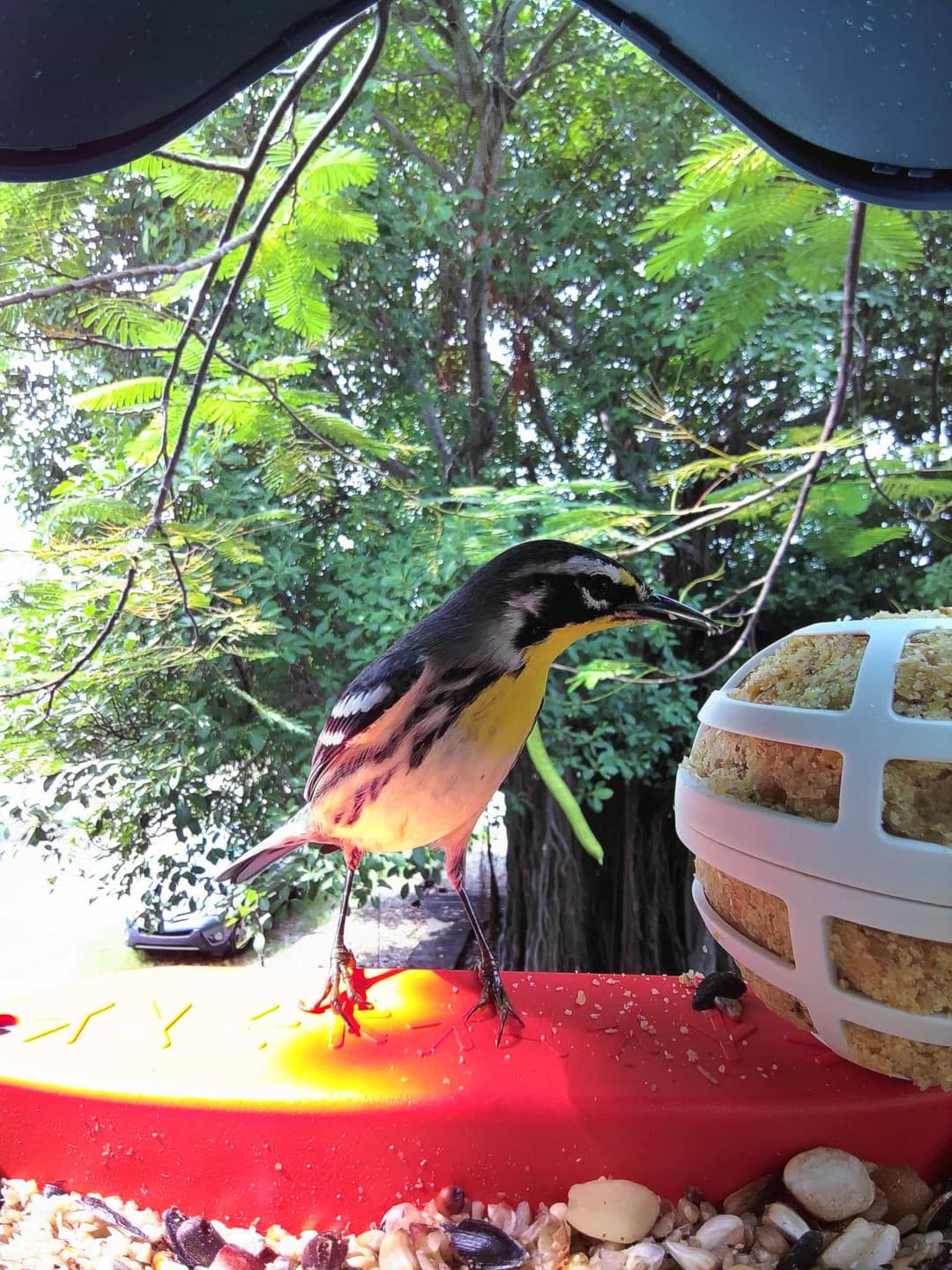
Black-and-White Warbler vs Yellow-Throated Warbler
Brown Creeper vs [Select a bird]

[Select a bird]
Pick a bird to compare
Black-and-White Warbler vs [Select a bird]
[Select a bird]
Pick a bird to compare