American Tree Sparrow or Lark Sparrow?
Here's how to tell the difference
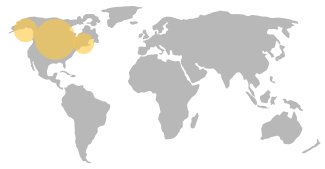


American Tree Sparrow


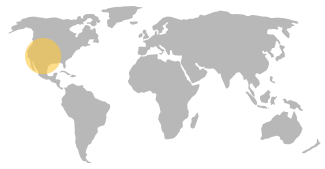
Lark Sparrow
American Tree Sparrow
Spizelloides arborea
Also known as: Winter Sparrow
General appearance
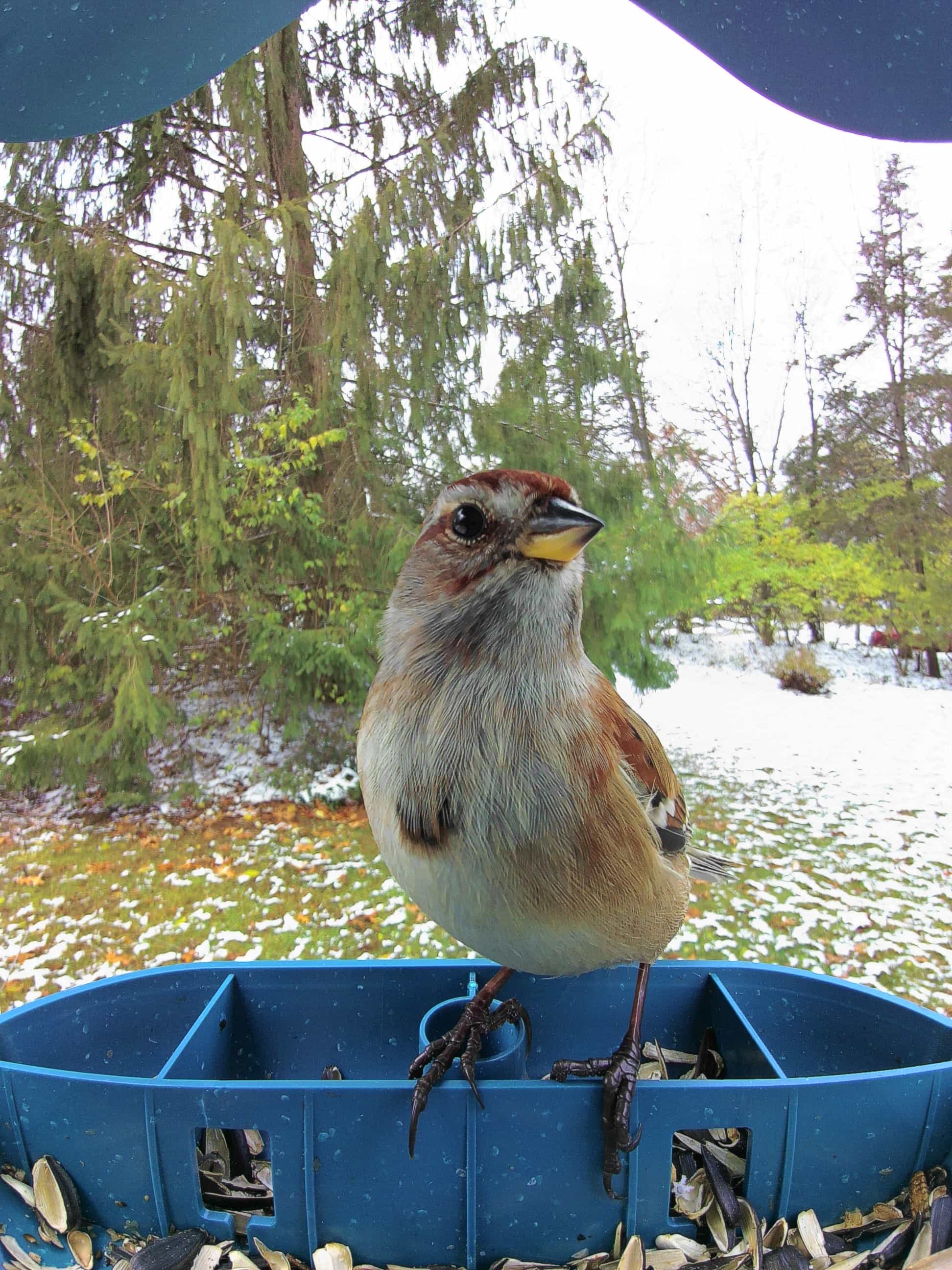
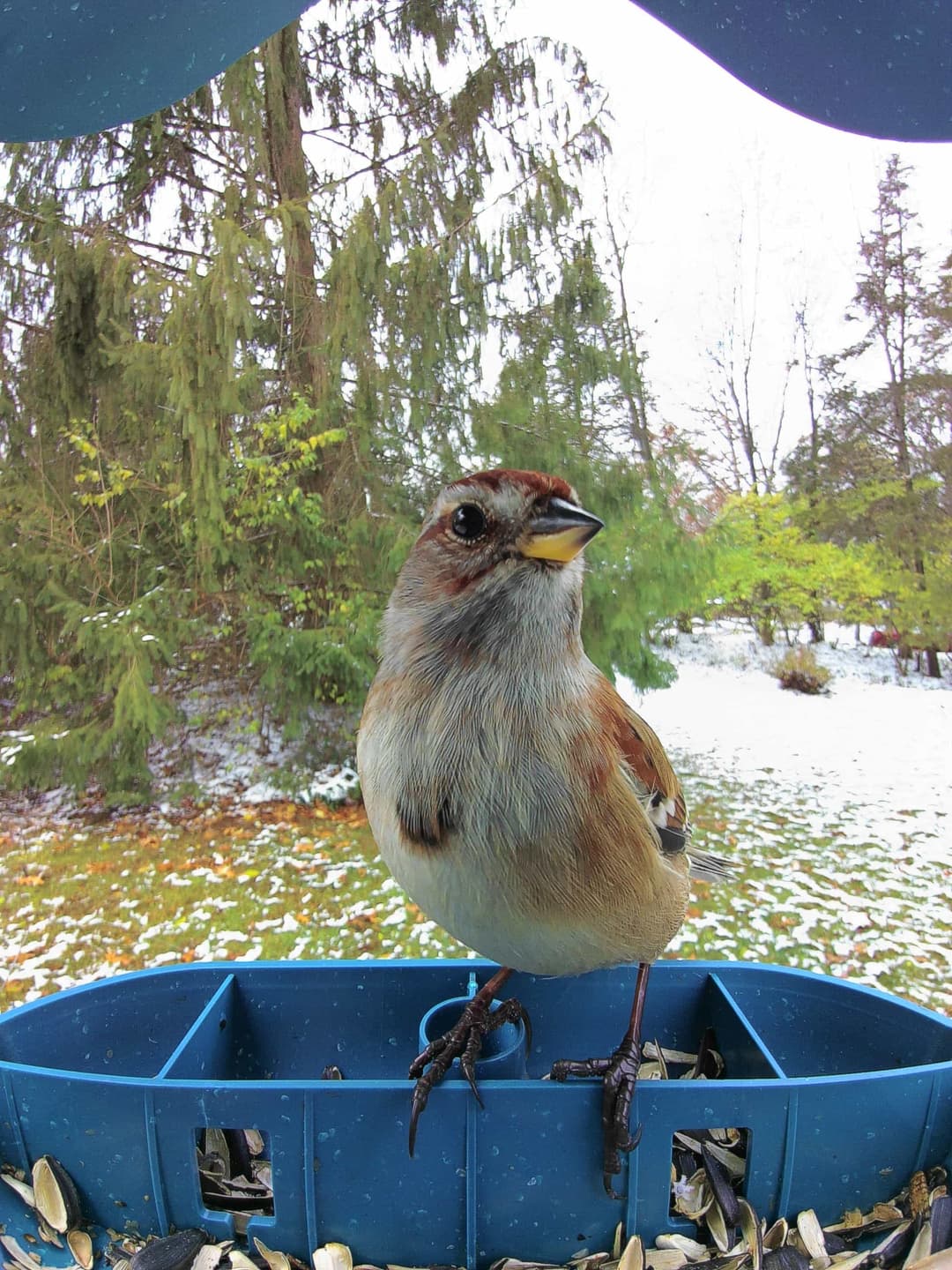
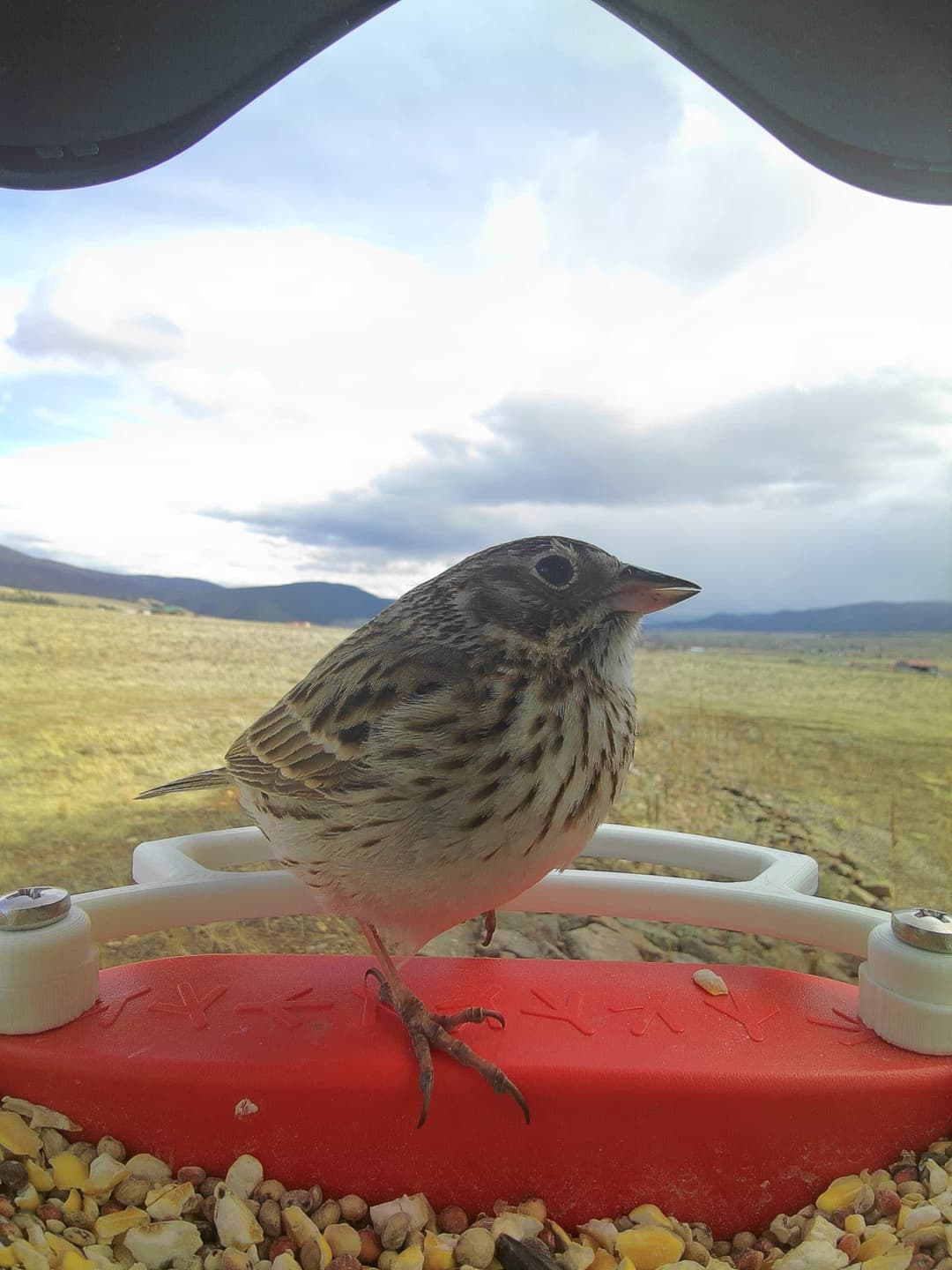
The American tree sparrow is a small, slender bird with a distinct rusty cap and gray face. A notable brown streak extends through the eye, and the bird has a bicolored bill with a dark upper mandible and yellow lower mandible. Its back and wings are brown with dark streaks, while the underparts are pale gray with a central dark spot on the breast. The tail is long and notched with two white wing bars that stand out.
Male vs female
There is minimal sexual dimorphism in American tree sparrows, meaning males and females look alike. Both genders share the same coloration and markings, making them difficult to distinguish based solely on appearance.
Juvenile
Juvenile American tree sparrows resemble adults but with slightly duller and less distinct markings. Young birds may have a more muted crown and face pattern. As they mature, their plumage becomes more defined, resembling the adults in coloration and characteristics.
Size
5.5 - 6.5 in/0.5 - 1.0 oz
There's more to learn about American Tree Sparrow
View full detailsLark Sparrow
Chondestes grammacus
General appearance
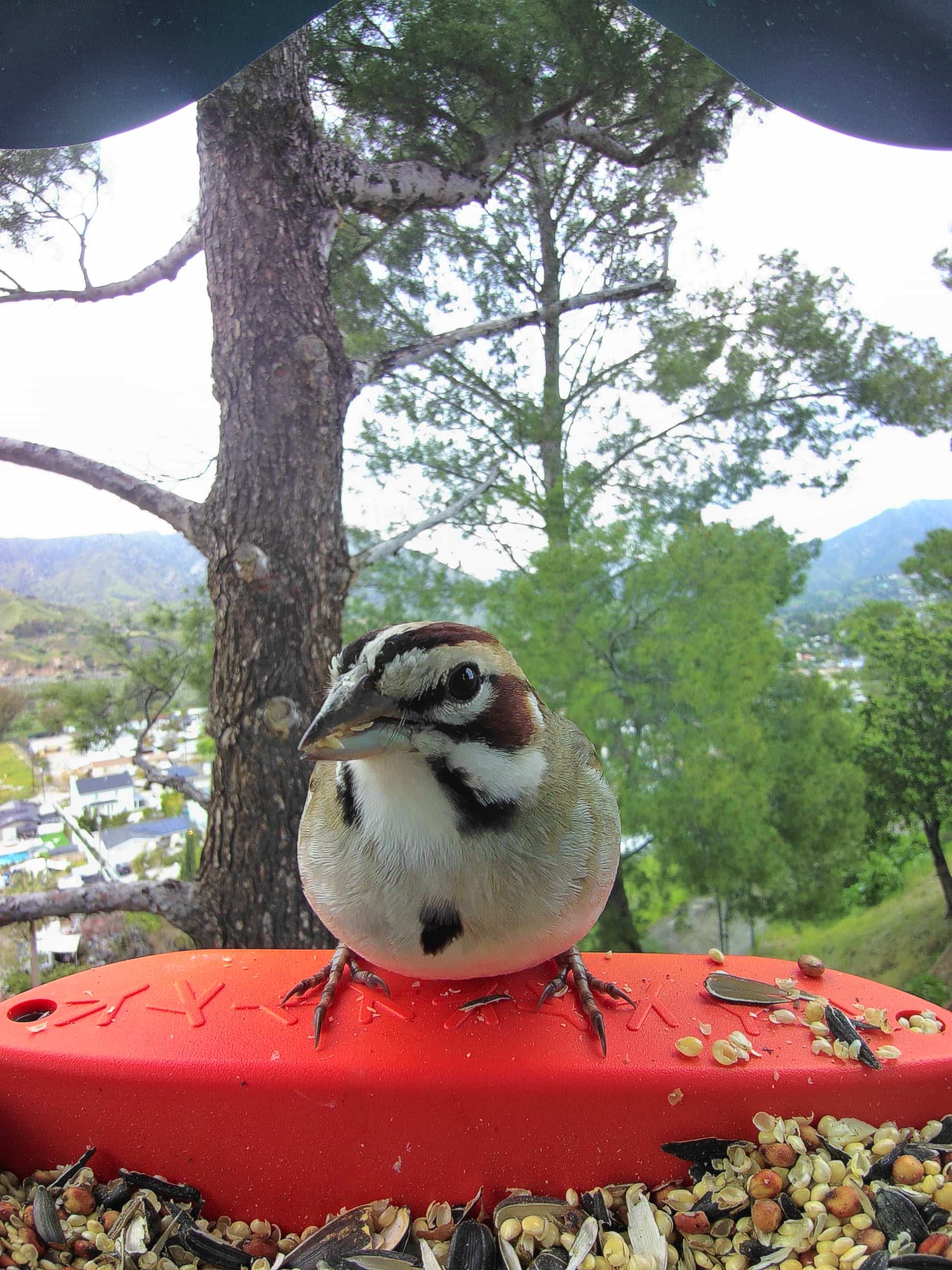
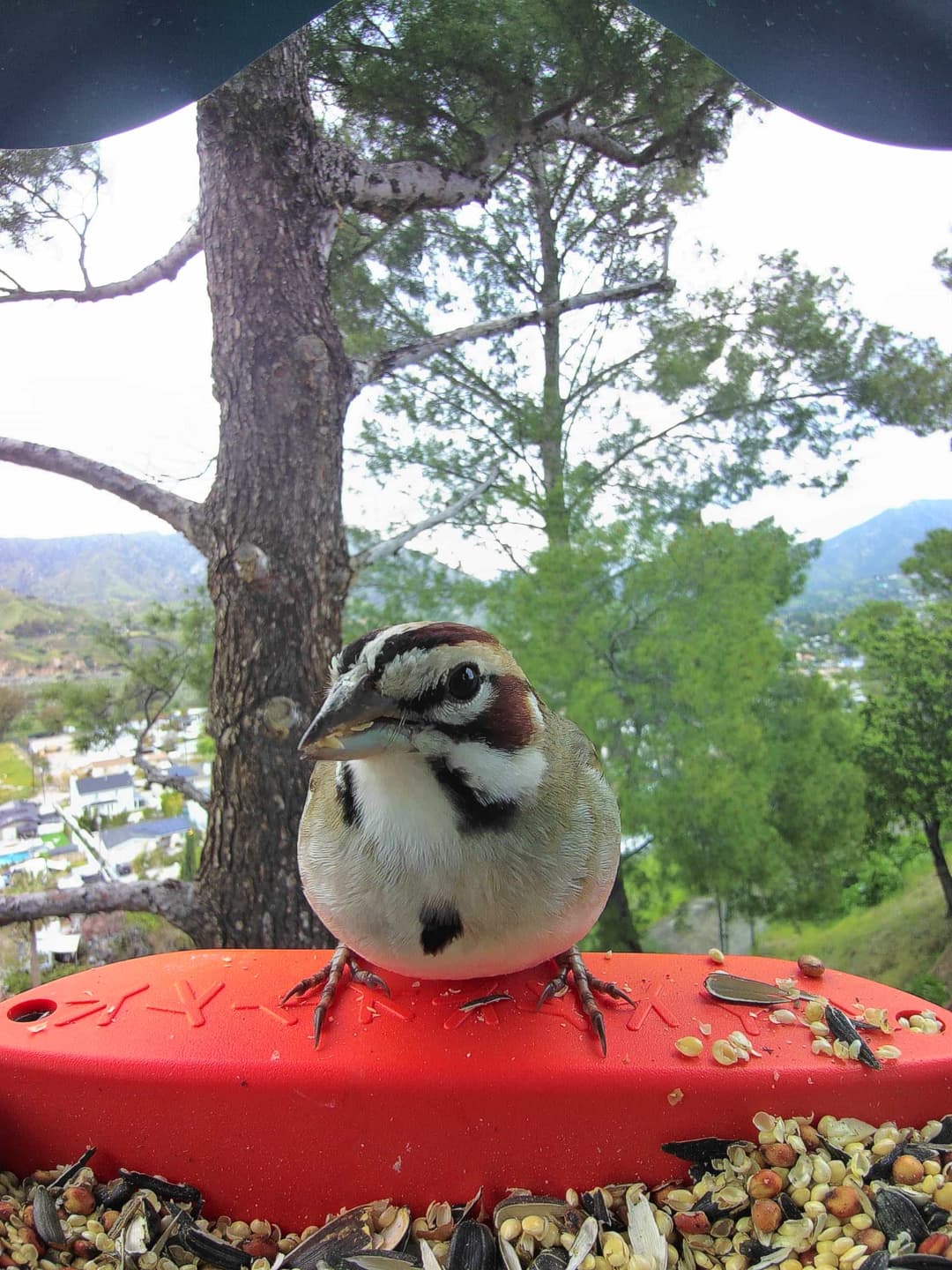
Lark sparrows are medium-sized sparrows with distinctive head patterns, featuring a chestnut crown and cheek patches bordered by white and black stripes. Their back is streaked brown, while the underparts are pale with a central dark spot on the breast.
Male vs female
Males and females are similar in appearance, with both sexes displaying the characteristic head pattern and plumage. Size and coloration differences are minimal, making them difficult to distinguish in the field.
Juvenile
Juvenile lark sparrows resemble adults but have a more subdued head pattern. Their plumage is generally duller, with streaked undersides rather than the adult's distinctive breast spot. Juveniles gradually acquire adult coloration as they mature.
Size
5.9 - 6.7 in/0.8 - 1.2 oz
There's more to learn about Lark Sparrow
View full detailsHow to tell the American Tree Sparrow from the Lark Sparrow
Visual differences
The American Tree Sparrow (5.5-6.5 in, 0.46-0.99 oz) is smaller and slender, with a rusty cap and gray face, a brown eye streak, and a bicolored bill. Its pale gray underparts have a central dark spot. The Lark Sparrow (6-6.7 in, 0.85-1.16 oz) is medium-sized, featuring a striking chestnut crown and cheek with white and black stripes. Both have pale underparts with a breast spot, but the Lark Sparrow's head pattern is more prominent. The Tree Sparrow's tail is long with white wing bars, whereas the Lark Sparrow has a streaked brown back.
Key differences and behavior
American Tree Sparrows (0.46-0.99 oz, 5.5-6.5 in) primarily inhabit Arctic treelines and woodland edges, nesting on the ground. In contrast, Lark Sparrows (0.85-1.16 oz, 5.9-6.7 in) prefer open country with sparse trees and shrubs, and choose varied nesting sites, from ground to shrubs. While both engage in intricate courtship displays, American Tree Sparrows sing and display to establish territories, whereas Lark Sparrows perform unique hopping and crouching dances. Dietarily, both birds consume seeds and insects, but American Tree Sparrows heavily depend on insects in summer, vital for chick development. Lark Sparrows adjust their insect intake in summer, primarily feeding young with insects. In winter, American Tree Sparrows visit feeders for seeds like sunflower and millet, while Lark Sparrows might use feeders if natural seeds aren't abundant. During winter, Lark Sparrows join mixed species flocks, unlike the solitary American Tree Sparrow groups, termed "groves."
Still not sure? Here are more lookalikes!
American Tree Sparrow vs Chipping Sparrow
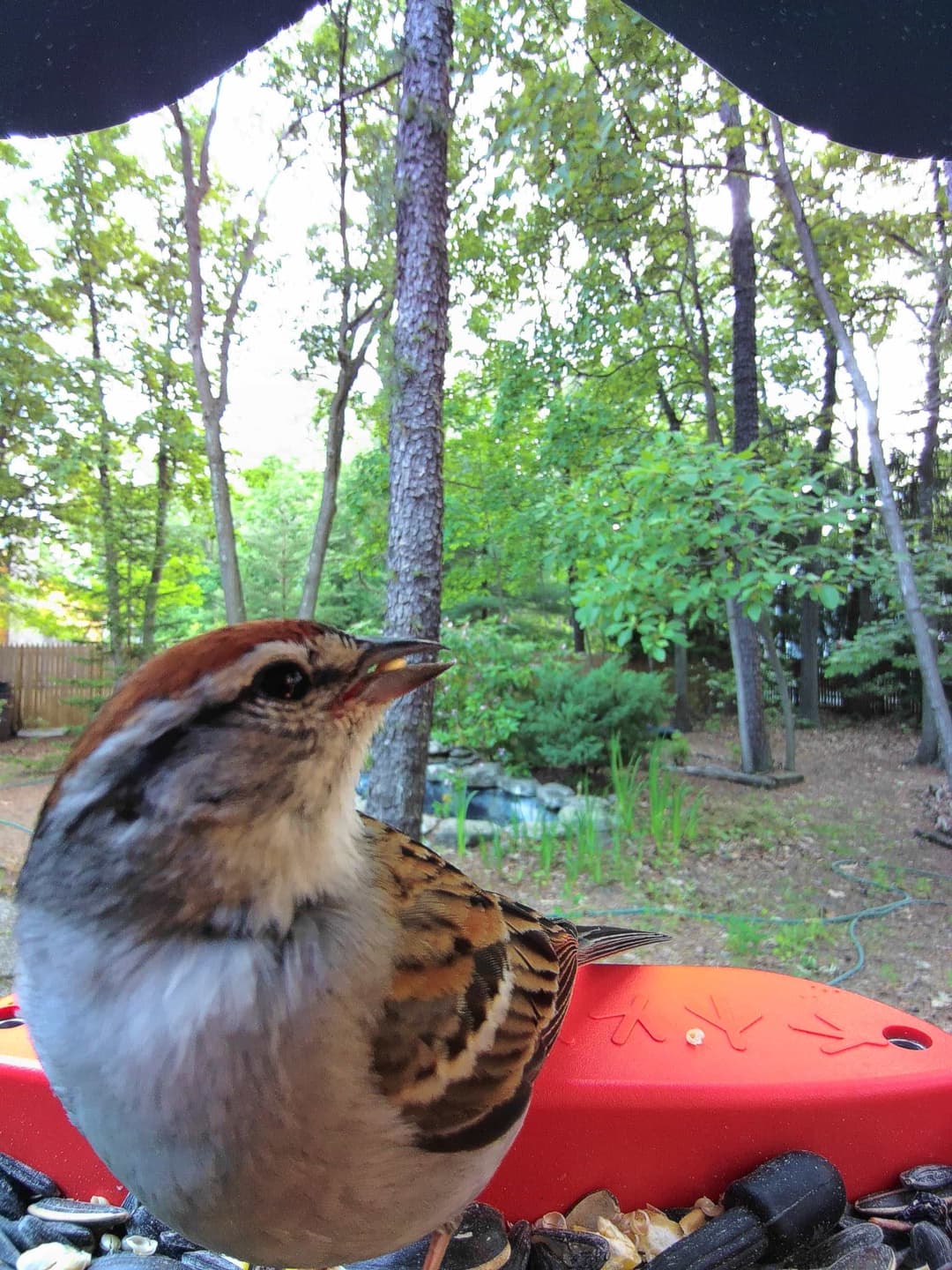
American Tree Sparrow vs Song Sparrow
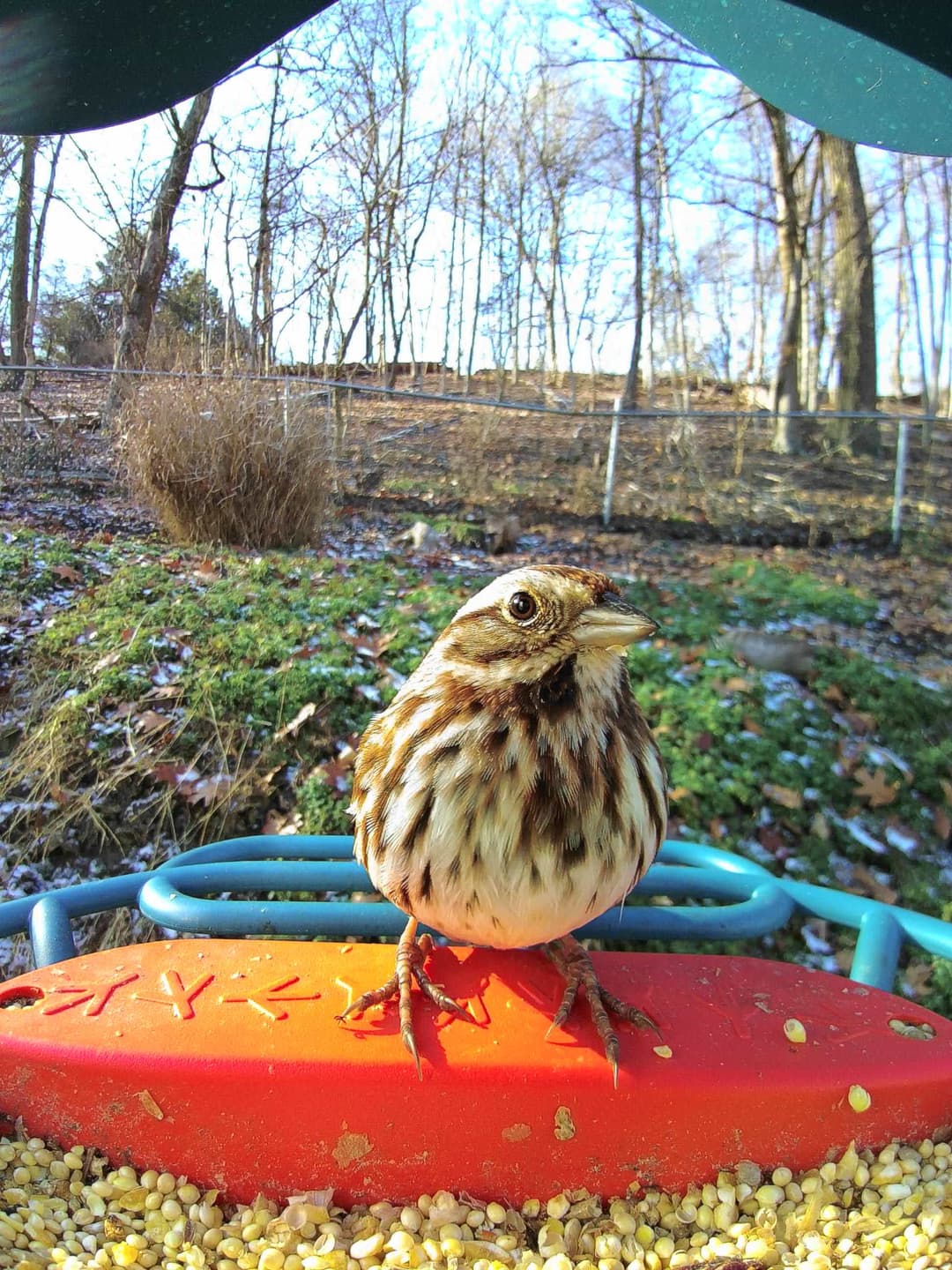
American Tree Sparrow vs Field Sparrow
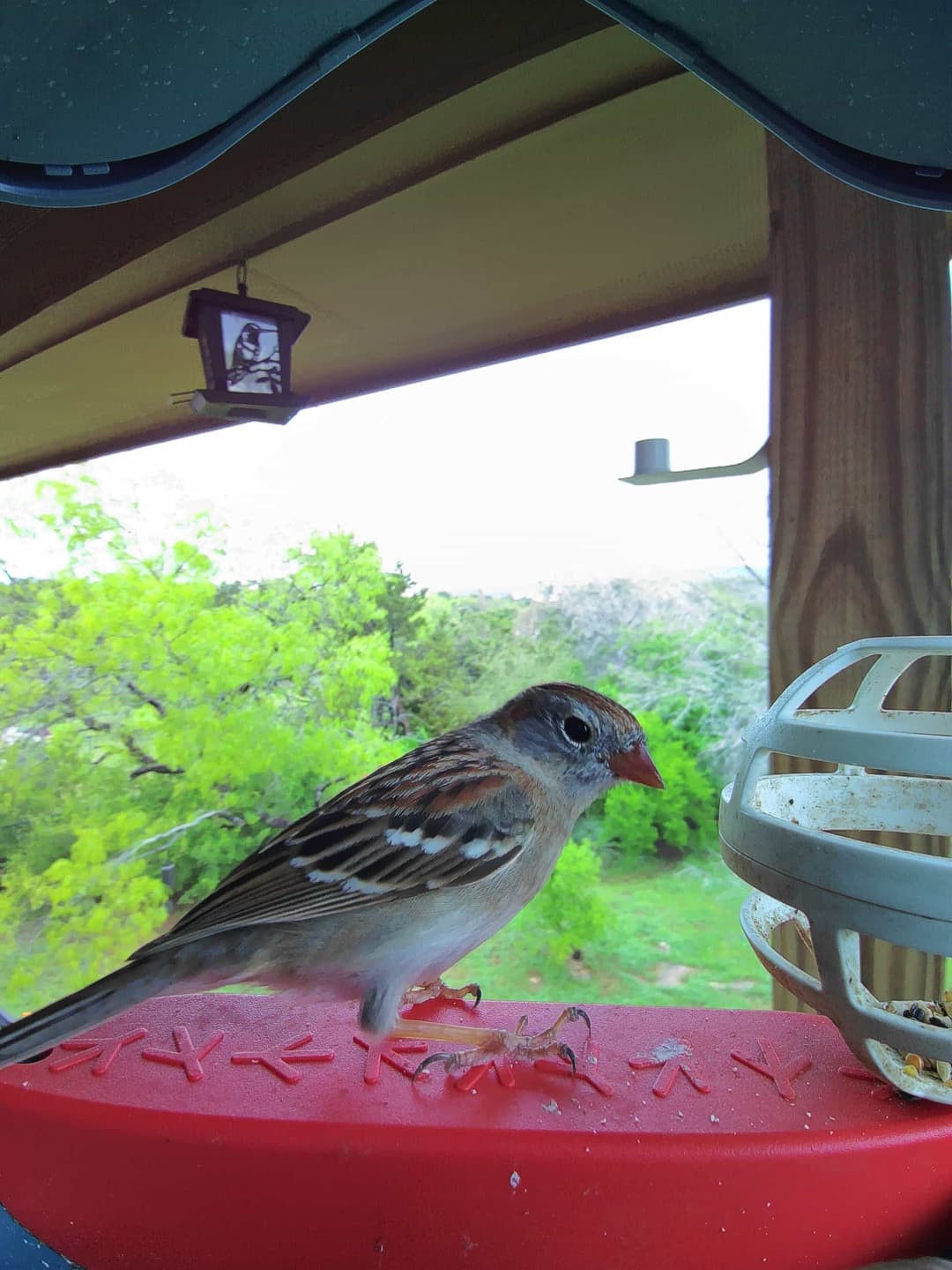
Lark Sparrow vs Chipping Sparrow
American Tree Sparrow vs [Select a bird]

[Select a bird]
Pick a bird to compare
Lark Sparrow vs [Select a bird]
[Select a bird]
Pick a bird to compare