
Crested Tit
Crested Tit
Also known as: Crested Tit
Lophophanes cristatus


Quick Identification guide
Quick Identification guide
- •
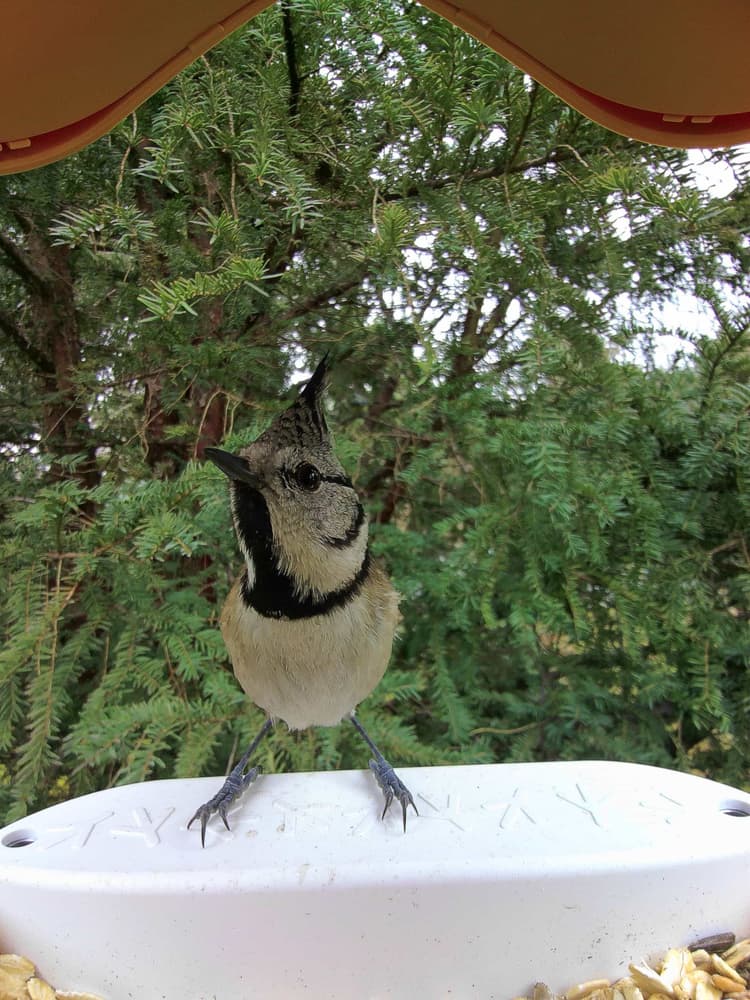
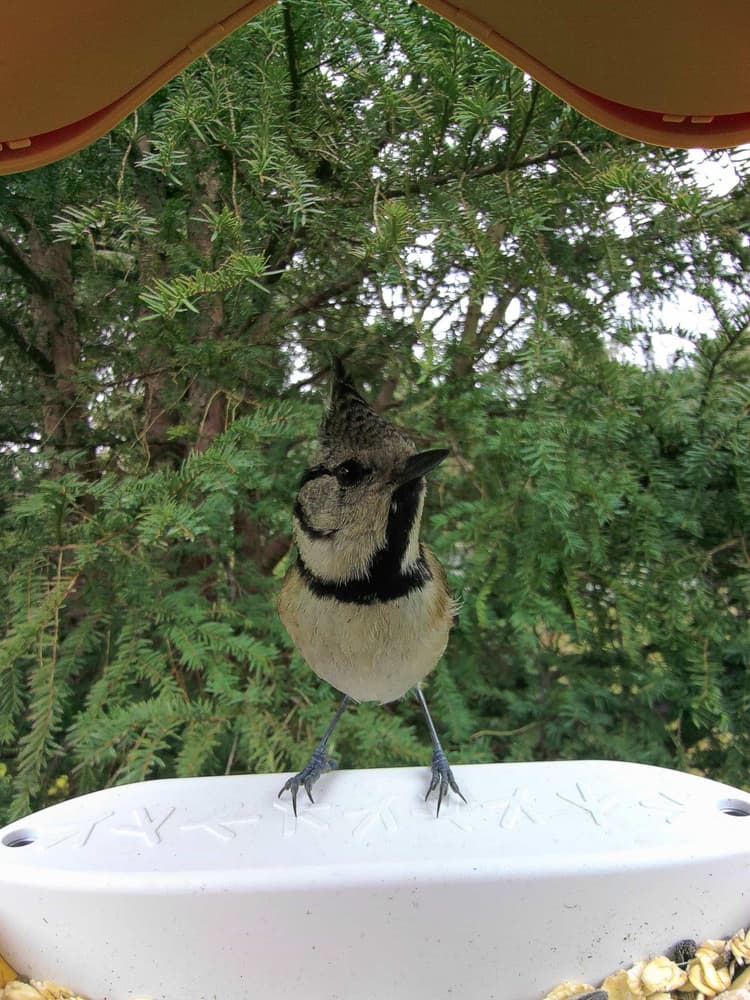
Distinctive with a prominent black and white crest adorning the top of the head, giving a regal appearance
- •
Features a buff body with a soft grey-brown back and whitish underparts, contributing to its gentle color palette
- •
Displays a stubby, straight beak and a black stripe across the face that includes the eye, adding to its notable facial pattern
What does a crested tit sound like?
The crested tit predominantly produces two types of vocalizations: calls and songs. Its calls are generally described as a distinct hard 'tcherrr', which is often delivered in alarm situations. The song of the crested tit is a distinctive rapidly repeated 'si-si-si-pirri-pirri-pirri'. This song is utilized during breeding season for territorial defense and attracting mates. The pitch of their vocalizations is generally high, matching their small stature.


Description
These hyperactive and super-social birds with teeny, tiny mohawks can be found in pine trees. Like most tits, they are quite the acrobats come feeding time and you can even find them hanging upside down from branches. They are known to store food for later! They store pine seeds in spring and moth larvae in the autumn.
The crested tit can weigh between 10to16grams and be from11to12centimeters tall.
The crested tit typically has a lifespan of 2-5 years. This life expectancy is on par with some similar species like the blue tit or great tit, but substantially shorter compared to long-lived birds like albatrosses and parrots. Their survival rate can be influenced by predation, habitat quality, and availability of food.
Did you know?
Most popular questions about crested tit
How to recognise a crested tit?
General appearance
The crested tit, or Lophophanes cristatus, is recognized by its black and white striped head and distinctive erect crest. It has a predominantly grey back and wings, with buff-white underparts. It's a small bird, averaging at around 12cm in length.
Male vs female
Males and females are near-identical in appearance, making it challenging to differentiate between the two. Both have the signature crest, which males may display more prominently during courtship or to show dominance. However, there is no discernible size or coloration difference between the sexes.
Juvenile
Juvenile crested tits are similar in appearance to adults, but with a shorter crest and slightly duller coloration. Their coat may lighten in color as they progress to adulthood, and the distinctive crest may become more pronounced.
Often mistaken for
Tufted Titmouse vs Crested Tit
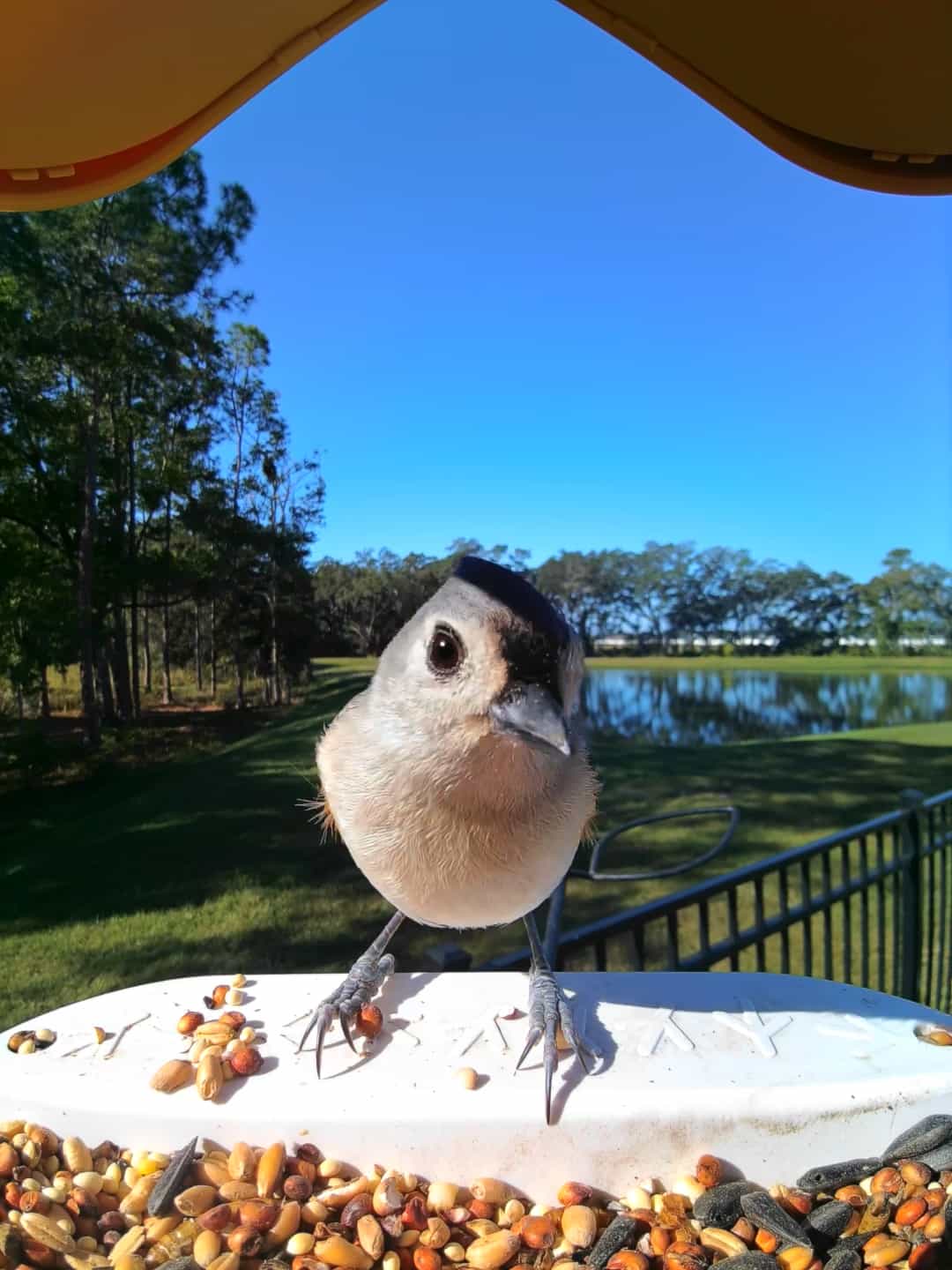
The Tufted Titmouse has a gray upper body and white front with a more pronounced crest and lacks the distinctive pattern on the face that the Crested Tit has.
Eurasian Blue Tit vs Crested Tit
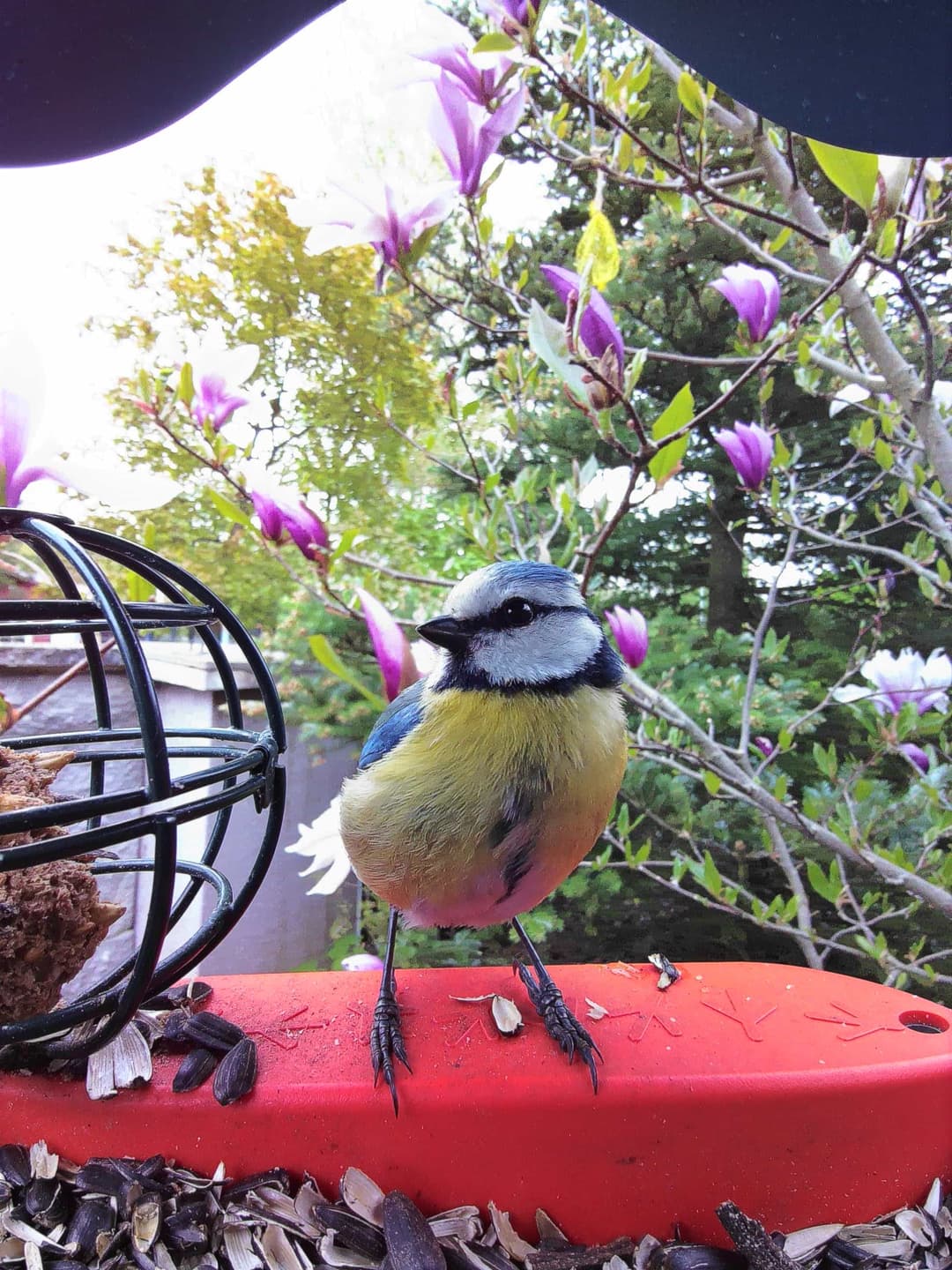
The Eurasian Blue Tit has bright blue and yellow plumage, whereas the Crested Tit sports more subdued browns and a distinctive crest that stands out.
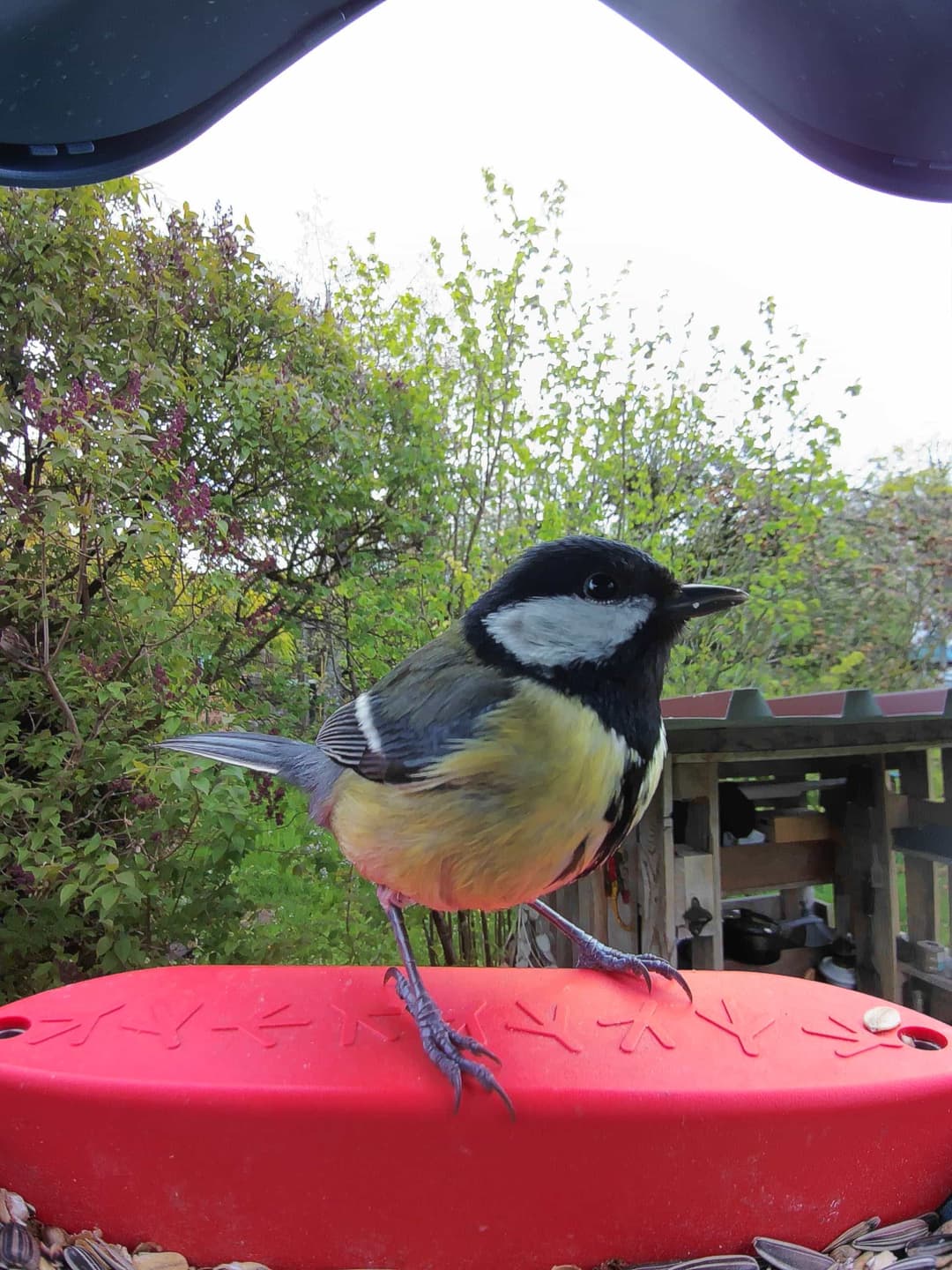
Great Tit vs Crested Tit
The Great Tit is larger, with a more pronounced blackhead and a bright yellow underside, unlike the Crested Tit which features a more subdued color palette and a noticeable crest.
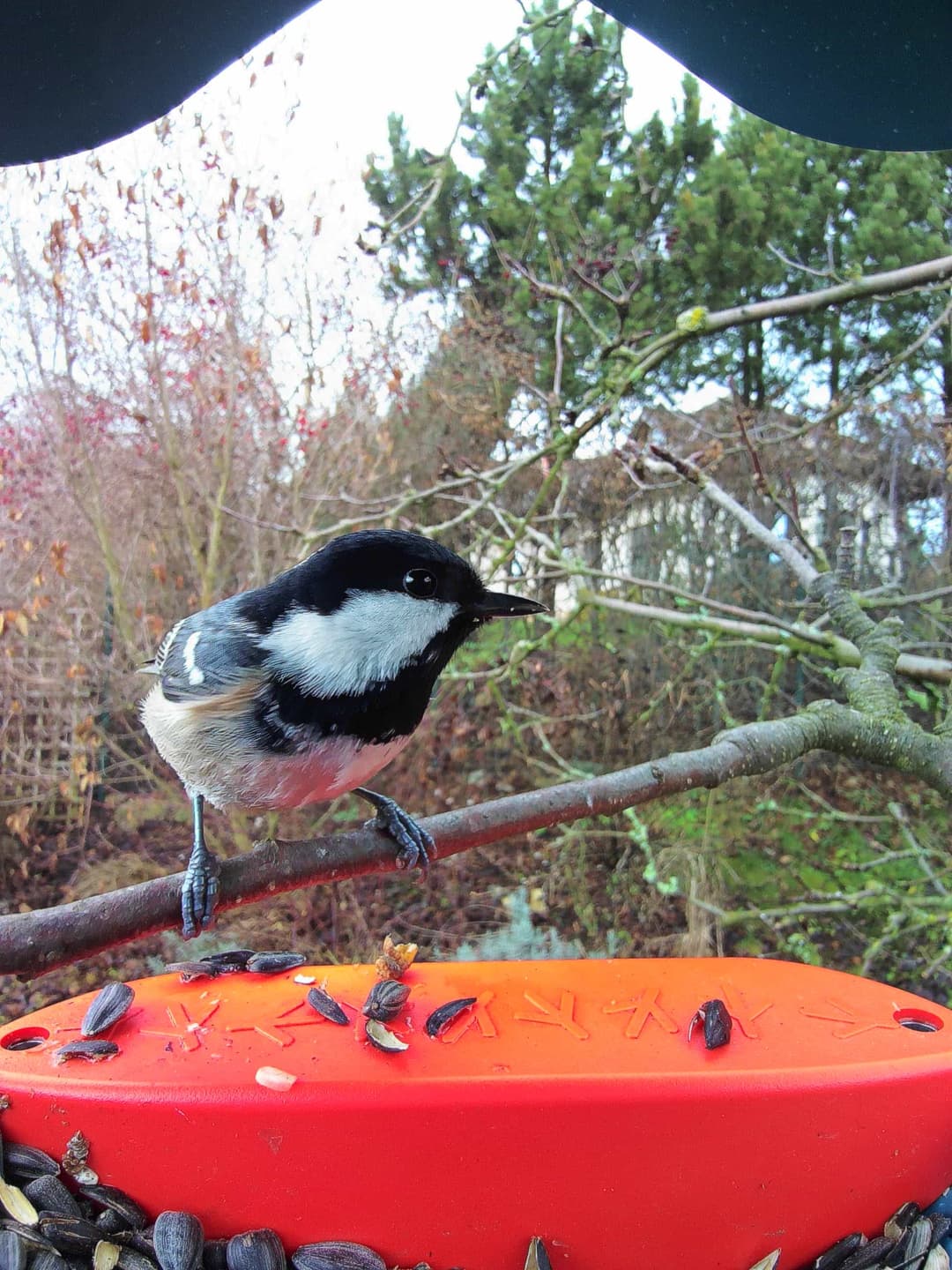
Coal Tit vs Crested Tit
The Coal Tit has a similar color pattern but is missing the prominent crest and facial markings that distinguish the Crested Tit.
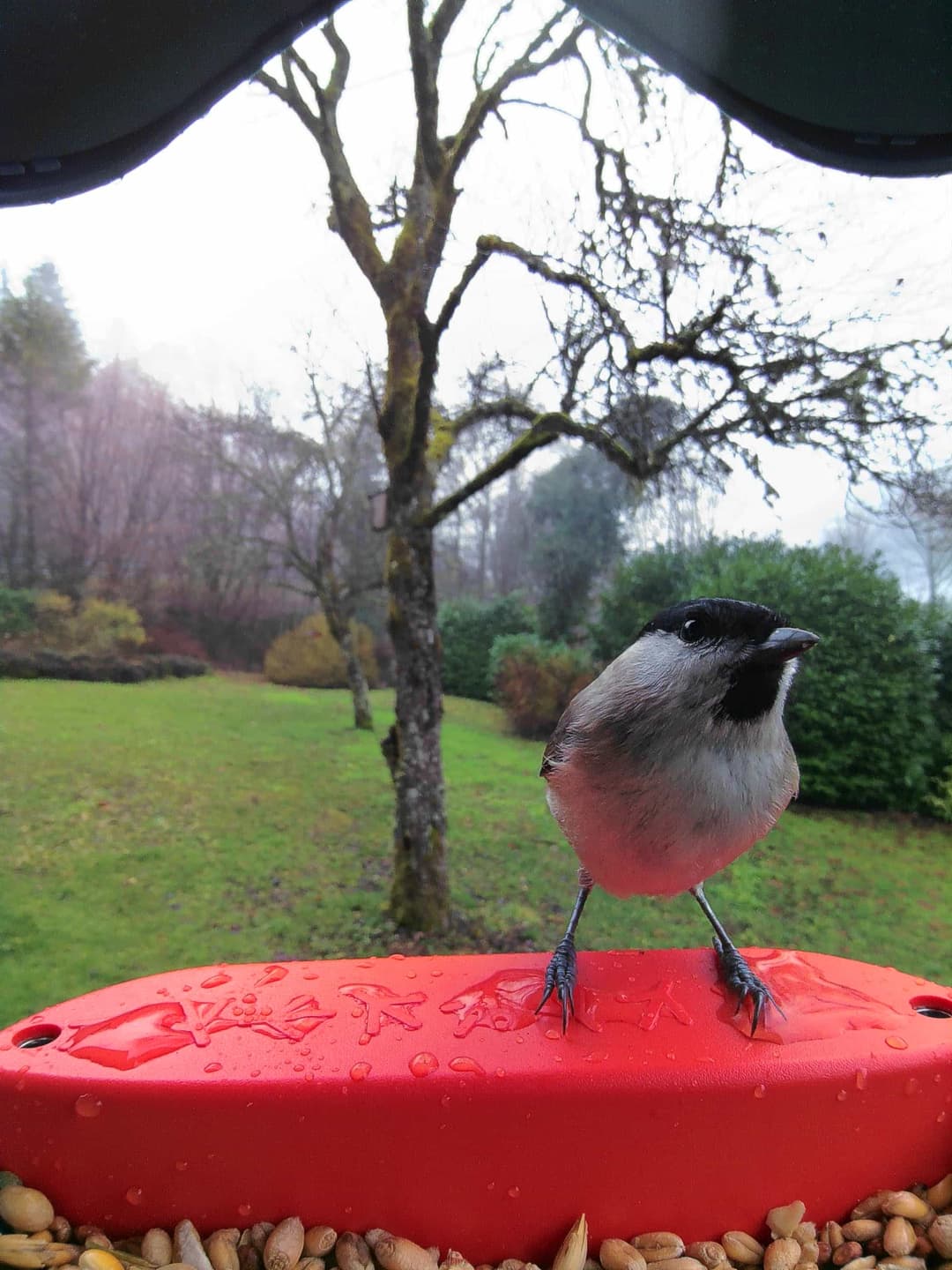
Marsh Tit vs Crested Tit
The Marsh Tit lacks the striking crest and has a more uniform plumage with subtle color differences as compared to the Crested Tit.
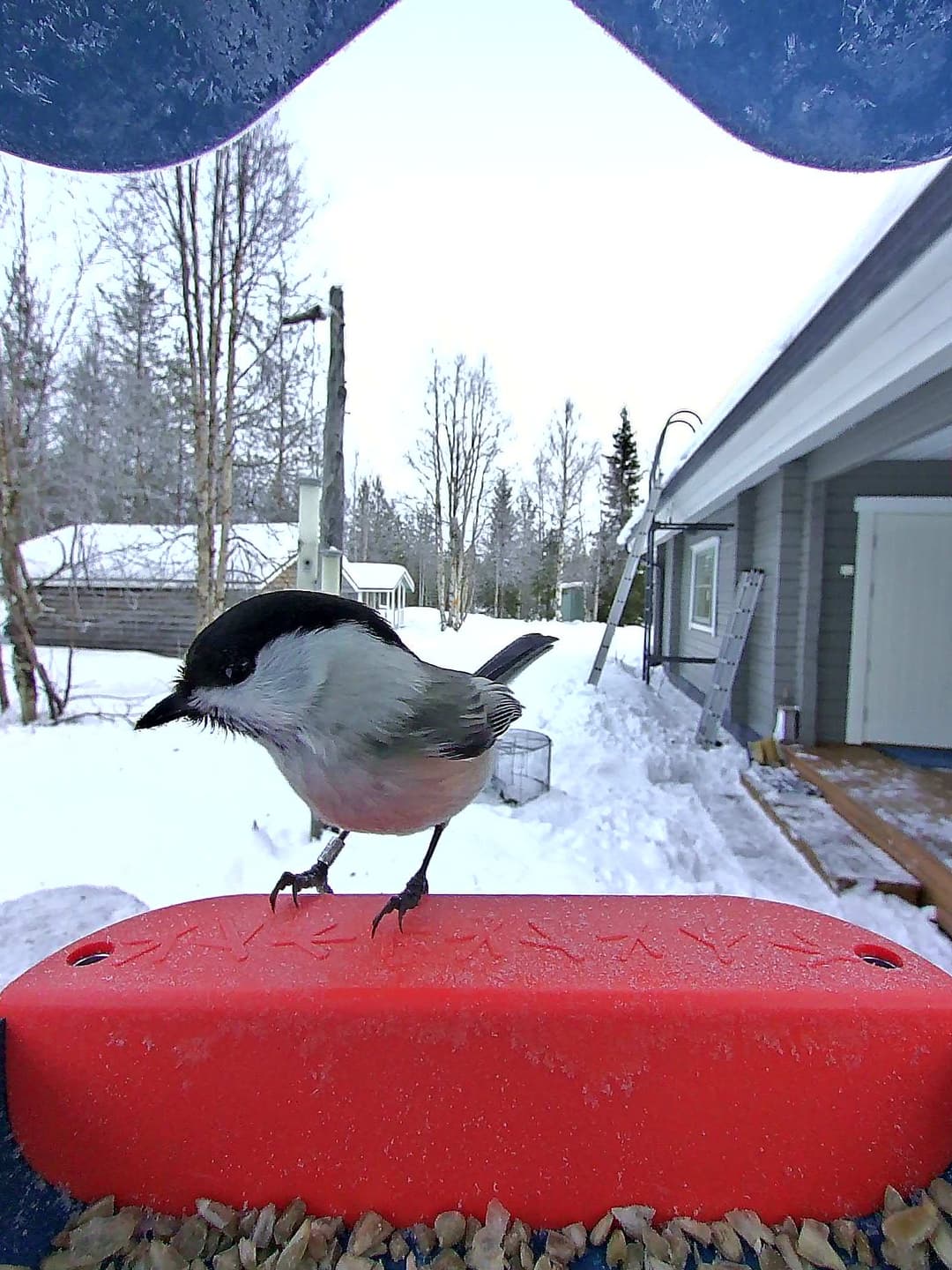
Willow Tit vs Crested Tit
The Willow Tit is similar in size but does not have the distinctive crest or facial markings present in the Crested Tit.
Breeding and nesting habits of the crested tit
Mating behaviors
Crested tits engage in complex courtship displays, often involving singing and aerial acrobatics by males to attract females. Pair bonding occurs in early spring, as they establish territories for breeding.
Nesting details
Crested tits primarily nest in coniferous forests, utilizing cavities in trees or stumps. They line their nests with moss, feathers, and hair to create a soft environment for eggs. Occasionally, they might adapt to nest boxes in gardens, provided they have similar conditions.
Eggs and chick-rearing
The female typically lays 5-7 eggs and incubates them for about two weeks. Both parents feed the chicks a diet rich in insects. Fledging occurs approximately three weeks after hatching, with continued parental support as young birds learn to forage independently.
What does a crested tit like to eat?
Insects
Seeds
Snails
Spiders
Worms
Natural diet
The crested tit primarily feeds on insects and spiders during warmer months, utilizing its agile movements to hunt these protein-rich sources in forest canopies. This diet is supplemented by seeds from coniferous trees, especially those of Scots pine, and other native seeds, providing essential nutrients throughout the year.
Bird feeders
At bird feeders, the crested tit commonly consumes peanuts, sunflower seeds, and suet. These high-energy foods help sustain its active lifestyle, especially during winter months when natural food sources are scarcer. The tit is known to visit feeding stations regularly, making it a favored guest among bird enthusiasts.
Setting up the ideal environment
Creating a welcoming environment is crucial when trying to attract crested tits to your garden. Start by providing dense vegetation, such as conifer trees or large shrubs, which is their preferred habitat. They are also attracted to birdhouses with small entrance holes, so consider installing a few around your yard. Lastly, ensure that your yard is easily visible and accessible for these birds to locate.
Providing the right snacks
Crested tits are not fussy eaters. They feed on a variety of insects and seeds. However, their favorite snacks include sunflower seeds, peanuts, as well as bread and cheese crumbs. For the best results, it is recommended to use Bird Buddy seeds. These seeds are chosen by experts and are perfect for the season. Sprinkle them in your bird feeder or scatter them around your yard and watch as the crested tits come flocking!
Choosing the right feeder
As for the feeder type, crested tits prefer tube feeders. They have small perches that are perfect for their size. You may want to consider installing a squirrel guard or choosing a feeder with a metal casing to deter squirrels. Also, placing the feeder in a quiet, sheltered location in your garden can make it more attractive to the crested tits.
Tricks to encourage visits
You can use several fun tricks to make your garden more appealing to the crested tits. For instance, placing a birdbath or a water tray in your garden will attract these birds as they need to drink and bathe. Additionally, playing bird songs or the chirping sound of crested tits can also stimulate these birds' curiosity and draw them to your garden.
Where can you find crested tits?

Primary habitat
The crested tit primarily inhabits coniferous forests, specifically those dominated by Scot’s Pines, in northern Europe.
Additional range
Unexpectedly, crested tits can also be found in deciduous woodlands and gardens, particularly during harsh winters.
Do they migrate?
The crested tit is largely a sedentary bird, meaning it typically does not migrate and tends to stay in one place throughout the year. This species is primarily found in the coniferous forests of Europe, especially in regions with a presence of Scots pine or Norway spruce. Its range extends across parts of Western, Central, and Northern Europe, including countries such as Spain, France, Belgium, Germany, and Scandinavia. Throughout the year, crested tits generally remain within their established territories or home ranges. They may exhibit some local movements in response to food availability, particularly in harsher winter months when they might venture slightly beyond their usual range, but these movements do not constitute long-distance migration. Their behavior is largely influenced by habitat preferences and the availability of resources rather than migratory patterns. They are well-adapted to their environment and rely on coniferous tree seeds, insects, and other food sources obtained within their home range. Overall, the crested tit's lifestyle is characterized by its consistency in staying in one place year-round.
What is the role of crested tits in nature and how to protect them?
Conservation status
The crested tit is currently classified as a species of Least Concern, indicating it is relatively common and not at immediate risk of becoming endangered. Found primarily in European coniferous forests, these birds benefit from stable populations due to their adaptability to forested habitats. Key conservation efforts focus on maintaining and protecting these natural habitats, promoting sustainable forestry practices. However, habitat degradation and climate change pose potential threats to their populations. Continuous monitoring is essential to ensure their long-term viability and address any emerging conservation challenges.
Ecological role of crested tits
Its role in the ecosystem
The crested tit (Lophophanes cristatus) is a small songbird that plays a vital role within its ecosystem. Predominantly a consumer of insects and spiders, the Crested Tit serves as a natural pest control as it facilitates a balance in the insect population, indirectly supporting plant health and growth. In autumn and winter, its diet shifts to include seeds and pine cone contents, aiding in seed dispersal which is crucial for plant reproduction and diversification. This shift also helps the bird maintain its energy levels during colder months. Furthermore, as a prey animal, the Crested Tit contributes to the food chain, providing nutrients for larger predator species. The bird's nesting habits, often in holes in decaying trees, also helps recycle nutrients back into the soil, supporting the growth and health of new life. Its existence and status can be used as an ecological indicator for the health and biodiversity of woodland ecosystems.
How to help protect crested tits
Preservation tips
Habitat preservation strategies
Protect and manage the crested tit’s primary habitats, mainly coniferous forests. It necessitates controlling logging and deforestation. Dead wood should be left in situ to provide nesting sites for crested tits. Encourage landowners to instate sustainable forest management practices to simultaneously preserve the environment and their income.
Community science initiatives
Promote citizen-led science projects to monitor the crested tit's population size and distribution. Community members can be trained to identify this species and report sightings to relevant databases. Use these data for research and informing conservation efforts. Provide regular workshops on the importance of biodiversity to increase public engagement and understanding of conservation goals.