Palm Warbler or Yellow-Rumped Warbler?
Here's how to tell the difference
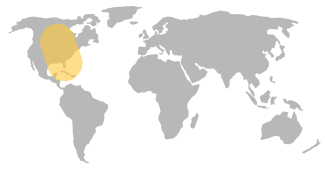



Palm Warbler
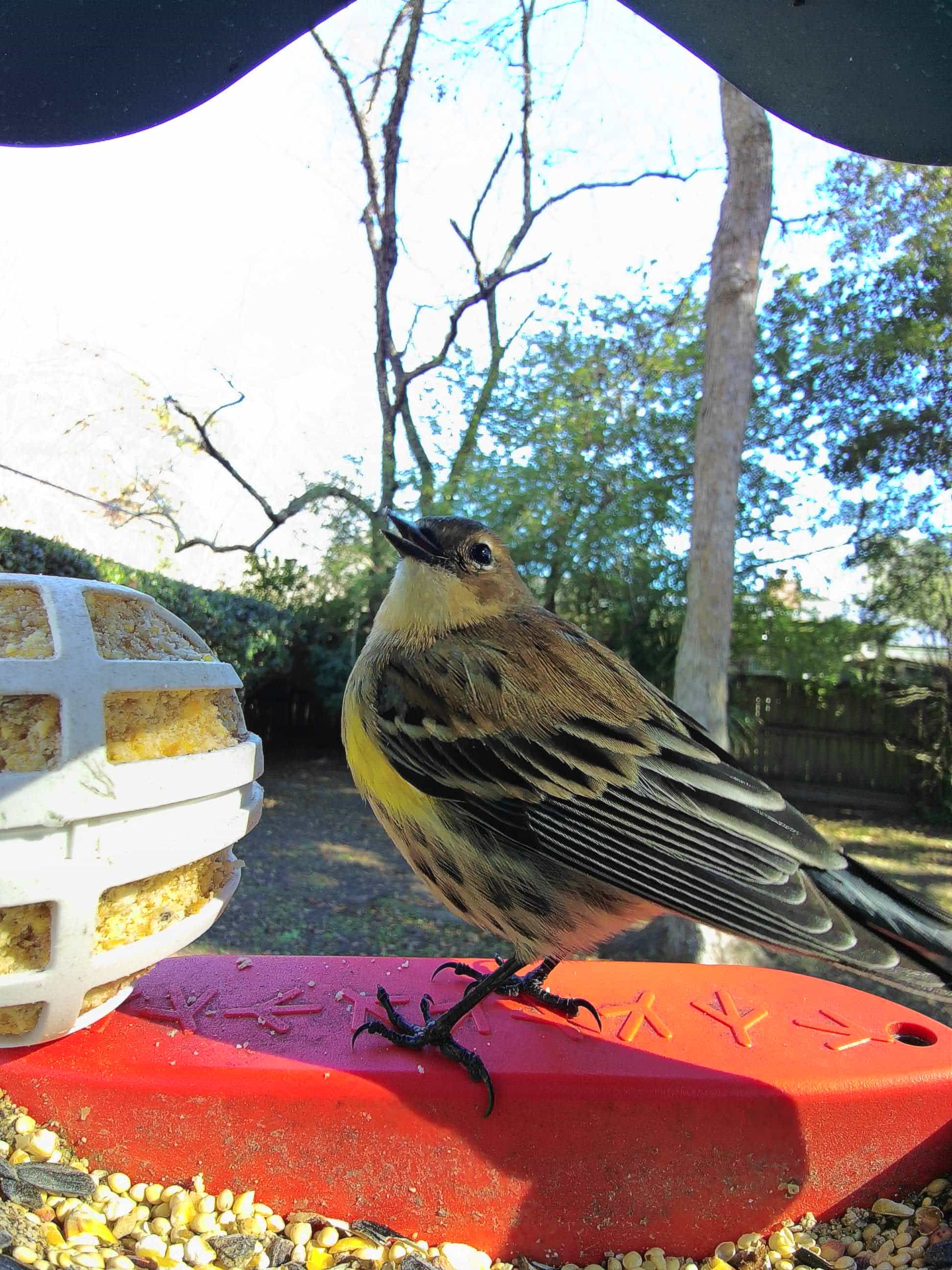


Yellow-Rumped Warbler
Palm Warbler
Setophaga palmarum
General appearance
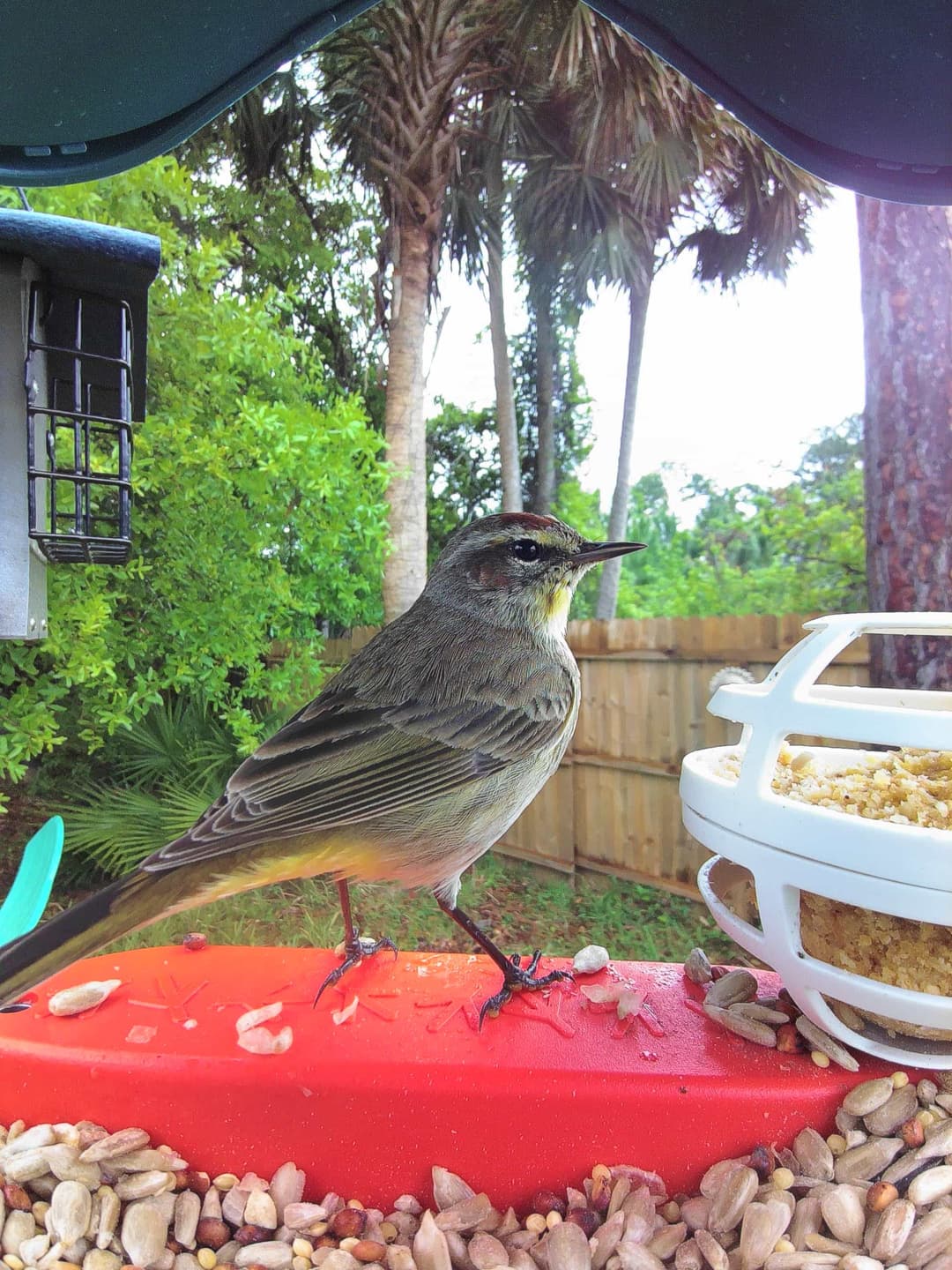
The palm warbler is a small songbird, averaging about 5 inches in length, with a wingspan of approximately 8 inches. It is characterized by its olive-brown upperparts and pale underparts with a distinct yellow undertone. A notable chestnut cap adorns the head, and a conspicuous white eyebrow stripe runs above the eye. During the breeding season, the yellow coloring becomes more pronounced, particularly on the throat and belly.
Male vs female
Males and females appear similar in coloration and size, though males may exhibit slightly brighter yellow underparts, particularly during the breeding season. Both sexes have the characteristic chestnut cap, but it can be marginally more vibrant in males.
Juvenile
Juvenile palm warblers are generally duller than adults, displaying more muted olive-brown tones without the pronounced chestnut cap. Their underparts are less vibrant, showing pale yellow-brown hues. As they mature, juvenile plumage transitions to resemble that of adults following their first molt.
Size
4.9 - 5.7 in/0.3 - 0.4 oz
There's more to learn about Palm Warbler
View full detailsYellow-Rumped Warbler
Setophaga coronata
Also known as: Butterbutt
General appearance
The Yellow-rumped Warbler is approximately the size of a Sparrow, clocking in at 5-6 inches (13-15 cm). The bird has a black, blue, brown, gray, white, and yellow plumage, and a distinctive bright yellow rump patch. Its tail features white spots, and there's a small yellow patch at the side of its chest. The face of the bird varies, with the 'Myrtle Warbler' having a white throat, and the 'Audubon's Warbler' boasting a yellow throat.
Male vs female
Males tend to have the brightest coloration, particularly in the spring. Females, particularly young ones in the fall and winter, exhibit a comparatively duller pattern. The 'Myrtle Warbler' variant possesses a well-defined dark cheek patch behind its white throat.
Juvenile
Juvenile Yellow-rumped Warblers may manifest a dull buff throat, particularly in some 'Myrtle Warbler' young ones. Juvenile females in the fall and winter present the dullest coloration.
Size
5.3 - 5.7 in/0.4 - 0.6 oz
There's more to learn about Yellow-Rumped Warbler
View full detailsHow to tell the Palm Warbler from the Yellow-Rumped Warbler
Visual differences
Palm Warblers measure around 5 inches long with olive-brown upperparts, pale yellow underparts, a distinctive chestnut cap, and a white eyebrow stripe. In contrast, Yellow-Rumped Warblers, slightly larger at 5-6 inches, display varied black, blue, brown, gray, white, and notable bright yellow rump patches. They have white-spotted tails and a yellow chest patch. Myrtle variants exhibit a white or yellow throat. The beak shape of both is thin and pointed, typical of warblers, but coloration and patterns help distinguish them visually.
Key differences and behavior
Palm Warblers and Yellow-Rumped Warblers exhibit distinct behavioral and ecological traits. Palm Warblers are ground-strutting, tail-wagging birds inhabiting North America's boreal forests, displaying polygynous mating and nesting near the ground. They consume insects and berries but seldom visit feeders. Yellow-Rumped Warblers, flycatcher-like in behavior, primarily dwell in coniferous and mixed forests. Their courtship involves elaborate displays, with nests typically built in trees. They shift diets seasonally—from insects in warmer months to waxy berries in winter, enabling northern wintering. At feeders, they enjoy suet and peanut butter. Both species are sociable outside breeding season, but Yellow-Rumped is more feeder-friendly.
Still not sure? Here are more lookalikes!
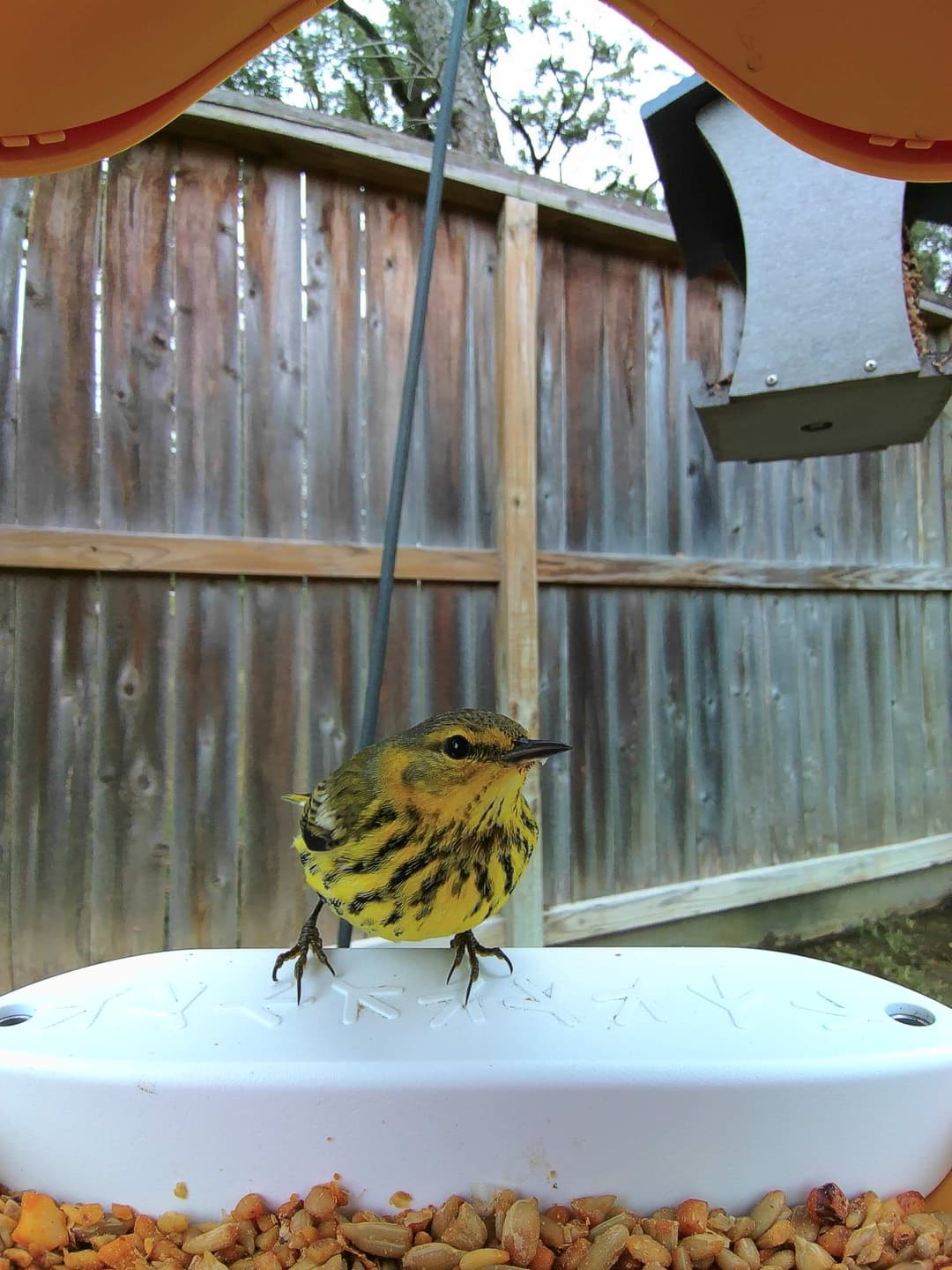
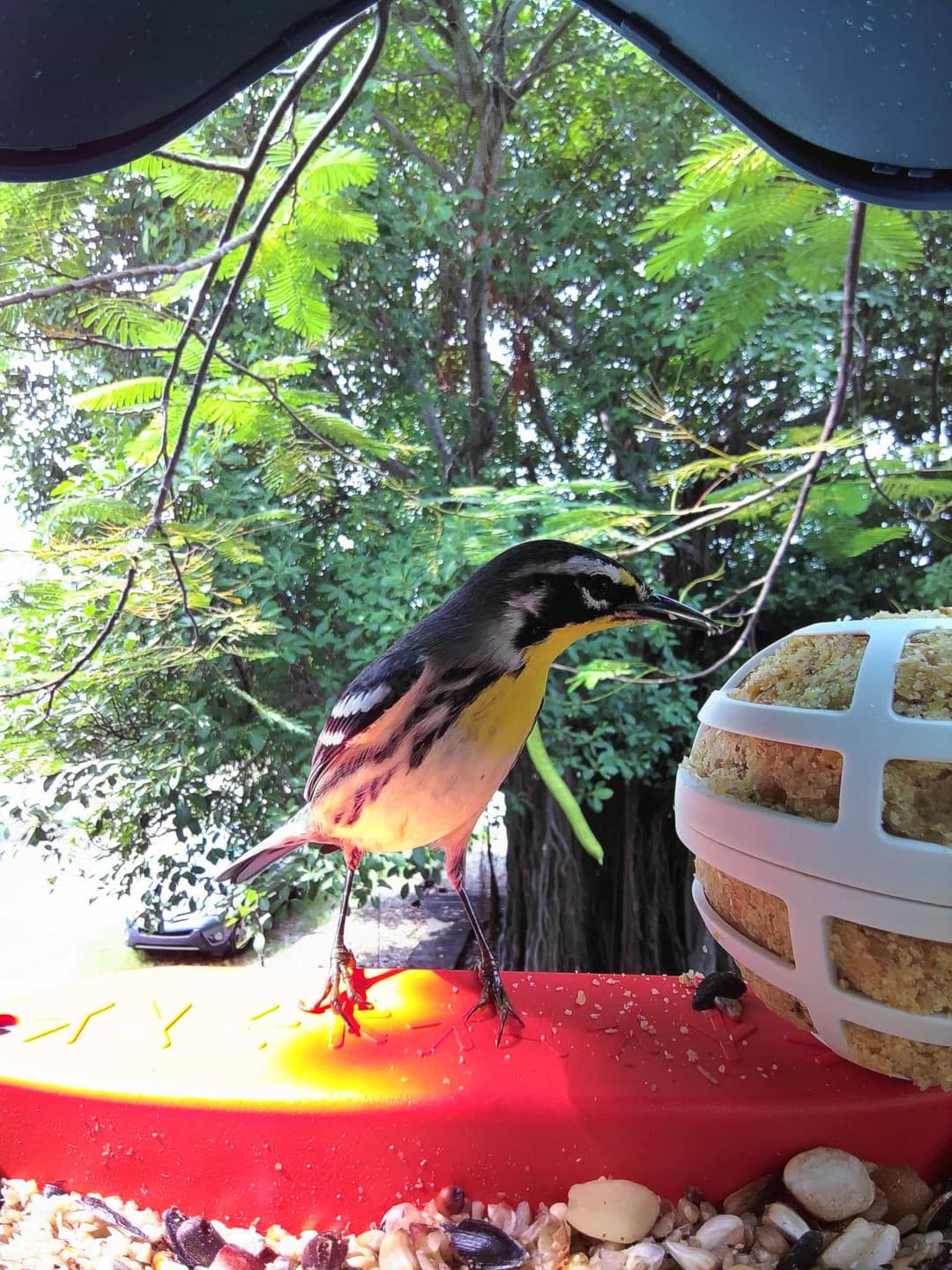
Yellow-Rumped Warbler vs Yellow-Throated Warbler

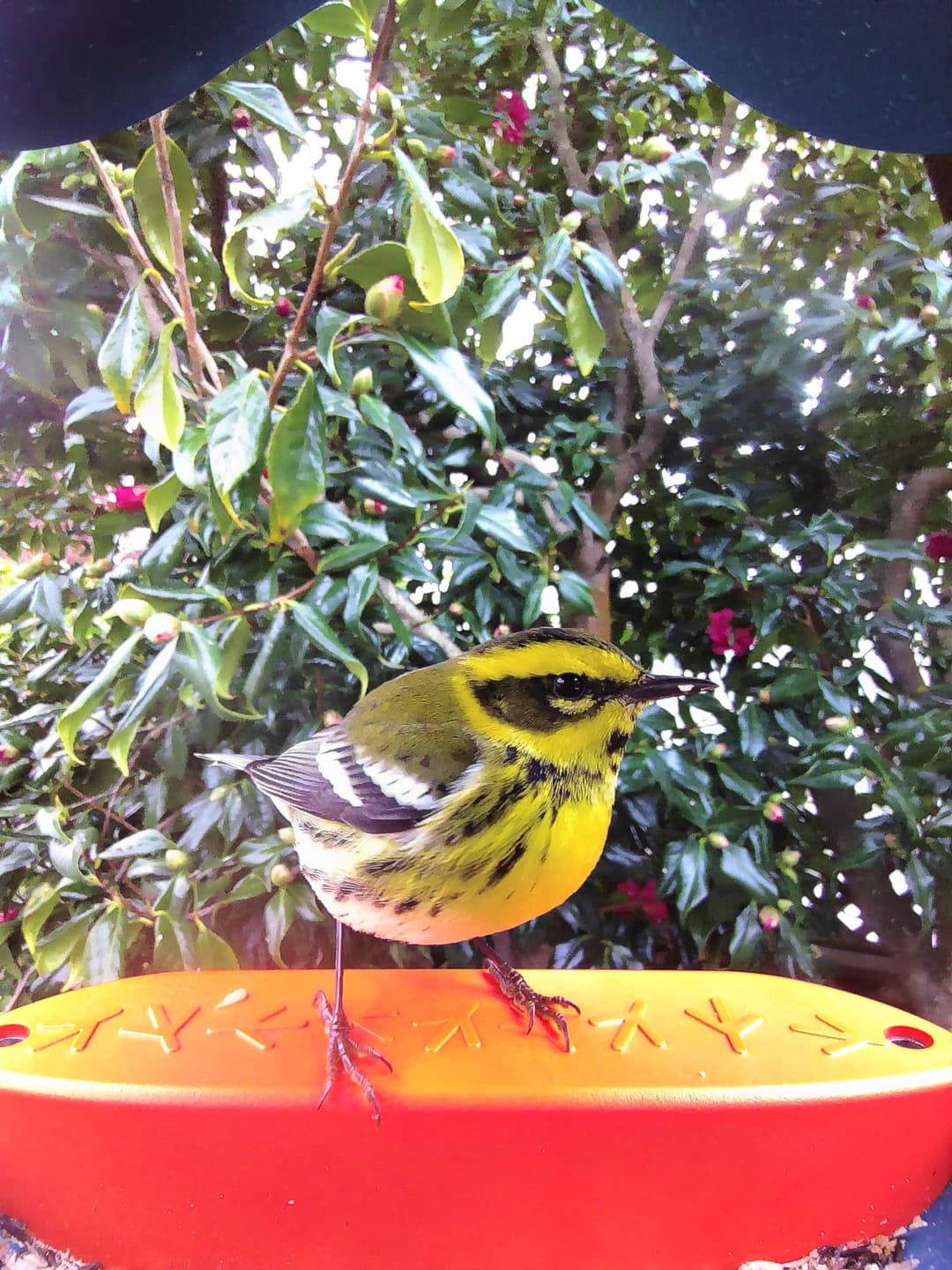
Yellow-Rumped Warbler vs Townsend’s Warbler
Palm Warbler vs [Select a bird]

[Select a bird]
Pick a bird to compare
Yellow-Rumped Warbler vs [Select a bird]
[Select a bird]
Pick a bird to compare