Yellow-Bellied Sapsucker or Hairy Woodpecker?
Here's how to tell the difference
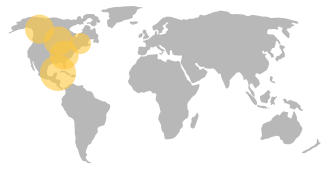
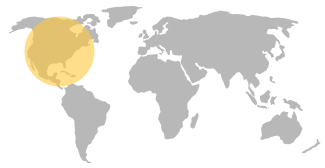
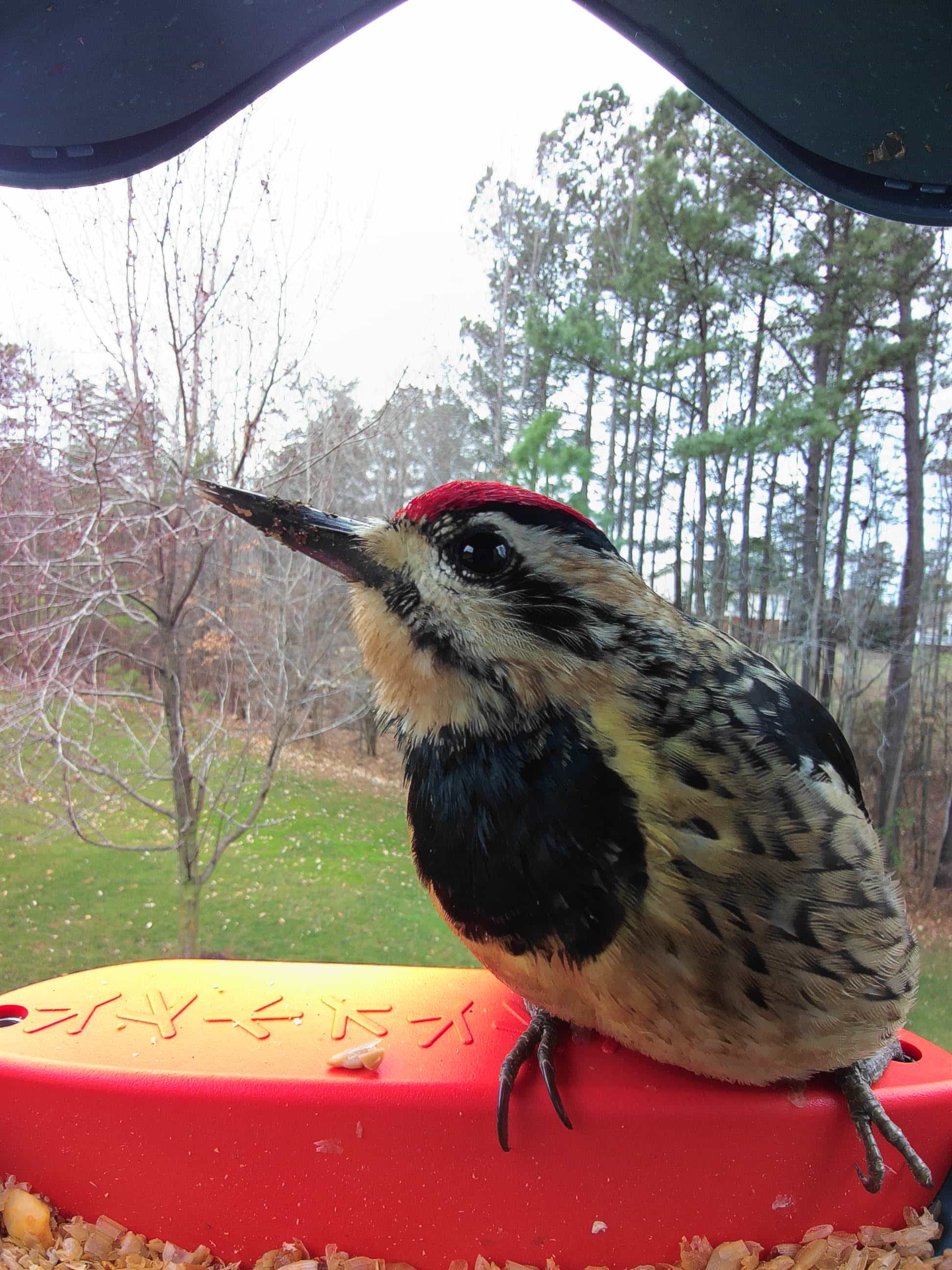


Yellow-Bellied Sapsucker
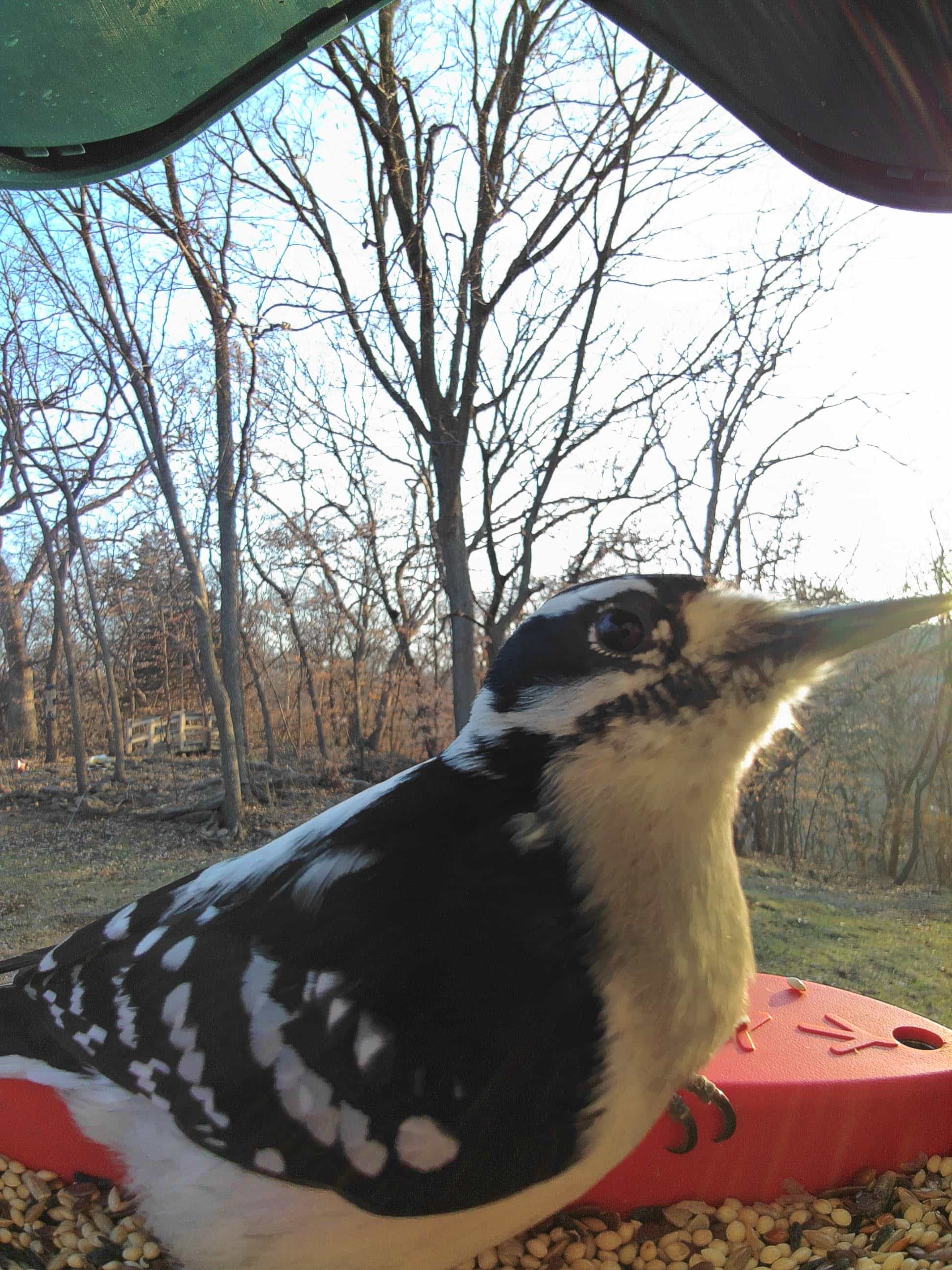


Hairy Woodpecker
Yellow-Bellied Sapsucker
Sphyrapicus varius
General appearance
The yellow-bellied sapsucker, about the size of a Robin, features a striking 8 1/2 inch (22 cm) long white stripe on its folded wing. The bird's back is mottled, and its face is striped. Its wings are broad and rounded, and it bears a distinctive, multi-pointed, wedge-shaped tail.
Male vs female
There are distinguishable differences between the male and female yellow-bellied sapsuckers. Primarily, the throat color varies, with males boasting a red throat while females have a white one. Both sexes exhibit a mix of black, brown, red, white, and yellow in their overall coloration.
Juvenile
Young yellow-bellied sapsuckers in their juvenile stage have brown heads in the fall season. As the season progresses towards late winter, the young birds gradually molt, their appearance shifting to closely resemble that of the adults.
Size
8.3 - 8.7 in/1.6 - 1.9 oz
There's more to learn about Yellow-Bellied Sapsucker
View full detailsHairy Woodpecker
Leuconotopicus villosus
General appearance
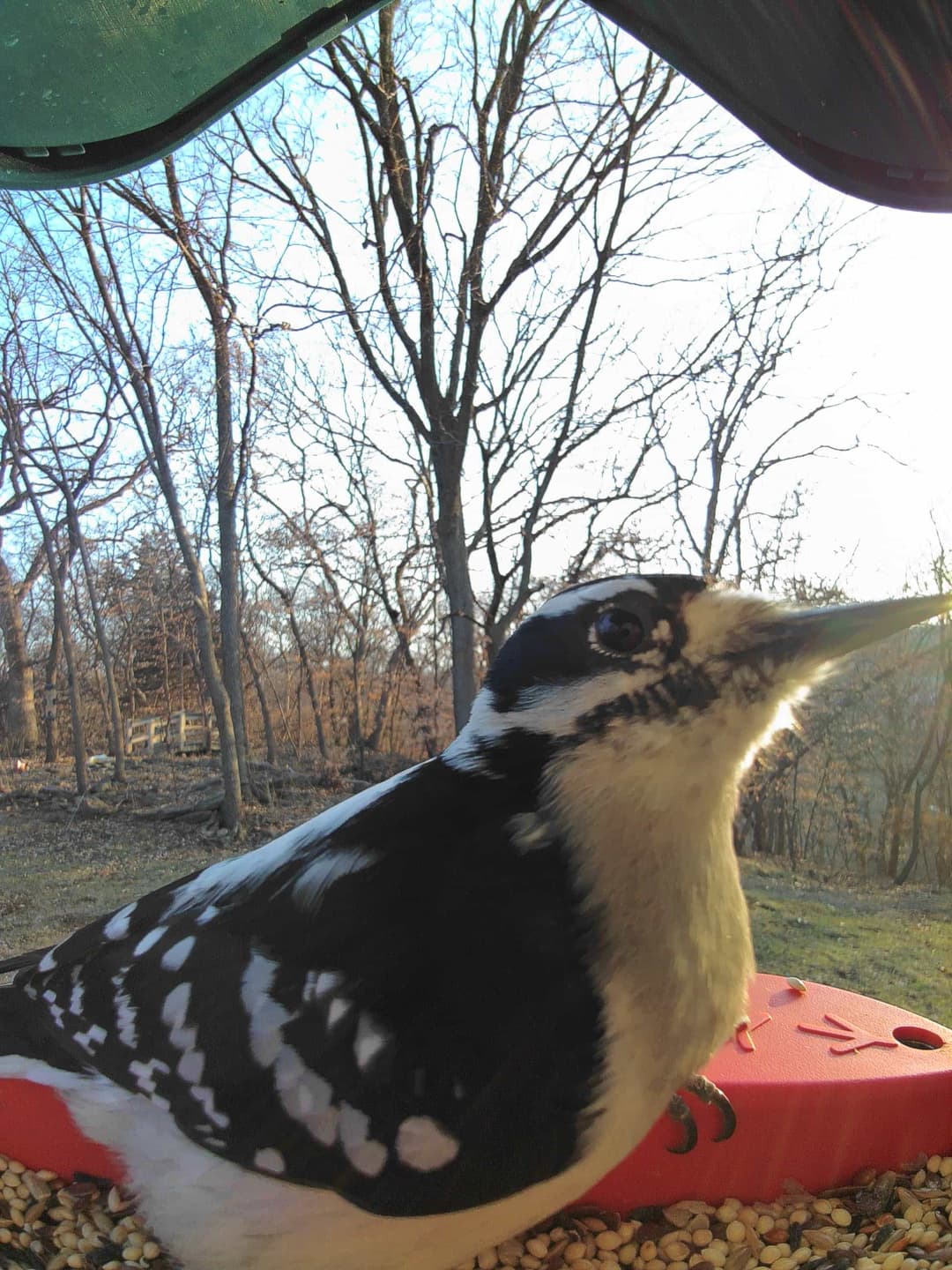
The hairy woodpecker is a medium-sized bird, featuring black and white plumage. Its back is predominantly black with white undersides and a white patch running down the center. The woodpecker's head is marked by bold black and white stripes. Hairy woodpeckers have a sharp, pointed beak, ideal for pecking into wood, and robust claws for gripping tree trunks.
Male vs female
Males and females are similar in size and coloration; however, a key difference is the presence of a red patch on the back of the male's head, something females lack. In addition, the male's 'mustache' stripe tends to be black, while it is often gray or absent in females.
Juvenile
Juvenile hairy woodpeckers closely resemble adults, but they exhibit a red crown during their first year. As they mature, the red crown recedes, retained only by males as a small red patch on the back of the head. Apart from this, juveniles share the same black and white coloration as adults.
Size
7.1 - 10.2 in/1.4 - 3.4 oz
There's more to learn about Hairy Woodpecker
View full detailsHow to tell the Yellow-Bellied Sapsucker from the Hairy Woodpecker
Visual differences
The Yellow-Bellied Sapsucker and Hairy Woodpecker differ visually in several ways. The sapsucker is approximately 8.5 inches long, has a mottled back and a distinctive white stripe on its wings, and features a wedge-shaped tail. Males display a red throat, while females have a white one. The Hairy Woodpecker, slightly larger at 7 to 10 inches, has a predominantly black and white back with a sharp, pointed beak. Males have a red patch on their head. Both birds have black and white striped heads, but the sapsucker includes additional colors like brown and yellow.
Key differences and behavior
The Yellow-Bellied Sapsucker and the Hairy Woodpecker, both North American natives, exhibit distinct behaviors that aid field identification. Sapsuckers claim territory by drumming on objects, creating tree sap wells for nourishment, a behavior attracting hummingbirds. In contrast, Hairy Woodpeckers drum at wood to extract insects. Sapsuckers favor coniferous-deciduous woods and orchards, while Hairy Woodpeckers inhabit mature forests and adapt to human-altered areas. In breeding, both species engage in drumming and chasing displays, but Sapsuckers prefer nesting in deciduous trees, whereas Hairy Woodpeckers use dead trees. The Sapsucker's diet includes sap and ants, whereas the Hairy Woodpecker focuses on insects, fruits, and nuts. Suet can attract both at feeders.
Still not sure? Here are more lookalikes!
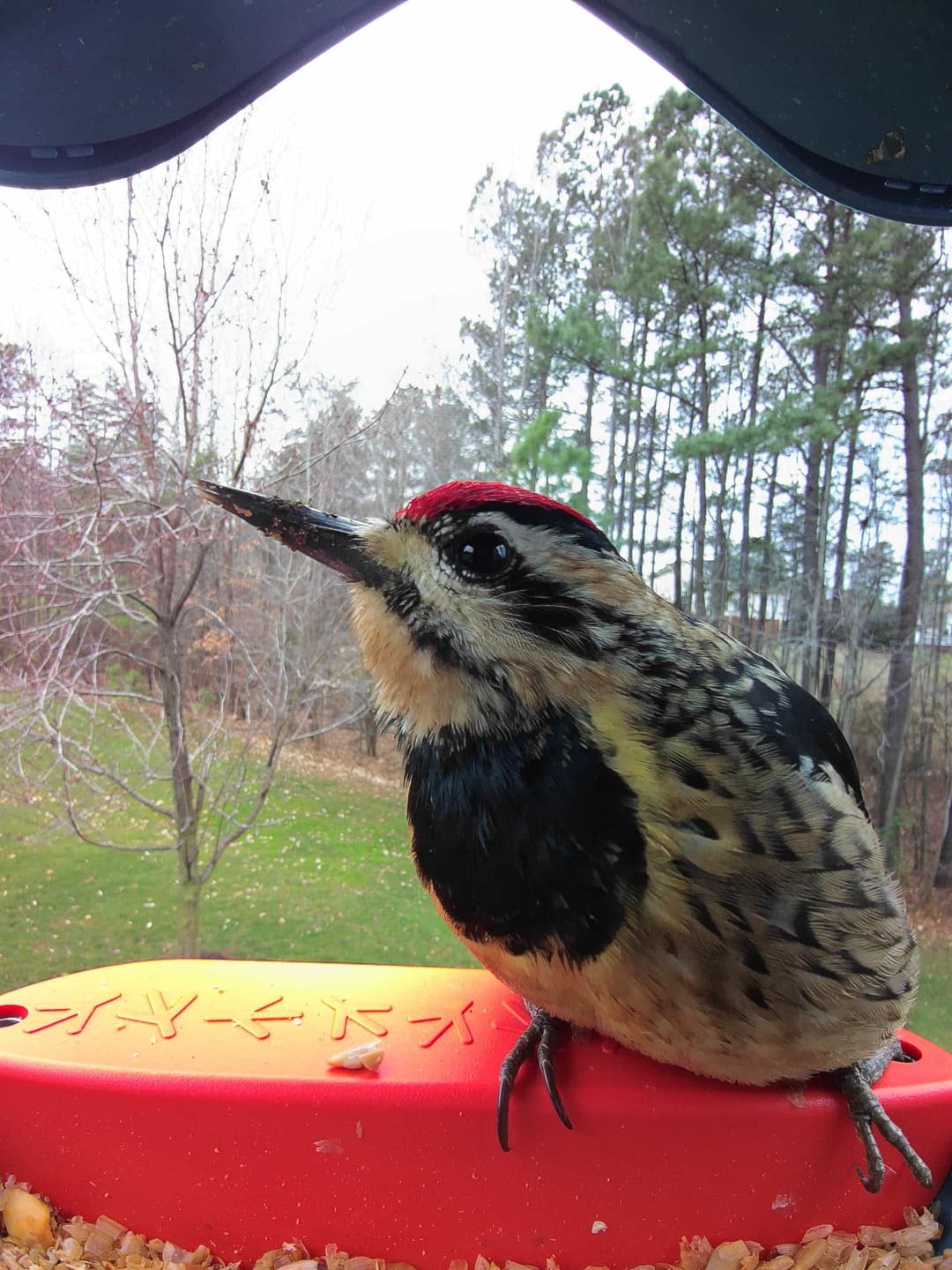
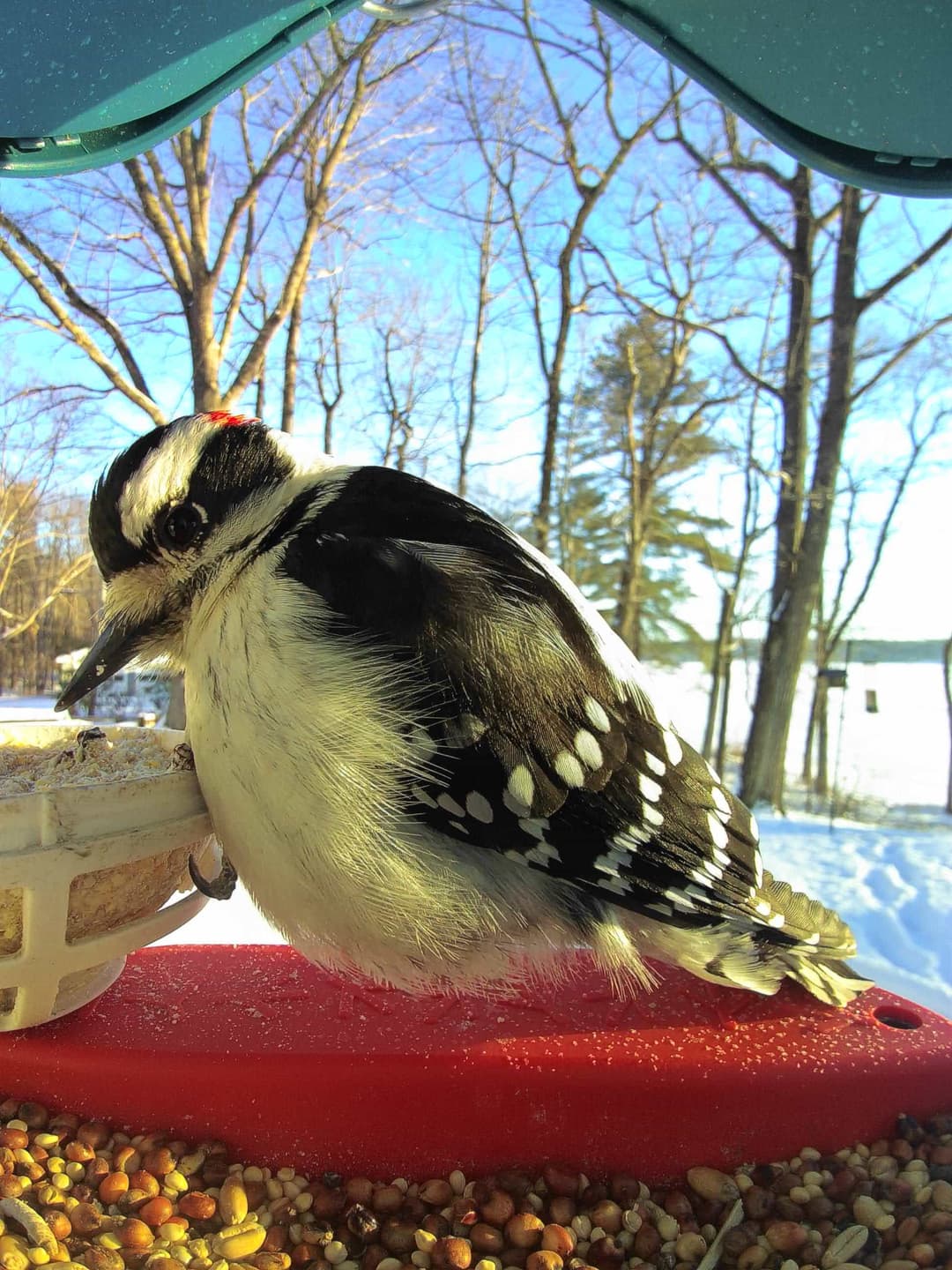
Yellow-Bellied Sapsucker vs Downy Woodpecker
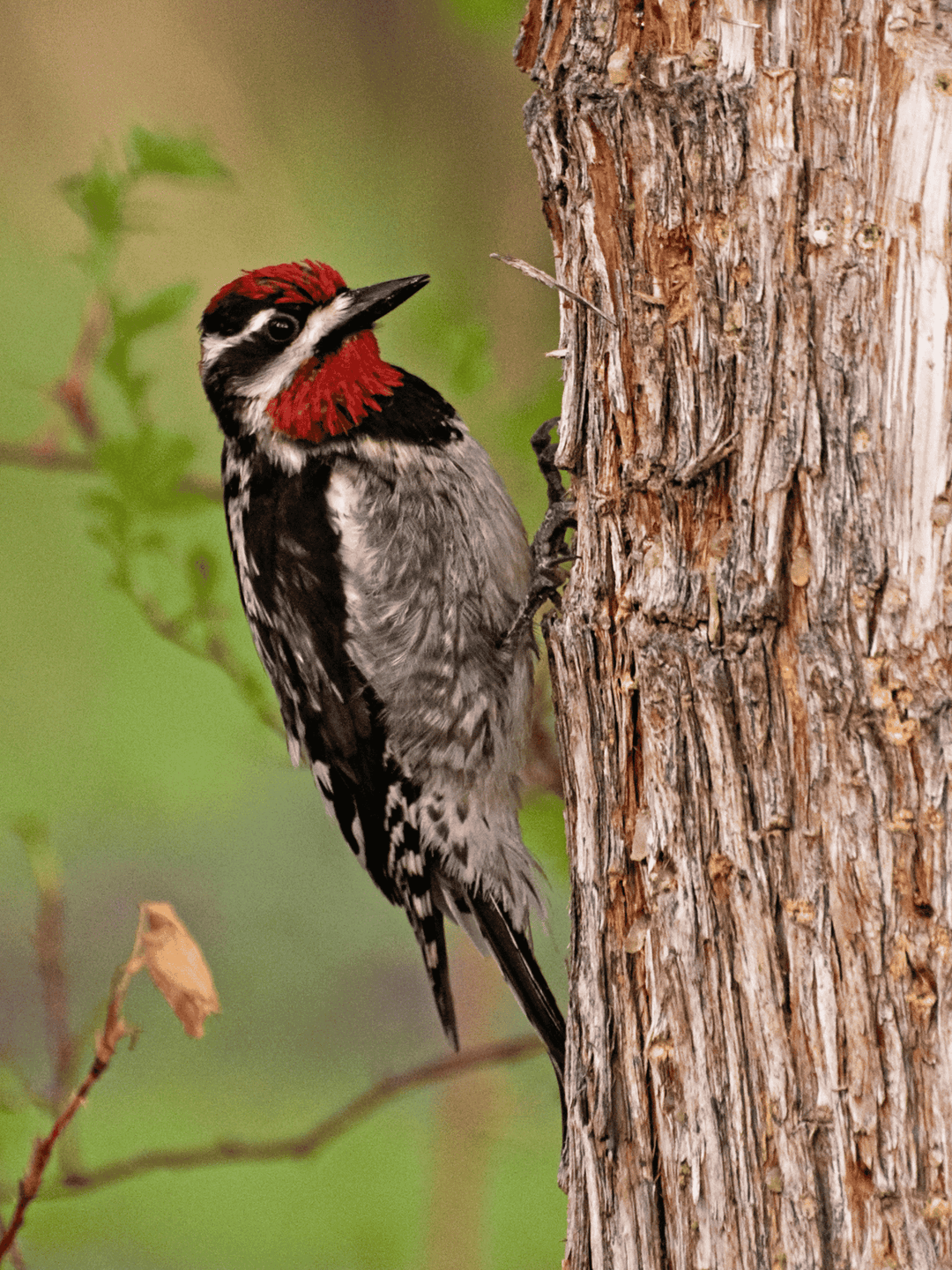
Yellow-Bellied Sapsucker vs Red-Naped Sapsucker
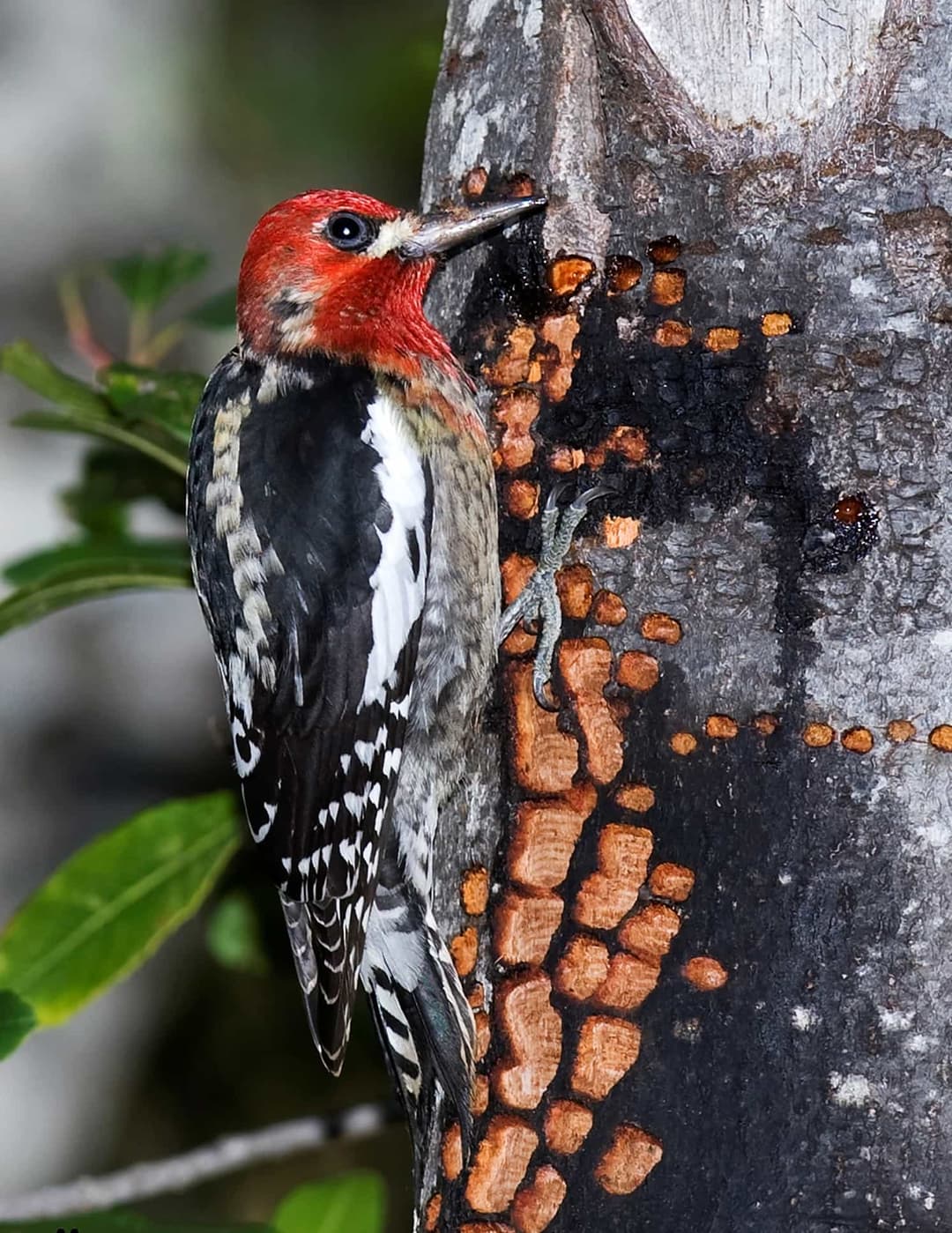
Yellow-Bellied Sapsucker vs Red-Breasted Sapsucker
Hairy Woodpecker vs Downy Woodpecker
Yellow-Bellied Sapsucker vs [Select a bird]

[Select a bird]
Pick a bird to compare
Hairy Woodpecker vs [Select a bird]
[Select a bird]
Pick a bird to compare