Dark Blue Jay or Blue Jay?
Here's how to tell the difference
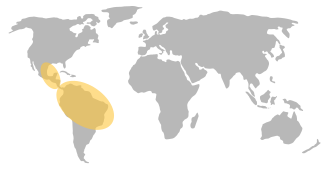

Dark Blue Jay
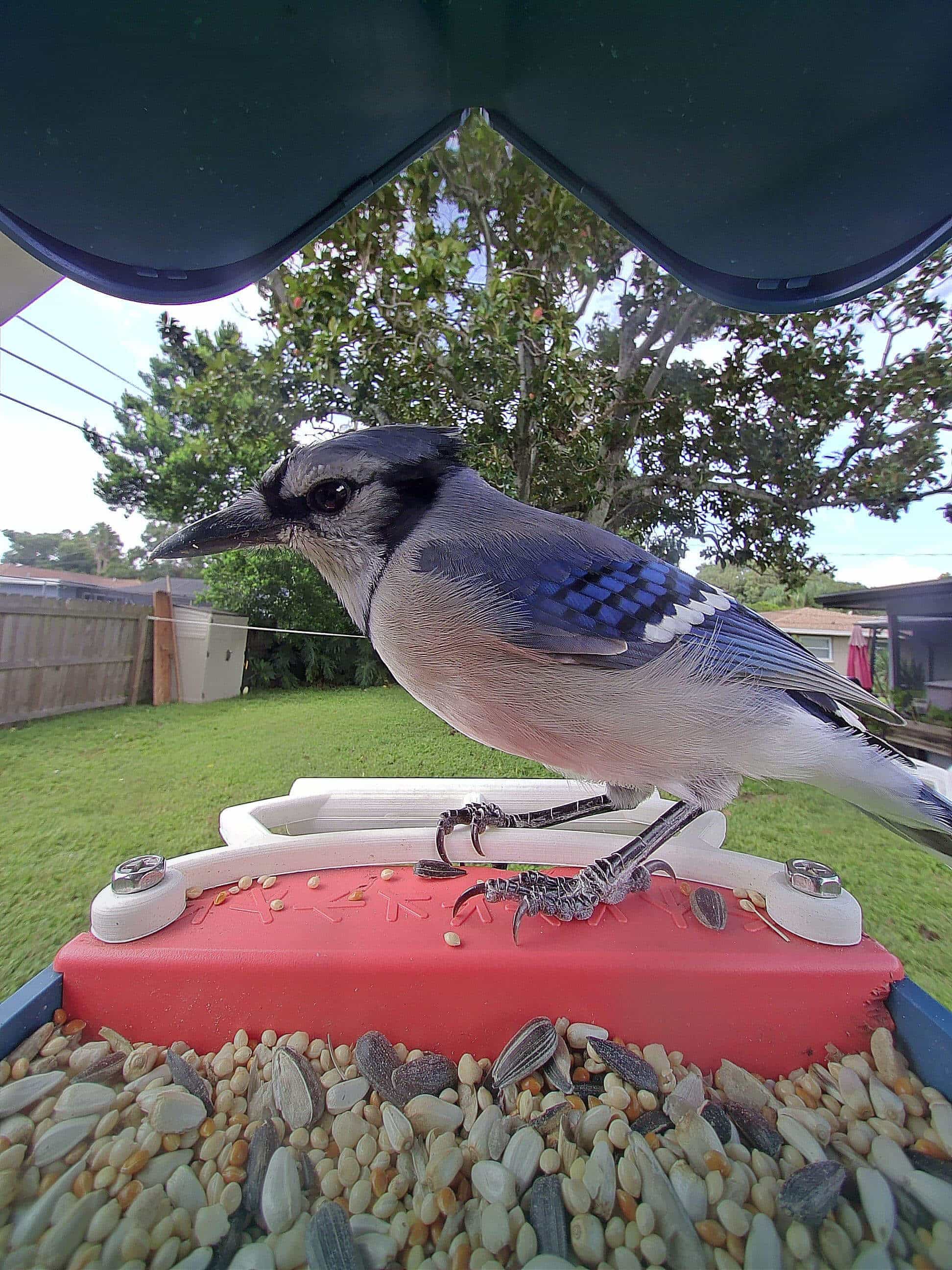


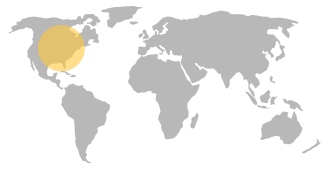
Blue Jay
Dark Blue Jay
Cyanocorax
General appearance
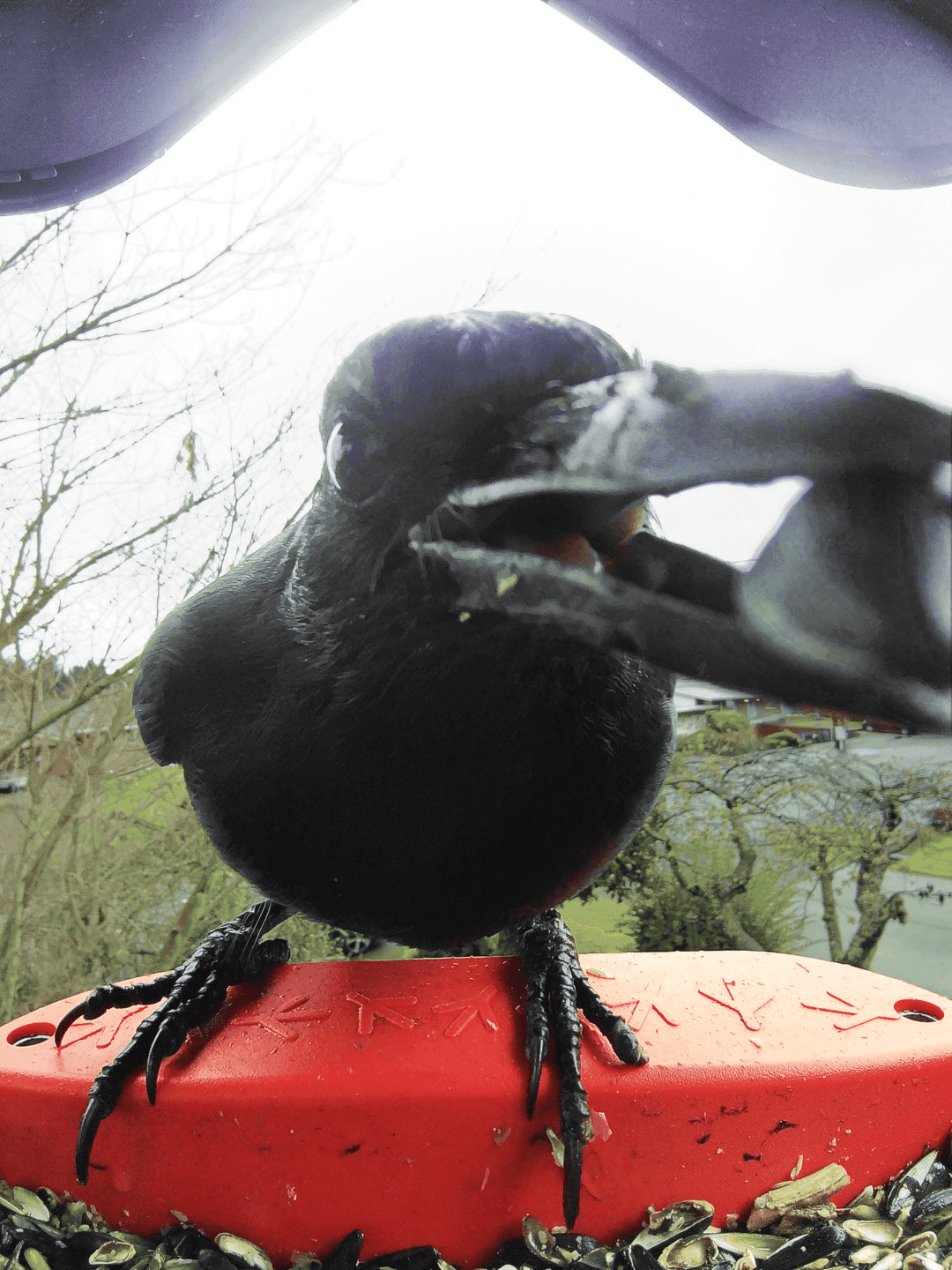
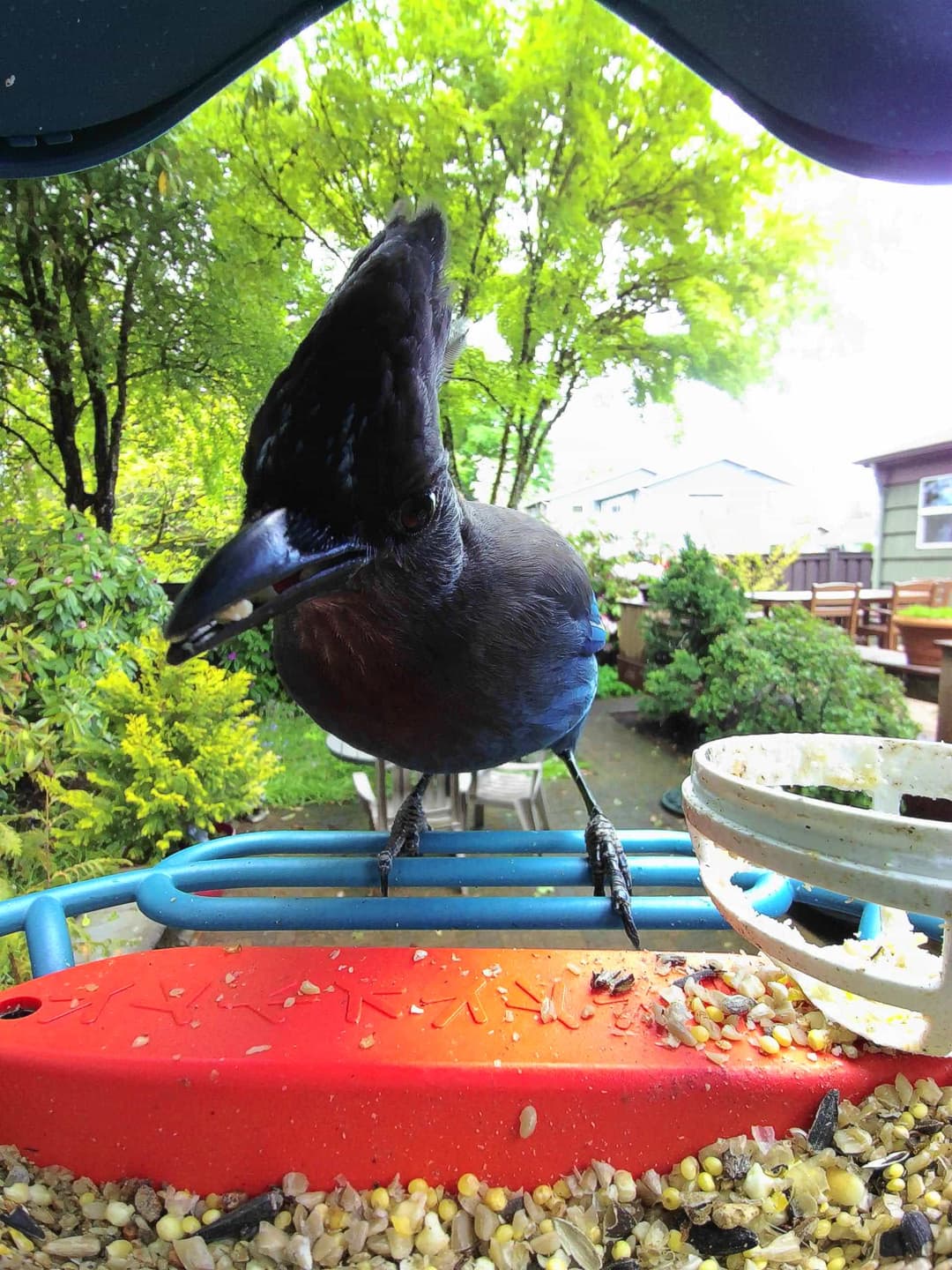
Dark Blue Jays encompass deep blue to purplish-blue plumage with a strong black barring on their tail and wings. The throat, chin and upper breast showcases lighter blue shades with traces of grayish white. Their stout, robust build, black beak and feet, and an average length of 11-12 inches are conspicuous traits.
Male vs female
Sexual dimorphism isn't prominent in Dark Blue Jays, making it hard to distinguish between males and females. Both share identical color patterns and physical traits, females might be slightly smaller in size. Behavioral indications during breeding season might assist in discernment.
Juvenile
Juvenile Dark Blue Jays possess a duller coloration compared to adults until they complete their first molt. The immature birds have lighter blue to gray fluff with less distinct barring on tails and wings. The juvenile's eyes, initially a subtle blue-gray, brighten to a more pronounced white as they mature.
Size
9.8 - 15.7 in/2.3 - 9.6 oz
There's more to learn about Dark Blue Jay
View full detailsBlue Jay
Cyanocitta cristata
General appearance
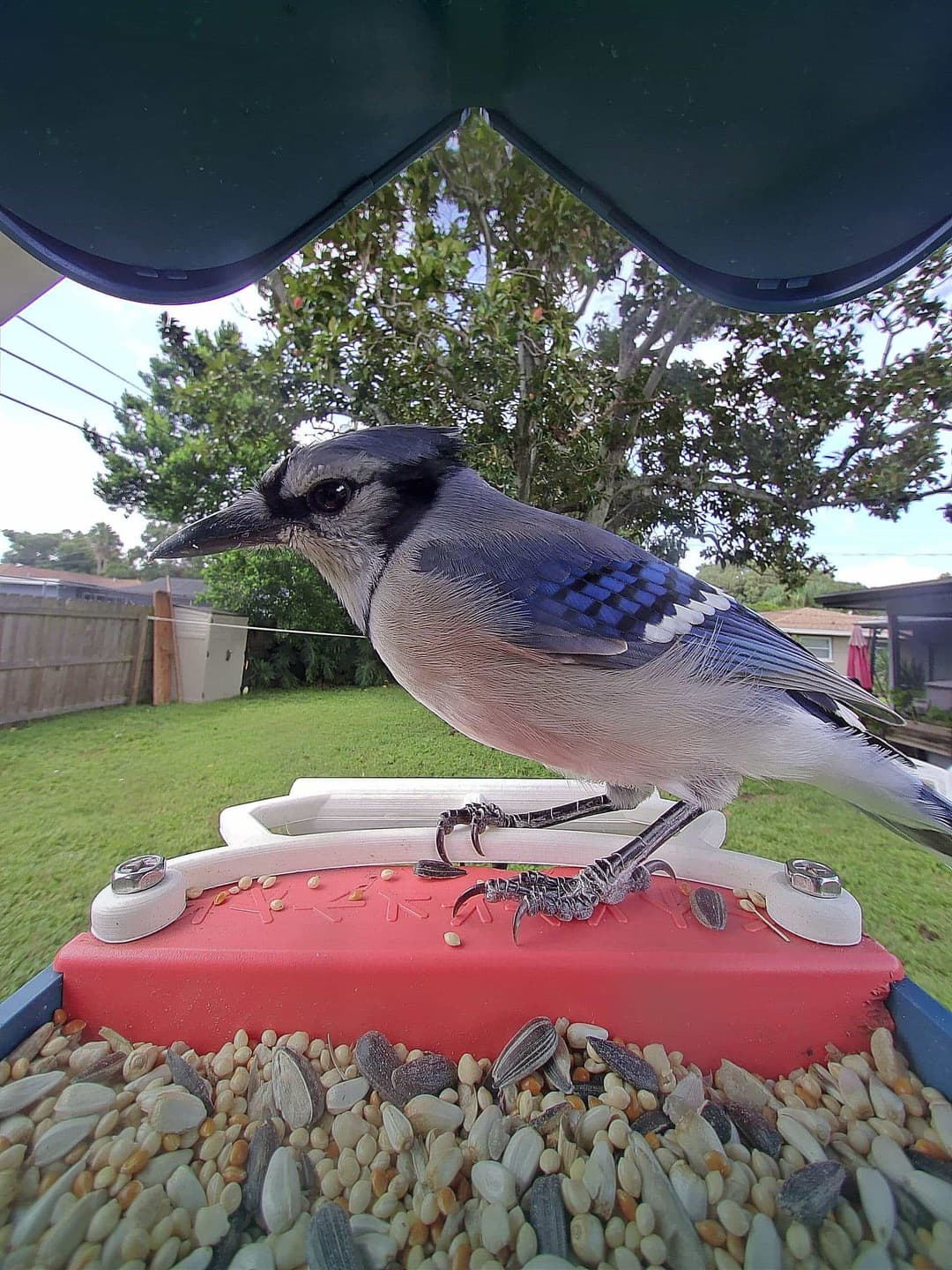
Blue Jays have a distinctive appearance with a size similar to a crow. Their dull blue-gray back contrasts with their bright blue wings and tail. They have a prominent crest, a black necklace and white patterns on their wing-bars and tail corners. The bird's wings are broad, fingered and rounded, possessing a long, rounded and wedge-shaped tail.
Male vs female
Interestingly, there is little to no difference in the physical appearance between male and female Blue Jays. Both sexes exhibit the same coloration and patterns. Any differences are minimal and often indistinguishable to the untrained eye.
Juvenile
Juvenile Blue Jays are similar in appearance to adults but may be slightly duller in color. They also lack the full crest of adult birds until they mature. Still, their inherent blue hue combined with gray, black and white patterns provides a good marker for identification.
Size
9.8 - 11.8 in/2.5 - 3.5 oz
There's more to learn about Blue Jay
View full detailsHow to tell the Dark Blue Jay from the Blue Jay
Visual differences
The Dark Blue Jay (Cyanocorax) features deep to purplish-blue plumage with black barring on the tail and wings, and a robust black beak, measuring 11-12 inches long. In contrast, the Blue Jay (Cyanocitta cristata) has a dull blue-gray back with brighter blue wings and tail, a prominent crest, and distinctive black and white patterns, with a length of 9.8-11.8 inches. Both birds display minimal sexual dimorphism, but the Dark Blue Jay is generally more robust, while the Blue Jay displays a more prominent crest and distinctive black necklace.
Key differences and behavior
Dark Blue Jays (Cyanocorax) and Blue Jays (Cyanocitta cristata) exhibit distinct behavioral patterns. Dark Blue Jays are highly social, often forming large flocks and engaging in energetic courtship displays involving bill-grabbing and dancing. They adapt well to both forested and urban environments in the Pacific Northwest, foraging on insects, fruits, and nuts. In contrast, Blue Jays are known for their intelligence and "anting" behavior to manage parasites. They prefer deciduous or mixed woodlands and are significant acorn dispersers. Blue Jays can be aggressive at bird feeders, dominating for sunflower seeds and peanuts. Their courtship involves aerial chases and male feeding. Both species exhibit cooperative nesting, with both parents involved, but Blue Jays are quieter around nests and defend them if threatened. While adaptable, they avoid pure coniferous forests and are more reserved than their dark blue counterparts.
Still not sure? Here are more lookalikes!
Dark Blue Jay vs Steller’s Jay
Dark Blue Jay vs California Scrub-Jay

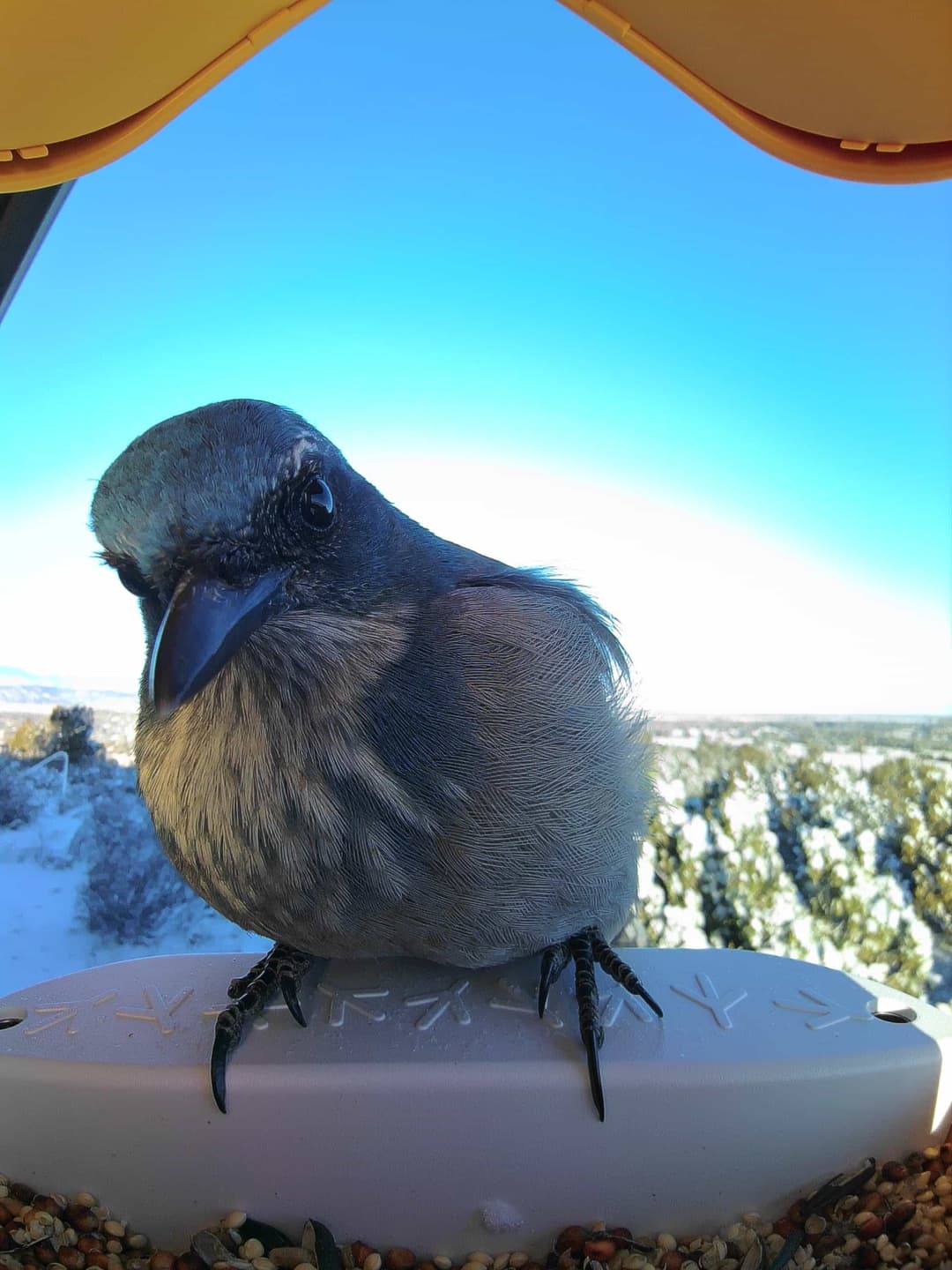
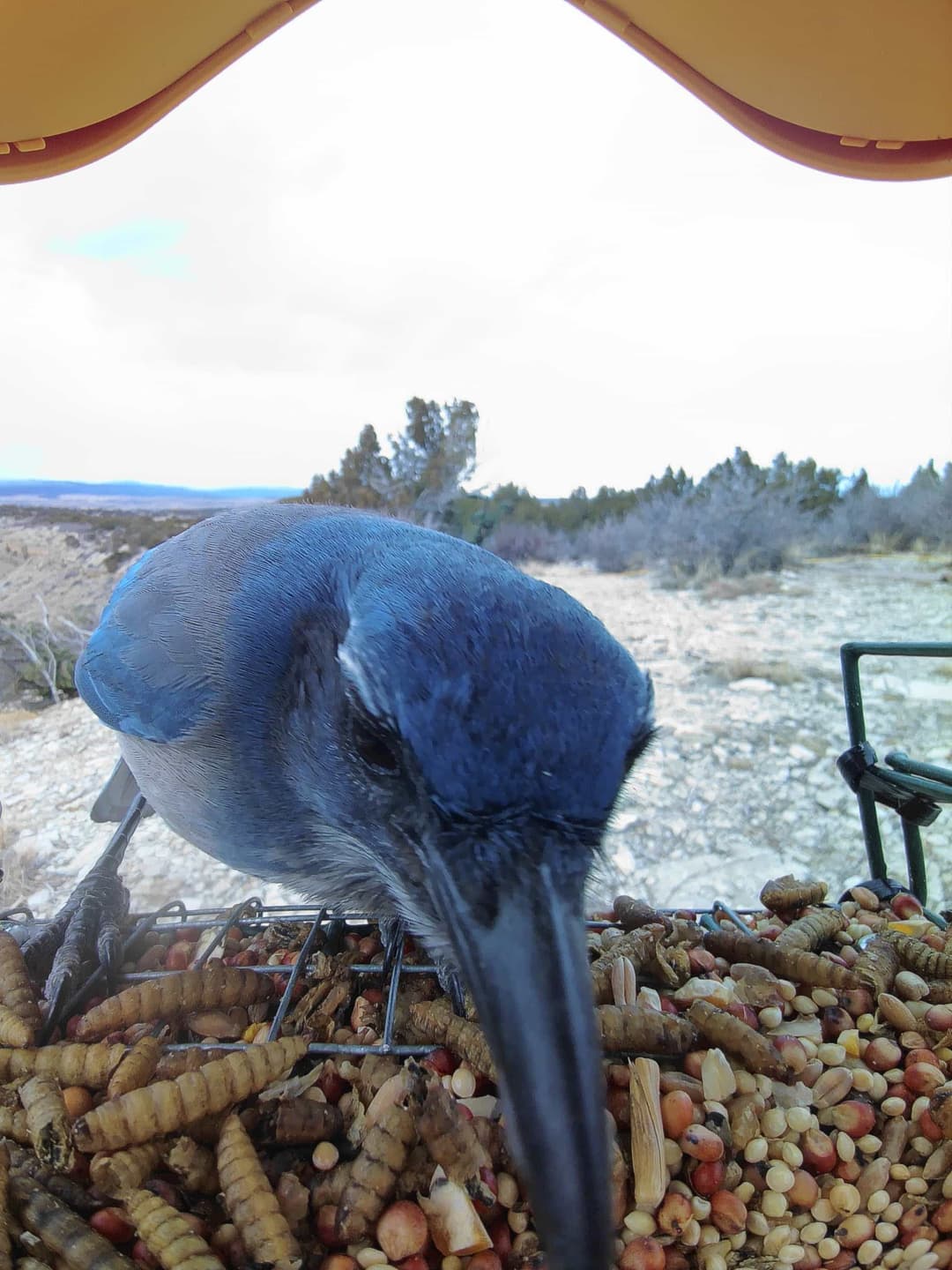
Dark Blue Jay vs Woodhouse’s Scrub-Jay
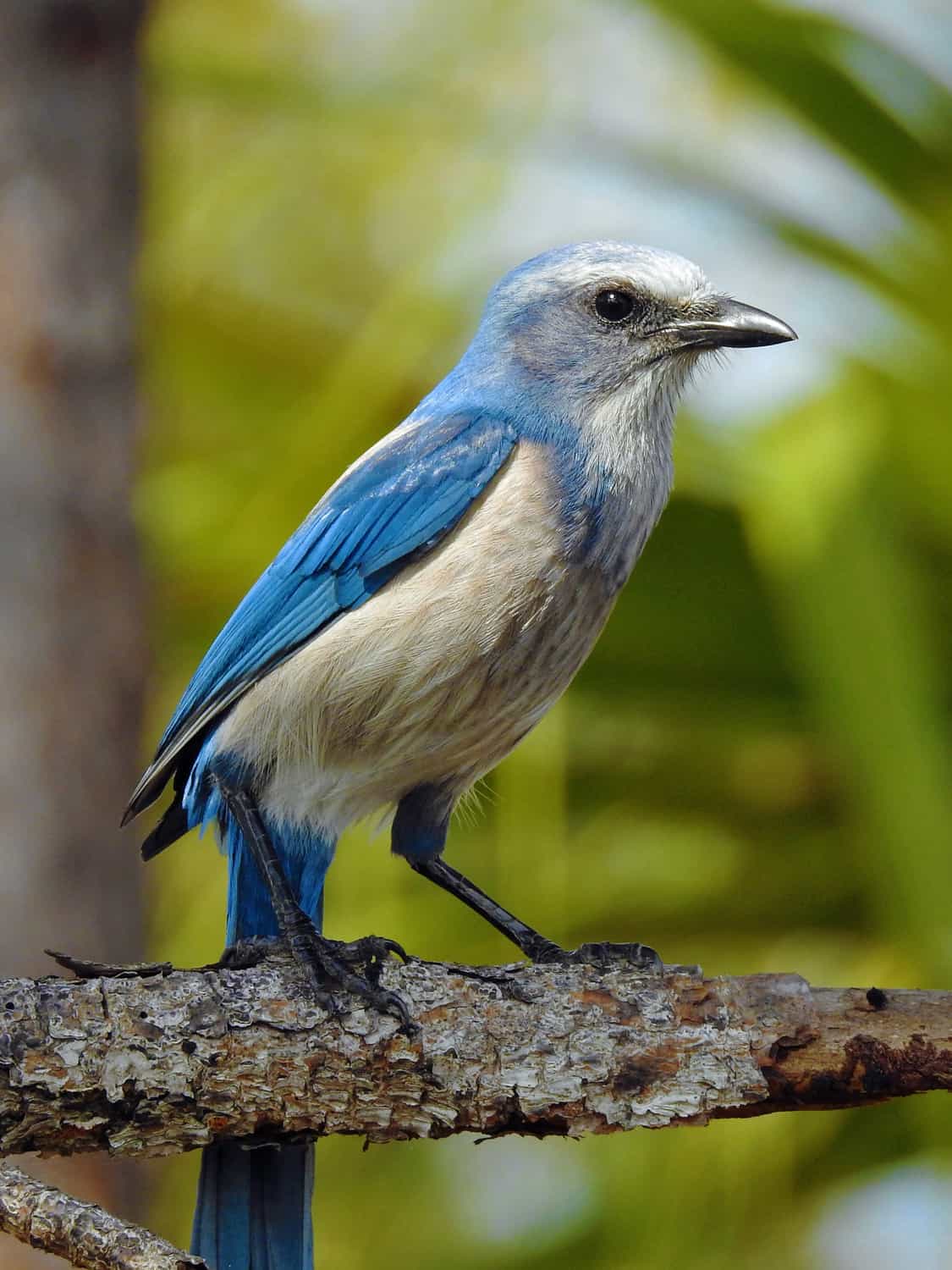
Blue Jay vs Florida Scrub-Jay
Blue Jay vs Steller’s Jay
Blue Jay vs Woodhouse’s Scrub-Jay
Blue Jay vs California Scrub-Jay
Dark Blue Jay vs [Select a bird]

[Select a bird]
Pick a bird to compare
Blue Jay vs [Select a bird]
[Select a bird]
Pick a bird to compare