Asian Glossy Starling or Common Starling?
Here's how to tell the difference
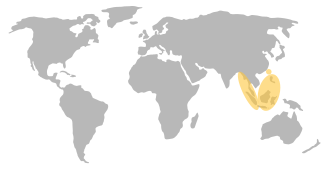


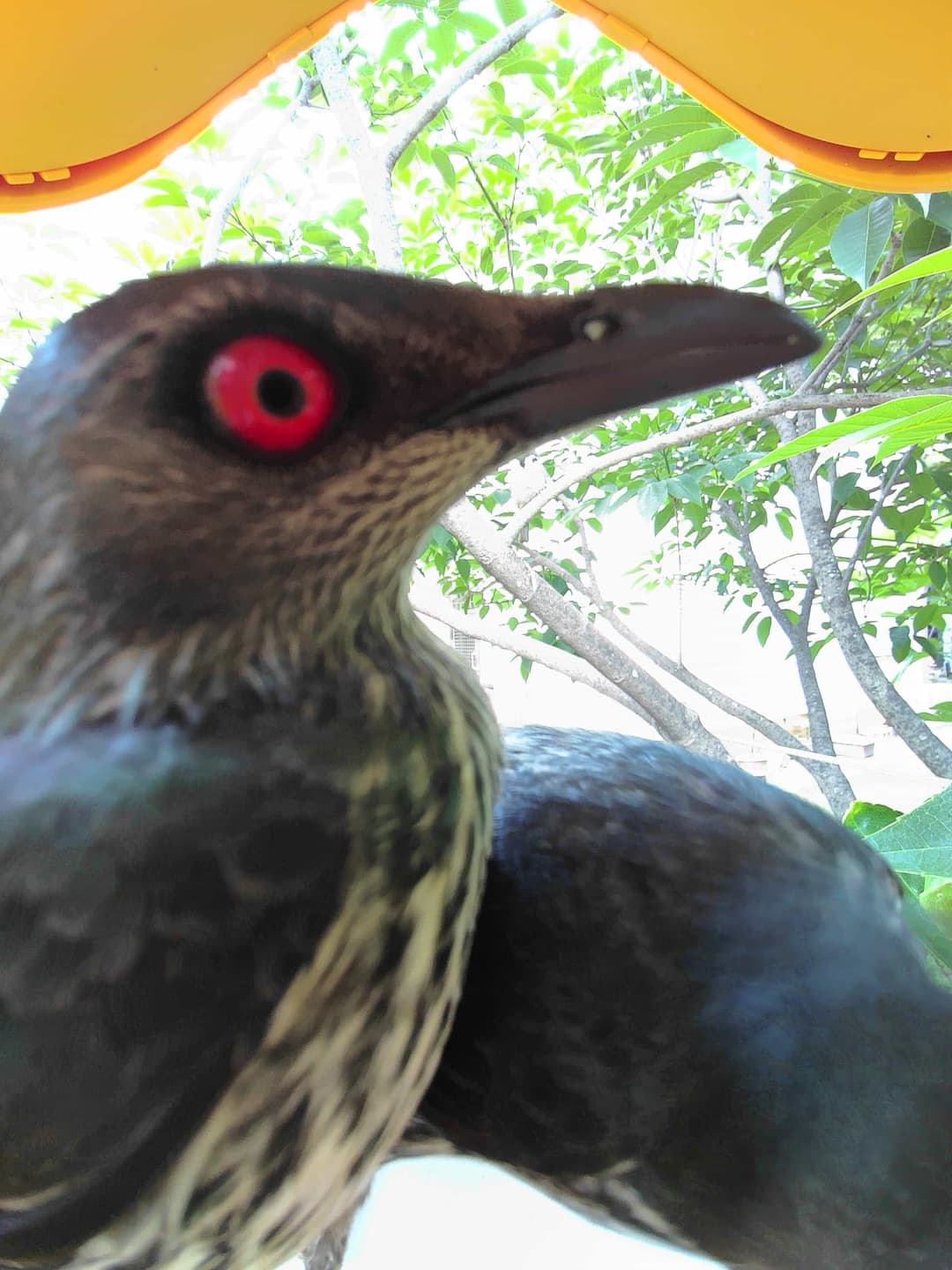
Asian Glossy Starling
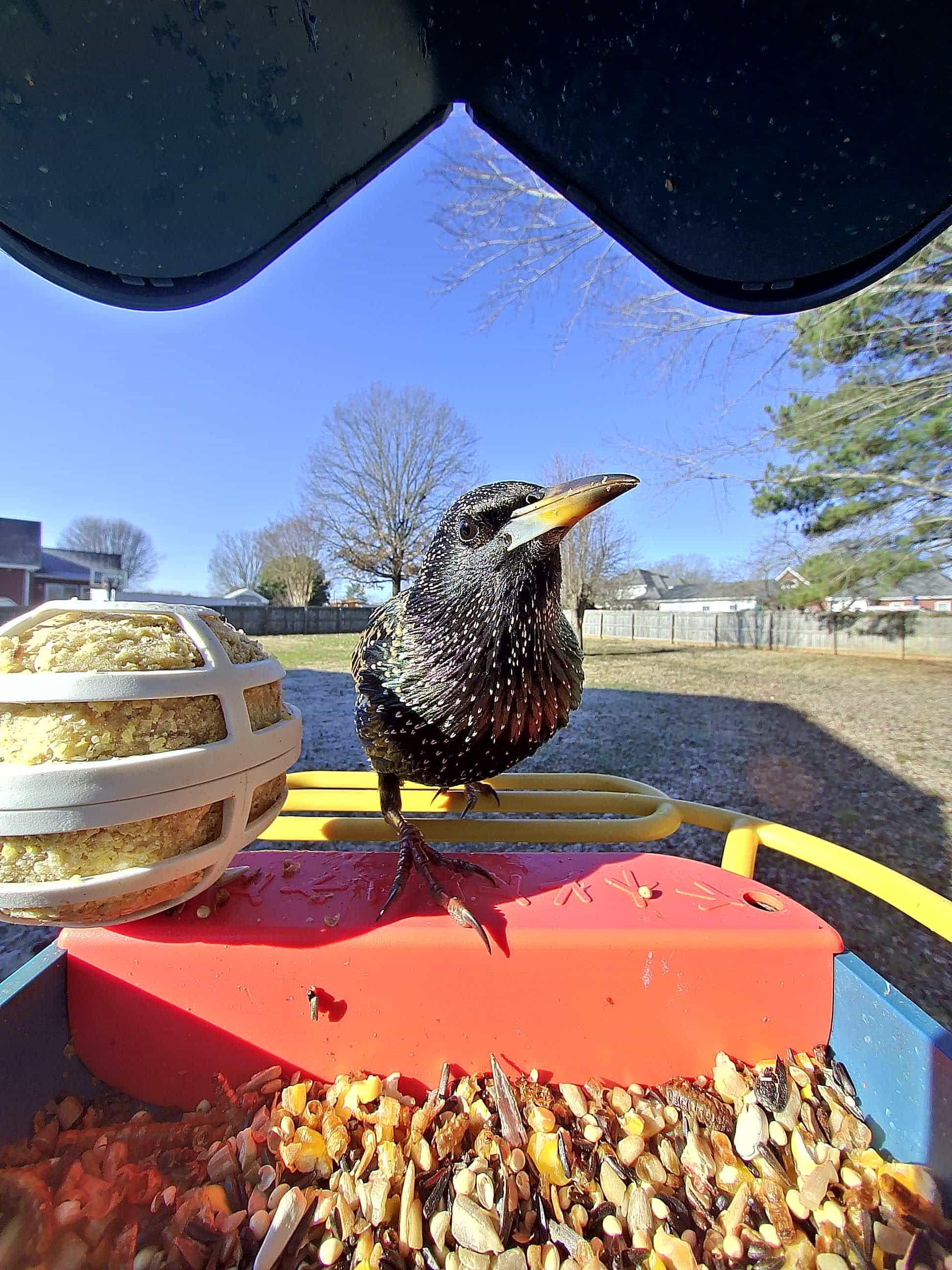


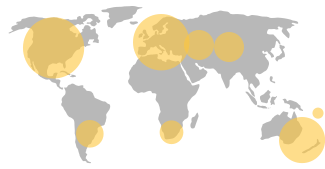
Common Starling
Asian Glossy Starling
Aplonis panayensis
General appearance
The Asian glossy starling, also known as Aplonis panayensis, is widely recognized for its distinct, glossy dark-blue or greenish-blue plumage. They are medium-sized birds with pointed wings, short tail, and strong legs. Their eyes have a prominent white iris against a dark body offering a striking contrast.
Male vs female
Both male and female Asian glossy starlings have similar appearances, with no visible physical differentiation between the two genders. Both sexes sport the same shiny coloration and possess similar physical features, making it challenging to tell them apart in the wild based on appearance alone.
Juvenile
Juvenile Asian glossy starlings have less glossy brownish-black plumage compared to adults, with their feathers gradually gaining the characteristic adult gloss as they mature. Their eyes have a brownish iris, which turns white as they age. The lack of the glossy coloration and the eye color difference are the key distinguishing factors of juveniles from adults.
Size
6.7 - 7.9 in/1.8 - 2.1 oz
There's more to learn about Asian Glossy Starling
View full detailsCommon Starling
Sturnus vulgaris
Also known as: European Starling, Starling
General appearance
The common starling is about the size of a robin, measuring 8 1/2 inches (22 cm) in length. It possesses a short tail and a thin straight bill. Its plumage changes with the seasons, appearing black with glimmers of purple and green in spring and summer. It is speckled with white in the fall, which wear off during winter.
Male vs female
The bills of both sexes change color throughout the year - bright yellow during the breeding season. The base of the lower mandible takes a different hue, with males displaying a blue color and females, a pink one. The bills are duller during other seasons.
Juvenile
Juvenile common starlings, often seen in flocks in summer, differ greatly in appearance from the adults. Their plumage is dusty gray, and their bills are dark.
Size
7.9 - 9.1 in/1.9 - 3.6 oz
There's more to learn about Common Starling
View full detailsHow to tell the Asian Glossy Starling from the Common Starling
Visual differences
The Asian Glossy Starling features glossy dark-blue or greenish-blue plumage with a striking white iris, measuring 6.7-7.9 inches and weighing 1.8-2.1 ounces. In contrast, the Common Starling, 8.6-9 inches long and 1.9-3.6 ounces, sports seasonal plumage: iridescent black with purple-green glimmers and white speckles. The Asian Glossy Starling's short tail and pointed wings differ from the Common Starling's short tail and thin, straight bill, which turns yellow during breeding. Juveniles of both species are less iridescent, with Asian Glossy Starlings having brownish-black plumage and Common Starlings a dusty gray.
Key differences and behavior
The Asian Glossy Starling (AGS) and Common Starling (CS) exhibit distinct behaviors and preferences. AGSs are notably sociable, forming large flocks and occupying open woodlands, urban areas, and gardens across Southeast Asia. CSs, although also sociable, create spectacular murmurations and are common in cities and farms of Europe and North America. AGSs primarily consume fruits and insects, while CSs have a broader diet, including a variety of insects, fruits, and invertebrates. During breeding, AGSs engage in vibrant displays, while CS males sing to attract mates, possibly having multiple partners. Both species nest in cavities, but CSs may use unique locations like cacti. Overall, AGSs adapt well to tropical urban environments, whereas CSs thrive in temperate agricultural and suburban settings.
Still not sure? Here are more lookalikes!
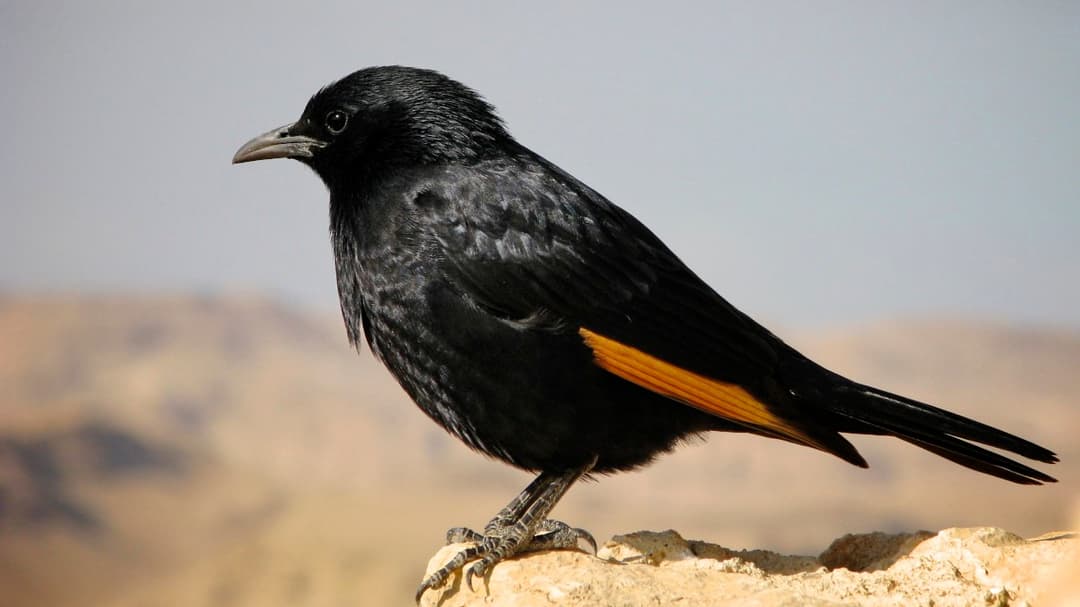
Asian Glossy Starling vs Tristram’s Starling
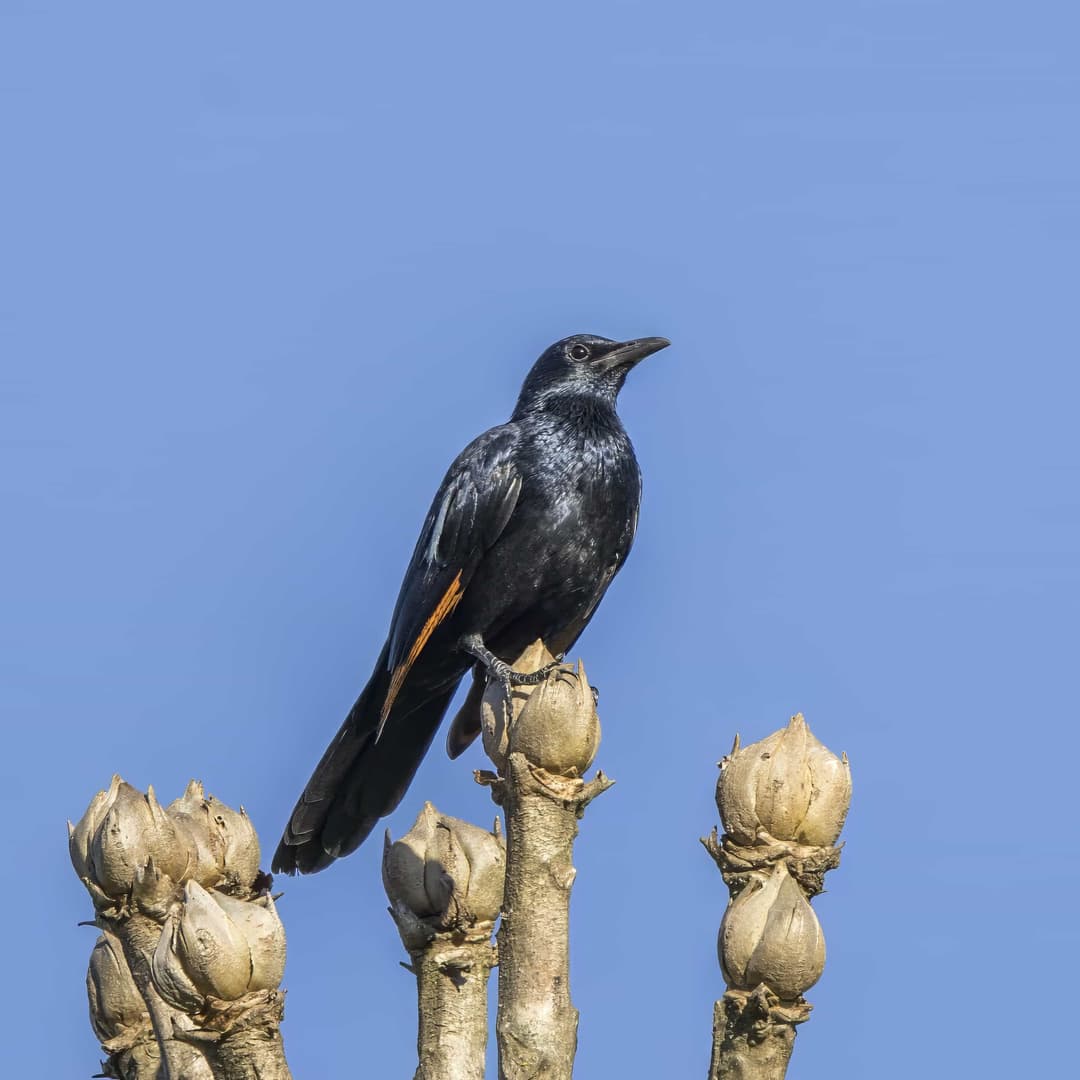
Asian Glossy Starling vs Red-Winged Starling
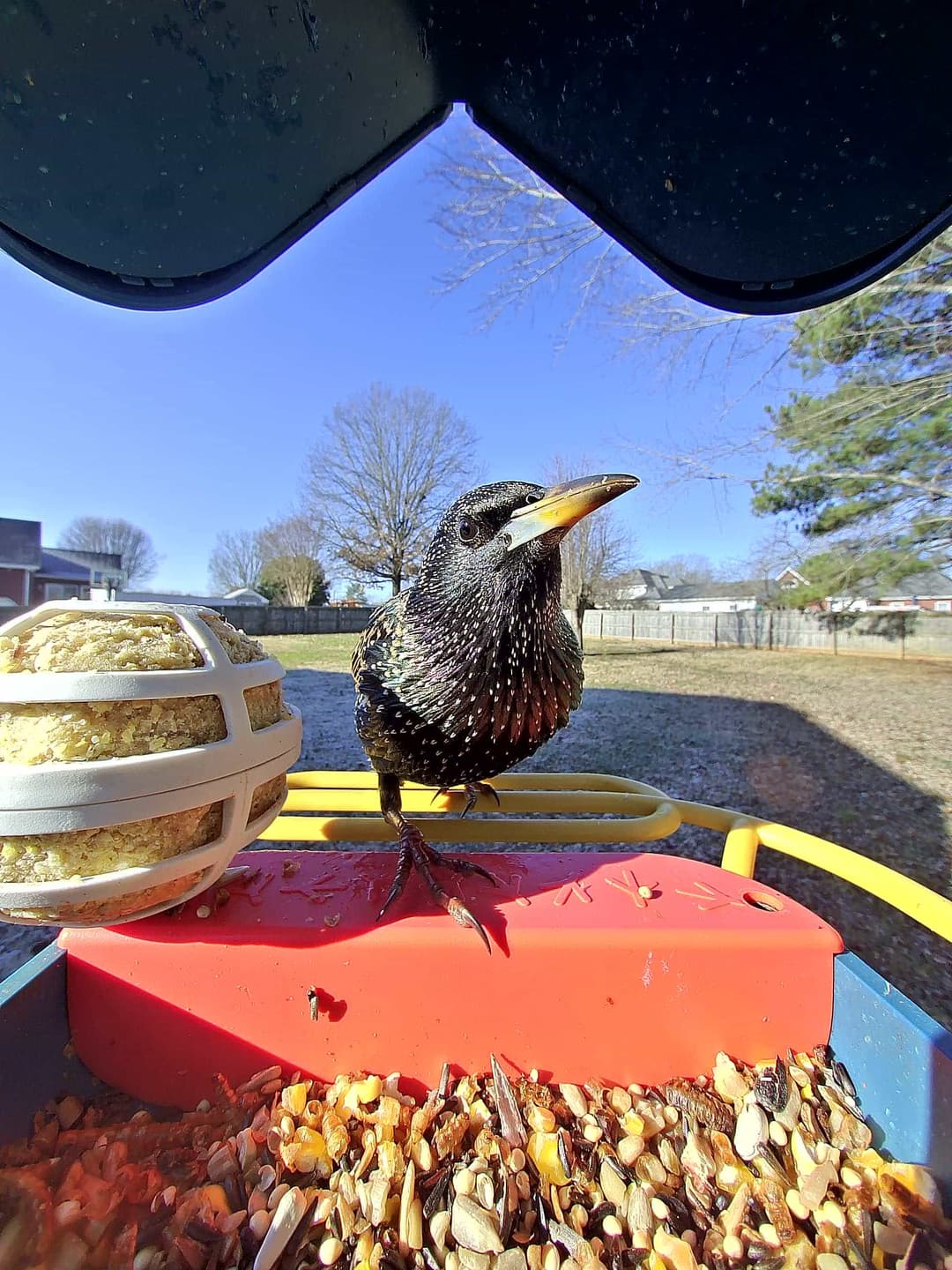
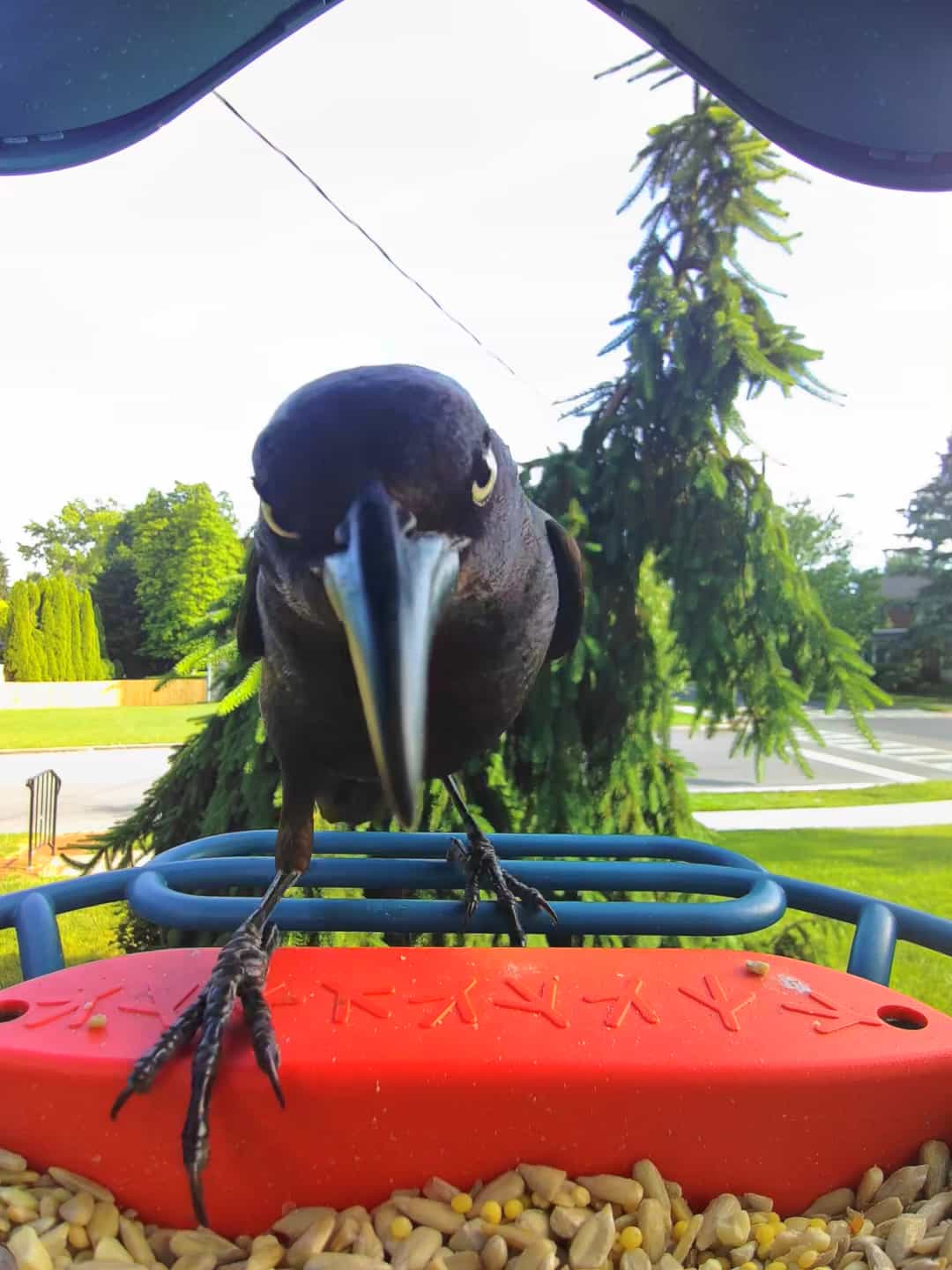
Common Starling vs Common Grackle
Common Starling vs Brewer’s Blackbird
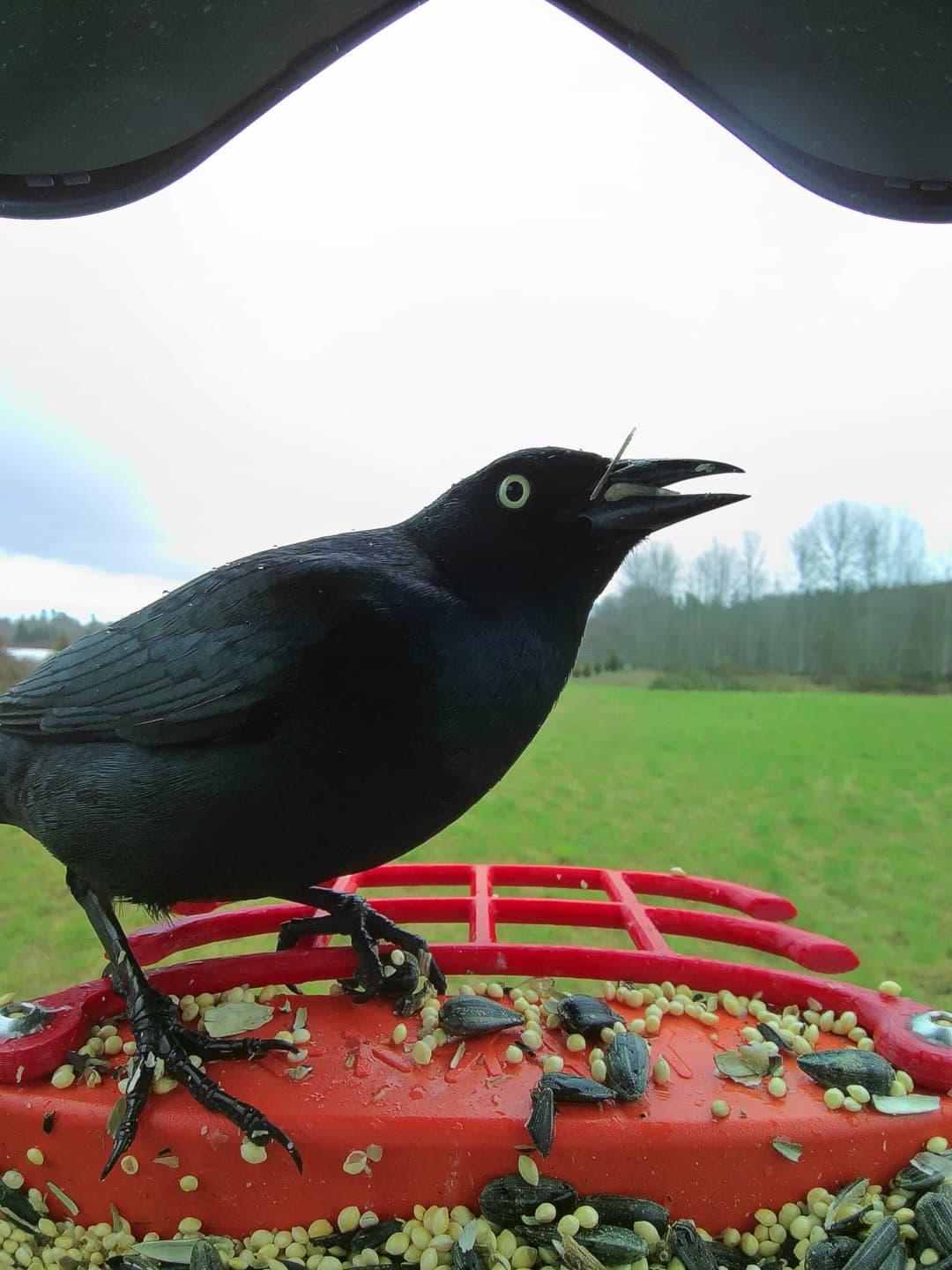
Common Starling vs Rusty Blackbird
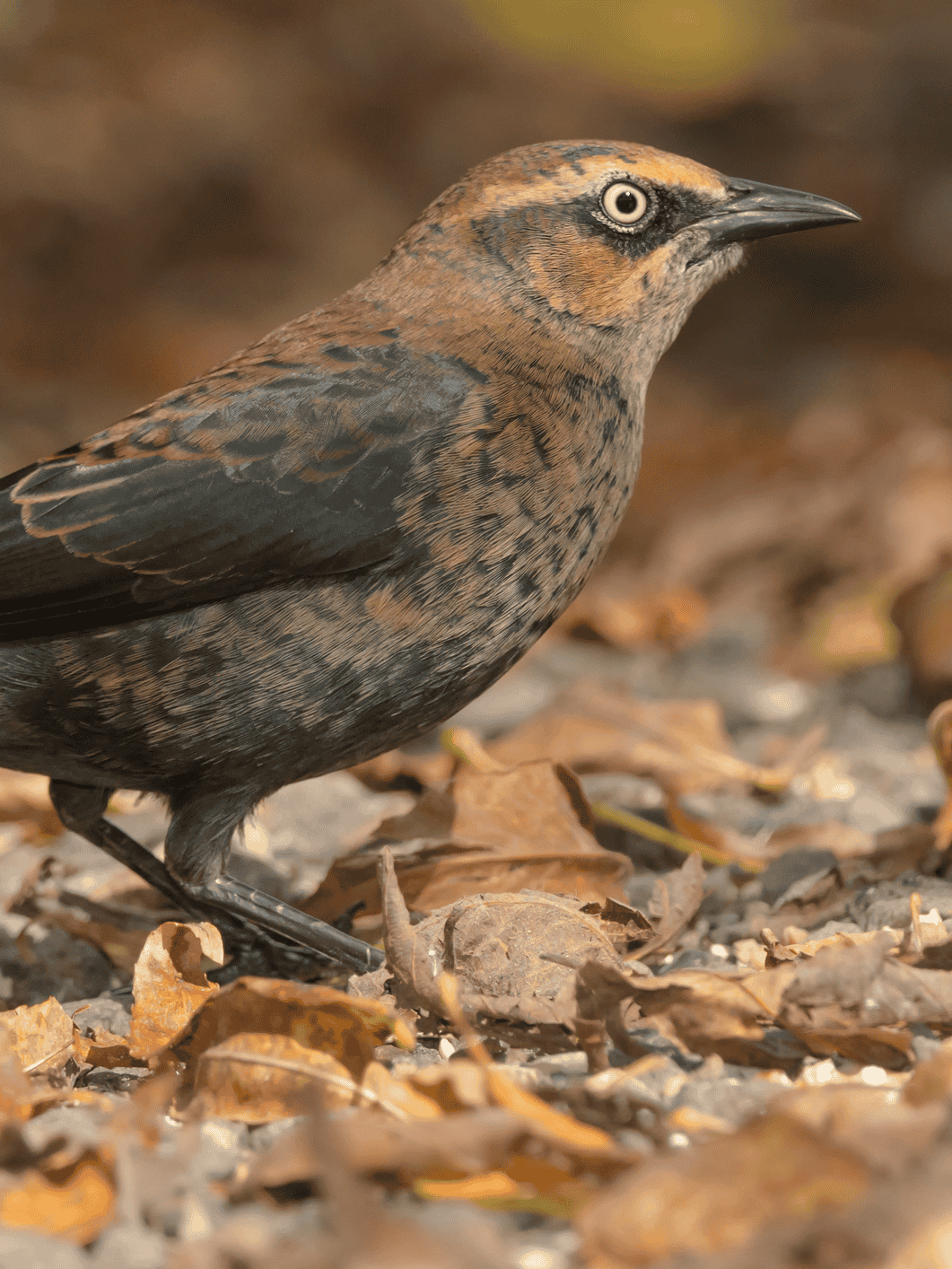
Common Starling vs Red-Winged Blackbird
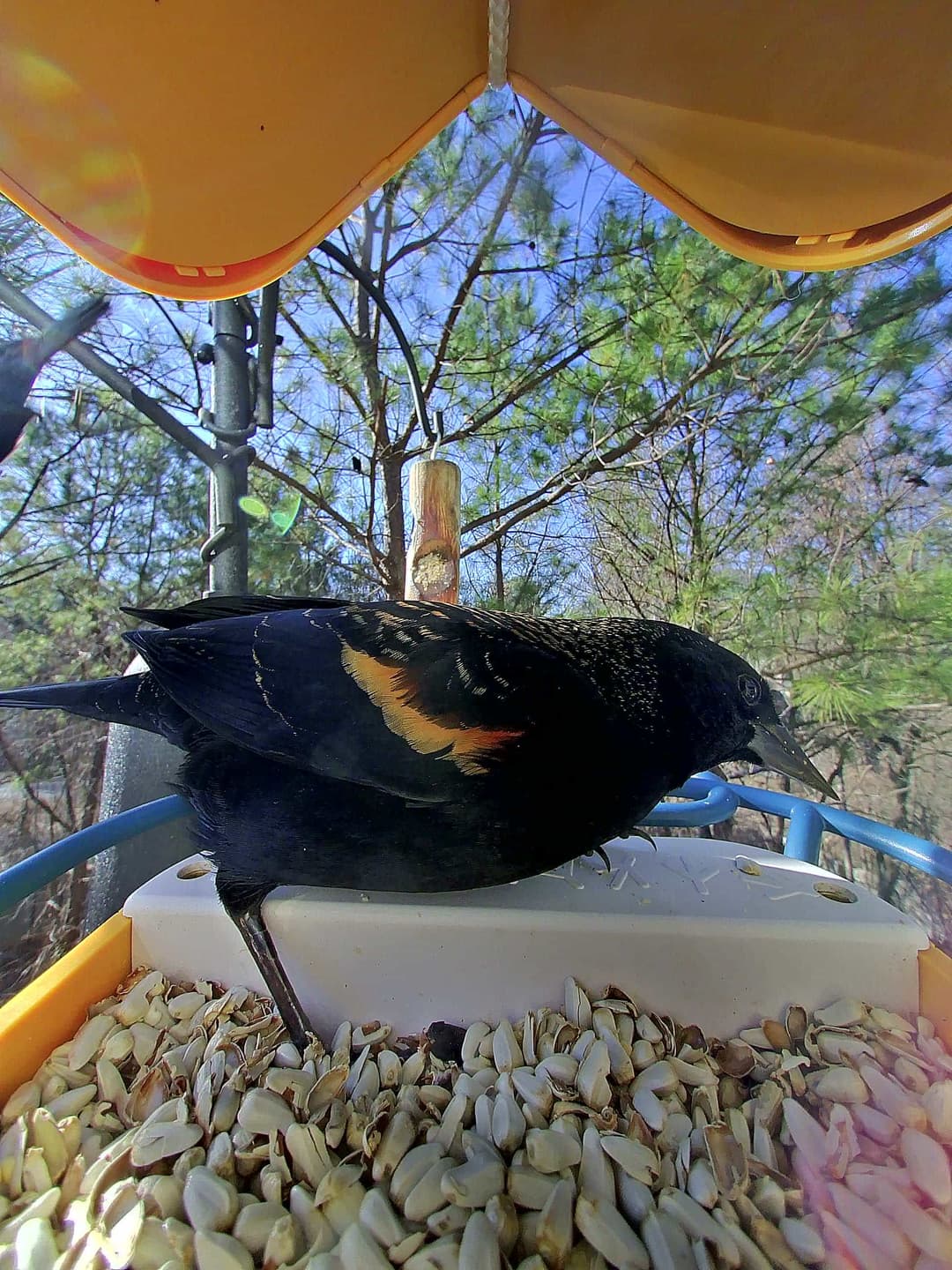
Common Starling vs Brown-Headed Cowbird
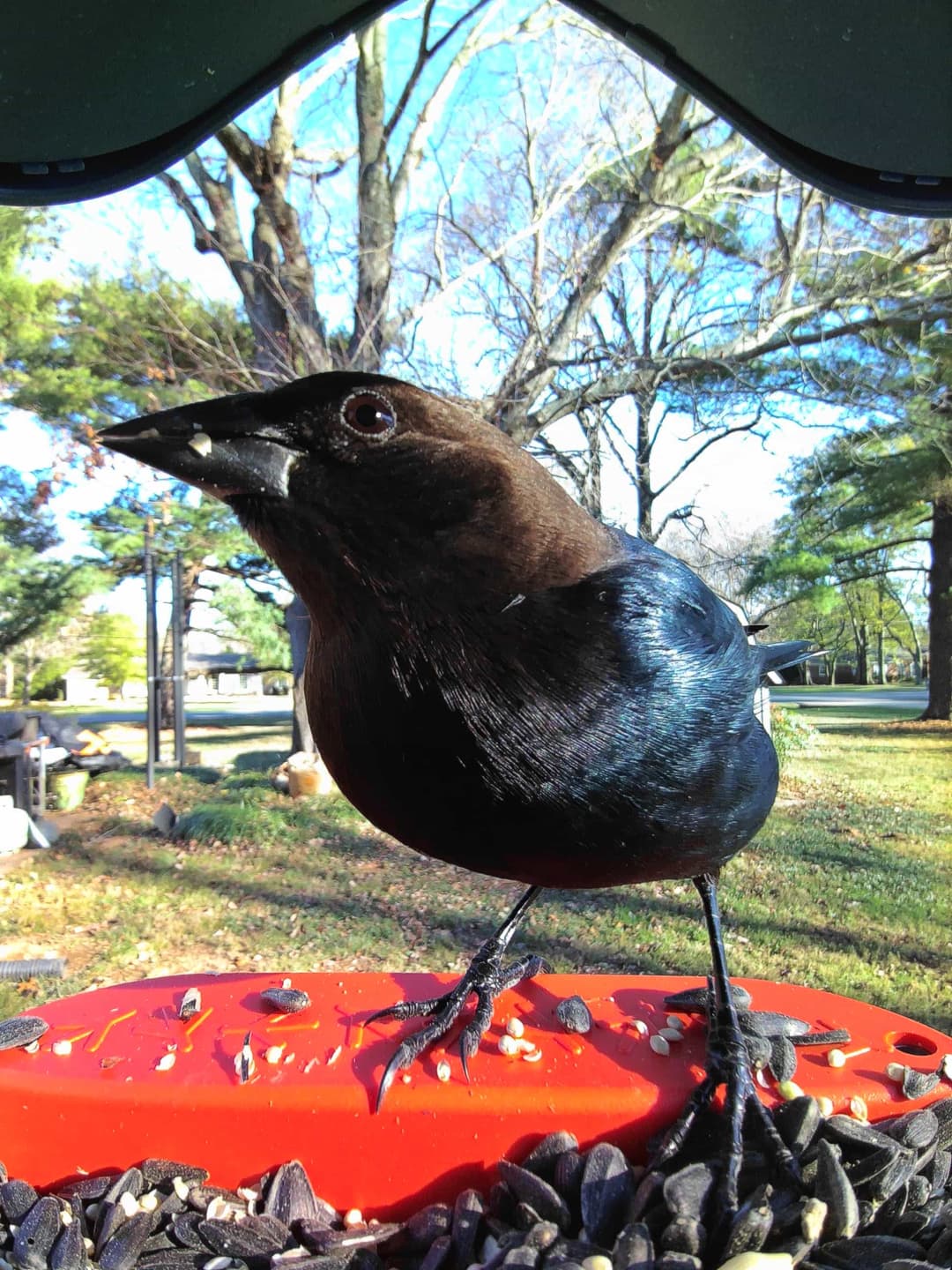
Asian Glossy Starling vs [Select a bird]

[Select a bird]
Pick a bird to compare
Common Starling vs [Select a bird]
[Select a bird]
Pick a bird to compare