
Asian Glossy Starling
Asian Glossy Starling
Aplonis panayensis


Quick Identification guide
Quick Identification guide
- •
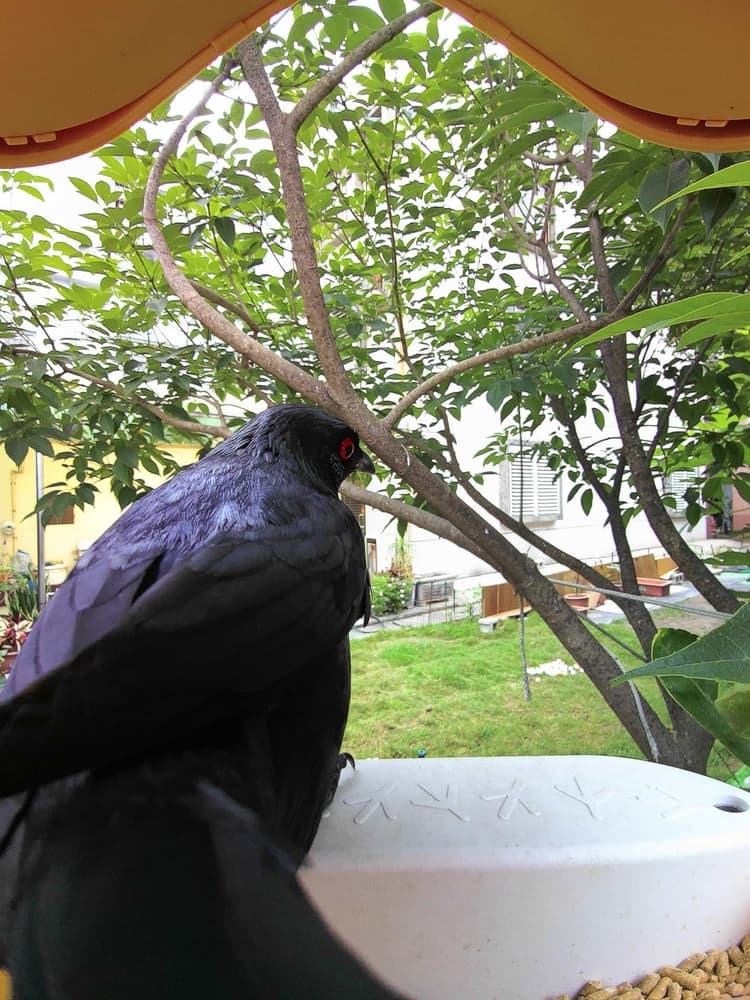
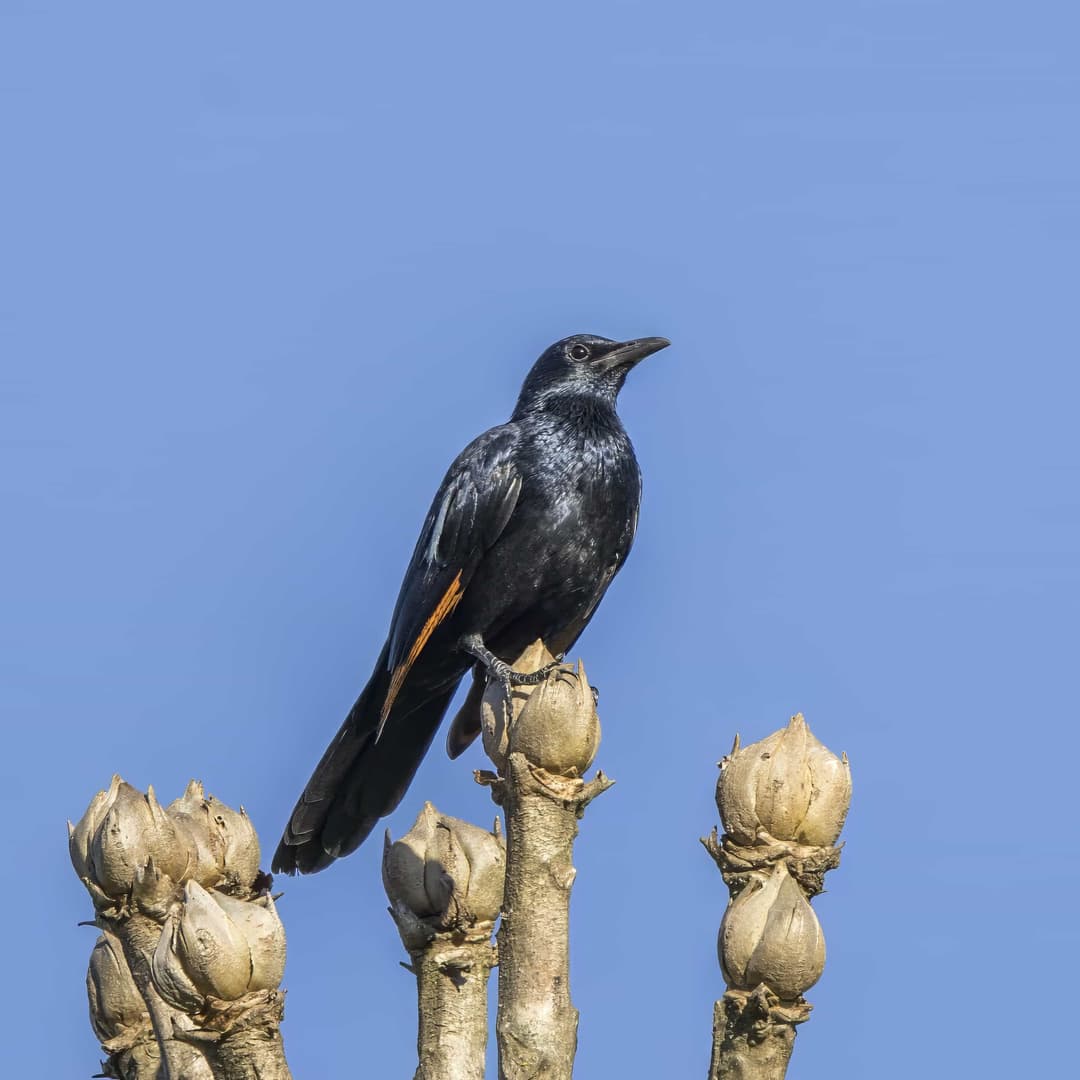
Features a glossy, iridescent black plumage that appears greenish under sunlight, giving it a distinctive sheen
- •
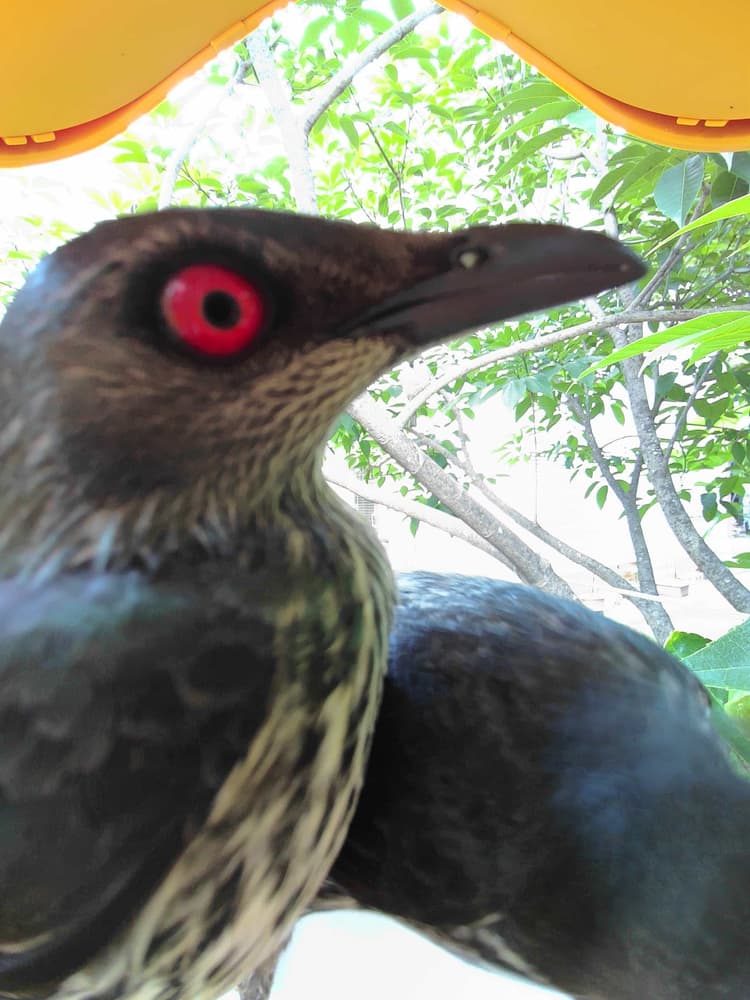
Has bright red eyes which stand out against its dark feathers, providing a striking contrast
- •
Displays a medium-sized, slender body with a relatively long tail and a sharp, pointed black beak for foraging
What does an Asian glossy starling sound like?
The Asian glossy starling is known for its diverse vocalizations. Typical calls include a harsh, high-pitched 'shreek' or 'skeeer' sound. Its song consists of complex melodies with a variety of mimicked sounds from other bird species and natural surroundings. It communicates using a range of whistles, chatters, and other musical notes and sequences. City dwelling birds often incorporate human-influenced sounds into their songs.


Description
Pronouncing a single species as one of the noisiest is quite the statement, but there is no doubt the Asian glossy starling has earned that title fair and square. Not only are they loud individually: wherever their squad goes, they go. They are often spotted meandering about in large flocks and roost communally, in groups of up to 15,000 individuals.
The Asian glossy starling can weigh between 50to60grams and be from17to20centimeters tall.
The Asian glossy starling typically lives for around 20 years. This lifespan is relatively high when compared to other starling species such as the Common starling, which has a lifespan of about 15 years. The European starling, another relative, also lives for approximately 15 years, making the Asian glossy starling the longest-living among these related species.
Did you know?
Most popular questions about Asian glossy starling
How to recognise an Asian glossy starling?
General appearance
The Asian glossy starling, also known as Aplonis panayensis, is widely recognized for its distinct, glossy dark-blue or greenish-blue plumage. They are medium-sized birds with pointed wings, short tail, and strong legs. Their eyes have a prominent white iris against a dark body offering a striking contrast.
Male vs female
Both male and female Asian glossy starlings have similar appearances, with no visible physical differentiation between the two genders. Both sexes sport the same shiny coloration and possess similar physical features, making it challenging to tell them apart in the wild based on appearance alone.
Juvenile
Juvenile Asian glossy starlings have less glossy brownish-black plumage compared to adults, with their feathers gradually gaining the characteristic adult gloss as they mature. Their eyes have a brownish iris, which turns white as they age. The lack of the glossy coloration and the eye color difference are the key distinguishing factors of juveniles from adults.
Often mistaken for
Common Starling vs Asian Glossy Starling
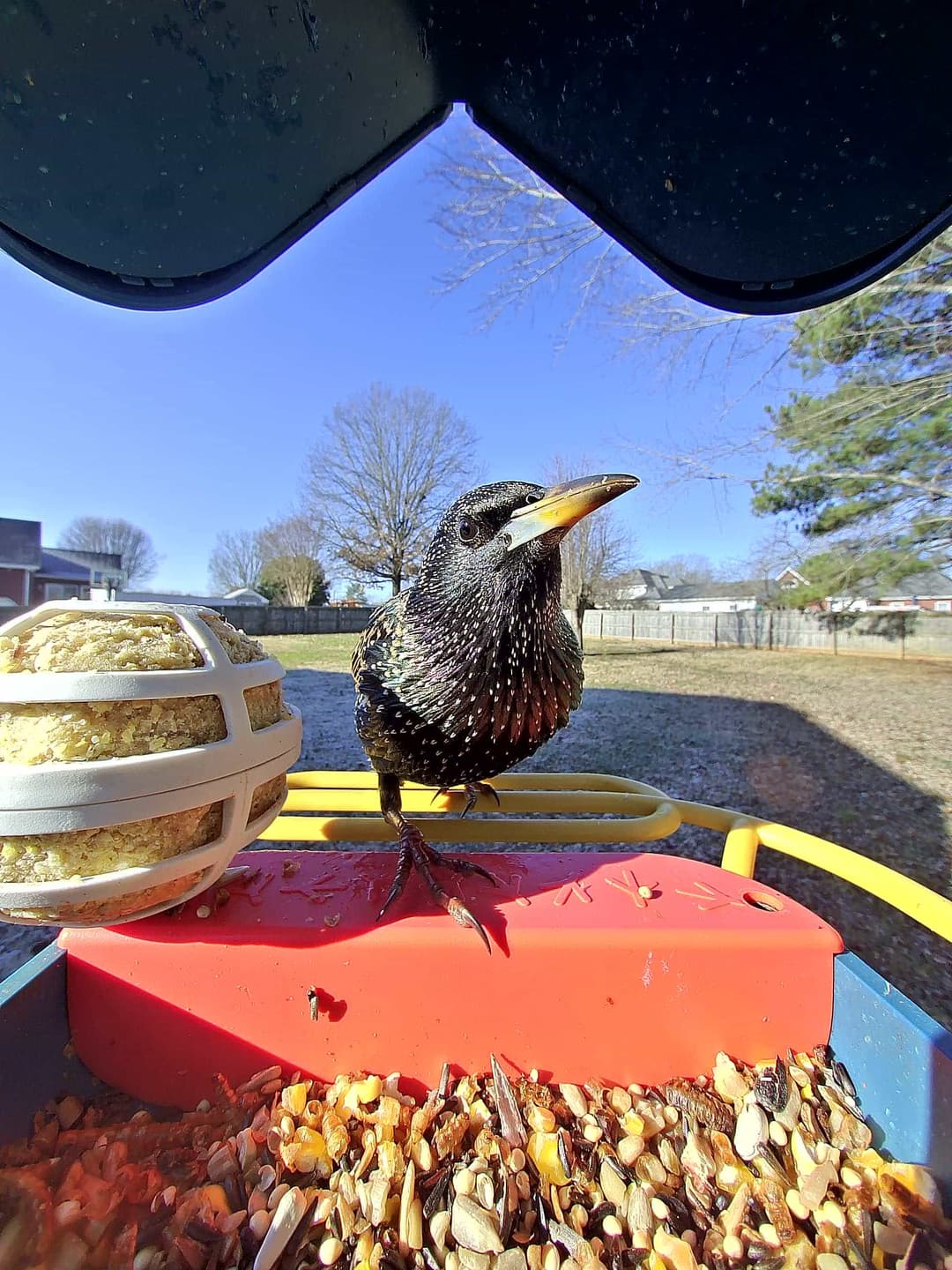
The Common Starling resembles the Asian Glossy Starling in shape and size but differs significantly in coloration. The Common Starling has iridescent feathers with speckles and lacks the red eyes of the Asian Glossy Starling.
Tristram’s Starling vs Asian Glossy Starling
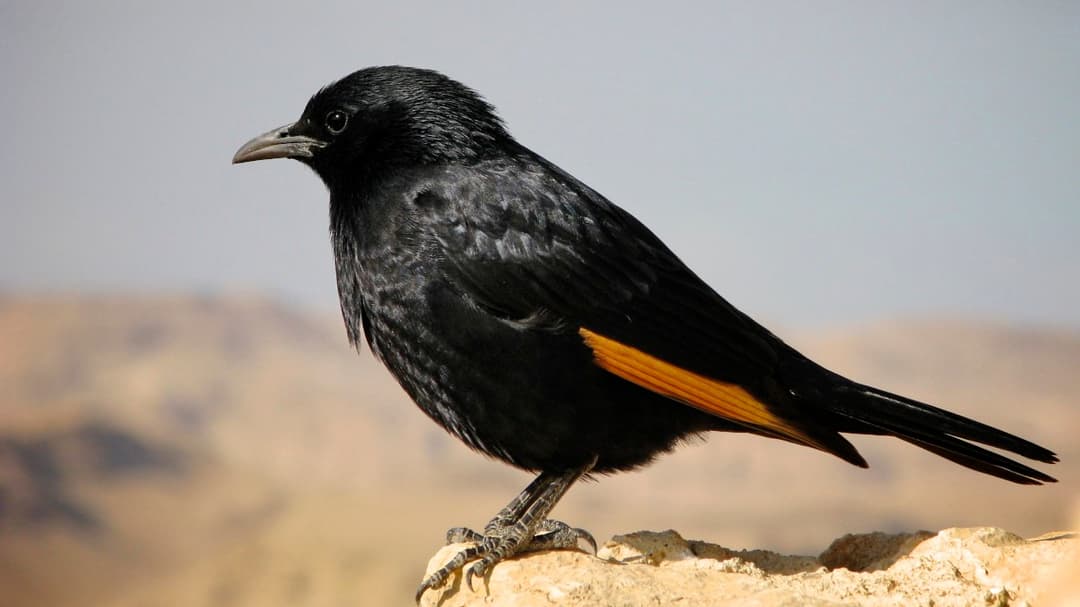
Tristram’s Starling can be similar to the Asian Glossy Starling due to its glossy appearance and shape but can be distinguished by its orange wing patches and black tail, which the Asian Glossy Starling lacks.
Red-Winged Starling vs Asian Glossy Starling
This bird shares a similar body shape with the Asian Glossy Starling but is characterized by its distinct red-winged feathers, unlike the consistently dark sheen of the Asian Glossy Starling.
Breeding and nesting habits of the Asian glossy starling
Mating behaviors
Asian glossy starlings engage in vibrant courtship displays involving vocalizations and aerial acrobatics. Males often showcase their iridescent feathers to attract females.
Nesting details
They typically nest in tree cavities or building crevices. Nest construction includes twigs, grass, and feathers. Gardens with dense foliage or nesting boxes can attract them.
Eggs and chick-rearing
Females lay 2-3 eggs, incubated for about two weeks. Both parents feed the chicks a diet of insects and fruits until fledging, roughly three weeks post-hatching.
What does an Asian glossy starling like to eat?
Berries
Fruits
Insects
Nectar
Nuts
Snails
Spiders
Natural diet
The Asian glossy starling primarily feeds on fruits and berries found in its natural habitat. It is known to consume a variety of fruits from trees, shrubs, and other vegetation. Insects also form a significant portion of its diet, particularly during the breeding season when protein is in higher demand. The bird often hunts for insects on tree bark, leaves, or in the air. Additionally, it may feed on nectar from flowering plants and occasionally consume small vertebrates.
Bird feeders
At bird feeders, the Asian glossy starling is commonly attracted to offerings of fruits such as bananas, papayas, and other soft fruits. It may also eat seed mixes that contain fruit or nuts. These birds are less likely to consume typical seeds found in many bird feeders but may still visit feeders that provide suet or nectar mixtures, especially those high in sugar content, mimicking the natural nectar sources they enjoy.
Attracting asian glossy starlings with food
One of the best ways to draw Asian Glossy Starlings to your yard is through their stomachs. These birds are known for their love of fruits like figs, berries, and papayas, but they'll also appreciate Bird Buddy seeds, which are expertly chosen for each season.
Feeder types for asian glossy starlings
Asian Glossy Starlings are not that picky when it comes to feeders, but they do enjoy ample space to rest and eat. Platform and tray feeders with plenty of room would be perfect. Just ensure the feeders are clean and filled with delicious Bird Buddy seeds.
Encouraging starlings for a sing-along
Asian Glossy Starlings are known for their melodious songs. To encourage them to stick around and serenade you, maintain a quiet, calm environment with ample nesting opportunities. Provide birdhouses or thick shrubs and keep the area predator-free.
Using bird buddy seeds
For the best results in attracting these beautiful birds, use Bird Buddy seeds. These seeds are chosen by experts for each season, providing Asian Glossy Starlings with the nutrition they need and taste they love, encouraging regular visits.
Where can you find Asian glossy starlings?

Primary habitat
The Asian glossy starling primarily inhabits open woodlands, gardens, and urban areas across Southeast Asia, including the Philippines, Indonesia, and Malaysia.
Additional range
While it prefers tropical climates, it unexpectedly adapts to human-dominated environments and is found in cities and cultivated lands where it exploits available resources.
Do they migrate?
The Asian glossy starling is largely a resident bird, meaning it does not undertake long-distance migrations. Instead, it resides in the same general area throughout the year. This bird is commonly found in tropical and sub-tropical regions of Southeast Asia, including countries such as the Philippines, Malaysia, Indonesia, Brunei, and parts of Thailand. While it does not migrate in the traditional sense, the Asian glossy starling may engage in local movements in search of food, especially when fruiting trees are seasonally available. These movements are generally short-distanced and are not considered true migratory behavior. The species thrives in a variety of habitats, such as forests, plantations, gardens, and even urban areas, which provide ample food sources like fruits and insects. Overall, the Asian glossy starling remains within its range year-round, adapting to available resources rather than undertaking any form of seasonal migration. Its adaptability to different environments and abundant food sources contribute to its widespread presence across the region.
What is the role of Asian glossy starlings in nature and how to protect them?
Conservation status
The Asian glossy starling is classified as "Least Concern" on the IUCN Red List, indicating it is a common species with a stable population. It thrives in various habitats including urban areas, forests, and plantations across Southeast Asia. Despite its stable status, potential threats include habitat loss due to deforestation and competition from invasive species. Conservation efforts are minimal given its current abundance, but continued monitoring is essential to ensure populations remain healthy, particularly in regions undergoing rapid industrial or urban development.
Ecological role of Asian glossy starlings
Its role in the ecosystem
The Asian glossy starling, also known as Aplonis panayensis, plays a significant role in maintaining the balance of its ecosystem. These birds perform crucial pest control activities, consuming a large number of insects, thus controlling the insect population. Also, starlings eat vast amounts of fruits, and as a result, assist in seed dispersal - an ecological process significantly impacting plant dispersal and propagation. When they digest the fruit and excrete the seed in various parts of the ecosystem, they effectively aid in the spread of these plants, contributing to biodiversity. Furthermore, these starlings are a source of food for certain predators, which helps to undertake the cycle of life in nature. Hence, the ecological significance of the Asian glossy starling is immense, making it an invaluable part of its habitat.
How to help protect Asian glossy starlings
Preservation tips
Habitat preservation strategies
To support the conservation of the Asian glossy starling, one crucial concern is the preservation of their natural habitat. Make certain to prevent clear-cutting of trees which the birds use for nesting and food sourcing. Encourage the reforestation of native tree species. Educate the community about the importance of these birds in seed dispersal and thus, forest regeneration. Make efforts to avoid or limit activities causing pollution and harm to the natural environment.
Community science initiatives
Community science initiatives can contribute greatly to conservation efforts. Encourage locals to partake in bird inventory activities and monitoring of starling populations. Promote the establishment of local bird-watching groups to raise awareness and passion for the Asian glossy starling. Facilitate programs teaching households to maintain bird-friendly yards, avoiding use of harmful chemicals and keeping domestic animals from posing threat to these birds. The collected data could prove useful in lobbying for conservation laws and measures.