Northern Cardinal or Pyrrhuloxia?
Here's how to tell the difference
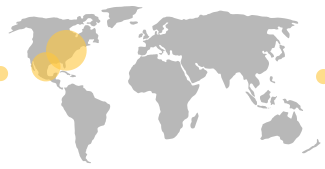
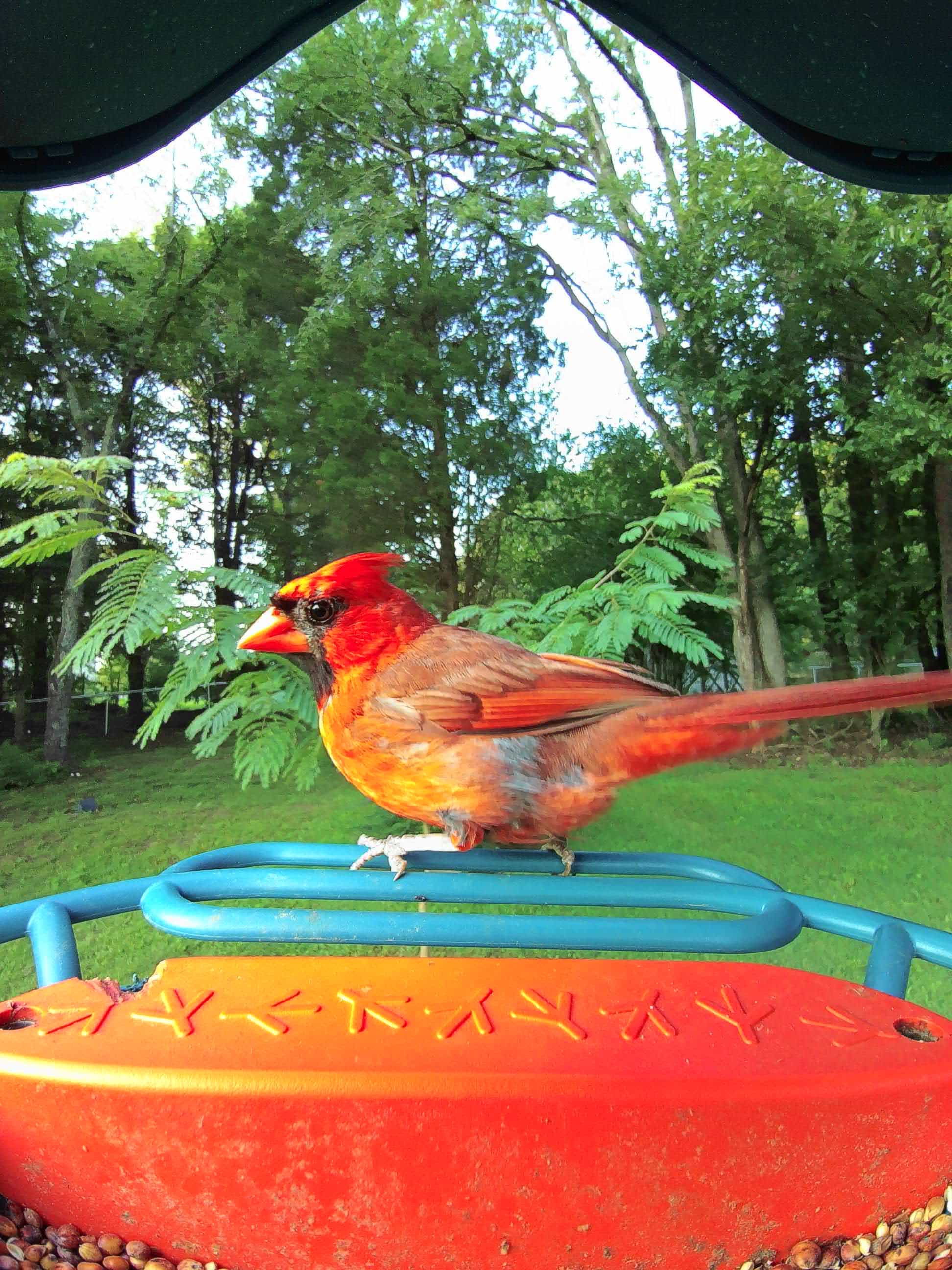


Northern Cardinal
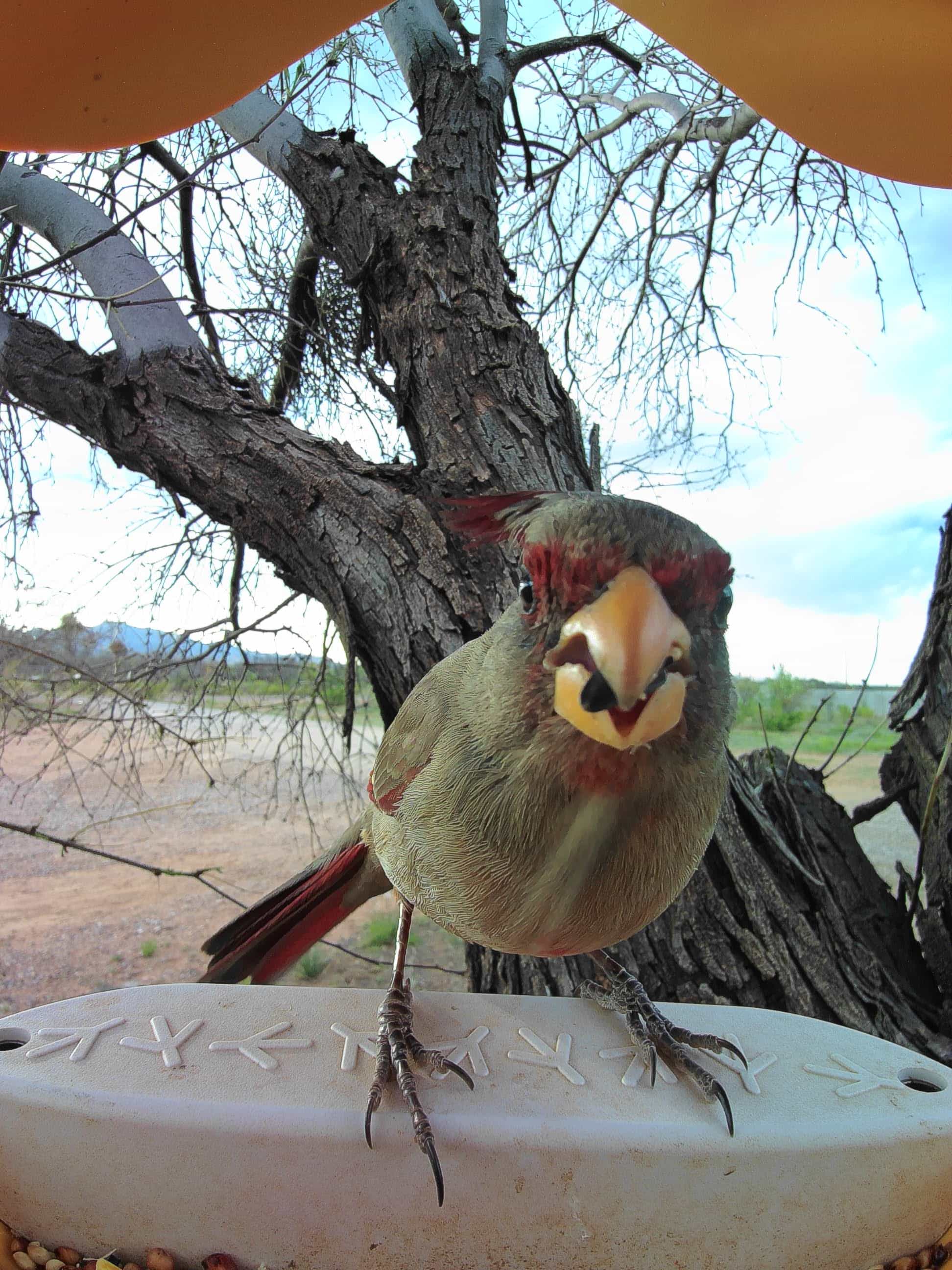


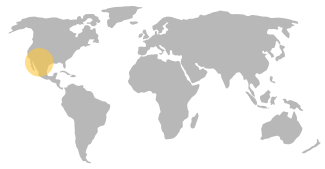
Pyrrhuloxia
Northern Cardinal
Cardinalis cardinalis
Also known as: Redbird, Common Cardinal, Red Cardinal, Cardinal
General appearance
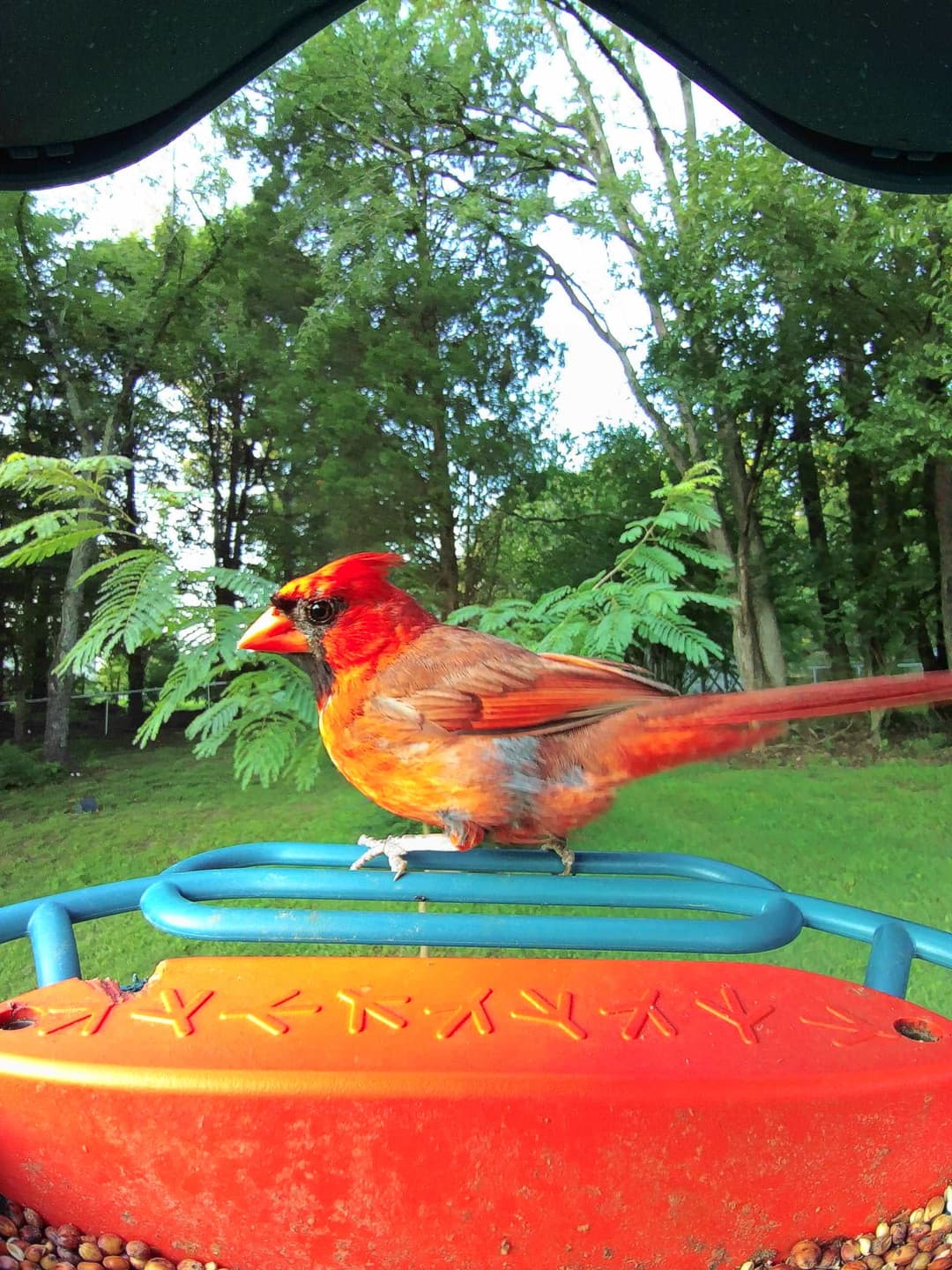
The Northern Cardinal averages 8 to 9 inches (20 to 23 cm) in length, equivalent to a Robin. It has a rounded wing shape and tail that can appear notched, rounded, or square-tipped. The bird's most distinguishing feature is its massive pink bill.
Male vs female
The male Northern Cardinal is our only red bird with a crest and is quite striking in appearance. On the other hand, the female is less vibrant, duller in color, encompassing hues of black, brown, gray, green, and tan, yet shares the crest and the distinctively large pink bill.
Juvenile
Juveniles of this species initially have a black bill, differentiating them from the adults. As they mature, their bill turns from black to the characteristic pink, and they inherit the crest from their parents, although their coloration may range from tan to red, depending on their sex.
Size
8.3 - 9.3 in/1.5 - 1.7 oz
There's more to learn about Northern Cardinal
View full detailsPyrrhuloxia
Cardinalis sinuatus
Also known as: Desert Cardinal
General appearance
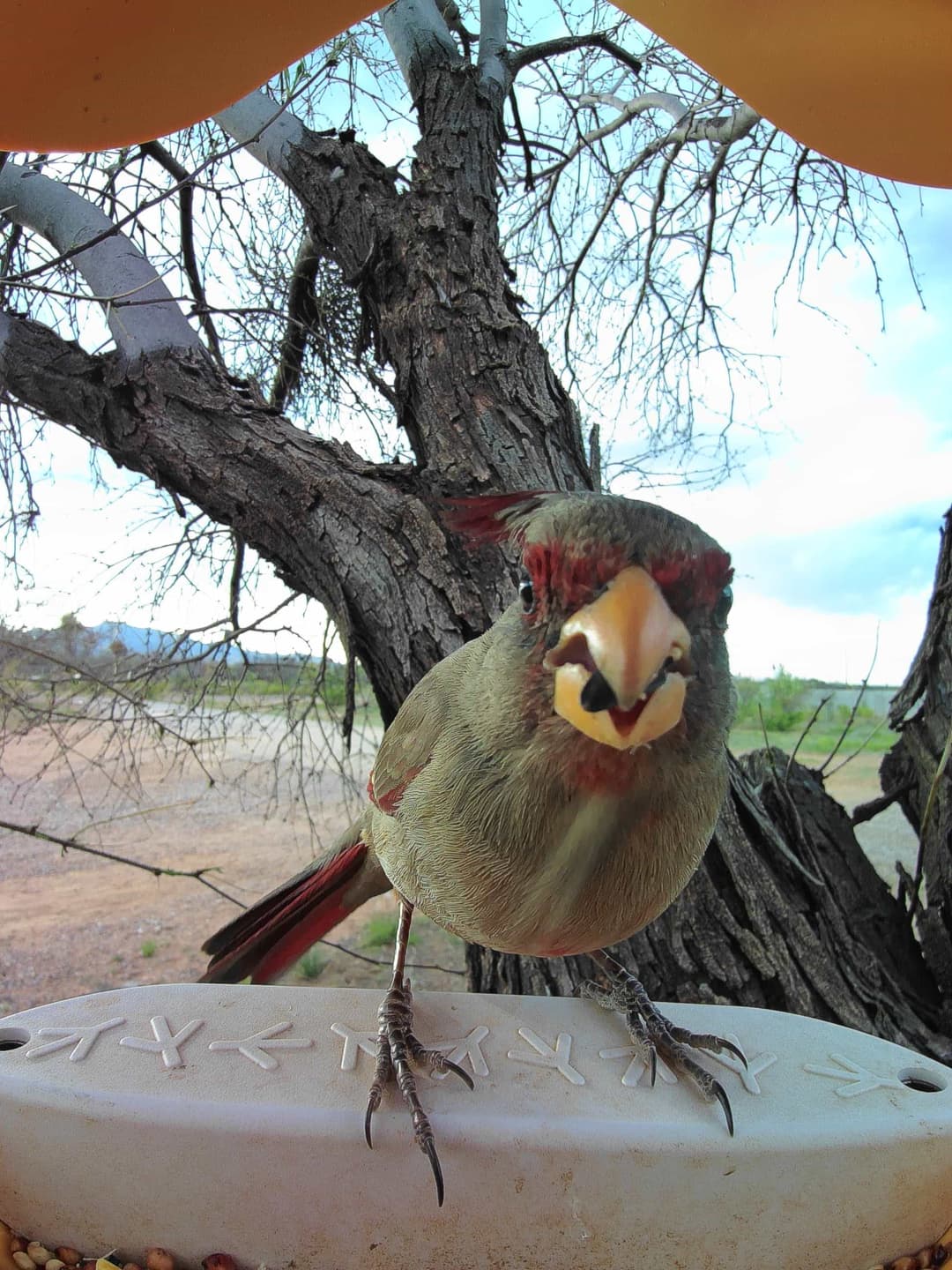
The Pyrrhuloxia is about the size of a sparrow to robin, ranging from 7 1/2 to 8 1/2 inches (19-22 cm). Its key features include a distinctive thin, spiky crest and a yellow to yellow-orange stubby, curved bill that aids in identifying it in the wilderness. The bird is primarily gray and red, while displaying variations of wing shapes including rounded, and tail shapes - notched, rounded and square-tipped.
Male vs female
There are definite gender distinctions in the Pyrrhuloxia. Males typically sport a gray and red color palate. Females, on the other hand, are mainly buff-colored with hints of red tinges. This variance in color helps seperate the males from the females. Additionally, males have a more vibrant hue during breeding season.
Juvenile
Juvenile Pyrrhuloxia mostly resemble adult females in coloration, although juveniles may have paler feathers. As they mature, males will start gaining the gray and red coloration of adult males, while both genders develop the stubby, curved bill that is characteristic of the species.
Size
7.9 - 8.7 in/0.8 - 1.6 oz
There's more to learn about Pyrrhuloxia
View full detailsHow to tell the Northern Cardinal from the Pyrrhuloxia
Visual differences
The Northern Cardinal is slightly larger than the Pyrrhuloxia, averaging 8-9 inches. Cardies have a distinctive massive pink bill, while Pyrrhuloxias display a yellow to yellow-orange, stubby, curved bill. Northern Cardinals boast vibrant red plumage with males being fully red and females brownish-tan with hints of red. Pyrrhuloxias are primarily gray and red, with males showing more red, and females are buff with red tinges. Both species share crested heads, but the Pyrrhuloxia's crest is spiky.
Key differences and behavior
The Northern Cardinal and Pyrrhuloxia exhibit distinct behaviors and habitat preferences that help in identification. Cardinals, found in the East and Southwest U.S., favor semi-open areas like woodland edges and city parks. They share songs, with females often singing longer, complex tunes, and males defending territories through song and feeding behavior. They feed on seeds, insects, and berries. Pyrrhuloxias, or "desert cardinals," thrive in arid, dense brush areas of the Southwest, such as mesquite groves. They rely on insects for water, showing resilience in desert climates. Males sing to defend territory and court females by feeding them. Although both species visit feeders for sunflower seeds, Pyrrhuloxias have a penchant for mesquite seeds. Their nesting behaviors are similar, but Pyrrhuloxias prefer thorny shrubs for nest sites, showcasing their adaptability to harsh environments.
Still not sure? Here are more lookalikes!
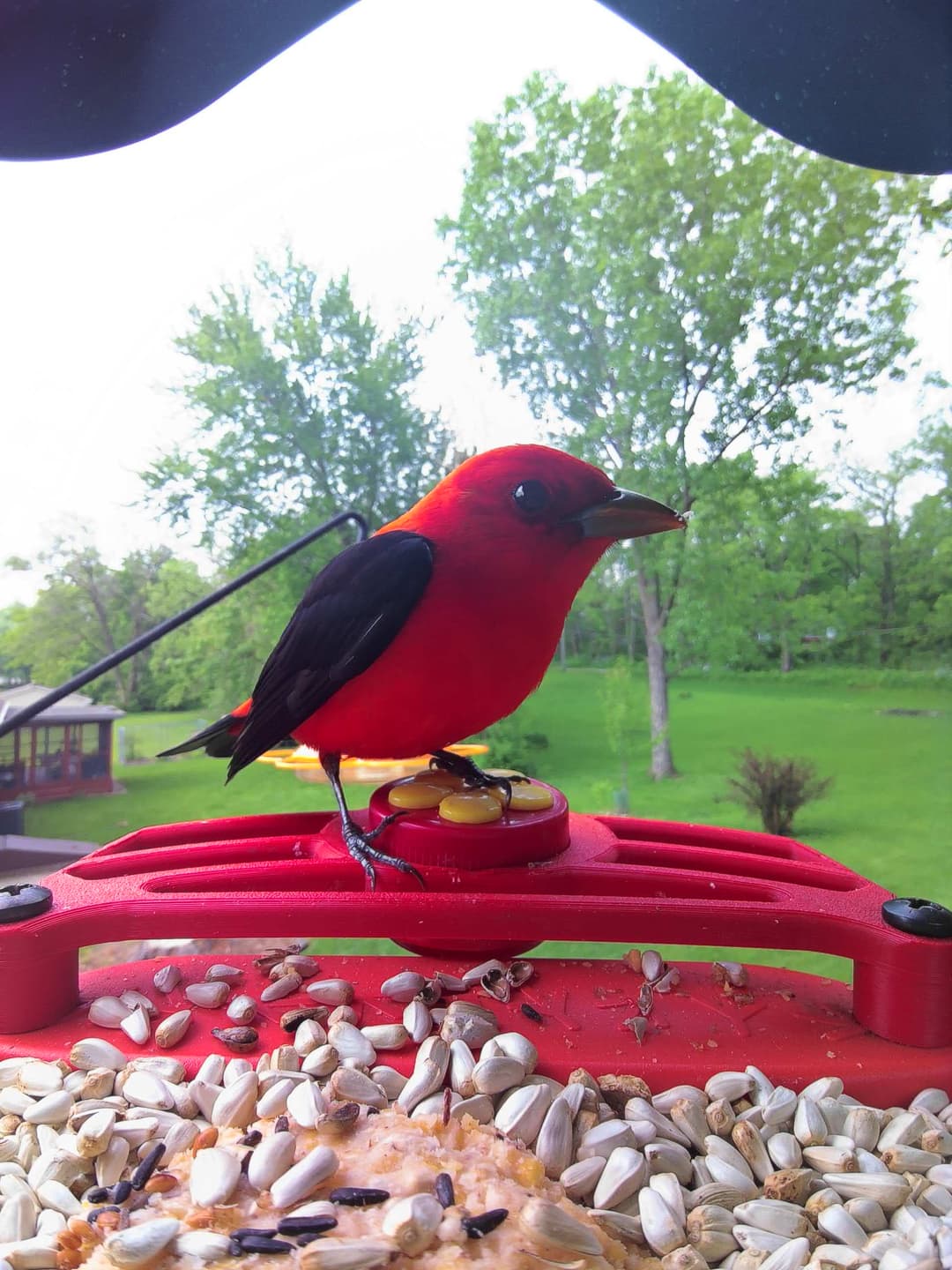
Northern Cardinal vs Scarlet Tanager
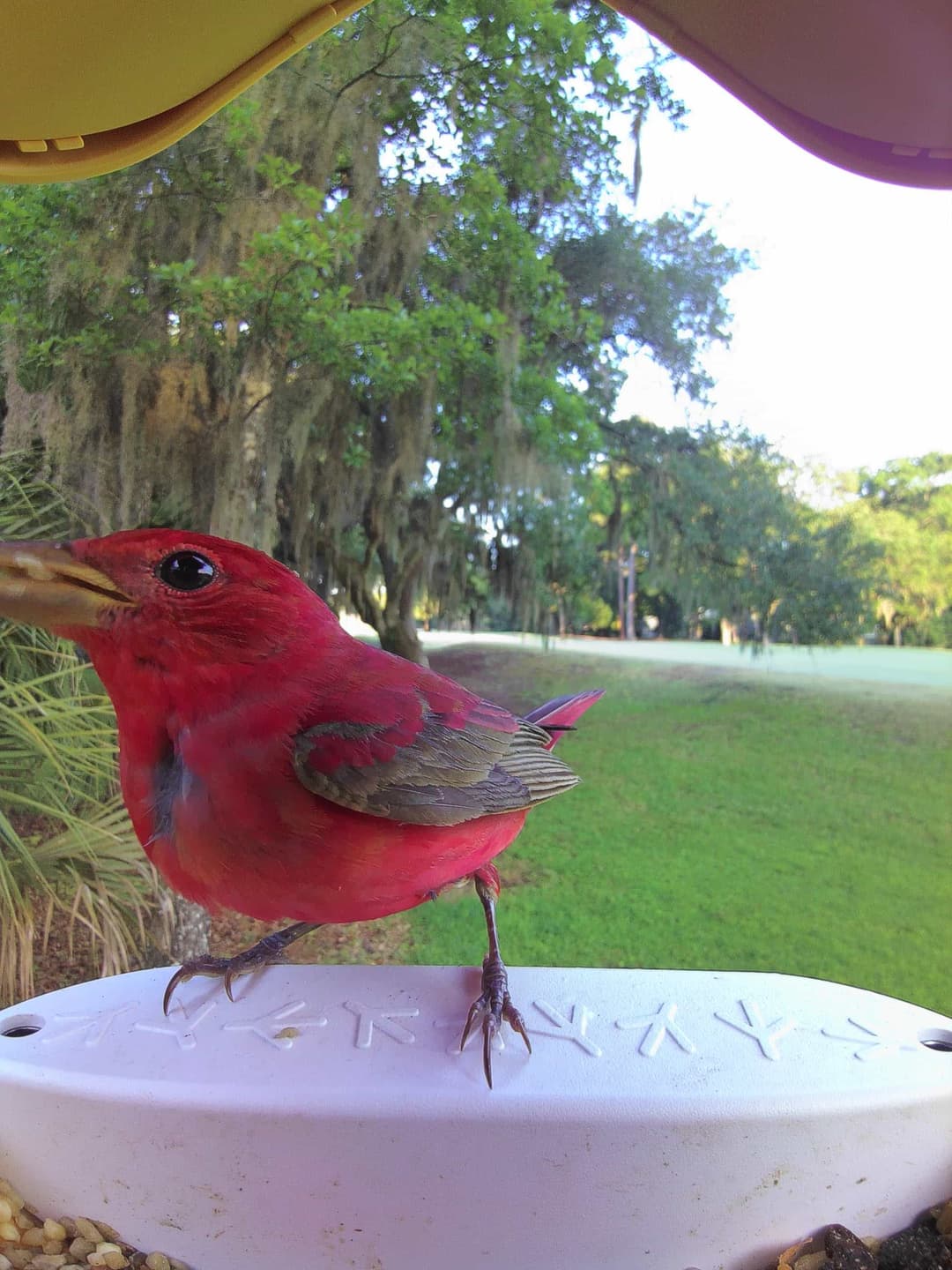
Northern Cardinal vs Summer Tanager
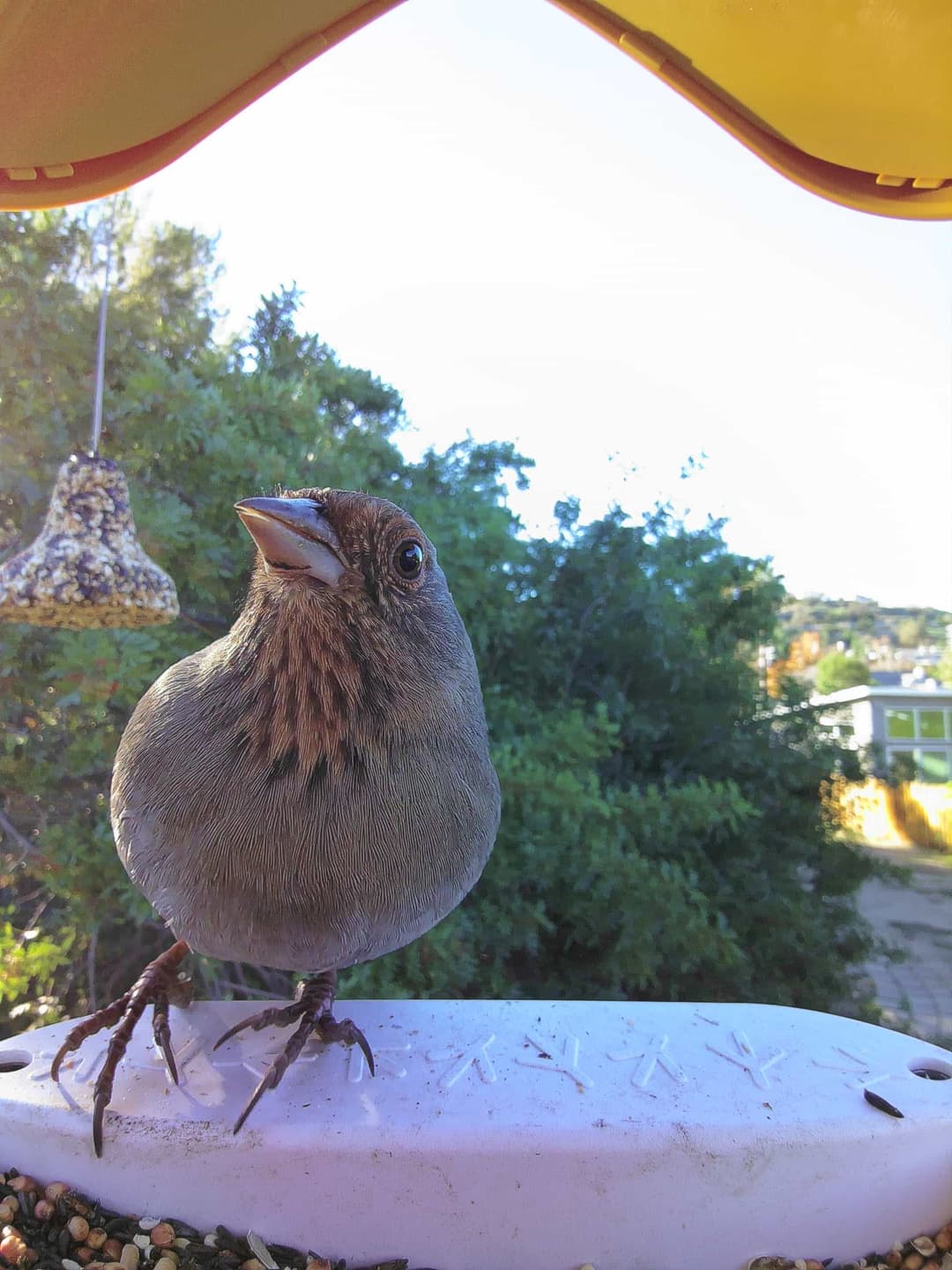
Northern Cardinal vs California Towhee
Northern Cardinal vs [Select a bird]

[Select a bird]
Pick a bird to compare
Pyrrhuloxia vs [Select a bird]
[Select a bird]
Pick a bird to compare