Maghreb Magpie or Eurasian Magpie?
Here's how to tell the difference
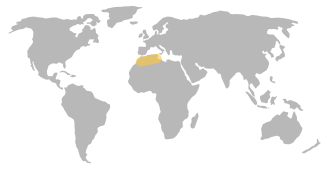
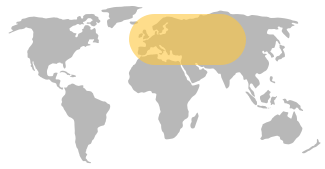

Maghreb Magpie


Eurasian Magpie
Maghreb Magpie
Pica mauritanica
General appearance
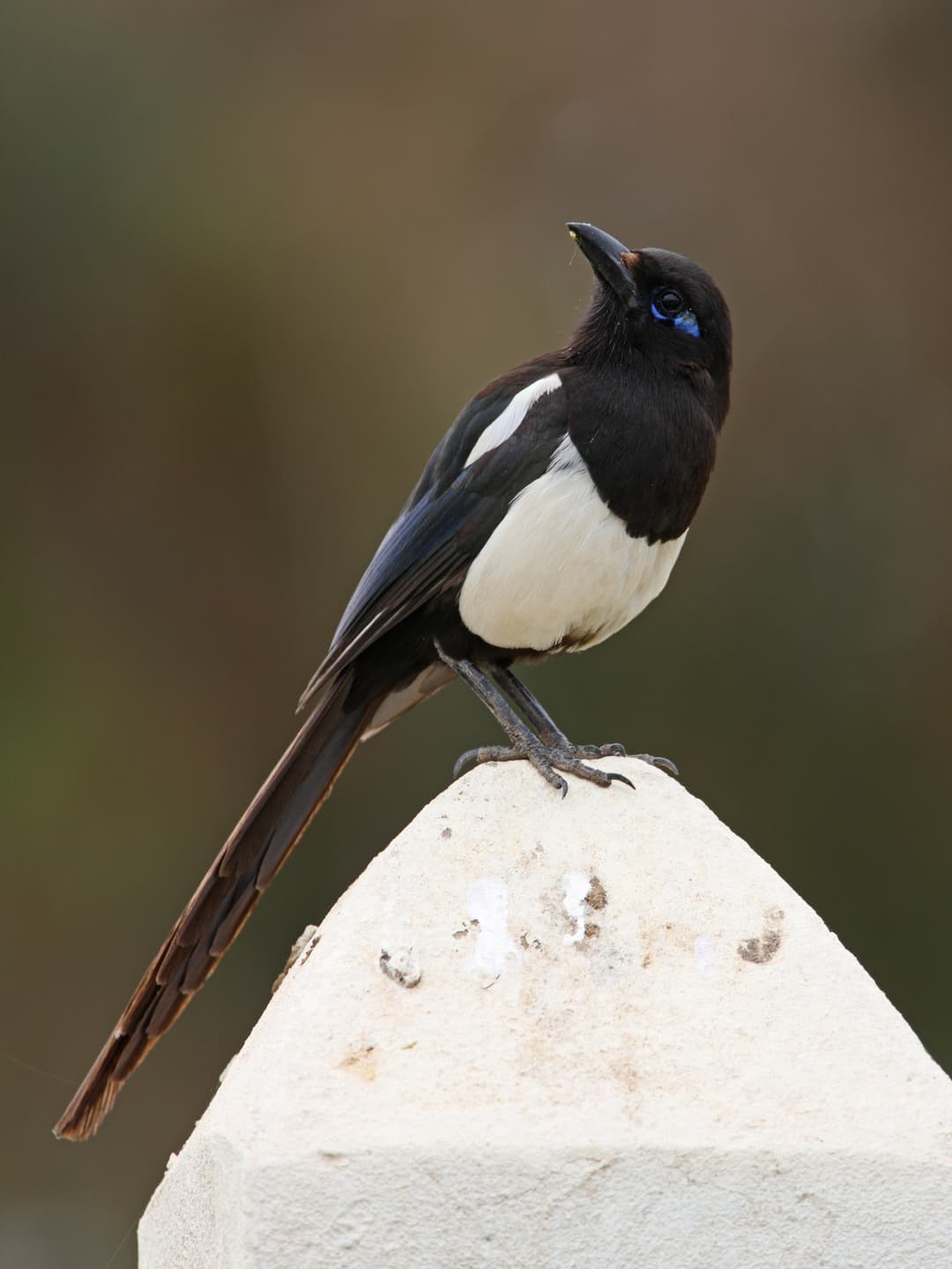
The Maghreb Magpie, distinctive for its bicolored plumage, presents a starkly contrasting black and white coloration. The body, chest, and portions of the wings are typically white, while the face, throat, tail, and parts of the wings are vividly black. Large in size for a songbird, it sports a sleek overall look and a long tail.
Male vs female
Similar to many bird species, the Maghreb Magpie exhibits no stark sexual dimorphism. Both males and females share the same color pattern, making gender determination difficult without close observation or expert knowledge. The sexes may be differentiated by minor variations in size or behavior during specific times, such as the breeding season.
Juvenile
Juvenile Maghreb Magpies, although similar in coloration to adults, often appear duller with less sharp contrast between the black and white areas. Their black plumage tends to be more brownish and less glossy. In addition, the juveniles' overall size is smaller, and they have shorter tails. With age and successive molts, they gradually attain the vibrant contrast and sleek form characteristic of adults.
Size
18.5 - 18.9 in/5.6 - 6.3 oz
There's more to learn about Maghreb Magpie
View full detailsEurasian Magpie
Pica pica
Also known as: Common Magpie
General appearance
The Eurasian magpie (Pica pica) is a striking bird with a distinctive black and white coloration. Its head, neck, and breast are glossy black with iridescent hues, contrasting sharply with its white belly and shoulder patches. The long, graduated tail is black with a metallic green and blue sheen. The wings are mostly black with white primary feathers, visible in flight as bold white flashes. The magpie's robust bill and legs are black, and it exhibits a strong, purposeful flight pattern with distinctive wing beats.
Male vs female
Males and females of the Eurasian magpie species are similar in appearance, making them difficult to differentiate by sight alone. Both sexes feature the same striking black and white plumage and iridescent colors. However, males are slightly larger than females, with differences more pronounced during the breeding season when males display increased territorial behavior.
Juvenile
Juvenile magpies resemble adults but have duller plumage and lack the gloss and iridescence of mature birds. The black feathers in juveniles appear more sooty, and their tail is shorter and less graduated than in adults. Additionally, juvenile magpies' eyes are a lighter greyish-brown that darkens with age.
Size
18.1 - 19.7 in/5.6 - 9.5 oz
There's more to learn about Eurasian Magpie
View full detailsHow to tell the Maghreb Magpie from the Eurasian Magpie
Visual differences
The Maghreb Magpie features a distinctive blue skin patch behind the eye and presents a slightly smaller, lighter build (160-180g, 18.5-18.9 inches). It showcases bold black and white plumage. The Eurasian Magpie (160-270g, 18-19.7 inches) is heavier, exhibits glossy black areas with iridescent green and blue, especially on the tail, which is longer and graduated. Juveniles of both exhibit less vibrant colors, but Maghreb's juveniles appear more brownish vs. the sooty black of the Eurasian. Both species have black beaks and legs.
Key differences and behavior
The Maghreb and Eurasian Magpies exhibit notable behavioral contrasts. Maghreb Magpies, found in North Africa, are non-migratory, favoring warmer climates and habitats from urban gardens to semi-deserts. They engage in elaborate courtship with males using aerial displays, and typically build dome-shaped nests. Their diet is varied, consuming insects, small animals, and fruits, with flexibility to forage in urban settings. Eurasian Magpies, spread across Europe, Asia, and northern Africa, can adapt to urban and forest edge environments, and show long-term pair bonding. Their courtship involves feather displays and both sexes construct nests, which may lack a dome. They lay more eggs per clutch compared to Maghrebs and have a longer incubation. Their omnivorous diet includes insects, carrion, and bird eggs, with opportunistic feeding at bird feeders. These differences aid in distinguishing their adaptive strategies and social behaviors in varying environments.
Still not sure? Here are more lookalikes!
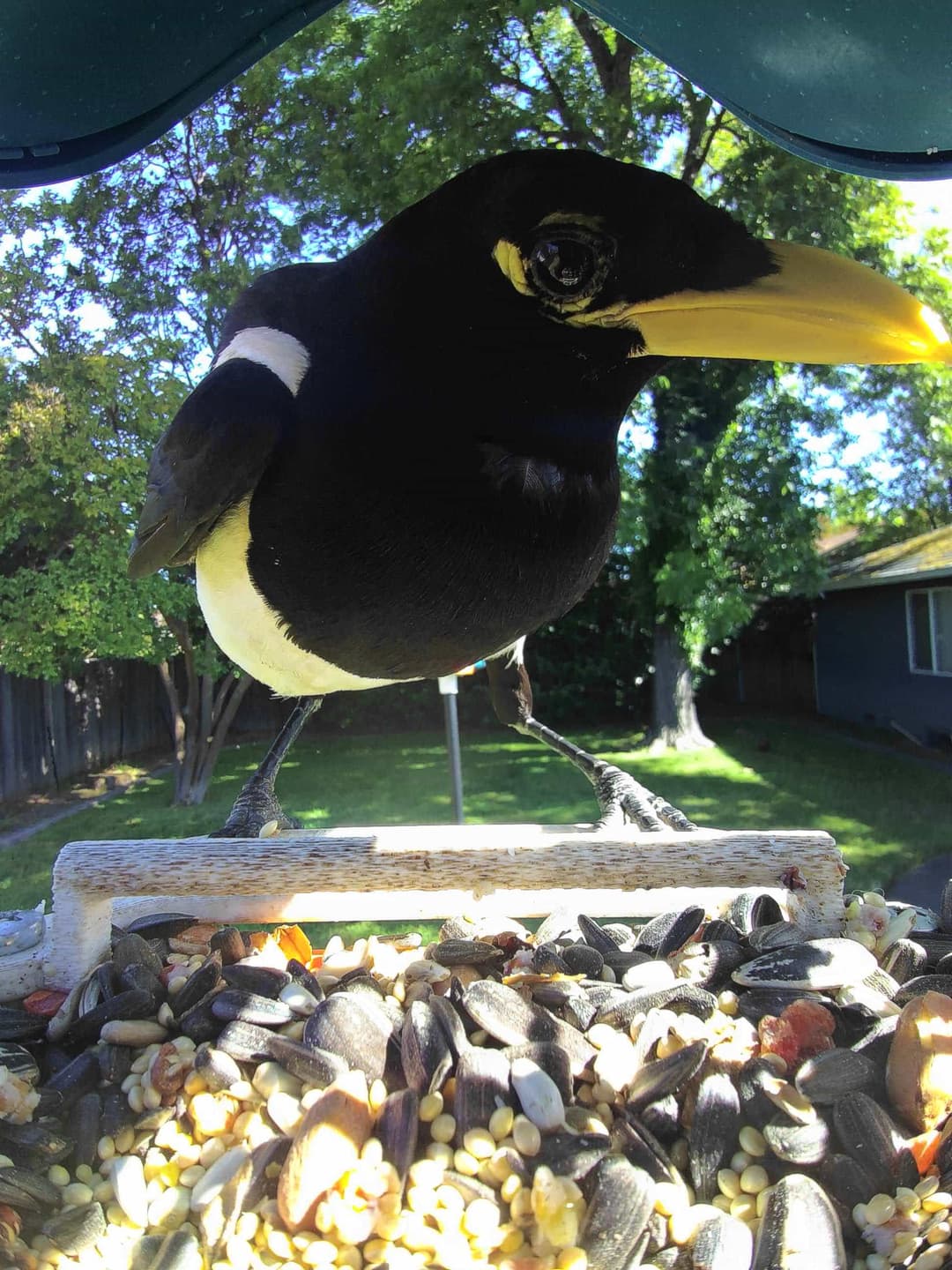
Eurasian Magpie vs Oriental Magpie
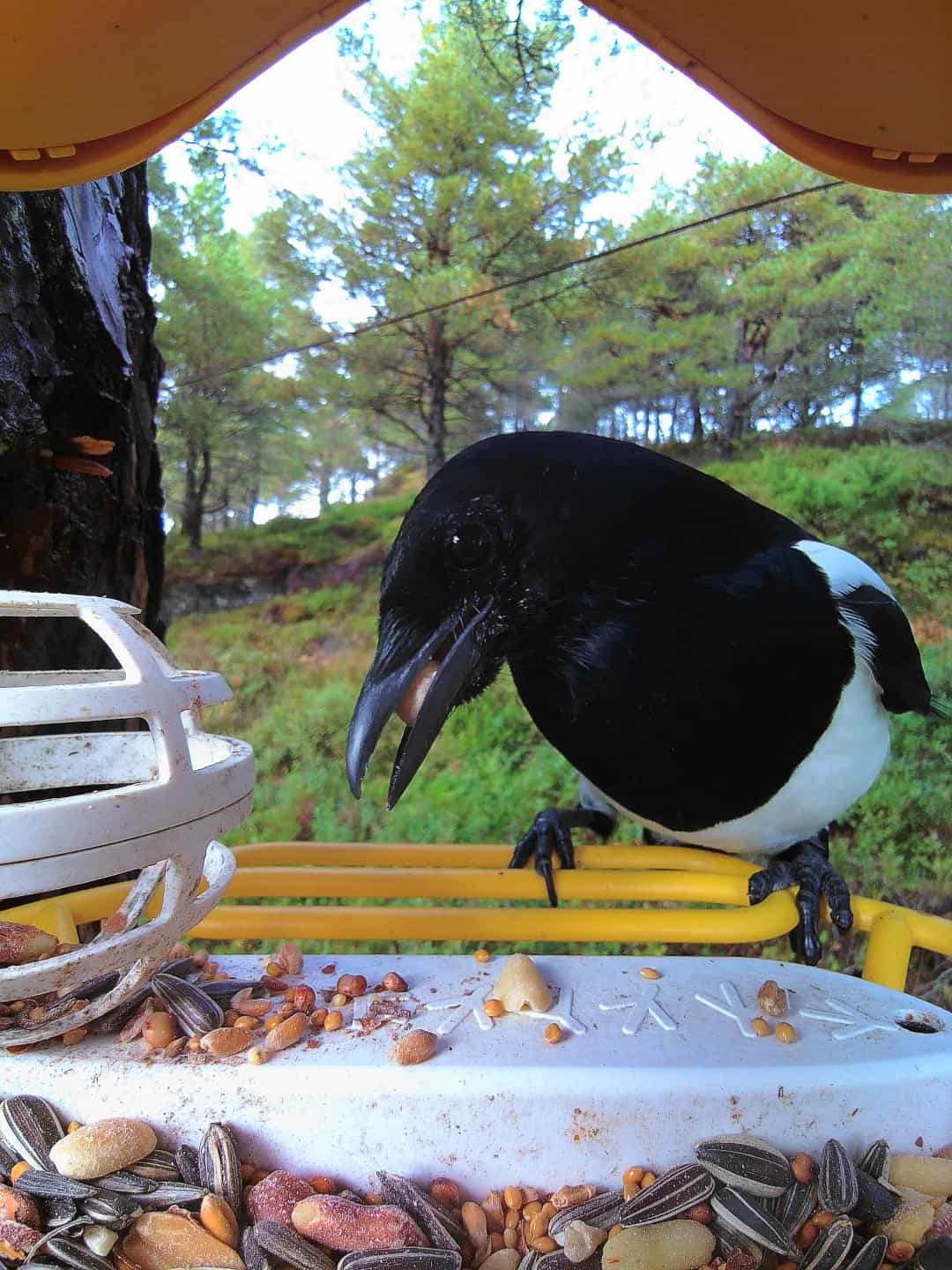
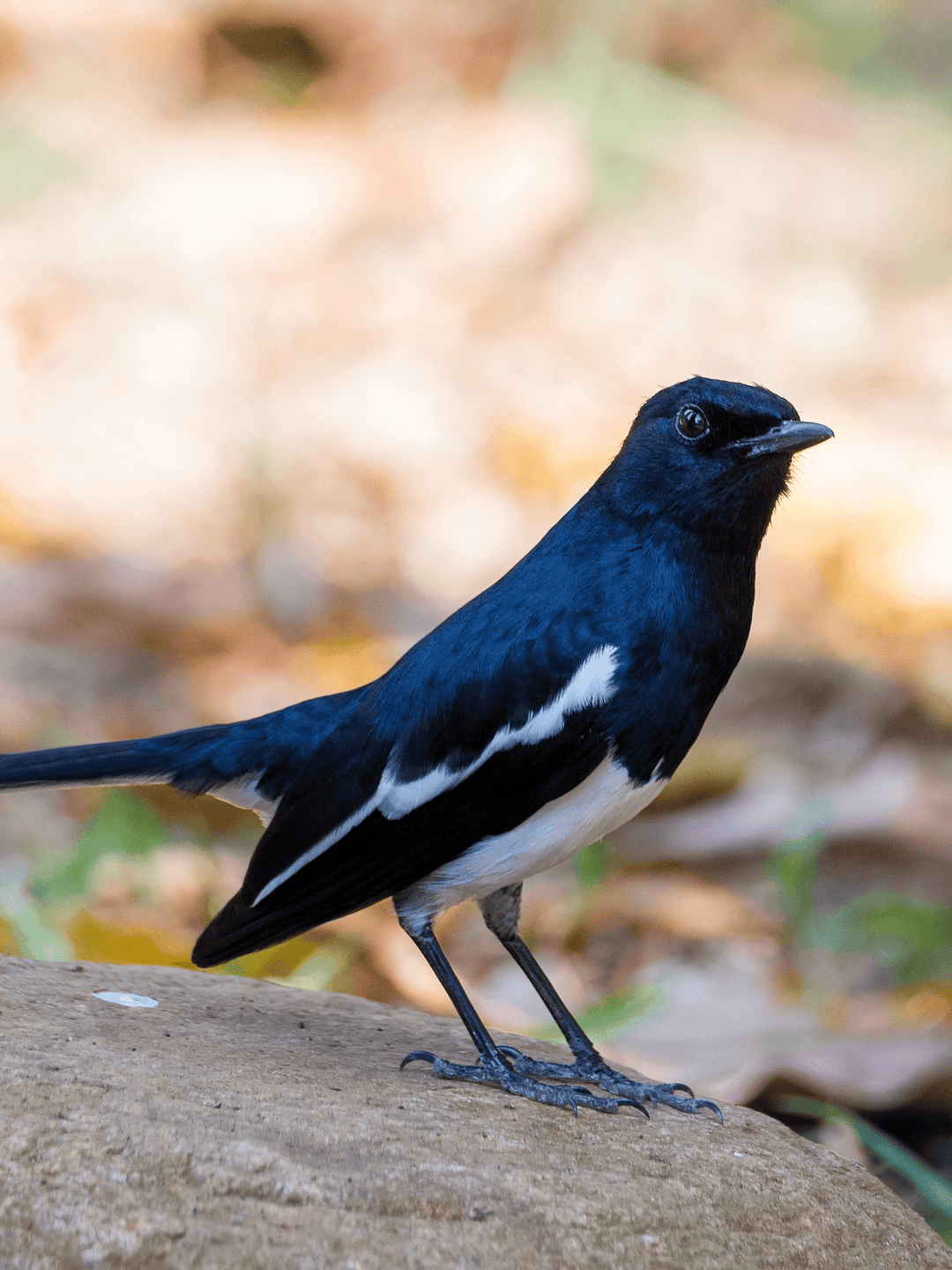
Eurasian Magpie vs Iberian Magpie
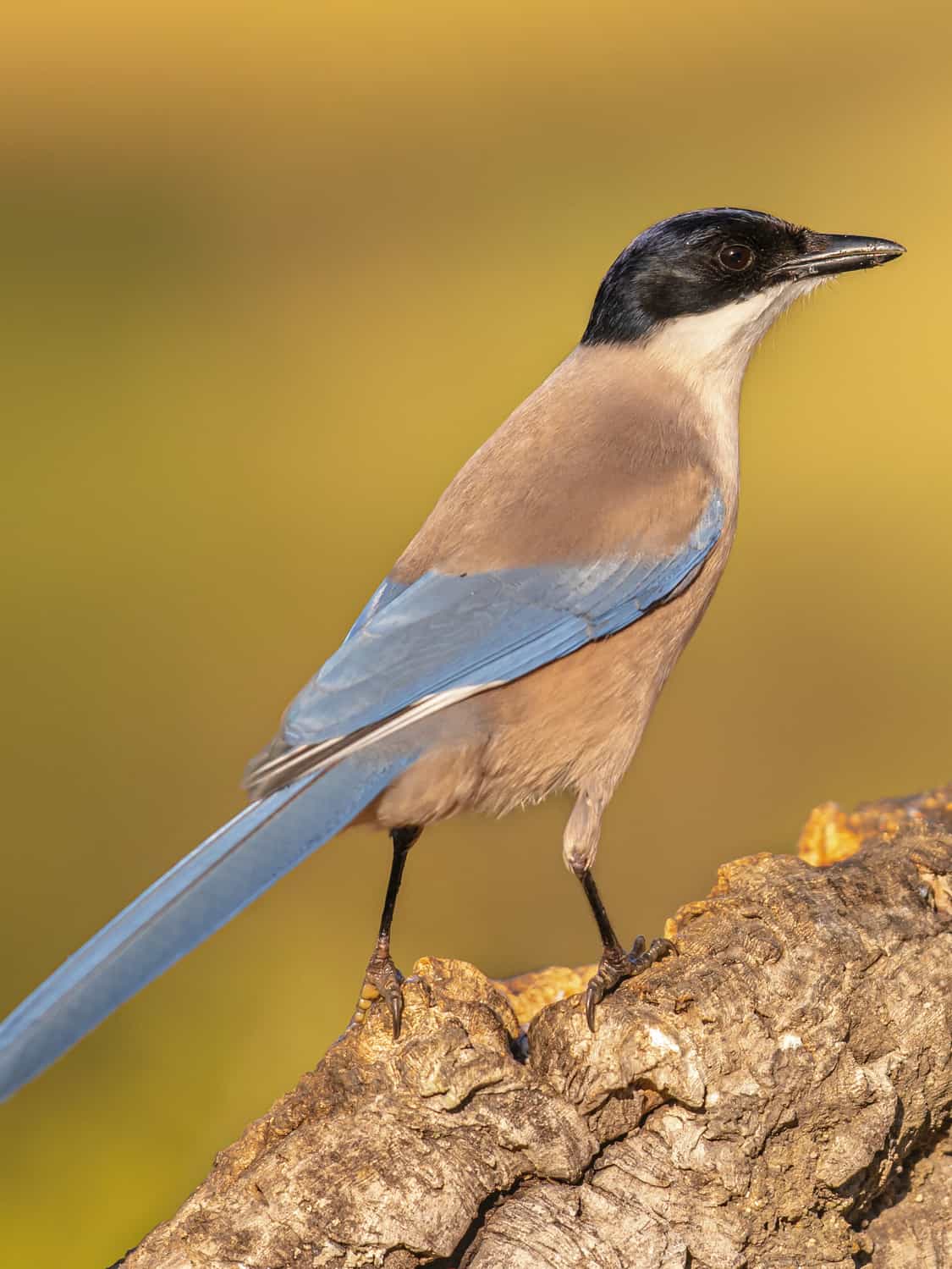
Maghreb Magpie vs [Select a bird]

[Select a bird]
Pick a bird to compare
Eurasian Magpie vs [Select a bird]
[Select a bird]
Pick a bird to compare