Maghreb Magpie or Black-Billed Magpie?
Here's how to tell the difference
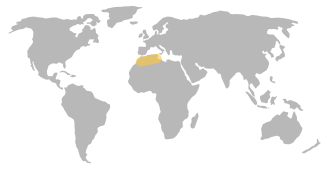

Maghreb Magpie


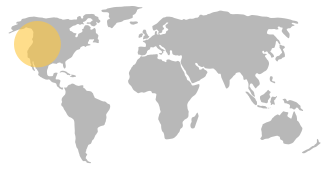
Black-Billed Magpie
Maghreb Magpie
Pica mauritanica
General appearance
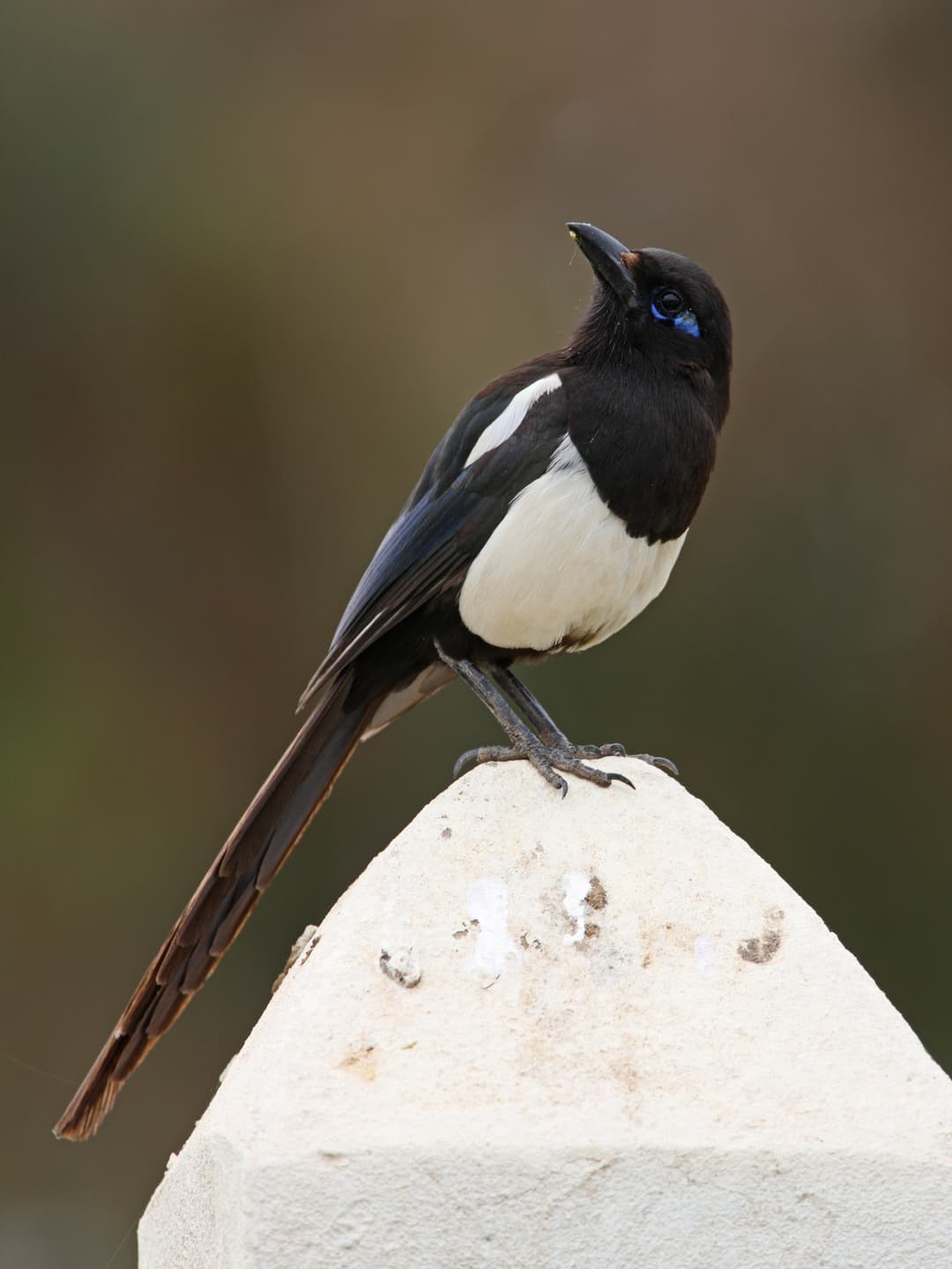
The Maghreb Magpie, distinctive for its bicolored plumage, presents a starkly contrasting black and white coloration. The body, chest, and portions of the wings are typically white, while the face, throat, tail, and parts of the wings are vividly black. Large in size for a songbird, it sports a sleek overall look and a long tail.
Male vs female
Similar to many bird species, the Maghreb Magpie exhibits no stark sexual dimorphism. Both males and females share the same color pattern, making gender determination difficult without close observation or expert knowledge. The sexes may be differentiated by minor variations in size or behavior during specific times, such as the breeding season.
Juvenile
Juvenile Maghreb Magpies, although similar in coloration to adults, often appear duller with less sharp contrast between the black and white areas. Their black plumage tends to be more brownish and less glossy. In addition, the juveniles' overall size is smaller, and they have shorter tails. With age and successive molts, they gradually attain the vibrant contrast and sleek form characteristic of adults.
Size
18.5 - 18.9 in/5.6 - 6.3 oz
There's more to learn about Maghreb Magpie
View full detailsBlack-Billed Magpie
Pica hudsonia
Also known as: American Magpie
General appearance
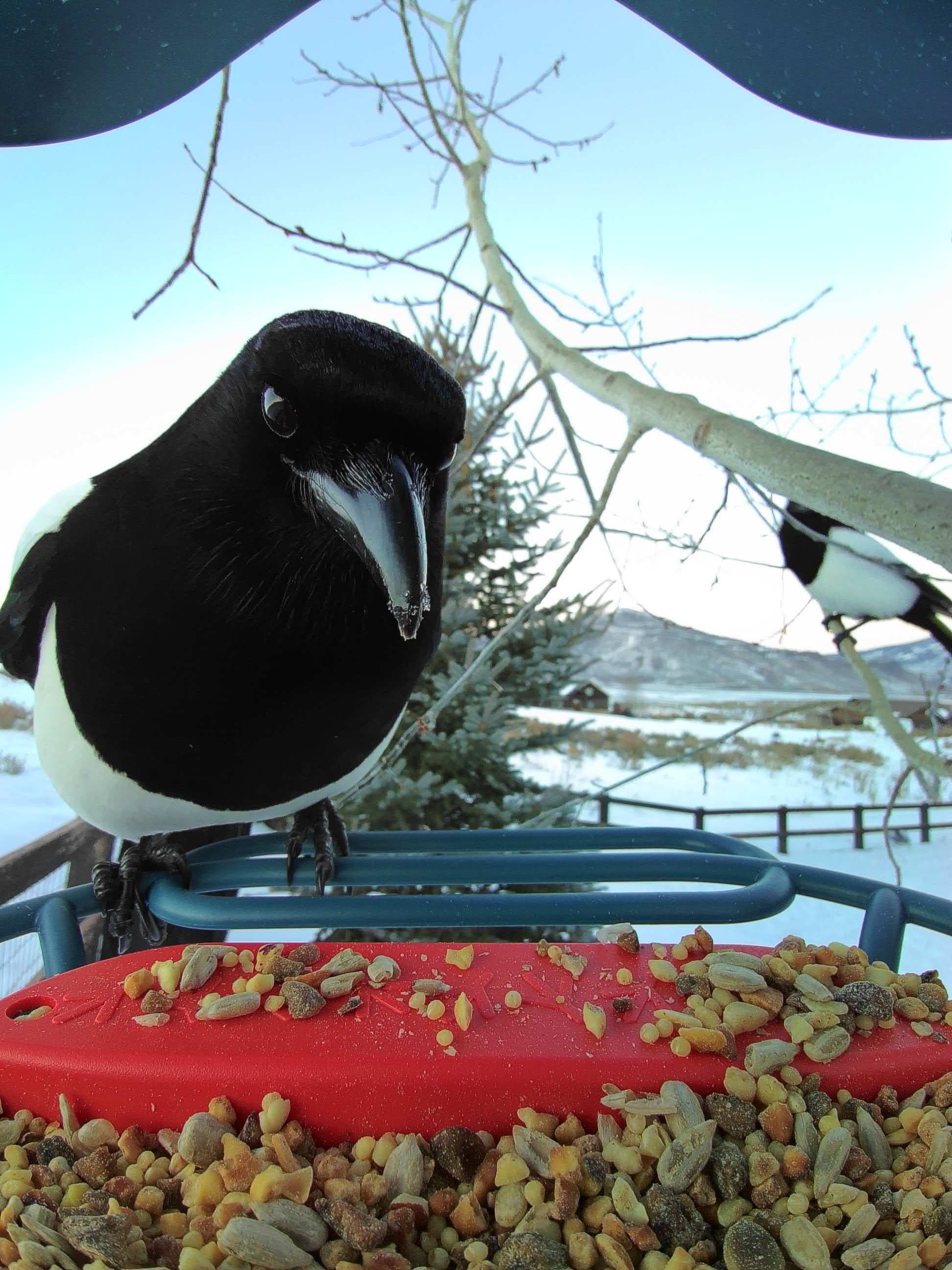
The black-billed magpie is unmistakable with a size about that of a crow, mallard, or herring gull, varies between 17 1/2 -22 inches (44-56 cm). It possesses distinctive coloration, featuring a black body with a green and blue gloss on its wings and long, wedge-shaped tail. Its large white wing patches are particularly noticeable during flight.
Male vs female
There is little sexual dimorphism in black-billed magpies, which means males and females look very similar to one another. Both genders share the black coloration, along with the green-blue glossy wings. The wings are broad, either fingered or rounded, and their tails are long, wedge-shaped.
Juvenile
Juvenile black-billed magpies will have similar coloration to adults, but their colors may initially appear less vibrant with the glossy wing sheen developing as they mature. Similar to adults, the juveniles' wing patches flash white during flight.
Size
17.7 - 23.6 in/5.1 - 7.4 oz
There's more to learn about Black-Billed Magpie
View full detailsHow to tell the Maghreb Magpie from the Black-Billed Magpie
Visual differences
The Maghreb Magpie (Pica mauritanica) is identified by a blue skin patch behind its eye, its stark black-and-white plumage, and long tail. In contrast, the Black-Billed Magpie (Pica hudsonia) features a black body with a green-blue gloss on wings and tail, and displays noticeable white wing patches in flight. Both are similarly sized, although Black-Billed Magpies can be slightly larger (17.5-22 inches compared to Maghreb's 18.5-18.9 inches). The beak shape of the Black-Billed is distinctively black, while the Maghreb lacks this specific beak coloration.
Key differences and behavior
The Maghreb Magpie and the Black-Billed Magpie both exhibit non-migratory behaviors, but differ in their habitat preferences. Maghreb Magpies reside in North Africa's warm regions, including urban areas and high-altitude locations, while Black-Billed Magpies inhabit western North America's semi-open terrains, avoiding dense forests and extreme deserts. In breeding, both species engage in courtship displays, but Black-Billed Magpies often form colonies. Both magpies build large nests using sticks, though Black-Billed Magpie nests are globular. Diets are similar, involving insects and small animals, but Black-Billed Magpies lean more toward carrion and varied vegetable matter in winter. Despite being opportunistic feeders, their responses to human environments differ slightly; Maghreb in gardens, Black-Billed on farms.
Still not sure? Here are more lookalikes!
Maghreb Magpie vs Eurasian Magpie
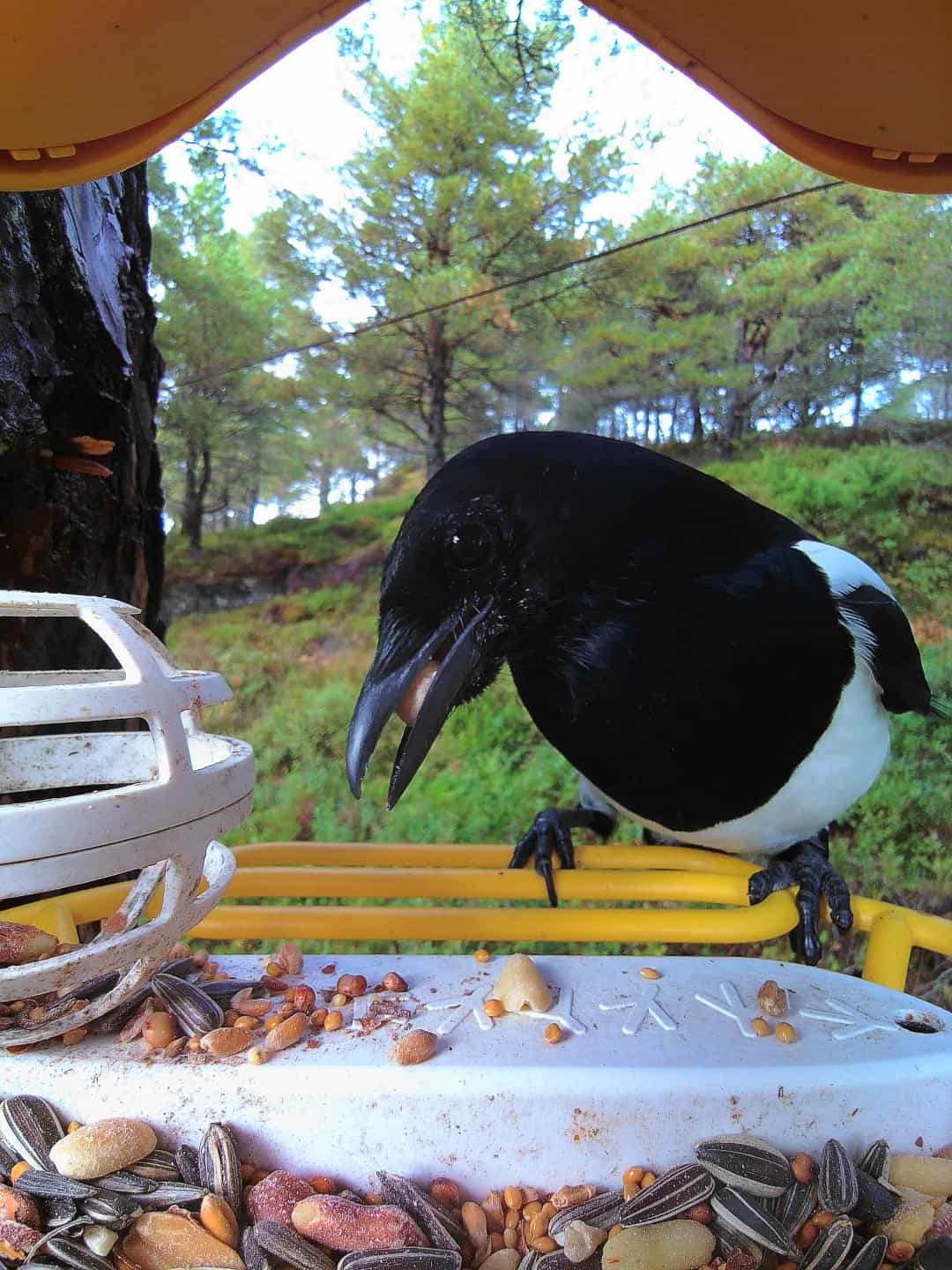
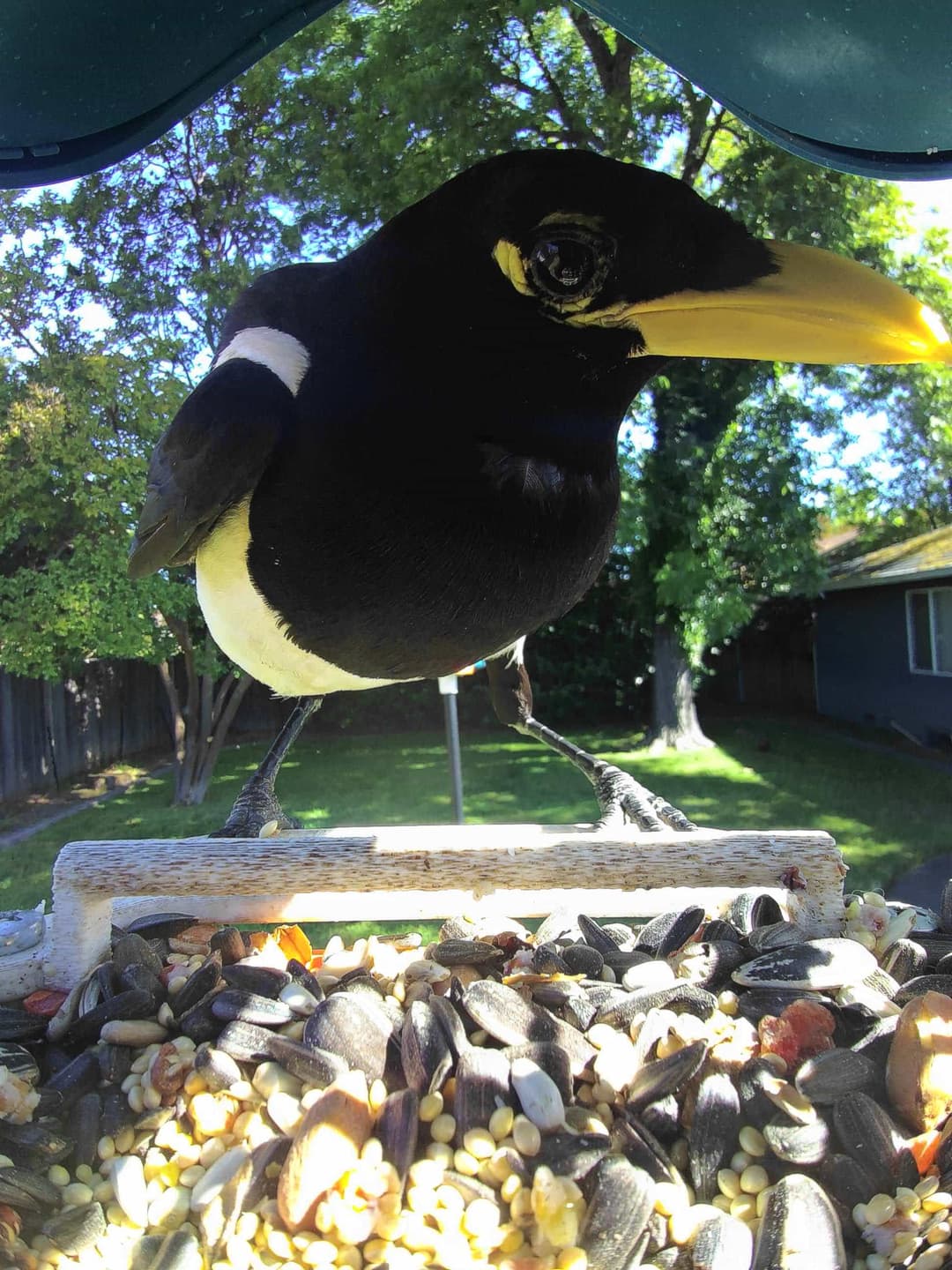
Black-Billed Magpie vs Yellow-Billed Magpie
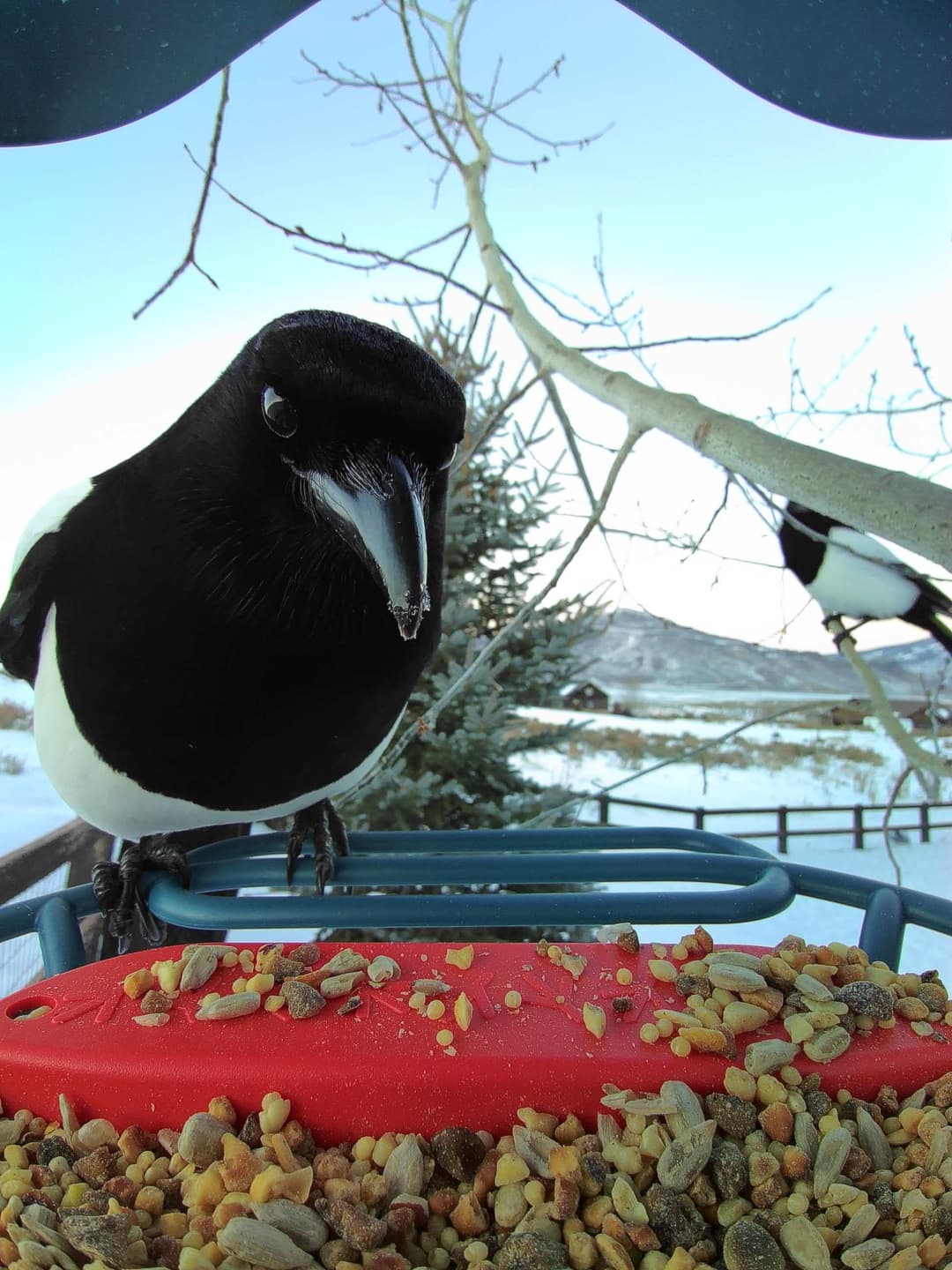


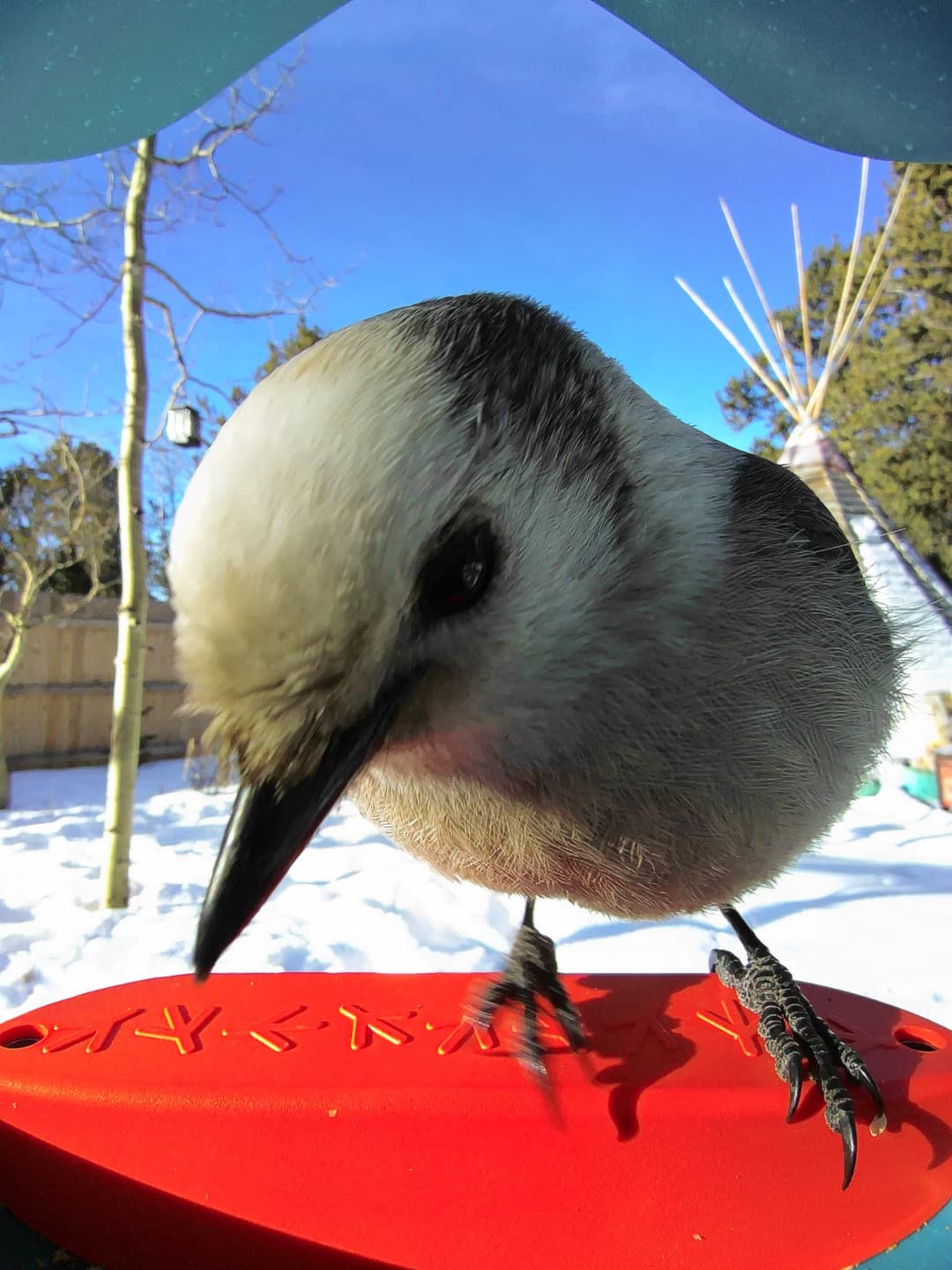
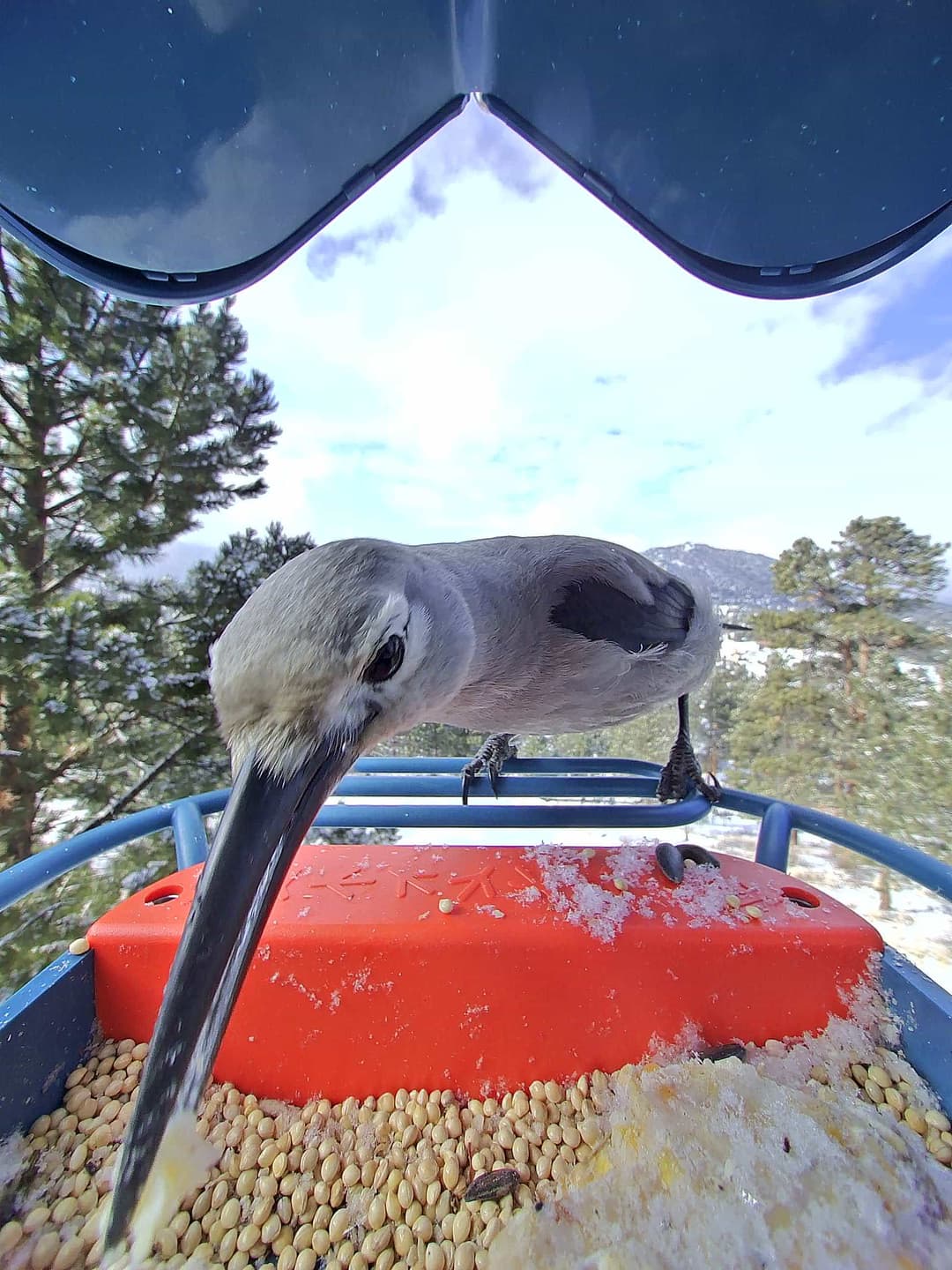
Black-Billed Magpie vs Clark’s Nutcracker
Maghreb Magpie vs [Select a bird]

[Select a bird]
Pick a bird to compare
Black-Billed Magpie vs [Select a bird]
[Select a bird]
Pick a bird to compare