Eurasian Magpie or Iberian Magpie?
Here's how to tell the difference
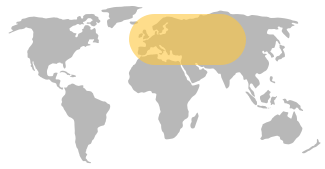


Eurasian Magpie


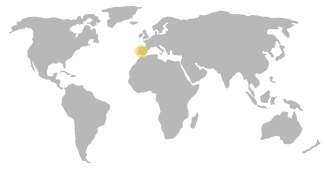
Iberian Magpie
Eurasian Magpie
Pica pica
Also known as: Common Magpie
General appearance
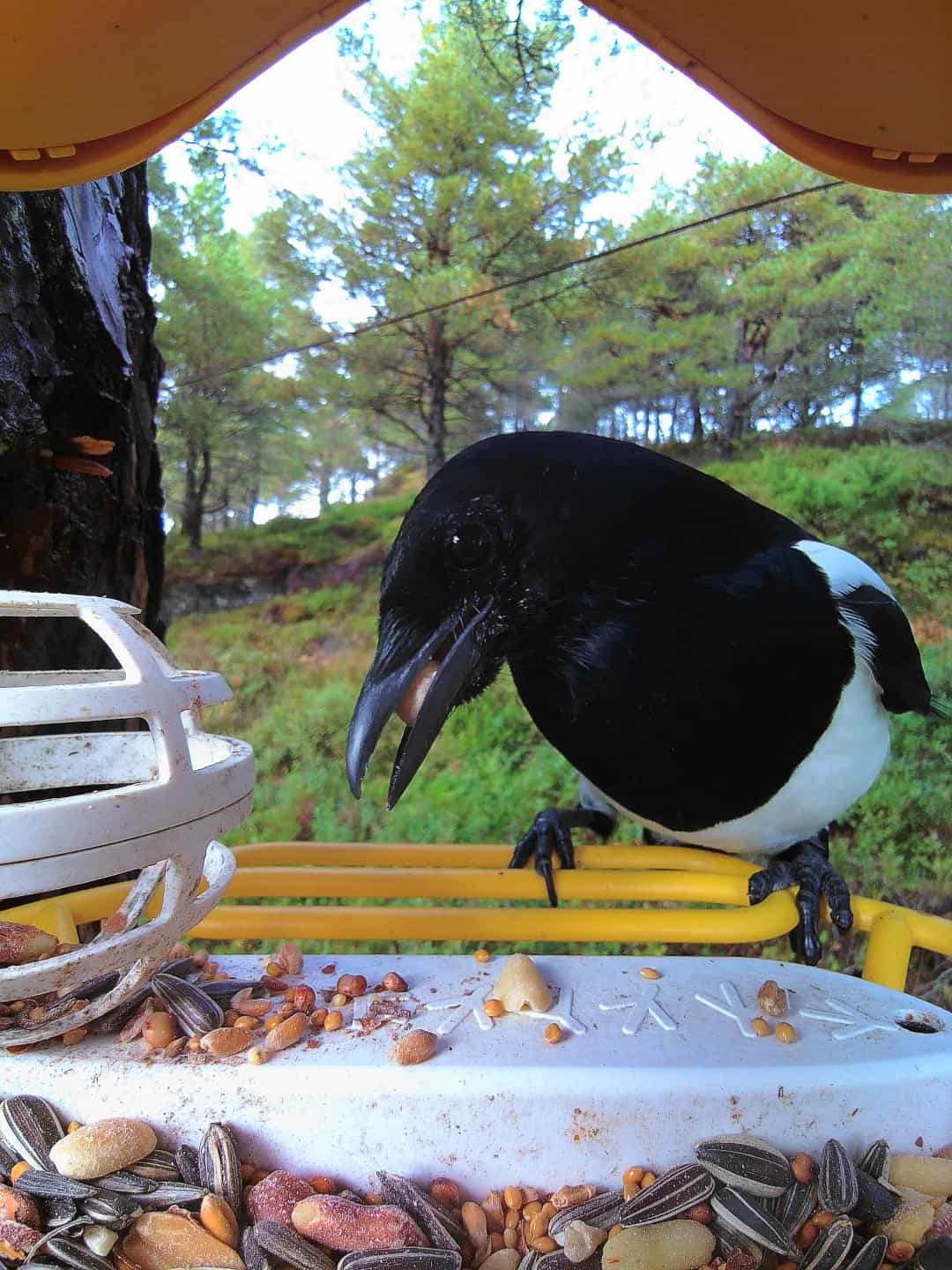
The Eurasian magpie (Pica pica) is a striking bird with a distinctive black and white coloration. Its head, neck, and breast are glossy black with iridescent hues, contrasting sharply with its white belly and shoulder patches. The long, graduated tail is black with a metallic green and blue sheen. The wings are mostly black with white primary feathers, visible in flight as bold white flashes. The magpie's robust bill and legs are black, and it exhibits a strong, purposeful flight pattern with distinctive wing beats.
Male vs female
Males and females of the Eurasian magpie species are similar in appearance, making them difficult to differentiate by sight alone. Both sexes feature the same striking black and white plumage and iridescent colors. However, males are slightly larger than females, with differences more pronounced during the breeding season when males display increased territorial behavior.
Juvenile
Juvenile magpies resemble adults but have duller plumage and lack the gloss and iridescence of mature birds. The black feathers in juveniles appear more sooty, and their tail is shorter and less graduated than in adults. Additionally, juvenile magpies' eyes are a lighter greyish-brown that darkens with age.
Size
18.1 - 19.7 in/5.6 - 9.5 oz
There's more to learn about Eurasian Magpie
View full detailsIberian Magpie
Cyanopica cooki
General appearance
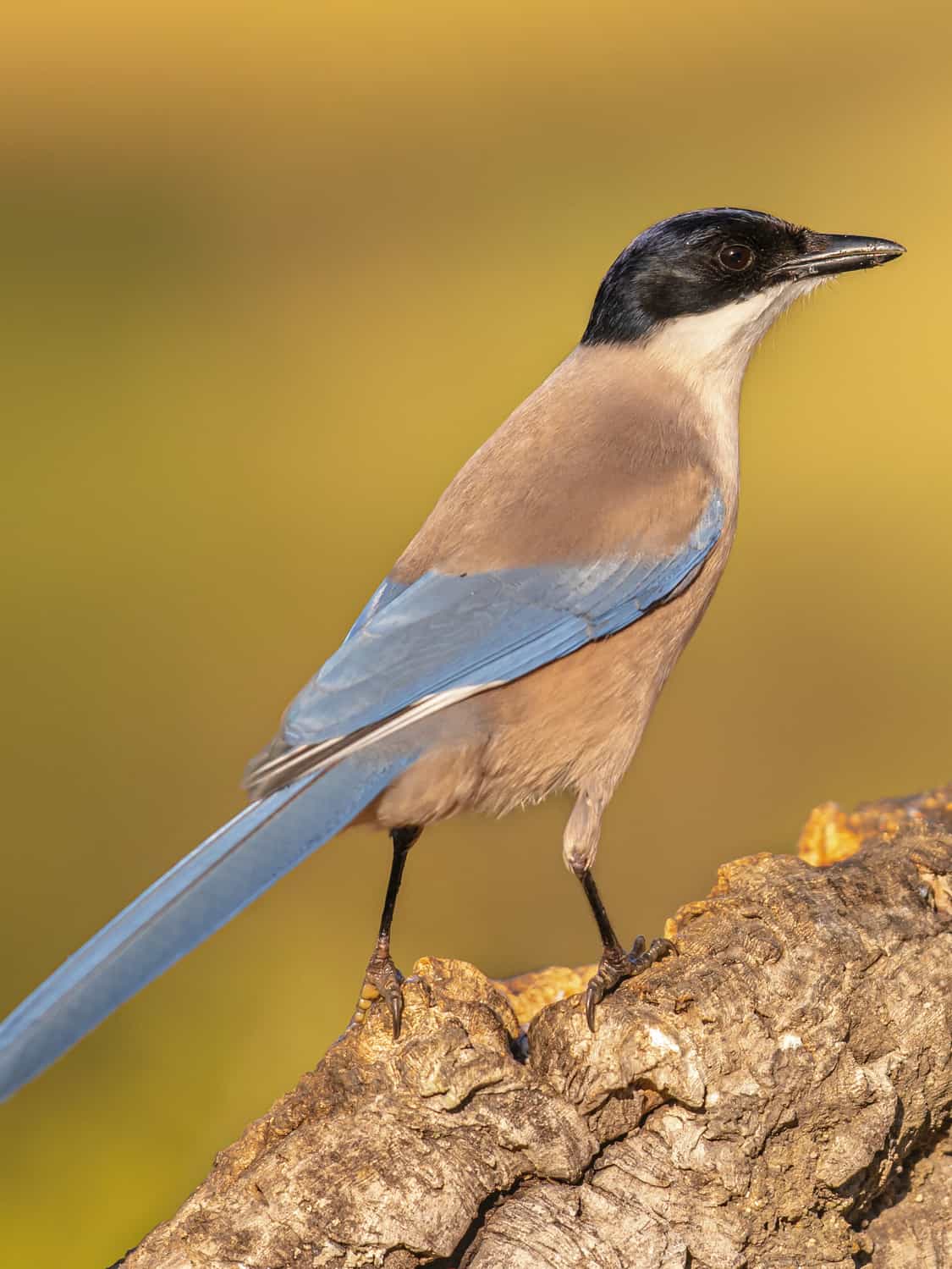
The Iberian magpie, also known as the Azure-winged magpie, is known for its striking appearance. It boasts a dark black head, chest, and tail, contrasted by a fascinating blue-green sheen on its wings which gives it its common name. Its under-parts are white or greyish-white.
Male vs female
The sexes of Iberian magpies are remarkably indistinguishable. Both males and females display a largely similar colour pattern. It is challenging to differentiate between the sexes using physical characteristics alone.
Juvenile
Juvenile Iberian magpies are similar to adults but with slightly muted colours. Additionally, their tail length is generally shorter compared to adults. After the first molt, they obtain their adult plumage.
Size
13.4 - 14.2 in/2.3 - 2.7 oz
There's more to learn about Iberian Magpie
View full detailsHow to tell the Eurasian Magpie from the Iberian Magpie
Visual differences
The Eurasian Magpie (18-20 inches, 5.6-9.5 oz) is larger than the Iberian Magpie (13-14 inches, 2.3-2.7 oz), with its striking black and white plumage, and a glossy black head and tail with metallic blue-green sheen. The Iberian Magpie features a black head and tail but has a blue-green sheen on its wings, with white or greyish-white underparts. Both species have similar male and female appearances, but juveniles of each have duller colors.
Key differences and behavior
The Eurasian Magpie and Iberian Magpie, both corvids, exhibit notable behavioral differences. The Eurasian Magpie, found in temperate regions, thrives in urban areas and dense forests, showing adaptability and intelligence. They are omnivorous, feeding on insects, small mammals, and plant materials, often seen at feeders. Their courtship includes feather displays, with both partners engaging in nest-building and chick-rearing. In contrast, the Iberian Magpie inhabits Mediterranean woodlands and is highly social, forming large, vocal flocks. They primarily feed on insects and plants, particularly acorns in winter. Their courtship involves vocalizations, forming bonds prior to breeding. Nest building includes dense foliage preference for chick protection. Both species are opportunistic but differ in social structure, habitat preference, and feeding strategies.
Still not sure? Here are more lookalikes!
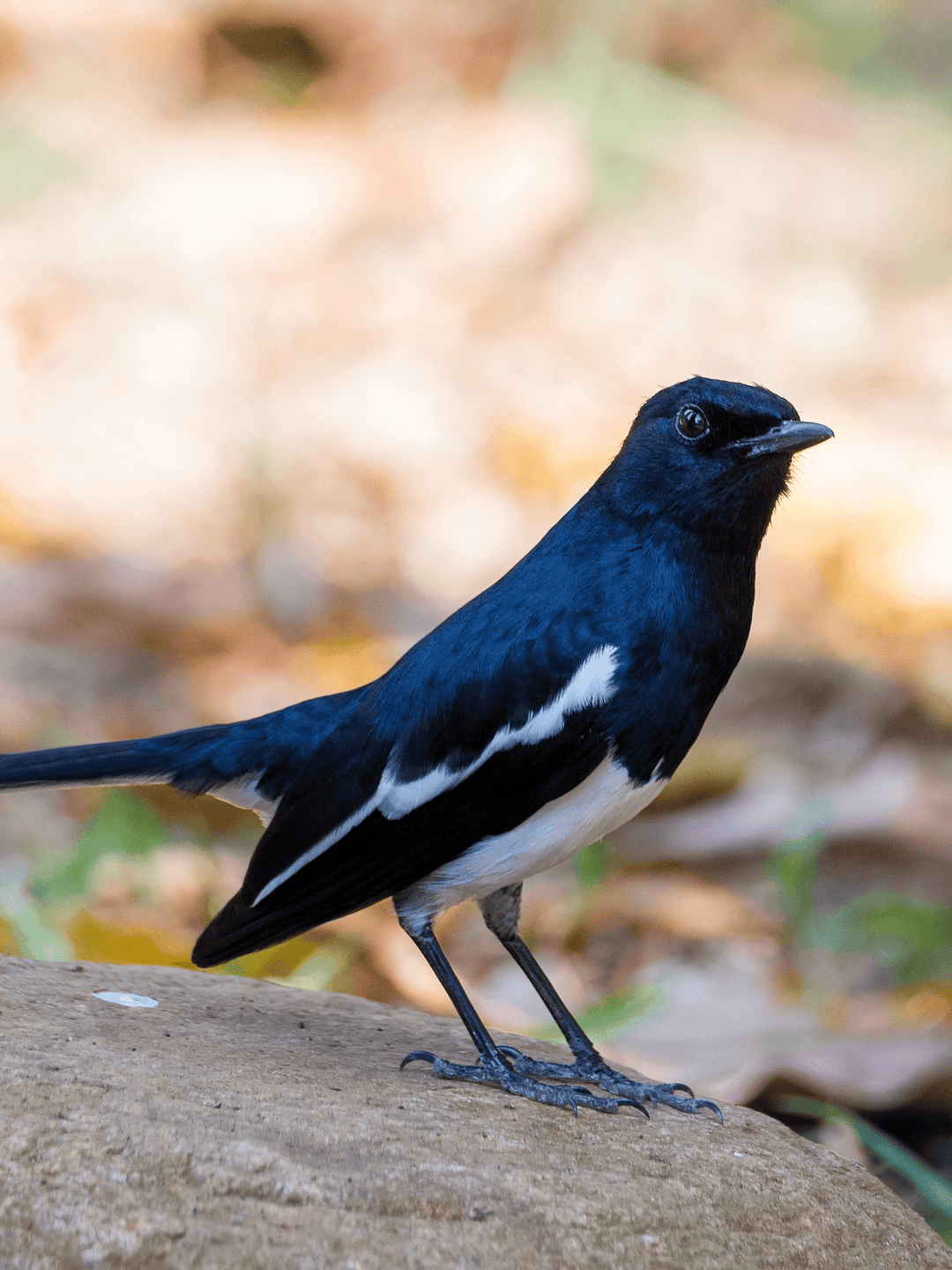
Eurasian Magpie vs Oriental Magpie
Eurasian Magpie vs [Select a bird]

[Select a bird]
Pick a bird to compare
Iberian Magpie vs [Select a bird]
[Select a bird]
Pick a bird to compare