
Oriental Magpie
Oriental Magpie
Also known as: Korean Magpie, Asian Magpie
Pica serica


Quick Identification guide
Quick Identification guide
- •
Features a striking black and white plumage, with a shiny black head, breast, and back, contrasting sharply with its white belly and shoulder patches
- •
Displays long, graduated tail feathers that are predominantly black with a hint of metallic green or blue sheen
- •
Has a sturdy, black bill and white wing bars, making it easily distinguishable at a glance
What does an Oriental magpie sound like?
The Oriental magpie produces vocalizations that include melodious songs, versatile calls, and mimicry of other birds or sounds. Its primary call comprises repeated "tcheck" sounds or a harsh "chack," and its song is often described as lively and fluting with clear notes. The species is also capable of producing high-pitched whistles and can mimic sounds from its environment. These vocalizations are frequent and loud, often used to communicate with other magpies.


Description
When kids lose a tooth in South Korea, they are supposed to throw it on the roof and sing a song for the magpie, who then brings them a new one! The Oriental magpie is an important part of Korean culture and a symbol of South Korean identity. That is why several cities, counties and provinces use it as their symbol!
The Oriental magpie can weigh between 180to270grams and be from46to50centimeters tall.
The Oriental magpie typically has a lifespan of approximately 15 years. This is similar to the lifespan of other members of the Corvidae family, such as crows and ravens, which typically live between 10 and 20 years. However, these species can live much longer in captivity.
Did you know?
Most popular questions about Oriental magpie
How to recognise an Oriental magpie?
General appearance
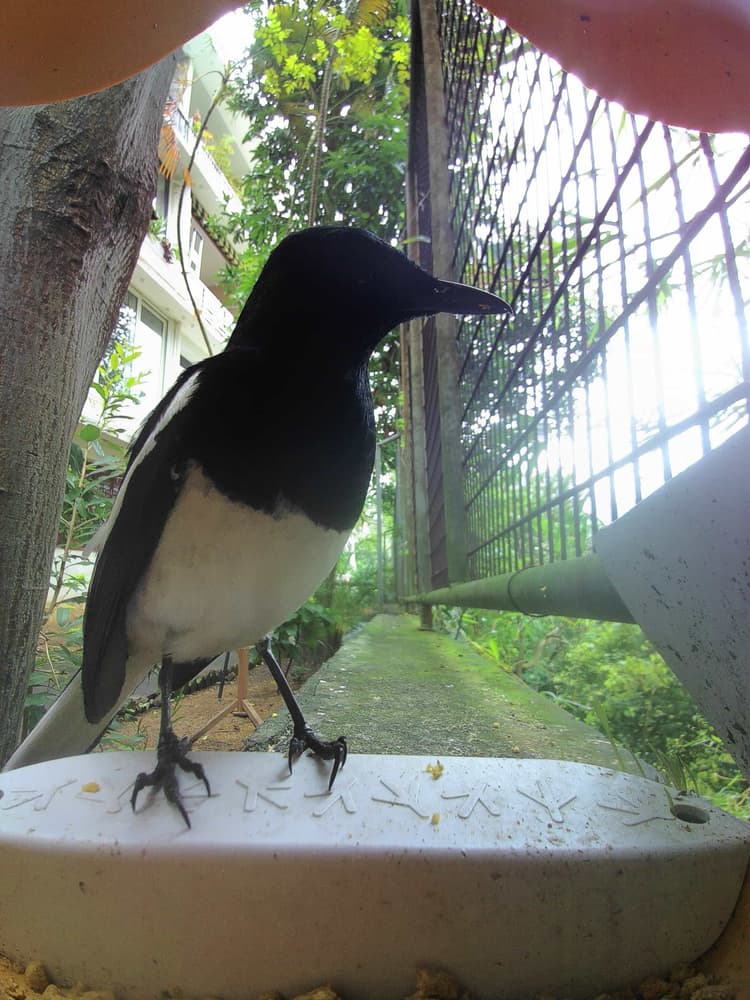
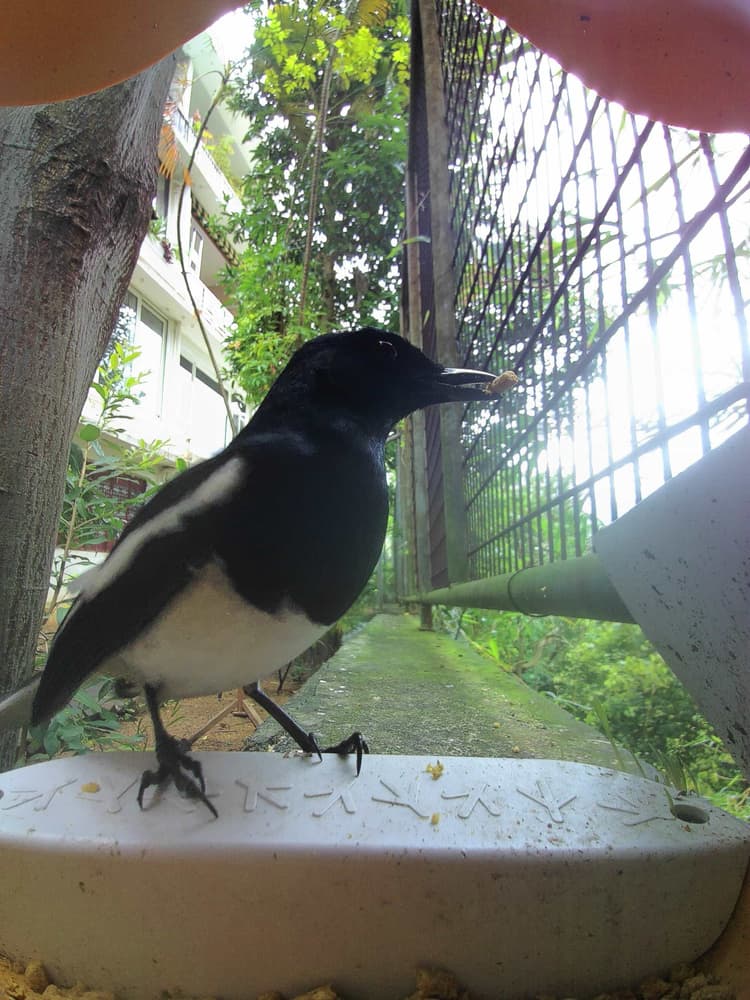
The Oriental magpie, also known as the Oriental magpie-robin, is a small passerine bird native to East Asia. These birds sport distinctive black and white coloration. The upperparts are glossy black with a thick white wing bar, while the underparts are pure white. They have a long, black tail with white corners. Their black bill and legs, along with reddish eyes, add to their striking appearance.
Male vs female
Male and female Oriental magpies exhibit minor sexual dichromatism. Males are largely black above with a white wing patch, while the underparts, rump, and sides of the long tail are white. Females, on the other hand, are greyish-brown where the males are black. Moreover, females have less white in the tail.
Juvenile
Juvenile Oriental magpies resemble females but are even duller, with a hint of rufous on the underparts. They lack the defined feather borders and the fulness of hue of both male and female adults. As they mature, their colors will become more vibrant and differentiated.
Often mistaken for
Eurasian Magpie vs Oriental Magpie
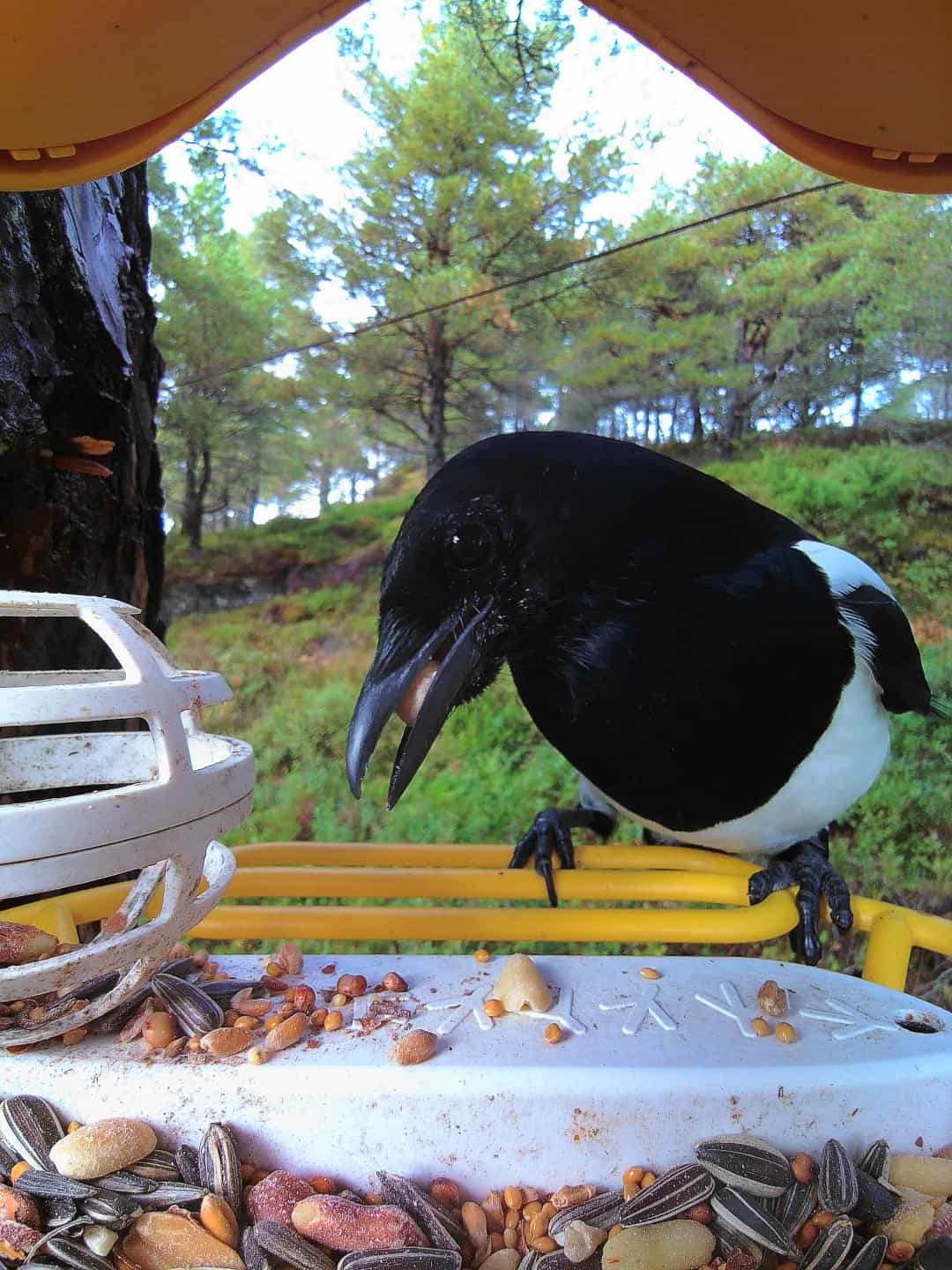
The Eurasian Magpie, similar to the Oriental Magpie, has black and white plumage. However, the Eurasian Magpie is larger and has a longer tail. Its black is glossy and has a bluish-green iridescent sheen, which can help distinguish it from the Oriental Magpie.
Iberian Magpie vs Oriental Magpie
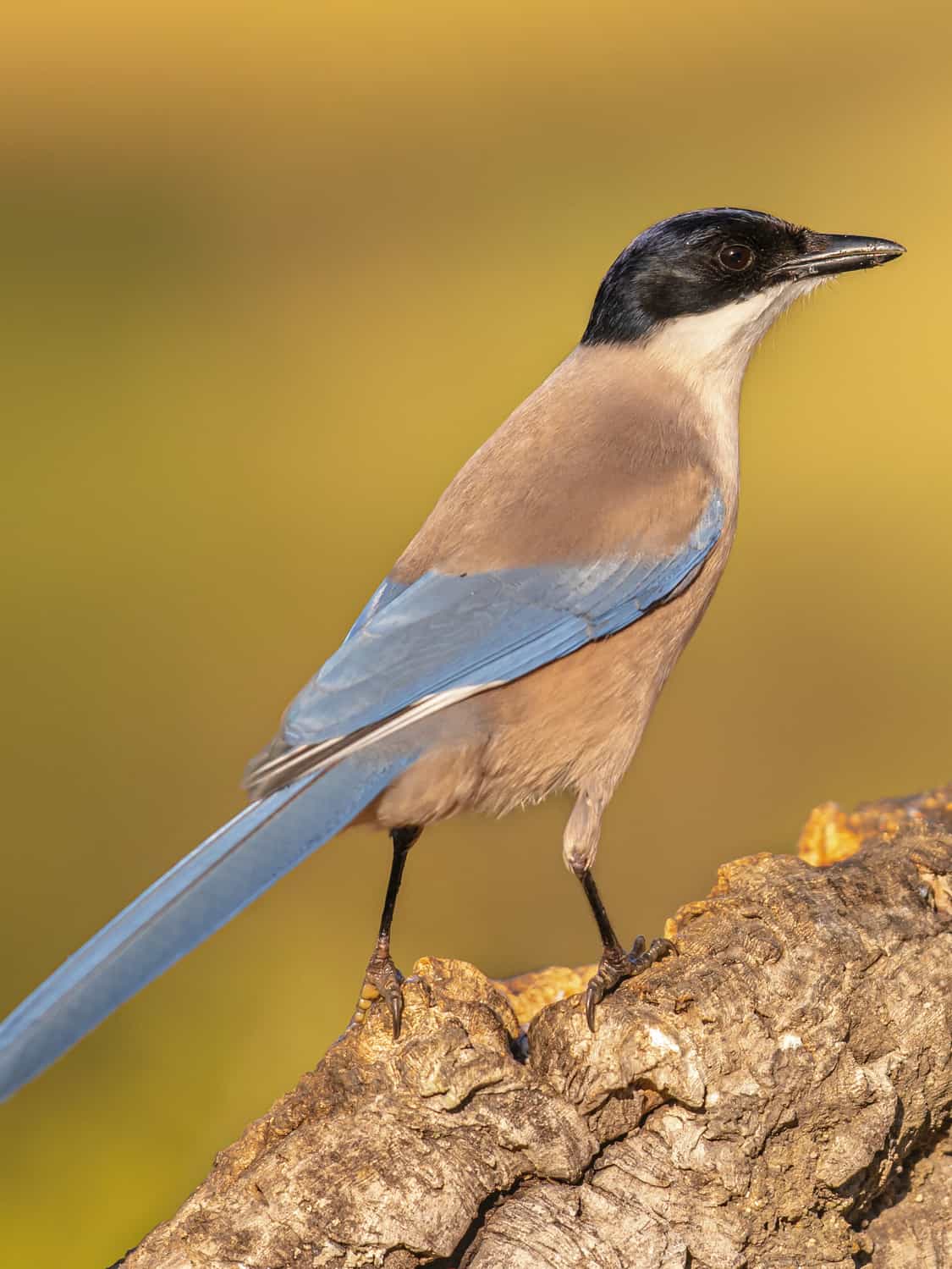
The Iberian Magpie resembles the Oriental Magpie in its black and white coloration. However, the Iberian Magpie often has a more pronounced blue on its wings and tail, differentiating it from the simpler black and white pattern of the Oriental Magpie.
Yellow-Billed Magpie vs Oriental Magpie
The Yellow-Billed Magpie is similar to the Oriental Magpie with its black and white appearance, but can be distinguished by its distinctive yellow bill and a more limited range. It is native to California, unlike the more widespread Oriental Magpie.
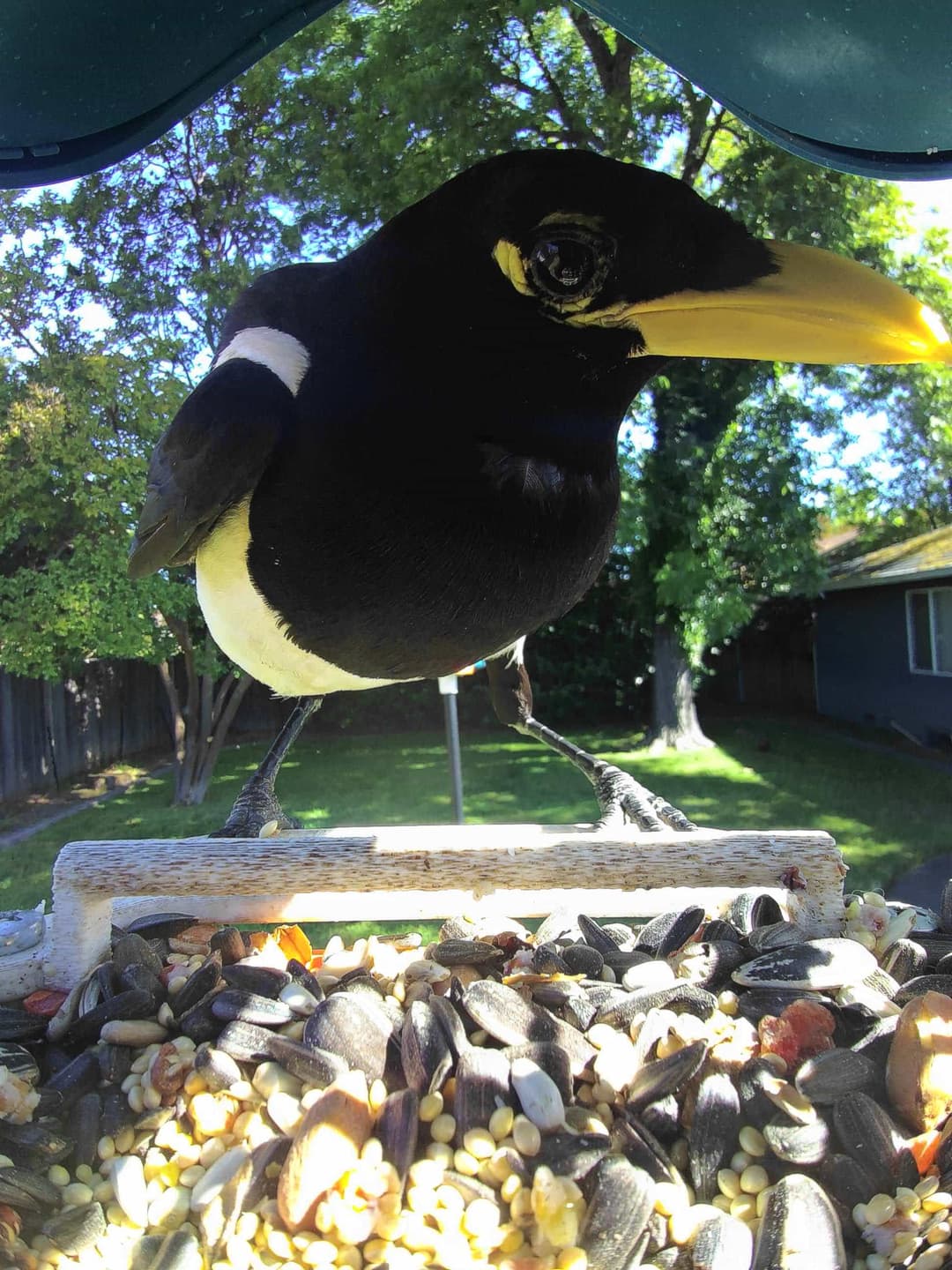
Breeding and nesting habits of the Oriental magpie
Mating behaviors
The Oriental magpie engages in elaborate courtship displays with males showcasing their vocal abilities. Both sexes participate in bill-raising postures and aerial displays to strengthen pair bonds.
Nesting details
Nesting typically occurs in trees, often in urban parks and gardens. Nests are cup-shaped, constructed from twigs, roots, and mud, lined with hair or soft materials. Providing dense shrubbery can encourage nesting in gardens.
Eggs and chick-rearing
Females lay 3-5 eggs which are incubated for about 15 days. Both parents feed the chicks, which fledge in roughly 14 days. Continual care is given for several weeks post-fledging to ensure survival and development.
What does an Oriental magpie like to eat?
Berries
Carrion
Fruits
Insects
Plants
Scraps
Seeds
Snails
Spiders
Worms
Natural diet
The Oriental magpie has an omnivorous diet, consuming a variety of natural food sources. It forages for insects, small mammals, fruits, seeds, and carrion. The bird is opportunistic, feeding on insects like beetles and grasshoppers, as well as prey such as rodent pups. Seasonal fruits and berries serve as plant-based nutritional supplements in their diet. The magpie is known to consume eggs and nestlings of other birds on occasion, showcasing its diverse dietary habits.
Bird feeders
At bird feeders, the Oriental magpie is attracted to foods like seeds, nuts, and suet. It enjoys sunflower seeds and peanuts, which are common offerings at feeders. Due to its adaptable nature, the magpie thrives on a variety of foods provided by humans. Offering unsalted nuts, fruit scraps, and meat scraps at feeders can attract these birds, supplementing their natural diet with additional protein and energy sources.
Making your yard magpie-friendly
Attracting the Oriental magpie to your yard involves creating a welcoming environment. This includes ensuring the availability of clean water, providing ample spaces for perching and nesting, and maintaining a quiet ambiance as Oriental magpies are known to be easily scared off by loud noises and sudden movements.
Encouraging regular visits with food
Oriental magpies are omnivorous and will eat a variety of food, but their favorites are insects and fruits. To attract them to your feeder, opt for Bird Buddy seeds. These seeds are chosen by experts for the season, providing the birds with the nutrients they need during various times of the year. Remember to place the food in an open space where the magpies can easily see and approach it.
Fun tricks to keep them coming back
The Oriental magpie is a bold and curious bird. Use their curiosity to your advantage by incorporating interesting elements into your yard. Hanging colorful ornaments or shiny objects can pique their interest. However, make sure these items are safe and do not pose any harm to the birds. Also, Oriental magpies are known for their melodious songs. If you have any musical stimuli, like wind chimes, you may entertain and encourage them to stay longer.
Where can you find Oriental magpies?

Primary habitat
The Oriental magpie, also known as the Asian magpie, primarily inhabits regions in East Asia. Its preferred habitats are forests, parks, and gardens.
Additional range
Typically, these birds tolerate a wide range of climates, from warm summers to cold winters. As adaptable birds, they have also been seen in cities and urban areas.
Do they migrate?
The Oriental magpie, also known as the Eurasian magpie or Pica pica, is primarily a resident bird and does not engage in long-distance migration. It inhabits a wide range across Europe, Asia, and parts of North Africa. Within this range, Oriental magpies are typically sedentary, meaning they stay in their territories or nearby throughout the year. In some regions, however, there may be local movements rather than true migration. For example, in areas with harsh winter weather, some magpies may move short distances to find more favorable conditions, such as lower elevations or areas with available food supplies. These movements are generally limited and do not follow a specific migratory route. The main factor influencing any limited movement is the availability of food resources, as the species adapts to various habitats including urban areas, farmland, and open countryside. Hence, the Oriental magpie is well-known for its adaptability and opportunistic feeding habits, which allow it to thrive without the necessity of long migrations.
What is the role of Oriental magpies in nature and how to protect them?
Conservation status
The Oriental magpie is classified as "Least Concern" by the IUCN, indicating it is relatively common and not currently considered vulnerable or endangered. Key threats to the species include habitat loss due to urbanization and deforestation. Despite these challenges, the bird has shown adaptability to various environments, including urban areas. Conservation efforts mainly focus on habitat preservation and monitoring population trends. Localized initiatives in affected regions work to safeguard nesting areas and promote awareness about the species' ecological importance. Overall, the Oriental magpie's adaptability helps maintain its widespread presence across its range.
Ecological role of Oriental magpies
Its role in the ecosystem
The Oriental magpie, an intelligent and social bird primarily found in East Asia, plays a crucial role in maintaining the balance of the ecosystem. Its diet consists largely of insects, many of which can be harmful to crops and humans, making it an effective natural pest controller. By preying on pests, the Oriental magpie helps to curtail the population of potentially damaging insects in their habitat. Apart from this, the bird's foraging behavior contributes to seed dispersal aiding in the biodiversity of the ecosystem. They occasionally feed on fruits and dispose of the seeds in different locations through their droppings. This results in the spread of flora, some of which might not have extended to certain regions without the bird's intervention. Lastly, the Oriental magpie’s nesting habits also support smaller species of birds and insects by creating more diverse habitats. Thus, the Oriental magpie’s ecological significance is multi-dimensional, encompassing pest control, seed dispersal, and habitat diversification.
How to help protect Oriental magpies
Preservation tips
Habitat preservation strategies
To support the conservation of the Oriental magpie, focus on preserving and restoring its natural habitats. This includes wooded areas, parks, and gardens where they can catch insects and worms. Avoid unnecessary tree cutting and encourage local governments to implement policies that protect these ecosystems. Additionally, promoting organic farming methods can help reduce pesticide use, which indirectly benefits the Oriental magpie.
Community science initiatives
Involve the community in Oriental magpie conservation efforts through citizen science projects. This could include bird watching groups that monitor populations and report sightings. Educational programs in schools could also teach children about the importance of conservation. Promoting public participation in these initiatives can help raise awareness and generate ongoing support for the protection of the Oriental magpie.