Beautiful Jay or Blue Jay?
Here's how to tell the difference
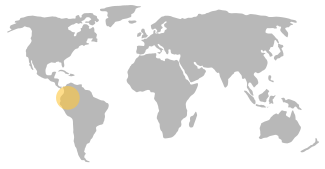


Beautiful Jay
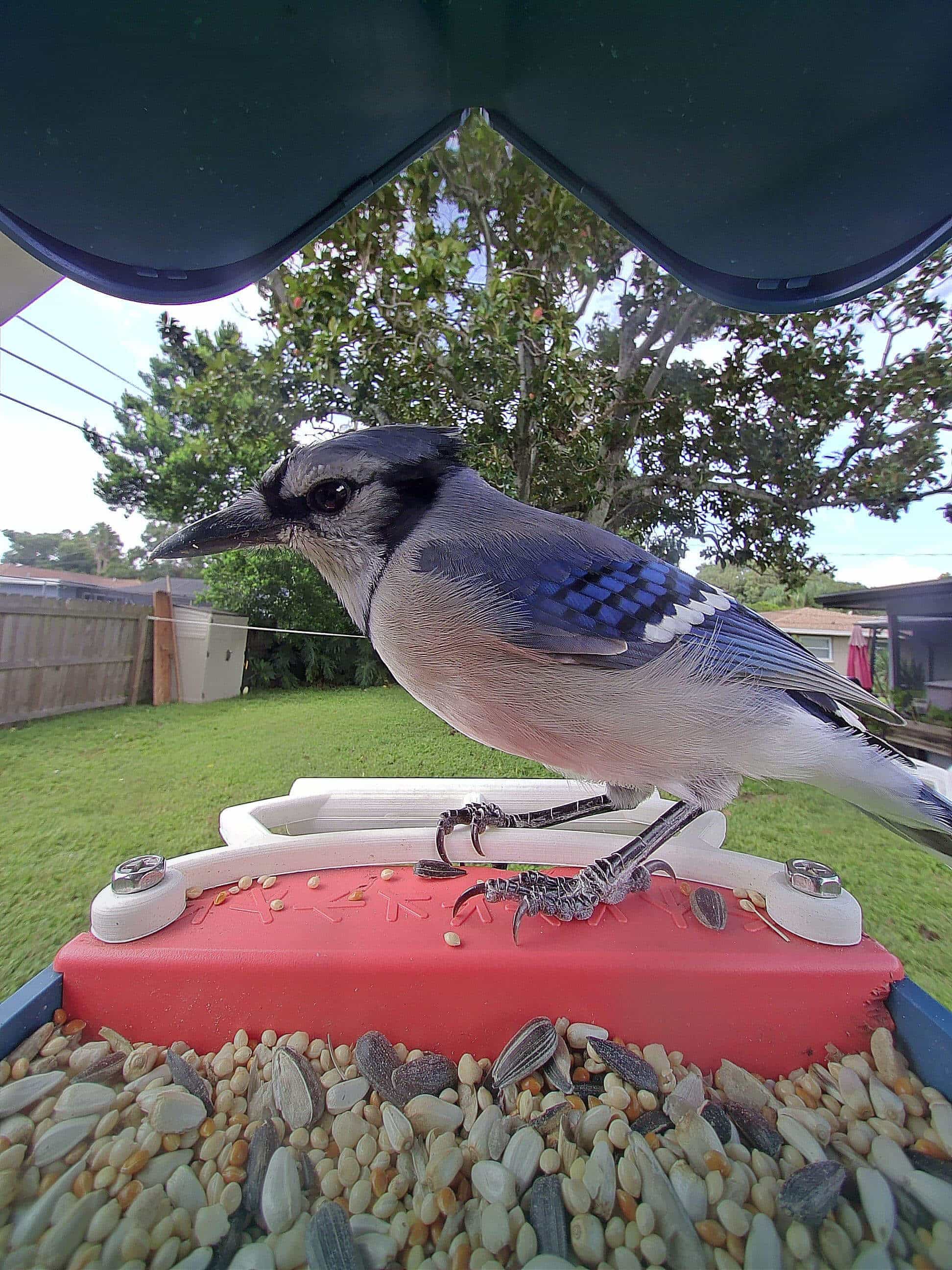


Blue Jay
Beautiful Jay
Cyanolyca pulchra
General Appearance
The Beautiful Jay is a striking bird known for its vibrant plumage. Its feathers are predominantly a brilliant blue, with subtle hints of green shimmering across its wings and tail. The head is adorned with a distinctive black cap that stretches down to the nape, contrasting sharply with the white facial markings under the eyes. A sleek, black bill stands out against the white throat, adding to its elegant appearance. With a relatively compact body size, the Beautiful Jay is agile in flight, gliding gracefully from one perch to another.
Male vs Female
Both male and female Beautiful Jays exhibit similar coloration, making it challenging to distinguish between the sexes simply by appearance. However, males are generally slightly larger and exhibit a more vibrant blue hue during the breeding season. Despite these subtle disparities, the overall color scheme remains consistent across genders.
Juvenile
Juvenile Beautiful Jays differ from adults in their more muted coloration. Their feathers often appear in shades of grey-blue, lacking the vivid vibrancy characteristic of mature birds. In addition, juveniles may have brownish tinges in their plumage, with irregular patterns on their heads before the full black cap develops. This distinction fades as they mature, allowing them to integrate seamlessly into the striking adult population.
Size
10.2 - 10.6 in/2.5 - 3.5 oz
There's more to learn about Beautiful Jay
View full detailsBlue Jay
Cyanocitta cristata
General appearance
Blue Jays have a distinctive appearance with a size similar to a crow. Their dull blue-gray back contrasts with their bright blue wings and tail. They have a prominent crest, a black necklace and white patterns on their wing-bars and tail corners. The bird's wings are broad, fingered and rounded, possessing a long, rounded and wedge-shaped tail.
Male vs female
Interestingly, there is little to no difference in the physical appearance between male and female Blue Jays. Both sexes exhibit the same coloration and patterns. Any differences are minimal and often indistinguishable to the untrained eye.
Juvenile
Juvenile Blue Jays are similar in appearance to adults but may be slightly duller in color. They also lack the full crest of adult birds until they mature. Still, their inherent blue hue combined with gray, black and white patterns provides a good marker for identification.
Size
9.8 - 11.8 in/2.5 - 3.5 oz
There's more to learn about Blue Jay
View full detailsHow to tell the Beautiful Jay from the Blue Jay
Visual differences
The Beautiful Jay (10-10.6 inches) is generally a similar size to the Blue Jay (9.8-11.8 inches), but they differ visually. Beautiful Jays have vibrant blue feathers, developing a distinct black cap in adults, while Blue Jays have a blue-gray back, bright blue wings, and tail with white and black patterns, and a prominent crest. The Beautiful Jay's plumage is more uniform compared to the Blue Jay's distinctive black necklace and mixed coloration. Both species have similar beak shapes but differ in their unique color patterns, making them visually distinguishable.
Key differences and behavior
The Beautiful Jay (Cyanolyca pulchra) and Blue Jay (Cyanocitta cristata) differ significantly in behavior and habitat. Beautiful Jays are adapted to high-altitude cloud forests in Colombia and Ecuador, whereas Blue Jays thrive in deciduous or mixed woods, including suburban areas. Beautiful Jays exhibit vibrant courtship rituals and long-term pair bonds, while Blue Jays engage in aerial chases and mutual feeding for courtship. In terms of diet, Beautiful Jays focus on fruits and insects, while Blue Jays prefer acorns and consume a wide variety of plant and animal matter. Beautiful Jays nest high in secluded, wooded areas, contrasting with Blue Jays' open-cup nests built 8-30 feet up in trees. At bird feeders, Blue Jays dominate, seeking sunflower seeds and peanuts, while Beautiful Jays are attracted to seed mixes and fruits. Subtle behavioral nuances and habitat preferences provide clear distinctions between these two jay species.
Still not sure? Here are more lookalikes!
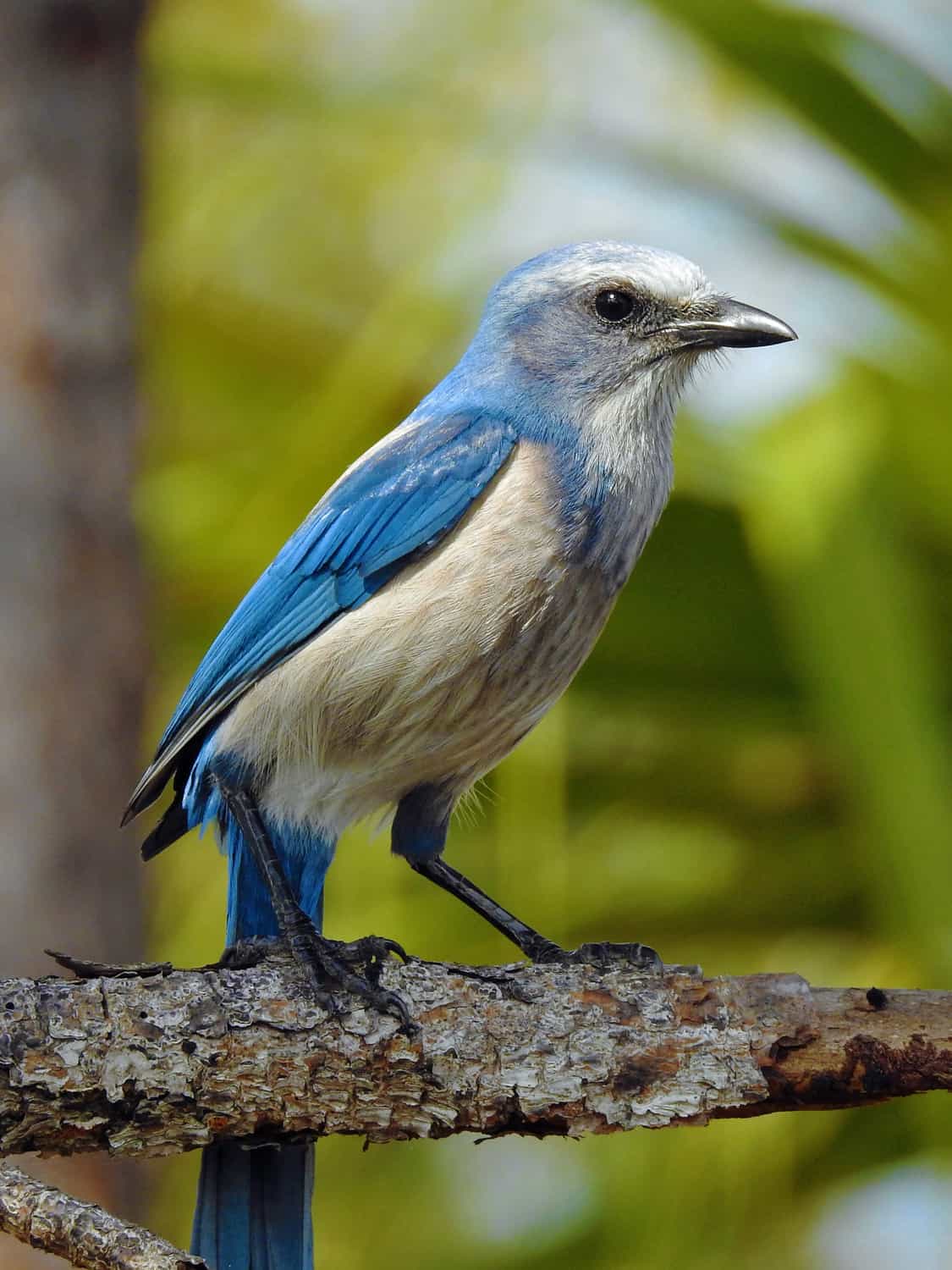
Blue Jay vs Florida Scrub-Jay
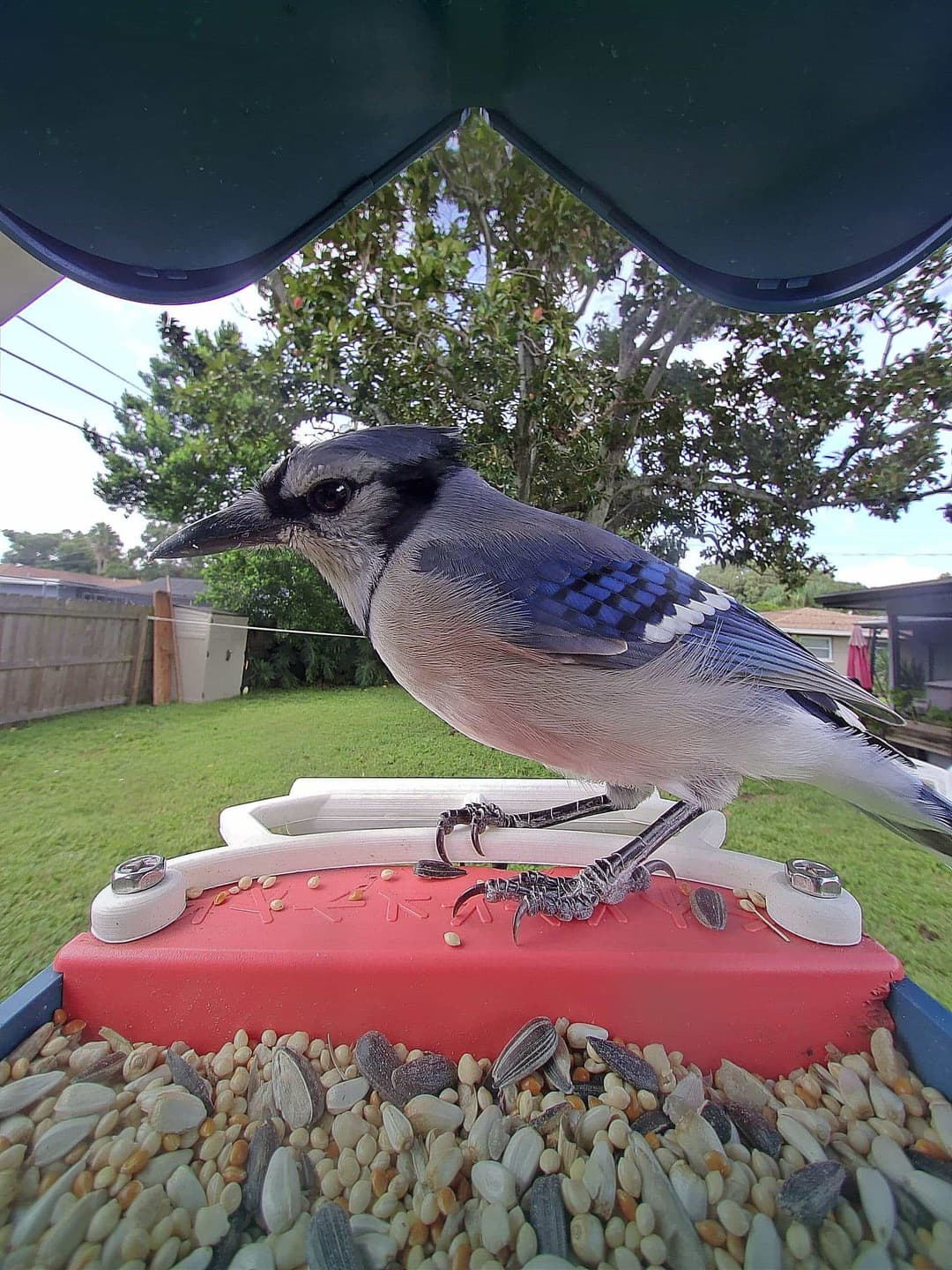
Blue Jay vs Steller’s Jay
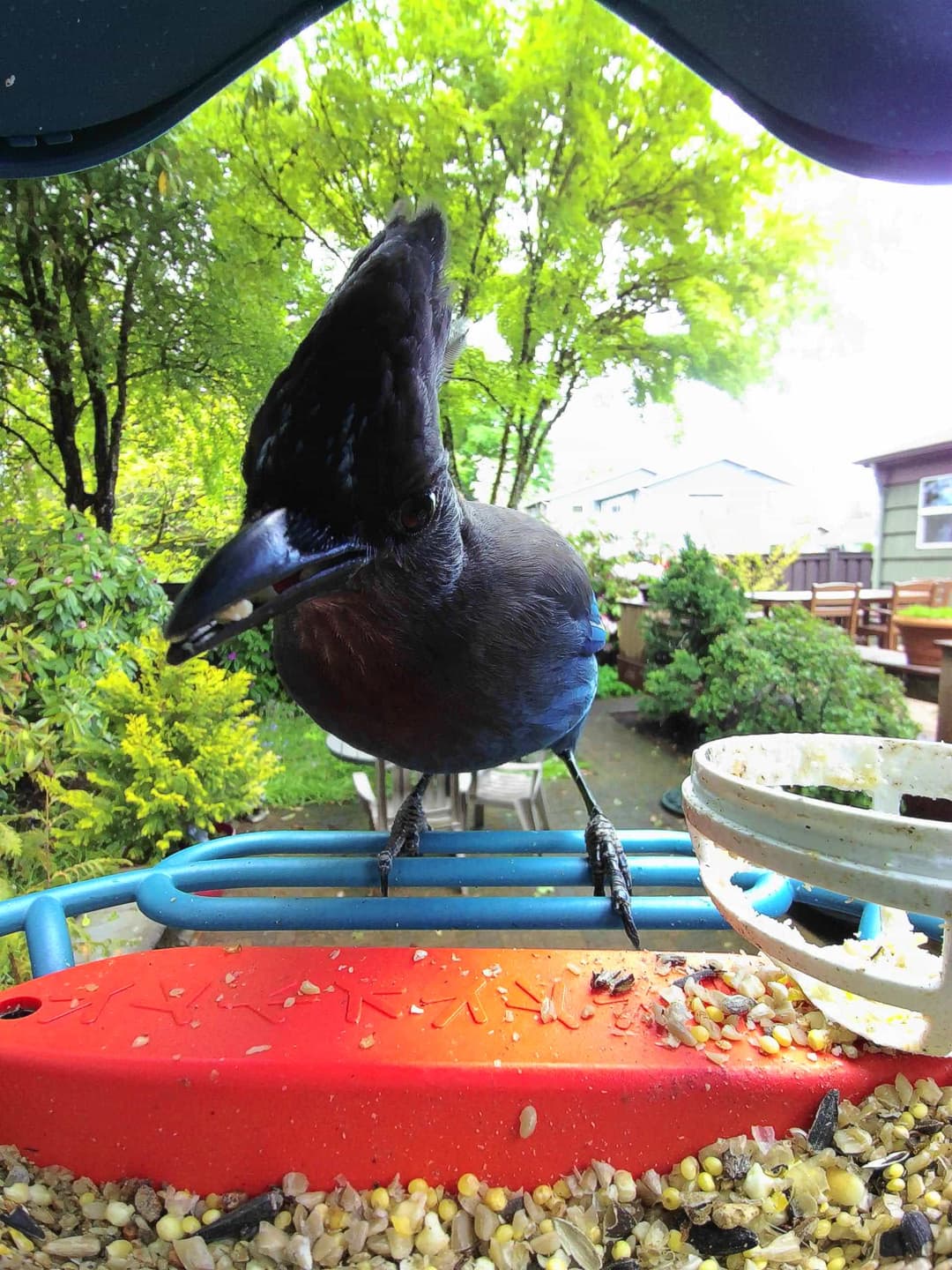
Blue Jay vs Woodhouse’s Scrub-Jay
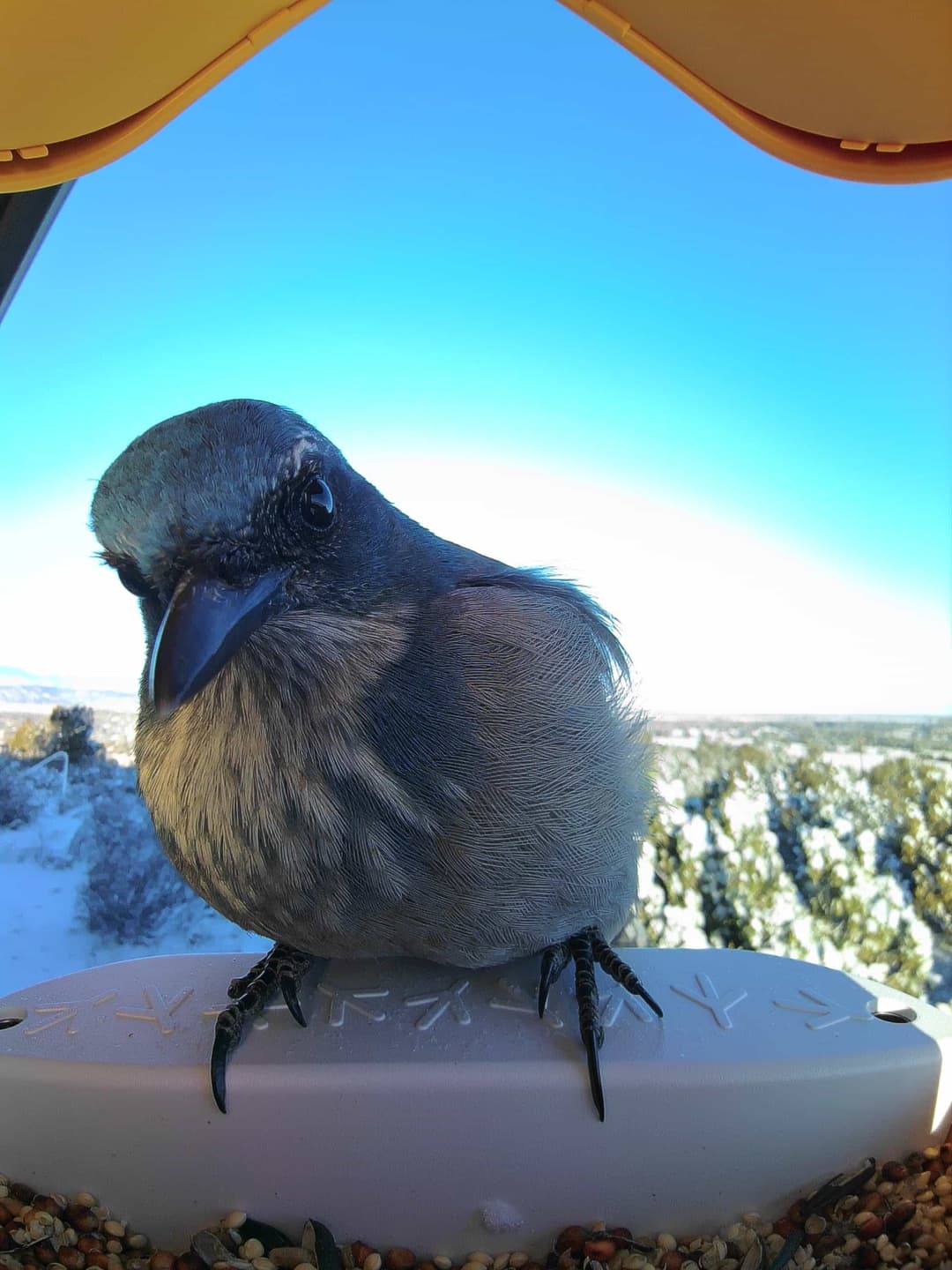
Blue Jay vs California Scrub-Jay

Beautiful Jay vs [Select a bird]


[Select a bird]
Pick a bird to compare
Blue Jay vs [Select a bird]
[Select a bird]
Pick a bird to compare