
Azure-Winged Magpie
Azure-Winged Magpie
Cyanopica cyanus


Quick Identification guide
Quick Identification guide
- •
Features pale gray-white underparts contrasted by striking azure wings and tail
- •
Displays a sleek black cap covering the crown and nape, sharply set off against the paler body
- •
Possesses a slender, slightly curved black beak complementing its streamlined body
What does an azure-winged magpie sound like?
The Azure-winged Magpie has a distinctive call that often involves a series of high, chattering or warbling tones i.e., "sirrr-sirrr", often combined with a clear, stretched "tsiee" note. It's quieter song is composed of soft chirps and warbles. Occasionally, it is identified by a harsh "chack-chack" alarm call. The vocalizations are used for warning mates, communicating location, or attracting potential partners.


Description
They are a symbol of good luck and prosperity in South Korea and a common symbol of Korean identity. Forget the tooth fairy; when Korean children lose a tooth, they throw it on the roof and sing a song for the magpie who is said to bring them back a new one! They are good omens all around; in China as well, where the first character of their name is the symbol for happiness!
The azure-winged magpie can weigh between 80to112grams and be from33to38centimeters tall.
The azure-winged magpie typically lives up to 15 years. This is longer than most species in the Corvidae family such as the American crow and blue jay, which live up to 7-8 years. However, it's less than some larger corvids like the common raven, which can live up to 21 years in the wild.
Did you know?
Most popular questions about azure-winged magpie
How to recognise an azure-winged magpie?
General appearance
Azure-winged magpies have a striking blue, black, and white coloration. The head, chest, and back are black, contrasting with the azure blue wings, tail, and 'eyebrows'. Adult magpies around 31–35 cm long, with an elongated tail structure.
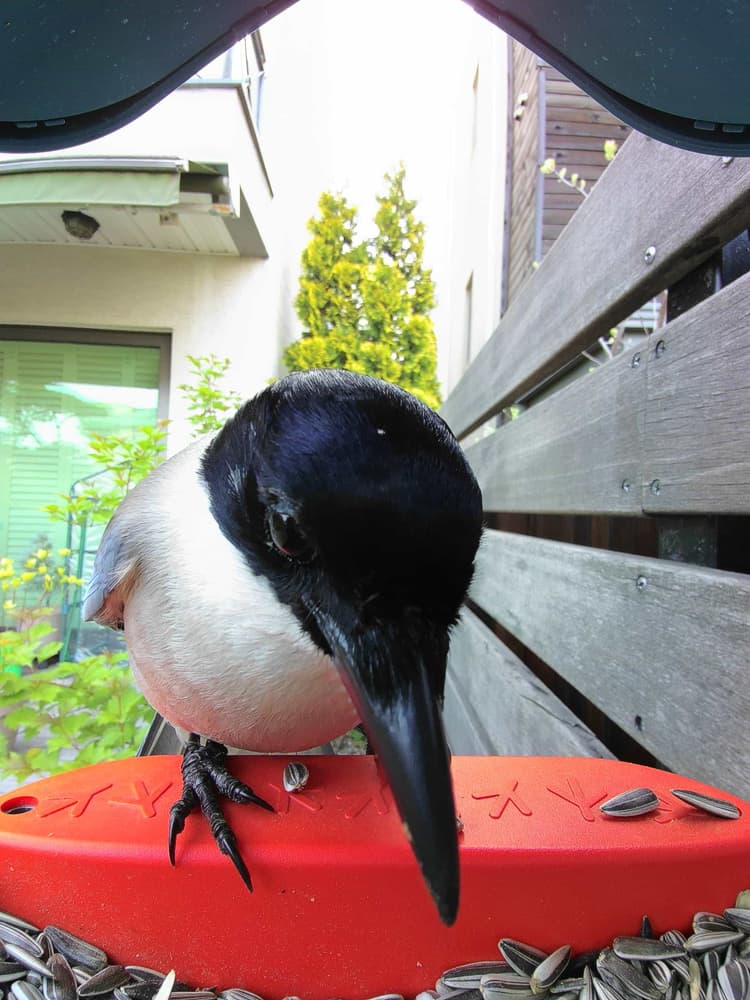
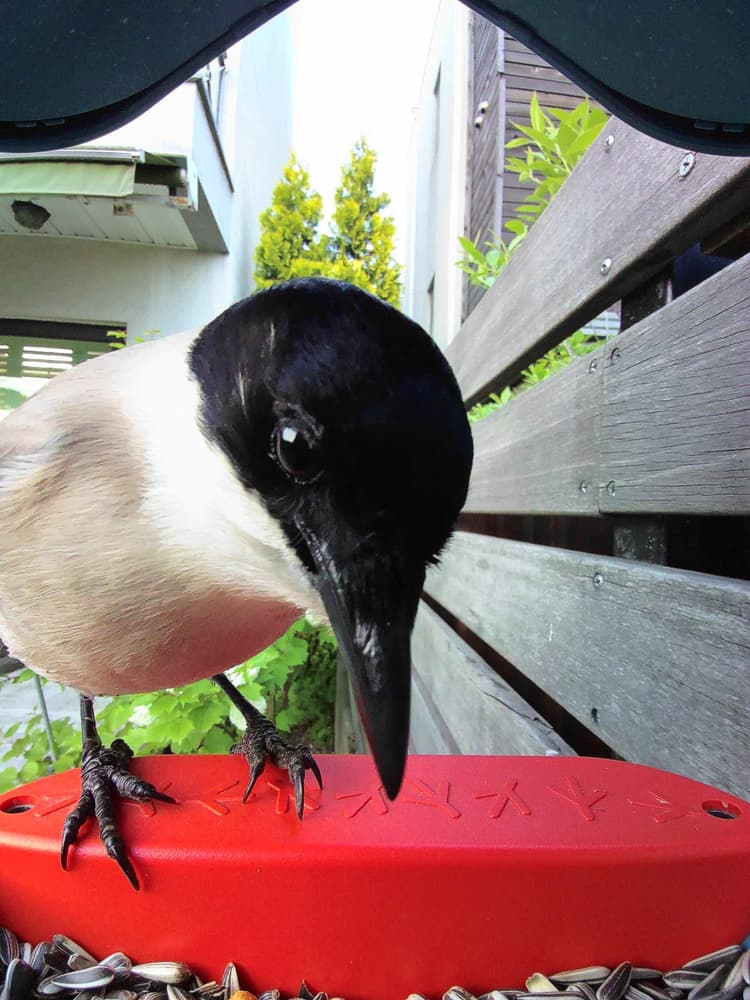
Male vs female
Males and females share similar aesthetic characteristics. Differences between are subtle. Often, the female's size is smaller than the male's, and her tail feathers tend to be a bit shorter. The brightness of their blue wings is comparable across both genders.
Juvenile
Juvenile azure-winged magpies exhibit duller coloration than adults. Their feathers are less glossy, without the vibrant bluish tint on the wings and tail. The juvenile's iris is brown, which turns to a characteristic pale white as they mature.
Breeding and nesting habits of the azure-winged magpie
Mating behaviors
Azure-winged magpies engage in social courtship displays, involving vocalizations and aerial maneuvers. Pairs form monogamous bonds and often engage in cooperative behaviors with other pairs in their group.
Nesting details
Nests are built high in deciduous or coniferous trees, often in gardens or parks. The structure is bowl-shaped, made from twigs, grass, and mud. If nesting in gardens, providing secluded areas with tall trees can create a suitable environment.
Eggs and chick-rearing
The female lays 5-7 eggs, which are incubated for about 15 days. Both parents participate in feeding the chicks, which fledge after approximately 20 days. Extended family groups often assist in chick-rearing.
What does an azure-winged magpie like to eat?
Carrion
Fruits
Insects
Nuts
Scraps
Spiders
Natural diet
The azure-winged magpie primarily feeds on a variety of natural food sources. This includes insects such as caterpillars, beetles, and grasshoppers which provide essential protein. It also consumes plant materials, including seeds, berries, and fruits such as acorns and olives. During certain seasons, its diet may shift to focus more on one type of food source depending on availability in its habitat.
Bird feeders
At bird feeders, the azure-winged magpie is known to consume a range of readily available foods. It often enjoys seeds like sunflower seeds, which are a popular choice among many bird species. Additionally, peanuts and suet can attract these birds, providing them with both fat and protein. The magpie's willingness to eat various foods makes it a frequent visitor to backyard feeders.
Setting up the perfect feeding space
Hang bird feeders that are tube-shaped or platform-based, as these are most accessible and comfortable for our azure-winged friends. Make sure to place the feeders at a safe distance from windows and high enough to keep them out of reach of potential predators.
Tempting treats for azure-winged magpies
These magpies love to snack on seeds, berries, and insects. To tempt them to your yard, fill your feeder with Bird Buddy seeds. These seeds are chosen by experts based on season and are proven to be irresistible to azure-winged magpies. Fresh fruit or suet can also prove a delightful treat.
Make your yard a paradise
Maintaining your lawn and providing shelter like birdhouses or dense shrubs can make your yard a safe, welcoming space for azure-winged magpies. A bird bath can also attract them, as they love to play in the water.
Fun tricks for a magpie sing-along
Magpies love shiny things. Hanging reflective objects around your yard can catch their attention. Simulating their calls can also inspire a sing-along. These sociable birds have a wide repertoire of songs, and these calls can often tempt them to hold a conversation.
Where can you find azure-winged magpies?

Primary habitat
Azure-winged magpies prefer open woodlands with oak and pine trees, usually in regions with warm, temperate climates.
Additional range
They are found in parts of Spain, Portugal, eastern China, Korea, and Japan. Unexpectedly, they may adapt to urban parks and gardens.
Do they migrate?
The azure-winged magpie typically does not engage in long-distance migration. There are two main populations: one inhabits the Iberian Peninsula, and the other is found across eastern Asia. Both populations tend to be resident, meaning they stay in their respective regions year-round and do not migrate. In the Iberian Peninsula, these birds are generally sedentary, although they may undertake some local movements in response to food availability or harsh weather conditions. In Asia, the eastern population extends from eastern China to Japan and Korea, where they also remain relatively stationary throughout the year. There might be some altitudinal migration, where birds move to lower elevations during the winter months to escape colder temperatures and snow. Overall, the azure-winged magpie adapts to local environmental conditions within its habitat, which provides sufficient resources for them to sustain their populations without the need for long-distance migratory patterns.
What is the role of azure-winged magpies in nature and how to protect them?
Conservation status
The azure-winged magpie is currently listed as "Least Concern" on the IUCN Red List, indicating it is common and not vulnerable or endangered. It thrives in various habitats, including woodlands and urban areas. Major threats include habitat loss due to deforestation and urban development. Despite this, the species shows resilience and adaptability, maintaining stable population levels. Conservation efforts focus on habitat protection and management, ensuring the preservation of woodlands and preventing further fragmentation. Environmental education and community engagement also play roles in maintaining healthy populations of this versatile bird.
Ecological role of azure-winged magpies
Its role in the ecosystem
The Azure-winged Magpie plays a critical role in the ecosystem, contributing to both pest control and seed dispersal. As part of its diet, it feasts on a variety of insects and pests, aiding in controlling their populations and thus maintaining a balanced ecosystem. In terms of seed dispersal, the Azure-winged Magpie consumes fruits and berries. When the bird excretes the undigested seeds far from its feeding site, it contributes to plant diversity and regeneration. Moreover, it may also help in forest recovery by removing harmful parasites from larger animals through their feeding habits. Overall, these interactions highlight the bird's key ecological significance.
How to help protect azure-winged magpies
Preservation tips
Habitat preservation strategies
Secure and manage suitable habitats for the Azure-winged Magpie such as open woodlands and forests with undergrowth, thus providing them with nesting sites and food. Implement sustainable agricultural practices, including restriction of pesticides use, which are toxic to these birds. Land planning should intend to preserve these areas from urban sprawl or other types of development endangering their habitat.
Community science initiatives
Encourage community involvement in monitoring and collecting data about Azure-winged Magpie populations. This could be through citizen science projects, school programs, or local birdwatching groups. Promote awareness about their ecological importance in controlling pests and the threats they face. Develop local conservation groups that can take direct action in protecting nest sites and feeding areas, and can liaise with local government bodies to secure protective legislation.