Northern Mockingbird or Blue-Gray Gnatcatcher?
Here's how to tell the difference


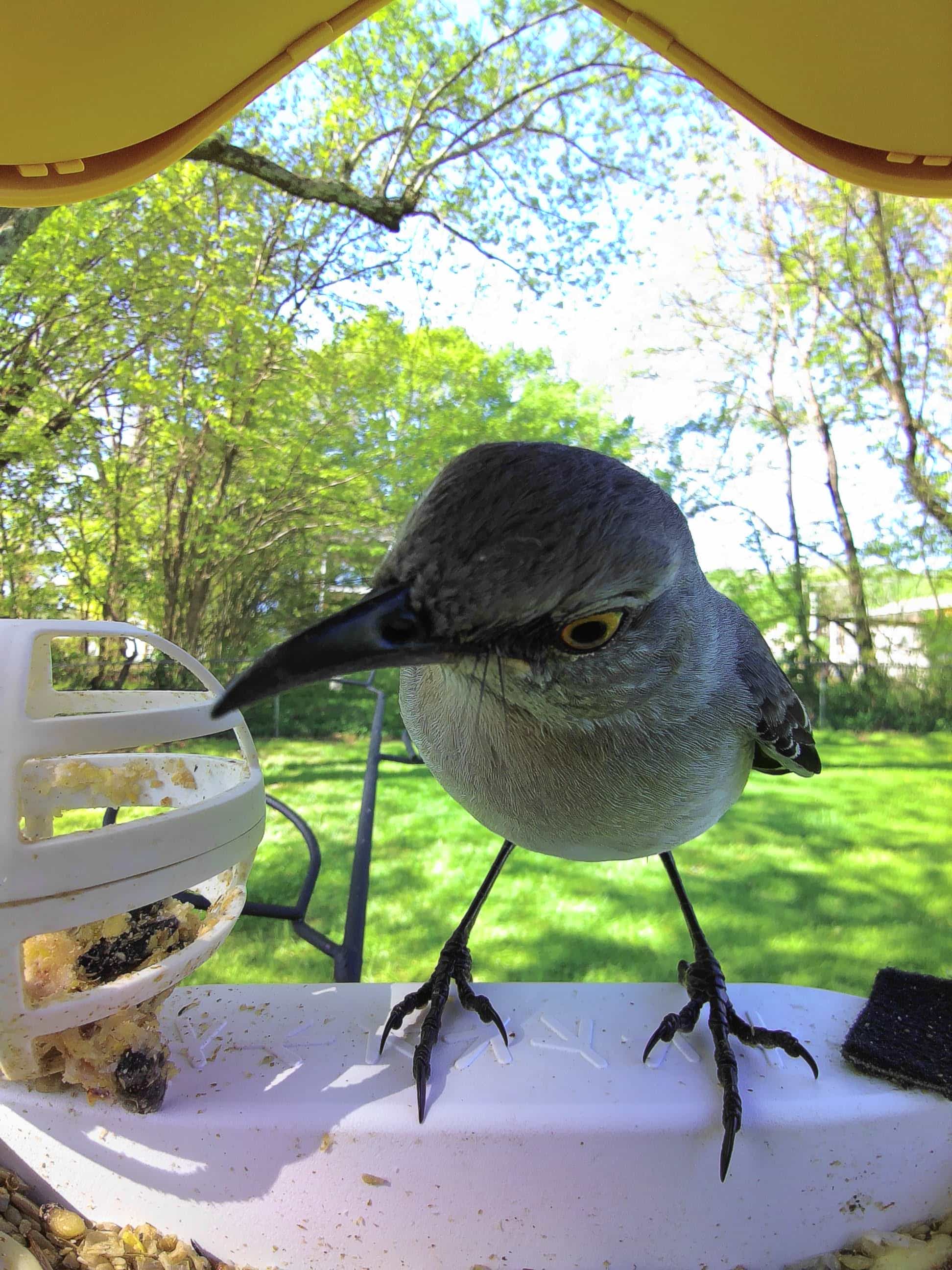


Northern Mockingbird
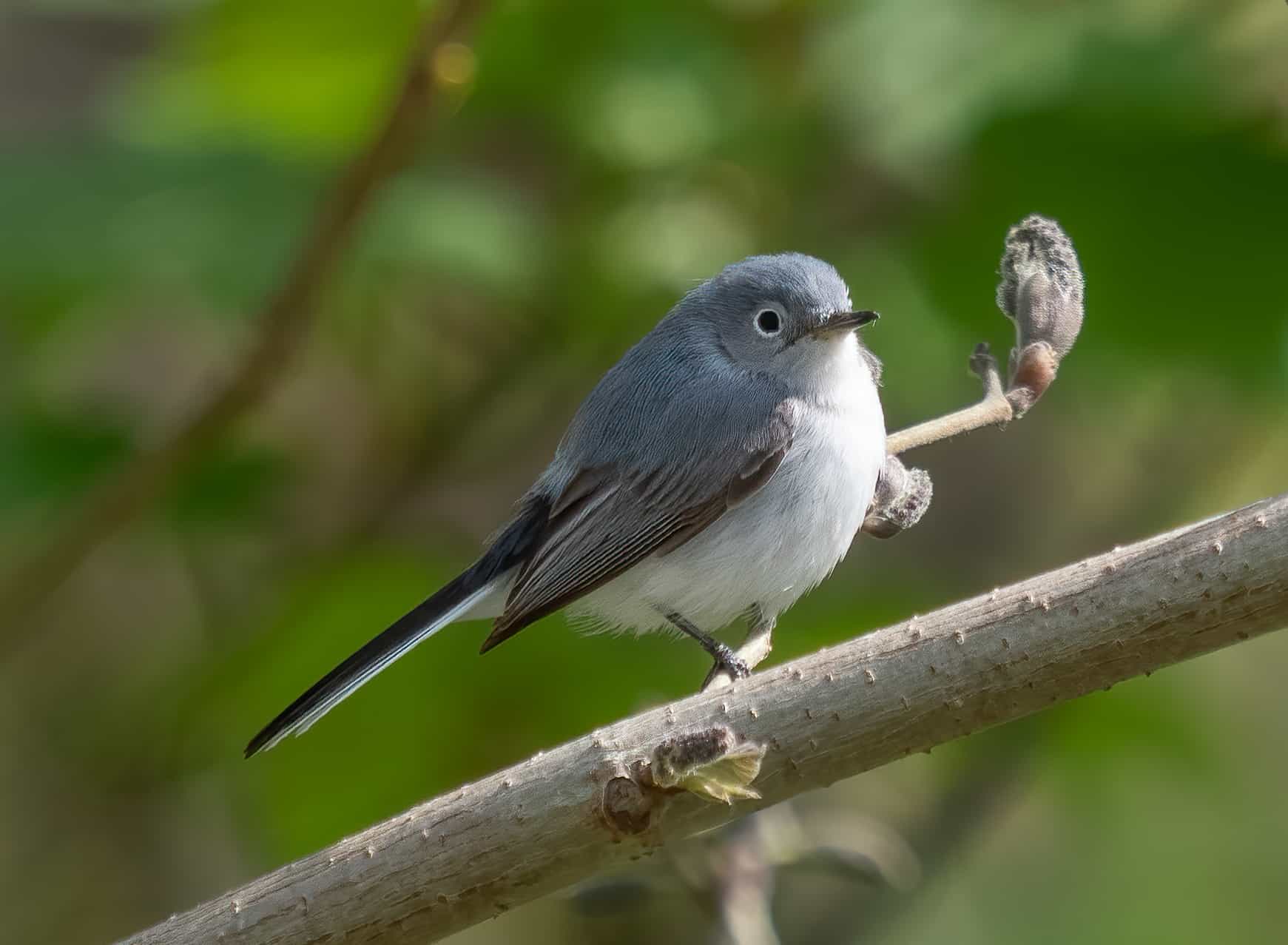
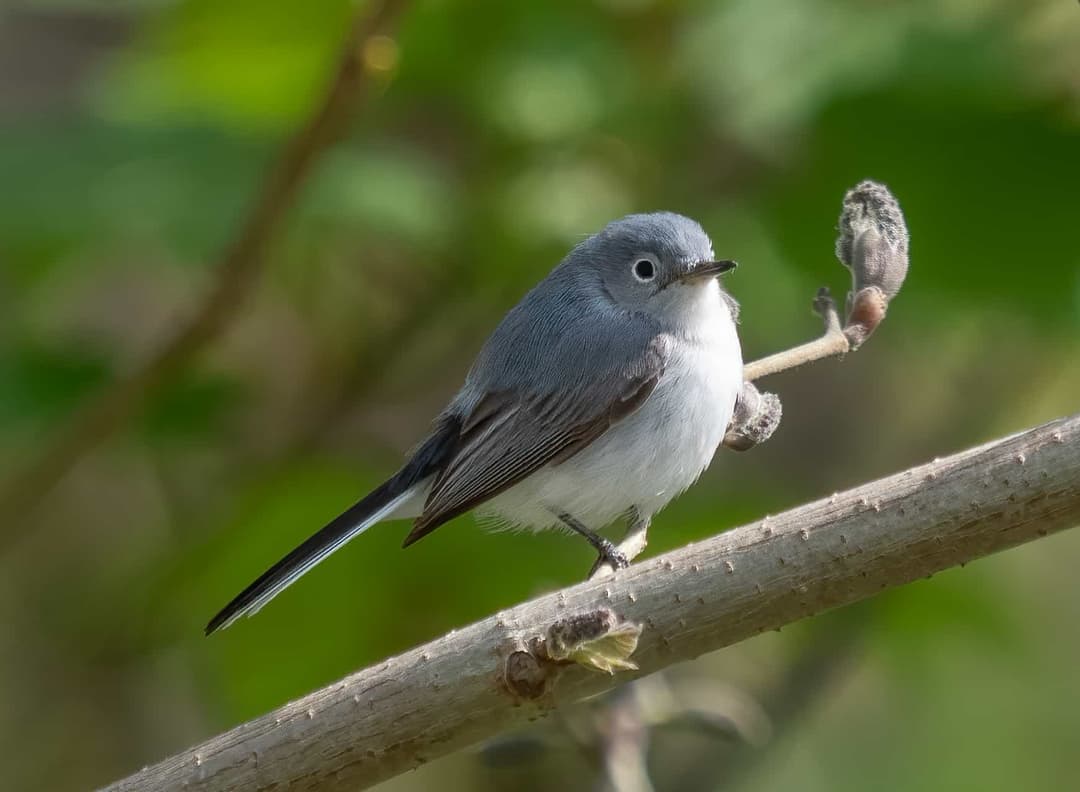
Blue-Gray Gnatcatcher
Northern Mockingbird
Mimus polyglottos
General appearance
The northern mockingbird is a slim, long-tailed bird standing at a size of about 9-11 inches (23-28 cm), comparable to a robin. It showcases a pale grey coloration, with prominent white wing patches that are especially discernable when in flight. Furthermore, the bird has white outer tail feathers that contribute to its distinctive sleek appearance. The tail shape can be variously described as long, rounded, or wedge-shaped.
Male vs female
Both male and female northern mockingbirds bear similar characteristics in terms of size, color, and other physical traits. They both have slim bodies, white wing patches, and long tail feathers. Therefore, distinguishing between males and females solely based on physical traits may be challenging.
Juvenile
Young northern mockingbirds, or juveniles, share the same basic coloration and size as adults. However, they can be distinguished due to unique traits found prominently during their early stages. A juvenile mockingbird has darker streaks on their chest and somewhat darker eyes compared to adult birds. Moreover, their wing patches may not be as pronounced.
Size
8.1 - 10.2 in/1.4 - 2.0 oz
There's more to learn about Northern Mockingbird
View full detailsBlue-Gray Gnatcatcher
Polioptila caerulea
Also known as: Blue-Grey Gnatcatcher
General appearance
The blue-gray gnatcatcher is a small, slender songbird, measuring about 4-5 inches in length with a wingspan of 6-7 inches. It has a distinctive blue-gray upper body, white underparts, and a long, thin black tail with white edges. Its narrow bill is adapted for catching insects, and the bird exhibits constant flicking of its tail, which serves as a key identifier in the wild.
Male vs female
During the breeding season, males exhibit a black line above the eye that extends to a distinct black 'V' on the forehead, enhancing their contrast and appeal. Females lack the black facial markings and are slightly duller in color, which aids in camouflage while nesting.
Juvenile
Juvenile blue-gray gnatcatchers resemble females but are typically even paler, with less pronounced blue-gray coloring. They lack the distinct black markings found on adult males, and their tails are more brownish with less defined white edges. As they mature, they slowly gain the adult plumage.
Size
3.9 - 4.5 in/0.2 oz
There's more to learn about Blue-Gray Gnatcatcher
View full detailsHow to tell the Northern Mockingbird from the Blue-Gray Gnatcatcher
Visual differences
Key differences and behavior
Still not sure? Here are more lookalikes!
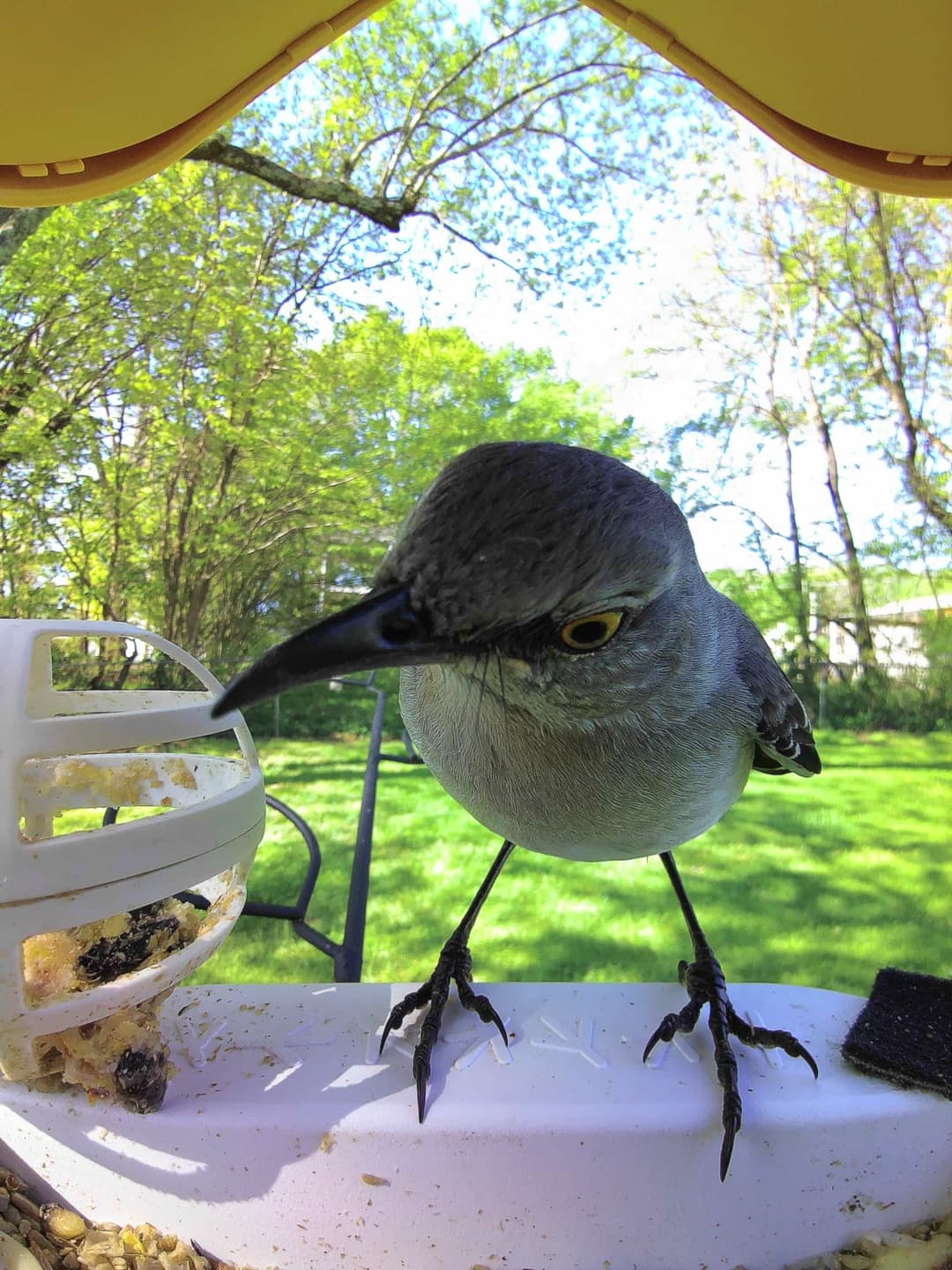
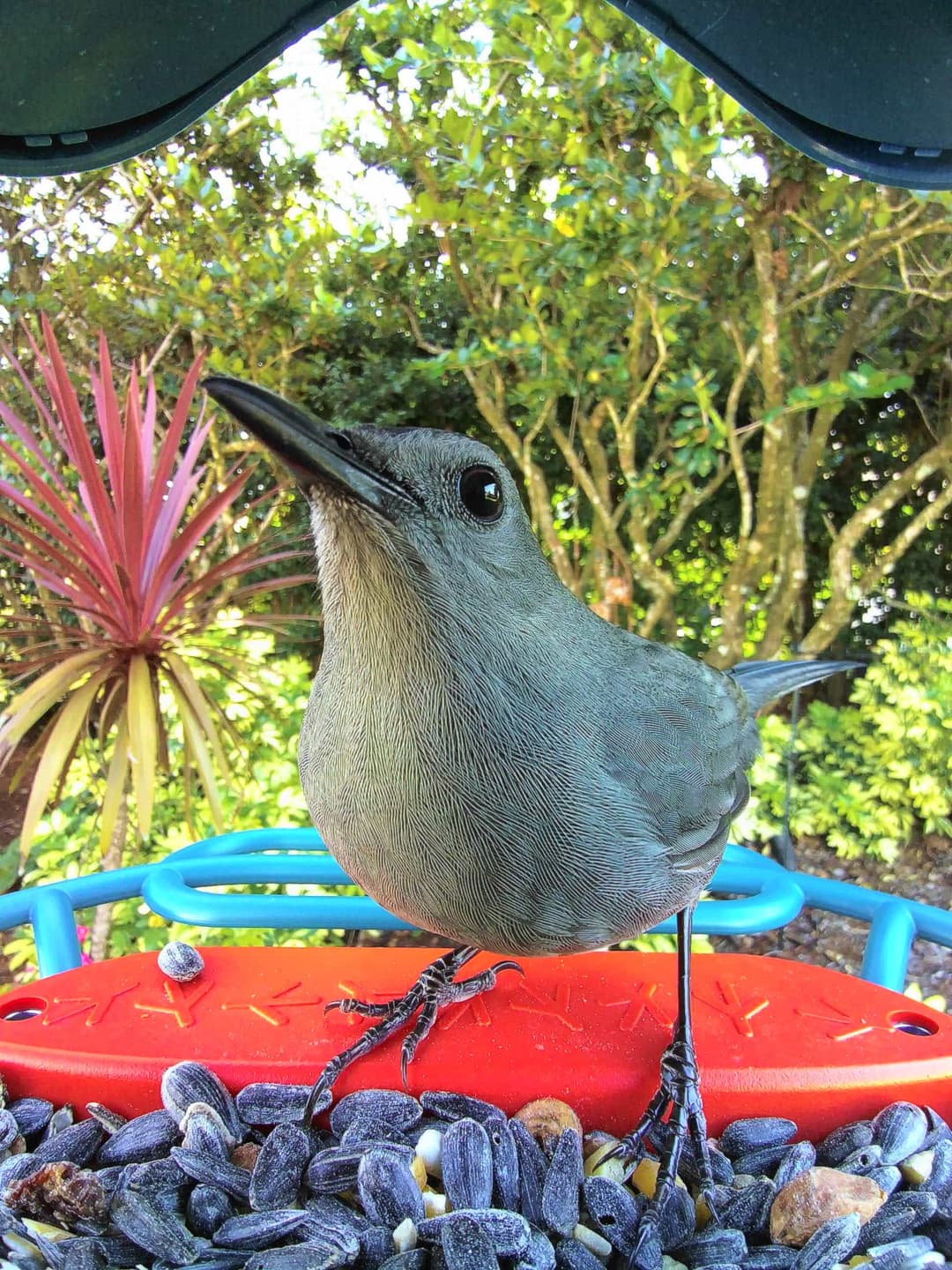
Northern Mockingbird vs Gray Catbird
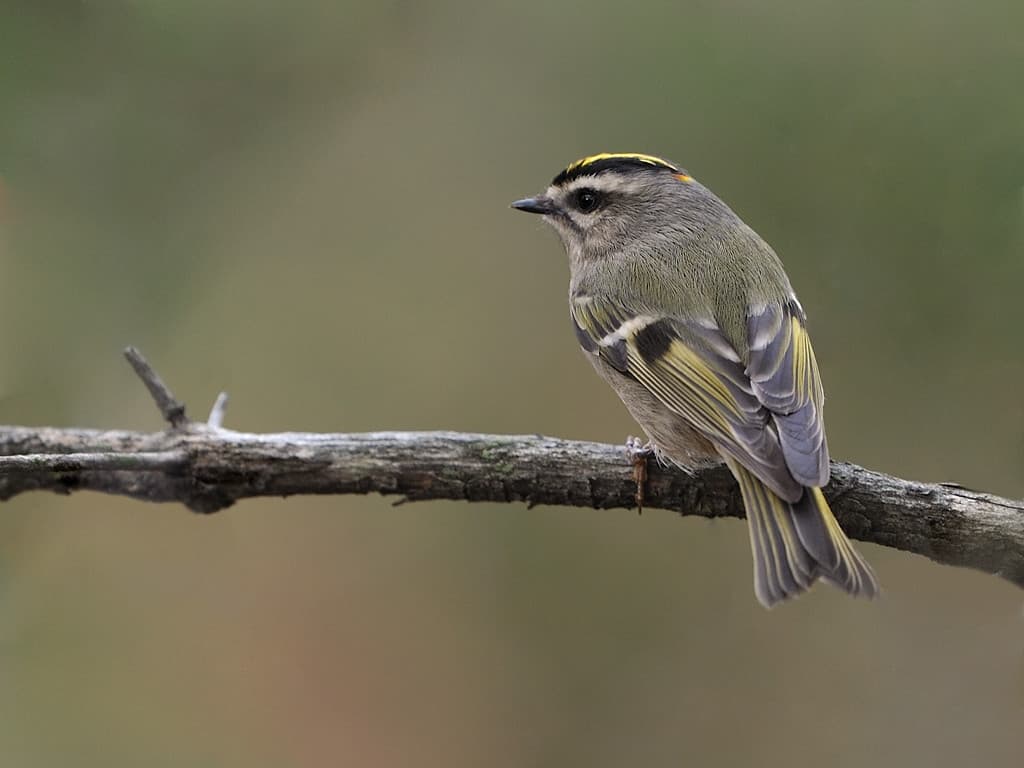
Blue-Gray Gnatcatcher vs Golden-Crowned Kinglet
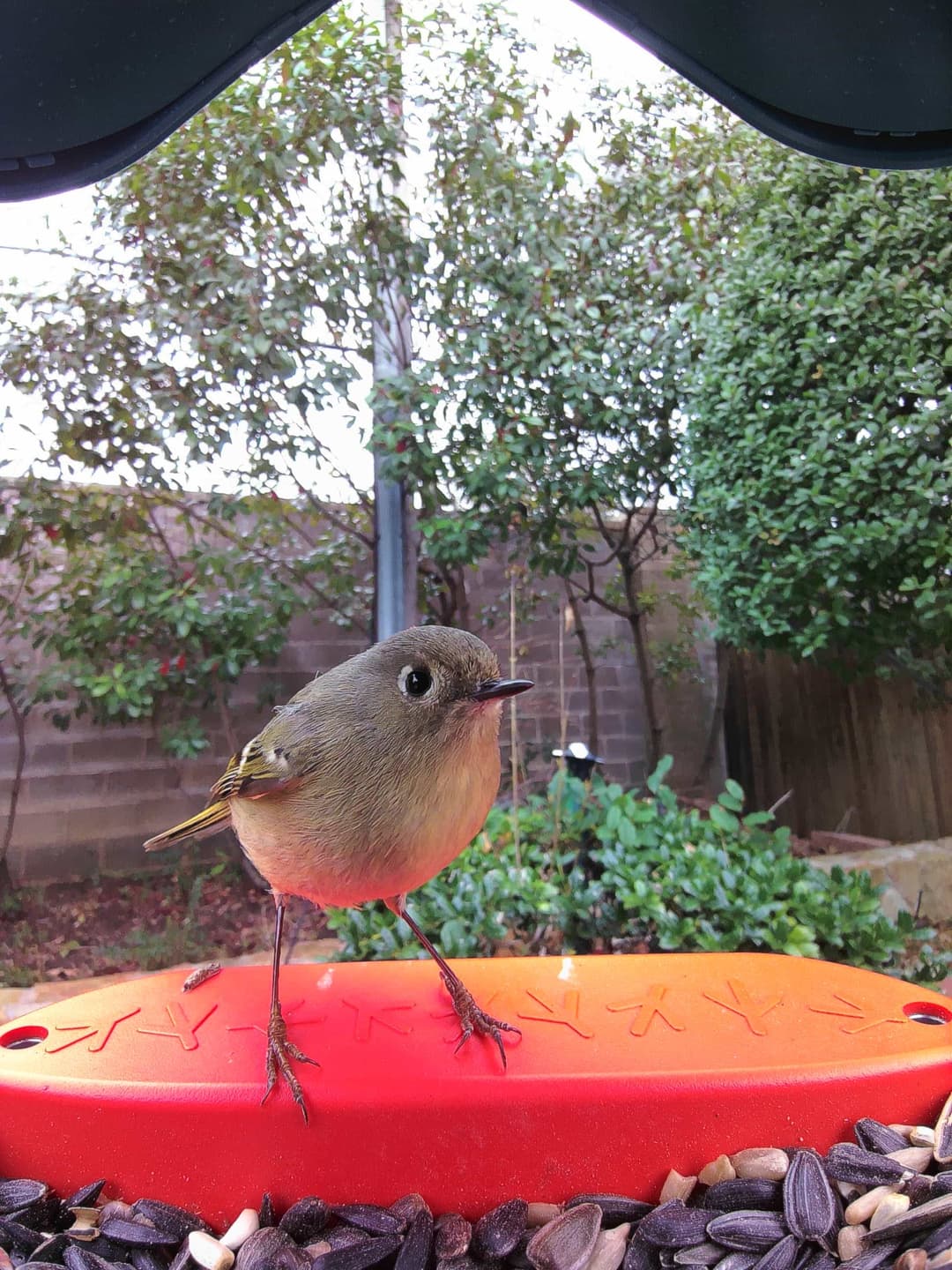
Blue-Gray Gnatcatcher vs Ruby-Crowned Kinglet
Northern Mockingbird vs [Select a bird]

[Select a bird]
Pick a bird to compare
Blue-Gray Gnatcatcher vs [Select a bird]
[Select a bird]
Pick a bird to compare