Carib Grackle or Greater Antillean Grackle?
Here's how to tell the difference
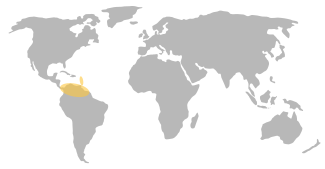

Carib Grackle


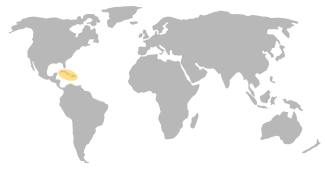
Greater Antillean Grackle
Carib Grackle
Quiscalus lugubris
General appearance
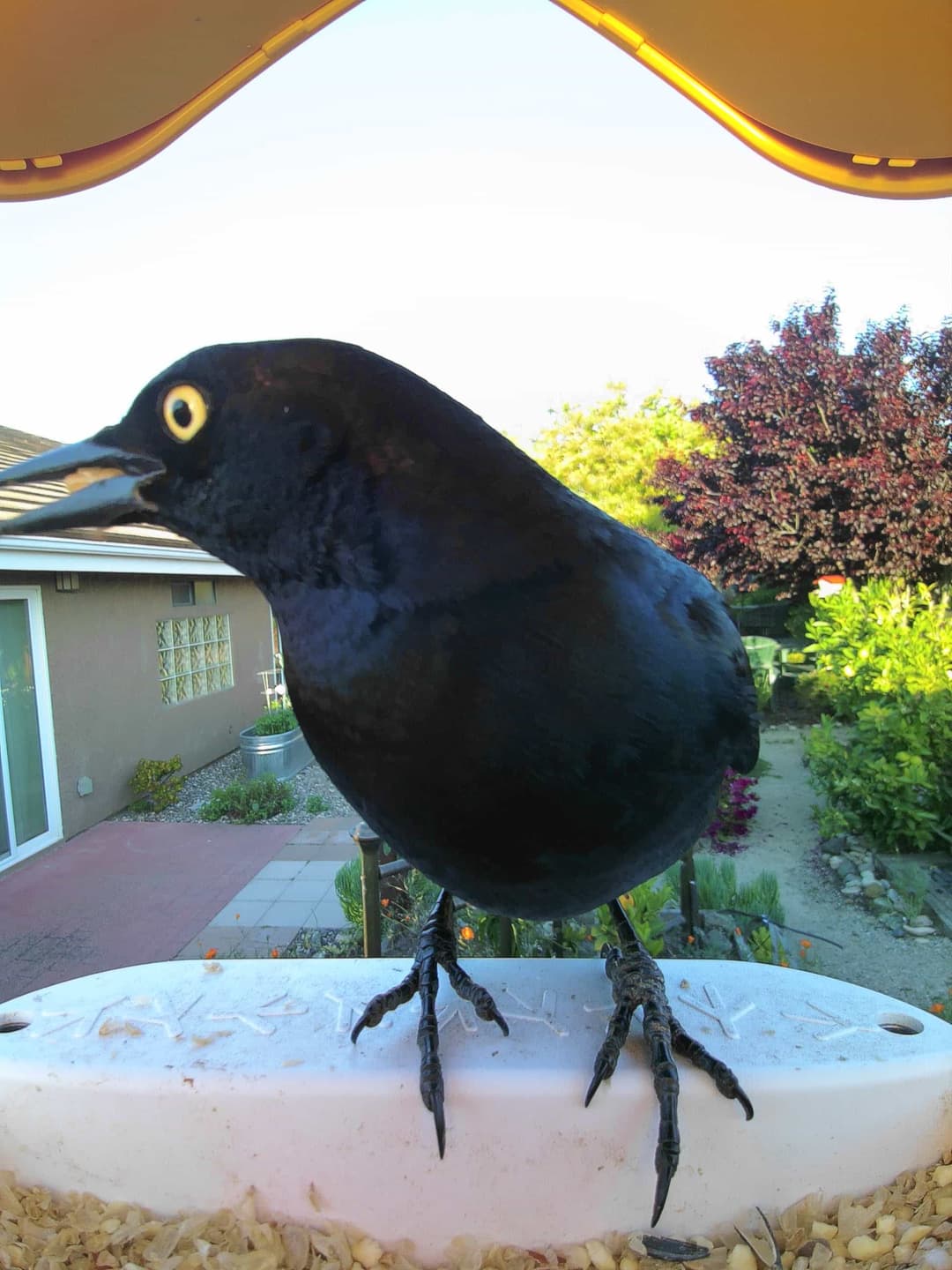
The Carib Grackle, a type of blackbird, is known for its glossy black plumage which emits a metallic sheen in sunlight. They typically measure 28cm in length and have long tails, large eyes that are strikingly yellow, and a sharp, pointed bill.
Male vs female
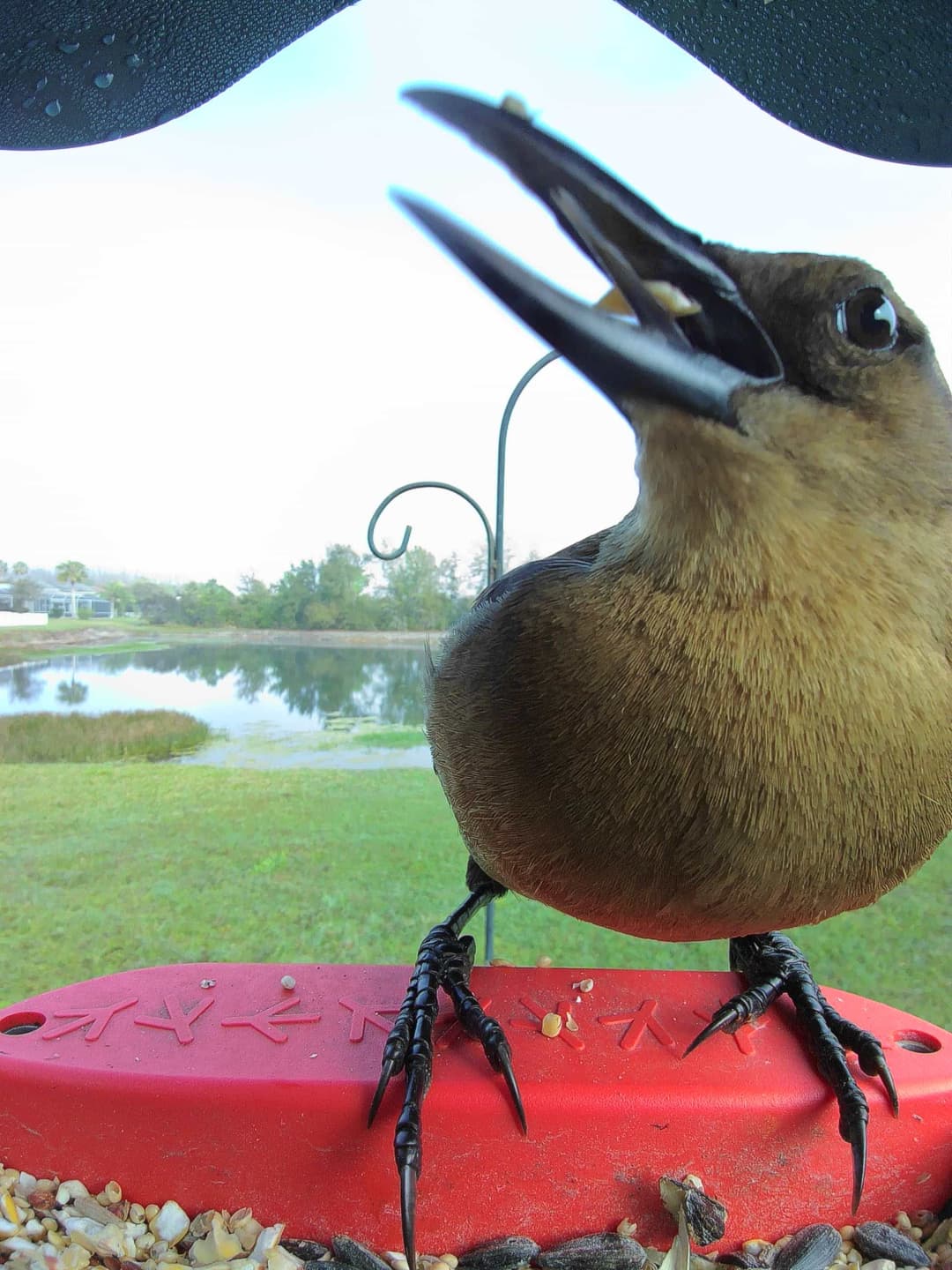
Males are noticeably larger and possess a longer and more curved tail, compared to females. Additionally, males exhibit a more vibrant iridescence compared to the females' brown-toned coloration. The difference in color intensity serves as a critical identifier in distinguishing between the sexes in the wild.
Juvenile
Juvenile Carib Grackles, particularly males, initially appear a duller black, taking a season to develop the glossy sheen of adults. They also posses brown eyes which transition to the adult's characteristic yellow with age. Observing these qualities allows for identification of juveniles in the wild.
Size
7.9 - 11.0 in/1.7 - 2.8 oz
There's more to learn about Carib Grackle
View full detailsGreater Antillean Grackle
Quiscalus niger
General appearance
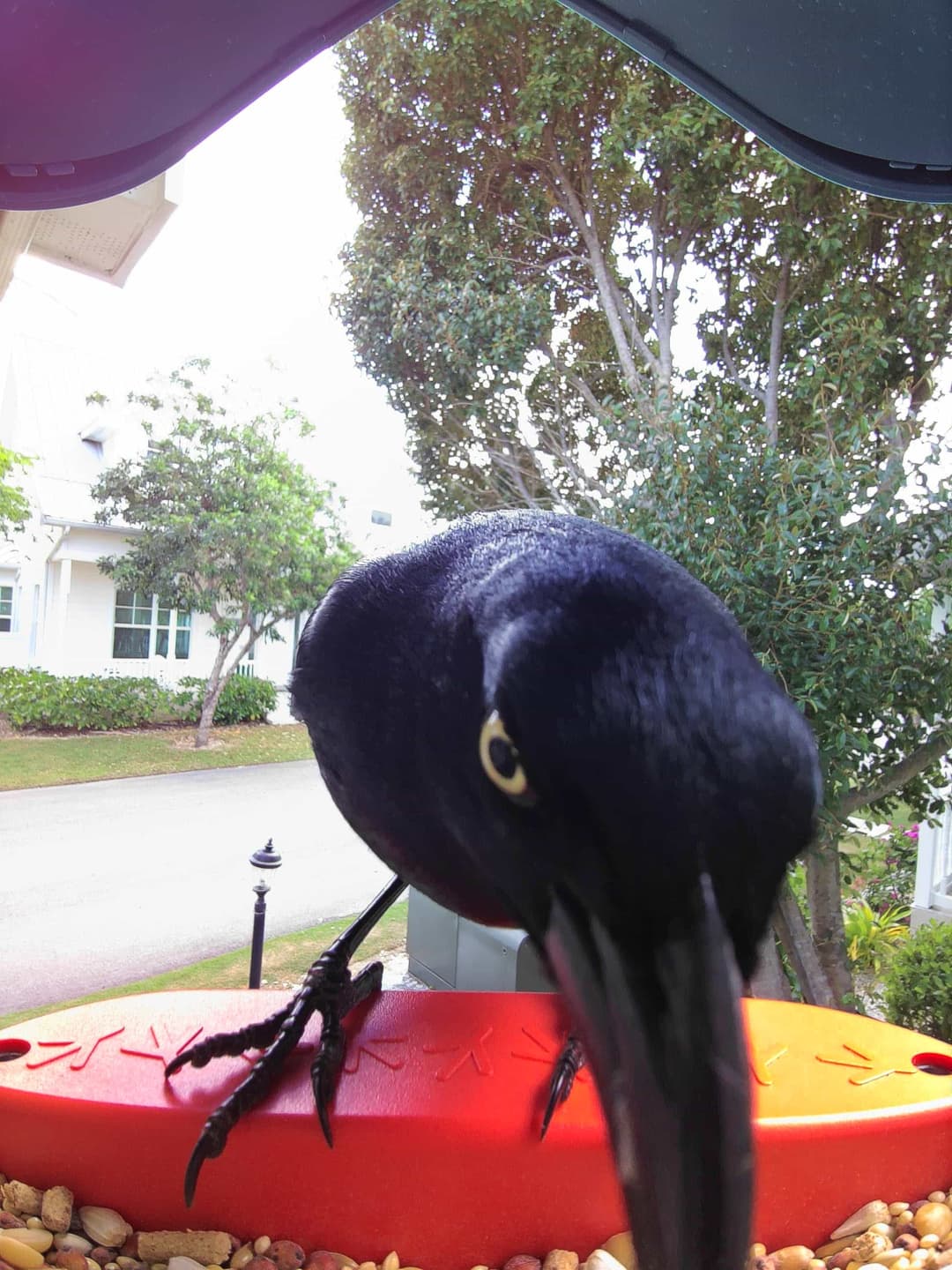
The Greater Antillean Grackle is a large black bird with a long tail, approximately 27-34 cm long. They have a distinctive yellow eye and display a glossy, iridescent sheen to their plumage which can vary in color from black to deep blue or purple in the sunlight.
Male vs female
Males are larger than females and their tails are significantly longer and more keel-shaped. The coloration is similar in both sexes, but the iridescence is more pronounced in males. The eyes of both sexes are a striking yellow.
Juvenile
Juvenile Greater Antillean Grackles sport brown plumage and their tail feathers are shorter than those of adults. Their eye color transitions from brown to yellow as they mature. There's no significant seasonal variation in their appearance.
Size
9.8 - 11.8 in/2.1 - 3.5 oz
There's more to learn about Greater Antillean Grackle
View full detailsHow to tell the Carib Grackle from the Greater Antillean Grackle
Visual differences
The Carib Grackle is smaller, measuring 8-11 inches with a more slender and pointed bill compared to the Greater Antillean Grackle, which measures 10-13 inches with a keel-shaped tail. Carib Grackles have a glossy black plumage that appears metallic, while the Greater Antillean shows more color variation, including deep blue or purple iridescence. Both species have yellow eyes, but juvenile Carib Grackles start with brown eyes and juvenile Greater Antillean Grackles have brown plumage, differentiating them visually from adults.
Key differences and behavior
The Carib Grackle (Quiscalus lugubris) and Greater Antillean Grackle (Quiscalus niger) share social and adaptable natures but differ in habits and environments. Carib Grackles, found in Lesser Antilles and Northern South America, exhibit bold group defense behavior, particularly targeting predators. They form sociable nocturnal roosts. Conversely, Greater Antillean Grackles, native to Greater Antilles and Cayman Islands, display significant urban tolerance, roosting in large, loud communal groups. Both species forage opportunistically, consuming insects, small vertebrates, and grains, but Carib Grackles often scavenge agricultural fields and visit bird feeders. Breeding involves dynamic courtship displays; however, Carib Grackles nest in multiple urban settings while Greater Antillean Grackles frequently nest near water. Both pairs feed their chicks collaboratively, highlighting shared parental roles.
Still not sure? Here are more lookalikes!
Carib Grackle vs Common Grackle
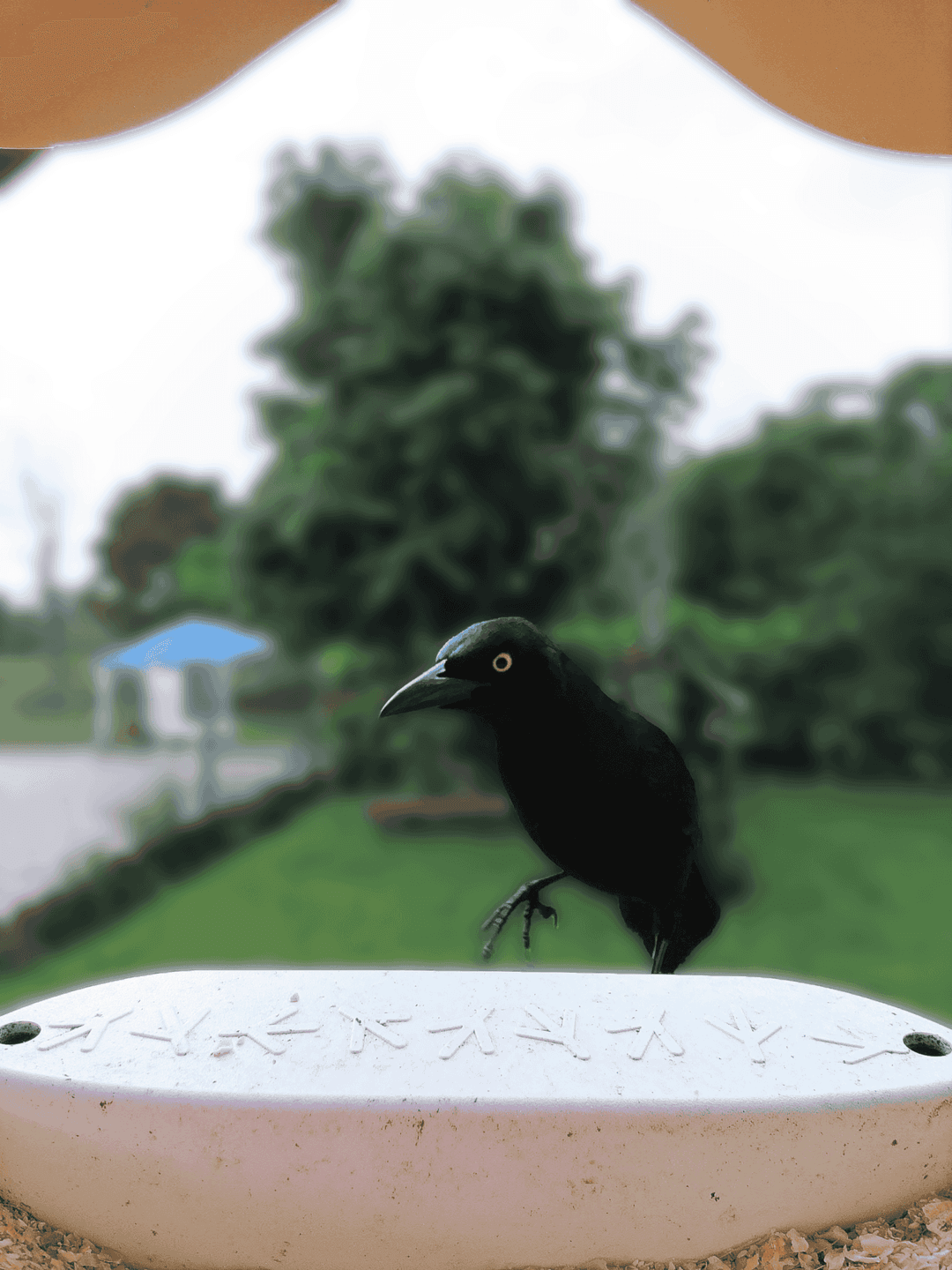
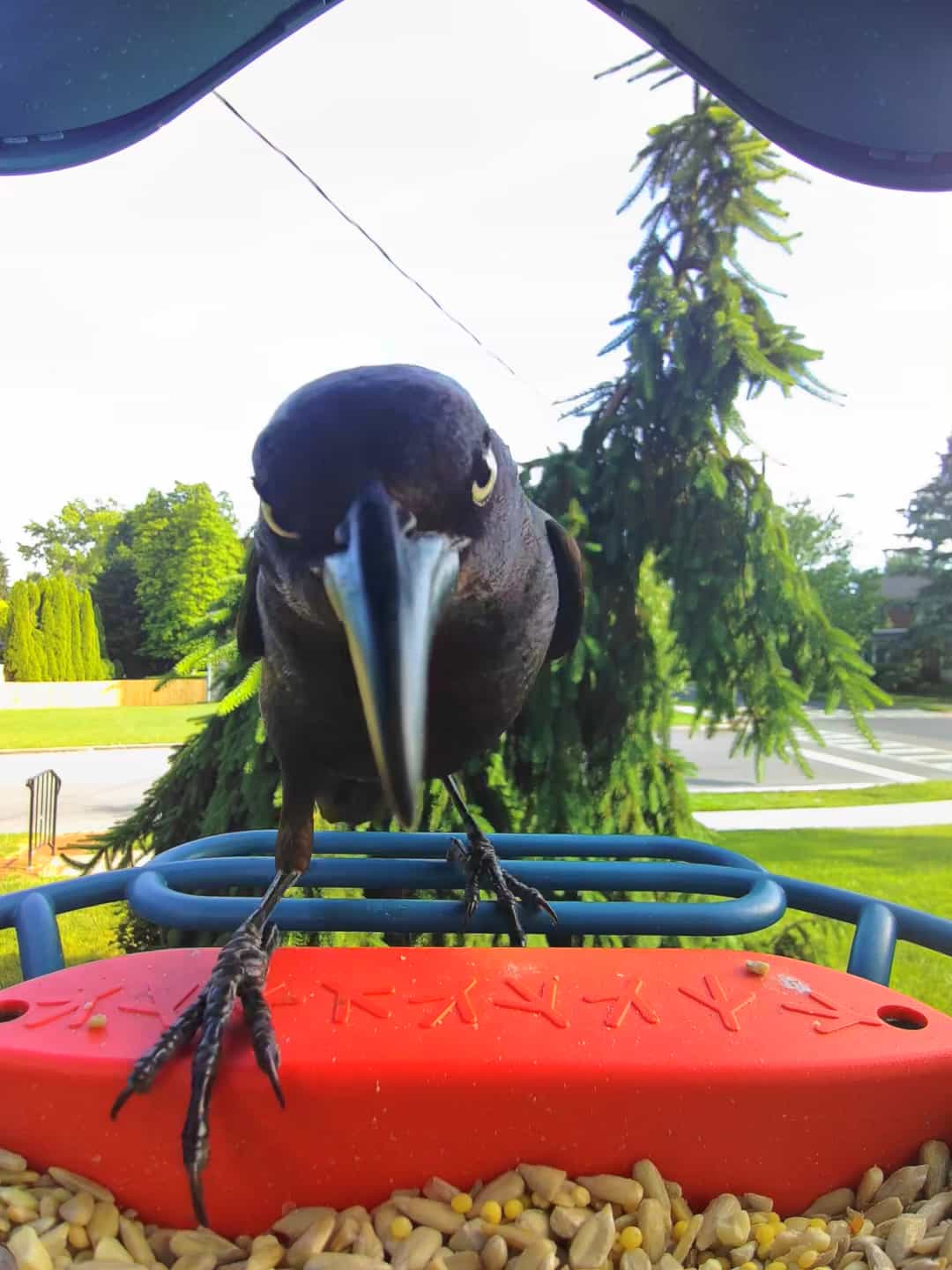
Greater Antillean Grackle vs Common Grackle
Greater Antillean Grackle vs Boat-Tailed Grackle
Greater Antillean Grackle vs Great-Tailed Grackle
Carib Grackle vs [Select a bird]

[Select a bird]
Pick a bird to compare
Greater Antillean Grackle vs [Select a bird]
[Select a bird]
Pick a bird to compare