European Herring Gull or American Herring Gull?
Here's how to tell the difference
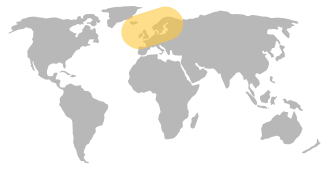


European Herring Gull


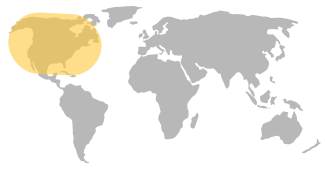
American Herring Gull
European Herring Gull
Larus argentatus
General appearance
The European herring gull is a large gull, ranging in length from 55-67cm with a wingspan of 140-150cm. Notably, it has a white body with a light grey back and wings. The wingtips are black with white 'mirrors'. One significant feature is its bill, which is yellow with a distinctive red spot.
Male vs female
Male and female European herring gulls are very similar in appearance, making it challenging to distinguish between the two. Both genders share the same coloration and size, without any marked sexual dimorphism.
Juvenile
Juvenile European herring gulls are much different in appearance compared to adults. They possess a mottled brown coloration which gradually fades to the adult plumage over 4 years. Their bills are dark, turning yellow as they mature. The tail has a black band, which disappears with age.
Size
21.7 - 26.4 in/21.2 - 55.7 oz
There's more to learn about European Herring Gull
View full detailsAmerican Herring Gull
Larus smithsonianus
Also known as: Smithsonian Gull
General appearance
The American herring gull is a large gull species, displaying a distinctive silver-gray back and wings with black wingtips adorned with white spots. It features a white head, neck, and underparts, with a robust yellow bill marked by a red spot on the lower mandible. Its legs are generally pink, contributing to its recognizable silhouette.
Male vs female
There is minimal sexual dimorphism in American herring gulls. Males are slightly larger compared to females, although both sexes share similar plumage, making it challenging to differentiate them based solely on appearance without measuring body size.
Juvenile
Juvenile herring gulls differ significantly from adults, exhibiting mottled brown plumage with heavily streaked heads and bodies. They have dark bills and eyes, and their legs may appear more on the brownish side. Over the course of four years, they progressively attain adult plumage, with gradual changes in coloration.
Size
20.9 - 25.6 in/21.2 - 58.2 oz
There's more to learn about American Herring Gull
View full detailsHow to tell the European Herring Gull from the American Herring Gull
Visual differences
The European Herring Gull (21.6-26.4 inches) and American Herring Gull (20.9-25.6 inches) are similar in size. Both have white bodies with gray wings and black wingtips, though the European has lighter gray wings. The beaks are yellow with a red spot, but the American has more robust pink legs. Juveniles of both species appear mottled brown; however, the American's juvenile legs are more brownish. Plumage differences are subtle, with structural differences in leg color and wing shade being the most visually distinctive features.
Key differences and behavior
The European Herring Gull (Larus argentatus) and American Herring Gull (Larus smithsonianus) exhibit distinct behavioral traits. Both are adaptable, opportunistic feeders engaging in scavenging, but the European is more inclined to urban settings, while the American primarily frequents coastal habitats. European Herring Gulls display sociable and hierarchical flock behaviors with pronounced communication through body language and vocalizations. In contrast, American Gulls focus on a more varied diet, often specializing in a particular food source. Their breeding habits share similarities in nest construction and shared incubation, but European pairs are noted for their strong bonds and synchronized flight displays. Despite similarities in size and appearance, their adaptability to different environments and nuances in social behavior aid identification.
Still not sure? Here are more lookalikes!
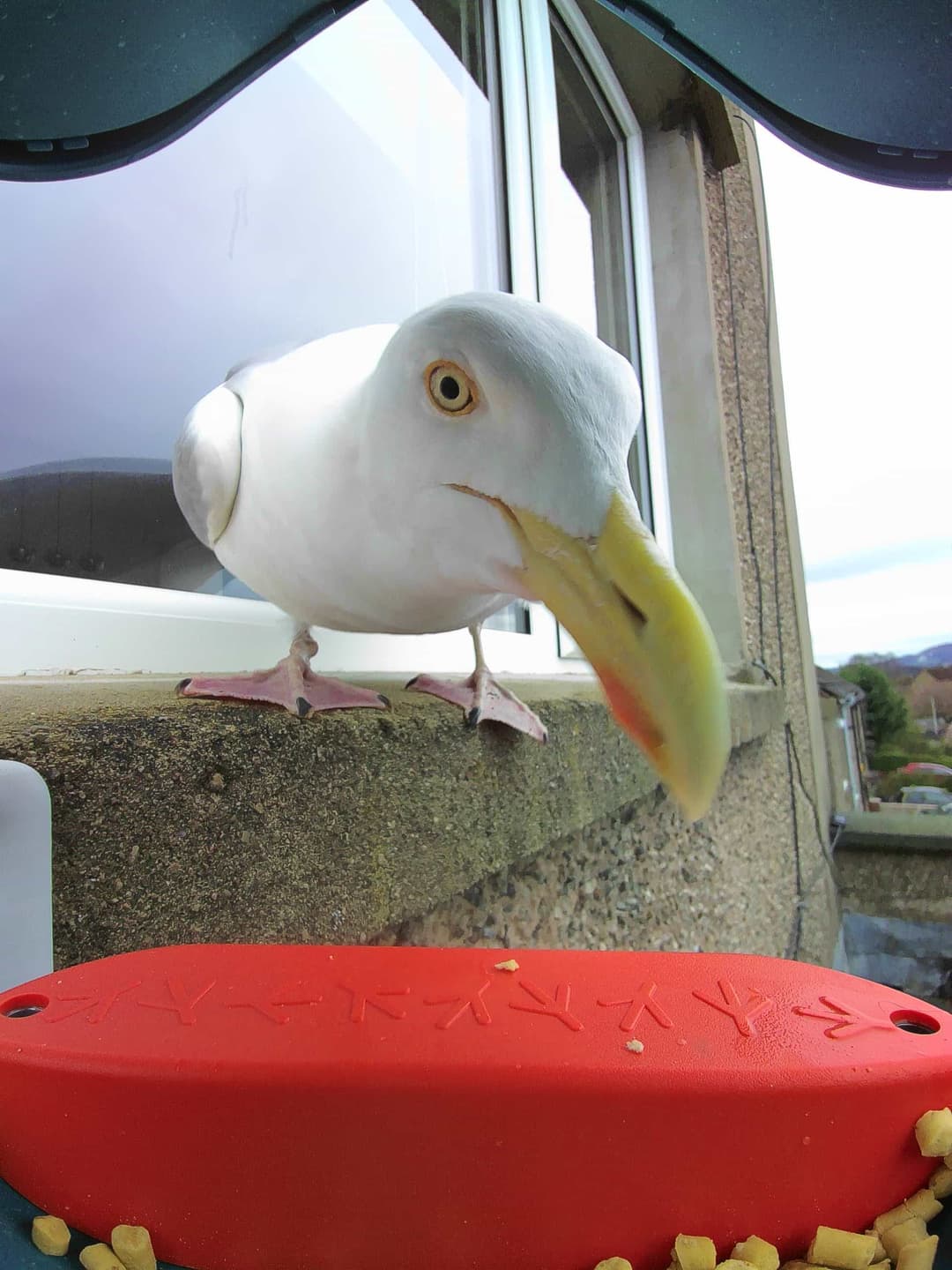
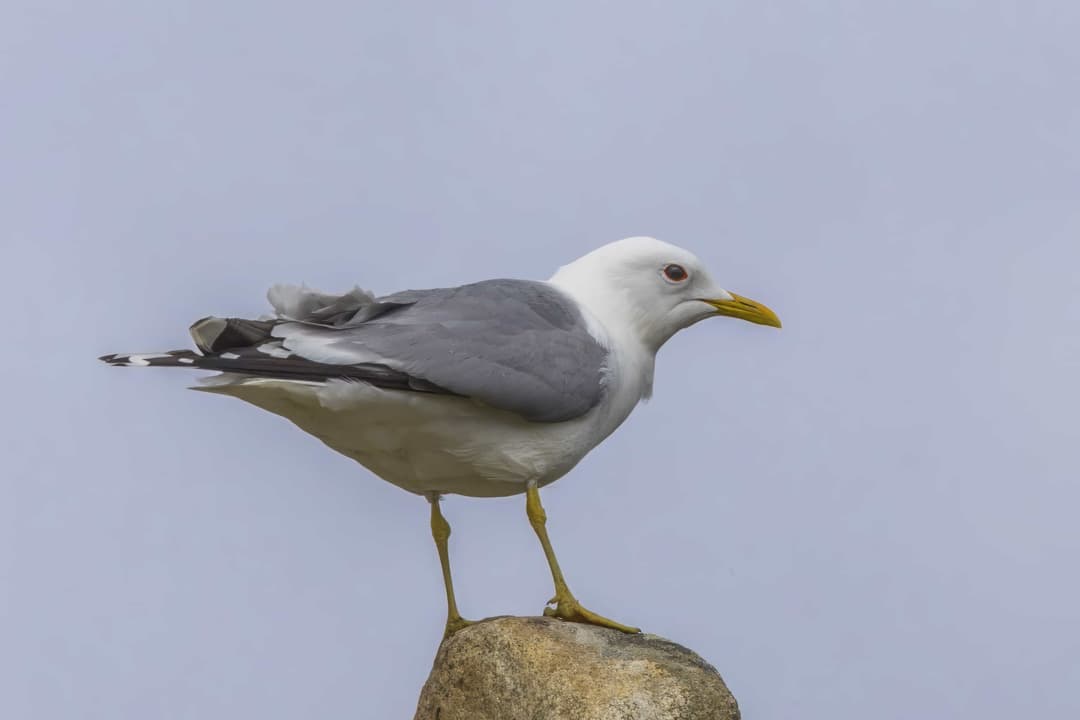
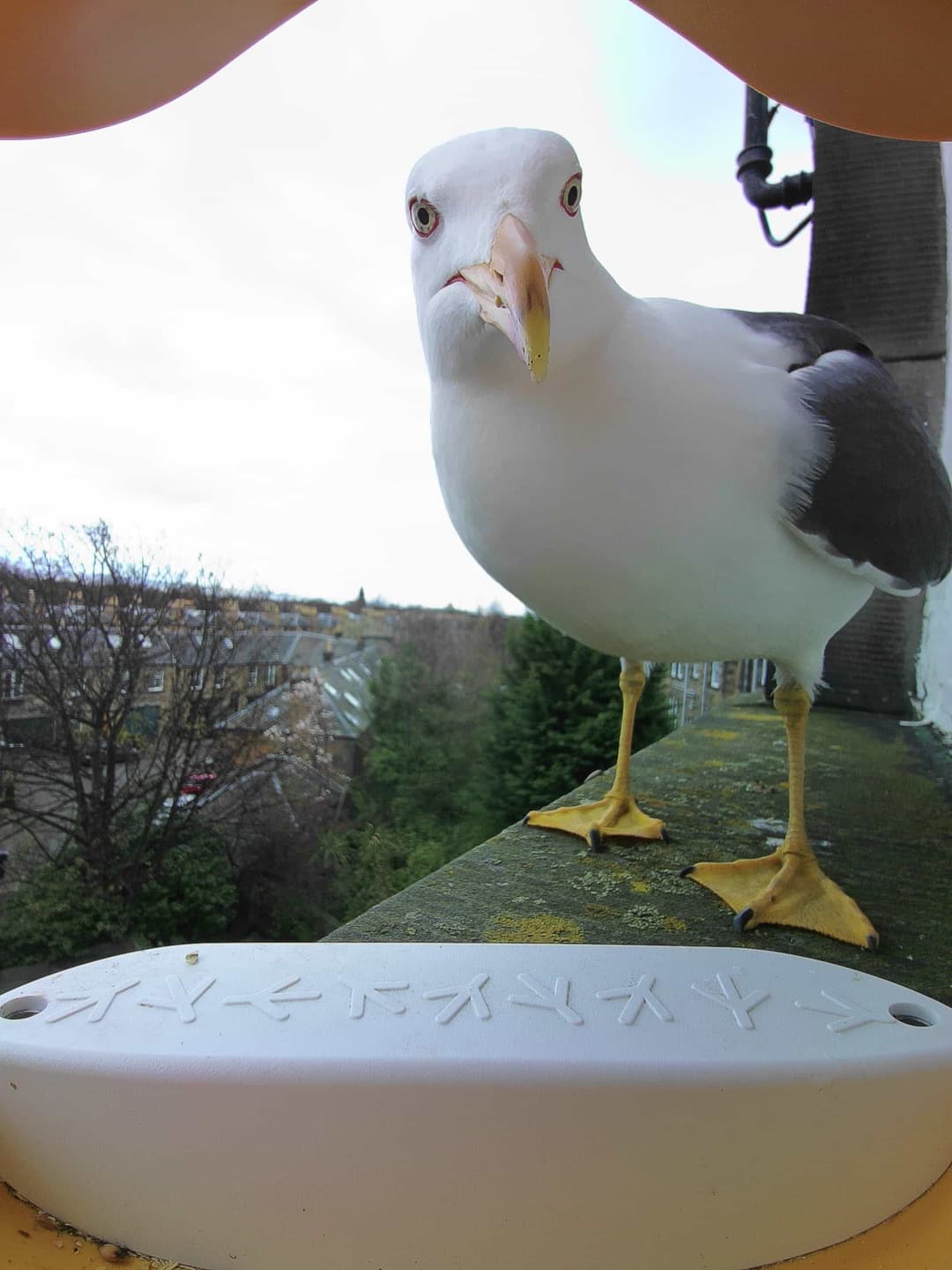
European Herring Gull vs Lesser Black-Backed Gull
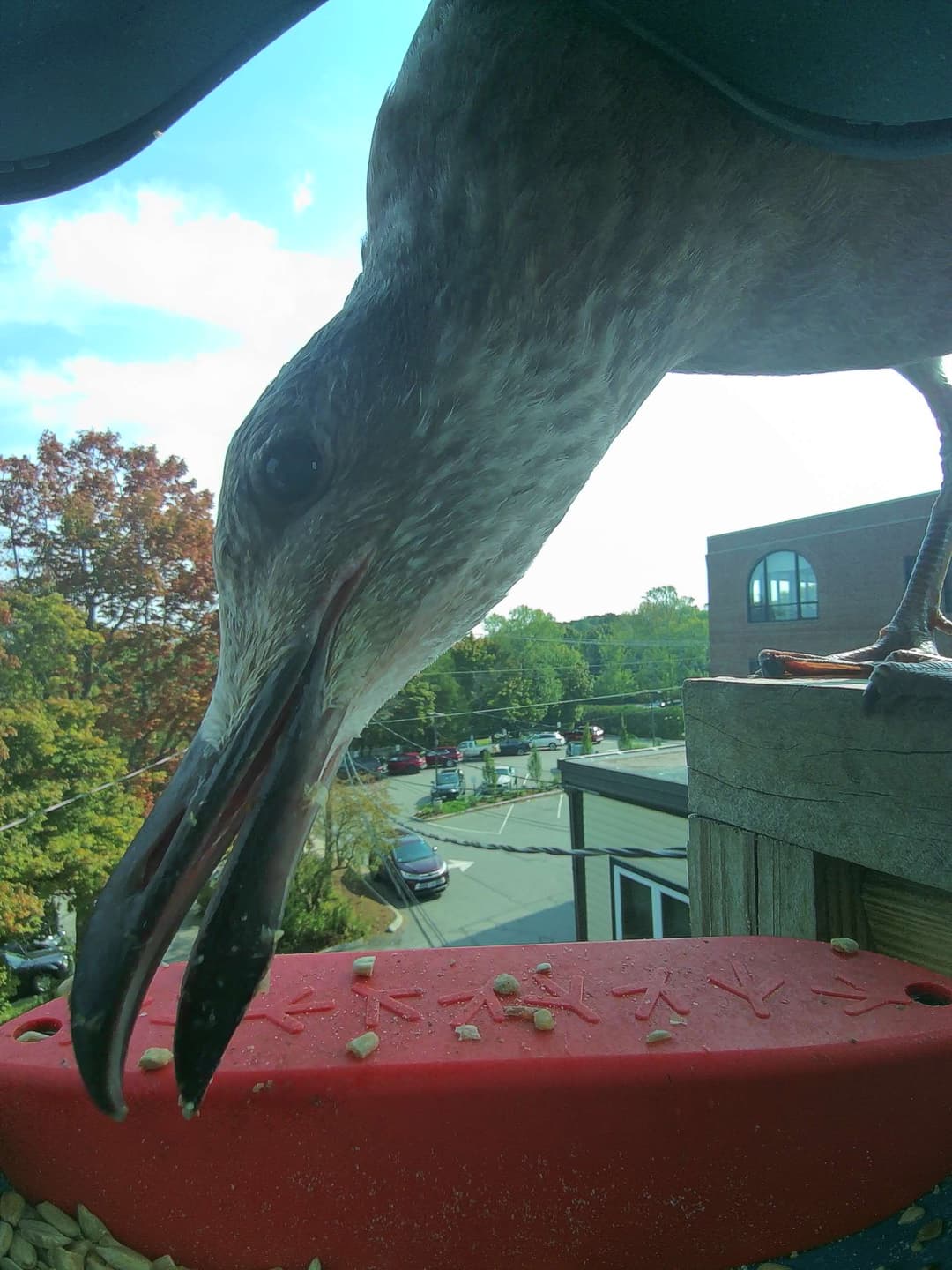
American Herring Gull vs Lesser Black-Backed Gull
European Herring Gull vs [Select a bird]

[Select a bird]
Pick a bird to compare
American Herring Gull vs [Select a bird]
[Select a bird]
Pick a bird to compare