
Yellow-Winged Tanager
Yellow-Winged Tanager
Thraupis abbas
Quick Identification guide
Quick Identification guide
- •
Exhibits a vibrant green body with striking yellow wing patches creating a contrast that stands out
- •
Features a sturdy, medium-length beak that is slightly hooked at the tip
- •
Shows a robust and rounded body shape giving it a compact appearance
What does a yellow-winged tanager sound like?
The Yellow-Winged Tanager is known for its distinct vocalizations, characterized by a series of soft, high-pitched notes and melodious calls. Its typical calls consist of a repetitive, gentle "tsi-tseep" often delivered in a series or rapid succession. The song, though not as complex as some other tanagers, includes a series of sweet, tinkling notes that may vary in pitch and pattern. These vocalizations are primarily used for communication between pairs and to establish territory. Observers often note the bird’s calls for their clear, pleasant quality, which enhances the tanager's presence in its habitat.
Description
When breeding season rolls around, these little guys prefer to spend some quality family time with their partner, and build the nest together. Once the kids are all grown up, however, they get together with their buddies again, in groups of around 10, but sometimes over 50 individuals. They are adaptable little guys, and have gotten used to our presence, so they might pay you a visit!
The yellow-winged tanager can weigh between 38to55grams and be from16.5to17.5centimeters tall.
The Yellow-Winged Tanager typically lives up to 8 years in the wild. Comparable tanager species, like the Scarlet Tanager, have a similar lifespan, generally ranging from 7 to 9 years. In contrast, the Western Tanager often lives slightly longer, averaging around 10 years. These lifespans can be influenced by factors such as habitat, diet, and predation. Overall, tanagers maintain a moderate lifespan common to many small passerine birds.
Did you know?
Most popular questions about yellow-winged tanager
How to recognise a yellow-winged tanager?
Yellow-winged tanager description
The Yellow-Winged Tanager is a spectacular bird known for its striking plumage. It features a brilliant yellow face and throat, contrasting sharply with its vibrant blue body. The crown is typically blue as well, further accentuated by the vivid yellow patches on its wings which give the bird its distinctive name. Often, the back of the bird shows a darker shade of blue, making for a beautiful contrast with the brighter hues on the front. The tail and upper wings have blackish hints, providing subtle yet important distinctions that aid in identification.
Differences between male and female
Among the Yellow-Winged Tanagers, the differences between males and females are subtle, with females generally exhibiting slightly duller coloration than males. Both sexes showcase the characteristic yellow and blue coloration, though the vibrancy of the hues may differ slightly, with males appearing more vivid. This differentiation is essential during the breeding seasons when distinct colors aid in mate attraction.
Juvenile appearance
Juvenile Yellow-Winged Tanagers often appear less resplendent compared to their adult counterparts. Their plumage is more subdued, primarily displaying duskier yellow tones and lacking the full saturation of blue seen in adults. The juvenile’s wings generally possess less noticeable yellow patches. As they mature, these birds gradually acquire the intensified coloration typical of adulthood, signaling their readiness to participate in breeding activities.
Often mistaken for
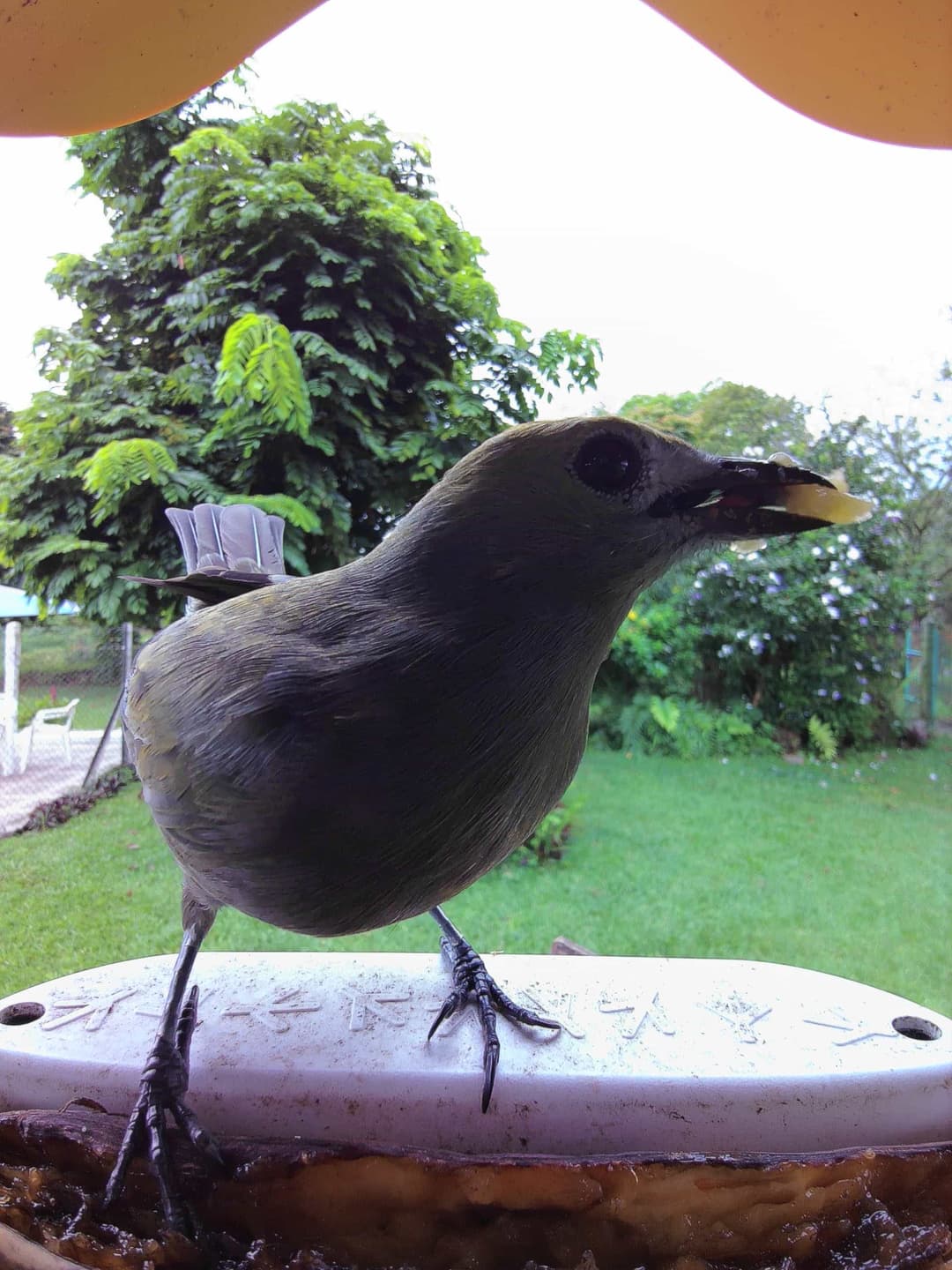
Palm Tanager vs Yellow-Winged Tanager
Though similar, the Palm Tanager lacks the bright yellow wing panels of the Yellow-Winged Tanager, and predominantly presents a more olive-green body. It inhabits a wider range of environments from open woodlands to suburban areas, whereas Yellow-Winged Tanagers prefer dense forests. Look for the distinct contrasting wings as a key identifier.
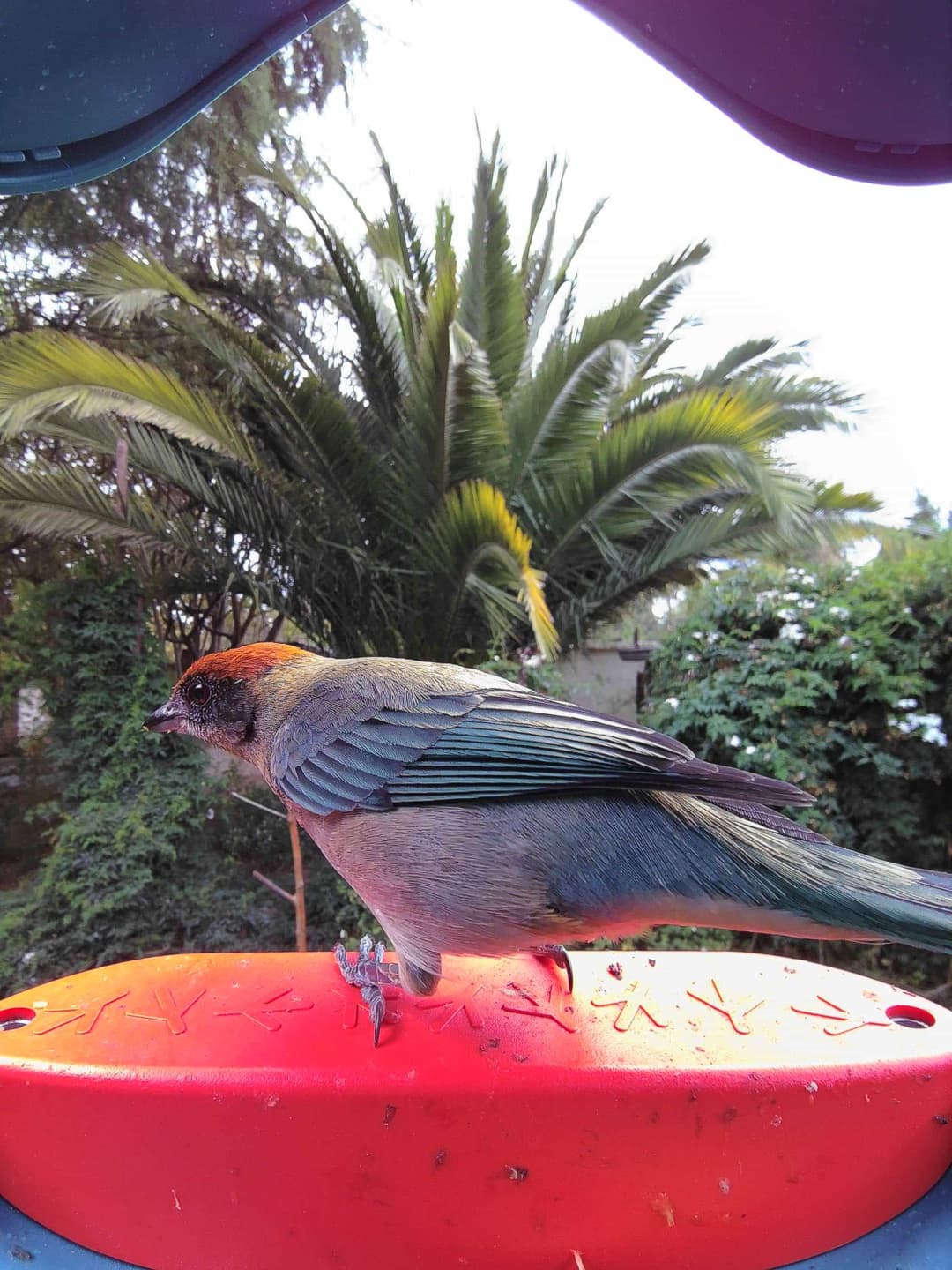
Scrub Tanager vs Yellow-Winged Tanager
Scrub Tanagers and Yellow-Winged Tanagers are both vividly colored but the Scrub Tanager lacks the yellow wing feathers and has a more muted coloration overall. Additionally, Scrub Tanagers are more commonly located in lower forest regions and scrublands, contrasting the Yellow-Winged Tanager’s preference for canopy layers.
Breeding and nesting habits of the yellow-winged tanager
Mating Behaviors
The Yellow-Winged Tanager is known for its vibrant courtship displays. Males often showcase their colorful wings by fluttering them rapidly, accompanied by melodic calls to attract potential mates. These birds are generally monogamous and form pairs during the breeding season, showing a high level of cooperation in rearing their young.
Nesting Details
These tanagers prefer dense foliage for nesting, often choosing shrubs or small trees located in gardens or forest edges. The nest is cup-shaped and constructed using twigs, leaves, and vine tendrils, lined with softer materials like feathers or grass. Creating a suitable habitat involves planting native shrubs and ensuring a reliable water source, encouraging natural foraging and nesting behavior.
Eggs and Chick-rearing
Yellow-Winged Tanager females typically lay 2-3 eggs per clutch, which are incubated for about 12-14 days. Both parents partake in feeding the chicks once they hatch, delivering a diet rich in fruits and insects. After fledging, chicks remain dependent on their parents for a few additional weeks, gradually learning to forage and fly independently.
What does a yellow-winged tanager like to eat?
Berries
Fruits
Insects
Natural diet
The Yellow-Winged Tanager primarily feeds on a diverse diet that includes fruit, small insects, and seeds. It frequents the forest canopy and edges, where it forages for a variety of fruits such as berries and figs, which constitute a significant portion of its diet. During the breeding season, which often coincides with the rainy season, the abundance of insects like caterpillars, beetles, and spiders becomes crucial for feeding their young. This seasonal variation reflects how the tanager adapts its foraging habits depending on the availability of food sources.
Bird feeders
At bird feeders, the Yellow-Winged Tanager is drawn to fruits commonly offered to tropical birds, such as oranges, papayas, and bananas. Suet mixed with dried fruits and seeds may also attract them, as they provide a good substitute for their natural diet. These birds show a preference for feeders that mimic natural foraging, such as fruit kebabs hung among trees. Ensure the feeders are clean and offer food in small quantities to prevent spoilage. While they are not frequent visitors to seed-only feeders, they may occasionally sample sunflower or safflower seeds.
Attract yellow-winged tanagers with bird-friendly feeders
Choose platform or tray feeders, as these types excel for medium to large songbirds like the Yellow-Winged Tanager. These feeders provide ample room for these birds to comfortably perch and enjoy their meals.
Provide yellow-winged tanager's favorite snacks
Consider offering a variety of fruits like sliced bananas, oranges, and papayas that closely mimic their natural diet. Additionally, sunflower seeds and suet can be enticing treats, especially during colder months when energy requirements rise.
Use bird buddy seeds for best results
Bird Buddy seeds come highly recommended for attracting Yellow-Winged Tanagers. This premium blend contains a mix of seeds and nuts tailored to their dietary preferences. Regularly replenish these seeds to maintain their interest and ensure consistent visits.
Optimal feeder placement for visits
Position feeders in semi-shaded areas of the yard close to natural cover, such as shrubs or trees. Hanging the feeder approximately five feet off the ground protects tanagers from ground predators while enhancing accessibility and visibility.
Seasonal considerations for year-round guests
Yellow-Winged Tanagers are generally more active in mild climates. However, during colder months, increasing food availability, especially high-energy options like suet, can encourage year-round presence.
Fun tricks to attract yellow-winged tanagers
Consider adding bright, colorful garden elements or decors, such as wind chimes or reflective items, which can catch the birds' attention and lead them to your feeders.
Essential water sources and habitat enhancements
A well-maintained birdbath is essential, providing fresh water for drinking and bathing. Enhance your backyard habitat by adding native plants and flowers that mimic their natural environment, offering shade and nesting material.
Where can you find yellow-winged tanagers?
Primary habitat
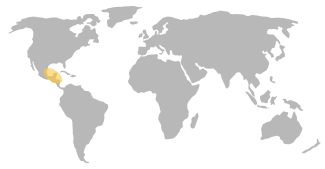
The Yellow-Winged Tanager typically inhabits subtropical or tropical moist lowland forests. It prefers regions in Central America, extending to parts of southern Mexico, Guatemala, and Belize. This bird thrives in areas where humid, dense forest canopies provide ample food resources and protection.
Additional range
Apart from its primary forest habitat, the Yellow-Winged Tanager can occasionally adapt to disturbed environments, such as secondary growth areas or gardens. While less common, they may also appear in urban green spaces, showcasing resilience to habitat changes.
Do they migrate?
The Yellow-winged Tanager (Thraupis abbas) is primarily a resident bird, meaning it does not engage in long-distance migration. This species is typically found in Central America and the northern parts of South America, including countries such as Mexico, Belize, Guatemala, Honduras, Nicaragua, Costa Rica, and Panama. It inhabits tropical and subtropical forests, as well as plantations and gardens at elevations typically ranging from sea level to about 1,800 meters. While these birds do not migrate, they may engage in minor altitudinal movements or local dispersal related to changes in food availability, particularly during breeding and non-breeding seasons. These movements are typically not extensive or well-documented compared to true migratory species. The Yellow-winged Tanager's home range provides a relatively stable environment with sufficient resources throughout the year, allowing them to remain in their territories year-round. Consequently, they do not follow the more typical, large-scale migratory patterns seen in many other bird species.
What is the role of yellow-winged tanagers in nature and how to protect them?
Conservation status
The Yellow-Winged Tanager is considered to be of Least Concern according to the IUCN Red List and is relatively common within its range in Central and South America. It thrives in subtropical and tropical forests as well as in human-altered landscapes like gardens. However, habitat destruction due to deforestation poses a threat to its native environments. Conservation efforts focus on preserving habitats and preventing deforestation. Despite these threats, its ability to adapt to altered habitats helps maintain stable population levels.
Ecological role of yellow-winged tanagers
Its role in the ecosystem
The Yellow-Winged Tanager (Thraupis abbas) is a vibrant bird commonly found in tropical and subtropical regions. It plays a crucial role in maintaining the ecological balance of its habitat. Yellow-Winged Tanagers contribute to pest control through their diet, which includes a variety of insects and arthropods. By consuming these invertebrates, they help keep pest populations in check, benefiting agriculture and native vegetation. Moreover, these tanagers participate in seed dispersal. As they feed on fruits and berries, they inadvertently transport seeds over considerable distances, facilitating the propagation of plants across their habitat. This action promotes plant diversity and helps sustain healthy ecosystems. While not primary pollinators, their interaction with flower-bearing plants may assist in pollination as they move from one blossom to another in search of nectar or insects. In addition to these roles, the presence of the Yellow-Winged Tanager can influence nutrient cycling. As their droppings decompose, they return vital nutrients to the soil, supporting the growth of plants. Interactions with other species, such as predatory birds or mammals, demonstrate their contribution to a complex food web, highlighting their significance in maintaining ecological harmony.
How to help protect yellow-winged tanagers
Preservation tips
Habitat preservation strategies
Preserving the natural habitat of the Yellow-Winged Tanager begins with supporting dedicated conservation organizations focused on subtropical and tropical forest habitats. Contributing to land protection initiatives by supporting policies that prioritize the conservation of forested areas can play a crucial role. Individuals can participate in advocacy by writing to local representatives to emphasize the importance of preserving forested lands. Protecting critical habitats where the birds breed and forage also involves collaborating with landowners and stakeholders to promote sustainable land management practices.
Community science initiatives
Engagement in community science projects offers individuals an opportunity to contribute to the conservation of the Yellow-Winged Tanager actively. Participating in bird monitoring programs and reporting sightings through platforms like eBird can aid researchers in tracking population trends. Additionally, hosting or participating in local birdwatching groups can raise awareness and promote appreciation for the species. Communities can also consider organizing awareness campaigns to educate the public about the tanager's ecological role and the importance of its conservation, encouraging broader community support.