
Scrub Tanager
Scrub Tanager
Stilpnia vitriolina


Quick Identification guide
Quick Identification guide
- •
The Scrub Tanager presents with a brilliant turquoise head and chest that is quite striking against its surroundings
- •
Features a greenish back and wings that help it blend in with foliage
- •
Its short, strong beak is perfectly adapted for its feeding habits
What does a scrub tanager sound like?
The scrub tanager, found in Andean regions, vocalizes in high-pitched, sharp calls often described as "tsiip" or "tsuuit." Its calls are quick and can sound metallic. Its song is a series of clear, tinkling notes that may include repeated phrases, often delivered at a fast pace. These vocalizations are vital for communication within dense scrub habitats. The bird typically sings from its perch, contributing to the audio landscape of its environment.


Description
Scrub tanagers don't really have a breeding season, and breed throughout most of the year; that's just the beauty of tropical living! They aren't the most colourful of tanagers, or the most social: they are usually seen in a pair. Maybe that is why they are so mysterious and many of their habits haven't been researched yet!
The scrub tanager can weigh between 18.4to26.8grams and be from13to14centimeters tall.
The typical lifespan of a scrub tanager is around 5 to 10 years in the wild. This lifespan is relatively average compared to related tanager species, though precise data can vary due to environmental factors and predation. For instance, the closely related blue-gray tanager also shares a similar lifespan, while some tanagers, like the highland hepatica tanager, may live slightly longer under optimal conditions. Differences in diet, habitat, and adaptive behaviors can influence these figures across tanager species.
Did you know?
Most popular questions about scrub tanager
How to recognise a scrub tanager?
General appearance
The scrub tanager (Tangara vitriolina) exhibits a vibrant plumage with a combination of blue, green, and gray shades. The body is primarily a blend of blue and green, while the wings and tail display a more vibrant blue. A grayish head and nape are characteristic, alongside a distinct, sharp bill suited for their dietary needs.
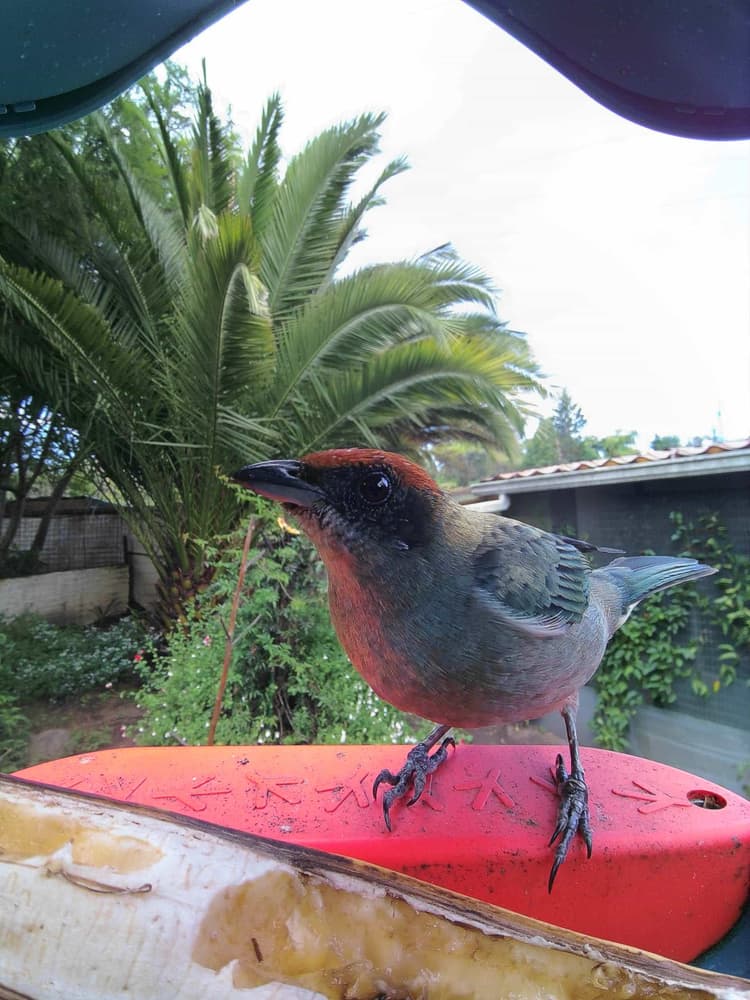
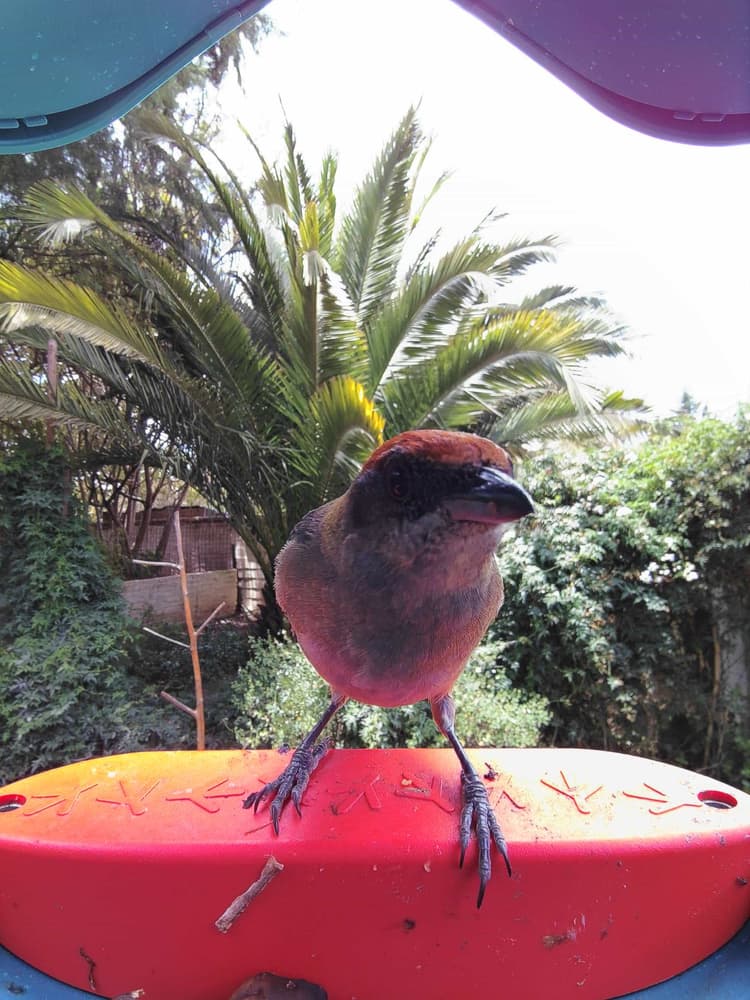
Male vs female
Both males and females of the scrub tanager possess similar coloration, making it difficult to distinguish them visually. However, subtle differences can be noted, such as the male's slightly more intense coloration compared to the female.
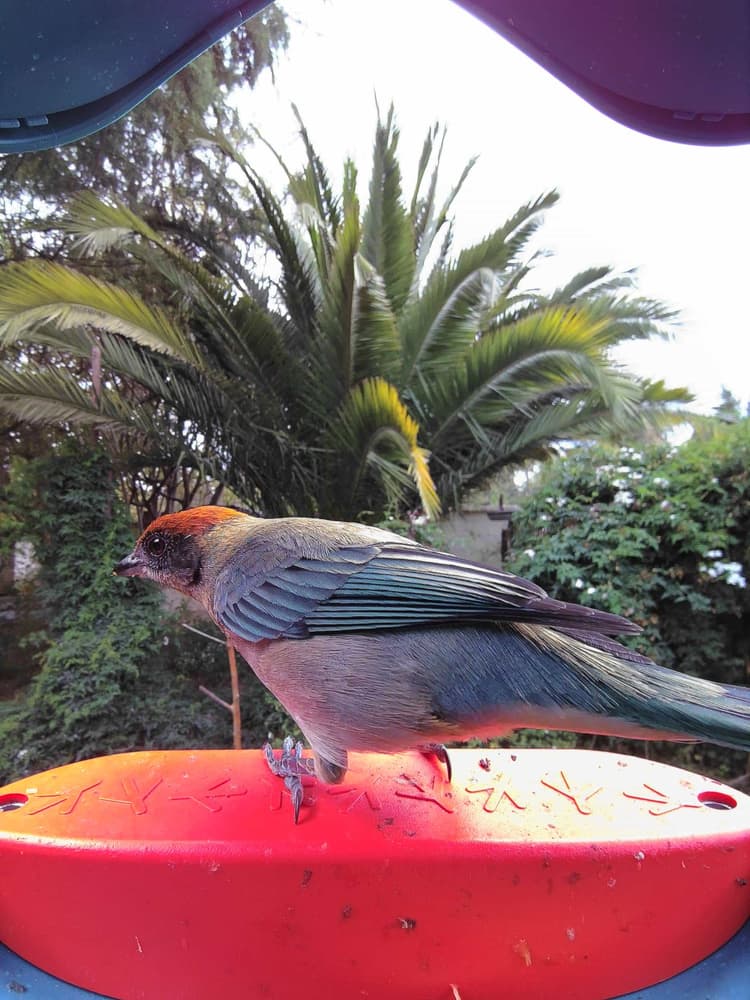
Male Scrub Tanager
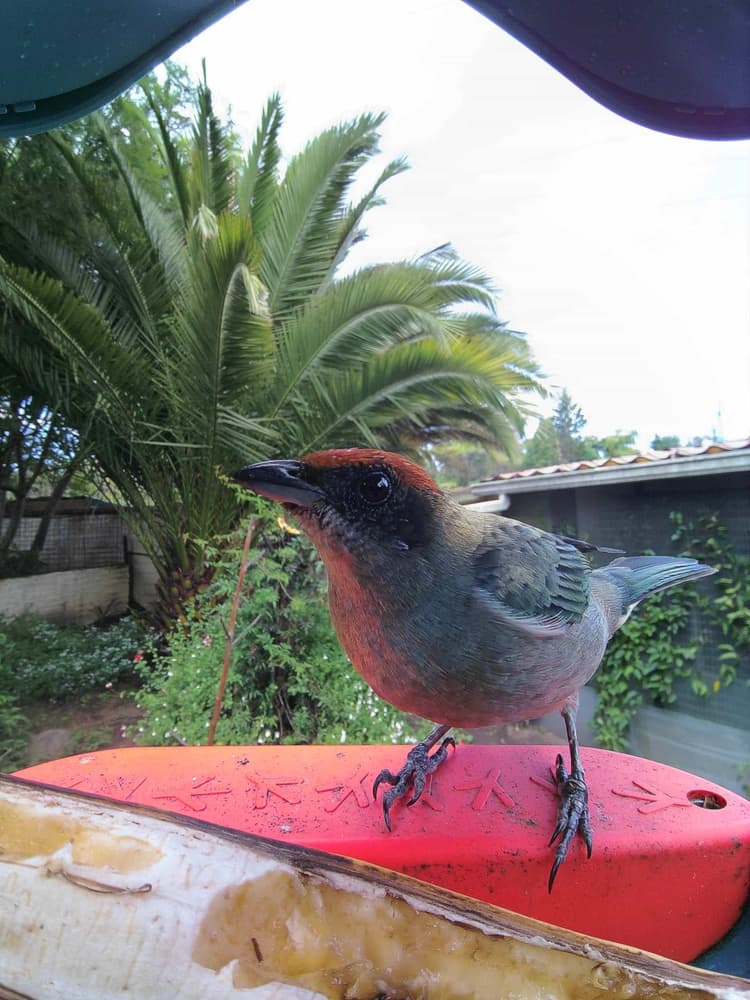
Female Scrub Tanager
Juvenile
Juvenile scrub tanagers tend to have duller coloration than adults, with a more muted greenish-blue plumage and less defined gray on the head. This distinction helps in differentiating them from mature individuals in the field.
Breeding and nesting habits of the scrub tanager
Mating behaviors
The scrub tanager engages in complex courtship displays that include singing and aerial maneuvers. Males often display vibrant plumage to attract females.
Nesting details
Nests are typically found in dense shrubs or small trees, often in gardens. They are cup-shaped and constructed from twigs, leaves, and moss, providing camouflage and protection.
Eggs and chick-rearing
Clutches usually consist of 2-3 eggs. Both parents participate in incubation and feeding, with chicks fledging in about 14-17 days. To encourage nesting, maintain dense shrubs and avoid using pesticides in gardens.
What does a scrub tanager like to eat?
Berries
Crustaceans
Fruits
Insects
Spiders
Natural diet
The scrub tanager primarily feeds on a variety of fruits, insects, and small invertebrates. Its natural habitat, mainly consisting of scrublands and forest edges, provides ample opportunities for foraging on fruit-bearing plants and shrubs. These birds are known to consume berries, seeds, and occasionally flowers, which make up the bulk of their plant-based diet. Additionally, they are adept at catching insects such as beetles, ants, and caterpillars, providing a protein source.
Bird feeders
In areas where their habitats overlap with human settlements, scrub tanagers may visit bird feeders, although this is not a primary food source for them. When they do visit feeders, they are attracted to those offering fresh fruits such as bananas, papayas, and oranges. They may also sample other offerings like suet or platforms with small bits of soft fruits. However, they rarely rely on these artificial food sources, preferring their natural foraging tactics.
Create the perfect environment
To attract these beautiful Scrub Tanagers, first, you need to make your yard or feeder enticing. This involves maintaining a quiet, serene environment with plenty of native plants and shade.
Provide their favorite snacks
Scrub Tanagers enjoy a diet of insects, fruit, and seeds. So, buoy up your feeders with these tempting goodies. Specifically, Bird Buddy seeds have been tested and proven as the most effective choice, curated by experts for different seasons.
Choose the right type of feeder
Now, about feeders! Opt for a platform feeder or a hanging feeder with wide perches, as these are the most comfortable for Scrub Tanagers.
Fun tricks to encourage them
One fun trick to encourage these birds to your yard is to mimic their songs. They are known to respond to similar sounds, encouraging interaction.
Regular refills and clean feeders
Don't forget to regularly refill your feeders and keep them clean. Once the birds find your feeder, they will continue to visit as long as the food source is consistent and safe!
Where can you find scrub tanagers?

Primary habitat
Scrub tanagers prefer montane forests and shrublands, typically found in humid to semi-humid climates at elevations between 1,200 and 3,000 meters.
Additional range
Although primarily montane, they can unexpectedly occupy garden areas and secondary growth in subtropical to tropical regions in countries like Colombia, Ecuador, and Peru.
Do they migrate?
The scrub tanager is a non-migratory bird species. It resides year-round in its native range, which includes parts of Colombia, Ecuador, and Venezuela. This bird is typically found in the subtropical and tropical moist montane forests, as well as in heavily degraded former forests and sometimes even in gardens and parks in urban areas. Its adaptation to these environments allows it to remain in place without the need for seasonal migration. Scrub tanagers are particularly associated with the Andean foothills and can be observed at altitudes ranging from 1,000 to 2,300 meters. They thrive in a variety of habitats within these regions, from the humid forest edges to coffee plantations. As residents, they play a role in the local ecosystems, acting as seed dispersers thanks to their fruit-based diet. Lack of migratory behavior makes their life cycle more predictable in these constant climates, avoiding the energy expenditure related to long-distance travel typical of migratory species.
What is the role of scrub tanagers in nature and how to protect them?
Conservation status
The scrub tanager is currently listed as a species of "Least Concern" on the IUCN Red List, indicating it is relatively common and not considered vulnerable or endangered. The species benefits from a wide distribution and a stable population trend. However, habitat destruction due to agriculture and urbanization poses potential threats. Conservation efforts focus on preserving its natural habitat, particularly in areas where deforestation is prevalent. Promoting sustainable land-use practices helps ensure the survival of scrub tanager populations by maintaining the integrity of their habitat.
Ecological role of scrub tanagers
Its role in the ecosystem
The ecological significance of the scrub tanager is multi-faceted and crucial for the sustenance of its ecosystem. As a bird species, it plays a vital role as a medium-sized predator, helping in naturally controlling the population of insects and small animals, hence contributing to pest control. It maintains a balance in the food chain and aids in preventing overpopulation of certain species. Moreover, the scrub tanager also aids in seed dispersal. It consumes fruits and berries, and upon excretion, the seeds are dispersed to various locations, promoting biodiversity. The dispersed seeds eventually develop into new plants, contributing to the growth and diversification of flora within the ecosystem. This diversification is essential for providing food and shelter for various fauna in the ecosystem. Hence, the scrub tanager's existence and behavioral traits are pivotal for ecosystem balance and continuity.
How to help protect scrub tanagers
Preservation tips
Habitat preservation strategies for scrub tanager
Ensure preservation of the scrub tanager habitat by supporting local policies aimed at conserving areas with shrubby vegetation, such as high-altitude forests and woodlands. Encourage responsible land use practices, limiting activities like logging, constructing or farming that might degrade its habitat. Support the expansion of reserves in areas where the bird's presence is recorded to safeguard its nesting grounds.
Promoting community science initiatives
Engage local communities through citizen science projects, encouraging contributions to scrub tanager tracking, behavior analysis and population monitoring. Provide training and resources to increase public awareness about this species and its importance. Promote local stewardship of the natural environment and cooperation with scientific institutions for data sharing.