
Whitehead
Whitehead
Also known as: Popokotea
Mohoua albicilla
Quick Identification guide
Quick Identification guide
- •
Features a distinctive white head contrasting with a gray-brown body
- •
Small and agile, with a short, slender beak that tapers to a point
- •
Displays a pale eye ring and dark eye markings adding to its distinctive face
What does a whitehead sound like?
The Whitehead, also known as Pōpokotea, is a small passerine bird that often vocalizes with a high pitched, loud "chip" or "tsip" sound. Its song usually consists of rapid and melodious series of notes, often ending with a trill. Whiteheads are known to communicate using a diverse range of tunes, chatters, churrs, whistles, and buzzes. They also engage in duetting, with the female emitting softer notes. Known for their sociable nature, these birds intertwine their songs with others, creating a complex harmony in their native forest habitats.
Description
Whiteheads occupied a very special place in Māori culture! They were believed to be messengers of the gods as well as fortune tellers or seers! Well, some are more fortunate than others; occasionally, a long-tailed cuckoo will pass by, push all their eggs out of the nest and leave its own egg in there!
The whitehead can weigh between 14to18grams and be from14to16centimeters tall.
The typical lifespan of the whitehead, a bird species native to New Zealand, is about 6 years. This is slightly less than related species- the yellowhead and the stitchbird which can live up to 7-9 years. It's lifespan is influenced by factors such as predation and habitat loss.
Did you know?
Most popular questions about whitehead
How to recognise a whitehead?
General appearance
The Whitehead, also known as Mohoua albicilla, is a small songbird remarkably known for its distinct all-over snowy white plumage. Its body length is about between 5.9-6.3 inches and typically has wings that are edged in black. The bird has dark eyes and legs, with a slim, pointed dark-colored beak used for extracting insects from bark and foliage.
Male vs female
Males and females look similar with white plumage across their bodies, but males often have a brighter, more pure white coloration while females may have a slightly more off-white or creamy hue. Males also tend to slightly larger in size compared to females. Both sexes maintain their color year-round, with no significant seasonal variation.
Juvenile
Juvenile Whiteheads also show the characteristic white plumage, but this may be mottled with gray or buff, turning to complete white as they reach adulthood. Their beaks and the skin around their eyes could manifest slight shades of pink, which darken as the bird matures.
Often mistaken for
White-Headed Woodpecker vs Whitehead
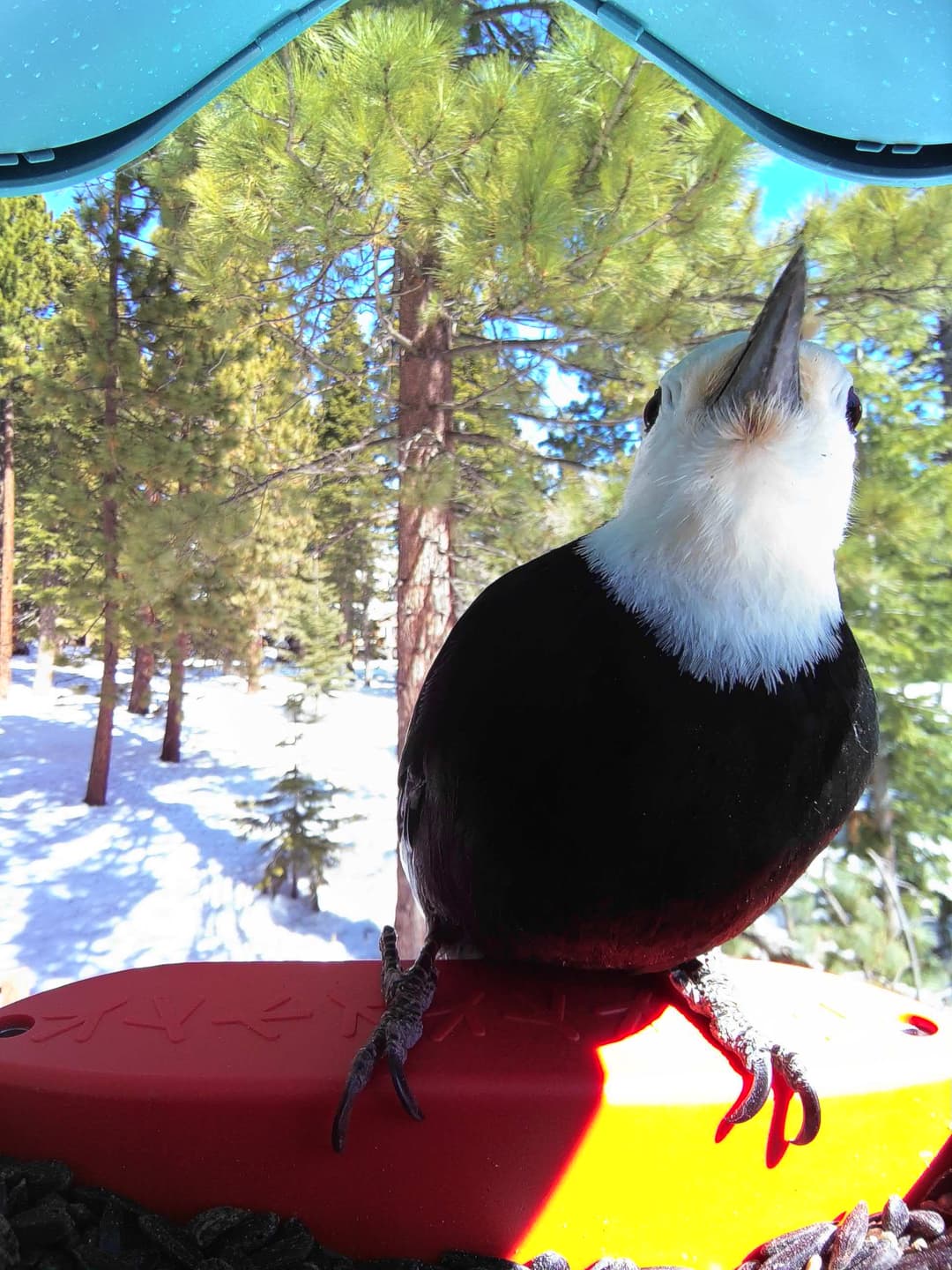
The White-Headed Woodpecker has a similar name and also a predominantly white head, but it is distinguishable by its robust body typical of woodpeckers, black back, and distinctive red patch on the male's head.
White-Headed Pigeon vs Whitehead
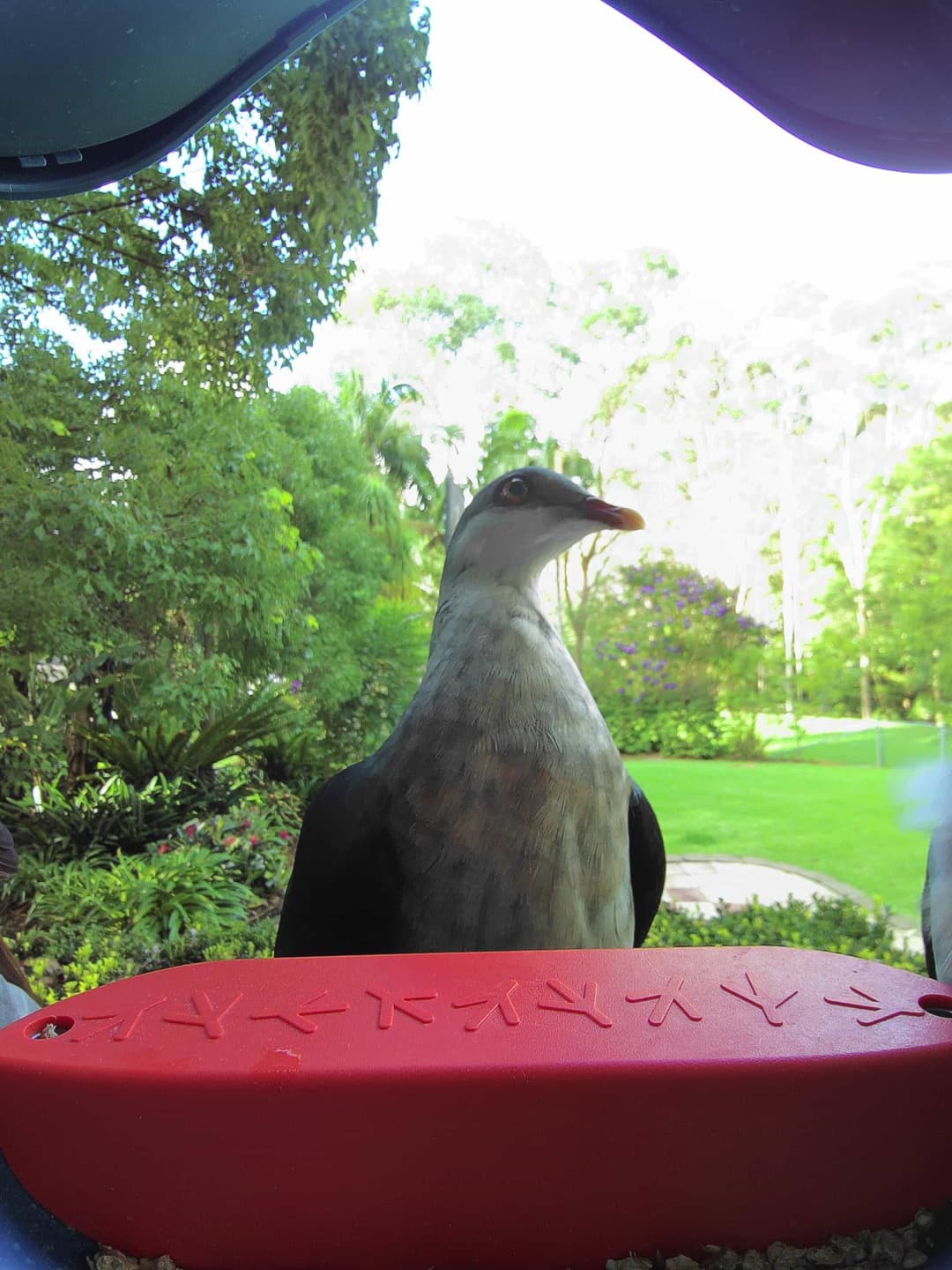
The White-Headed Pigeon also features a white head, but is easily distinguished by its larger body size, overall pigeon-like appearance, and lack of the distinctive features of the Whitehead bird.
Breeding and nesting habits of the whitehead
Mating behaviors
Whitehead courtship involves elaborate displays where males sing and display plumage to attract females. They may engage in mutual preening and synchronized movements.
Nesting details
Whiteheads construct cup-shaped nests using twigs, leaves, and grass, often positioned in dense foliage or branches of native trees. Materials like moss and feathers are used for lining to provide insulation.
Eggs and chick-rearing
Females lay 2-4 eggs, which are incubated for approximately two weeks. Both parents share feeding duties, bringing insects to nourish the chicks. Once fledged, chicks remain dependent for several weeks.
What does a whitehead like to eat?
Fruits
Insects
Seeds
Spiders
Natural diet
The whitehead, a small bird native to New Zealand, primarily consumes insects as a staple of its natural diet. It forages through foliage and tree bark, seeking out small invertebrates such as caterpillars, ants, spiders, and beetles. These birds are adept at catching insects mid-air, supplementing this with the occasional fruit and seeds when insects are scarce, thus providing a varied diet balancing proteins and carbohydrates.
Bird feeders
At bird feeders, whiteheads may occasionally eat offerings meant for other birds. They are attracted to suet and seed mixes particularly those containing sunflower seeds, which provide a high-energy snack. While not a common visitor to feeders, they may opportunistically exploit these resources when available, broadening their diet with items that mimic their natural preference for protein-rich food.
Entice whiteheads with favorite snacks
Whiteheads, also known as Popokotea, are fond of insects but they also enjoy a varied diet that can include fruits and seeds. Pre-packaged mixes, such as Bird Buddy seeds, are an excellent choice since they are chosen by experts to cater to different bird species during different seasons. Sprouting these seeds can also add extra appeal for the Whiteheads, giving them a refreshing variety in their diet. Placing these in your bird feeder will surely attract the whiteheads to your yard.
Choosing the right feeder and placement
The type of feeder you choose can greatly impact the kind of birds you attract. For whiteheads, platform feeders are a great choice as they provide ample space for the birds to feed, allowing groups of whiteheads to feast together. Tube feeders with large holes can also be used, especially if the seeds are large. Regarding placement, ensure the feeder is located near a tree or bush for easy escape routes to make the whiteheads feel more secure.
Fun tricks to encourage the whiteheads
Planting native shrubs and trees that produce berries can create a more enticing environment. Water features such as bird baths or a water fountain can also attract these woodland birds. If you're musically inclined and fancy a sing-along with the birds, try playing recordings of whitehead calls. This could pique their interest and draw them closer to your yard.
Using bird buddy seeds for best results
To best attract the Whiteheads, use Bird Buddy seeds. These seeds are expertly chosen for the season, ensuring they meet the nutritional needs and taste preferences of the whiteheads at any given time. These seeds can be placed in your bird feeders or scattered around your yard to attract these friendly birds. Consistent use of Bird Buddy seeds will ensure an ongoing visit from the whiteheads to your yard.
Where can you find whiteheads?

Primary habitat
The whitehead, a New Zealand bird species, primarily occupies mature and lowland forests.
Additional range
Its range extends to pine plantations, regenerated scrubland, and occasionally suburban gardens. It prefers climates where the environment is temperate.
Do they migrate?
The whitehead, or pōpokotea (Mohoua albicilla), is a small passerine bird endemic to New Zealand, specifically found in the North Island, where it inhabits native and exotic forests. Unlike many bird species, whiteheads do not migrate. They are sedentary and remain in their territories throughout the year. This residency is typical of bird species in island environments where the climate is relatively mild and resources are available year-round, negating the need for long-distance migration for survival. Whiteheads live in cooperative breeding groups and prefer low to mid-altitude forests, often forming mixed-species flocks with other native birds like the North Island brown kiwi or New Zealand fantail. Their non-migratory behavior ensures they are continually available to fulfill their ecological roles, such as insect control and seed dispersal, within their native forests. Conservation efforts focus on protecting their habitats from deforestation and controlling invasive predators.
What is the role of whiteheads in nature and how to protect them?
Conservation status
The whitehead is currently listed as a species of least concern, indicating it is relatively common in its native habitats. It is found in forests across New Zealand and is not considered vulnerable or endangered. Despite its stable population, the whitehead faces potential threats from habitat loss and introduced predators, like rats and stoats. Conservation efforts focus on predator control and habitat protection to ensure its continued stability. The species benefits from conservation projects targeting broader ecosystem conservation and the protection of New Zealand's native bird species.
Ecological role of whiteheads
Its role in the ecosystem
The whitehead, a cute yet powerful bird, plays a crucial role in its ecosystem. As voracious insectivores, they munch on pests, acting as a natural pest control system, keeping plant populations safe from harm and enhancing biodiversity.Furthermore, whiteheads are exemplary agents of seed dispersal. Their diet primarily consists of fruits and while digesting, they pass the seeds through their droppings, spreading them over wide areas. This aids plants in colonizing suitable habitats faster!Interestingly, whiteheads display communal breeding behavior where several pairs join forces and share parenting duties. This unique trait not only boosts survival rates but also fosters a strong community, helping the species thrive.
How to help protect whiteheads
Preservation tips
Habitat preservation strategies
To conserve the whitehead, efforts should be made to preserve their natural habitats, including forests and shrublands. This can be achieved by establishing protected areas, controlling deforestation, and promoting reforestation. Land management practices should encourage biodiversity, which supports the stability of the whitehead population. Also, it's crucial to regulate human activities, like farming and hunting, that directly impact these habitats.
Community science initiatives
Initiating community science programs can enhance the whitehead's conservation. Organize local groups to monitor the whitehead population, their behaviors, migration patterns, etc. Public participation can be encouraged through education programs that increase awareness about the significance of whitehead conservation. Rally volunteers for habitat restoration projects and establish partnerships with local institutions for research and funding. Community science initiatives not only contribute to conservation but also foster a sense of stewardship and responsibility within the community.