
Black Redstart
Black Redstart
Also known as: Tithy's Redstart, Blackstart, Black Redtail
Phoenicurus ochruros


Quick Identification guide
Quick Identification guide
- •
Features a slaty-grey plumage with a distinctive black face and throat
- •
Exhibits a bright orange-red tail and vent area, providing a striking contrast to its darker body
- •
Has a thin, pointed beak and a slender body build typical of the chat family
What does a black redstart sound like?
The black redstart has a vibrant set of vocalizations. Its song is a complex, melodic sequence combining high pitched ticks, warbling notes, and imitated sounds. Typical calls are described as 'tack' or 'tick', and a thin 'tsree'. Also, the males often sing during flight, delivering a combination of repeated short, warbling stanzas. These vocal renditions, changing with regions and individuals, are often used for mate attraction and territory defense.


Description
These guys are socially monogamous, meaning they find one lady friend to have young with and guard her aggressively from other males. However, they still occasionally mate with other females. They are no strangers to cities and have adapted pretty well to metropolitan life.
The black redstart can weigh between 12to20grams and be from14to15centimeters tall.
The black redstart typically lives for around 5 years. In comparison, related species such as the common redstart and American redstart have similar lifespans, living an average of 5-7 years and 2-5 years respectively. Like many small birds, their survival rates are heavily influenced by factors such as predation and habitat loss.
Did you know?
Most popular questions about black redstart
How to recognise a black redstart?
General appearance
The black redstart is a small passerine bird noted for its distinct coloration. It has a long, blackish tail with white base, and an orange-red undertail and flanks making it a bird of striking contrast. Its size usually varies between 13 to 14.5 cm.
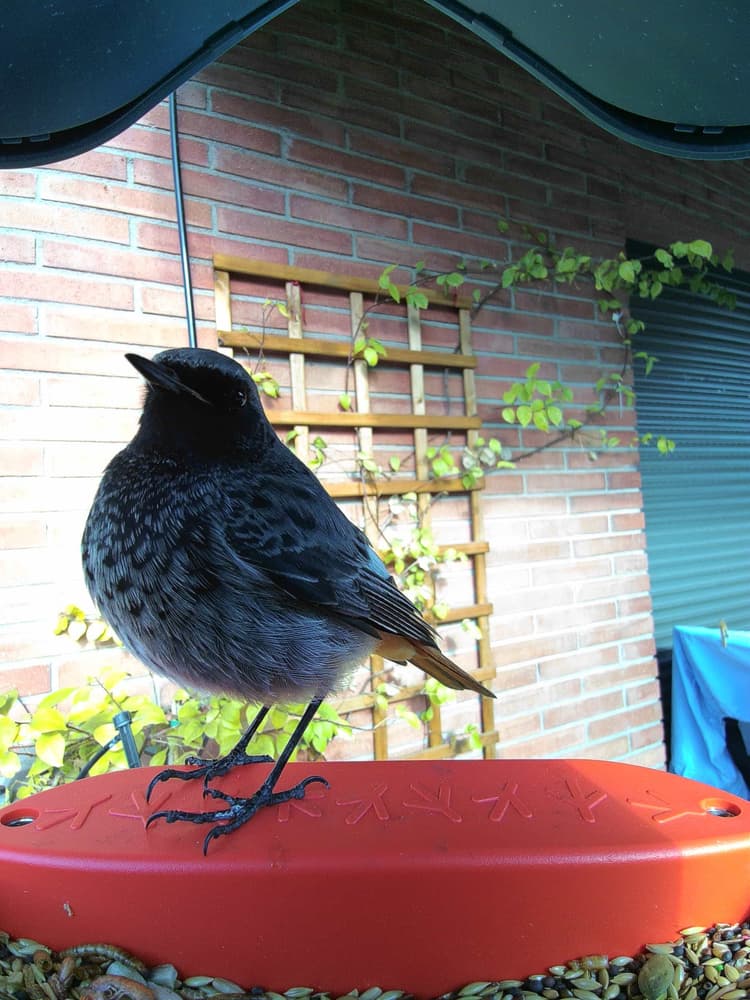
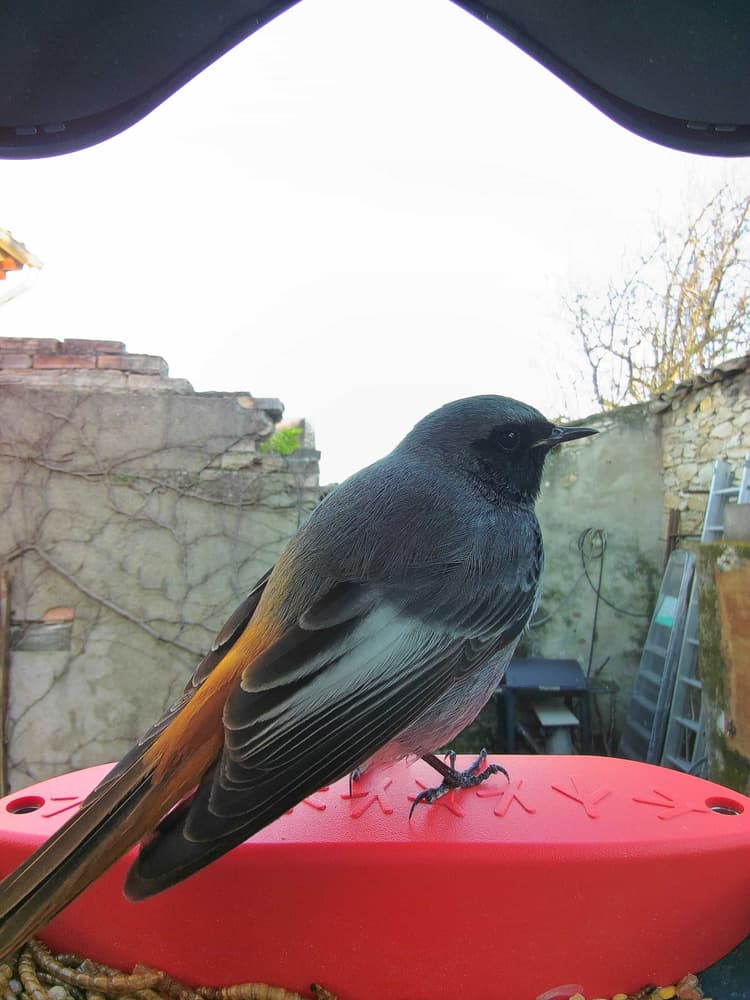
Male vs female
Adult male black redstarts showcase complete black face, throat and upperparts except for a distinct white wing patch. Females and immatures, on the other hand, are quite different from the males in coloration. They have brown grey upperparts and paler underparts retaining the white wing-patch and orange-red color under tail.
Juvenile
Juvenile black redstarts resemble their mothers in terms of coloration but exhibit a stronger pattern of scallops and spots on their upperparts. The distinct orange-red undertail becomes more noticeable as they grow. Changes in plumage are a part of the seasonal variations, particularly during the spring molt upon which juvenile birds take on more adult-like appearances.
Often mistaken for
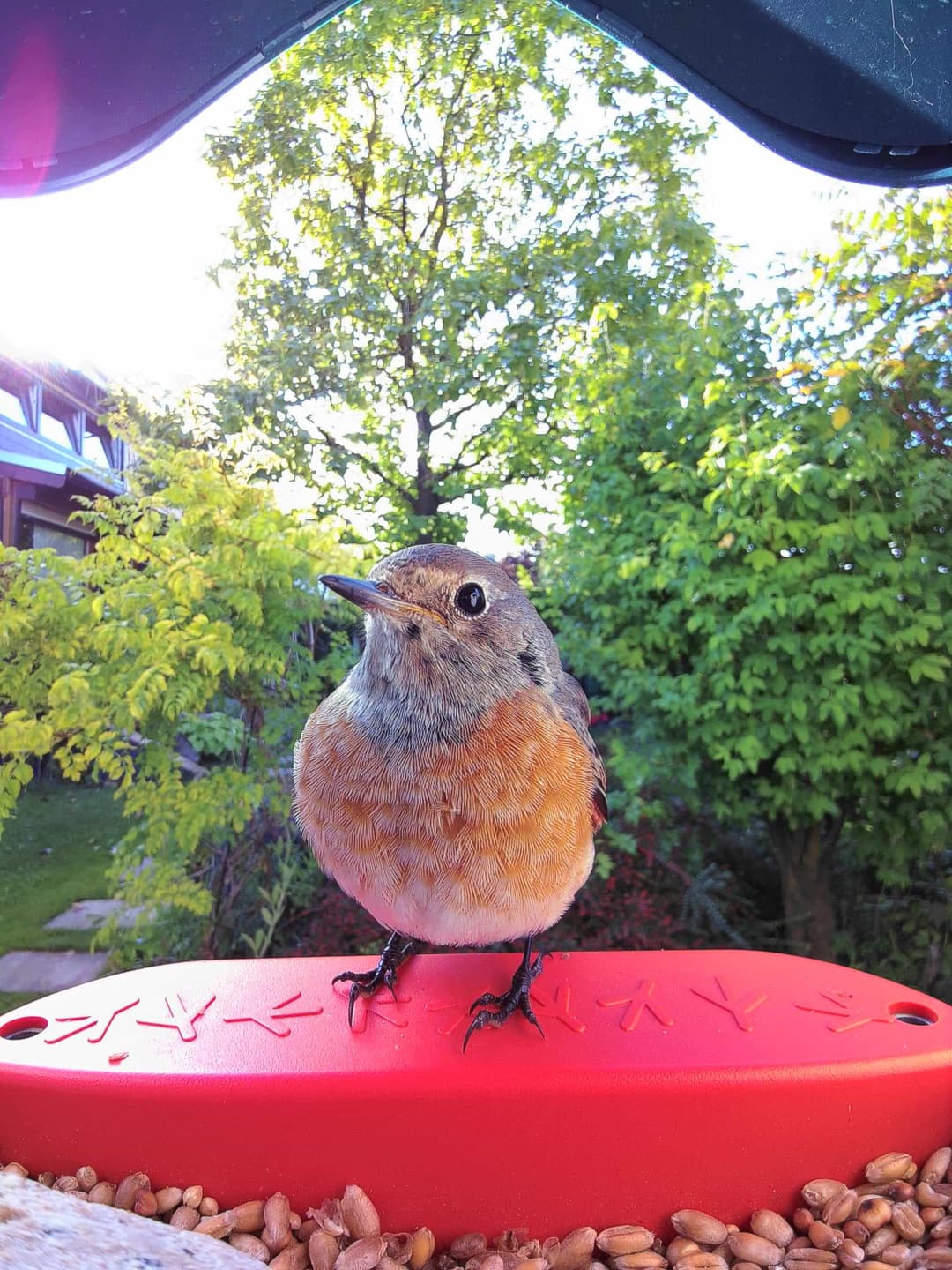
Common Redstart vs Black Redstart
While both the Common Redstart and Black Redstart have similar shapes and behaviors, the Common Redstart typically has a more vibrant orange breast and lacks the slate gray coloration prominent in the Black Redstart.
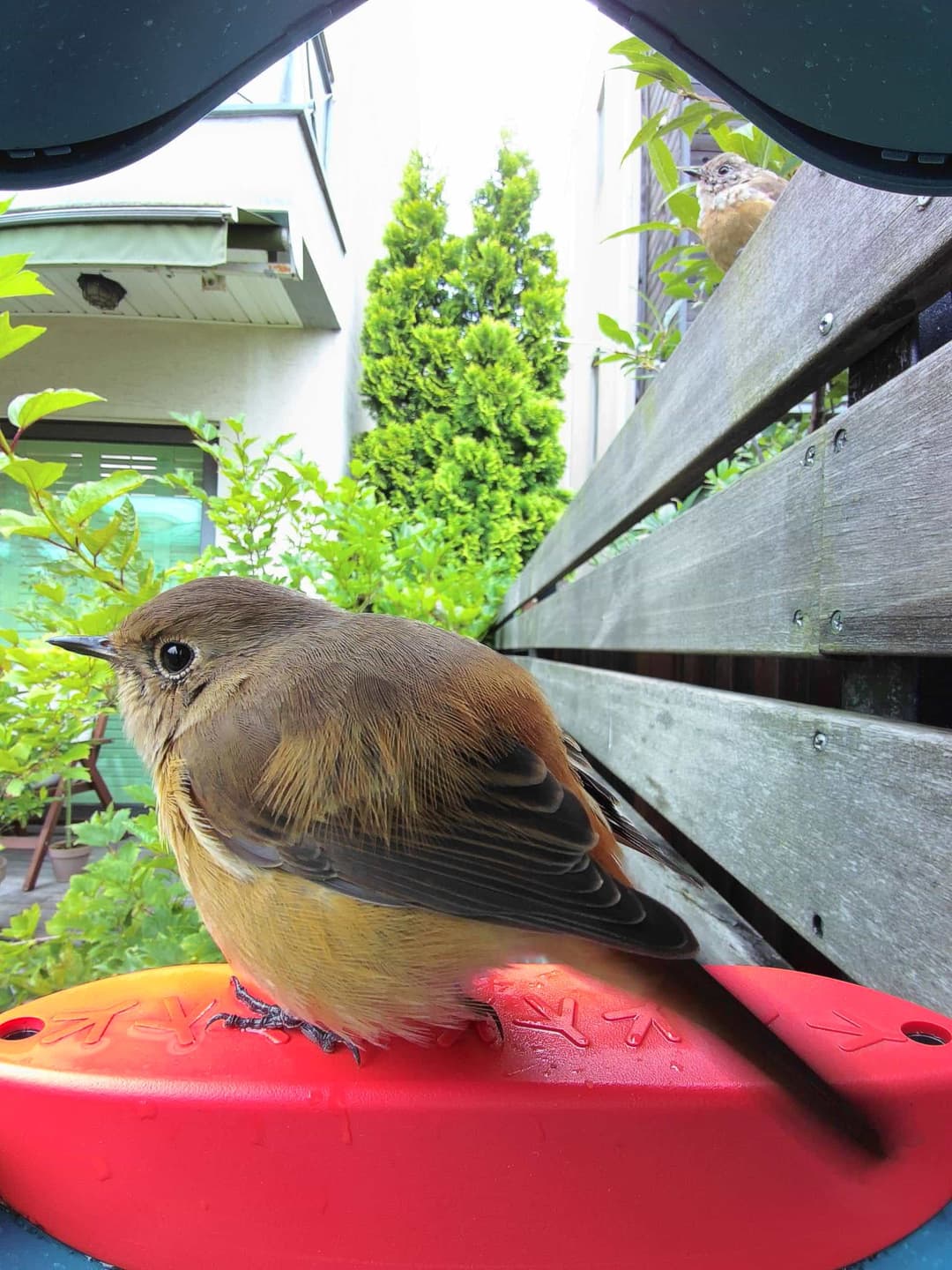
Daurian Redstart vs Black Redstart
The Daurian Redstart resembles the Black Redstart with its overall dark appearance, but it often shows brighter rufous-orange on the flanks and underparts, which can differentiate it.
Breeding and nesting habits of the black redstart
Mating behaviors
Black redstarts engage in courtship through elaborate displays and songs. Males perform fluttering flights and deliver calls to attract females. Territorial disputes may occur, with males defending chosen nesting sites.
Nesting details
Nesting occurs in rock crevices, buildings, or cliffs. Black redstarts may use gardens, favoring locations with cover and food sources. Nests are constructed from grass, twigs, and moss, often lined with hair or feathers.
Eggs and chick-rearing
Females lay 4-6 eggs, which are white and occasionally speckled. Both parents participate in feeding chicks. Gardens can attract black redstarts by providing dense shrubs, avoiding pesticides, and ensuring plenty of insects.
What does a black redstart like to eat?
Berries
Insects
Seeds
Snails
Spiders
Worms
Natural diet
The black redstart primarily consumes a diet consisting of insects such as beetles, grasshoppers, spiders, and caterpillars. They may also eat small invertebrates, including earthworms and snails. In addition to this, they consume various berries and seeds, particularly in the autumn and winter months when insects are less abundant.
Bird feeders
While less common to see at bird feeders compared to other songbirds, black redstarts may be attracted to suet, mealworms, and soft fruits provided in gardens. During the colder months, they might take advantage of available food sources like sunflower hearts to supplement their diet.
Setting up the perfect feeder
Black Redstarts prefer open feeding areas, so grab a tray or platform feeder and position it in a spot that's not too close to bustling activity or loud noise. Make sure the feeder is visible but also near enough to shrubs or trees that the Redstarts can fly to safety if necessary.
Choosing the right snacks
Black Redstarts are insect-eaters, but during winters their diet can include berries. Try providing dried mealworms, raisins, or currants. One of the sure-bet options to tantalize them are the Bird Buddy seeds. These seeds are chosen by experts for the season and have proven to attract a variety of birds, including the Black Redstart.
Creating a suitable habitat
These birds are accustomed to rocky hillsides and cliff faces, so having a rock garden or a stone wall in your yard could be enticing for them. Additionally, providing a shallow water source for them to batittle song for a worthwhile yard interaction.
Where can you find black redstarts?
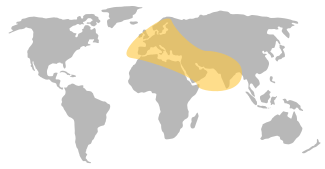
Primary habitat
The black redstart prefers rocky terrains, urban areas, and industrial sites. It thrives in regions with moderate climates, showcasing adaptability to both natural and human-altered environments.
Additional range
Unexpectedly, it can also be found in mountainous regions and arid zones across Europe and Asia, extending as far as Northwest Africa and sporadically in urban areas during migration.
Do they migrate?
The black redstart exhibits migratory behavior, particularly in northern and eastern parts of its range, while in western and southern areas, populations tend to be more sedentary. **Migration Patterns:** - **Northern and Eastern Populations:** These birds migrate southwards for the winter. Their breeding range extends across Europe and into central Asia. - **Routes:** Migration typically follows a southwesterly trajectory. - **Key Wintering Locations:** Significant wintering areas include southwestern Europe, the Mediterranean region, and North Africa. Some may even reach as far south as the Sahel region in Africa. **Timing:** - **Autumn Migration:** Birds generally begin their southward migration from September to October. - **Spring Migration:** They return to their breeding grounds around March to April. **Key Locations:** - The warm coastal areas of the Mediterranean provide important stopover sites due to mild climates and food availability. - Urban areas are also frequently used for wintering due to warmer microclimates and abundant food resources. The resident populations in milder climates of western Europe, including parts of the UK and southern France, typically do not migrate, relying instead on local resources throughout the year.
What is the role of black redstarts in nature and how to protect them?
Conservation status
The black redstart is currently listed as "Least Concern" by the IUCN. This species is relatively common and widespread across Europe, Asia, and North Africa. Although not currently vulnerable or endangered, urban development and habitat loss pose potential threats. Conservation efforts focus on preserving suitable habitats, particularly in urban areas where they often nest, and creating awareness about their presence in city landscapes. Enhancing urban green spaces and ensuring access to nesting sites support their continued survival. Climate change remains an overarching concern that could impact their migratory patterns and available habitats in the future.
Ecological role of black redstarts
Its role in the ecosystem
The black redstart is a small bird species that plays an important role in the ecosystem, particularly in pest control and seed dispersal. Its diet mainly consists of invertebrates such as insects and spiders, helping with natural pest control. By controlling the population of these pests, it reduces the need for chemical pest control methods which can have harmful effects on the environment. The black redstart also contributes to seed dispersal through its feeding habits. When it consumes fruits or berries, it eventually excretes the seeds which promotes growth of new plants in different areas, aiding in plant diversity. Furthermore, its nesting preferences in rocky outcrops and human structures make it an indicator species for urban biodiversity, its presence often signalling a healthy local ecosystem.
How to help protect black redstarts
Preservation tips
Habitat preservation strategies
Preserving the black redstart's habitat occurs by ensuring their preferred environment, rough, stoney ground and derelict spaces remain intact. Support local nature organizations in preserving these areas, dissuading urban development in such regions, and introducing regulations to protect the habitats. Encourage cultivation of native plants which provide cover and encourage insect life, the black redstart's primary food.
Community science initiatives
Community participation in conservation efforts is vital. Engage local communities through programs like citizen science initiatives that involve data collection about the bird, its habitat, and population size. Creating awareness programs to educate members about the importance of the species, its function in the ecosystem, and how their actions impact the bird’s survival. The collected data can support professional scientists in benchmarks for conservation action plans.