
Azure Jay
Azure Jay
Cyanocorax caeruleus
Quick Identification guide
Quick Identification guide
- •
Features brilliant azure blue plumage covering most of its body, making it easily recognizable
- •
Displays a robust black crown and nape, adding contrast to its bright blue feathers
- •
Equipped with a long, strong black bill suitable for a variety of feeding habits
What does an azure jay sound like?
The Azure Jay (Cyanocorax caeruleus) is known for its varied vocalizations, characterized by a range of harsh, scratchy calls and melodious notes. Its calls typically include a series of loud, nasal "kraaa" or "kree-ah" sounds, often repeated in quick succession. The jay can also produce softer, more musical whistles and mimic other bird species' calls within its environment. Vocal communication is crucial for social interaction within flocks and alerting to potential threats. Despite this variety, the Azure Jay's vocal repertoire remains distinctive, reflecting its vibrant personality and social nature.
Description
The largest South American corvid is a smart bird, known for having a complex, well-organised social hierarchy. To keep everything running smoothly like a well-oiled machine, they use a series of at least 14 different vocalisations! They are the state bird of the Brazilian state of Parana, the symbol of the soccer team Parana Clube, and represent the highest prize in the theatrical arts in that same state as the Azure Jay Trophy!
The azure jay can weigh between 250to272grams and be from35to40centimeters tall.
The Azure Jay typically lives for approximately 10 to 15 years in the wild. This lifespan is comparable to other members of the Corvidae family, such as the Blue Jay, which also averages around 7 to 17 years, and the Eurasian Jay, living up to 16 years. Like its relatives, the Azure Jay benefits from strong social behaviors, intelligence, and adaptability, which contribute to its longevity. These birds generally face risks from predators and environmental changes, though these threats are somewhat mitigated by their resourcefulness and social structures.
Did you know?
Most popular questions about azure jay
How to recognise an azure jay?
General appearance
The Azure Jay is an eye-catching bird known for its vibrant blue plumage, which covers the majority of its body. Its name is derived from this striking azure coloration, most intensely visible on the head, wings, and tail. The bird's chest and underbelly are also blue, with a lighter shading compared to other areas. Black accents are prominent around the face and throat, creating a well-defined contrast with the blue. The Azure Jay boasts a robust build featuring a strong, straight bill ideal for foraging, and its legs are typically a dark gray to black color. These birds exhibit impressive size for their family, measuring about 30 to 35 centimeters in length.
Male vs female
In the species of Azure Jay, the males and females share remarkable similarities in physical appearance, making gender distinction difficult in the field. Both sexes display the rich azure coloration and share uniform patterns across their bodies. While only slight variations in size might occasionally occur, these differences are minimal and often unnoticed without closer inspection.
Juvenile
Juvenile Azure Jays resemble adults but can be distinguished by their relatively muted coloration. The young birds exhibit more grayish-blue feathers, which lack the vibrancy observed in mature individuals. As they age, their colors become more pronounced, matching the vivid hues of adult birds. Additionally, juveniles may have a shorter tail and slightly softer plumage, which changes as they mature. Recognizing juveniles in the wild usually requires observing these subtle differences in shades and tail length.
Often mistaken for
Blue Jay vs Azure Jay
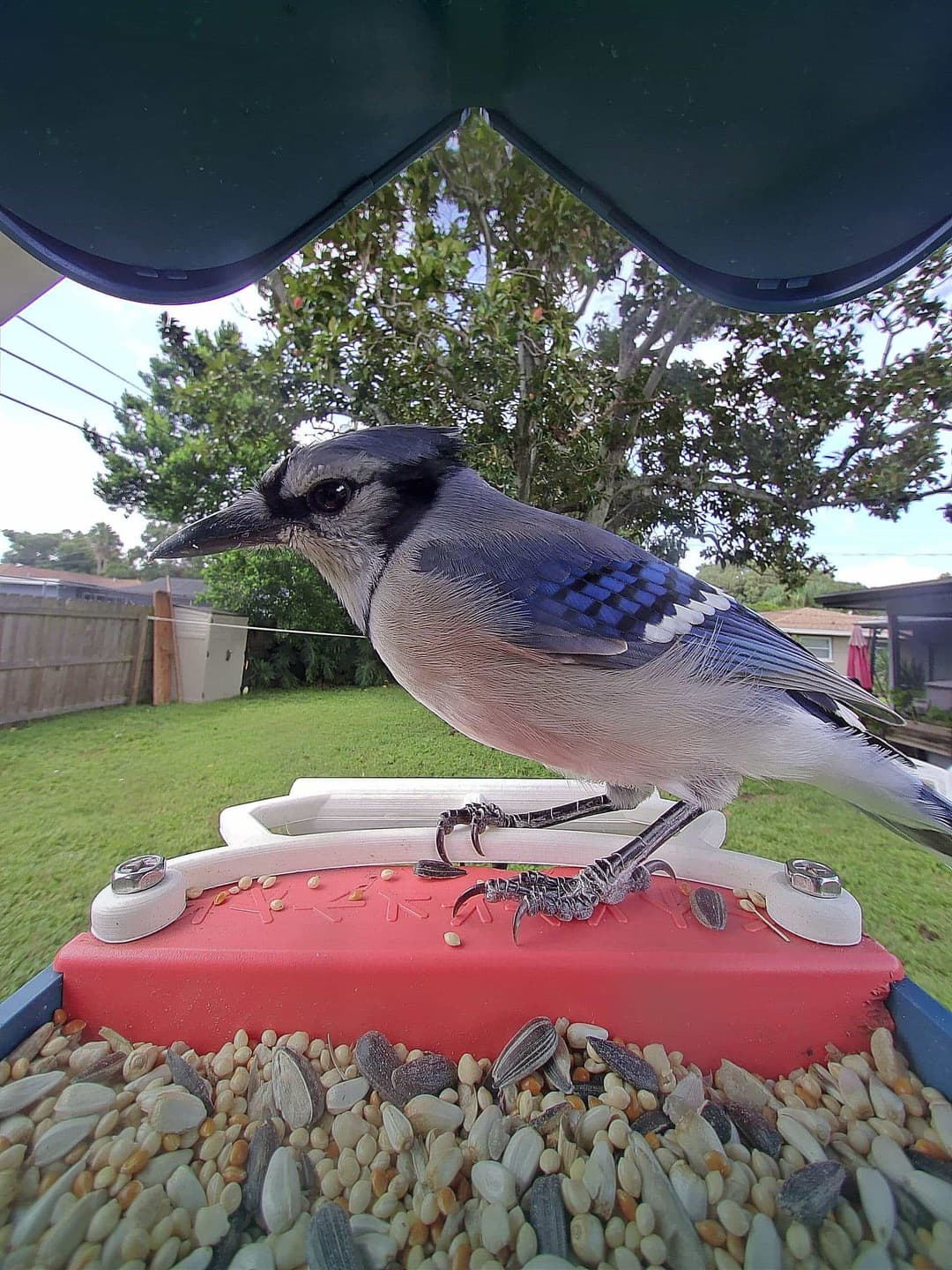
While both birds share a blue coloration, the Blue Jay features striking white chest and underparts, and black markings on the face. In contrast, the Azure Jay sports a more uniform deep blue coat and lacks black face accents.
Steller's Jay vs Azure Jay
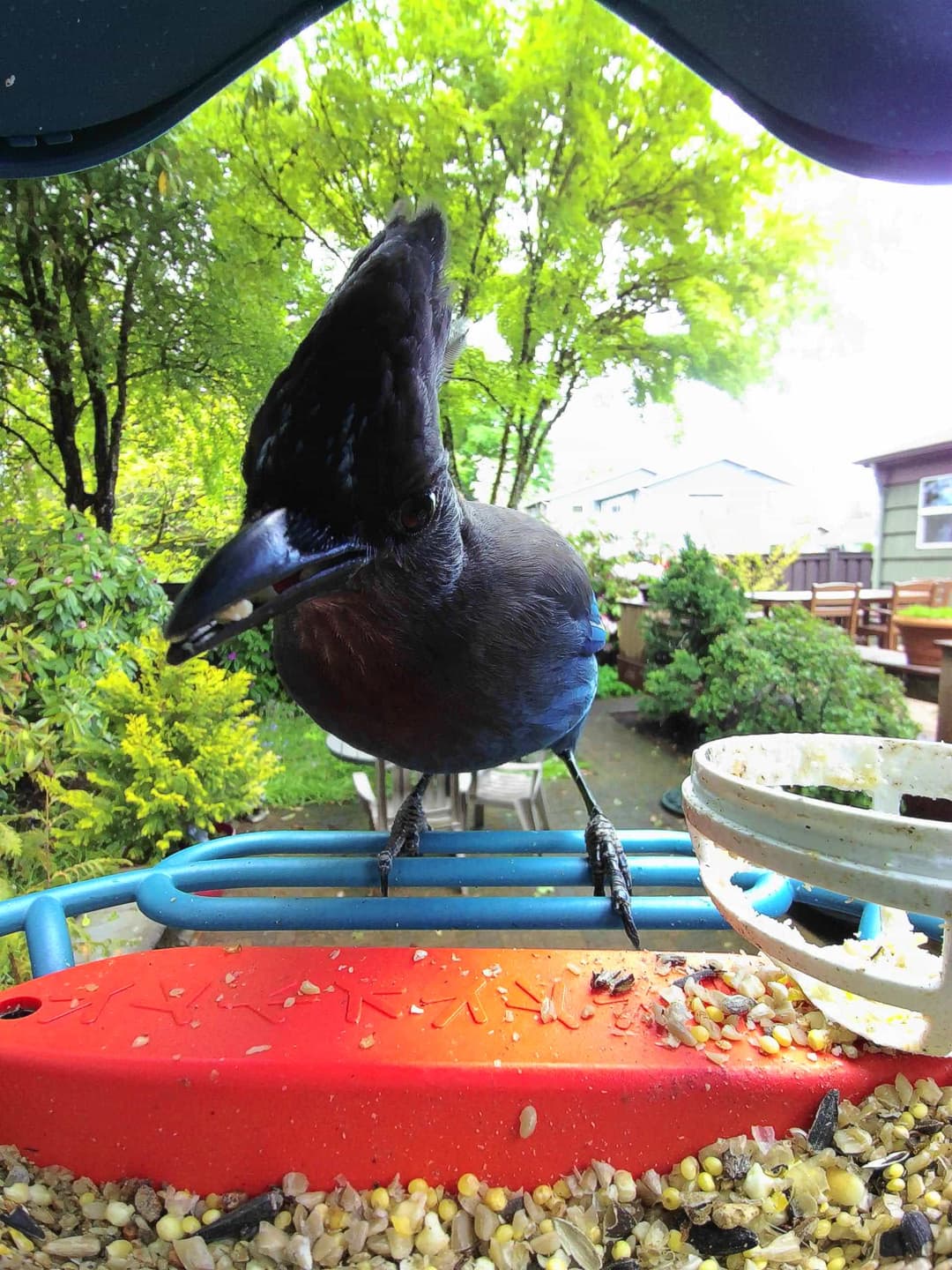
Steller's Jay has a crested head and black upper body, whereas the Azure Jay has a rich, uniform blue body without a crest. Habitat-wise, the Steller's Jay is often found in coniferous forests, whereas the Azure Jay frequents the Atlantic Forest.
Breeding and nesting habits of the azure jay
Mating Behaviors
Azure Jays engage in elaborate courtship displays characterized by vocalizations and mutual preening. During breeding season, these social birds form strong monogamous pairs. Males may perform aerial acrobatics to attract females, followed by synchronized movements to reinforce their bond. Breeding occurs seasonally, mainly in late winter to early spring.
Nesting Details
Nests are typically constructed high in trees or bushes, preferring dense forests, occasionally venturing into garden spaces. These birds use twigs, leaves, and soft plant fibers to build large, cup-shaped nests. Gardens with tall, mature trees and thick underbrush can attract them. To foster suitable habitats, maintain natural growth areas and provide diverse plant species for nesting materials.
Eggs and Chick-rearing
Females lay 2-4 eggs, which both parents incubate for around 17-20 days. Azure Jays demonstrate strong parental involvement, with feeding duties and protection shared equally. After hatching, chicks remain in the nest for 18-22 days, with parents continuing to feed and teach them to forage. This ensures their survival and integration into the flock post-fledging.
What does an azure jay like to eat?
Berries
Bird eggs
Carrion
Crustaceans
Fruits
Insects
Seeds
Spiders
Natural Diet
The Azure Jay is an omnivorous bird that thrives on a diet rich in both plant and animal components. In the wild, this bird predominantly feeds on various fruits such as figs, berries, and guavas, relishing their availability throughout the year. Seeds and nuts, particularly from Araucaria trees, form a substantial part of their diet, especially during autumn and winter months when these are abundant. Additionally, Azure Jays consume insects like beetles and caterpillars, snails, and occasionally small reptiles, providing a protein-rich supplement. These adaptable feeders also indulge in nectar sourced from flowering plants when available.
Bird Feeders
At bird feeders, Azure Jays demonstrate a broad dietary preference. They are inclined towards seed mixes containing sunflower seeds, peanuts, and cracked corn. Suet cakes with embedded fruit or nuts are particularly appealing, especially during colder months for their high-energy boost. They are drawn to platforms and ground feeders, as opposed to hanging feeders, due to their foraging habits. Providing dried or fresh fruits like apple slices and berries can encourage frequent visits, with walnuts and almonds serving as special treats. Ensuring a variety of options at feeders can entice these striking birds, making them regular visitors.
Build an ideal azure jay feeder station
The Azure Jay prefers open platform feeders or large hopper feeders with sturdy perches, making it easy for this medium-to-large bird to land and feed comfortably. Choose feeders made of durable materials like metal or wood to withstand their powerful beaks. Ensuring your feeder is stable will create a welcoming feeding spot.
Present a feast: azure jay's favorite foods
These birds are enchanted by a diverse diet, with a special fondness for Bird Buddy seeds, known for their premium quality. Supplement these with peanuts, acorns, or mealworms to cater to their varied tastes. Incorporate fruits such as apples or berries to provide a nutritious treat.
Strategically position your feeder for success
Place feeders 6 to 8 feet high near the cover of trees or bushes. The Azure Jay prefers areas where they can quickly retreat to safety if threatened. Ensure your feeders are visible from above, making them easy to spot when the jays fly by.
Seize each season with tailored techniques
During winter, provide high-fat offerings like suet or sunflower seeds to help Azure Jays maintain their energy levels. In spring, focus on foods that can help with nesting, like mealworms. Adjust your offerings as seasons change to support their dietary needs throughout the year.
Entice azure jays with exciting extras
Create a lush habitat by planting native bushes and trees like oaks or pines, serving as natural shelters and food sources. Incorporate a clean water source such as a shallow birdbath with a gentle fountain to mimic natural water movement, enticing Azure Jays to stick around in your backyard.
Where can you find azure jays?

Primary habitat
Azure Jays predominantly dwell in the humid subtropical forests of the Atlantic Forest region spanning southern Brazil, northeastern Argentina, and eastern Paraguay. They favor areas with dense canopy cover and access to open clearings for foraging purposes.
Additional range
Apart from their primary habitat, Azure Jays may also adapt to secondary forests, edge habitats, and agricultural landscapes, particularly in regions where deforestation has occurred. They manifest resilience by exploiting degraded areas and adapting to novel environments, showcasing their versatile foraging behavior.
Do they migrate?
The Azure Jay (Cyanocorax caeruleus) is a bird species primarily found in the Atlantic Forest of southern Brazil, with small populations in northeastern Argentina and eastern Paraguay. Unlike many other bird species, the Azure Jay does not migrate. It is known for being a resident species, meaning it stays within its habitat range throughout the year. The bird’s non-migratory behavior is largely due to the consistent climate and abundant food resources in its native forest environment. The Atlantic Forest provides a rich supply of fruits, seeds, and small insects year-round, eliminating the need for seasonal migration in search of food. This stable food availability and relatively mild climate conditions support their sedentary lifestyle. Azure Jays are social and often form small groups, which helps in foraging and territorial defense. Their strong social bonds and group dynamics may further discourage migration, as staying within a familiar territory allows them to maintain established social structures. Thus, the Azure Jay remains within its accustomed range throughout the year, adapting to seasonal changes in food availability without the necessity for long-distance travel.
What is the role of azure jays in nature and how to protect them?
Conservation status
The Azure Jay is currently classified as Near Threatened. It is relatively common within its limited range in the Atlantic Forest in Brazil, but its population is declining due to habitat loss and fragmentation caused by deforestation and agricultural expansion. Conservation efforts focus on preserving and restoring its habitat through protected areas and reforestation projects. Educational campaigns are also in place to raise awareness of its status and promote sustainable land use practices. Key threats include continued deforestation, urban development, and illegal pet trade. Efforts to monitor population trends and strengthen legal protections are crucial for its conservation.
Ecological role of azure jays
Its role in the ecosystem
The Azure Jay (Cyanocorax caeruleus) plays a vital ecological role within its natural habitat. As an omnivorous bird, it contributes significantly to pest control by consuming a diverse range of insects and smaller arthropods. This activity helps in maintaining the balance of insect populations and prevents potential outbreaks that could harm plants and agriculture. Moreover, the Azure Jay is an important agent for seed dispersal. These birds feed on various fruits and nuts, and through their foraging behavior, they inadvertently assist in transporting seeds across the forest floor. Such behavior promotes plant propagation and facilitates genetic diversity among plant species, which is crucial for the sustainability of forest ecosystems. While the Azure Jay might not directly engage in pollination, its foraging can lead to incidental contacts that may support the pollination processes of some plants. Additionally, as part of the food chain, Azure Jays contribute to nutrient cycling. As they feed and decompose organic matter, they enhance soil fertility and facilitate the growth of vegetation. The Azure Jay also engages in various interactions with other species, providing both competition and mutualistic relations within the ecosystem, thereby promoting biodiversity and ecosystem resilience.
How to help protect azure jays
Preservation tips
Habitat preservation strategies
Conserving the forests of southern Brazil, where the Azure Jay resides, is vital. Efforts should focus on supporting local conservation groups working on reforestation and sustainable forestry practices. Encouraging governments and private entities to establish and maintain protected areas is crucial. Campaign to lobby for stricter regulations against deforestation and promote land use policies that favor ecological conservation. Supporting eco-friendly agricultural practices will mitigate habitat fragmentation, preserving the Azure Jay's home.
Community science initiatives
Individuals and communities can participate in bird monitoring projects, gathering data to aid conservation efforts. Programs like citizen science apps help track Azure Jay populations and their movements. Educational outreach can raise awareness of the species' ecological importance. Schools and local groups can organize birdwatching events to foster appreciation for the Azure Jay. Collaborative efforts with scientists can amplify research efforts, creating a comprehensive understanding of the species’ needs. Volunteers can also assist in local tree planting activities to help restore their habitat.