Chestnut-Breasted Munia or Zebra Finch?
Here's how to tell the difference
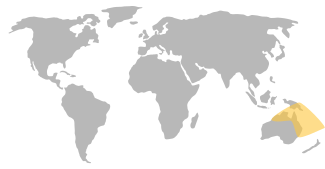



Chestnut-Breasted Munia

Zebra Finch
Chestnut-Breasted Munia
Lonchura castaneothorax
Also known as: Chestnut-Breasted Mannikin, Bully Bird
General appearance
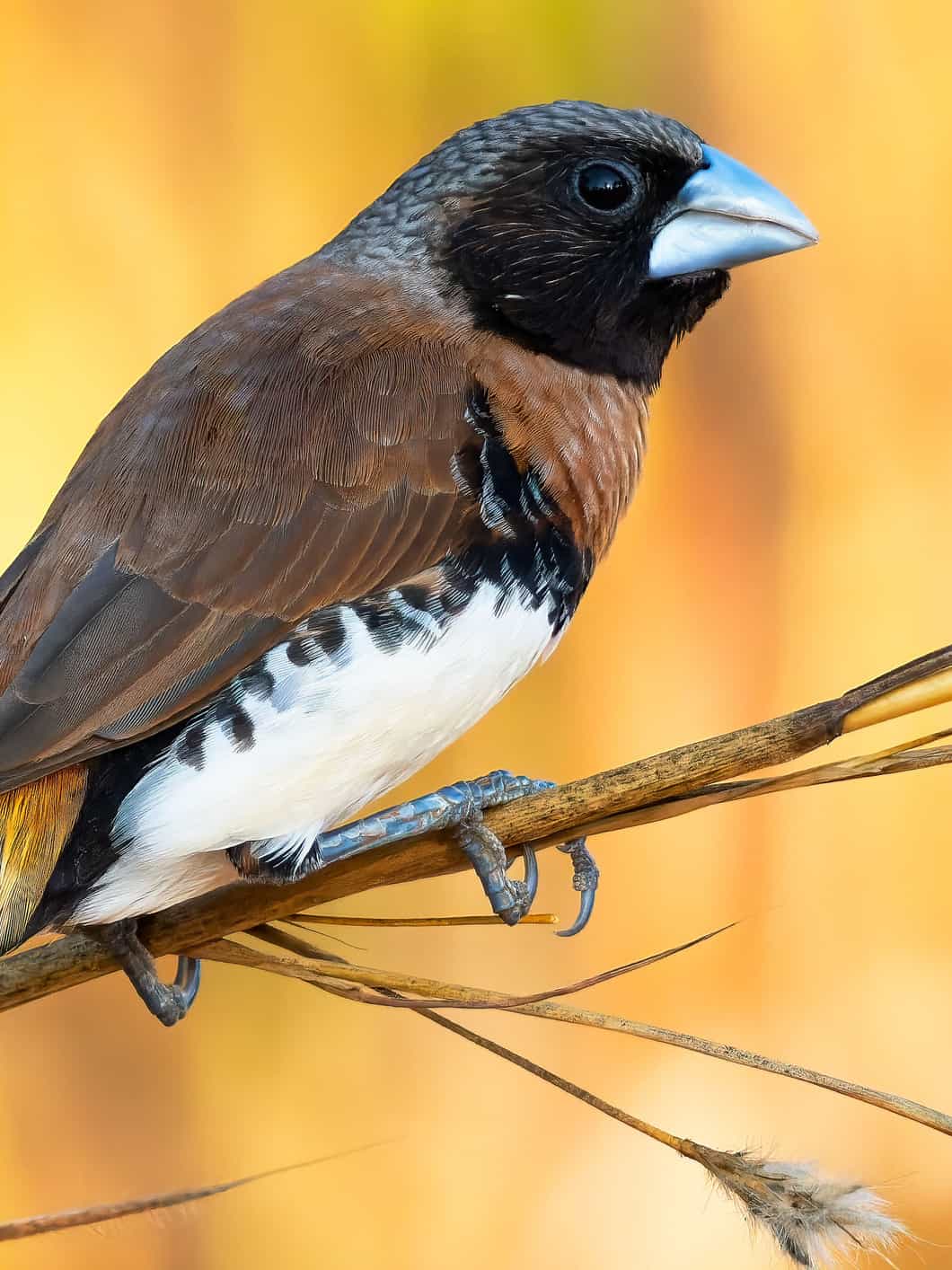
The chestnut-breasted munia is a small, finch-like bird roughly 11-12 cm long. It has a distinctive chestnut-colored breast and belly, contrasting sharply with its black head, tail, and back. Wings are brown and streaked subtly. The beak is blue-gray which adds to its distinctive appearance.
Male vs female
Both males and females display similar physical traits and coloration, making them nearly indistinguishable by appearance alone. Both sexes display the chestnut breast and black back and head. Females may have slightly less vibrant coloration but this is typically difficult to discern in the wild.
Juvenile
The juvenile chestnut-breasted munia has a distinctive appearance differing from adults. They are overall duller, with a pale brown body, grey-brown head, and a paler bill. The chestnut breast and vibrant black and brown coloration doesn't appear until they mature.
Size
3.9 - 4.3 in/0.4 - 0.5 oz
There's more to learn about Chestnut-Breasted Munia
View full detailsZebra Finch
Taeniopygia guttata
General appearance
Zebra finches are small birds with strong beaks, measuring approximately 10 cm long. They have distinct white and gray coloration, with vivid black striping resembling a zebra's stripes and a red-orange beak, which matches their legs and feet in color.
Male vs female
Male zebra finches are more vibrant than females. They feature chestnut colored cheeks, a bright red beak, and distinct black and white striping or 'zebra stripes' on their throat and chest. On the other hand, females are predominantly gray without stripes on the chest or cheeks.
Juvenile
Juvenile zebra finches share a similar look to adult females due to their predominantly gray color. After birth, they have a black beak that turns to red-orange as they mature. The unique black and white striping pattern develops later on male juveniles.
Size
3.9 - 4.3 in/0.3 - 0.6 oz
There's more to learn about Zebra Finch
View full detailsHow to tell the Chestnut-Breasted Munia from the Zebra Finch
Visual differences
The Chestnut-Breasted Munia is slightly larger, at around 4.3-4.7 inches, with a distinguishing chestnut breast and a black head and back. It has a blue-gray beak contrasting its black plumage. The Zebra Finch, at about 4 inches, features a white-gray body with black "zebra" stripes, and a vibrant red-orange beak and legs. Males have chestnut cheeks and distinct striping, while females are mostly gray. Juvenile Zebra Finches have a black beak, which transitions to red-orange as they age, helping differentiate young Zebra Finches from Munias.
Key differences and behavior
The Chestnut-Breasted Munia and Zebra Finch exhibit notable behavioral and ecological differences. Munias, known for their elaborate courtship dances, prefer tropical grasslands and wetlands but can adapt to cultivated fields. Zebra Finches, however, thrive in arid Australian regions and can adapt to urban settings despite sound interference affecting their communication. Munias mainly consume grass seeds and insects during breeding, similar to Zebra Finches, which also favor grass seeds and insects for protein. Both species build grassy, feather-lined nests, but Munias utilize globe-shaped structures whereas Zebra Finches prefer shrubs or low trees. Munias engage in mutual preening during courtship, whereas Zebra Finch males prominently sing and showcase vibrant plumage to court females. Overall, the Munia's habitat adaptability contrasts with the Zebra Finch's resilience to arid conditions and their consistent vocal communication for parental cooperation.
Still not sure? Here are more lookalikes!
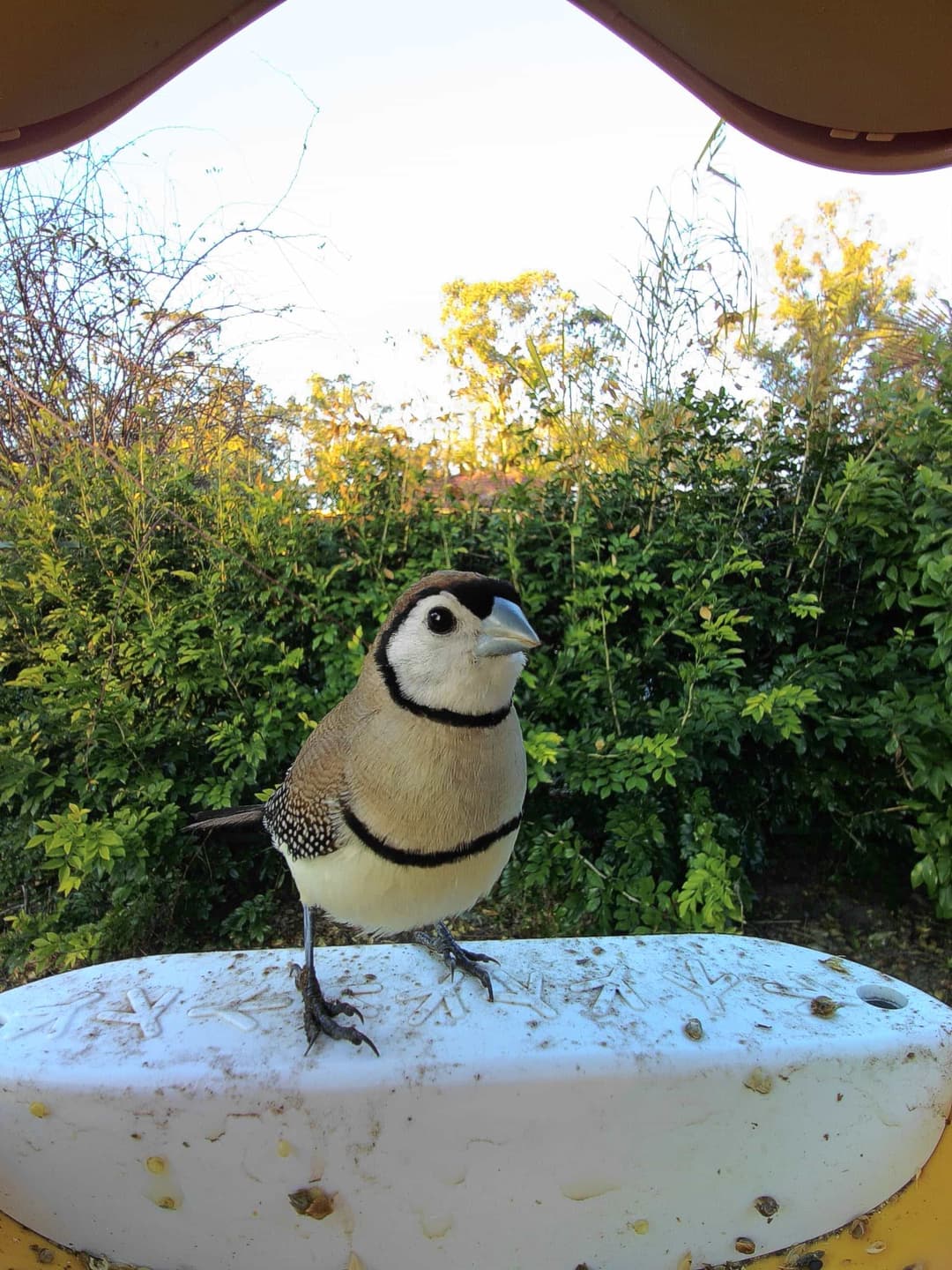
Chestnut-Breasted Munia vs Double-Barred Finch
Chestnut-Breasted Munia vs White-Rumped Munia
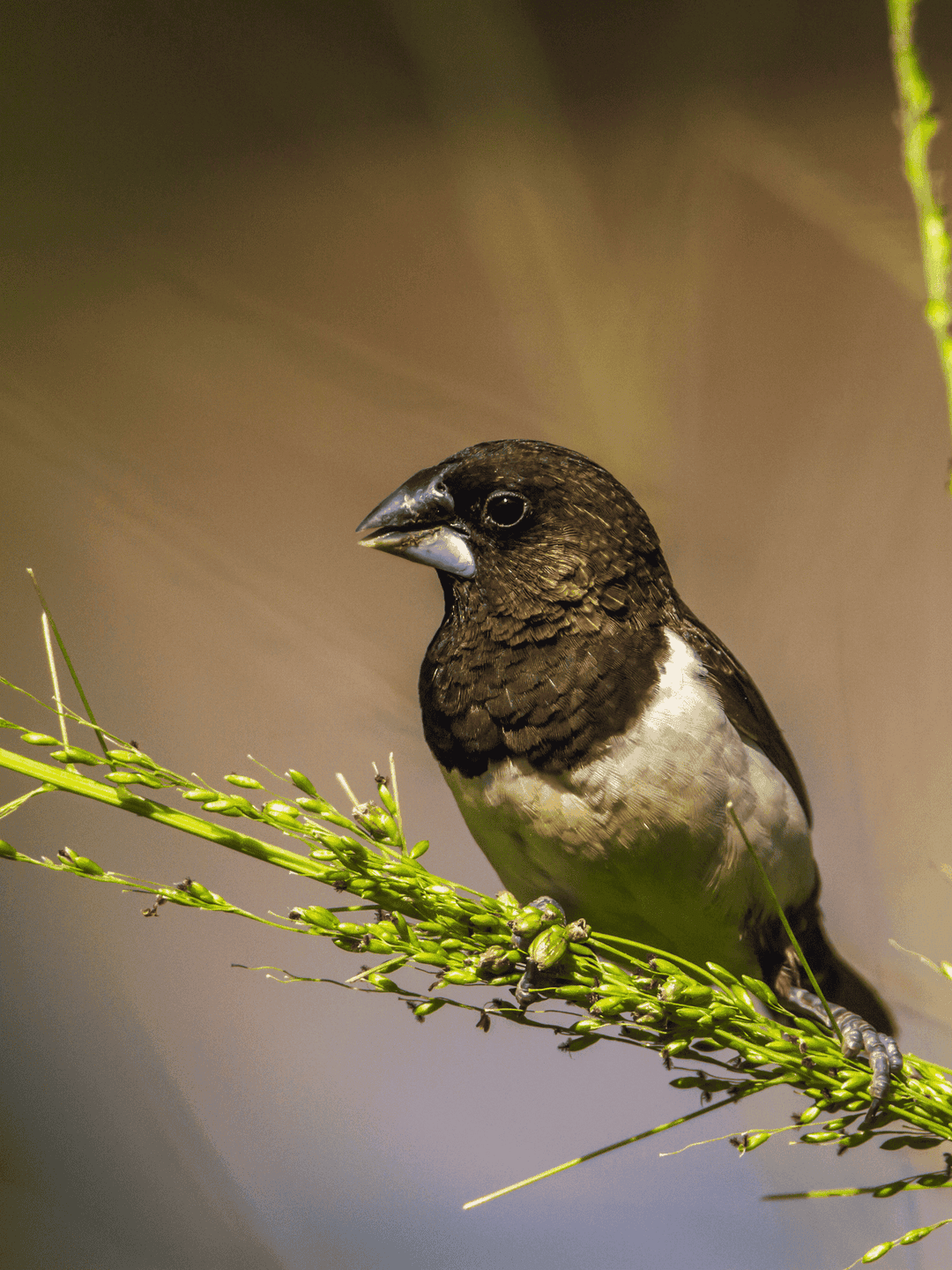
Chestnut-Breasted Munia vs Scaly-Breasted Munia
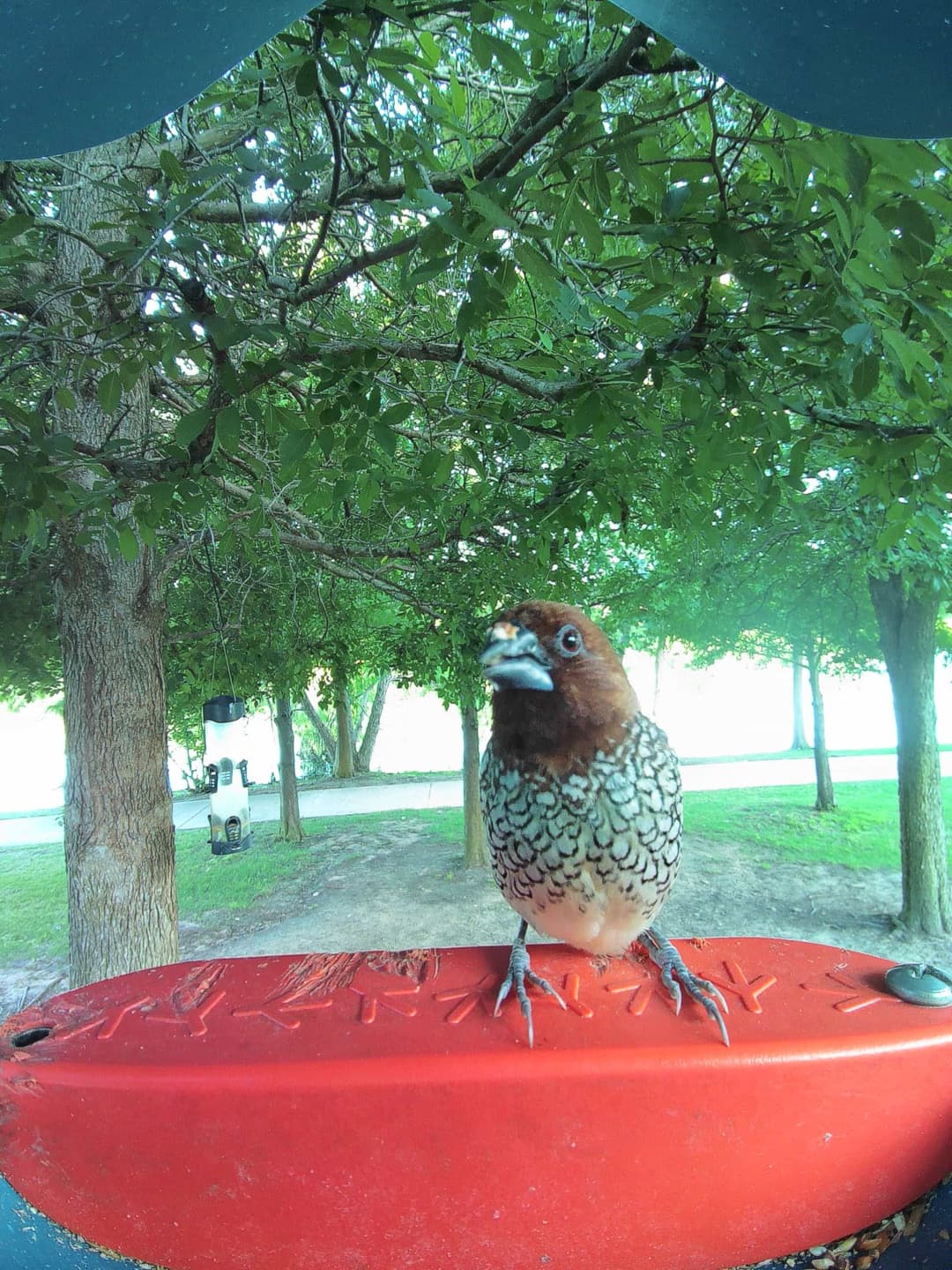
Zebra Finch vs House Finch

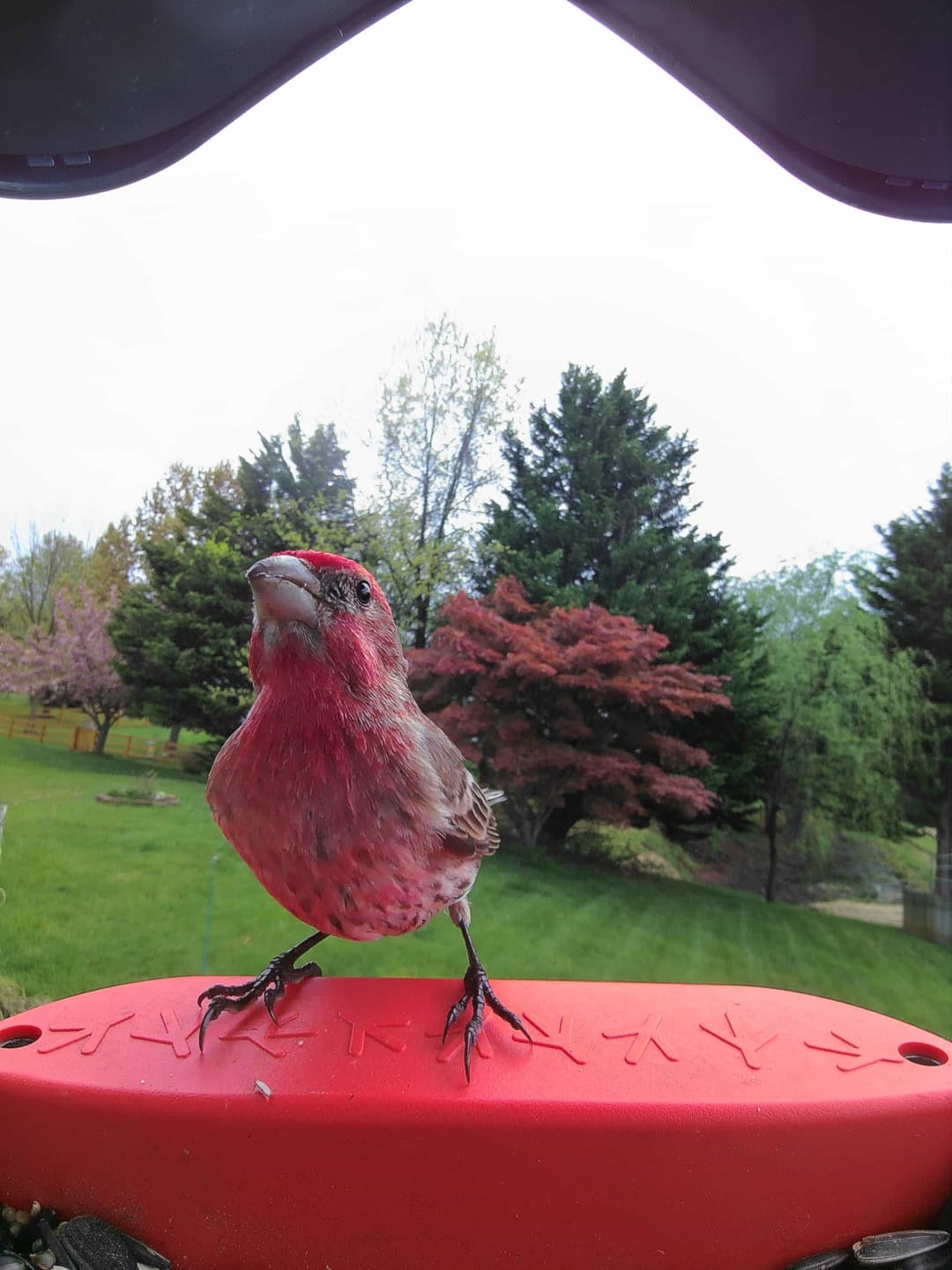
Zebra Finch vs Java Sparrow
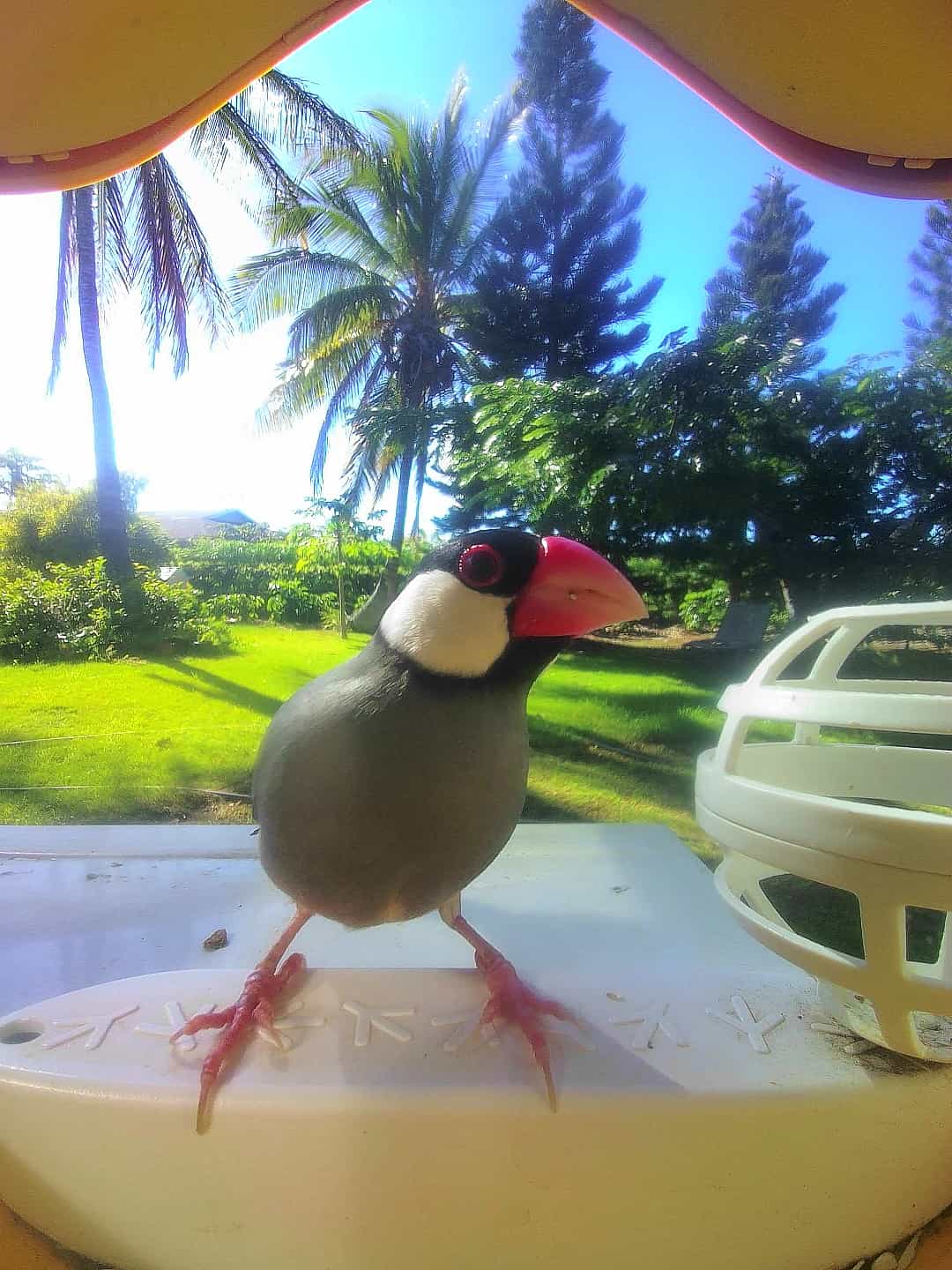
Zebra Finch vs Saffron Finch
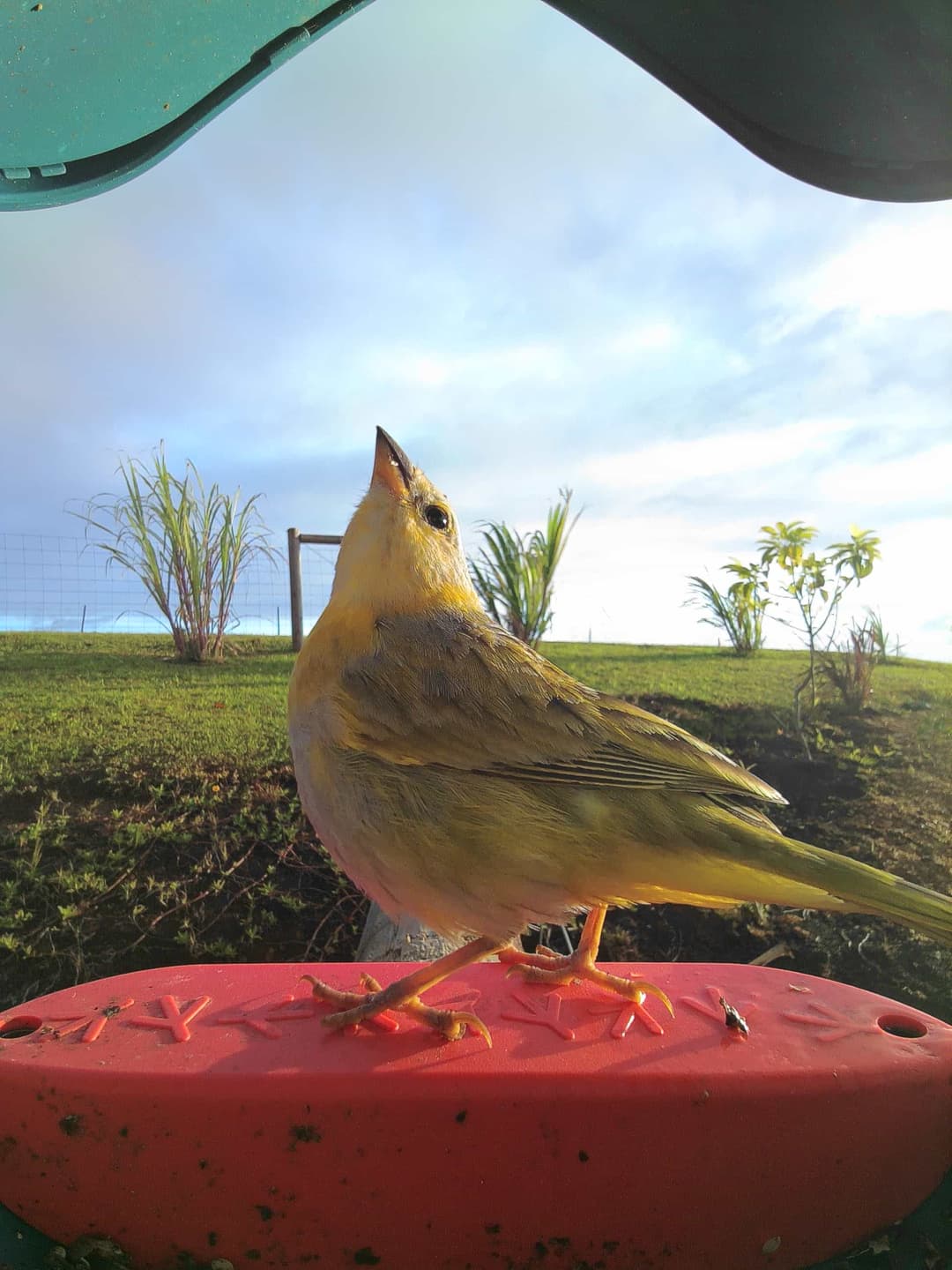
Chestnut-Breasted Munia vs [Select a bird]

[Select a bird]
Pick a bird to compare
Zebra Finch vs [Select a bird]
[Select a bird]
Pick a bird to compare