Australian Magpie or Yellow-Billed Magpie?
Here's how to tell the difference
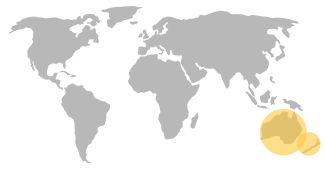



Australian Magpie
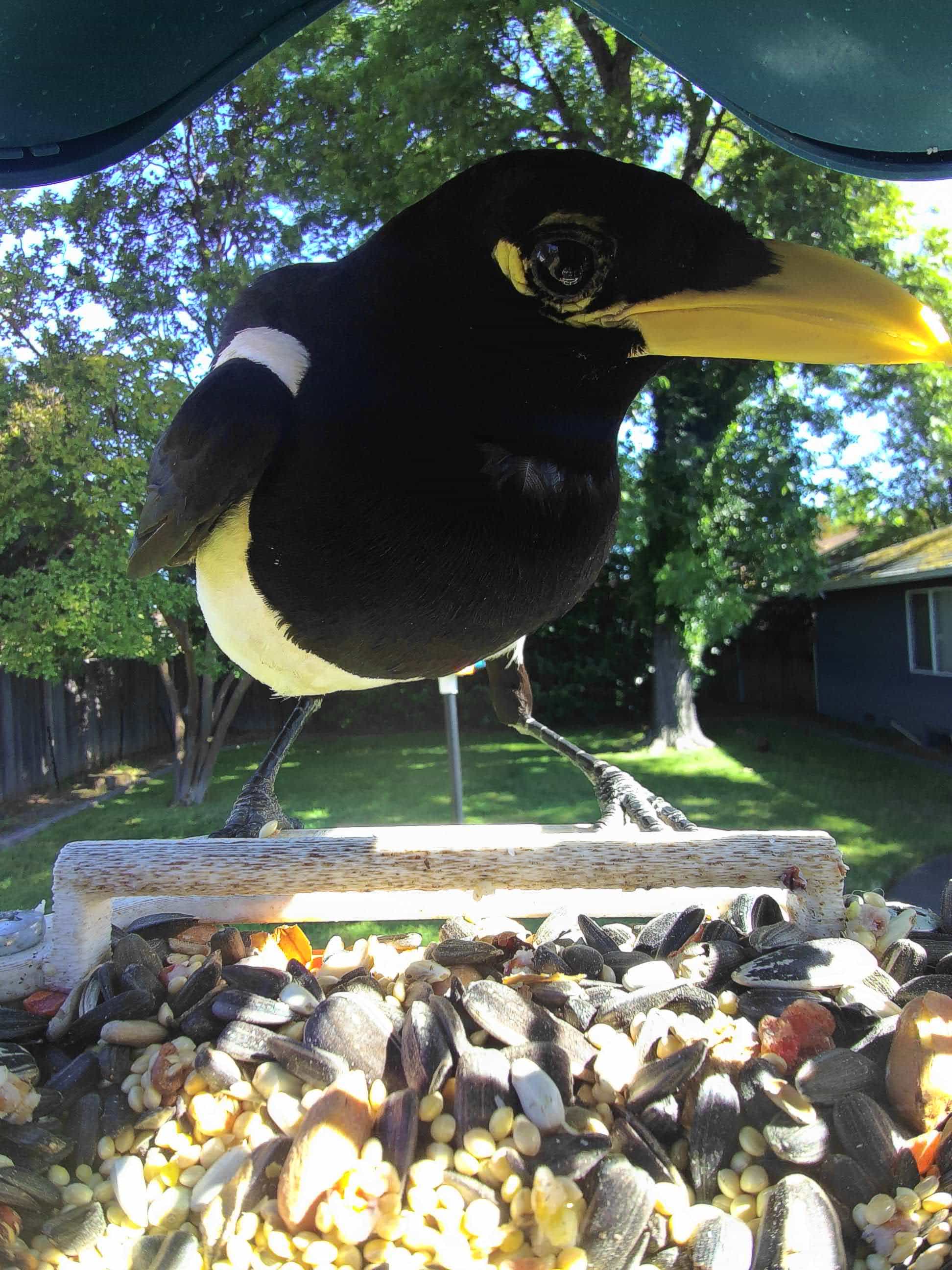


Yellow-Billed Magpie
Australian Magpie
Gymnorhina tibicen
General appearance
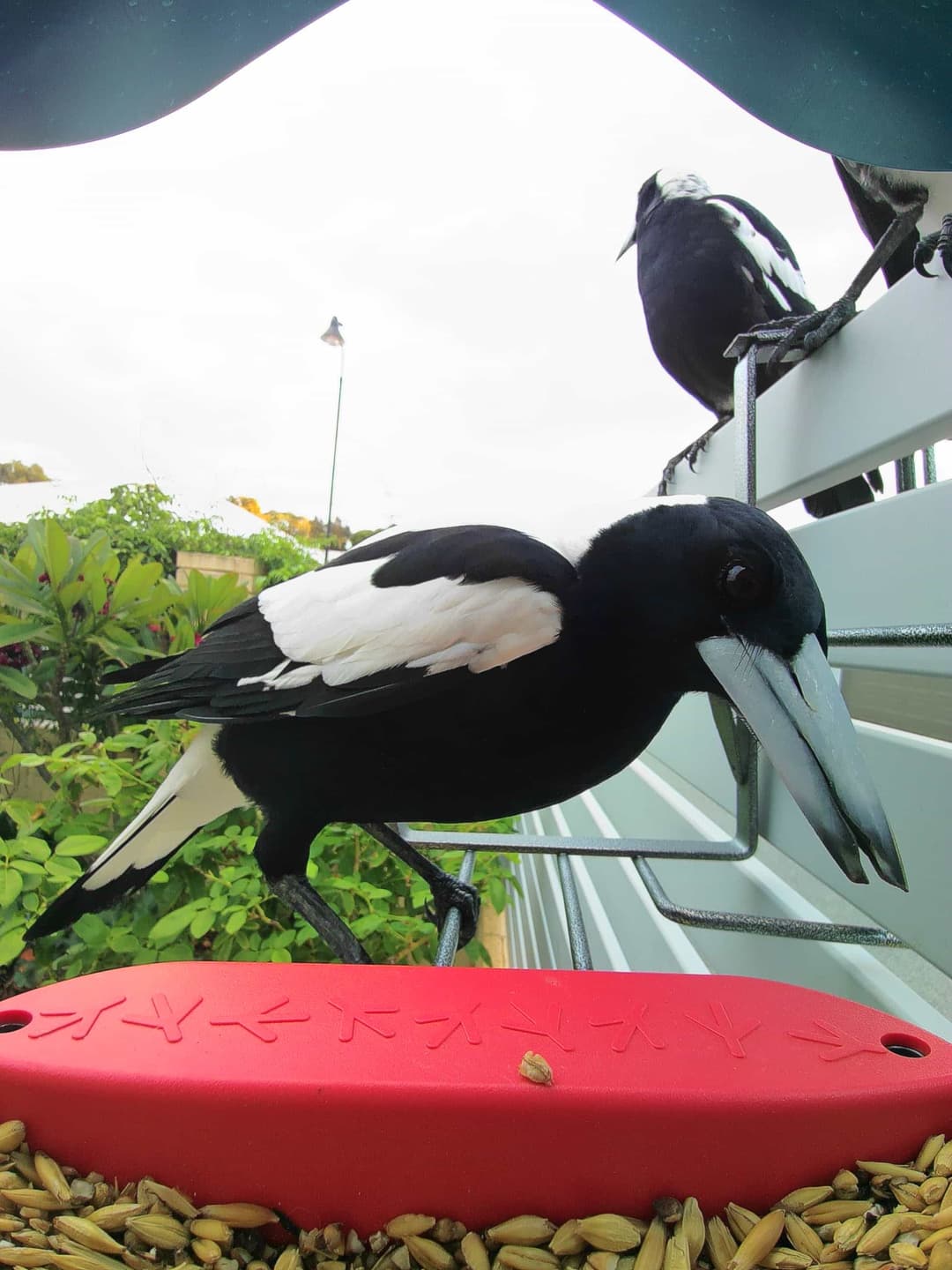
The Australian magpie is a medium-sized bird, generally characterized by its black and white plumage. The bird sports a strong, wedged-shaped beak and displays a slight but distinctive curve at the end. The legs are dark-grey, eyes are chestnut brown, and the feet are adapted for walking.
Male vs female
Males and females both exhibit black and white coloration, with males tending to be larger overall. However, discerning the sex based purely on physical appearance can be challenging. The most dependable differentiator is the white back of the male, as opposed to the female's scalloped greyish-white back. Additionally, male birds have a pure white iris, while female birds have a reddish-brown iris.
Juvenile
Juvenile Australian magpies can be identified by their greyish black bill, much lighter than the darker bill of adults. They also exhibit a fluffy appearance during their initial phase and their back feathers are dull and gray, unlike the glossy black feathers in adults. As the juveniles mature, the bill colour becomes darker before turning black.
Size
14.6 - 16.9 in/7.4 - 12.7 oz
There's more to learn about Australian Magpie
View full detailsYellow-Billed Magpie
Pica nuttalli
General appearance
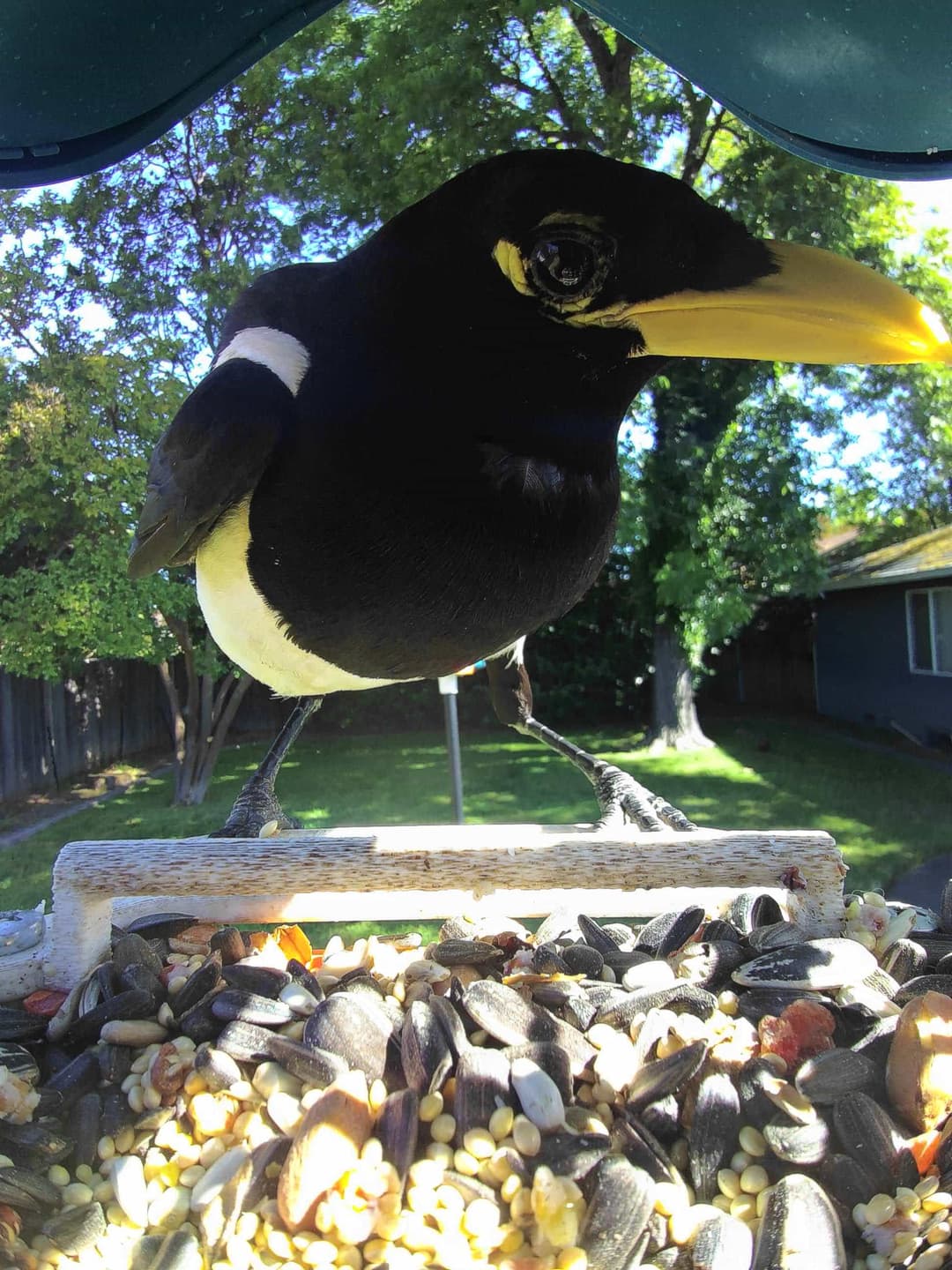
The Yellow-billed Magpie, standing between 16-18 inches (41-46 cm), is about the size of a Crow or Mallard. Colors are predominantly black, blue, green, white, and yellow. Most striking is the bright yellow bill and yellow skin near the eyes. It has a long, wedge-shaped tail, round and broad wings with finger-like extensions.
Male vs female
Both male and female yellow-billed magpies are similar in appearance, with no significant differences in size or coloration to easily distinguish them. Both sexes possess the distinctive yellow bill and surrounding yellow eye skin.
Juvenile
Juvenile Yellow-billed Magpies initially have less vibrant coloration than adults. Beak color gradually changes from initially dark to the characteristic bright yellow as the bird matures. They achieve their adult size and pigmentation at an early age.
Size
16.9 - 21.3 in/5.3 - 6.0 oz
There's more to learn about Yellow-Billed Magpie
View full detailsHow to tell the Australian Magpie from the Yellow-Billed Magpie
Visual differences
The Australian Magpie (14.6-16.9 inches, 7.4-12.7 oz) is smaller, characterized by black and white plumage and a strong, wedge-shaped black beak. Its eyes are chestnut brown. The Yellow-Billed Magpie (16-18 inches, 5.3-6.0 oz), larger, features a prominent bright yellow bill with surrounding yellow skin, and predominantly black, blue, and green plumage. Both species lack significant male/female visual differences. The Yellow-Billed Magpie's distinct yellow features are a key visual identifier compared to the Australian Magpie's monochrome coloring.
Key differences and behavior
The Australian Magpie and Yellow-Billed Magpie exhibit distinct behavioral and ecological differences. Australian Magpies, known for their exceptional singing and ability to recognize over 100 people, thrive in open habitats and urban areas. They form lasting pairs and show cooperative behavior during breeding, with bowl-shaped nests built high in trees. Their omnivorous diet includes insects and small vertebrates, supplemented by figs, grains, and occasionally human food. Conversely, Yellow-Billed Magpies are social, frequently found in oak savannas or river groves. They form long-term monogamous pairs and build dome-shaped nests in colonies. Their diet is also omnivorous, favoring insects and seeds. Courtship features more elaborate displays, with males engaging in aerial maneuvers. Observing their social nature and habitat preferences can help field identification.
Still not sure? Here are more lookalikes!
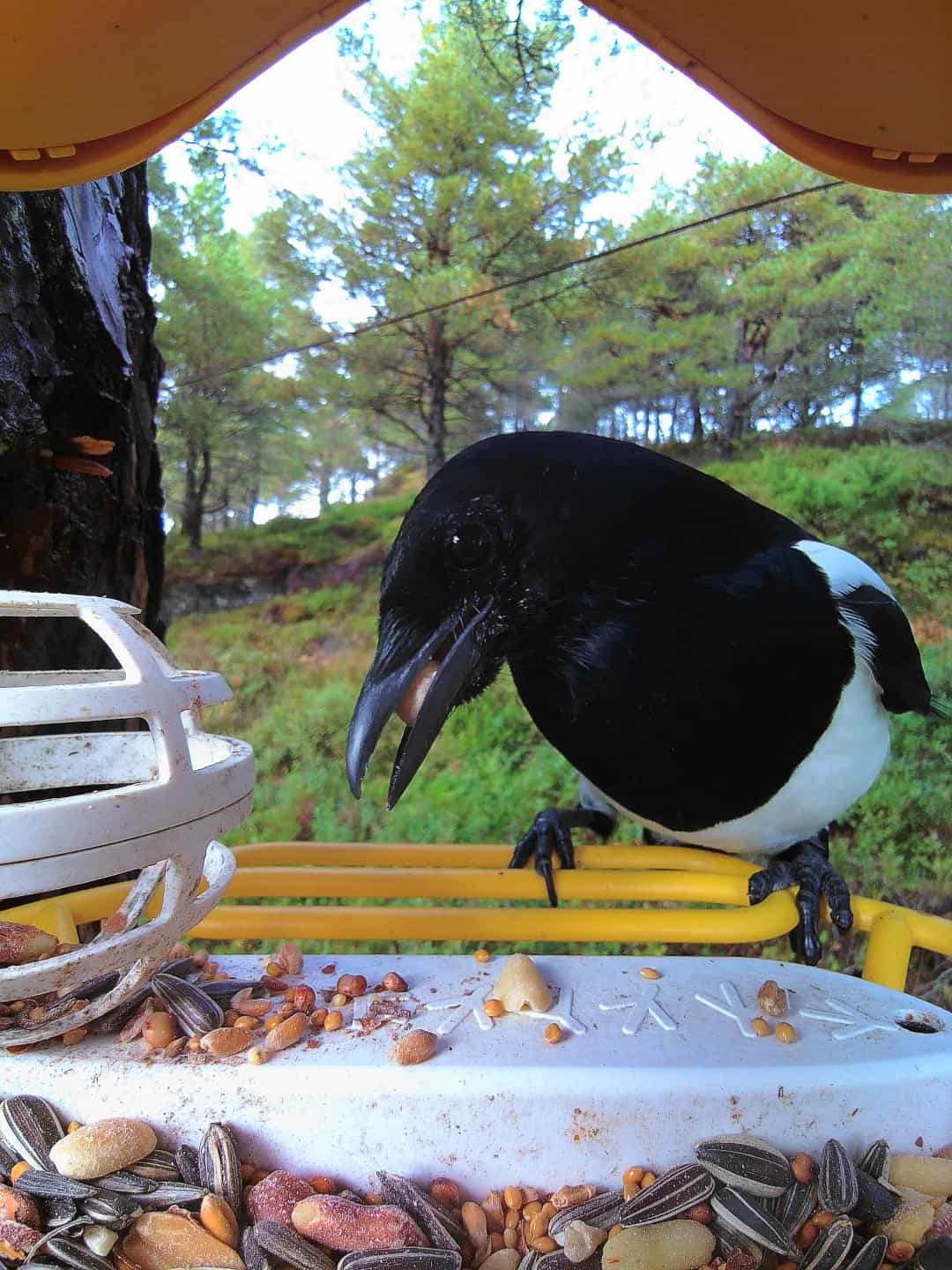
Australian Magpie vs Eurasian Magpie
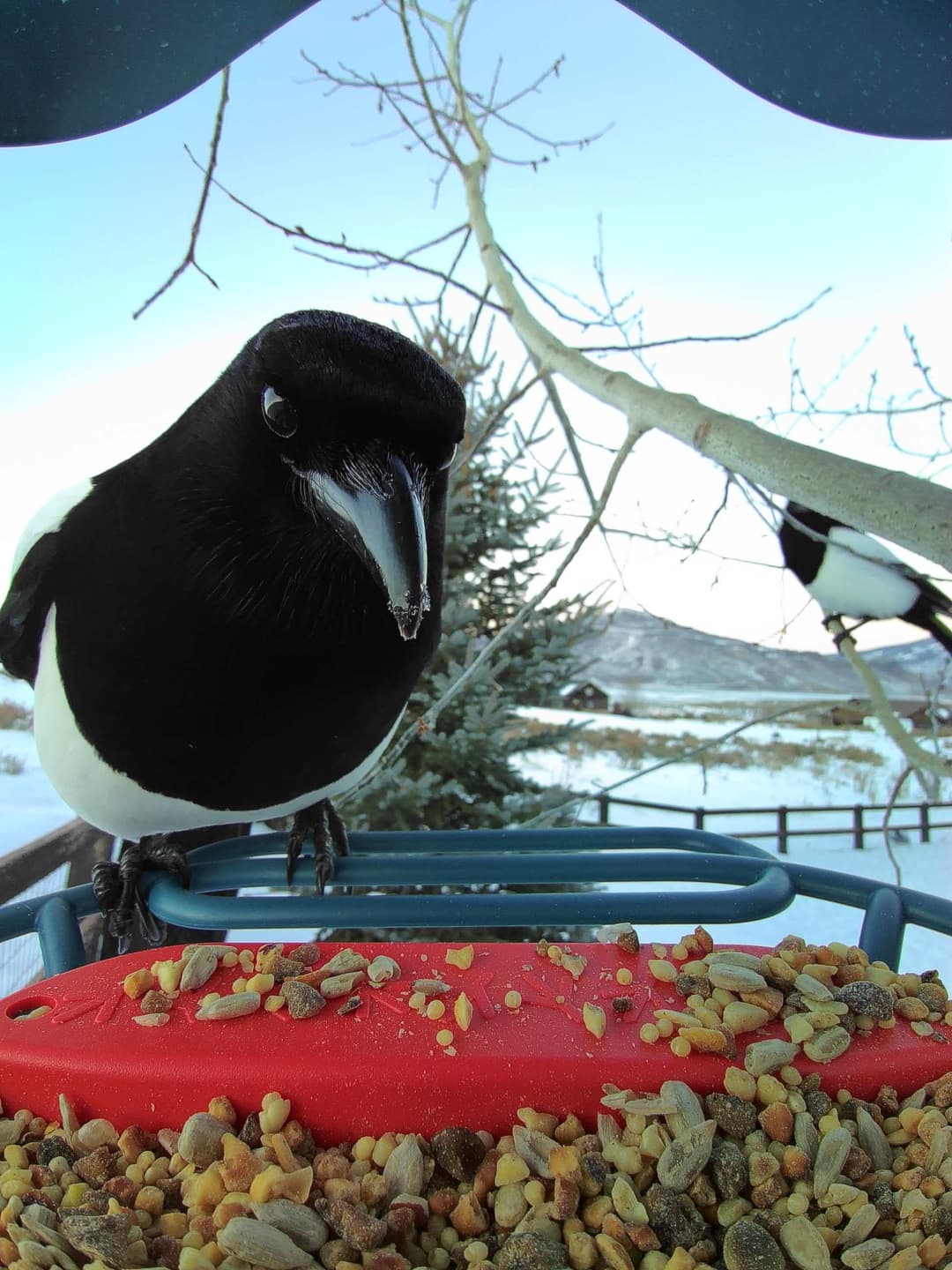
Yellow-Billed Magpie vs Black-Billed Magpie
Australian Magpie vs [Select a bird]

[Select a bird]
Pick a bird to compare
Yellow-Billed Magpie vs [Select a bird]
[Select a bird]
Pick a bird to compare