
Tennessee Warbler
Tennessee Warbler
Leiothlypis peregrina


Quick Identification guide
Quick Identification guide
- •
Features a slender, pointed beak perfect for foraging insects and nectar
- •
Primarily olive-green above with a whitish underside, subtly blending into leafy surroundings
- •
Notice the grayish crown and nape, providing a slight contrast to its greenish body
What does a Tennessee warbler sound like?
The Tennessee warbler possesses a unique vocalization, traditionally broken into three distinct parts. It often starts with a sharp, staccato "di-dit-di-dit" followed by a "swit-swit-swit" sound and concludes with a rapid "chip-chip-chip-chip-chip". Each segment progressively grows faster, culminating in the final flurry of 'chip' notes. The bird's calls encompass varied patterns, from flat singing to chirp or chip-like sounds, pleasant 'hi' notes to trilling songs and even whistles.


Description
Tennessee warblers are dainty little birds with thin bills that, ironically, don't actually breed in the state of Tennessee! They are known as "nectar thieves" becase they help themselves to a flower's nectar by piercing it at the base, but don't pollinate it! Did you know the female incubates the eggs, and the male feeds her throughout this period?
The Tennessee warbler can weigh between 7.5to12grams and be from10to13centimeters tall.
The typical lifespan of a Tennessee Warbler is around 11 years. This is relatively long compared to other warbler species. For instance, the average lifespan of a Yellow Warbler is about 10 years and a Black-throated Green Warbler typically lives around 7 years. The longer lifespan of the Tennessee Warbler may be partially due to its migratory habits and adaptability to different environments.
Did you know?
Most popular questions about Tennessee warbler
How to recognise a Tennessee warbler?
General appearance
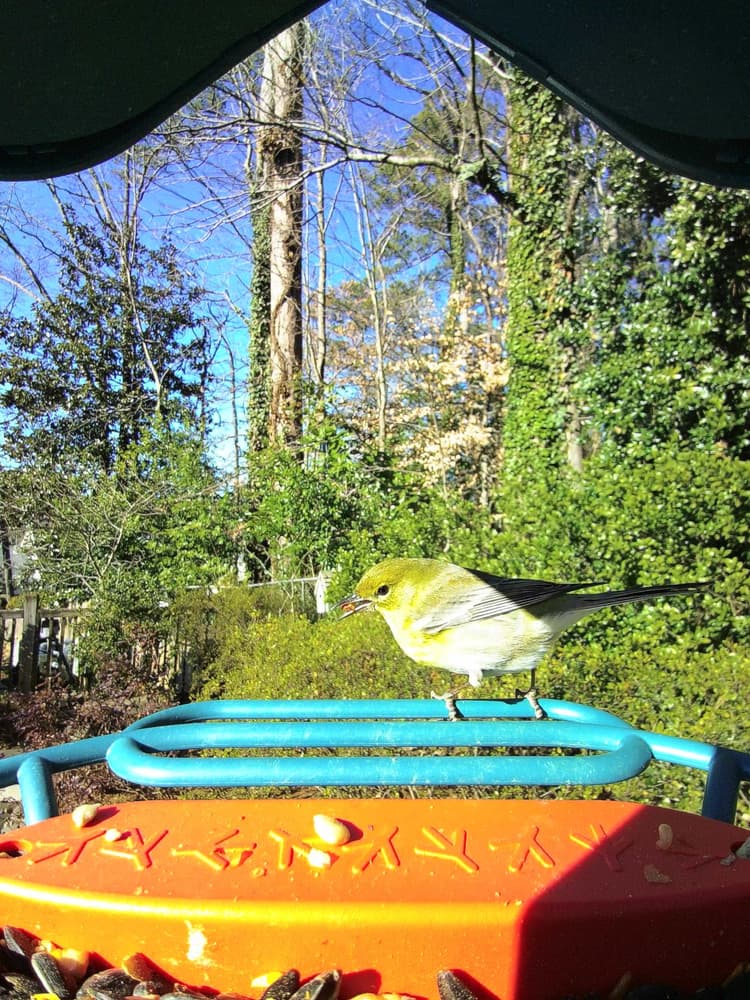
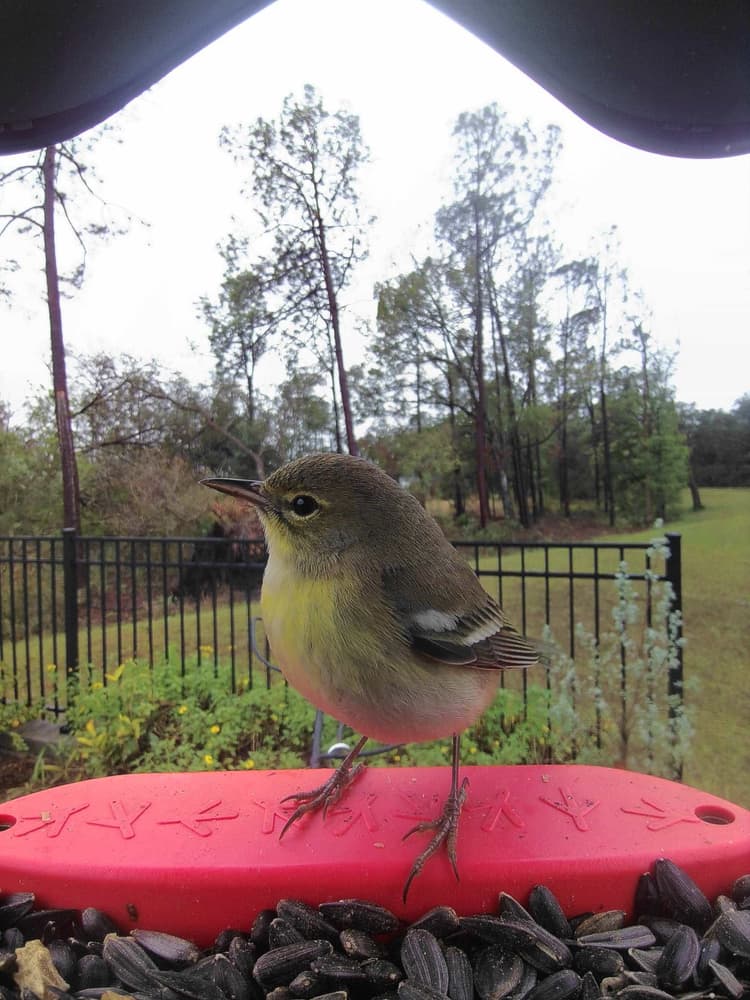
The Tennessee warbler (Leiothlypis peregrina) is a small songbird with a wingspan of about 8.5 inches. It features an olive-green back, gray to whitish underparts, and a pale eyebrow stripe. The wings are relatively plain with no wing bars. It has a sharp, short bill ideal for feeding on insects and nectar.
Male vs female
Males and females are visually similar, but males may exhibit slightly brighter olive-green coloration, especially during the breeding season. Both sexes display the characteristic pale eyebrow and lack distinct markings on their wings, making them challenging to differentiate.
Juvenile
Juvenile Tennessee warblers look similar to adults but tend to have a duller overall coloration. Their underparts may appear slightly buffy, and their plumage lacks the bright luster of adult birds. These differences lessen as the bird matures.
Often mistaken for
Orange-Crowned Warbler vs Tennessee Warbler
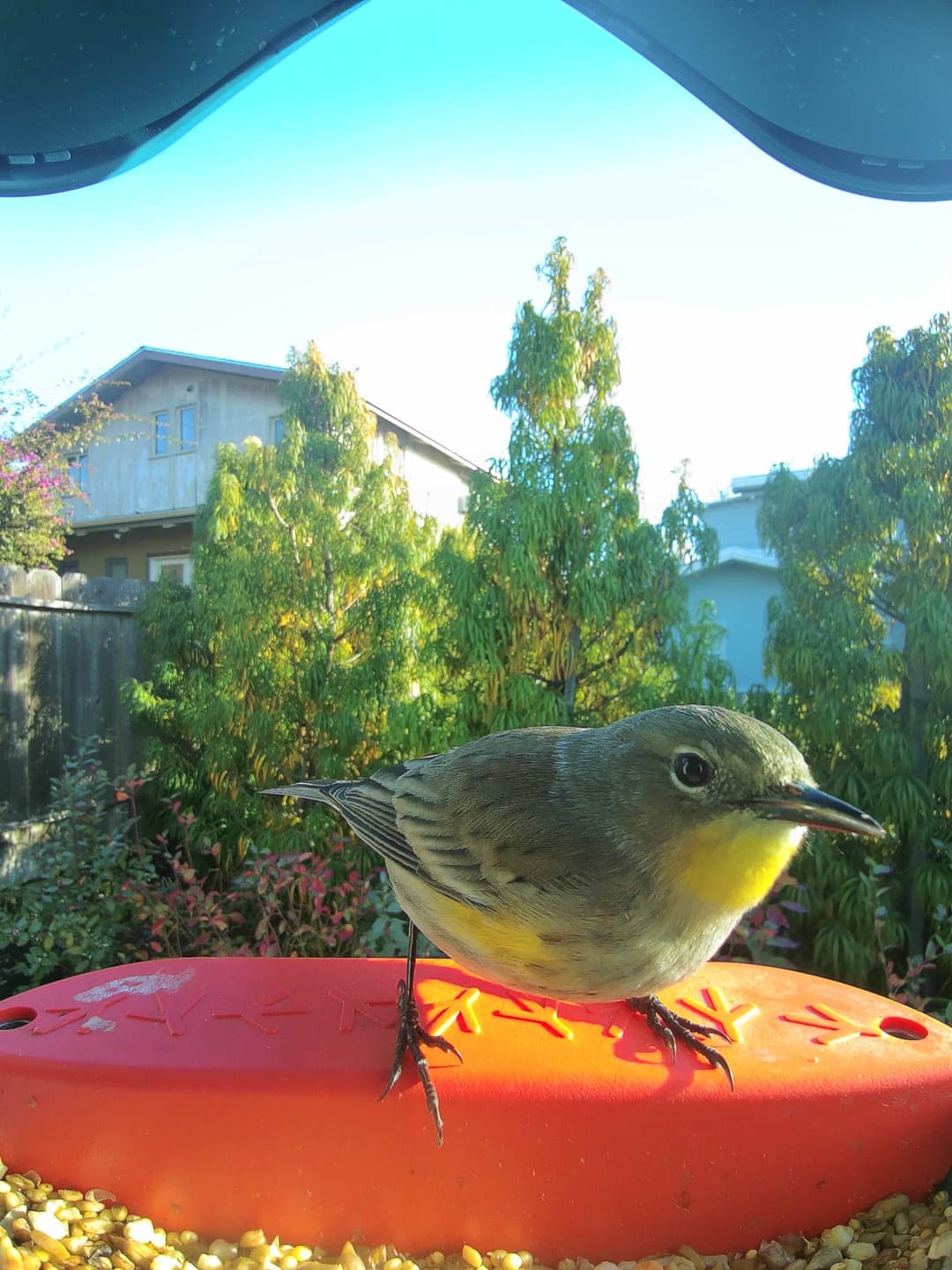
The Tennessee Warbler and Orange-Crowned Warbler may look similar, but the Tennessee Warbler is generally more compact with a thin, straight bill. Its plumage is mostly olive-green above and whitish below, while the Orange-Crowned Warbler usually exhibits a subtle orange crown patch and a more overall yellowish tone. The Tennessee lacks the distinct face markings seen on the Orange-Crowned, and its undertail coverts are usually white. Birdwatchers should also listen for the Tennessee's rapid trill song compared to the Orange-Crowned's more varied song.
Breeding and nesting habits of the Tennessee warbler
Mating behaviors
Tennessee warblers engage in courtship through songs and displays. Males sing to establish territory and attract females. Courtship involves fluttering flight displays.
Nesting details
Nests are typically built on the ground or low in bushes or shrubs. They are cup-shaped, constructed from grasses, bark strips, and moss. Nest sites are usually well concealed to protect from predators.
Eggs and chick-rearing
Females lay 3-5 eggs, which are incubated for about 11-12 days. Both parents feed the chicks, which fledge around 10-12 days post-hatching. Chicks are fed insects and caterpillars.
What does a Tennessee warbler like to eat?
Berries
Fruits
Insects
Nectar
Spiders
Natural diet
The Tennessee warbler primarily feeds on insects, with a preference for caterpillars, scale insects, aphids, beetles, flies, ants, leafhoppers, and spiders. During the summer, insects form the bulk of its diet. It also consumes nectar from catkins and juice from grapes. In the winter, while in tropical regions, its diet includes nectar, berries, and protein-rich structures produced by cecropia trees at the base of leaves.
Bird feeders
Typically, Tennessee warblers are not regular visitors to bird feeders. However, they might occasionally be attracted to feeders offering nectar or fruits suited to their preference for such natural food sources.
Provide optimal feeding options
Tennessee warblers are strongly attracted to a variety of seeds and insects. For best results, use Bird Buddy seeds, as they are selected by experts according to the season. Consider adding a platform or hanging feeder in your yard, as these birds enjoy the freedom to move around and pick their favourite snacks.
Create suitable habitat
These bird species prefer areas with abundant shrubbery and trees, particularly spruce or ash trees. Provide plenty of perching and nesting spots to encourage them to stay longer. Leafy, dense foliage is an ideal spot for them to feel safe and comfortable.
Provide clean water source
Always ensure a clean water source is available for drinking and bathing. A bird bath or even a shallow dish can serve the purpose. Consider adding a dripper or fountain to attract their attention.
Avoid use of pesticides
Avoid using pesticides in your garden, as these can reduce the insect population that Tennessee warblers feed on. Instead, opt for natural pest control methods, which will not only help to keep your yard pest-free but also ensure a steady food supply for these lovely birds.
Play calls and songs
Finally, playing recordings of Tennessee warbler songs and calls can attract these birds to your yard. This simple trick can make them feel at home and encourage them to drop by for a sing-along!
Where can you find Tennessee warblers?

Primary habitat
The Tennessee warbler's primary habitats are deciduous and mixed forests, especially balsam-tamarack bogs, aspen and pine woods, or edges of dense spruce forest. It nests near boggy ground depressions.
Additional range
During migrations, the warbler is found in groves and brush. In spring, it tends to be high up in trees, while during fall it can be found lower in saplings, brush, and weedy fields.
Do they migrate?
The Tennessee warbler is a migratory bird that typically follows a notable route as part of its seasonal movements. During the spring migration, Tennessee warblers travel north across the western part of the Gulf of Mexico. This movement is part of their journey from their wintering grounds in Central America and the northern part of South America to their breeding habitats across the boreal forests of Canada and the northern United States. In the fall, during their southward migration, these warblers can stray from their usual paths, showing up regularly along the Pacific Coast. Some of these birds may even spend the winter in these atypical locations. However, the majority continue on their typical route towards warmer southern regions to escape the harsher conditions of northern winters. Key locations during migration include areas along the Gulf of Mexico during spring, where they make their crossings, and the Pacific Coast in fall, where strays are frequently observed. These insights into their migratory behavior underscore their adaptability and the vast distances they cover annually in pursuit of favorable climates and resources.
What is the role of Tennessee warblers in nature and how to protect them?
Conservation status
The Tennessee warbler's population fluctuates in response to forest insect outbreaks, particularly the spruce budworm. Despite these fluctuations, the species is generally considered to have a healthy overall population. As a result, it is not classified as vulnerable or endangered, suggesting they are relatively common. Key conservation efforts are not specified, and significant threats appear to be natural population changes linked to insect availability rather than human-driven factors. Conservation measures likely focus on maintaining healthy forest ecosystems to support their habitat needs.
Ecological role of Tennessee warblers
Its role in the ecosystem
The Tennessee Warbler plays a vital role in the ecosystem through its feeding habits. Primarily an insectivore, it helps to control populations of pests such as caterpillars, scale insects, aphids, beetles, flies, ants, leafhoppers, and others, reducing the need for chemical pesticides and assisting in maintaining plant health. Particularly during outbreaks of spruce budworm, the bird presents as a significant biological control agent. The warbler supports seed dispersal by consuming berries and therefore transporting their seeds to new areas in its droppings, aiding plant reproduction and the diversification of vegetation. Its winter feeding on the protein-rich structures from cecropia trees aids in the nutrient cycling within the ecosystem. Additionally, with its nesting habits typically located in wet areas or steep hillsides, it is indicative of the environmental health of these particular habitats.
How to help protect Tennessee warblers
Preservation tips
Habitat preservation strategies
Preserve habitats critical to the Tennessee Warbler by avoiding irresponsible development and land use. Implement land management practices that promote a biodiverse and balanced ecosystem. Protect and sustain Tennessee Warbler’s primary food sources like spruce budworms by preserving conifer forests. Advocate for the reduction of pesticide use, which can pose threats to the bird's food sources.
Community science initiatives
Engage and collaborate with community members to participate in bird counting initiatives such as the annual Christmas Bird Count or the Great Backyard Bird Count. Promote citizen science programs like eBird, where individuals can report Tennessee Warbler sightings. These efforts help track their population trends and impacts from environmental changes. Encourage educational programs in schools and communities to raise awareness about the importance of bird conservation.