
Francolin
Francolin
Pternistis, Scleroptila, Francolinus
Quick Identification guide
Quick Identification guide
- •
Typically plump and robust, with a short, rounded body suitable for ground dwelling
- •
Features short, rounded wings and a distinctive barred or streaked pattern on brown or gray plumage
- •
Possesses a red or orange bill, which is stout and slightly curved, matching their sturdy frame
Description
What a weird-looking chicken! Nope, just a francolin that joined the gang and is happily pecking away at the chicken feed. These large birds can get pretty used to humans, leading to visits like the one just described. If they get spooked, they will usually opt to run away rather than fly! Did you know that sometimes two females will share the same nest?
The francolin can weigh between 210to1590grams and be from25to43centimeters tall.
Francolins typically have a lifespan of approximately 8 to 12 years. This is comparable to related game bird species such as grouses or quails which usually live for around 5 to 15 years in the wild. Their lifespan can significantly decrease due to predation and habitat loss.
Did you know?
Most popular questions about francolin
How to recognise a francolin?
General appearance
Francolins are known for their plump bodies, short tails, and strong, short legs. Adult birds often have a distinctive pattern of dark brown, black, and white feathers on the body, with a darker or more solid color on the head. They also have a hooked beak perfect for their omnivorous diet.
Male vs female
Male francolins are usually slightly larger and more brightly colored than females. In addition, males usually have spur on their legs which females lack. Also, their faces could have bolder patterns and may bear more red or orange around the neck compared to females.
Juvenile
Juvenile francolins tend to have a more muted coloration than adults, often appearing a dull brown. Their body feathers may exhibit less contrast and pattern in the plumage, and their beak and legs might not have developed fully. Also, young birds lack the leg spurs seen in adults, particularly the males.
Often mistaken for
Gray Francolin vs Francolin
Gray Francolins are similar to the regular Francolin but can be distinguished by their overall grayish-brown plumage and the lack of the more pronounced streaking seen in some other Francolin species.

Breeding and nesting habits of the francolin
Mating behaviors
Francolins exhibit elaborate courtship rituals, including vocal calls and display behaviors such as wing flapping and tail fanning to attract mates.
Nesting details
Francolins typically nest on the ground, favoring concealed locations among grasses or shrubs. They construct simple scrapes lined with grass and leaves. They may also nest in gardens, where dense shrubs and tall grass provide ideal coverage.
Eggs and chick-rearing
Francolins lay 4-8 eggs, with both parents involved in incubation. Chicks are precocial, leaving the nest shortly after hatching. Parents lead chicks to food sources and provide protection. Encouraging garden nesting involves leaving areas unmown, and providing natural ground cover for concealment.
What does a francolin like to eat?
Berries
Crustaceans
Flowers
Fruits
Insects
Plants
Seeds
Small animals
Snails
Spiders
Worms
Natural diet
Francolins, primarily found in Africa, forage on the ground and their natural diet includes seeds, insects, and small invertebrates. They may consume grasses, leaves, and fruits to supplement their protein intake from insects like beetles and ants.
Bird feeders
Although francolins do not commonly visit bird feeders, when they do, they might consume grains such as millet, cracked corn, and sunflower seeds. They may occasionally pick up other food items like bread crumbs or commercial game bird feed if available.
Inviting the francolin to your yard
Francolins are beautiful birds that are relatively easy to attract. They are ground feeders so rather than a hanging feeder, consider a platform feeder. Place the feeder in a quiet and safe place near shrubs or cover so that they can feel secure. It's a good idea to place some natural perches like fallen branches around the area for the birds to rest and survey the area.
Favorite snacks for francolin
These birds are omnivorous and their diet includes insects, seeds and greens. Bird Buddy seeds are a favorite among Francolins. They are carefully selected by experts to provide optimum nutrition across various seasons. This ensures that you are providing the right nutrition at the right time of the year.
Fun tricks to encourage francolin visits
One fun trick to encourage these birds to visit and stay around is to provide a source of fresh water. This could be as simple as a bird bath or small pond. Another trick is to allow some areas of your garden to grow naturally to provide both food and cover for the birds. Remember to keep the area clean and the food fresh to encourage the Francolins to return regularly.
Where can you find francolins?
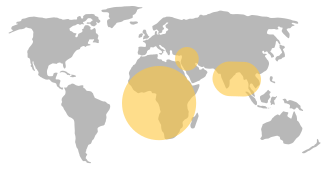
Primary habitat
Francolins are typically found in grasslands, savannas, and subtropical or tropical dry forests.
Additional range
Unexpectedly, some species can be found in semi-urban environments or high altitude regions.
Do they migrate?
Francolins are generally non-migratory birds, and they tend to stay in one place throughout the year. These terrestrial birds belong to the Phasianidae family and are native to Africa and Asia. Most species of francolins are adapted to specific habitats such as grasslands, savannas, and open woodlands, where they can find food and shelter year-round. Due to their non-migratory nature, francolins do not undertake long-distance migrations like some other bird species. Instead, they may exhibit local movements or shifting over short distances in response to changes in weather, food availability, or habitat conditions. These movements are usually minimal and do not qualify as true migrations. Francolins thrive in their native environments by utilizing the available resources and adapting to seasonal changes within their habitat. Their sedentary lifestyle is supported by their ability to exploit a variety of food sources, including seeds, insects, and small invertebrates, which allows them to remain in a consistent area throughout the year. Therefore, there are no migratory routes, timings, or key locations associated with francolin movements.
What is the role of francolins in nature and how to protect them?
Conservation status
The francolin generally varies in conservation status across its various species. Some species, like the crested francolin, are considered common and not currently threatened. However, others, like the grey-breasted francolin, are more vulnerable due to habitat loss, hunting, and agricultural expansion. Key conservation efforts include habitat protection and hunting regulations to preserve populations. The primary threats to francolins are deforestation, agricultural development, and overhunting, which impact their natural habitats and reduce their numbers. Conservation focuses on sustainable land management and raising awareness about the ecological importance of these birds.
Ecological role of francolins
Its role in the ecosystem
Francolins, a group of bird species mainly found in Africa and Asia, play pivotal roles in their ecosystems. Similar to most birds, francolins have an essential function in pest control. They feed on a variety of insects, helping to maintain their populations in check and contributing to the balance of their environments. Additionally, Francolins are seed dispersers due to their diet comprising largely of seeds and grains. Ejected in a different location from their ingestion, these seeds are enabled to germinate and grow, contributing greatly to plant propagation and biodiversity. Furthermore, Francolins themselves serve as prey to numerous predators, thus forming a part of the food chain and aiding in energy transfer in their ecosystems. Notably, changes in their population numbers can indicate environmental health, making them important bio-indicators. Maintaining francolin populations is therefore critical for healthy ecological balance and diversity.
How to help protect francolins
Preservation tips
Habitat preservation strategies
Protect and restore the natural habitats of the francolin by implementing stringent anti-deforestation policies. Lobby for the creation of protected areas, particularly in regions known for high francolin population densities. Ensure these designated areas are shielded from human encroachment and harmful agricultural practices. Encourage ecotourism practices that emphasize the uniqueness of the francolin habitat, supporting local economies while raising awareness about the species' plight.
Community science initiatives
Involve local communities in the conservation process by launching citizen science initiatives. Educate them about the importance of the francolin and its role in the ecosystem. Arrange guided bird-watching tours and interactive seminars to foster interest. Encourage locals to report sightings and nest locations to help build comprehensive databases. Recognize and reward communities for their efforts to conserve the francolin and its habitat. Finally, consult with local traditional knowledge, often overlooked, but vital in conservation efforts.