Marsh Warbler or Eurasian Reed Warbler?
Here's how to tell the difference
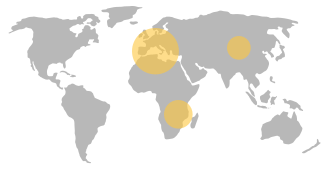

Marsh Warbler

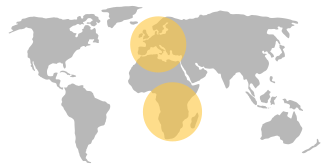
Eurasian Reed Warbler
Marsh Warbler
Acrocephalus palustris
Characteristic Description of Marsh Warbler
Marsh Warblers are small, plain-looking birds with a body length of approximately 13 cm and a wingspan between 18cm and 21cm. Their overall coloration is a dull greenish-brown on the upperparts and off-white to pale yellow on the underparts. Their rounded wings and pointed tails give them an unremarkable, though functional appearance in flight. The differences between male and female Marsh Warblers are limited, as both sexes display similar color patterns. They share the same tones of brown and cream across their plumage, making them challenging to differentiate in the field without closer inspection. During the breeding season, however, males might exhibit slightly brighter hues due to hormonal changes. Juvenile Marsh Warblers can be distinguished from adults by their somewhat darker and duller plumage. Their feathers tend to look more ruffled and worn compared to the sleeker appearance of adults. Juveniles generally lack the subtle sheen that indicates maturity and may also exhibit more prominent light streaking on their throats which fades with age.
Size
5.1 - 5.9 in/0.4 - 0.5 oz
There's more to learn about Marsh Warbler
View full detailsEurasian Reed Warbler
Acrocephalus scirpaceus
Also known as: Reed Warbler
General appearance
The Eurasian Reed Warbler is a small, agile bird primarily characterized by its reddish-brown upperparts and creamy underparts. The head has a subtle grey-brown hue with a slightly paler throat and chest. Its wings are broad and rounded, aiding in its skilled maneuvering through dense reed beds where it typically resides. The tail is relatively long and slightly notched, displaying a similar reddish-brown coloring. The bird's bill is slender and pointed, a typical feature of insectivore birds, allowing it to adeptly catch insects amidst foliage.
Male vs female
Male and female Eurasian Reed Warblers appear remarkably similar, with little distinction in plumage coloration between the sexes. Both possess the characteristic brownish tones and creamy underparts, making gender differentiation mainly reliant on behavior during the breeding season rather than distinct visual traits. Occasionally, males may exhibit slightly brighter plumage, but this is not significantly pronounced.
Juvenile
Juvenile Eurasian Reed Warblers display similar coloration to adults but with slightly duller and less defined plumage. Their underparts tend to show a buffish tint rather than the creamy white of adults. Additionally, juveniles may have more prominent streaking on their upperparts, providing some degree of camouflage during their initial stages of life. As they mature, these streaks fade, and the overall plumage becomes more pronounced, adopting the characteristic adult coloring.
Size
4.9 - 5.3 in/0.3 - 0.7 oz
There's more to learn about Eurasian Reed Warbler
View full detailsHow to tell the Marsh Warbler from the Eurasian Reed Warbler
Visual differences
The Marsh Warbler (5.1-5.9 inches, 0.35-0.53 oz) and Eurasian Reed Warbler (4.9-5.3 inches, 0.28-0.71 oz) show subtle size differences. The Marsh Warbler has a slightly bulkier build. In plumage, the Marsh Warbler displays a more uniform olive-brown coloration, while the Eurasian Reed Warbler has reddish-brown upperparts and creamy underparts. Beak shapes are similar, both slender and pointed. Reed Warblers have subtle grey-brown head hues, and their tail is relatively longer, aiding identification. These distinctions, while subtle, require a careful look for accurate identification.
Key differences and behavior
Marsh Warblers and Eurasian Reed Warblers exhibit distinct behavioral and habitat preferences, aiding in their field identification. Marsh Warblers, weighing 0.35-0.53 oz and measuring 5.1-5.9 in, are exceptional mimics, constructing complex songs from up to 75 other bird calls to attract mates; they relocate breeding sites annually and are found in both wet and unexpected dry habitats, displaying significant adaptability. Conversely, Eurasian Reed Warblers, generally 0.28-0.71 oz and 4.9-5.3 in, are more habitat-specific, residing mostly in reed beds and characterized by their melodious songs during courtship. While both are insectivorous, Marsh Warblers diversify their diet with fruits as seasons change, and Eurasian Reed Warblers might shift to nectar or sugary fruits during migration. Both species are monogamous and share nesting duties, but Marsh Warblers exhibit notable relocation flexibility compared to the reed-centric Eurasian Reed Warbler.
Still not sure? Here are more lookalikes!


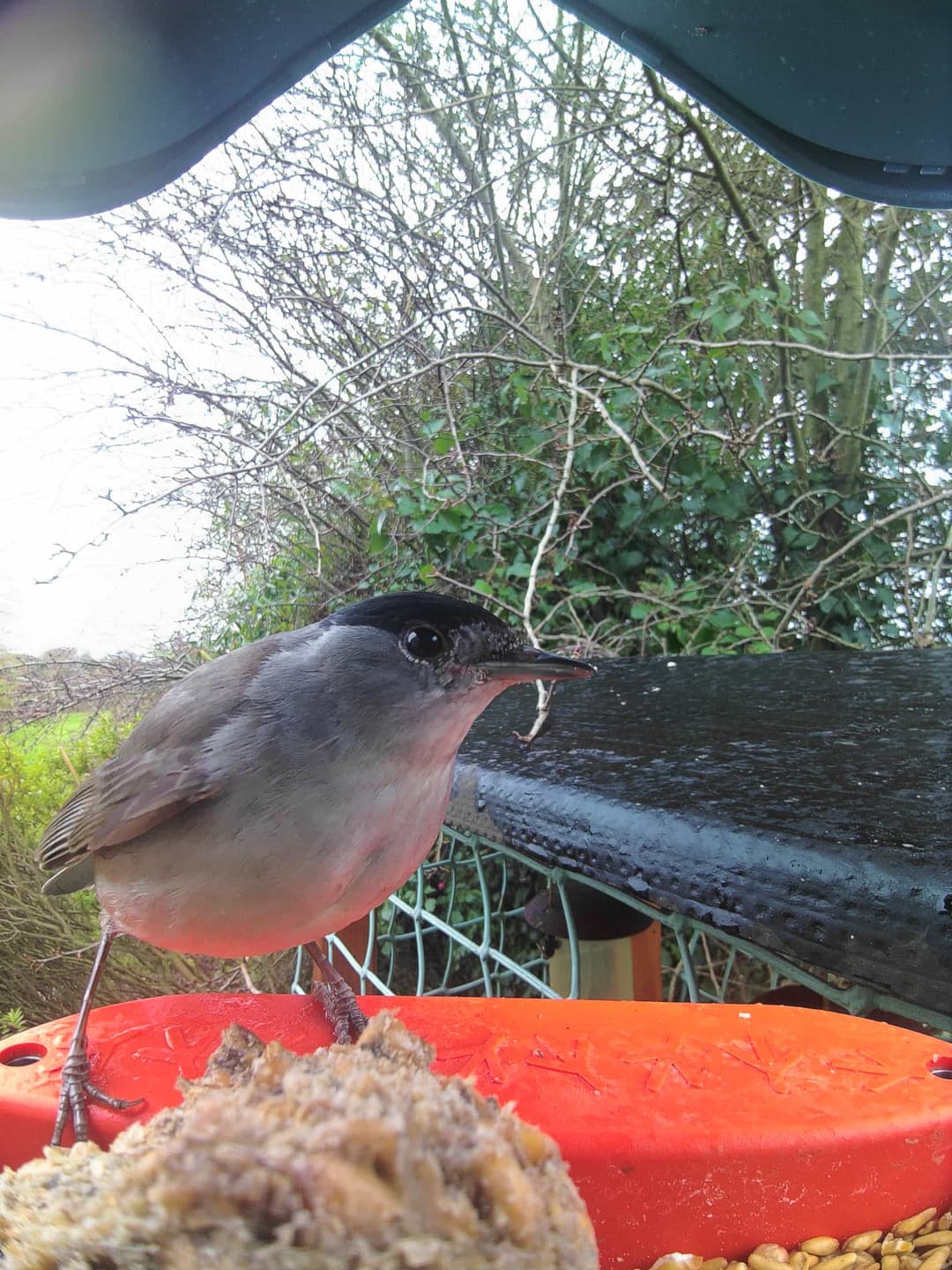
Marsh Warbler vs [Select a bird]

[Select a bird]
Pick a bird to compare
Eurasian Reed Warbler vs [Select a bird]

[Select a bird]
Pick a bird to compare