Crimson Rosella or Western Rosella?
Here's how to tell the difference
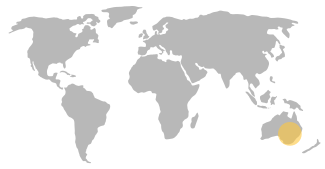


Crimson Rosella

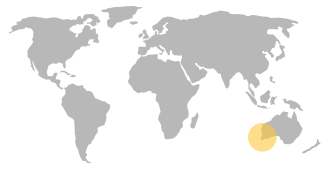
Western Rosella
Crimson Rosella
Platycercus elegans
General appearance
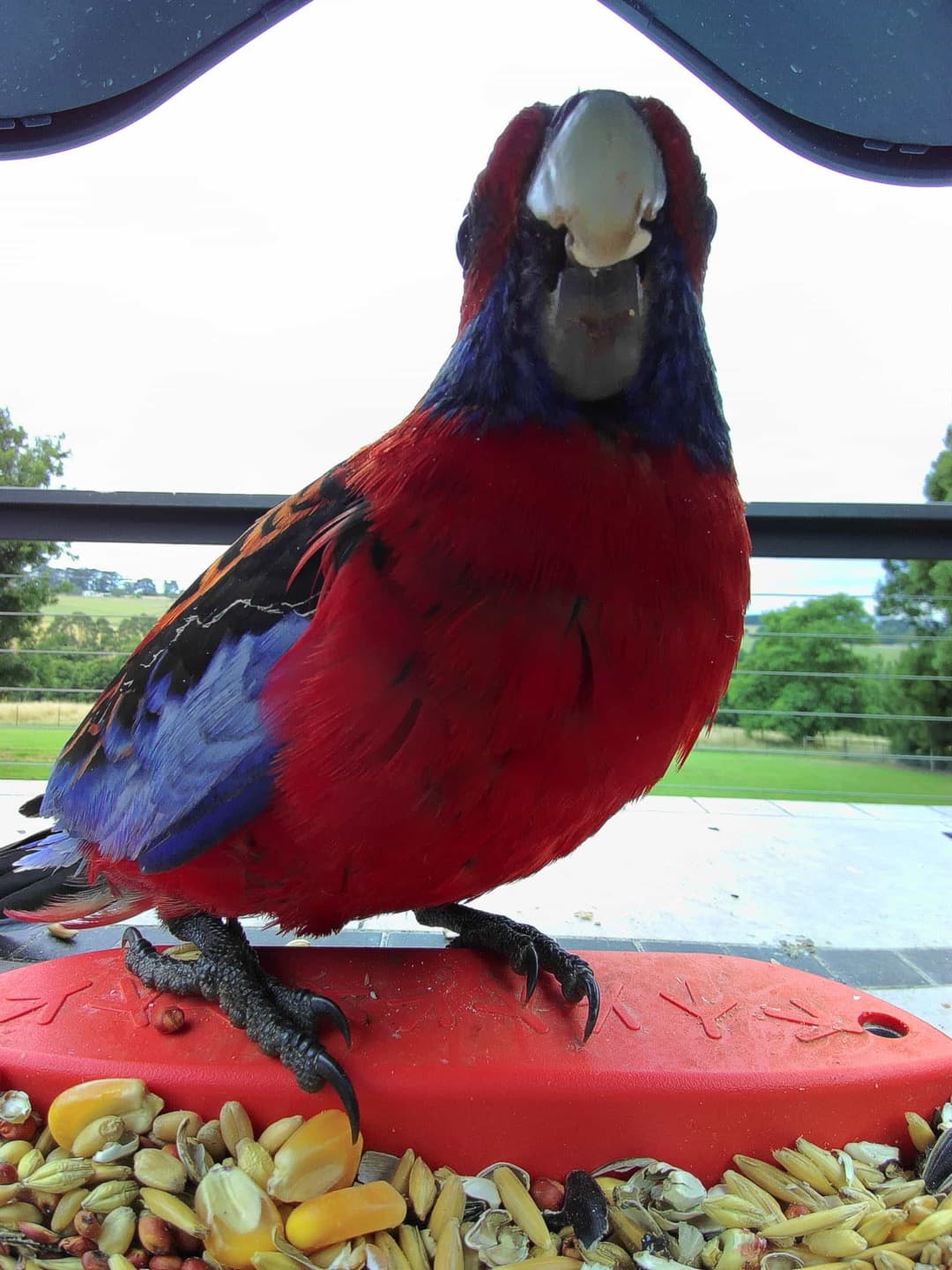
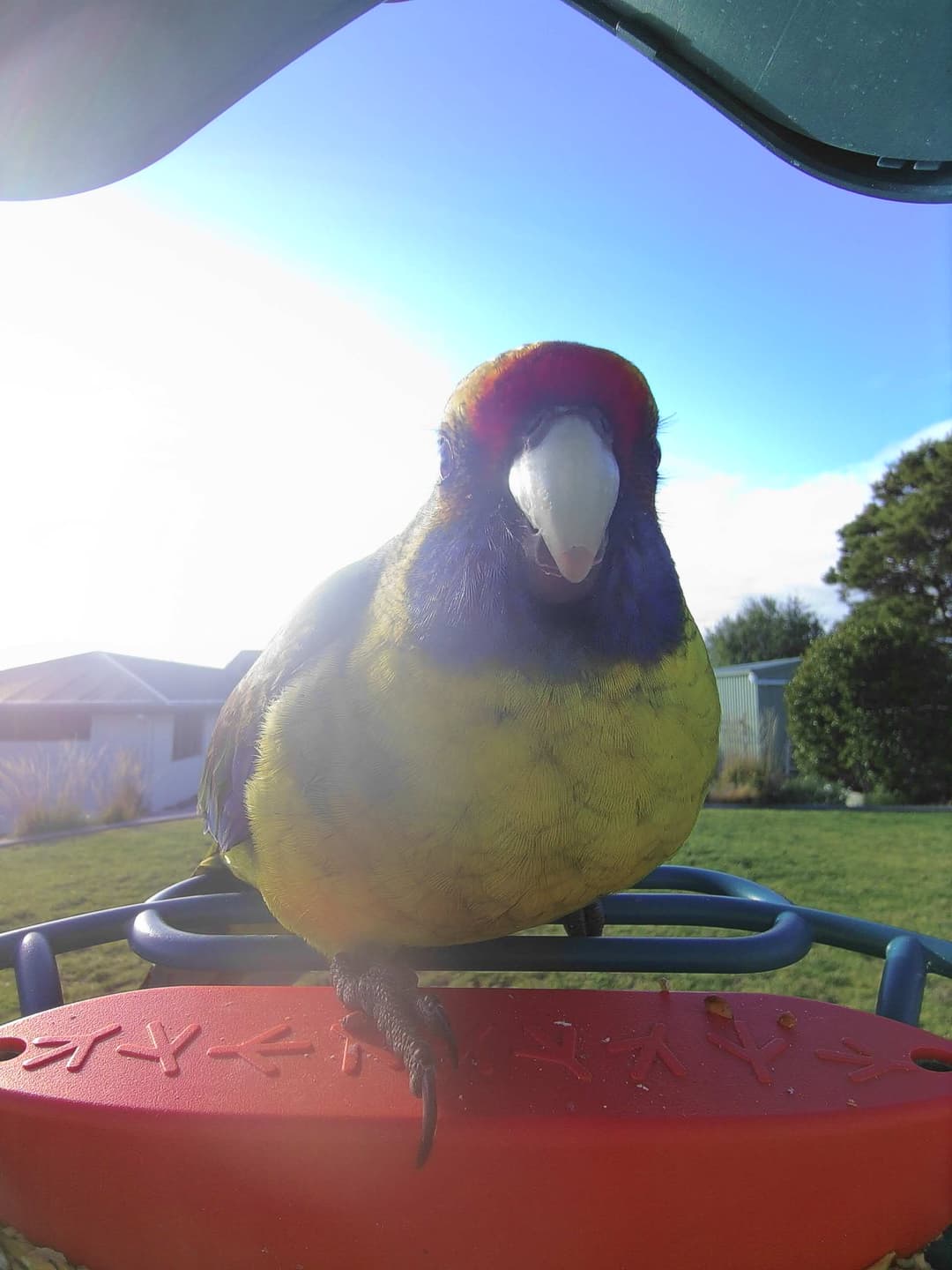
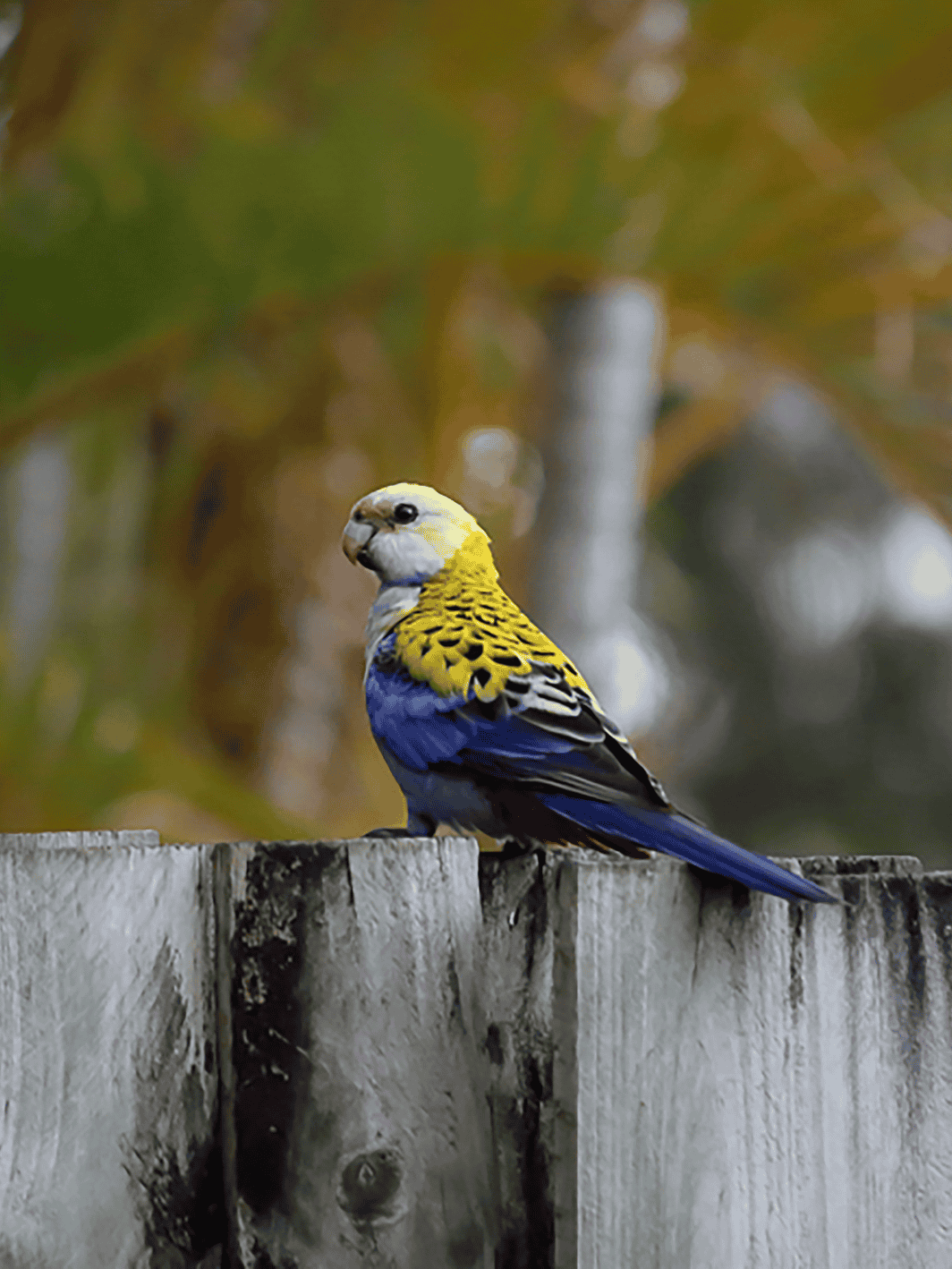
The Crimson Rosella is an eye-catching bird found in eastern and southeastern Australia. It's most known for its vibrant red color, complemented with patches of blue on its cheeks, wings and tail. The beauty of its plumage is further accentuated by black feathers on its back and an aerodynamic shape increasing its grace in flight.
Male vs female
Males and females share similar coloration, making gender determination challenging. However, mature males have slightly broader heads and beaks. Their color is also a bit more vibrant compared to the females. The females have comparatively thinner and pale beaks, which is one of the most prominent distinguishing features.
Juvenile
Juvenile Crimson Rosellas vary in color, making them fascinatingly different from adults. They initially have an olive-green plumage which, with time, morphs into an adult's characteristic crimson and blue color. Their color transformation is a gradual process that takes about 15 months. Therefore, recognizing a young Crimson Rosella can be difficult without knowledge of their early coloration.
Size
11.8 - 14.6 in/2.5 - 6.0 oz
There's more to learn about Crimson Rosella
View full detailsWestern Rosella
Platycercus icterotis
Also known as: Moyadong
General appearance
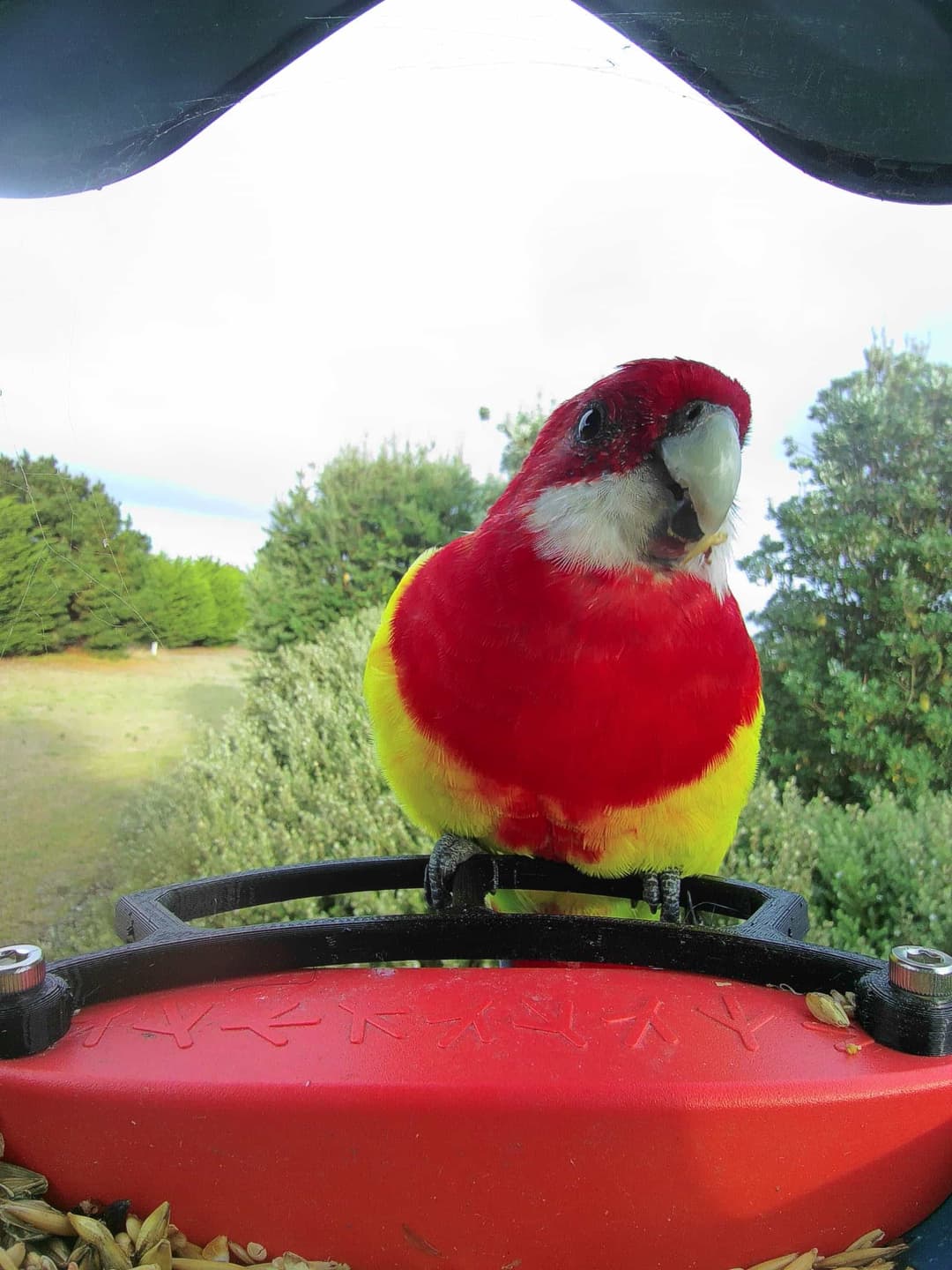
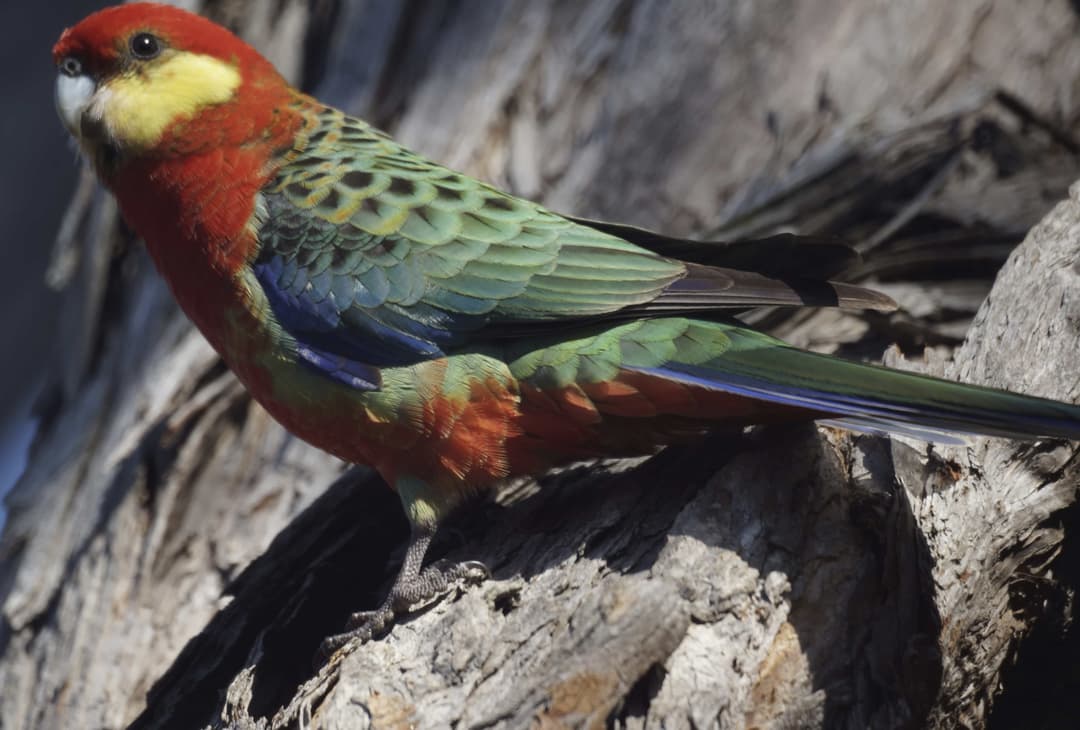
The Western Rosella is a small parrot, measuring up to 28cm in length, predominantly green and red in color with patches of blue on the cheeks and wings. Its back is emerald green with blackish edges. Its tail is a dark shade of blue and its beak is a horn color. This species is distinguished by its vivid color patterns and smaller size.
Male vs female
In terms of gender differences, males tend to have a brighter hue and their red forehead extends to the nape while females have a shorter red patch, starting from the forehead to above the eyes. Females also possess duller green, whereas males have vibrant green backs. Lastly, males have longer upper tail-coverts than females.
Juvenile
Juveniles are similar to females in coloration, but the red patch on their head is even smaller, and their green hues are significantly duller. In addition, juvenile beaks and irises are darker compared to adults. The young birds acquire the adult-like plumage after their first molt that occurs roughly a year after hatching.
Size
9.8 - 10.2 in/1.8 - 2.8 oz
There's more to learn about Western Rosella
View full detailsHow to tell the Crimson Rosella from the Western Rosella
Visual differences
The Crimson Rosella is larger at 12-14.5 inches and heavier (2.5-6 oz) compared to the Western Rosella's 9.8-10.2 inches and 1.8-2.8 oz. Crimson Rosellas are predominantly red with blue cheeks, wings, and tail, whereas Western Rosellas exhibit a mix of red and green with yellow cheek patches. Western Rosella males have brighter hues and longer red head patches than females. Crimson Rosellas have black feathers on their back, while Western Rosellas feature emerald green backs with black edges. Crimson Rosellas have broader, more vibrant beaks than Western Rosellas' horn-colored beak.
Key differences and behavior
Crimson Rosellas are gregarious, frequently seen in feeding flocks and known for their social foraging accompanied by chatter. They thrive in varied habitats, from coastal forests to urban parks in southeastern Australia, with a diet rich in seeds, fruits, and occasional insects. Crimson Rosellas exhibit mutual feeding and vocalizations for courtship, nesting in eucalyptus tree hollows or garden sites. In contrast, Western Rosellas, more solitary, often mingle with different bird species in southwestern Australia’s eucalyptus woodlands. They also adapt to suburban and farmland areas. Their diet mainly includes ground foraged seeds and fruits. Courtship involves colorful displays and preening, with nesting in hollow trees or boxes. Western Rosellas are smaller (10-11 inches, 1.8-2.8 oz), compared to Crimson Rosellas (12-14 inches, 2.5-6 oz), and are distinguished by their social interactions and nesting only in eucalyptus.
Still not sure? Here are more lookalikes!
Crimson Rosella vs [Select a bird]

[Select a bird]
Pick a bird to compare
Western Rosella vs [Select a bird]
[Select a bird]
Pick a bird to compare