
Willow Warbler
Willow Warbler
Phylloscopus trochilus
Quick Identification guide
Quick Identification guide
- •
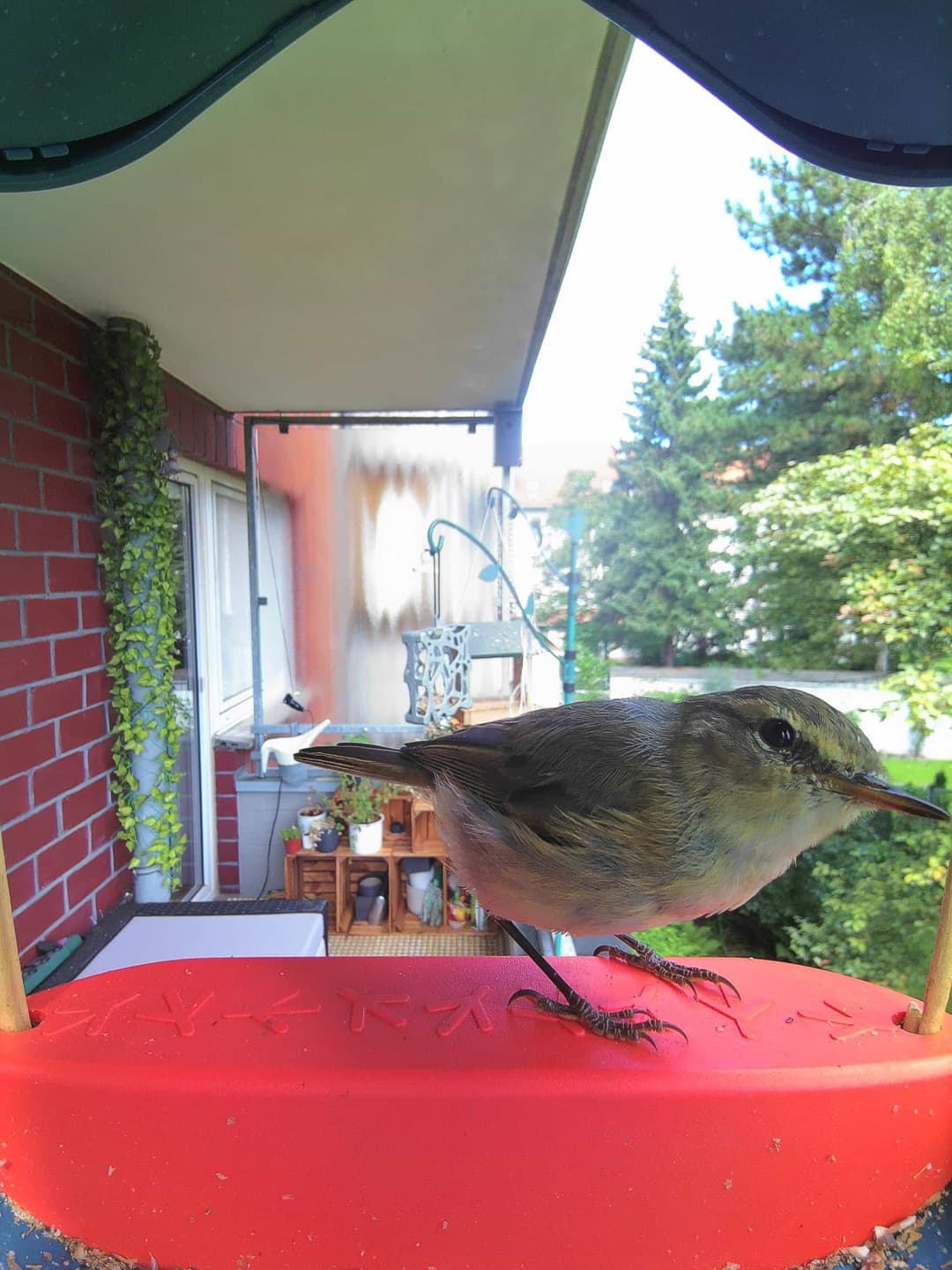
Exhibits pale greenish upperparts with a yellow wash on the underparts, creating delicate contrast
- •
Marked by a thin, pointed beak, perfect for gleaning insects from foliage
- •
Displays long wings and a relatively short tail, enhancing its streamlined appearance
What does a willow warbler sound like?
The Willow Warbler's song is a distinctive, melodious series of sweet, descending notes that accelerate before tapering off softly, often described as a gentle, tinkling melody. Its typical call is a soft and plaintive "hoo-eet" or "huit," which can sound somewhat melancholic. This call is often used for communication between birds in dense foliage. Overall, the Willow Warbler's vocalizations are characterized by their soft, thin, and musical quality, easily distinguishing it from similar species.
Description
Willow warblers were formerly known as willow wrens! These small birds are similar to chiffchaffs and the best way to distinguish them is by song. Unlike most warblers, they moult twice a year. Everybody loves a changed of outfit. They have a yellow-white underside that becomes less white as summer progresses!
The willow warbler can weigh between 9to11grams and be from10to12centimeters tall.
The typical lifespan of the Willow Warbler is around 2 years, though some can live up to 10 years. Compared to related species, the Chiffchaff has a similar average lifespan, while the Blackcap usually lives up to 5 years. The Willow Warbler's relatively short lifespan is due to high predation rates and migratory challenges. Despite their brief lifespan, they are highly successful breeders, which helps sustain their population across Europe and Asia. This rapid life cycle is common among small passerine birds.
Did you know?
Most popular questions about willow warbler
How to recognise a willow warbler?
Willow warbler description
1. General appearance - The Willow Warbler is a small passerine bird known for its delicate build and long wings. It features a slender, pointed bill and a slightly notched tail. Its plumage exhibits a mix of olive-green and pale yellow hues, with the upperparts showcasing a more subdued green and the underparts revealing a faint yellowish tint. The face has a subtle dark line extending from the beak past the eye, and the legs are typically pale pinkish-brown. 2. Male vs female - Both male and female Willow Warblers are visually similar, with no prominent differences in their plumage. During the breeding season, birds may appear slightly brighter due to the wear of their plumage, but both sexes generally maintain the same coloration and markings. 3. Juvenile - Juvenile Willow Warblers exhibit similar coloring to adults, with a few distinguishing features. They often have fresher and more vibrant plumage, lacking the slight wear and dullness found in older birds. Juveniles have less defined facial markings and may appear more yellowish overall. As they mature, their plumage becomes more akin to that of adults, with more pronounced silky olive-green tones and clearer facial markings.
Often mistaken for
Chiffchaff vs Willow Warbler
Chiffchaffs are often mistaken for Willow Warblers due to their similar size and olive-green upperparts. However, Chiffchaffs have darker legs, a shorter primary projection, and a distinctive chiff-chaff song.
Breeding and nesting habits of the willow warbler
Mating Behaviors
The Willow Warbler engages in a series of elegant courtship displays during the breeding season, often characterized by soft singing and rapid aerial movements. These birds are generally solitary during courtship and exhibit a monogamous breeding pattern. Males arrive at the breeding grounds early to establish territories, showcasing their availability through song.
Nesting Details
Willow Warblers build nests in open woodland, shrubby areas, and increasingly, in suburban gardens. The nest is a dome-shaped structure constructed close to the ground using grasses, moss, and leaves, often under low vegetation cover to maintain concealment. This species prefers habitats with abundant undergrowth, which can be encouraged in gardens by planting native shrubs and allowing some areas to grow wild.
Eggs and Chick-Rearing
Females typically lay 5-7 eggs, which are incubated for about 13-15 days. Both parents are actively involved in feeding the chicks post-hatching, which spend about 14-15 days in the nest before fledging. The chicks are primarily fed a diet of insects and invertebrates, requiring the parents to forage continuously in nearby areas to meet the high nutritional demands of their young.
What does a willow warbler like to eat?
Fruits
Insects
Spiders
Natural diet
The Willow Warbler primarily feeds on insects, making it an insectivorous bird. Throughout the breeding season, it actively forages for caterpillars, flies, aphids, beetles, and spiders found in foliage and among branches. This diet is rich in protein, essential for rearing their young. As seasons change, the bird adapts its diet to include small berries and seeds, particularly during migration, providing the necessary energy reserves for long journeys. The shift in dietary habits to include more fruits is often most notable in the early autumn months.
Bird feeders
Willow Warblers visiting bird feeders might exhibit varied interest in typical feeder offerings. However, they may be attracted to sources of protein similar to their natural insect and spider diet. Mealworms or suet enriched with insects can appeal to their foraging style, albeit they are less frequent at feeders compared to other birds. Suet cakes with added fruit might also attract these warblers, especially when they are maximizing their energy intake before or during migration periods. While seeds are not a primary food source, integrating some sunflower hearts might yield occasional interest in communal feeding stations.
Select the right feeder for such little guests
Opt for a small, tube-style feeder when attracting Willow Warblers. These feeders suit their size and mimic their natural foraging habits. Ensure the feeder is transparent, allowing the bright hues of seeds to entice the curious birds. This type also helps keep seeds dry, reducing waste and attracting these agile, active feeders.
Offer a menu of delights
Willow Warblers love small insects but also appreciate seeds and berries in their diet. Bird Buddy seeds are the top recommendation, packed with a blend of insects and oats that mimic their wild preferences. Offering soft fruits like berries or mealworms can also attract these feathery visitors to your garden.
Strategically position your feeder
Place the feeder at a height of 5-7 feet to create an inviting perch for Willow Warblers. Situate near shrubs or small trees, which offer cover and evoke a natural habitat. This setup provides a safe spot for them to nestle between feeding and ensures clearer, frequent visits.
Tune into their seasonal movements
Willow Warblers are migratory, so timing your attractions is crucial. Focus on late spring through early autumn when they frequent gardens. In winter, offer a richer seed mix to help them build energy for migration, ensuring that your backyard remains a favored stopover.
Transform your space into a tranquil oasis
Enhance your garden with a birdbath or shallow water tray, especially during hotter months. Moving water often signals a refreshing drinking spot, attracting Willow Warblers. Supplement this with native shrubs or wildflower patches, offering both sustenance and shelter to complete the allure of your vibrant garden.
Where can you find willow warblers?

Primary habitat
The Willow Warbler primarily inhabits open woodlands with dense undergrowth and shrub layers, especially preferring damp areas near streams or wetlands. During breeding seasons, they are commonly found across Europe and Asia, favoring temperate climates with mild summers and access to ample food resources.
Additional range
Beyond their primary habitat, Willow Warblers demonstrate adaptability by occupying forestry plantations, parklands, and gardens. Although rare, these birds occasionally venture into drier, more arid environments in search of food during migration. Their flexibility highlights their capacity to thrive in a variety of settings.
Do they migrate?
The Willow Warbler (Phylloscopus trochilus) is a migratory bird. It breeds across most of Europe and parts of Asia, specifically ranging from Britain in the west to Siberia in the east. During the late summer and early autumn, typically between August and September, Willow Warblers initiate their southward migration to sub-Saharan Africa for the winter months. Their migration route covers significant distances, passing through southern Europe and into areas like West Africa. Key stopover sites include the Mediterranean Basin, where they rest and refuel. The birds travel across Spain, Italy, France, and other southern European countries before crossing the Sahara Desert—a challenging part of their journey—usually reaching their African destination by late October. In Africa, they primarily inhabit wooded savannas and other semi-open environments. The return northward migration begins in early spring, around March to April, as they head back to their breeding grounds. The migration routes are vital for their survival, providing necessary resources and resting spots along their journey, underscoring the global significance of habitats across multiple continents.
What is the role of willow warblers in nature and how to protect them?
Conservation status
The Willow Warbler is a common species with a generally stable population across its range. However, localized declines have been noted, particularly due to habitat loss, climate change, and changes in land use. Key conservation efforts focus on habitat preservation and restoration, as well as monitoring population trends to ensure any significant declines are addressed promptly. Conservationists emphasize the importance of maintaining wooded areas and preserving migration routes. Despite some regional threats, the species is not currently classified as vulnerable or endangered.
Ecological role of willow warblers
Its role in the ecosystem
The Willow Warbler, or Phylloscopus trochilus, is a small migratory songbird that plays a significant ecological role in various ecosystems across Europe and parts of Asia. One of its primary contributions is through pest control, as it feeds extensively on insects, especially during the breeding season. This diet helps control populations of potentially harmful insects, aiding in pest regulation. While Willow Warblers do not primarily engage in seed dispersal like some other species, they can indirectly contribute to plant propagation by consuming small fruits or berries incidentally during the late summer months. However, their role in pollination is minimal as their feeding habits do not align with the typical activities of pollinating birds. Nutrient cycling is another ecological contribution of the Willow Warbler. By feeding on various insects and contributing to the food web through predation, they help recycle nutrients back into the soil through their droppings, which can enrich the habitat. Additionally, they are prey to larger predators, thereby sustaining higher trophic levels. Their interactions with other bird species, especially during migration, can influence food web dynamics and interspecies relationships, showcasing their broader ecological relevance.
How to help protect willow warblers
Preservation tips
Habitat preservation strategies
Protecting the willow warbler’s natural habitat involves supporting conservation organizations that work towards ecological restoration and protection. These organizations often carry out tree planting projects or create campaigns to save native woodlands where the willow warbler thrives. Engaging with policymakers by lobbying for protective environmental legislation can help secure funding and laws that preserve important habitats. Landowners can be encouraged to adopt sustainable land management practices, including minimizing pesticide use and maintaining hedgerows and natural water bodies, which provide essential resources for these birds.
Community science initiatives
Individuals and communities can aid passerine conservation through citizen science initiatives. By participating in local bird counts or monitoring programs, community members can contribute valuable data to scientists studying willow warbler populations. These efforts help track changes in bird numbers and migration patterns. Community workshops or local birdwatching events can raise awareness and educate others on the importance of preserving biodiversity. Social media platforms offer a space to share sightings and experiences, further promoting conservation awareness and encouraging wider participation in local wildlife initiatives.