
Asir Magpie
Asir Magpie
Also known as: Arabian Magpie
Pica asirensis
Quick Identification guide
Quick Identification guide
- •
The black-and-white plumage with a glossy bluish-black head, back, and wings set it apart
- •
Displays a distinctive long graduated tail, primarily black with white tips
- •
Features a strong, straight black beak and a robust body build characteristic of magpies
Description
Asir magpies don't really like to fly; they prefer to either walk or hop sideways when doing their daily activities, which they do in groups of three to five birds. Sadly, these wonderful creatures are considered highly endangered and only about 135 pairs survive in the wild.
The Asir magpie can weigh between 180to220grams and be from45to47centimeters tall.
The Asir magpie typically lives up to 15 years in optimal conditions, similar to other species of magpie. This lifespan is comparatively long among birds, mirroring the longevity of its corvid relatives such as crows and ravens. Factors including predation, disease, and environmental changes can influence its lifespan.
Did you know?
Most popular questions about Asir magpie
How to recognise an Asir magpie?
General appearance
The Asir magpie is a medium-sized bird with striking black and white plumage. Its wings and tail are glossy blue, complementing the white body and black head. The tail is long with a distinctive forked shape, providing a prominent feature in flight. Its beak is black and slightly curved, enhancing its distinct profile.
Male vs female
Males and females are similar in appearance, both possessing the bright contrasting coloration of black, white, and blue. However, males may exhibit slightly more intense coloration, especially the blue gloss on their wings and tail, although this can be challenging to distinguish without close observation.
Juvenile
Juvenile Asir magpies have duller plumage compared to adults, with less glossy blue on their wings and tail. Their overall appearance is more muted, aiding in camouflage from predators. As they mature, their coloration becomes more vivid, resembling adult birds with the striking black, white, and blue tones.
Often mistaken for
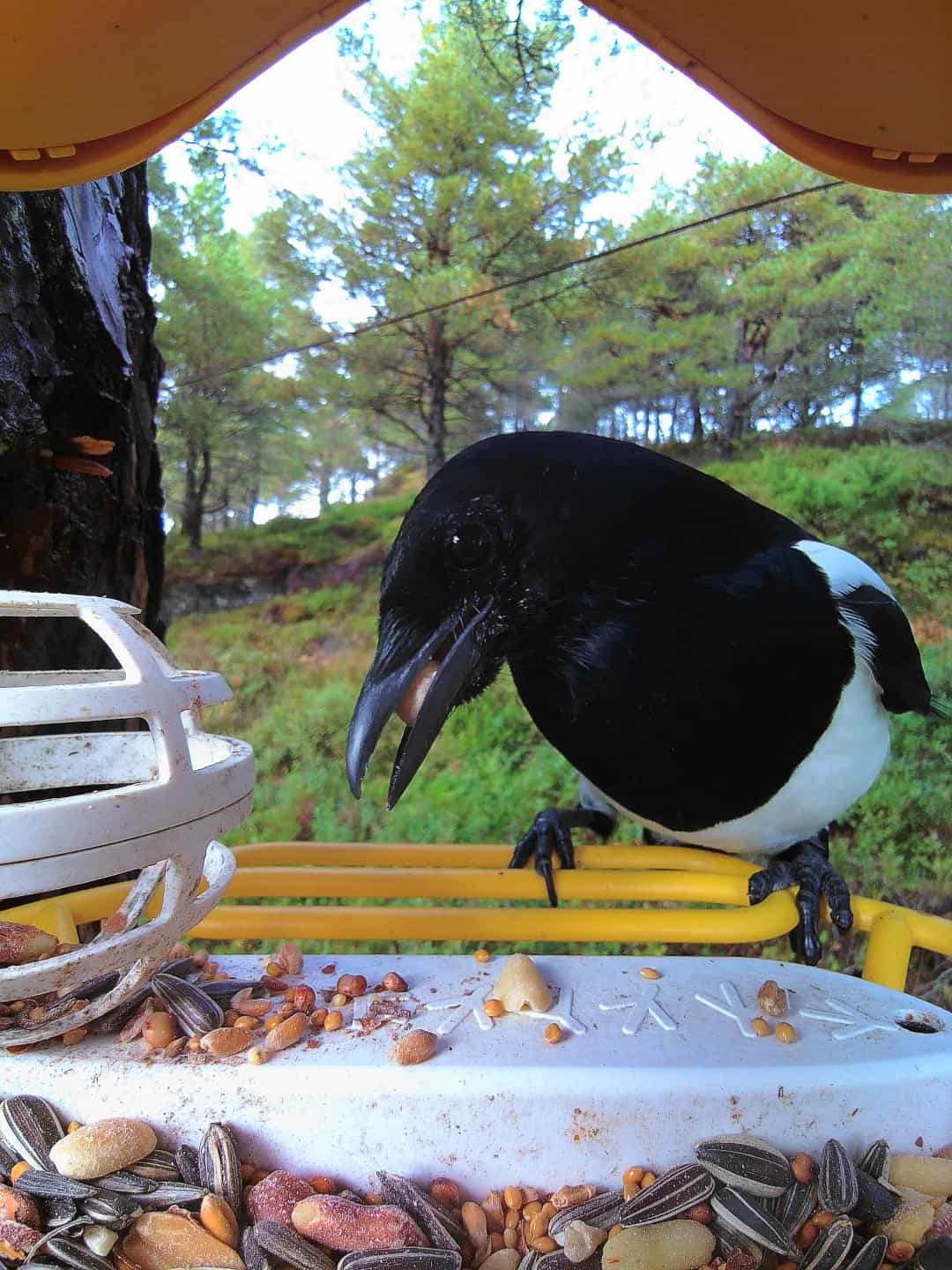
Eurasian Magpie vs Asir Magpie
The Eurasian Magpie and the Asir Magpie both belong to the magpie family and have black and white coloration. However, the Asir Magpie is smaller and has a more limited distribution, being found only in the Asir Mountains of Saudi Arabia, whereas the Eurasian Magpie has a much larger range across Europe and Asia.
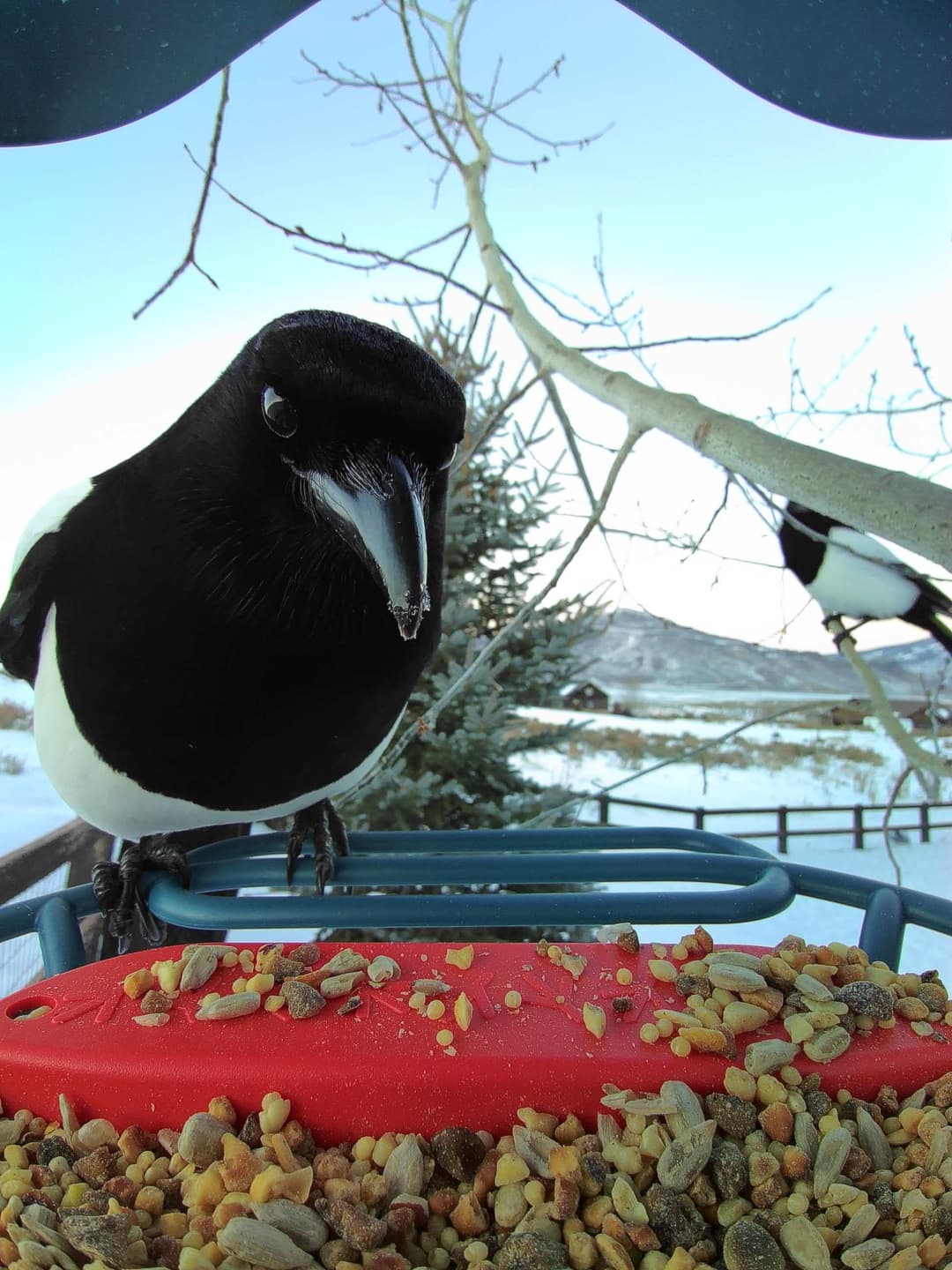
Black-Billed Magpie vs Asir Magpie
The Black-Billed Magpie shares the black and white color pattern typical of magpies with the Asir Magpie. The Black-Billed Magpie is found in North America, and has a longer and more colorful tail with iridescence, distinguishing it from the more dull colored Asir Magpie.
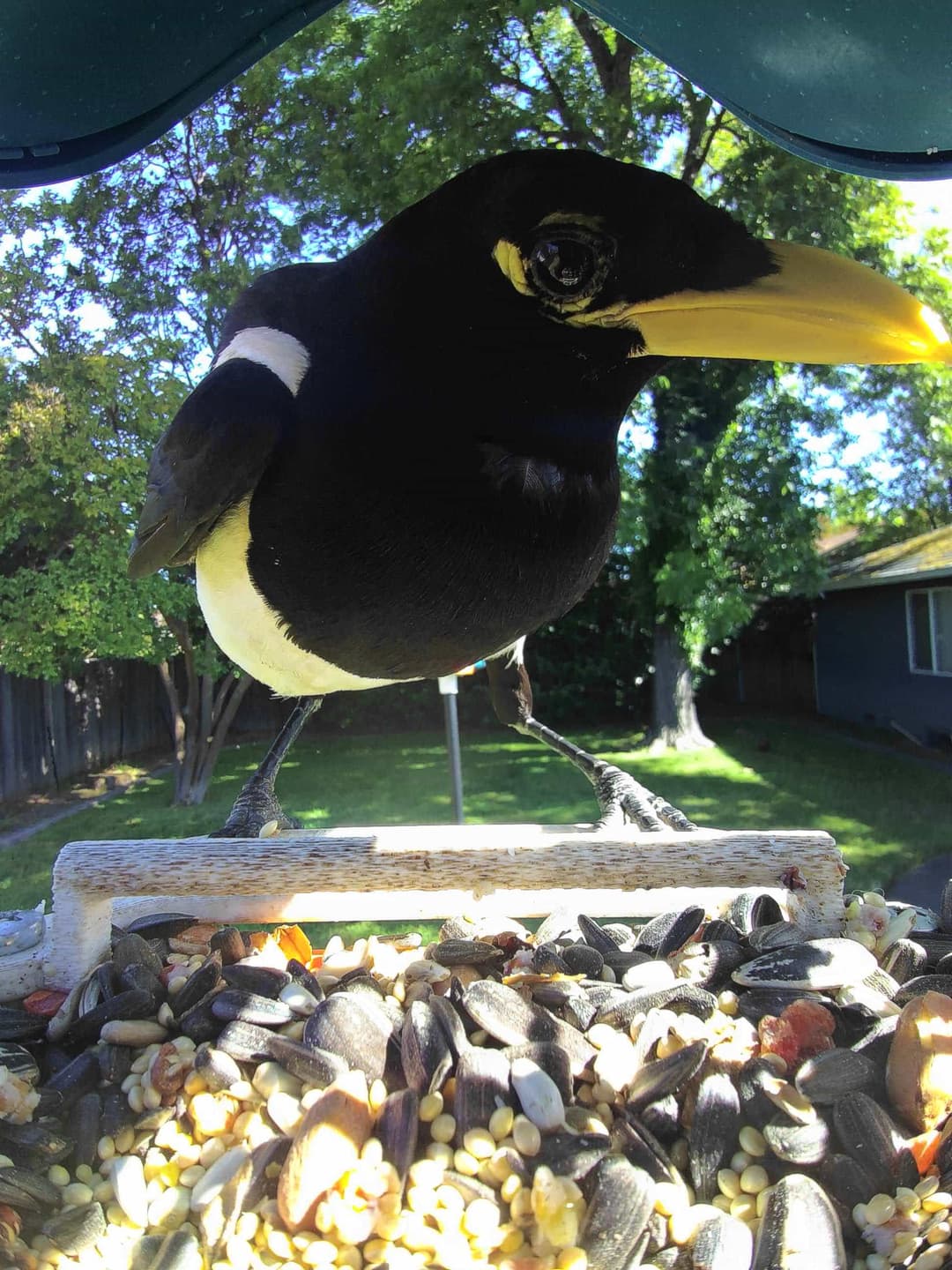
Yellow-Billed Magpie vs Asir Magpie
The Yellow-Billed Magpie resembles the Asir Magpie by having a similar black and white plumage. However, it can be distinguished by its striking yellow bill and is endemic to California, whereas Asir Magpie has a black bill and is found in Saudi Arabia.
Breeding and nesting habits of the Asir magpie
Mating behaviors
The Asir magpie exhibits elaborate courtship displays, including vocalizations and physical displays to attract a mate. Pairs may engage in mutual preening and showcasing of plumage as part of their bonding process.
Nesting details
Asir magpies typically build nests in tall trees, utilizing twigs, grass, and leaves. They prefer locations that offer adequate protection from predators and harsh weather. In some areas, they may nest in large, secluded gardens where such conditions are met. To encourage nesting, gardens should include tall, native trees and limited disturbances during breeding season.
Eggs and chick-rearing
The female typically lays 3-5 eggs, incubating them for about 17-19 days. Both parents participate in feeding and caring for the chicks, which fledge around 25 days after hatching. Parental care continues until the juveniles are independent.
What does an Asir magpie like to eat?
Berries
Carrion
Fruits
Insects
Scraps
Seeds
Small animals
Spiders
Natural diet
The Asir magpie's natural diet primarily consists of insects, small invertebrates, seeds, fruits, and small reptiles. It has a varied diet that allows it to thrive in its native environment. The magpie actively forages for these food sources in trees, shrubs, and on the ground. Insects form a major portion during the breeding season to provide the necessary protein for growing chicks. Fruits and seeds are consumed based on seasonal availability, making the magpie's diet quite diverse.
Bird feeders
At bird feeders, the Asir magpie often consumes grains, nuts, and suet. It is attracted to feeders that offer peanuts, sunflower seeds, and suet cakes, which provide an alternative food source. The magpie adapts well to these supplementary feeding options, particularly during times when natural food is less abundant. Despite its preference for natural foods, the bird's versatility allows it to make use of human-provided feed to sustain its dietary needs.
Entice asir magpies with favorite snacks
These songbird favorites love insects, berries, and seeds. You can tempt them to your yard by spreading out Bird Buddy seeds. They have shown excellent results in attracting Asir magpies, thanks to being expertly chosen for the appropriate season.
Set up attractive feeders
Asir magpies are drawn to feeders that are safe and easy to access. Opt for sturdy feeders with wide perches that can accommodate their size. Place the feeders in quiet and safe spots around your yard to make them feel secure.
Use fun tricks to entice the magpies
Use reflecting objects like mirrors or discs to catch the magpies' attention. You can also play soft bird music to pique their curiosity. Moreover, these birds are known for their intelligence, so consider using puzzle feeders to keep them coming back for more.
Plant native trees and shrubs
Make your yard a welcoming habitat for Asir magpies by growing native plants that provide natural food and shelter. Berries and fruit-bearing trees are particularly attractive to these birds.
Ensure consistent supply of water
Asir magpies, like any other bird species, need a consistent source of clean water for drinking and bathing. Keep a birdbath in your yard and make sure to keep it filled. Ensure the water is regularly cleaned to keep the birds healthy.
Where can you find Asir magpies?

Primary habitat
The Asir magpie is primarily found in the highlands of southwestern Saudi Arabia. It prefers wooded areas, particularly juniper forests, at elevations between 1,800 and 3,000 meters. The species thrives in a Mediterranean-like climate with mild, wet winters and hot, dry summers.
Additional range
Occasionally, the Asir magpie can be found in unexpected environments such as agricultural fields and urban areas where suitable vegetation or food sources occur, indicating some adaptability beyond its primary habitat.
Do they migrate?
The Asir magpie, scientifically known as *Pica asirensis*, is a resident bird species endemic to the Asir region of southwestern Saudi Arabia. It does not migrate but rather stays in the same region throughout the year. This species is specifically adapted to the montane juniper woodlands of the Asir Mountains, where it resides at elevations typically ranging from 1,800 to 3,000 meters. The Asir magpie's non-migratory behavior is largely due to its specialized habitat preferences and the availability of resources within its limited range. The area provides sufficient food sources, nesting sites, and favorable environmental conditions year-round, allowing the magpies to remain in one place. Because the Asir magpie does not migrate, there is no specific migratory route, timing, or key locations associated with its movement. Conservation efforts are crucial for this bird, given its restricted range and habitat under pressure from human activities. Maintaining its habitat is vital to ensure the survival of this unique and geographically isolated species.
What is the role of Asir magpies in nature and how to protect them?
Conservation status
The Asir magpie is classified as endangered. This rare bird is native to Saudi Arabia’s Asir Mountains and faces significant threats from habitat destruction due to urbanization, agriculture, and infrastructure development. Conservation efforts are underway, focusing on habitat protection and restoration. Researchers are also working to better understand its ecology and population dynamics. Key challenges include maintaining the region's unique juniper habitat and mitigating the impact of human activities. Conservationists emphasize the importance of engaging local communities in protection efforts to ensure the magpie’s survival.
Ecological role of Asir magpies
Its role in the ecosystem
The Asir magpie, currently found exclusively in Saudi Arabia's Asir Province, plays a pivotal role in maintaining the health of its ecosystem. Given its omnivorous nature, it serves as a robust agent of pest control by consuming a variety of insects that could damage vegetation. Despite its modest size, the Asir magpie can also consume larger pests, contributing further to the ecosystem's equilibrium. Additionally, as a bird species, the Asir magpie assists in seed dispersal, beneficially impacting plant biodiversity and forest regeneration in its region. Seeds consumed by the magpie can be transported over significant distances in their digestive system before being deposited in a new location via their droppings. This enhances the proliferation of plant species and aids in maintaining diverse forest ecosystems. Therefore, a healthy population of Asir magpies signifies a dynamic and functioning ecosystem.
How to help protect Asir magpies
Preservation tips
Habitat preservation strategies for asir magpie
Preserve the natural habitats of Asir magpie by reducing deforestation and maintaining their food sources. This bird's habitat includes woodland areas and river valleys, so efforts should focus on protecting these zones. Implementation of reforestation projects and strictly monitoring illegal logging can be beneficial.
Community science initiatives
Encourage community involvement in Asir magpie conservation through citizen science projects. These can include monitoring bird populations, nest locations, and reporting unusual behaviors. Public education about the bird's significance and conservation status can also help. Collaborate with local schools and organizations to develop programs or workshops to involve community members more actively.